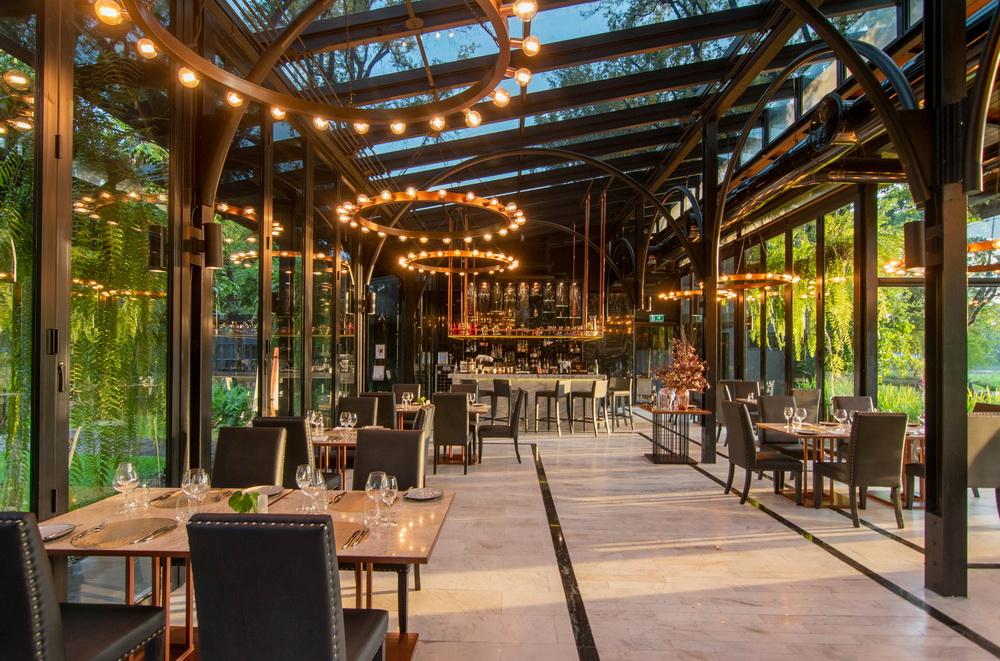
At Cross Chiang Mai Riverside, Chiang Mai, OXYGEN DINING ROOM housed in an award – winning modern glass and steel structure, flanked on one side by several towering 120-year-old Tamarind trees and by the Ping River on the other.
The building creates an elegant escape for discerning diners who crave Thai fusion cuisine, with a twist and French technic style, set in a unique and romantic environment.
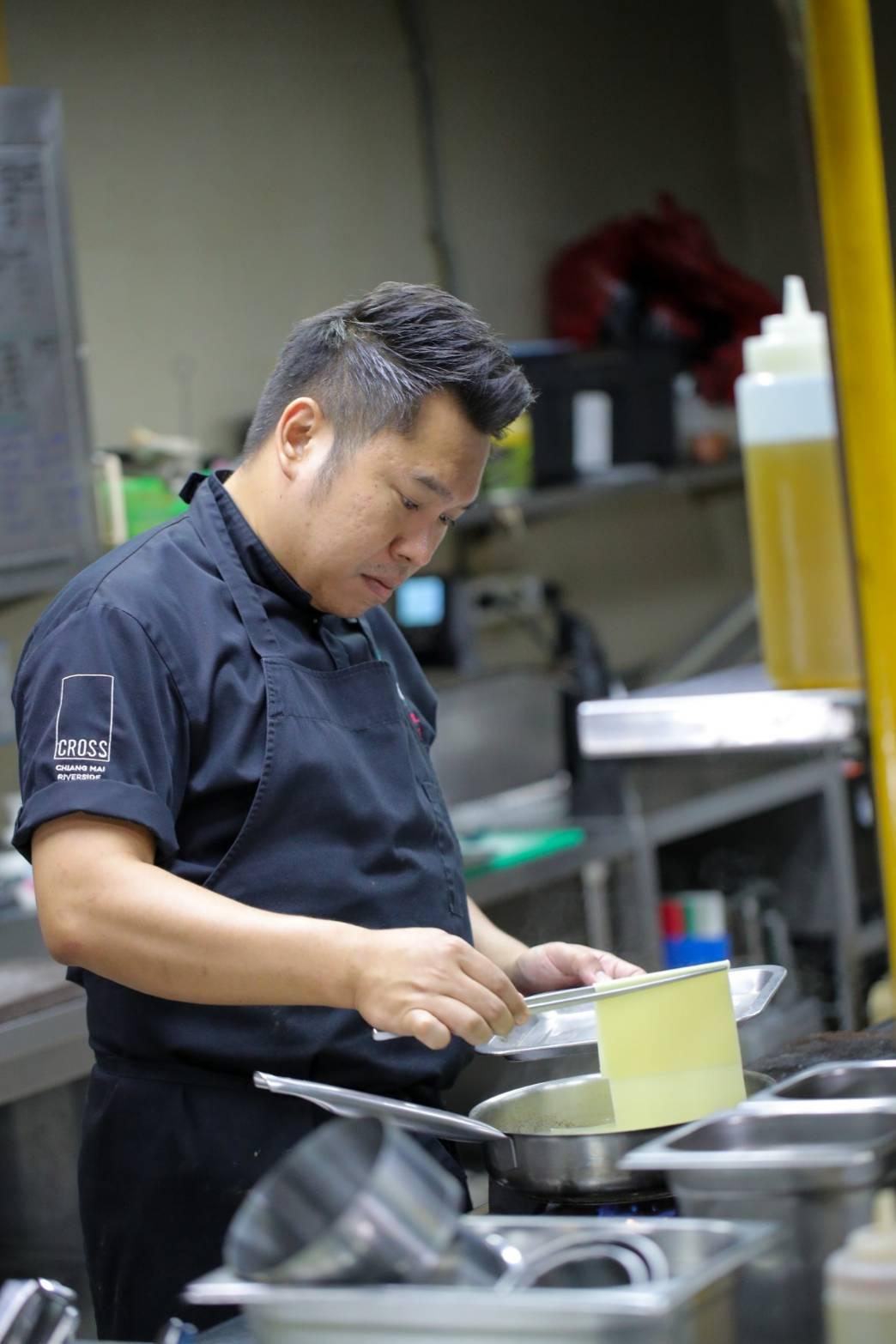
Chef ‘KHEM’ Wathit Rungrotwattana, the Executive Chef of Oxygen Dining Room, is a Thai national with experience in five-star hospitality establishments in Thailand. He also received training at the 1 Michelin Star ‘Het Gabar Restaurant’ in Belgium.
Chef Khem is widely recognized for his expertise, particularly in selecting and crafting special menus that highlight the use of local ingredients. He and his team are delighted to welcome you to indulge in a unique culinary experience in Thai – French Fusion cuisine
New Menu Concept 2024:
Thai set menu: Thai recipe with a special unique blend
Thai cuisine, famed for its blend of sweet, sour, bitter, salty, and spicy flavors.
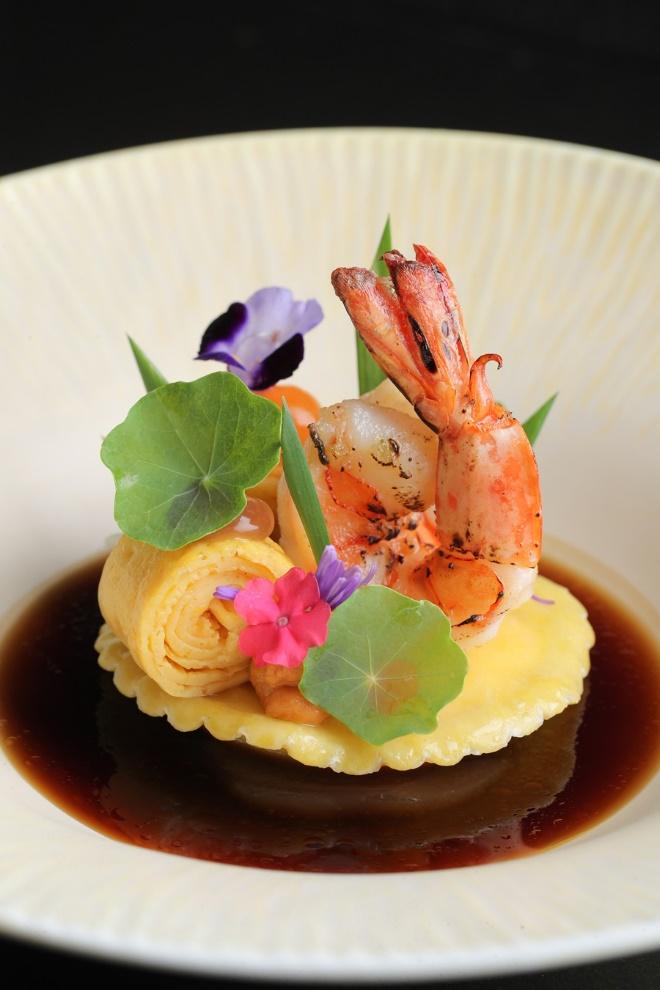
Oxygen Dining Room offers a unique Thai set menu highlighting local ingredients, including premium seafood. With a fusion of French techniques, we craft an exceptional and romantic dining experience in our atmospheric dining room.
Degustation set menu: Oxygen Dining Room Signature Menu
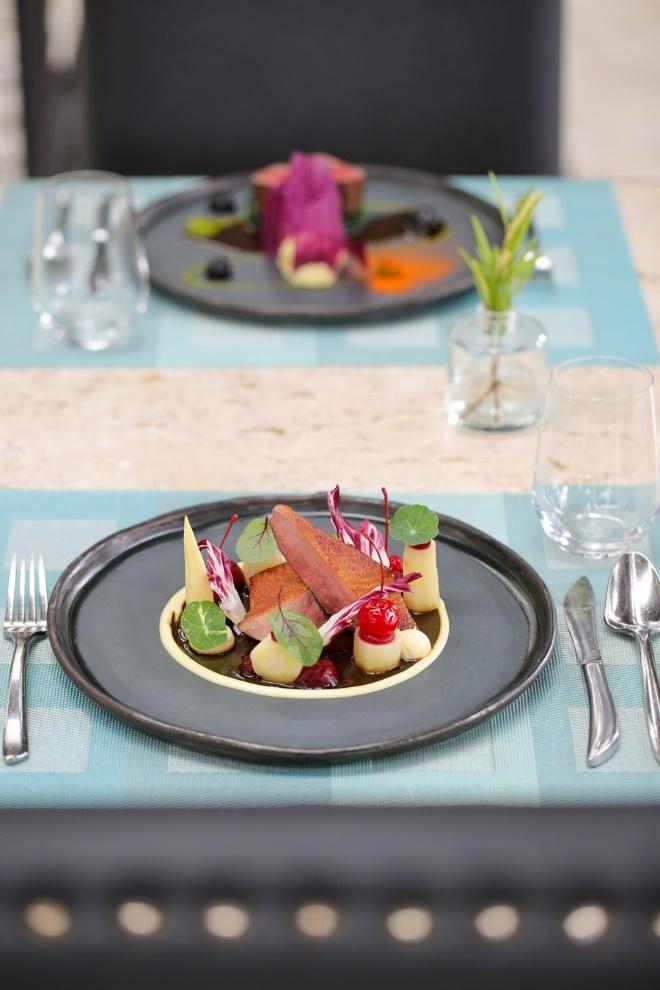
which focuses on seasonal specialties, so we can serve the freshest possible produce at its peak and presenting with culinary art. The best answers to you would be ‘Degustation menu’ that help you find menus that taste good and treat your soul right.
Experience Set Menu: Created with a passion & Experience
Indulge in the artistic aesthetics of the “Experience Set Menu” at Oxygen Dining Room. Each dish has been meticulously crafted by the Chef, blending Thai cuisine with a modern French twist using innovative techniques. Immerse yourself in a fresh and unforgettable dining experience.
Get a Taste of Our Latest Menu Items! Exclusive Fine Dining Dinner: Open daily during 18.00 – 22.00 hrs.
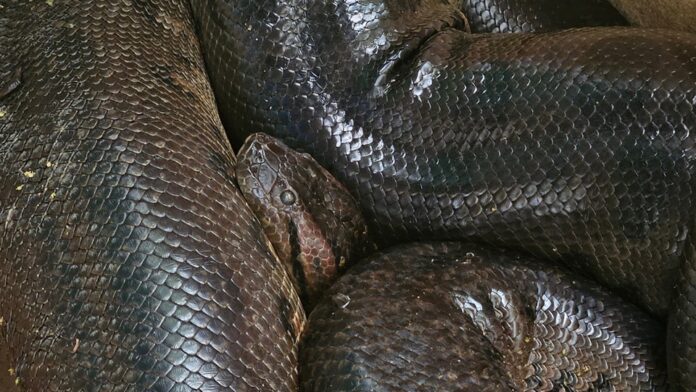
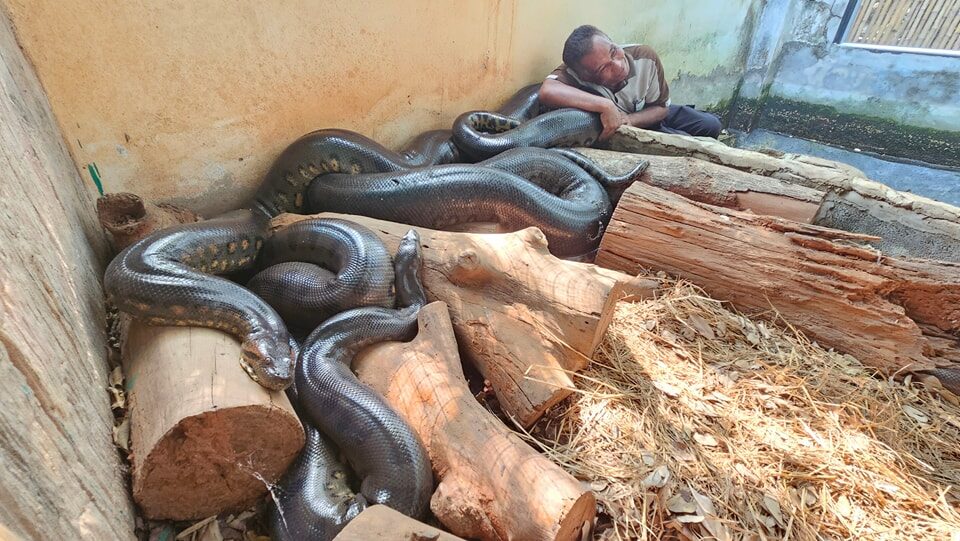
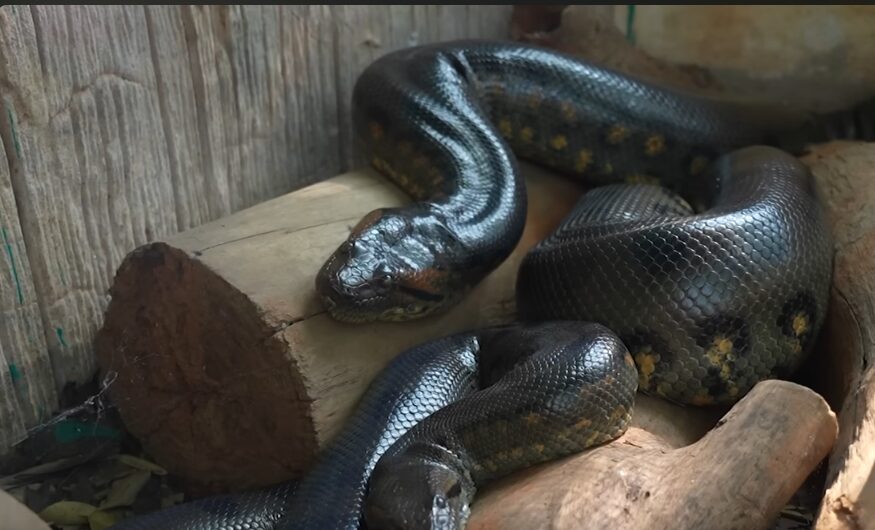
NAKHON RATCHASIMA – Mayo and Moya, two magnificent Green anacondas residing at the Nakhon Ratchasima Zoo in Thailand were introduced to the public by Niruth Chomngam, also known as Nick Wildlife, the reptile specialist.
The females of the green anacondas are much larger than the males. They belong to the Boidae family and differ from pythons such as reticulated pythons and Burmese pythons.
Unlike their movie portrayal, Mayo and Moya are accustomed to human contact.
Nick Wildlife
They only attack when hunting or defending themselves. They prefer to avoid confrontation and slither away if they don’t like being touched. However, caution is always advised when interacting with them.
Their enormous size requires a lot of water for locomotion. On land they move slowly, but in water they are nimble, so they prefer to live near water sources, just like in the documentaries.
Mayo and Moya were imported legally over a decade ago by the Zoological Park Organization of Thailand (ZPO). Some people worry about them escaping, but the zoo’s enclosures are secure and well-maintained.
Nick Wildlife
Zoos like the Nakhon Ratchasima Zoo serve several important purposes. They provide educational opportunities and allow people to see animals such as lions, giraffes and zebras up close. Zoos also contribute to species conservation through breeding and research programs. For example, the ZPO has successfully bred endangered cranes and released them back into the wild.
Niruth emphasized that an escape from the zoo is highly unlikely. The anacondas’ enclosure is safe and well guarded. According to experienced zookeepers, anacondas are relatively fragile compared to native pythons and have a low survival rate in the wild.
Mayo and Moya, the largest anacondas in Thailand, can be visited at Nakhon Ratchasima Zoo.
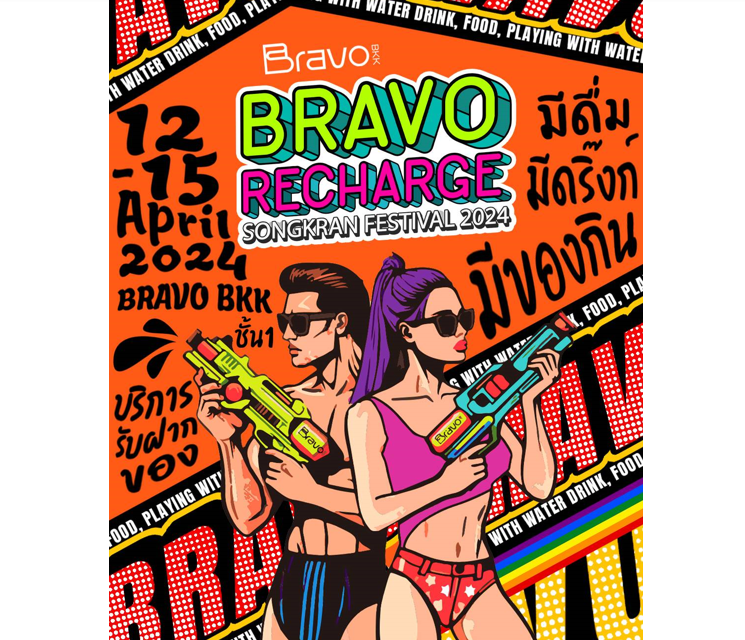
Bravo BKK Ready to Support “Siam Songkran Music Festival”: A Spectacular Blend of Water, DJs, and Music Extravaganza, Set for April 12-15
Bravo BKK is pleased to announce its co-sponsorship of this year’s “Siam Songkran Music Festival,” set to take place at RCA Central Park, spanning 24,000 square meters, from April 12 to 15, 2024.
To enhance the entertainment experience at the “Siam Songkran Music Festival” and contribute to Thailand’s tourism, Bravo BKK has partnered to manage the registration area. This area also serves as the primary check-in point for festival entry, where attendees will receive wristbands for event access. Moreover, Bravo BKK is geared up to handle the influx of tourists expected in the area from April 12 to 15, 2024.
It provides parking space for over 1,000 cars, payable at 300 baht per car with parking allowed until 8 a.m the following day. Additionally, there will be a Soft Opening After Party, of Boom Shake Club at Bravo BKK 6th floor rooftop. This international club will also participate in the Songkran Festival celebrations from April 12-15, 2024.
Bravo BKK will also be hosting “Bravo Recharge” event, catering to various types of partygoers based on their needs. Whether you’re looking for stores or restaurants lining the streets or inside the department store, or if you desire a wide array of delicious food options to recharge before diving back into the festivities, Bravo Recharge has you covered. The venue offers a range of excellent branded restaurants, including international and halal options like Ha Sun Lhao, as well as internationally renowned restaurants like Loong Mala, a Chinese favorite (a must-try).
For those looking to relax and chat in a large group, McDonald’s and Starbucks are also available to accommodate guests. Moreover, Bravo BKK offers lockers and other dry waiting areas, along with a photo booth, to enhance visitors’ experience. Bravo BKK will be giving out FREE travel codes via Grab and LINE. Simple apply BravoBKK30 code for passenger car services and BravoBKK15 for motorcycle services and choose Bravo BKK as pick up or drop off point.
To elevate more fun, Bravo BKK also launched the #bravogiveaway campaign, featuring an online activity inviting everyone to participate through Bravo BKK’s social media channels on Facebook and TikTok. Participants stand a chance to win GA tickets for all three days of the event, with 20 tickets available per channel. The lucky winners was announced via LineOA @BravoBKK on 7th April 2024.
The “Siam Songkran Music Festival” promises an entertainment extravaganza showcasing “Thainess” in every aspect of the event, offering a comprehensive and enjoyable experience. Attendees, both foreign tourists and Thais, can immerse themselves in the beauty of Thailand and its soft power, including Thai-style tattoos (sak yant), traditional Thai massage, Thai dancing, Thai boxing, and the vibrant atmosphere of a retro temple fair. In addition to the traditional Thai experiences, the event will also feature a lively and international atmosphere.
Attendees can expect performances from the TOP 100 DJs in the world and electrifying EDM concerts, creating an unforgettable experience for EDM enthusiasts to ‘dance’ and ‘be wired’ together. This live legend experience will take place in RCA Central Park, a sprawling 24,000 square-meter venue with a capacity for approximately 15,000 people.
The 4-day Siam Songkran Music Festival promises an exceptional experience for dance enthusiasts, featuring world-class DJs:
April 12, 2024: VINI VICI
April 13, 2024: TIËSTO, an EDM icon, will perform alongside CHRIS AVANTGARDE, a legendary figure in electronic music.
April 14, 2024: MARTIN GARRIX, the top DJ of all time
April 15, 2024: ZEDD
Attached to the main event is a Pool Party, offering a fun, customizable group experience. Attendees can also enjoy the ambiance of a chic restaurant like Cosmos Dining among many others.
Get ready for a series of creatively engaging and exhilarating activities at Bravo BKK, set to amplify its ‘Fit & Fun Mall’ concept throughout 2024. These activities will usher in a new chapter for the retail space in the shopping center, featuring national and international events with cutting-edge innovations.
For individuals or businesses interested in renting retail space at Bravo BKK or seeking more information, please contact Bravo BKK at 02 111 555 or www.bravobkk.co.th
YouTuber Ium Daro, who started filming Angkor monkeys about three months ago, follows a mother and a baby along a dirt path with his iPhone held on a selfie stick near Bayon temple at Angkor Wat temple complex in Siem Reap province, Cambodia, Tuesday, April 2, 2024. (AP Photo/Heng Sinith)
SIEM REAP, Cambodia (AP) — A baby monkey struggles and squirms as it tries to escape the man holding it by the neck over a concrete cistern, repeatedly dousing it with water.
In another video clip, a person plays with the genitals of a juvenile male macaque sitting on a limestone block from an ancient temple to get it excited for the camera.
The abuse of monkeys at the Angkor UNESCO World Heritage Site in northwestern Cambodia is not always so graphic, but authorities say it is a growing problem as people look for new ways to draw online viewers to generate cash.
“The monkey should be living in the wild, where they are supposed to be living, but the monkey nowadays is being treated like a domestic pet,” said Long Kosal, spokesperson for APSARA, the Cambodian office that oversees the Angkor archaeological site.
“They’re making the content to earn money by having the viewers on YouTube, so this is a very big issue for us.”
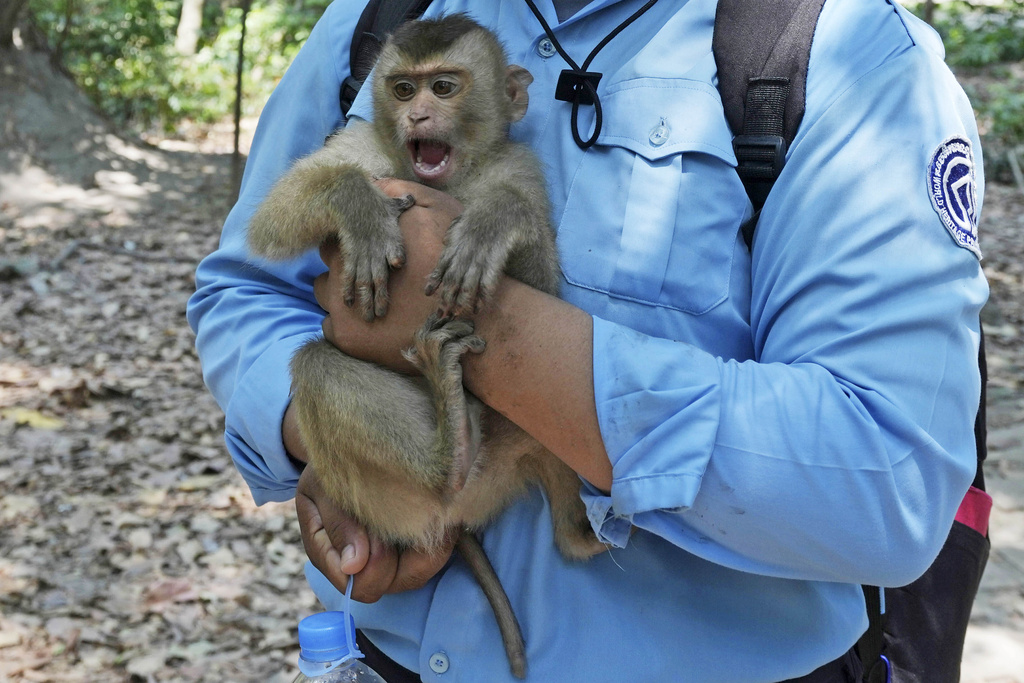
A blue-shirted APSARA warden holds a monkey at Angkor Wat temple complex in Siem Reap province, Cambodia, Wednesday, April 3, 2024. (AP Photo/Heng Sinith)
APSARA has few tools itself to stop the YouTubers from filming in general, but has opened an investigation with the Ministry of Agriculture to collect evidence for legal action against the most serious abusers — who are rarely on camera themselves, Long Kosal said.
“If we can build a case, they will be arrested for sure,” he said. “Any animal abuser will be seriously punished by law in Cambodia.”
YouTube, Facebook and other sites remove the videos with graphic content, but scores of other clips of cute monkeys jumping and playing remain, generating thousands of views and subscribers.
Just making those videos involves very close interaction with the monkeys, however, which authorities and animal-rights activists say creates a host of other problems, both for the macaques and people visiting one of Southeast Asia’s most popular tourist sites.
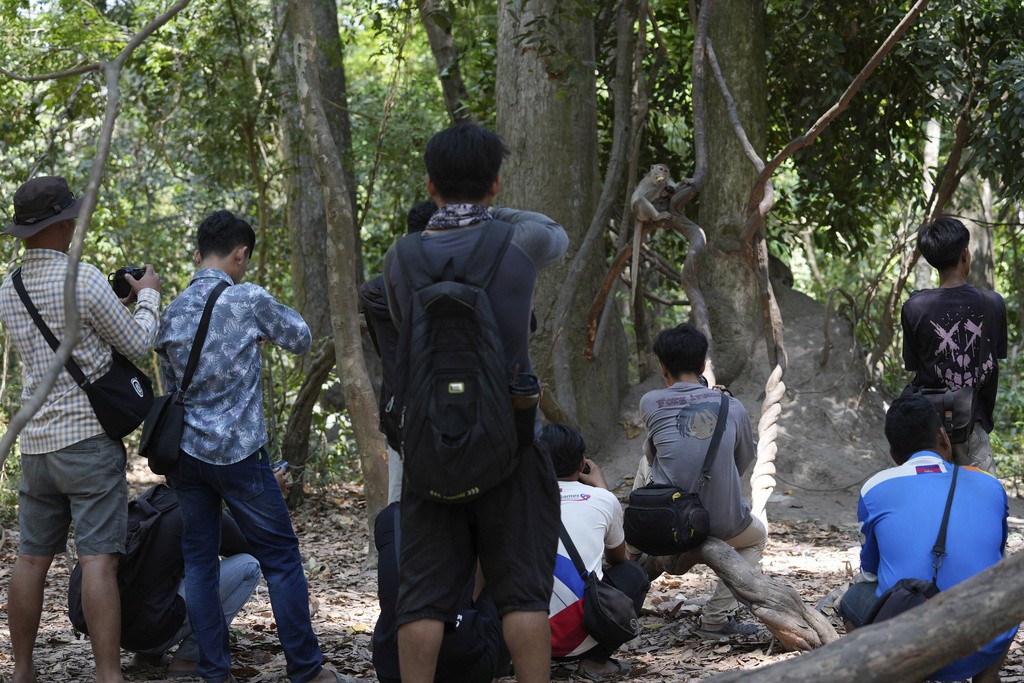
On a recent day outside Angkor’s famous 12th-century Bayon Temple, at least a dozen YouTubers, all young men, crowded around a small group of long-tailed macaques, pushing in close to get shots of a mother with a baby on her back and tracking her everywhere she moved.
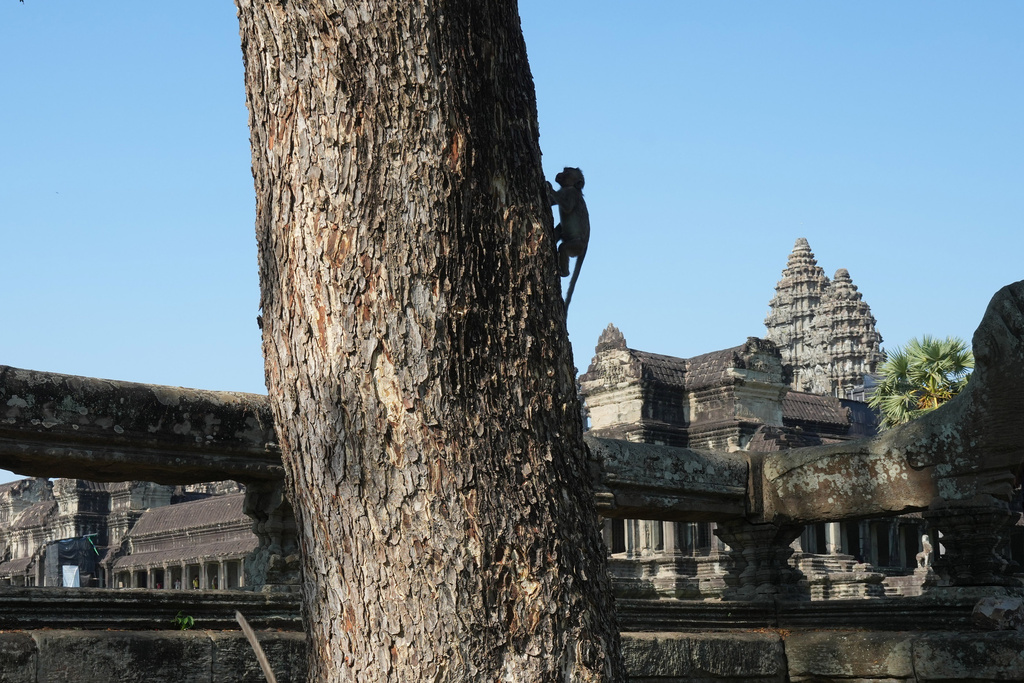
A monkey climbs a tree at Angkor Wat temple complex in Siem Reap province, Cambodia, Tuesday, April 2, 2024. (AP Photo/Heng Sinith)
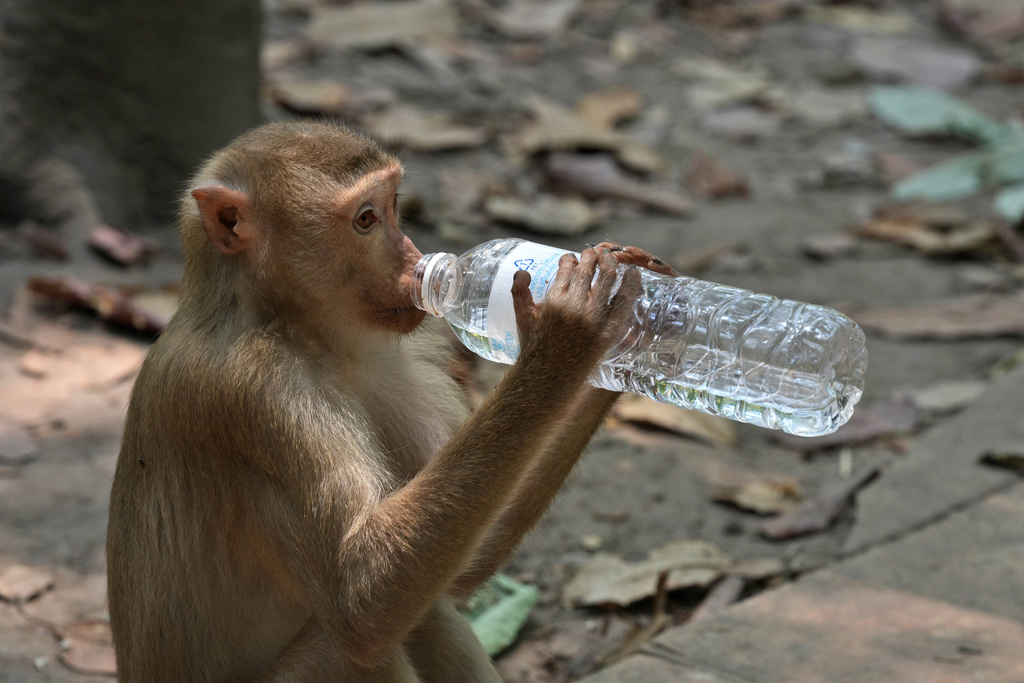
The wild monkeys feasted on bananas tossed to them by YouTubers and drank from plastic bottles of water. One young macaque briefly amused itself with half-eaten neon-green popsicle discarded at the side of the path, before dropping it to move on to a banana.
A blue-shirted APSARA warden looked on but those filming were unfazed, illustrating the main problem: Simply taking video of monkeys is OK, even though feeding them is frowned upon. At the same time, it’s making them dependent upon handouts, and the close interaction with humans means they’re increasingly becoming aggressive toward tourists.
“The tourists carry their food, and they would snatch the food,” Long Kosal said, flipping through multiple photos on his phone of recent injuries caused by the macaques. “If the tourists resist, they bite and this is very dangerous.”
The search for food from tourists also draws the monkeys from the surrounding jungle in to the ancient sites, where they pull away pieces of the temples and cause other damage, he added.
Tourist Cadi Hutchings made sure to keep her distance from the monkeys, after being warned by her tour guide of the increasing risk of being bitten.
Local YouTubers take videos of monkeys near Bayon temple, at Angkor Wat temple complex in Siem Reap province, Cambodia, Tuesday, April 2, 2024. (AP Photo/Heng Sinith)
“What they want is your food, but you also need to appreciate that there needs to be a boundary between human intervention in nature,” the 23-year-old from Wales said. “It’s obviously a great thing that so many tourists come because it’s such a lovely place, but at the same time, you have to be careful that with more and more people … the monkeys don’t get too acclimatized.”
Many other tourists, however, stopped to take their own photos and videos — some holding out bananas to draw them closer — before heading to the nearby temple site.
YouTuber Ium Daro, who started filming Angkor monkeys about three months ago, followed a mother and a baby along a dirt path with his iPhone held on a selfie stick to get in close.
The 41-year-old said he hadn’t seen any monkeys physically abused, and that he didn’t see a problem with what he and the others were doing to make a living.
“The monkeys here are friendly,” he said. “After we take their pictures we give them food, so it is like we pay them for them giving us the chance to take their picture.”
As he spoke, a young macaque scrambled up the leg of an onlooker, trying — unsuccessfully — to grab a plastic bottle of water out of his pocket.
One YouTuber said he had started filming monkeys during the COVID-19 pandemic after the numbers of tourists plummeted, making it impossible to earn a living as a tuk-tuk driver.
A monkey drinks water from a plastic bottle near Bayon temple, at Angkor Wat temple complex in Siem Reap province, Cambodia, Wednesday, April 3, 2024. (AP Photo/Heng Sinith)
Daro said he was looking for a way to supplement his income as a rice vendor, and that he’s too new at it to have realized many returns.
Many, like Phut Phu, work as salaried employees of YouTube page operators.
The 24-year-old said he started filming monkeys 2 1/2 years ago when he was looking for a job in the open air to help him deal with a lung problem.
He’s generally at it daily from 7 a.m. to 5 p.m., earning $200 a month — equivalent to a Cambodian minimum-wage job — and said he hoped authorities wouldn’t try and put an end to it.
“I need these monkeys,” he said, holding a Nikon Coolpix camera with an extreme zoom that his employer provided, the same model most of the YouTubers were using.
With the difficulties involved in identifying and catching those responsible for the physical abuse of the monkeys, coupled with the draw of easy money through YouTube videos, Long Kosal said APSARA’s task is a tough one.
“This is the problem for us,” he said. “We need to find solid reasons which we can use against them not to make content by abusing the monkeys.”
For Nick Marx, director of wildlife rescue and care for the Wildlife Alliance — which implements conservation programs across Southeast Asia and is involved in releasing wildlife back into Angkor — the answer is simple, though perhaps equally as elusive.
“The biggest problem is these (videos) are generated to make money,” he said in an interview from Phnom Penh. “If people that don’t like this kind of thing would stop watching them, that would really help solve the problem of abuse.”
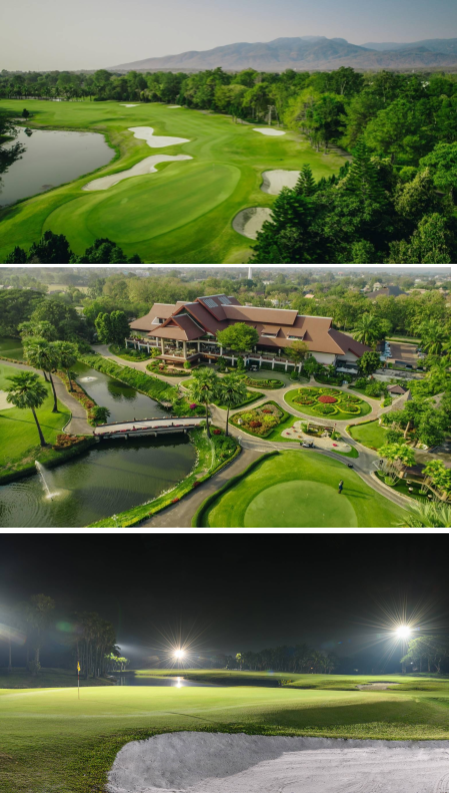
CHIANGMAI – Outstandingly with its original design and course layout, Summit Green Valley Chiangmai Country Club recently introduced the complete 18 holes LED night golf lighting system, computerized scorecard system, golfers’ insurance and luxurious hole-in-one prizes.
“We invest and will continue to invest in the technology and people as well as working with professional business partners to offer the best services to meet highest expectations from our golfers from all over the world,” said Mr. Akkaraphong Jurangkool, Managing Director of Summit Green Valley Chiangmai Country Club.
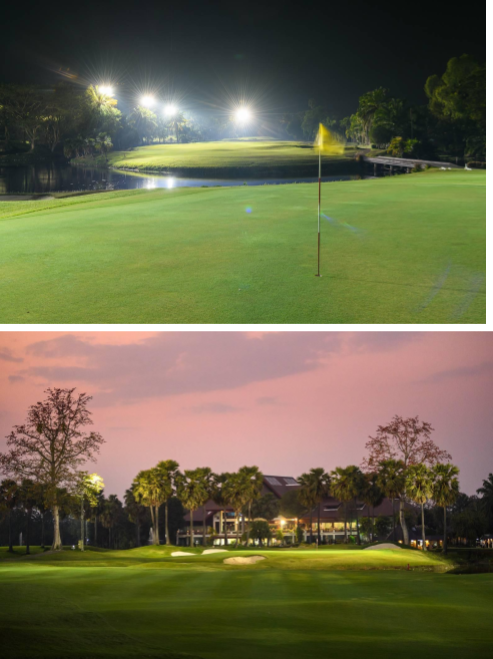
The golf course has recently installed full night golf lighting systems at all 18 holes on its premise to provide alternative tee times during the night for night golf lovers. The night golf lighting system with Korean’s top brand will help protect the golfers’ eyesight while on the green.
Furthermore, the premium quality lights can give visibility as equal or better than normal sunlight during the day. “Poor equipment and installation can cause the unbalanced lighting so there will be shadows or shades on the green. In some cases, there might be direct light beam to cause the gradual damage of the golfers’ eyesight. Ample illumination is essential in the golf course lighting quality in world class golf management standards.
Most importantly, the lighting design must be uniform to insure that the golfers can see the course. Highest uniformity provides consistency of brightness. On the other hand, the golfers cannot see the course properly with poor uniformity of lighting system and equipment.
From international tournament standards, a minimum of 0.5 – 0.7 uniformity is essential to illuminate individual green area. Most importantly, the LED lighting system use the indirect lighting reflectors to minimize the glare and maximize the luminous efficiency.” explained the lighting system engineer who recently supervised the installation and test of the LED lighting system at Summit Green Valley Chiangmai.
Besides day golf which starts in early morning from 5.30 hours daily, the golfers can enjoy their rounds of golf until 22.00 hours with first night golf tee time for 18 holes at 14.00 hours and last night golf tee-off for 9 holes at 19.00 hours.
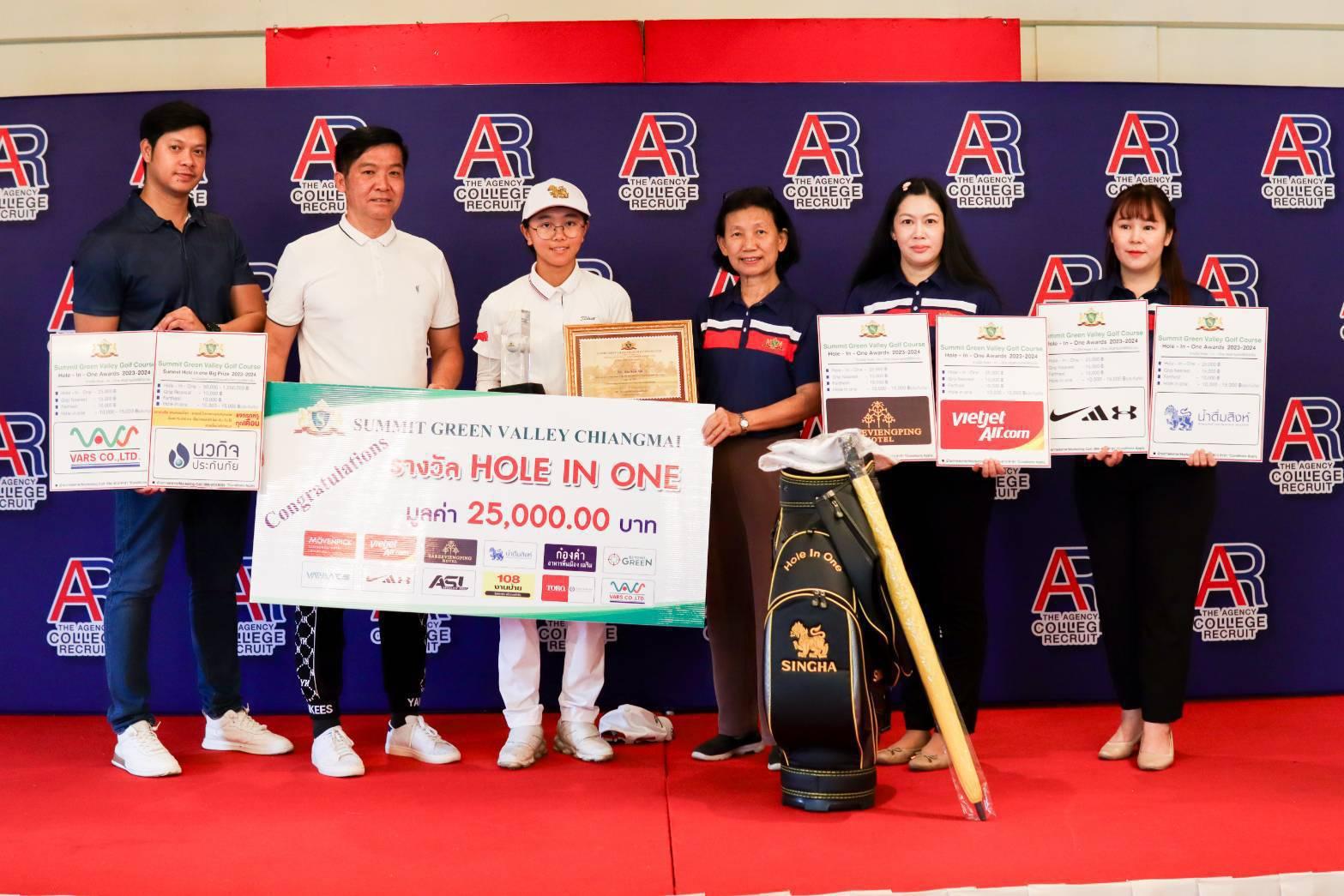
“To insure that the golfers are safe while on the game at our golf course, we work with leading insurance company in Thailand who is our business partner, Navakij Insurance Public Company Limited to provide insurance to every golfer with 500,000 Baht coverage to include loss, damage, injury, accidents of the golfers and of third parties.”, added Mr. Akkaraphong Jurangkool.
“Summit Green Valley Chiangmai Country Club is the first golf course in Thailand we innovated and customized the new insurance product to offer to all golfers. We understand the pain points from golf course management point of view and of the golfers. When accidents occurred to the golfers, or damages incurred to anyone’s properties, the golfers and the golf course owner will have the least of their personal and financial worries.”
Furthermore, all golfers who hold the insurance policy both during their daily golf and on tournament will be awarded with additional cash prize of 10,000 Baht and 15,000 Baht respectively, and upto 1.5 million Baht car as hole-in-one prize for the major tournaments to be held at Summit Green Valley Chiangmai.”, elaborated Dr. Saran Wanglee, Executive Director of Navakij Insurance Public Company Limited.
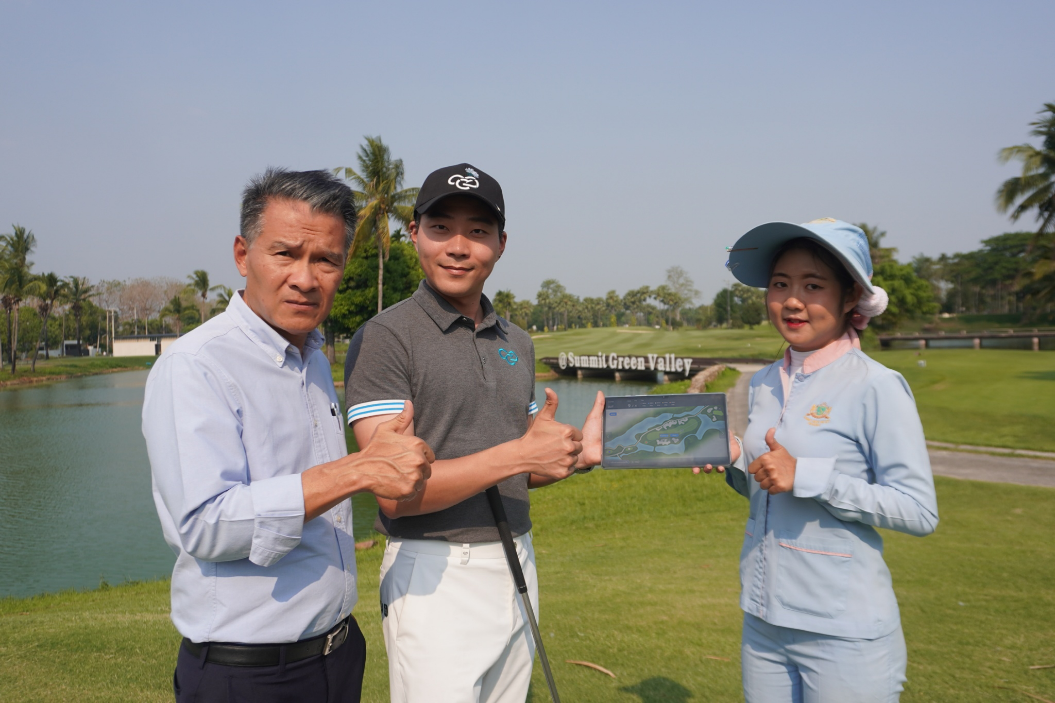
Not only the continuous quality and service improvements that the golf course is gearing toward to be the golf destination in Thailand to meet all levels of golf skills, Summit Green Valley Chiangmai has recently added to its services with state-of-the-art Smartscore system where all golfers can enjoy their rounds with digitalised scoring and golf course navigating system.
The Smartscore is the newest technology recently introduced to Thailand market by Smart Score Solutions Thailand Company. Smart Score offers the innovative experience for golfers through automated score analysis and upgraded operational efficiency for golf course management.
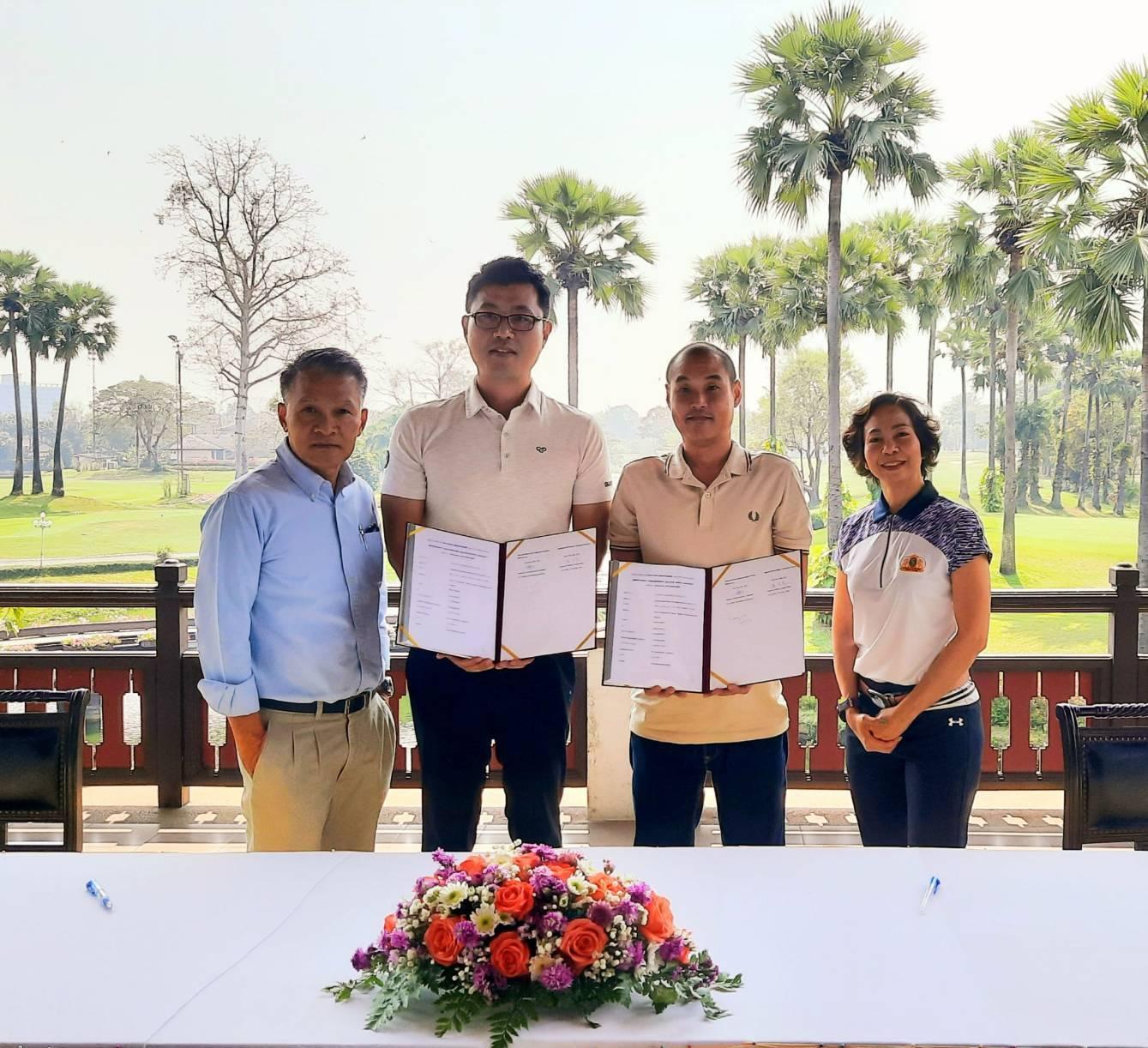
“We, at Smart Score, aim to dititalize all aspects of the golf industry, connecting golfers and courses for innovative golf experience.”, cofirmed Mr. Inwook Yeom, the Chief Executive Officer of Smart Score Global, who oversees the digital golf business solutions for the global markets during the business partnership signing ceremony with Summit Green Valley in Chiangmai recently.
The digital golf course navigation system for all golfers to enjoy and keep track of their performance is available for service everyday at Summit Green Valley Chiangmai commenced on 1st April 2024 onward.
Last but not least, as part of the vision to be the most preferred golf destination in Thailand, Mr. Narongridh Sukchaiprakarn, the Golf Course General Manager is inviting all golfers to visit Chiangmai and experience the golf course most visited in Chiangmai for its unique layout design and beauty in the green valley of Chiangmai.
The golf course is only 15 minutes from Chiangmai International airport which provides not only the 18 holes golf services but also a venue for all events from meetings, celebrations or dining from small groups to 500 persons.
Every golfer and all event organizers are most welcome to contact the golf course’s marketing team at +66(0) 53 298 222-3, +66(0) 94 613 91 91 or www.summitgreenvalley.com or [email protected]
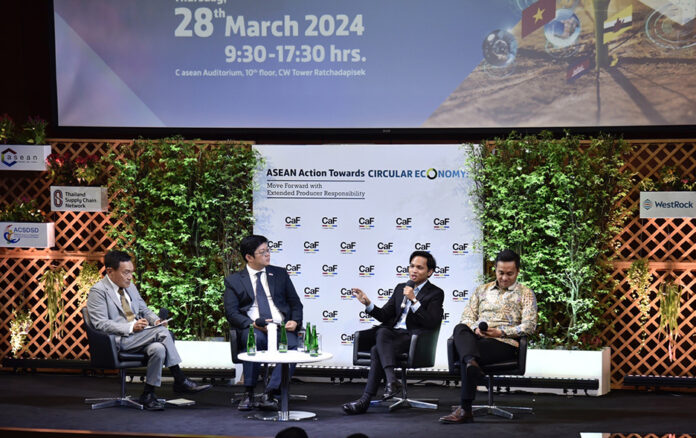
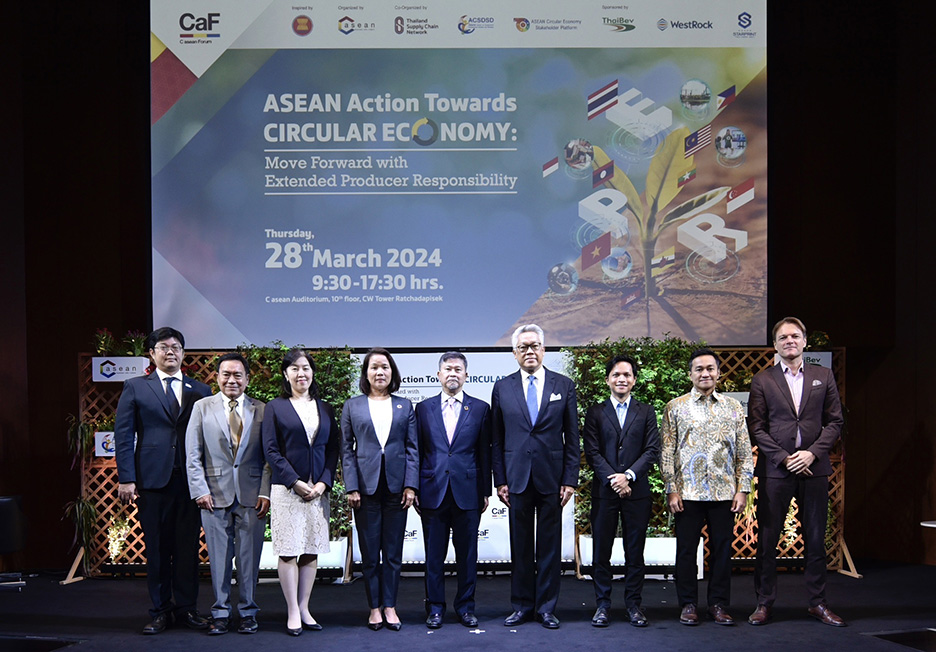
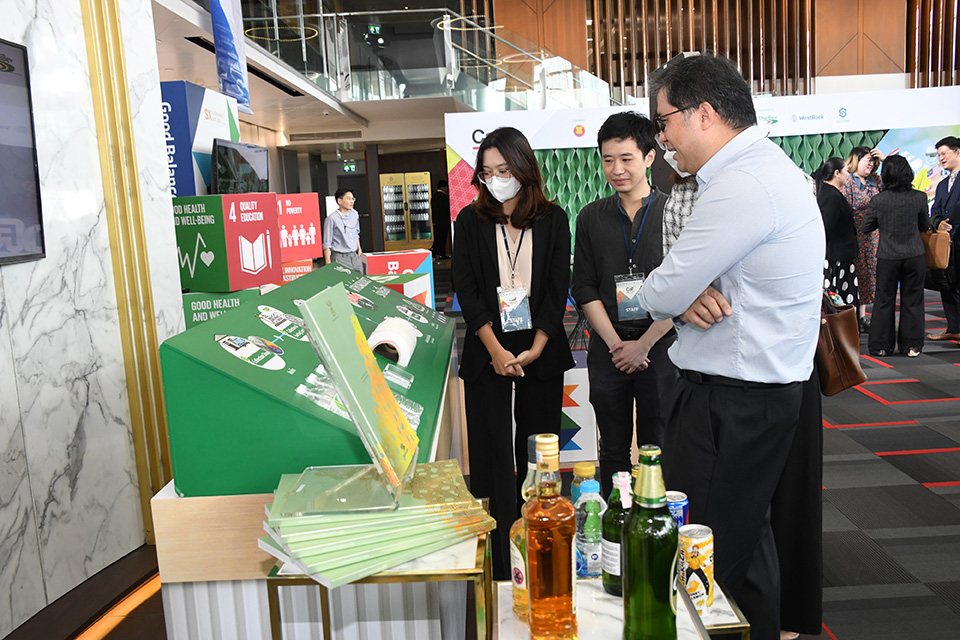
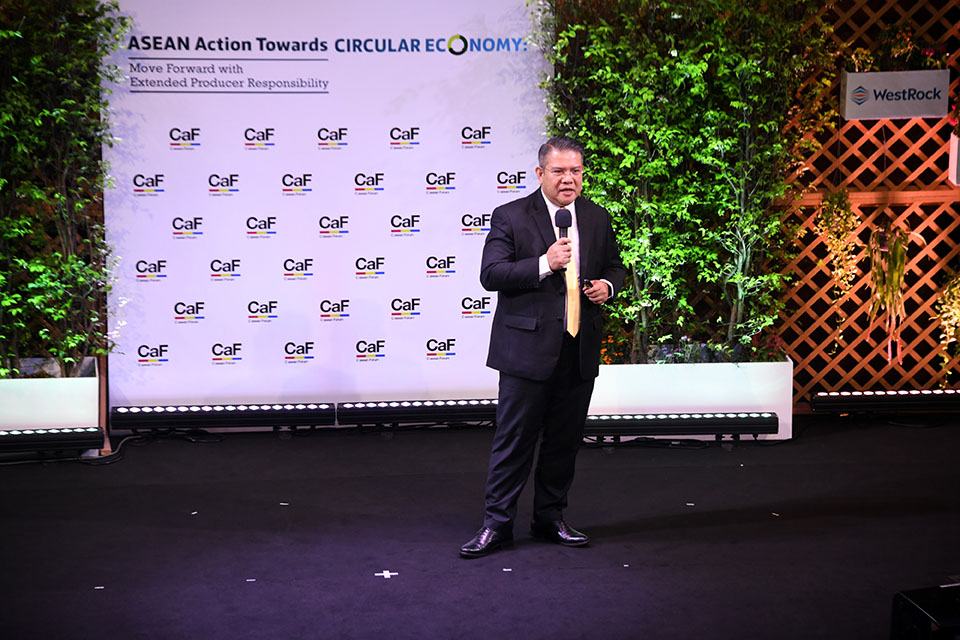
BANGKOK – C asean partnered with Thailand Supply Chain Network (TSCN) and the ASEAN Centre for Sustainable Development Studies and Dialogue (ACSDSD) to host the C asean Forum with the theme “ASEAN Action Towards Circular Economy: Move Forward with Extended Producer Responsibility” on March 28, 2024 at C asean on the 10th floor of CW Tower in Bangkok.
The C asean Forum was held to nurture collaborative and informed dialogues, inspiring actionable strategies for adopting Extended Producer Responsibility (EPR) in Thailand and throughout the ASEAN region.
The forum brought together a diverse array of perspectives and experiences from real practitioners and sought to develop a roadmap for integrating EPR principles into national policies, industry practices, and community initiatives. International experts, along with representatives from prominent Thai organizations that spearhead the implementation of EPR principles, shared their insights and real-world experiences on stage. The discussions underscored the significance of responsible practices throughout the lifecycle of their products, aligning with the principles of the circular economy.
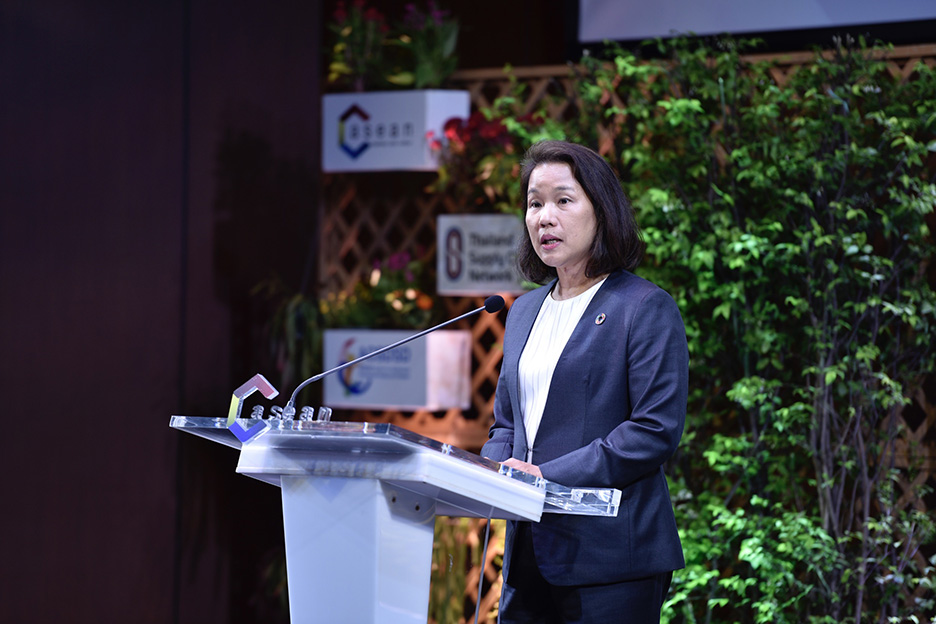
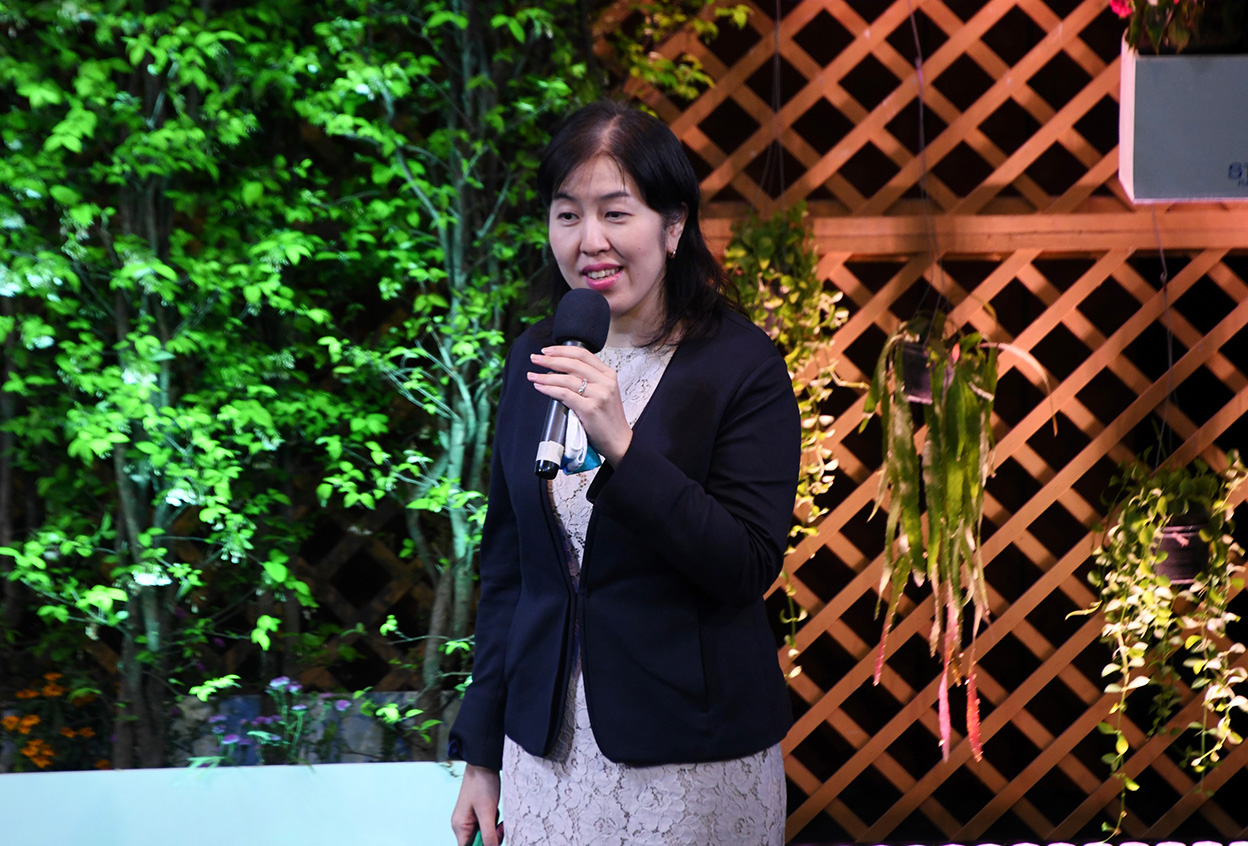
During the opening remark, Ms. Tongjai Thanachanan, Managing Director of C asean, highlighted the importance of EPR in the transformation journey that ASEAN needs to take as it combats environmental challenges such as waste management and rapid resource depletion.
Ms. Tongjai Thanachanan, Managing Director of C asean
“Several ASEAN member states are considering or implementing EPR initiatives tailored to their context. By sharing best practices and experiences today, we can facilitate the development of practical and effective EPRs as more countries adopt these policies.
Today, we are honored to welcome leading experts in EPR and circular economy, who will share their insights and inspire us on how we can drive transformative change in our ASEAN region. We will hear from distinguished international speakers on topics ranging from an overview of circular economy for the ASEAN region to EPR learnings from EU experiences, as well as a panel discussion on how we can promote EPR in Thailand and across ASEAN countries.”
She continued, “Most importantly, we would like to thank the ASEAN Centre for Sustainable Development Studies and Dialogue, or ACSDSD, as well as Thailand Supply Chain Network, which serves as a beacon of Thailand’s commitment to sustainable development and responsible resource management for their tireless collaboration to make this event happen.
We hope that our gathering today will mark the beginning of a collaborative endeavor that helps integrate EPR principles and learnings into our national policies, industry standards, and community initiatives. Let us all join hands together with determination and resolve.”
Mr. Patinya Silsupadol, Deputy Secretary General and Executive Board of TIPMSE commented, “EPR is a principle which encourages producers to extend their responsibilities towards their products throughout the value chain. In Thailand, we are not only focused on the retrieval, but also put much effort into product design, communication with consumers about post-consumption packaging, and the retrieval and sorting systems for post-consumption packaging.
Currently, the government is advancing EPR-related legislation and welcomes the private sector to participate in developing an effective retrieval system. With clear EPR legislation in place, we will demonstrate that the proper collection and sorting of wastes can input high-quality materials into the system, tremendously reducing production costs.
Without an adequate system, we may face shortages of materials or incur taxes and fees for waste management. This underscores the significance of EPR principles, which enable the private sector to collaborate in creating a circular economy and achieving favorable outcomes.”
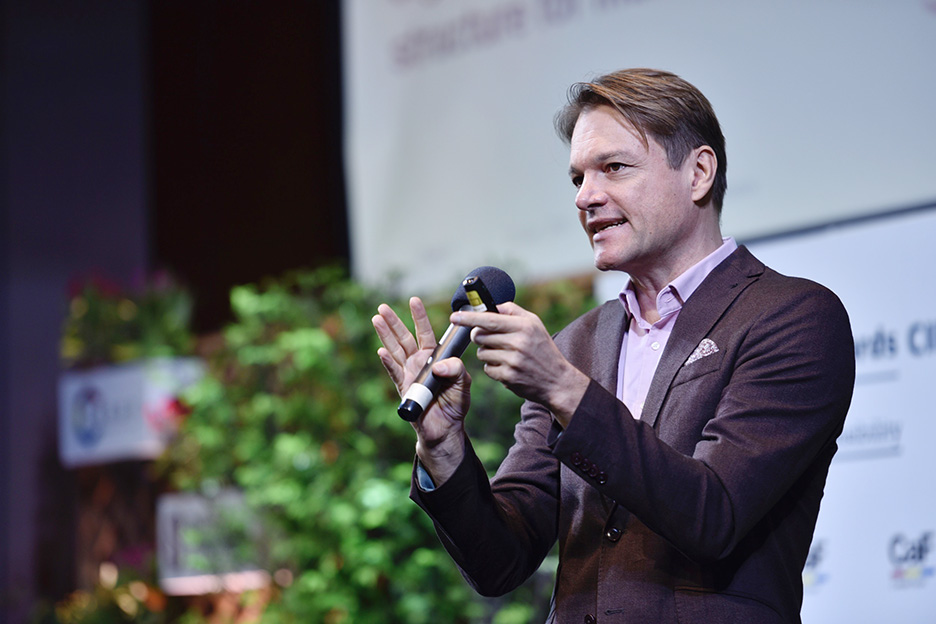
In the morning sessions, Mr. Kai Hofmann, Program Head at Deutsche Gesellschaft für Internationale Zusammenarbeit (GIZ) GmbH shared his unique perspectives in a session titled “Circular Economy for the ASEAN Region.” Following this, Asst. Prof. Dr.Panate Manomaivibool, a partner of the EU SWITCH-Asia Programme, provided insights in a session titled “EPR Learning from EU Experiences.”
Mr. Kai Hofmann, Program Head at Deutsche Gesellschaft für Internationale Zusammenarbeit (GIZ)
Dr. Panate later returned to the stage to participate in a panel discussion titled “Promoting EPR Across ASEAN,” alongside Mr. Carlo Delantar, Founder of Circular Economy Philippines; Mr. Rocky Pairunan from WRI Indonesia; and Dr. Anthony Pramualratana from ACSDSD.
The afternoon sessions commenced with the topic “Thailand National EPR,” presented by Mr. Patinya Silsupadol, Deputy Secretary General and Executive Board of TIPMSE. The session was followed by more intriguing topics, including “Financial Mechanism for Thailand’s Circular Economy: Regulatory Perspective” by Mr. Pavich Kesavawong, Deputy Director General of the Department of Climate Change and Environment, and “Financial Mechanism for Thailand’s Circular Economy: Funding Perspective” by Reiko Kubota, Senior Environmental Engineer from the World Bank.
Mr. Pavich Kesavawong, Deputy Director General of the Department of Climate Change and EnvironmentReiko Kubota, Senior Environmental Engineer from the World Bank.
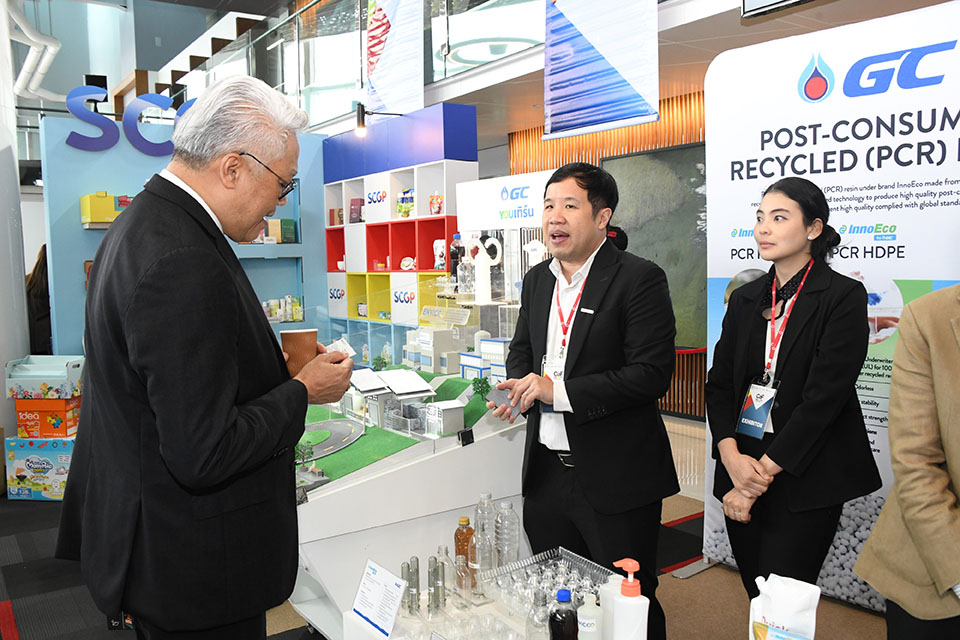
The afternoon concluded with a practitioner panel discussion focusing on the topic “Advancing Sustainable Recycling.” This panel featured Mr. Soonthorn Yongvibulsiri, the ESG and Sustainability Director at SCG Packaging Public Company Limited; Ms. Salinla Seehaphan, Corporate Affairs Director at Nestlé (Thai) Company Limited; Ms. Kitiya Santaveesuk, Head of Sustainability at Thai Beverage Can Ltd.; and Ms. Vijitar Supakong, Vice President – Sustainability and Risk Management at Berli Jucker Public Company Limited.
The C asean Forum was sponsored by Thai Beverage Public Company Limited, West Rock (Thailand) Co., Ltd., and Starprint Public Company Limited.
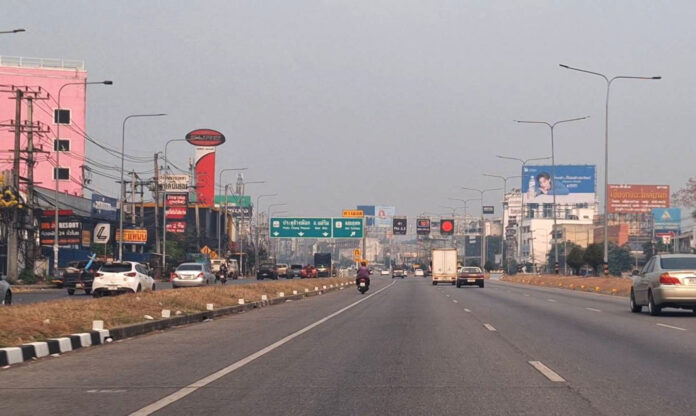
Smog covered Chiang Mai city, making it impossible to see Doi Suthep on April 8, 2024.
CHIANG MAI – The Governor of Chiang Mai, Nirat Phongsitthaworn, signed the Chiang Mai Provincial announcement on Monday to carry out measures for 3 days, April 9–11, to prevent and reduce the impact of micro dust particles PM 2.5 after they continuously exceeded the standard.
They require all government agencies to work from home and are requesting cooperation from businesses in considering enabling employees to use this method of operation as well.
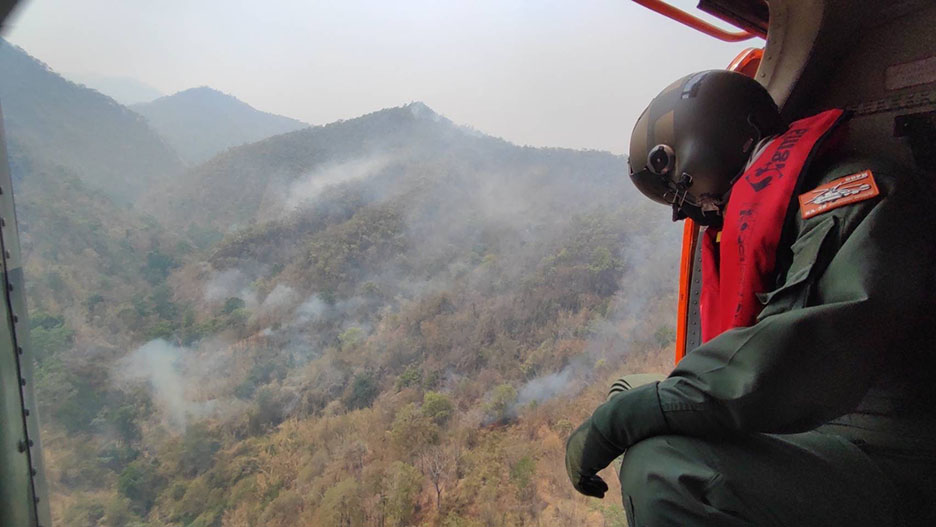
Due to the high number of fires and dust in six Chiang Mai districts—Chiang Dao, Mae Taeng, Chai Prakan, Fang, and Phrao—Chiang Mai became the most air-polluted city in the world for several days in a row.
There were a high number of fires and dust in six Chiang Mai districts.
The Governor of Chiang Mai Province declared a disaster-affected area on April 6 and designated an area to provide assistance to those affected by fire emergencies and forest fires.
Prime Minister Srettha Thavisin on Monday said the government is not idle about the problem of PM2.5 in the northern region but urge everyone to help solve the problem. He has instructed both Public Health Minister Cholnan Srikaew and Deputy Interior Minister Chada Thai-saed to help out, particularly in Chiang Mai.
“I am well aware of the suffering of brothers and sisters who are affected by PM2.5 micro dust particles and is aiming to tackle the problem in a holistic way,” the PM said.
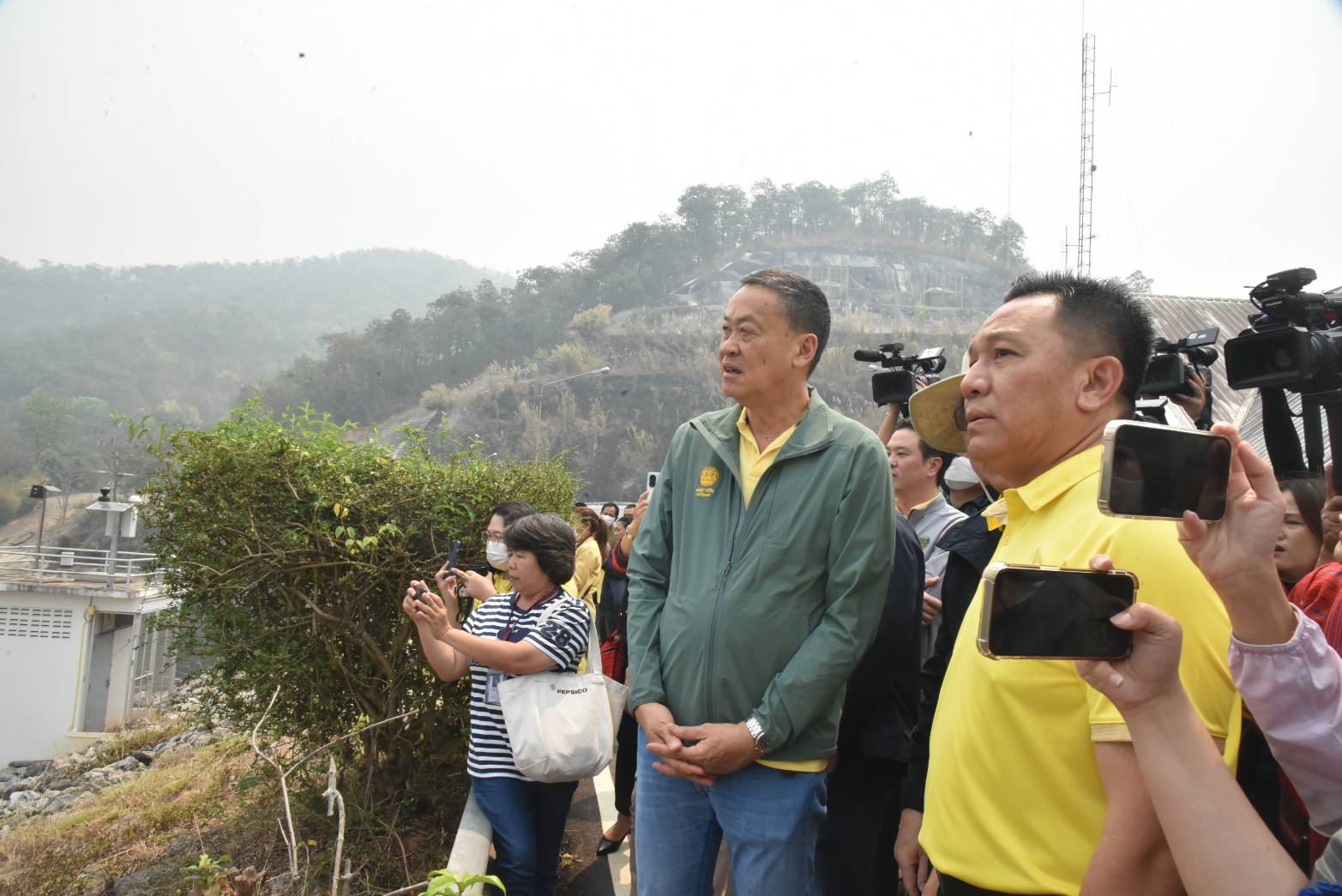
Prime Minister Srettha Thavisin and Nirat Phongsitthaworn The governor of Chiang Mai watched the operation of a helicopter transporting water from the Mae Ngat Sombun Chon Dam, Mae Taeng District, Chiang Mai Province, to go put out forest fires on March 16, 2024.
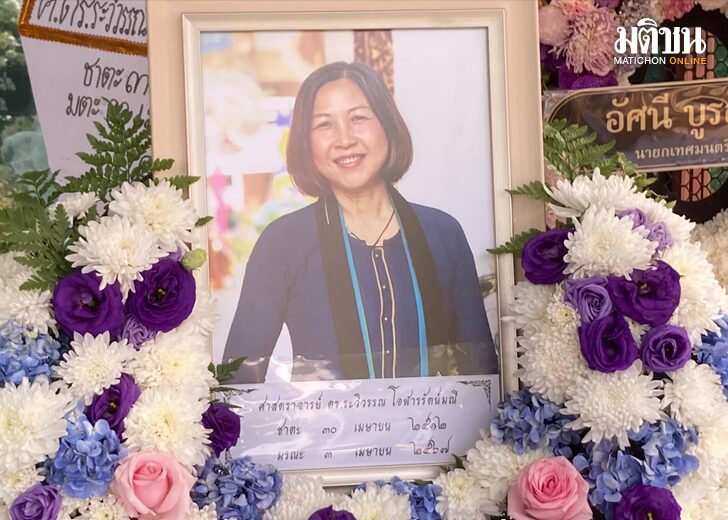
Forest fires and air pollution in Chiang Mai and other northern areas have raised serious public health concerns. Prof. Dr. Raviwan Olanratmanee, Dean of Chiang Mai University’s Faculty of Architecture, died of lung cancer on April 3, after being diagnosed with the fourth stage of the disease in February of last year. The doctor diagnosed that it’s probably because PM2.5 causes genetic mutations.
Since March 2022, three non-smoking professors in Chiang Mai, including Dr. Kritthai Thanakritsombat of the Faculty of Medicine, have received diagnoses of lung cancer. Chiang Mai University, who died in December 2023 at the age of 29.
Prof. Dr. Raviwan Olanratmanee, Dean of Chiang Mai University’s Faculty of Architecture, died of lung cancer on April 3, 2024.
Asst. Prof. Dr. Chalerm Liusrisakul, Head of the Department of Internal Medicine, at CMU’s Faculty of Medicine. The northern region has had a problem with PM2.5 for more than ten years, and it is likely to worsen. As a result, during the PM2.5 dust outbreak, the number of hospital patients was steadily increasing.
This study looked at the death rates of lung cancer patients in the North, Northeast, and South from 2010 to 2021. It found that the North, especially Chiang Mai and Lampang provinces, had the highest death rates from lung cancer.
Dr. Sakarn Bunnag, Deputy Director-General of the Department of Medical Services, indicated that the northern region had a higher rate of lung cancer than other regions. Each year, there are an average of 2,487 new cases of lung cancer, or approximately 7 cases per day, and 1,800 deaths from lung cancer, or around 5 cases per day. There are several significant risk factors. PM2.5 is a risk factor. However, it is not the only cause.
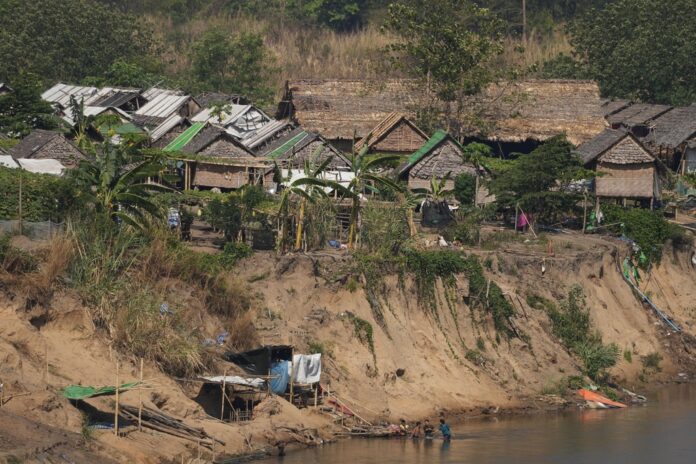
File - A camp for internally displaced people in Myanmar is seen across the Moei river from Mae Sot, Tak province Thailand, Monday, March 25, 2024. (AP Photo/Sakchai Lalit, File)
GRANT PECK, BANGKOK — Guerrilla fighters from Myanmar’s Karen ethnic minority claimed Monday to be close to seizing control of a major trading town bordering Thailand, as soldiers and civil servants loyal to the military government appeared to be preparing to abandon their positions.
The occupation of Myawaddy town by the Karen National Liberation Army, the armed wing of the Karen National Union, or KNU, appeared imminent as the guerrillas seized or besieged strategic army outposts on the town’s outskirts, a spokesperson and members of the KNU said Monday.
Myawaddy, in Kayin state, is Myanmar’s most active trading post with Thailand, and its fall would be the latest in a series of shock defeats suffered by the army since last October, when an alliance of three other ethnic rebel groups launched an offensive in the country’s northeast. Over the past five months, the army has been routed in northern Shan state, where it conceded control of several border crossings, in Rakhine state in the west, and is under growing attack elsewhere.
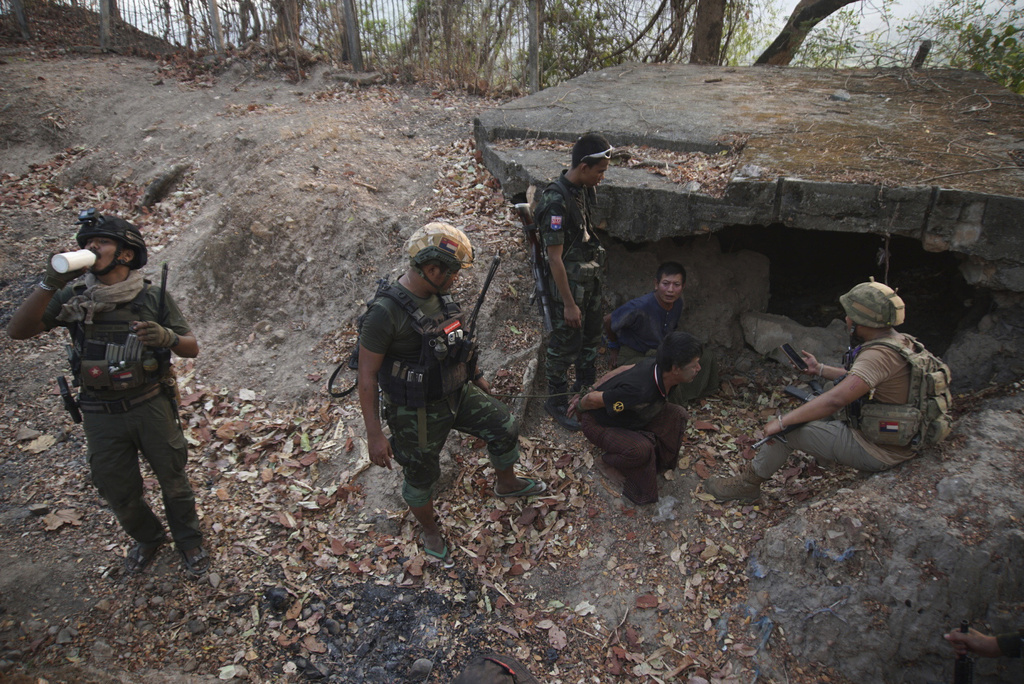
Members of the Karen National Liberation Army and People’s Defense Force examine two arrested soldiers after they captured an army outpost, in the southern part of Myawaddy township in Kayin state, Myanmar, March 11, 2024. (AP Photo/METRO)
The military government under Senior Gen. Min Aung Hlaing has acknowledged it is under pressure, and recently introduced conscription to boost its ranks.
The nationwide conflict in Myanmar began after the army ousted the elected government of Aung San Suu Kyi in February 2021 and suppressed widespread nonviolent protests that sought a return to democratic rule.
Three residents of Myawaddy town, who spoke on the condition of anonymity because they fear being arrested by either warring side, told The Associated Press by phone that they had heard no sounds of the fighting outside since Sunday afternoon. They said most residents were working as usual, while others were preparing to flee to Mae Sot, just across the border in Thailand. Two of them said they had not seen any members of the government’s security forces since Sunday.
The situation was highlighted Sunday night when a Myanmar plane made an unscheduled flight to Mae Sot from Yangon, Myanmar’s biggest city. Thai media reported that the plane had received permission from Thai authorities to evacuate people fleeing Myawaddy. It was not clear if those fleeing, described as military and civil servants loyal to Myanmar’s military government, had already crossed into Thailand over the river that marks the border.
Thailand’s Foreign Ministry on Monday confirmed that approval was given for three flights on a Yangon-Mae Sot route to transport passengers and cargo, one each day on Sunday through Tuesday. Myanmar’s government later canceled its requests for the remaining two flights.
The Thai government was closely monitoring the situation along the border, and is ready to take all necessary measures to maintain peace and order, and to keep the people along the border safe, the Thai ministry said.
In times of fighting along the frontier, Thailand has generally granted temporary shelter to Myanmar villagers. There are also about 87,000 living in nine long-term refugee camps.
The KNU, which is the leading political body for the Karen minority, said in a statement posted on Facebook that its armed wing and allied pro-democracy forces on Friday had seized the army base on the road to Myawaddy at Thin Gan Nyi Naung. It had served for nearly six decades as the military’s regional headquarters.
It said that 617 members of the security forces and their family members had surrendered. The KNU posted photos of the weapons that it claimed to have seized and captured military personnel and their family members given shelter in a school.
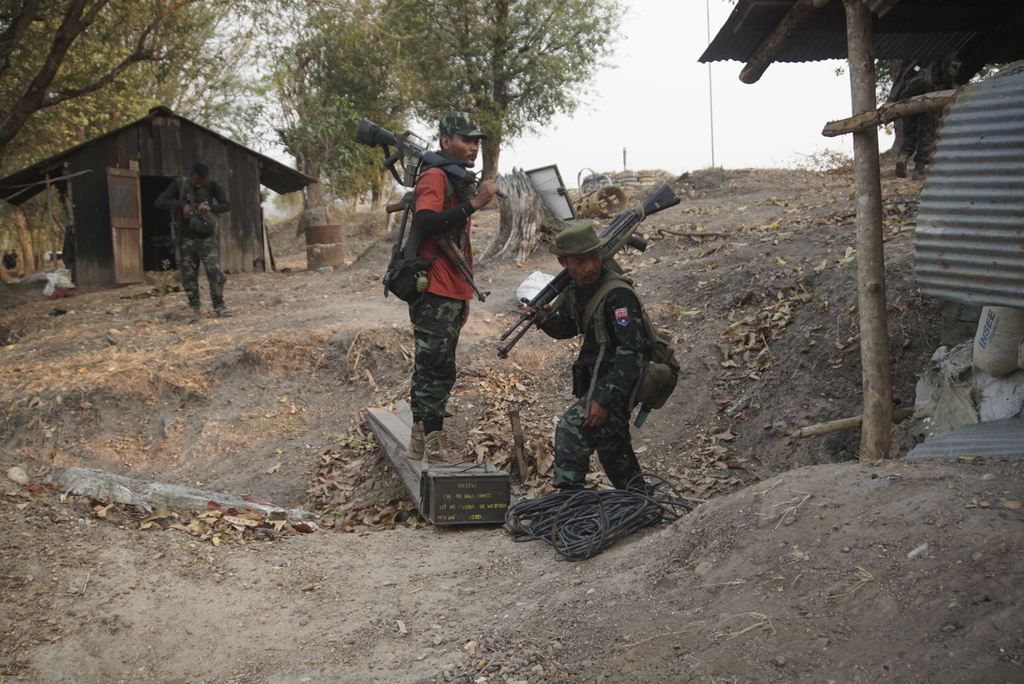
Members of the Karen National Liberation Army and People’s Defense Force collect weapons after they captured an army outpost, in the southern part of Myawaddy township in Kayin state, Myanmar, March 11, 2024. (AP Photo/METRO)
Two Karen guerrillas involved in their group’s offensive told AP on Monday that they have surrounded an army garrison about 4 kilometers (3 miles) to the west of Myawaddy that is in charge of the town’s security, and an artillery battalion to the south. Negotiations were underway for their surrenders, they said, speaking on condition of anonymity because they are not authorized to release information.
They also said the Karen have control of about 60% to 70% of Myawaddy township, and are almost certain to capture the town itself after the two bases surrender or are overrun.
The Karen, like other minority groups living in border regions, have struggled for decades for greater autonomy from Myanmar’s central government.
Fighting between the army and Karen armed groups intensified after the military seized power in 2021. Several ethnic rebel groups including the Karen have loose alliances with pro-democracy militias after the military takeover, and also offer refuge to the civilian opponents of the military government.
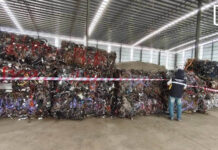
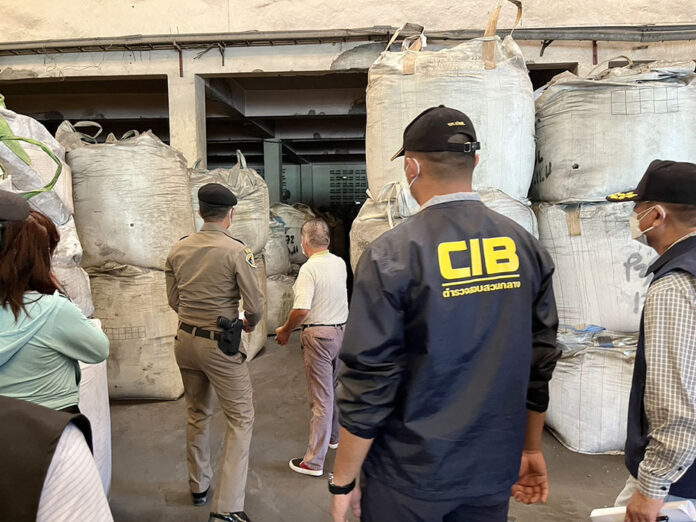
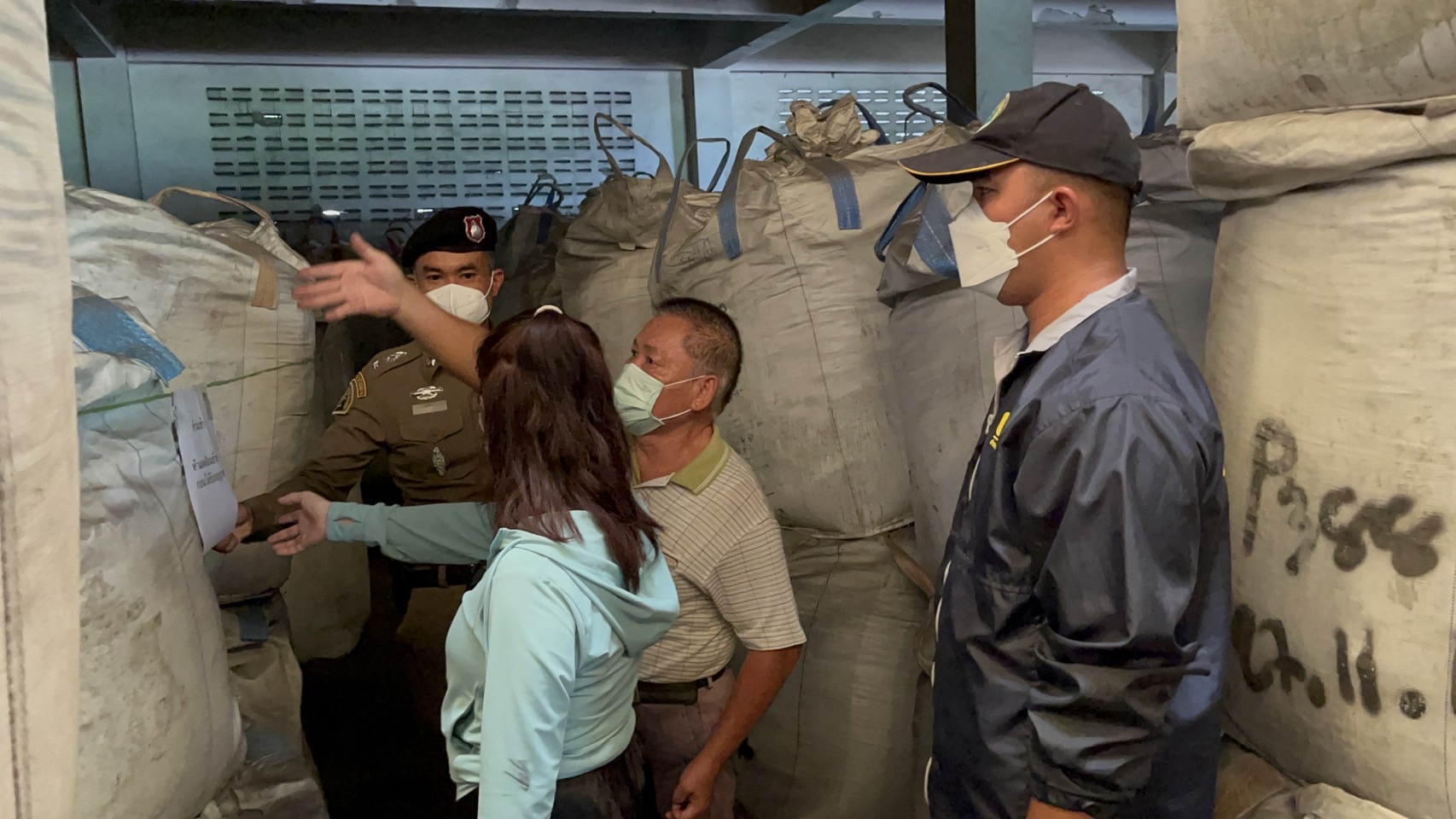
Police found another 1,034 tons of cadmium waste in the warehouse of Sin Hong Cheng Inter Tech (2008) Co. Ltd., owned by Chinese national Zhang Chen Mao, in Samut Sakhon Province on April 7, 2024.
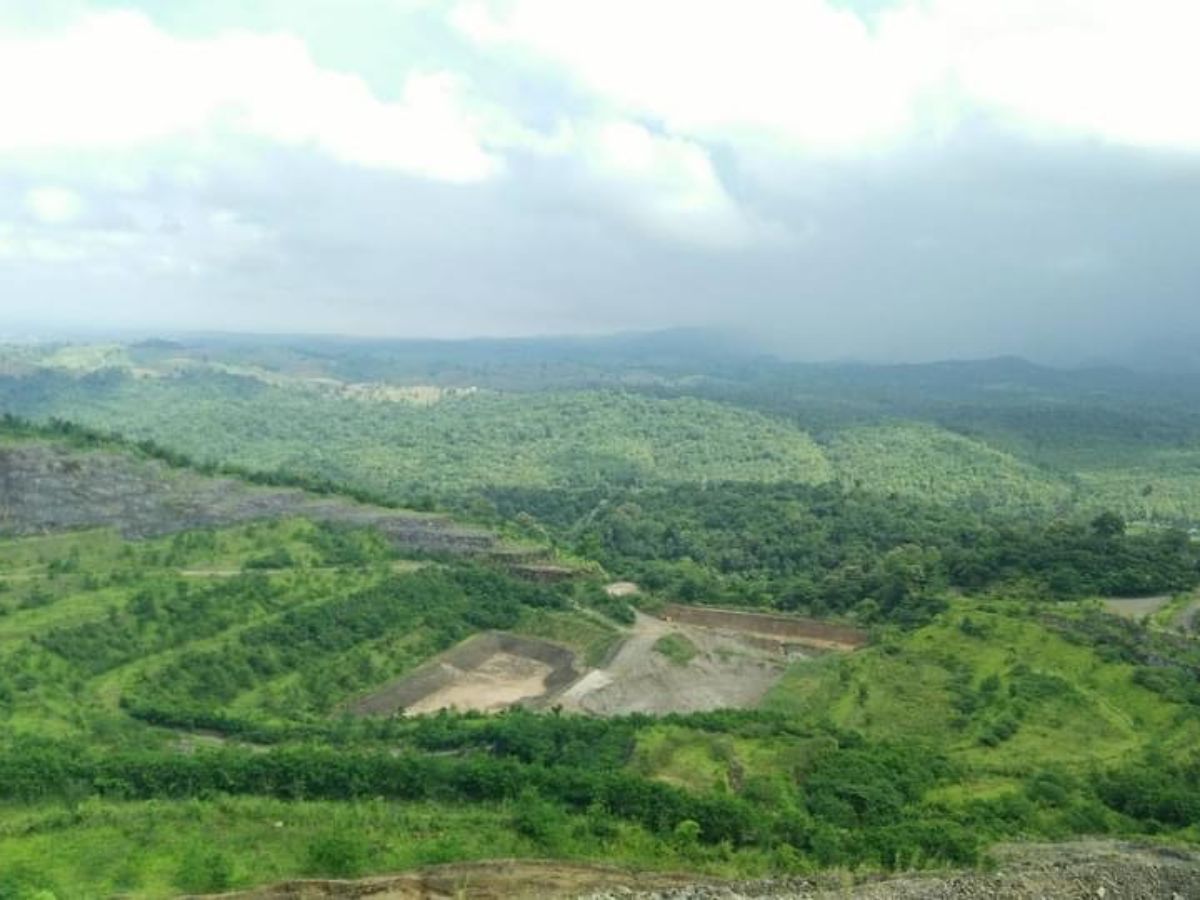
BANGKOK – The Department of Primary Industries and Mines (DPIM) has uncovered the source of 13,400 tons of “cadmium waste”, a carcinogenic substance from zinc mining, found in warehouses of at least three factories, two in Samut Sakhon province and one in Chonburi province. They came from the Padaeng Industry mine in Tak province.
Adisak Wasinon, director general of the Ministry of Primary Industries and Mines, told Prachachat Business that cadmium waste is a type of heavy metal produced during the mining of zinc, lead and copper. In the past, there was a zinc mining and metal processing plant of “Padaeng Industry Public Company Limited” in Tak Province. And of course the waste comes from this mine.
Padaeng Industry ceased mining operations in 2017 and changed its name to “Bound and Beyond Public Company Limited” in 2021. The company has now turned to the hotel business, while the zinc business is fully recycled.
According to 360 Industry Research, the cadmium market is expected to grow significantly during 2024–2032, owing to various business drivers like the increasing demand for NiCd batteries, pigments, coatings, and others that are also responsible for driving the market’s growth.
Padaeng Industry mine in Tak province
Industry Minister Pimpattra Wichakul said the investigation found that J&B Metal Co Ltd, the company in Samut Sakhon province where officials first found cadmium waste, smelted aluminum ingots and pellets from aluminum scrap and dross. The company stockpiled 2,440 tons of cadmium and zinc waste.
Later, on April 6, officials found large bags of cadmium scattered in a warehouse in Khlong Kiew sub-district, Ban Bung district, Chonburi province. They all came from the factory in Samut Sakhon and weighed about 6,720 tons. On the same day, another 1,034 tons were found in the warehouse of Sin Hong Cheng Inter Tech (2008) Co. Ltd., owned by Chinese national Zhang Chen Mao.
Officials have confiscated all waste and are preparing to urgently send it back to Tak Province within 7 days and bury it within 15 days to comply with environmental protection and mitigation measures and environmental quality monitoring measures.
The investigation against Mr. Zhang revealed that he had purchased 5,000 tons of cadmium waste from J&B Metal Co, Ltd. in Samut Sakhon province for 8,250 baht per ton, a total amount of 41 million baht. He planned to resell them to another Chinese man named Mr. Liu. Mr. Zhang claimed that he only received a small commission for the sale.
Police found another 1,034 tons of cadmium waste in the warehouse of Sin Hong Cheng Inter Tech (2008) Co. Ltd. owned by Chinese national Zhang Chen Mao.
The officers checked Mr. Zhang’s passport and found that his residence permit for the Kingdom had expired on February 26, 2019, more than five years ago. He was therefore charged with unlawful possession of a dangerous substance under the Dangerous Substances Act and residence of a foreigner in the Kingdom after the permit expired.
The defendant confessed to the charges and was brought before the Investigating Officer of Branch 5, Special Investigations Division for prosecution. A motion for detention will be presented to the court on Tuesday, April 9.
A background check on Mr. Zhang revealed that he has been living in Thailand since 1991. On May 29, 2013, he was charged with unlawful possession of a dangerous substance, namely lead sludge. The court later sentenced him to one year in prison and a fine of 120,000 baht. The defendant confessed to the charges and the court reduced the sentence to 6 months in prison and a fine of 60,000 baht with a 2-year suspended sentence.
Officials are in the process of tracking down the broker who introduced Mr. Zhang to J&B to locate other investors who may have purchased cadmium scrap from J&B in order to trace and fully recover it.
BANGKOK – The Queen Sirikit National Convention Center (QSNCC) has leveraged cutting-edge technology to boost customer satisfaction with the launch of Loyalty Program, which will provide event organizers worldwide with a wide range of unrivalled benefits and lifestyle needs. The program seeks to set QSNCC apart by fostering further trust in its brand through word of mouth to expand its customer base.
QSNCC’s loyalty program operates on a web portal with a secure and convenient system for users and available both in Thai and English. Members can track their spending, reward points and status in real-time, as well as instantly redeem points earned without limit towards rewards and privileges. The system supports smartphones, tablets and laptops, allowing members to access it anywhere and anytime.
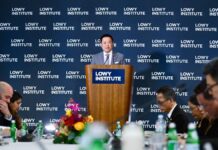
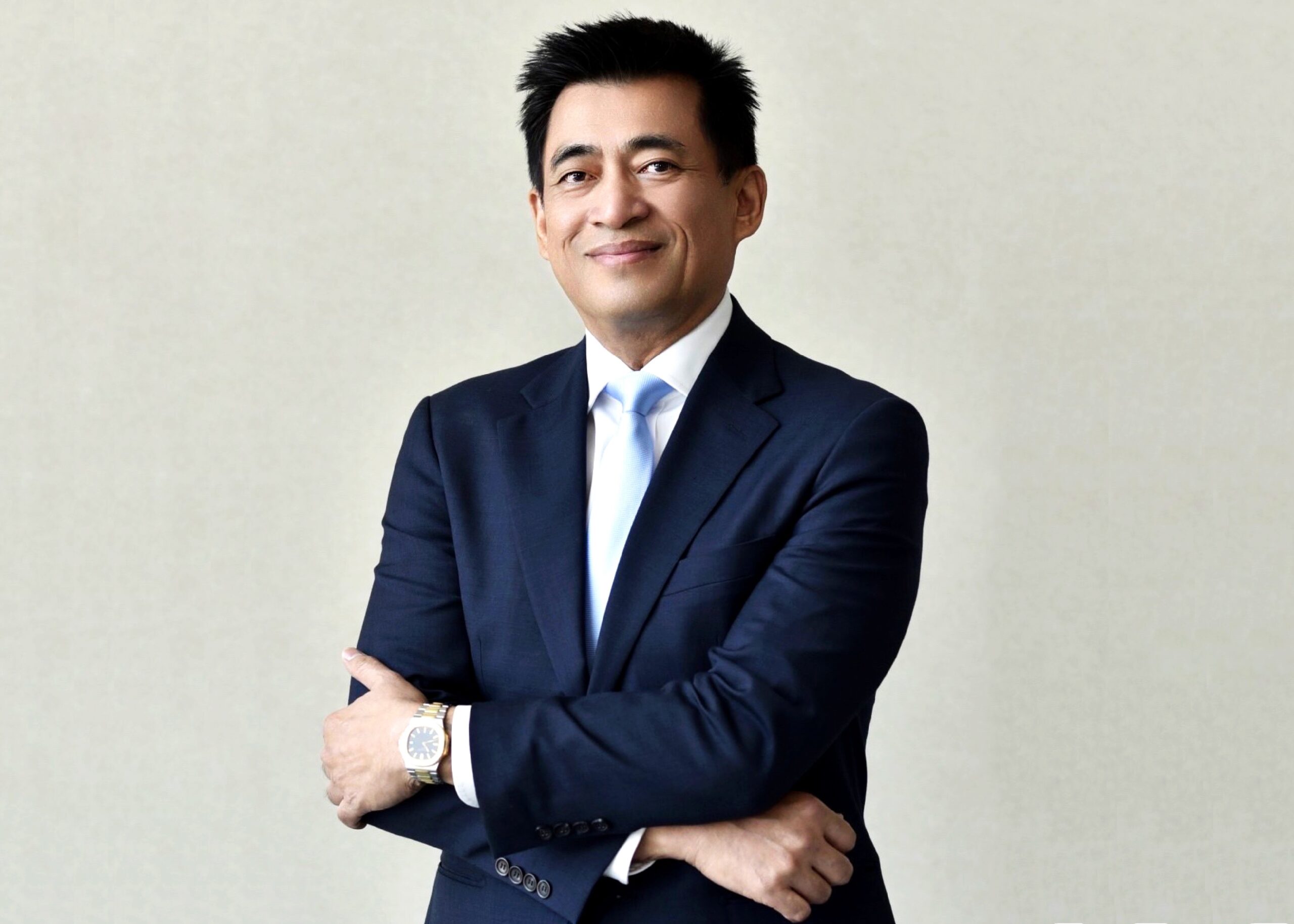
“Since its re-opening in 2022, QSNCC has continued to build up its credentials on its capacity to accommodate events of all kinds and all scales and it has been trusted by both local and international customers to organize many national and international events,” said Surapol Utintu, Chief Executive Officer of N.C.C. Management and Development Co., Ltd. the operator of QSNCC.
“Today we are deepening our relationships with our customers by connecting with them via a points collection system that offers a variety of privileges and value-added benefits to keep customers coming back when they seek for a perfect venue for their next event,” Surapol added.
Surapol Utintu, Chief Executive Officer of N.C.C. Management and Development Co., Ltd. the operator of QSNCC
The privileges will encompass all lifestyle needs, including rooms at partnering hotels, use of digital media and gift vouchers for services and restaurants at the convention center.
“The implementation of the Loyalty Program helps us create a more rewarding customer experience. This sets us apart and will lead to enhanced customer satisfaction, enriching our relationship with all our existing customers and attract new ones,” Surapol said.
The Loyalty Program is part of QSNCC’s key customer relationship management strategies. QSNCC continues to develop and create a variety of special benefits, search for new partners to enhance its service offerings, and listen to customer needs in order to deliver optimal customer experiences.
____
Stay updated on new activities at Queen Sirikit National Convention Center via: