
























32.2 C
Bangkok
Wednesday, June 24, 2026
Home Blog Page 983

Thai Archival Find May Resolve Fate of Missing WWII US Flyer

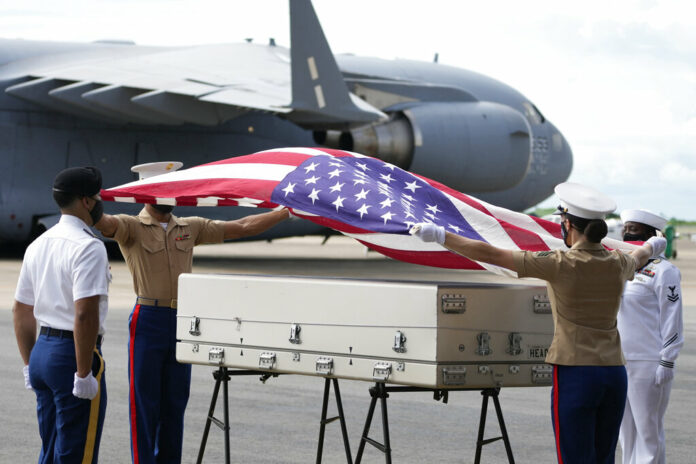
U.S. military drape a national flag over the possible remains of a WWII U.S. airman found in northern Thailand, during a repatriation ceremony Wednesday, May 18, 2022, at the U-Tapao Air Base in Rayong province, eastern Thailand. Photo: Sakchai Lalit / AP

U-TAPAO, Thailand (AP) — The remains of an American airman who went missing in action in World War II may finally be on their way home, thanks to a chance discovery of records in flood-threatened archives in Thailand.

U.S. and local authorities held a solemn ceremony Wednesday at an air base in eastern Thailand to honor and repatriate remains recently recovered from a rice field in the north of the country.

At the U-Tapao naval air base on Thailand’s eastern seaboard, military personnel along with Thai and American officials paid their respects. A casket containing the discovered remains was draped in the U.S. flag before being taken to the United States aboard a C-17 transport plane.

Tests at a special laboratory in Hawaii will determine if the remains are human and possibly identify the person. But circumstantial evidence has raised expectation the casket holds a long-lost service member from the U.S. Army Air Forces.

“You know, it’s keeping the promise that we never leave a person behind. Anybody’s who’s served in combat in any way, who’s fought alongside somebody, regardless of country or nation, there’s a bond that’s built. We owe it to the families to find those answers, to bring those people home,” said Marine Col. Matt Brannen, who heads up the Indo-Pacific directorate of the Defense POW/MIA Accounting Agency, or DPAA, the U.S. body tasked with finding the war missing.

Thailand was officially allied to Japan in World War II and occupied by its military, making it a target for British and U.S. bombers. Inevitably, aircrew from the Allied side were lost in action.

Today, just a few American flyers who disappeared over Thailand are still unaccounted for. As time passes, the chances of finding them all but vanish — unless something extraordinary happens.

In 2011, massive floods that hit the country inundated Thailand’s Air Force Museum in Bangkok. There was concern its archives might be damaged by mold. Retired Thai Air Chief Marshal Sakpinit Promthep, who indulged his passion for Second World War history by working part-time in the archival section, spent months afterward going through its files one by one to check their condition.

That’s how he found himself looking at a faded document from a musty, dusty folder. It was a handwritten police officer’s report dated November 1944. It detailed the crash of a U.S. P-38 plane, reported to have been struck by lightning during a storm.

It sparked a “Eureka!” reaction for the history buff who’d heard rumors of a World War II plane crash in Lampang province but had never found any record of it.

“This is a great moment in life, that we find such a thing just in front of you pop up!” he told The Associated Press. “You imagine, you look for something, you like to see it and there’s no hope, almost no hope to find it. Just open page, page and then – whoop! – in front of your eyes. Wow! This is what I am looking for,” he enthused, smiling broadly.

He said that as he held the report in his hands that day, he wondered whether the pilot’s ghost was at his shoulder.

“He may know that I am looking for him, searching for him for a long time,” said Sakpinit, suggesting that just maybe, the pilot’s spirit put those pages in front of him, in that file. “Otherwise, if there was no flood, the document’s going to be hidden for maybe another year or many, …. maybe a long time.”

The U.S. War Department’s files on missing World War II air crew members includes a pilot who took off from southern China for a reconnaissance mission over Myanmar and northern Thailand and did not return, the location and cause of crash logged as “not known.”

But his P-38 disappeared the same day the same type of plane crashed in Mae Kua village. The U.S. records identify the plane as an F-5E, a P-38 stripped down and modified for reconnaissance duty.

The AP is withholding the pilot’s name, pending positive identification of the remains and notification of relatives.

Crucially, the police officer’s report in the Thai archive gave a precise location. Still, it took a decade to go from the musty folder Sakpinit held to the actual excavation. An interview with a 100-year-old woman who heard the crash was among the evidence that convinced DPAA investigators the site had merit.

In February, a joint U.S.-Thai search team dug in a rice field in Lampang’s Mae Kua village.

By April, the team had found a multitude of small metal fragments consistent with a crash as well as “osseous material” — teeth and bones.

“We’re approaching the 80th anniversary of World War II, so being able to get that information so our historians and analysts and researchers can develop those cases, it definitely is a race against time,” the DPAA’s Brannen said.

According to the DPAA, of the 72,335 U.S. service personnel still missing from World War II, almost 47,000 disappeared in Asian battle zones.

___

Story: Jerry Harmer and Tassanee Vejpongsa. Associated Press writer Grant Peck in Bangkok contributed to this report.
Advertisement

North Korea’s Suspected COVID-19 Caseload Nears 2 Million

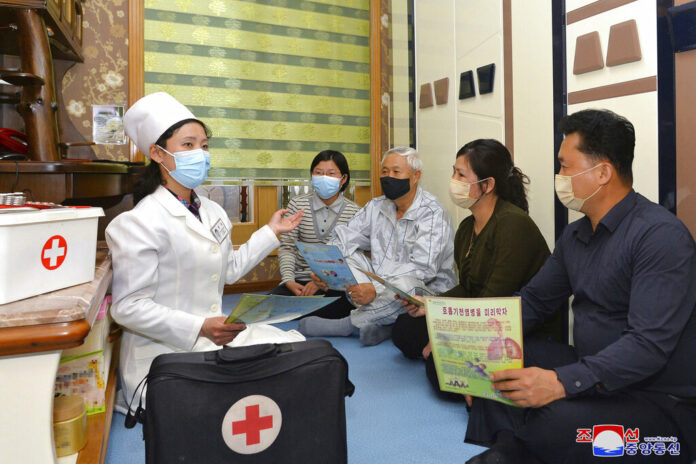
In this photo provided by the North Korean government, a doctor visits a family during an activity to raise public awareness of the COVID-19 prevention measures, in Pyongyang, North Korea Tuesday, May 17, 2022. Photo: Korean Central News Agency / Korea News Service via AP

SEOUL, South Korea (AP) — North Korea on Thursday reported 262,270 more suspected COVID-19 cases as its pandemic caseload neared 2 million — a week after the country acknowledged the outbreak and scrambled to slow infections in its unvaccinated population.

The country is also trying to prevent its fragile economy from deteriorating further, but the outbreak could be worse than officially reported since the country lacks virus tests and other health care resources and may be underreporting deaths to soften the political impact on authoritarian leader Kim Jong Un.

North Korea’s anti-virus headquarters reported a single additional death, raising its toll to 63, which experts have said is abnormally small compared to the suspected number of coronavirus infections.

The official Korean Central News Agency said more than 1.98 million people have become sick with fever since late April. Most are believed to have COVID-19, though only a few omicron variant infections have been confirmed. At least 740,160 people are in quarantine, the news agency reported.

North Korea’s outbreak comes amid a provocative streak of weapons demonstrations, including its first test of an intercontinental ballistic missile in nearly five years in March. Experts don’t believe the COVID-19 outbreak will slow Kim’s brinkmanship aimed at pressuring the United States to accept the idea of the North as a nuclear power and negotiating economic and security concessions from a position of strength.

White House national security adviser Jake Sullivan said Wednesday that U.S. intelligence shows there’s a “genuine possibility” that North Korea will conduct another ballistic missile test or nuclear test around President Joe Biden’s visit to South Korea and Japan that begins later this week.

After maintaining a dubious claim that it had kept the virus out of the country for two and a half years, North Korea acknowledged its first COVID-19 infections May 12 and has described a rapid spread since. Kim has called the outbreak a “great upheaval,” berated officials for letting the virus spread and restricted the movement of people and supplies between cities and regions.

Workers were mobilized to find people with suspected COVID-19 symptoms who were then sent to quarantine — the main method of curbing the outbreak since North Korea is short of medical supplies and intensive care units that lowered COVID-19 hospitalizations and deaths in other nations.

State media images showed health workers in hazmat suits guarding Pyongyang’s closed-off streets, disinfecting buildings and streets and delivering food and other supplies to apartment blocks.

Despite the vast numbers of sick people and the efforts to curb the outbreak, state media describe large groups of workers continuing to gather at farms, mining facilities, power stations and construction sites. Experts say North Korea cannot afford a lockdown that would hinder production in an economy already broken by mismanagement, crippling U.S.-led sanctions over Kim’s nuclear weapons ambitions and pandemic border closures.

North Korea also must urgently work to protect its crops from a drought that hit during the crucial rice-planting season — a worrisome development in a country that has long suffered from food insecurity. State media also said that Kim’s trophy construction projects, including the building of 10,000 new houses in the town of Hwasong, are being “propelled as scheduled.”

“All sectors of the national economy are stepping up the production to the maximum while strictly observing the anti-epidemic steps taken by the party and the state,” Korean Central News Agency reported.

The virus controls at workplaces include separating workers by their job classifications and quarantining worker units at construction sites and in its key metal, chemical, electricity and coal industries, KCNA said.

Kee Park, a global health specialist at Harvard Medical School who has worked on health care projects in North Korea, said the country’s number of new cases should start to slow because of the strengthened preventive measures.

But it will be challenging for North Korea to provide treatment for the already large number of people with COVID-19. Deaths may possibly approach tens of thousands, considering the size of its caseload, and international assistance would be crucial, Park said.

“The best way to prevent these deaths are to treat with antivirals like Paxlovid,” which would significantly lower the risk of severe disease or death, Park said. “This is much faster and easier to implement than sending ventilators to build ICU capacity.”

Other experts say providing a small number of vaccines for high-risk groups such as the elderly would prevent deaths, though mass vaccinations would be impossible at this stage for the population of 26 million.

It’s unclear, however, if North Korea would accept outside help. It already shunned vaccines offered by the U.N.-backed COVAX distribution program, and the nation’s leaders have expressed confidence the country can overcome the crisis on its own.

Kim Tae-hyo, deputy national security adviser for South Korean President Yoon Suk Yeol, told reporters on Thursday that North Korea has ignored offers of help from South Korea and the United States to contain the outbreak.

Experts have said North Korea may be more willing to accept help from China, its main ally. South Korea’s government had said it couldn’t confirm media reports that North Korea flew planes to bring back emergency supplies from China this week.

___

Story: Kim Tong-hyung.

Advertisement

Indonesia Lifts Outdoor Mask Mandate as COVID-19 Wanes

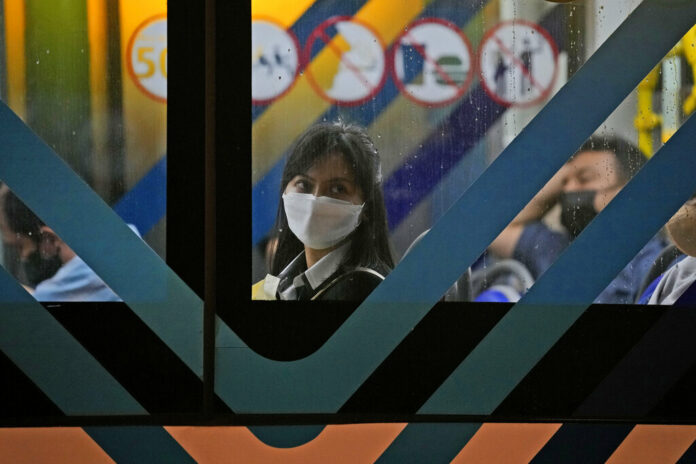
A woman wearing a mask to curb the spread of coronavirus sits inside a bus in Jakarta, Indonesia, Tuesday, May 17, 2022. Photo: Dita Alangkara / AP

JAKARTA, Indonesia (AP) — Indonesia is lifting its outdoor mask mandate because its COVID-19 outbreak is increasing under control, President Joko Widodo said Tuesday. However, a mask mandate remains in place for indoor activities and public transportation, he said.

Widodo also said all fully vaccinated travelers will no longer be required to undergo COVID-19 tests to enter Indonesia.

The announcements came two weeks after millions of Indonesians celebrated the Eid al-Fitr holiday at the end of the Muslim holy moth of Ramadan by traveling to see their families, ending two years of pandemic restrictions and travel curbs. COVID-19 cases have continued to decline, prompting the government to relax its mask policy.

“When people are doing outdoor activities, or in open areas that are not crowded with people, then they are allowed not to wear masks,” Widodo said in a televised address.

In March, Indonesia lifted quarantine requirements for overseas visitors, joining a number of other countries in the region including Malaysia, Singapore, Thailand, Cambodia and the Philippines that have announced or already made such moves.

The country has largely recovered since an omicron-driven surge peaked at around 64,700 cases a day in mid-February. New confirmed daily infections have fallen to around 200, and about 80% of the eligible population of 208 million has been fully vaccinated.

The government has already lifted many restrictions on social mobility that have been in place for two years.

___

Story: Niniek Karmini.

Advertisement

Sweden, Finland Push Ahead With NATO Bids as Turkey Objects

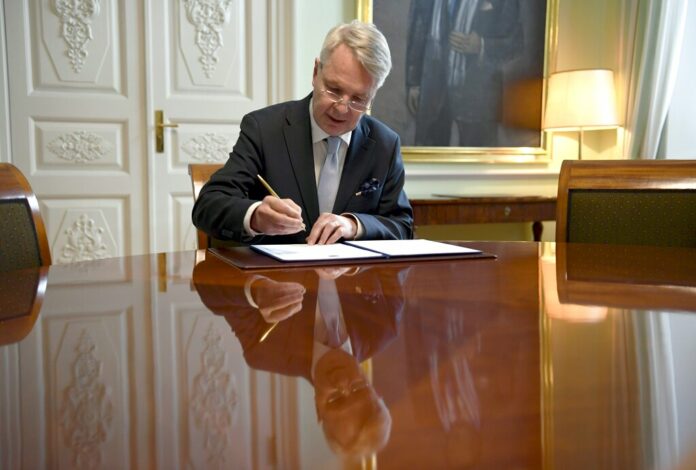
Finnish Foreign Minister Pekka Haavisto signs a petition for NATO membership application in Helsinki, Tuesday, May 17, 2022. Photo: Annti Aimo-Koivisto / Lehtikuva via AP

STOCKHOLM (AP) — Sweden and Finland on Tuesday pushed ahead with their bids to join NATO even as Turkey insisted it won’t let the previously nonaligned Nordic countries into the alliance because of their alleged support for Kurdish militants.

Turkish President Recep Tayyip Erdogan’s strongly worded objections caught the two applicants and other NATO members off guard, complicating what was envisioned to be a swift expansion of the alliance in the wake of Russia’s invasion of Ukraine.

“Turkey’s statements have changed very quickly and hardened in recent days. But I am sure that we will resolve the situation with constructive talks,” Finnish President Sauli Niinisto said during a visit to Stockholm, the Swedish capital.

Niinisto said he spoke to Erdogan in early April “and it was crystal clear that he was supportive, and he said that the Finnish membership should be assessed favorably. Now it seems that there are different opinions. We must continue to discuss.”

The Finnish parliament on Tuesday resoundingly rubber-stamped the government’s decision to seek membership in a 188-8 vote. The foreign ministers of both countries signed formal application letters to be handed over jointly on Wednesday at the alliance’s headquarters in Brussels.

But Erdogan’s objections on Friday and again on Monday raised questions about how quickly the application process could advance, as unanimity among all 30 NATO countries is required for new members to join. The Turkish leader accused the Nordic countries of giving safe haven to “terrorists” and imposing sanctions on Turkey — an apparent reference to the suspension of Swedish and Finnish weapons exports in 2019 after Ankara sent troops into northern Syria to attack Kurdish fighters.

Erdogan also dismissed a Swedish plan to send a team of diplomats to Turkey to discuss the issue, saying “don’t wear yourselves out.”

Swedish Prime Minister Magdalena Andersson said Sweden is still seeking contact with Turkey to “sort out the question marks.”

“We are looking forward to having a bilateral dialogue with Turkey but also having bilateral dialogues with other NATO countries during this process,” she said.

Turkey’s objections appeared to have come as a surprise also in Washington, whose relations with Ankara have been strained in recent years. The U.S. suspended Turkey from its F-35 fighter jet program over Turkey’s decision to purchase a Russian missile defense system.

Turkish Foreign Minister Mevlut Cavusoglu was traveling to New York for meetings Wednesday with U.S. Secretary of State Antony Blinken. Meanwhile, the White House announced that President Joe Biden would meet Niinisto and Andersson in Washington on Thursday to discuss their NATO applications and support for Ukraine among other issues.

Joining NATO would be a huge shift for the two Nordic countries. Sweden has stayed out of military alliances for more than 200 years, while Finland adopted neutrality after being defeated by the Soviet Union in World War II.

Russia has repeatedly warned its Nordic neighbors that their joining the alliance would have negative repercussions. The Swedish prime minister warned citizens to brace themselves for potential disruptive moves by Russia, including disinformation and attempts to intimidate and divide the country.

The Russian Foreign Ministry said Tuesday it was expelling two Finnish diplomats and would leave a multinational organization focused on the Baltic Sea. It also said the Finnish ambassador was read a protest against “Finland’s confrontational course in relation to Russia,” including its role in international sanctions against Russia and arms supplies to Ukraine. The statement made no mention of NATO.

European officials expressed hope that Turkey’s objections to Finnish and Swedish membership in NATO could be overcome.

The European Union’s foreign policy chief Josep Borrell said the two countries would receive strong support “from all member states, because it increases our unity, and it makes us stronger.”

Luxembourg’s long-serving Foreign Minister Jean Asselborn told Germany’s Deutschlandfunk radio that he suspects Erdogan is merely “pushing up the price” for the two countries’ membership.

“At the end of the day, I am convinced that Turkey can’t slam the brakes on this,” he said.

Turkey accuses several European countries of supporting the banned Kurdistan Workers’ Party, or PKK, leftist extremists and followers of the U.S.-based Muslim cleric Fethullah Gulen who Ankara claims was behind a failed military coup attempt in 2016.

Turkey’s justice minister Bekir Bozdag on Tuesday said Sweden and Finland “have not returned a single” suspect that Turkey wants extradited for alleged links to PKK or the Gulen movement.

“Those who prefer terrorist organizations over Turkey should see that their own choices have made them lose,” Bozdag said.

Many Kurdish and other exiles have found refuge in Sweden over the past decades, as have members of Gulen’s movement more recently. According to Turkey’s state-run media, Sweden and Finland have refused to extradite 33 people wanted by Turkey.

Sweden denies supporting PKK, which is terror-listed by the EU, but has had contacts with Kurdish fighters in Syria who played a key role in the fight against Islamic State group militants.

Turkey makes no distinction between the Kurdish groups.

Amineh Kakabaveh, a former Kurdish peshmerga fighter from Iran who fled to Sweden and now serves in the country’s Parliament, implored the government to not cave to Erdogan’s demands.

“Everyone who is for Kurdish rights is a terrorist to him,” she said. “It is unacceptable that he gets involved in Swedish politics.”

___

Story: Karl Ritter. Jari Tanner in Helsinki, Jan M. Olsen in Copenhagen, Denmark, Suzan Fraser in Ankara, Turkey, and Geir Moulson in Berlin, contributed to this report.
Advertisement

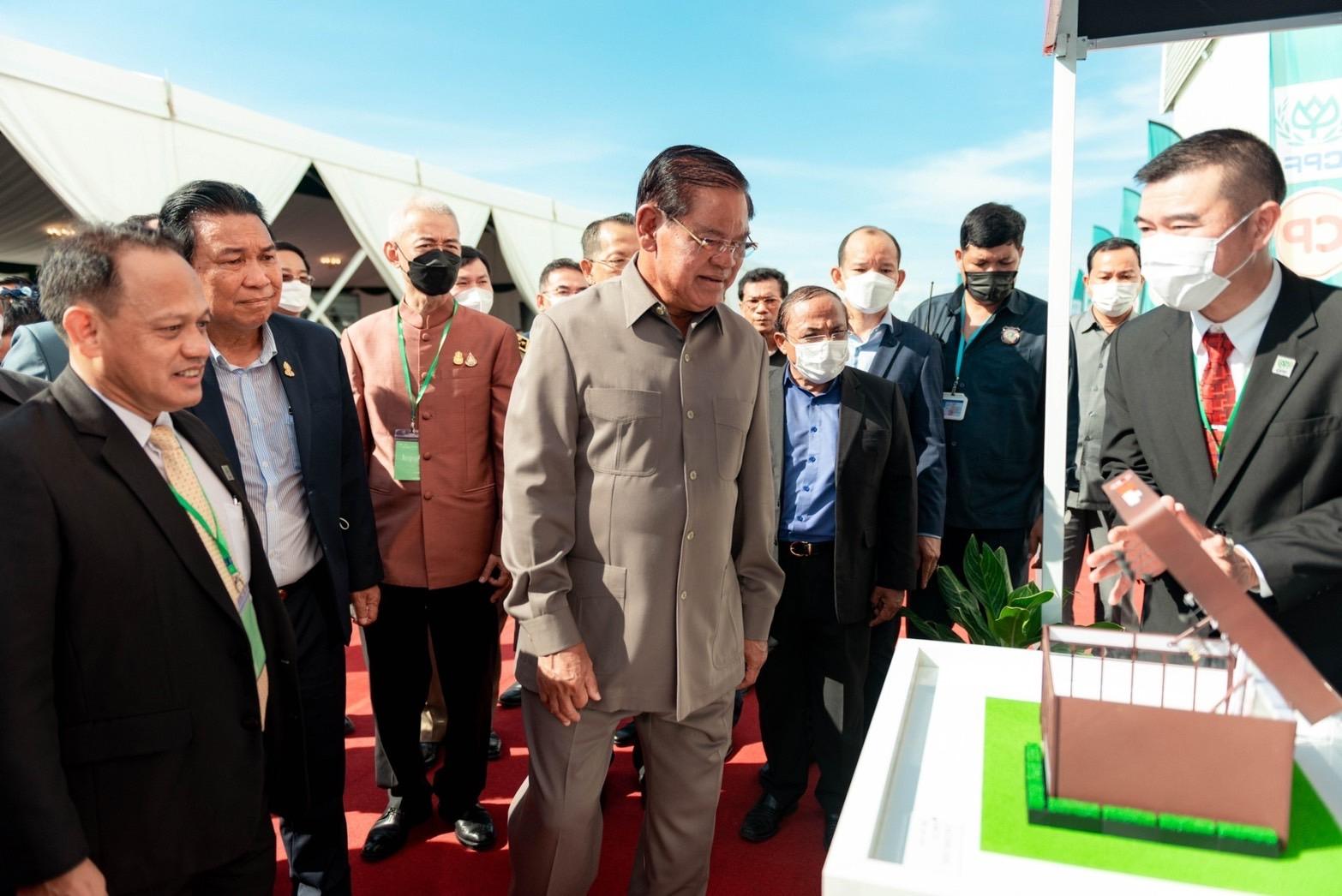
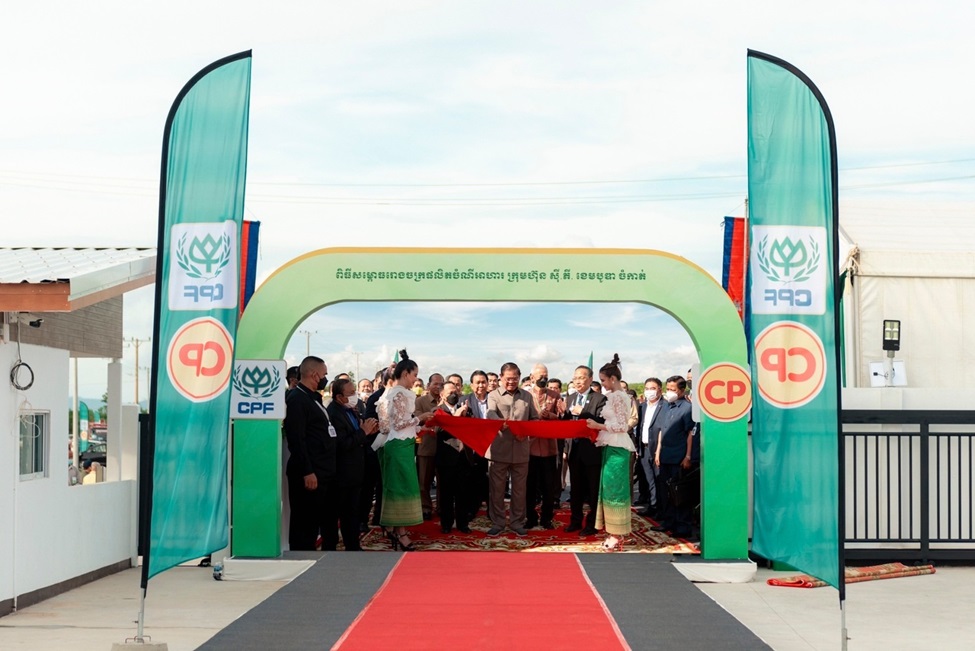
C.P. Cambodia opens the new swine processing plant in Kampot province

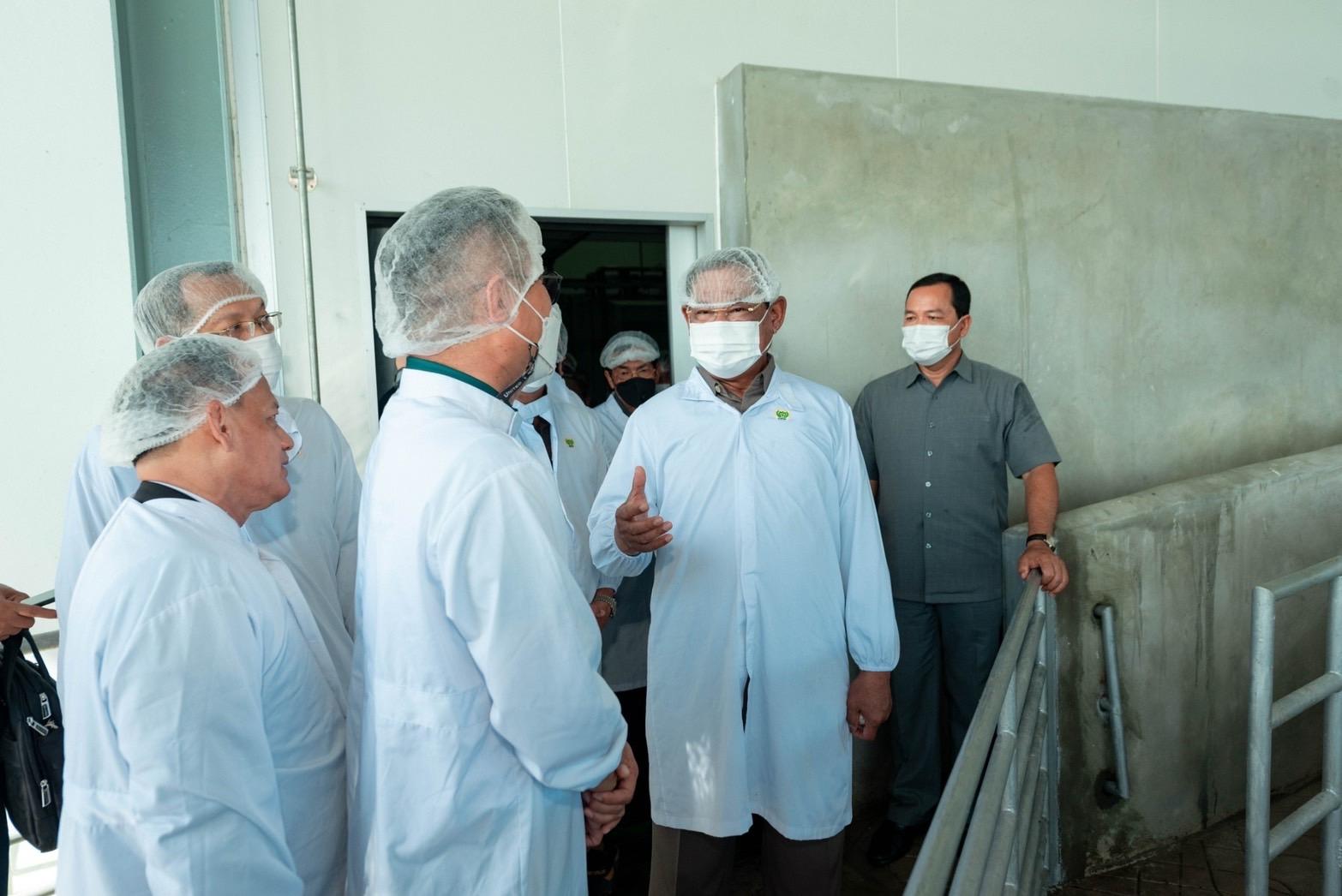
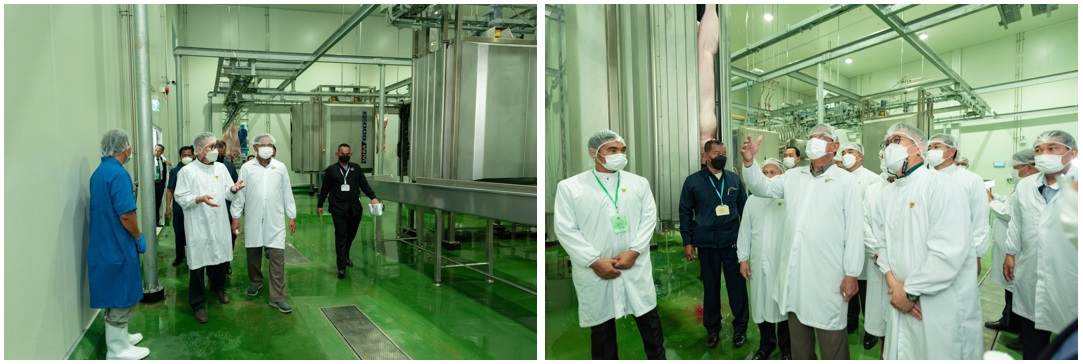
CP Cambodia Co., Ltd. (C.P. Cambodia) recent opened its latest swine processing plant in Kampot province. The newly launched plant is focusing on food safety and hygiene that meet the international standards to raise the quality of food, as well as sharing expertise in production and creating jobs for people in the country.

image5 2

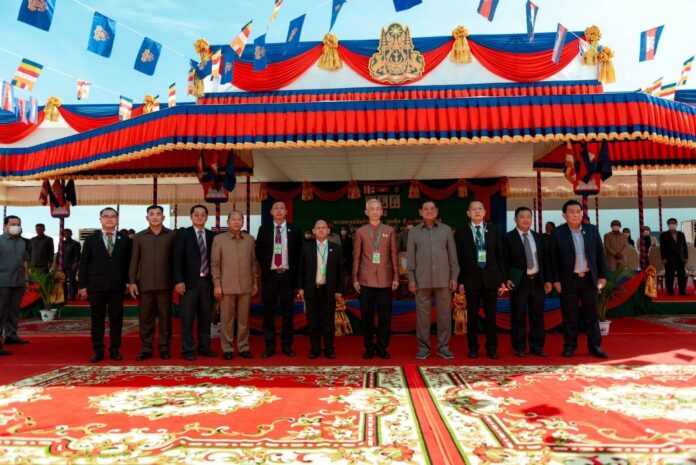
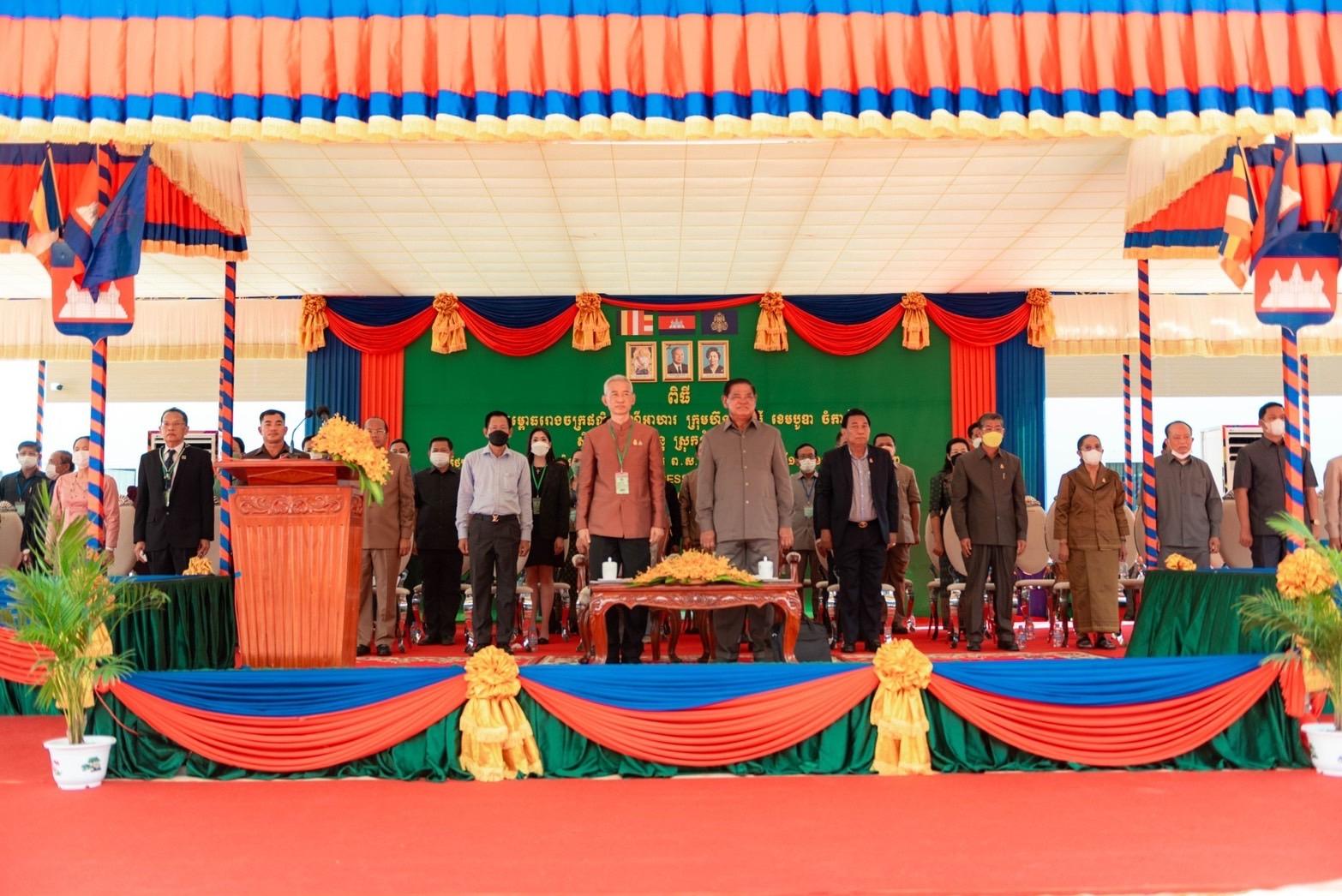
On 12 May 2022, H.E. Samdech Krolahom Sar Kheng,Cambodian Deputy Prime Minister and Minister of Interior presided over the inauguration ceremony in Kampot Province, together with H.E. Panyarak Poolthup, Thai Ambassador to Cambodia,; and Mao Thunin, Governor of Kampot Province. They were welcomed by Preeda Chunwong, Vice President of C.P. Cambodia, Wittaya Kreangkriwit, Senior Vice President C.P. Cambodia; and the company’s management members.

image4 4

CP Cambodia has set up this top-notch food processing factory in Cambodia to meet the increasing demand from the rapid growth of the population and economy. The operation there has placed utmost importance on quality, hygiene and food safety standards.

image7 2

H.E. Sar Kheng said that C.P. Cambodia’s new food factory responds to Cambodia government policy which focusing on high standards of hygiene, quality and safety food products for people.

C.P.Cambodia’s new processing plant to improve the quality of domestic food production for Cambodian consumers with high quality foods and also help to ensure food security in the country.

image6 3

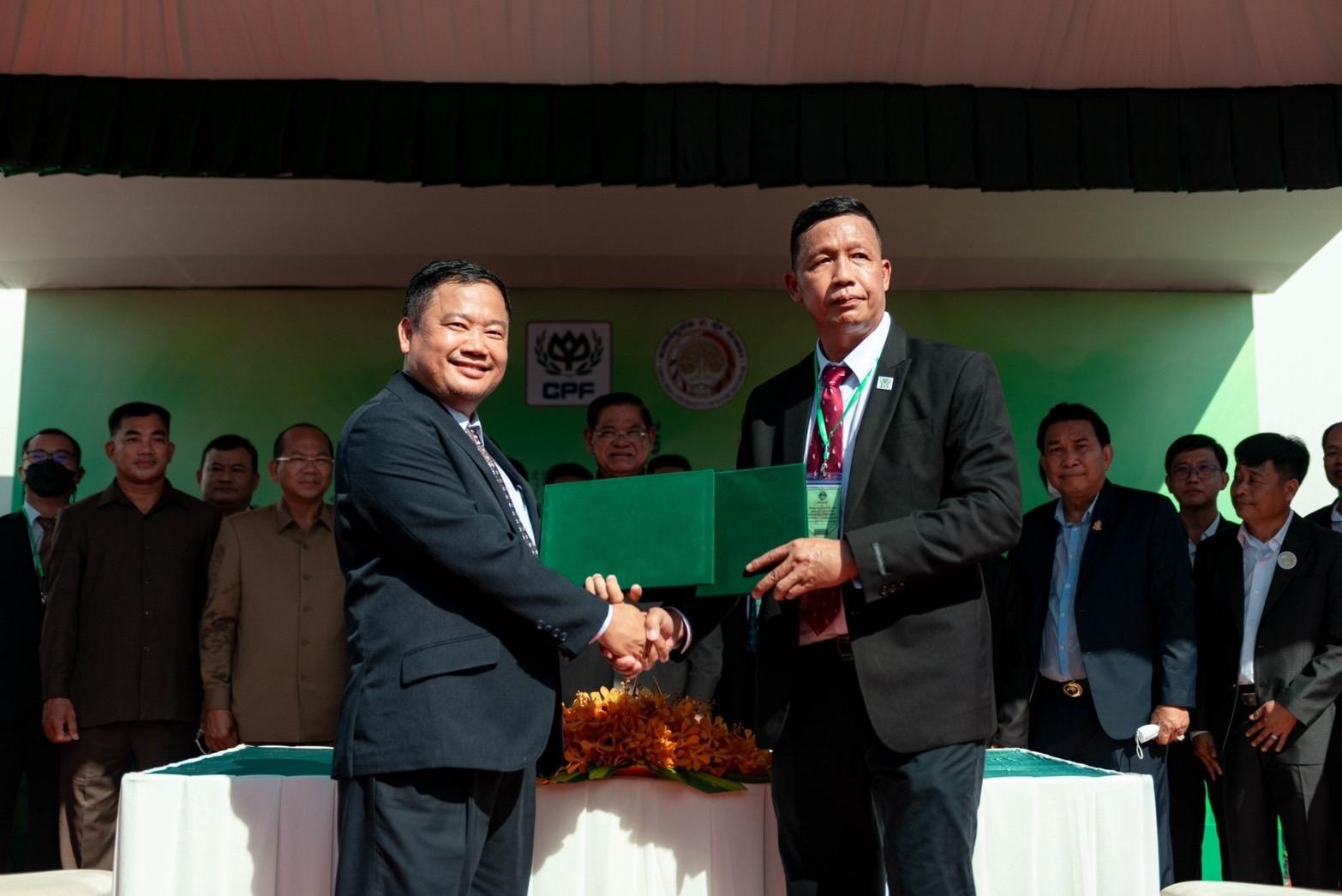
His excellency also presided over and witnessed the MoU signing ceremony between C.P. Cambodia and the University of Chea Sim of Kamchaymear, Cambodia’s leading higher education institutions, to share knowledge on Food production technology and promote careers as well as jointly creating food security for Cambodian people as well.

image2 7

The Thai Ambassador Panyarak also congratulated CP Cambodia for its contribution to food production standards to be on par with the international standards. “The Thai government is happy to support the cooperation to develop food products, which helps to maintain good and long-lasting relationship between Thailand and Cambodia.

image1 8

For more than 26 years, CP Cambodia and its 2,000 employees nationwide, had operated agro-industrial and food business, covering 3 areas which are Feed Business, Animal Farming Business and Food Business, to deliver high quality, hygienic and nutritional products with social responsibility and sustainable development for Cambodian consumers in 25 provinces across Cambodia.

Advertisement

3M announces school zone transformations to increase pedestrian visibility and road safety

100 school commitment to serve as a global model in helping children get to school safely

Bangkok, Thailand, May 17, 2022 – Road traffic accidents are the leading cause of death for children five years and older worldwide, according to data from the Centers for Disease Control and Prevention. To help protect the lives of our most vulnerable pedestrians – children – 3M announced its commitment to increase safety and visibility in 100 school zones in 23 countries around the world, including Thailand and ten other countries in Asia, by 2024.

As part of its ongoing commitment to road and transportation safety, 3M commissioned third-party independent research in 11 countries to identify the top concerns of adults relative to getting to and from home safely, as well as their views on the current state of transportation safety in their communities. 

In APAC, as many as 46% of those surveyed reported having a family member or close friend who has died or been seriously injured in a traffic accident, significantly higher than the 33% globally. In fact, according to the International Road Assessment Programme’s (iRAP) Vaccines for Roads Big Data Tool, traffic accidents kill nearly 2,000 people and injure 54,000 every day across the Asia Pacific region.

According to 2018 World Health Organization’s road safety report, Thailand’s road accident rate is one of the highest in the world. The country recently reported over 2,700 traffic accidents and 333 deaths during the period between December 29, 2021 and January 4, 2022, which is commonly known as a “Seven Dangerous Days” period. 

image003

Improving 100 School Zones by 2024

3M has been working in communities around the world to help make roads safer for all, with the mission of helping bring families home safely. From this year to 2024, 3M aims to amplify its commitment to keeping roads safe with its school zone transformations. 

Underdeveloped roadways, a lack of crosswalks and poor visibility in school zones put our youngest pedestrians at particular risk when walking and biking to and from school. The rate at which these incidents happen drastically increases within low-income countries and communities indicating a clear need for change, according to the World Health Organization. 3M recognizes the urgency in addressing these dangers and the need for safer school zones. 

“3M’s commitment to improve school zone safety centers on the belief that every child deserves a chance at an education and getting to school safely shouldn’t be a barrier,” says Dr. Dan Chen, president, 3M Transportation Safety Division. “Over the next two years, we will work with NGOs and government agencies to improve safety in school zones and develop a scalable model for high-risk and under-resourced communities to create safer roads for all children.”

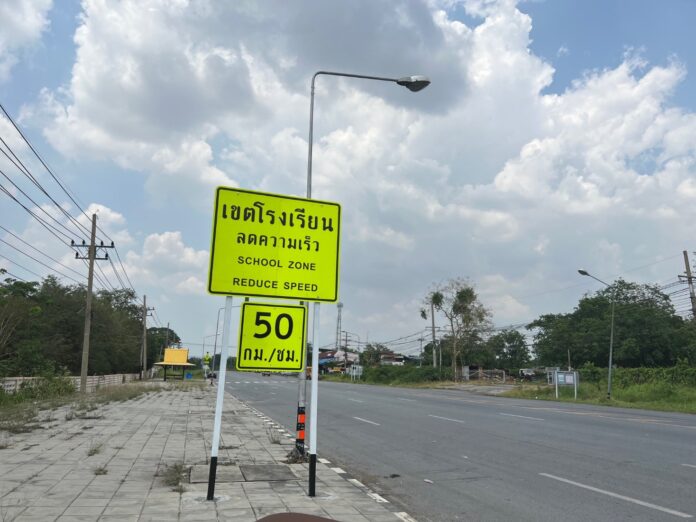
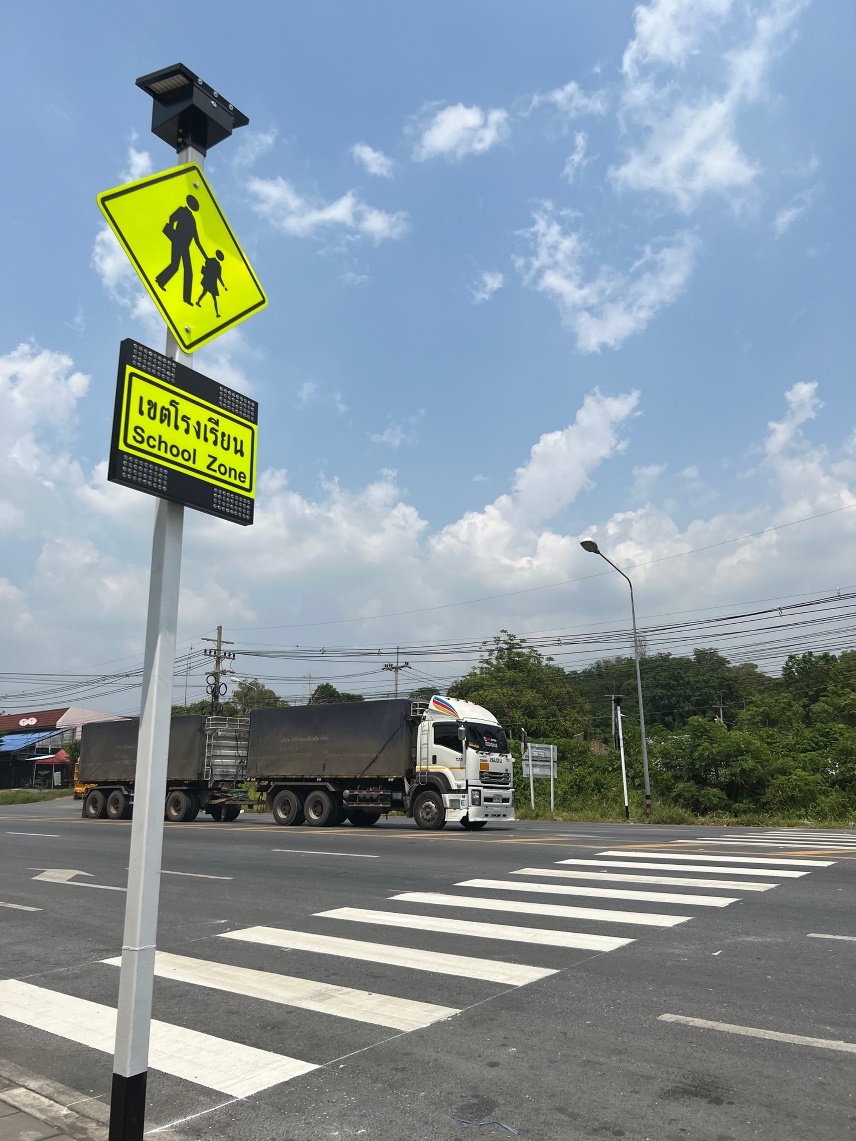
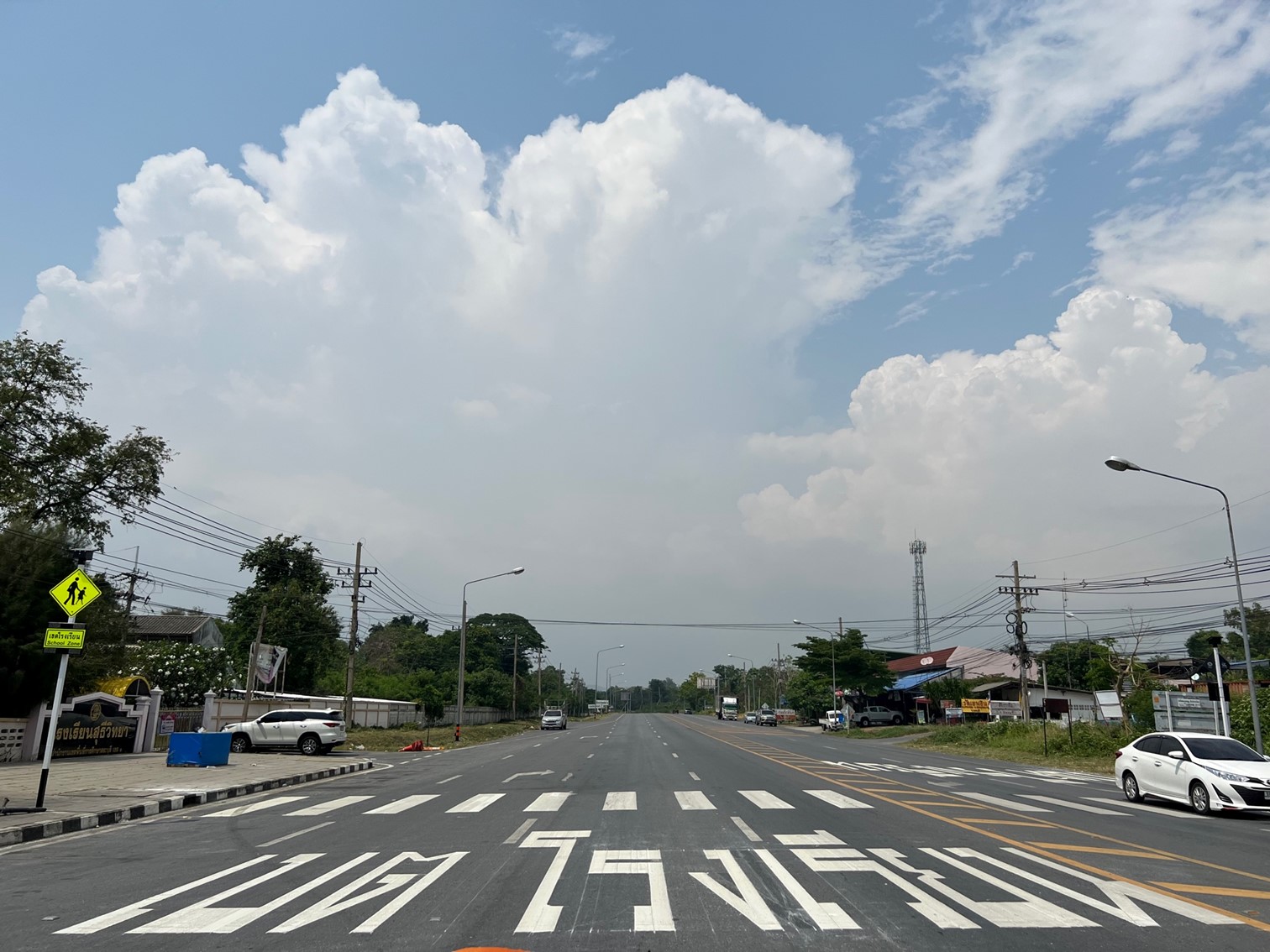
“In addition, improving road safety standards is a part of our determination to work for a better life which is our aspiration. We at 3M Thailand are glad to help schools across Thailand become safer for students and pedestrians,” said Wiyada Srinaganand, 3M Thailand Country Leader. 3M has already partnered with Sutheewittaya school, a local school in Saraburi province, to install a pedestrian crossing in front of the school entrance and high visibility school traffic signs to increase the safety of children.

Community collaboration

For more than eight decades, 3M’s Transportation Safety Division has had the mission to advance transportation infrastructure and mobility globally. The installation of high-performance road materials and technologies, like Diamond Grade Reflective Sheeting for school zone signage and Pavement Marking Tape to help improve reflectivity and visibility for motorists and pedestrians, have helped families return home safely. 

And while technology and innovation are necessary steps to create safer road conditions, 3M continues to collaborate and work with communities, civic and government leaders, policymakers, NGOs and other organizations to help lead change and create safer roadway systems globally. 

As a member of the UN Global Compact, 3M believes in the role public-private partnerships can play in solving pressing global issues, such as road and transportation safety. 3M is a signatory of the Call on President Biden to End Roadway Fatalities and a pledge of the United Nations General Assembly Decade of Action for Road Safety to prevent at least 50 percent of road traffic deaths and injuries by 2030. 

To get involved and learn more about 3M’s School Zone Road Safety, visit 3M.com/schoolzonesafety.

###

About 3M
At 3M (NYSE: MMM), we apply science in collaborative ways to improve lives daily as our employees connect with customers all around the world. Learn more about 3M’s creative solutions to global challenges at www.3M.com or on Twitter @3M or @3MNews.

For more information, please contact: 

Branded The Agency 0-2650-9090 # 107, 105

Sutadta Lertsanongboon (Wawa) 087-244-4740, email: [email protected] 

Anchalee Chuakhamhod (Aun) 099-735-9614, email: [email protected] 

3M Thailand Limited

Waralux Mitra, email: [email protected] 

image005

Advertisement

THAIFEX – Anuga Asia 2022 to address the needs of food industry operators as they adapt to a critically changed F&B market 

The event will feature 11 food segments, 1200 exhibitors, 2,500 high-profile buyers, some 40,000 trade visitors, as well as special shows dedicated to entrepreneurs, product innovation and responding directly to buyer needs

Bangkok (28 April 2022) —THAIFEX – Anuga Asia 2022 preparation is in full swing as Asia’s leading food trade fair gears up to host local and international participants at IMPACT Muang Thong Thani, Bangkok, Thailand, from 24-28 May 2022. This is the most comprehensive event dedicated to the food and beverage industry in the region. The event will bring together key leaders, exhibitors and buyers from the F&B sector to discuss new products, market segments and opportunities, rising levels of product innovation, and emerging & growing trends in the post-pandemic era.

This year, THAIFEX – Anuga Asia is focused on catering to food exporters’ and importers’ needs, providing them with a standout networking and high-quality business exchange platform. The event will feature 11 food segments, approximately 1200 exhibitors, c.2,500 high-profile buyers, some 40,000 expected trade visitors, as well as sessions dedicated to entrepreneurs, product innovation and responding directly to buyer needs. 

Besides the wide range of F&B products and solutions across 9 halls at THAIFEX – Anuga Asia, the organisers have also launched a newly created segment, THAIFEX – Anuga Future Food Market. This segment is made up of exhibits that feature potentially revolutionary products and services that address buyers’ needs for ground-breaking innovations that will influence and positively impact this fast-paced industry. 

The Hosted Buyer Programme and the Priority Buyer Club are back by popular demand. “In the last Hosted Buyer Programme, our buyers seized up 1.7 million ÚSD worth of purchases from new suppliers alone. And they have also forecasted 27 million USD in sales revenue for the next financial year. We are expecting no less this year! With 2,500 top buyers from companies like BGF Retail and Circle K who have already registered, we anticipate some exciting news to unfold at this year’s event!” said General Manager of Food Tradeshow, Koelnmesse Singapore, Wendy Lim.

Riding on the theme of ‘Hybrid Edition’, the physical trade fair will be enhanced by digital elements. This includes an online networking platform for attendees to network even before the show begins, and remote booths and hosted buyer meetings for exhibitors and buyers who are not able to join in person. There will also be live streaming sessions from our Future Food Experience stage, where key industry experts, regional and global thought leaders and trade professionals will gather to exchange ideas and provide actionable insights. This year’s topics include the top 10 F&B trends, digital transformation, sustainability, and so on. The stage will also be supplemented with THAIFEX – Anuga Start-Up pitches, where entrepreneurs pitch their innovations to a captive audience such as venture capitalists, investors, and future business partners. Several of these sessions will be live-streamed on social media channels (details below). 

To make the show a safe and successful business platform for all physical participants, the organisers have also introduced new measures in accordance with rules and regulations issued by the Centre for COVID-19 Situation Administration (CCSA). 

THAIFEX – Anuga Asia 2022 is organised by Koelnmesse, DITP and TCC. For more information, please visit https://thaifex-anuga.com/en/. To view the Live Stream during the event cast, please follow https://www.facebook.com/thaifexanugaasia/.

Advertisement

Opinion: As Bangkokians Gear Up to Elect Their Own Governor After 9 Years, People in the Provinces Continue to Wait After a Century

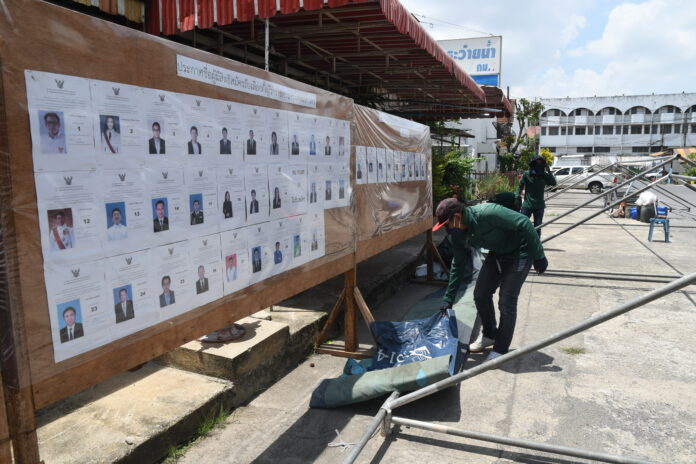
Workers set up polling station for the upcoming Bangkok gubernatorial election on May 15, 2022.

While Bangkokians have been waiting for nine years to be able to finally elect their governor anew due to the disruption caused by the May 2014 coup, people in all provinces have been waiting for over a century now. And the wait is far from over for non-Bangkokians.

This is a clear testament to the continued centralization and distrust of local people by the Thai state. Governors were appointed by the national government during the time of absolute monarchy beginning during the reign of King Chulalongkorn, or Rama V, and yet, a century later and even after the country ended absolute monarchy in 1932, it continued to be the case. What defense can anyone cite to defend the indefensible continuation of the centralization of power? Nothing.

It all boils down to deep distrust of the local populations and the thirst to concentrate powers with the national government based in Bangkok.

It is telling that when King Chulongkorn introduced administrative reform a century ago, his model was that of colonial administrations in Dutch-controlled Indonesia and British-controlled Malaya. In effect the provincial parts of the Siam were internally colonized, not by foreign powers but by the absolute royal powers rested in Bangkok.

Basically, the rest of Thailand became an internal colony of the state with its centralized power in Bangkok.

As Bangkokians consider which candidate to best represent them, depending on their campaign platforms, their political association, and other factors, people in the provinces have to make do with a governor appointed by the Interior Ministry in Bangkok.

No policy platform, nor right to choose…no, no, no. And all Thai citizens supposedly have equal political rights. That is one of the greatest lies fed by the state that most Bangkokians are unconscious of or oblivious to and many people in the provinces simply accept it as the way things are. But it need not be and should not be in the 21st century.

A decade and a half ago, while down south on a work assignment in Pattani province, I spoke to the then chief police of Pattani province about the aspiration of the local Thai-Malay Muslims to be able to elect their own governor.

The senior police flatly confide with me that he believes the day Thai-Malay Muslims are entitled to elect their own provincial governor is the day that the eventual secession of Pattani from the rest of Thailand begins.

Such deep distrust is telling and not reserved to the deep south with a distinct Thai-Malay populations but in the northeast where local rebellions rose against the central powers in Bangkok in the past and the north which only came under direct control of Bangkok in the late 19th century during Chulalongkorn’s reign.

It may be 2022 now, but those in power and even some ordinary Thai citizens, including some of those in the provinces, still think local people are not capable or mature enough to elect their own governors.

The distrust reinforced the unspoken truth that Thailand has a lot more to do in order to truly guarantee equal political rights for all Thais. We need all the help from Bangkokians who will exercise their rights next weekend, on May 22, to elect their own governor and city council members, to ensure that this long denied political rights for their brothers and sisters upcountry are finally realized.

Any political parties that claim to truly represent the people and stand for their political rights and democracy should make it a priority to push for decentralization and devolution.

Advertisement

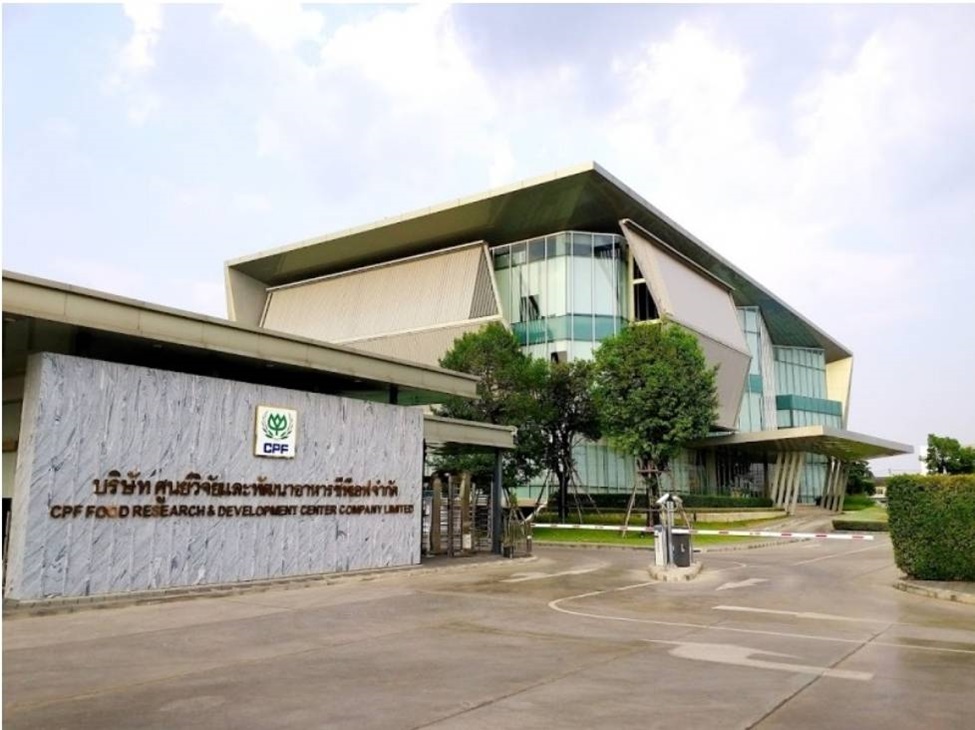
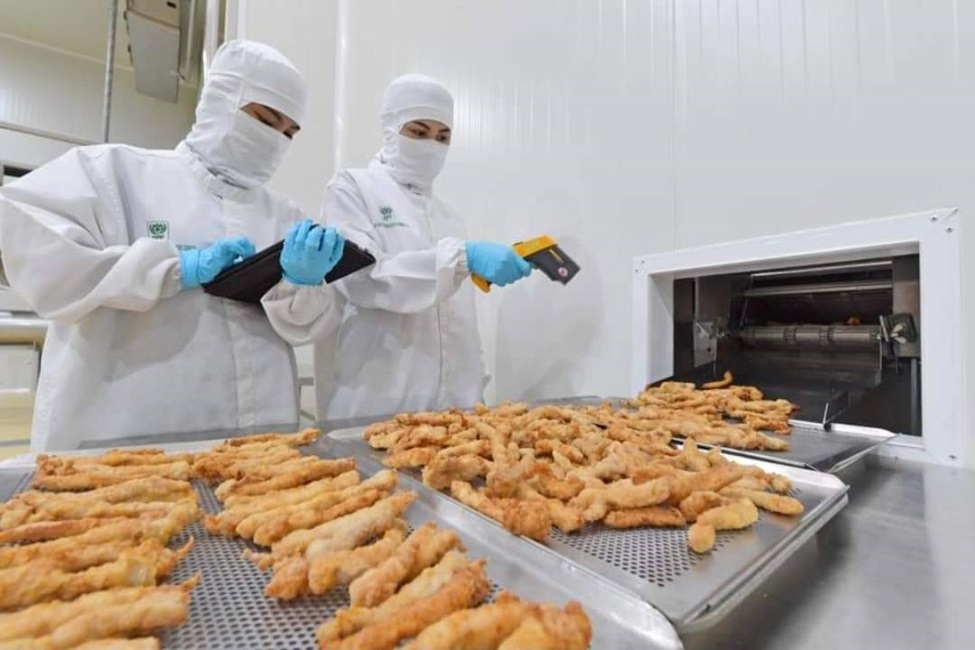
“CPF” ranked in annual “Forbes Global 2000” in 2022 as the world’s largest public companies 

Charoen Pokphand Foods Public Company Limited (CPF) reported that the company the has been ranked in Forbes 2022 Global 2000 as one of the largest public companies in the world and also one of the 14 Thai selected companies in such global prestigious ranking. This year, CPF ranked in the 1471th with a revenue of US$16 billion, the profit of US$338 million, the asset of US$25.2 billion and the market value of US$5.92 billion, reflecting a large-scale professional public company to further operates business in relevant with processing efficiency development throughout the supply chain to ensure business sustainable growth. 

image3 6

The Forbes Global 2000 is the world’s prestigious ranking public company based on a mix of four metrics: sales, profit, assets and market value in line with the business scale. This year the ranking has covered public companies in 58 countries around the globe

image2 6

Advertisement

GULF achieves a new-high core profit in Q1/22, a rise of 36% 

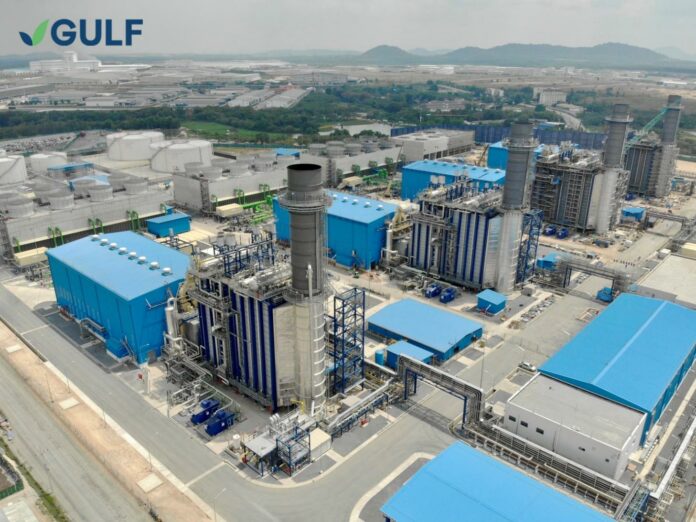
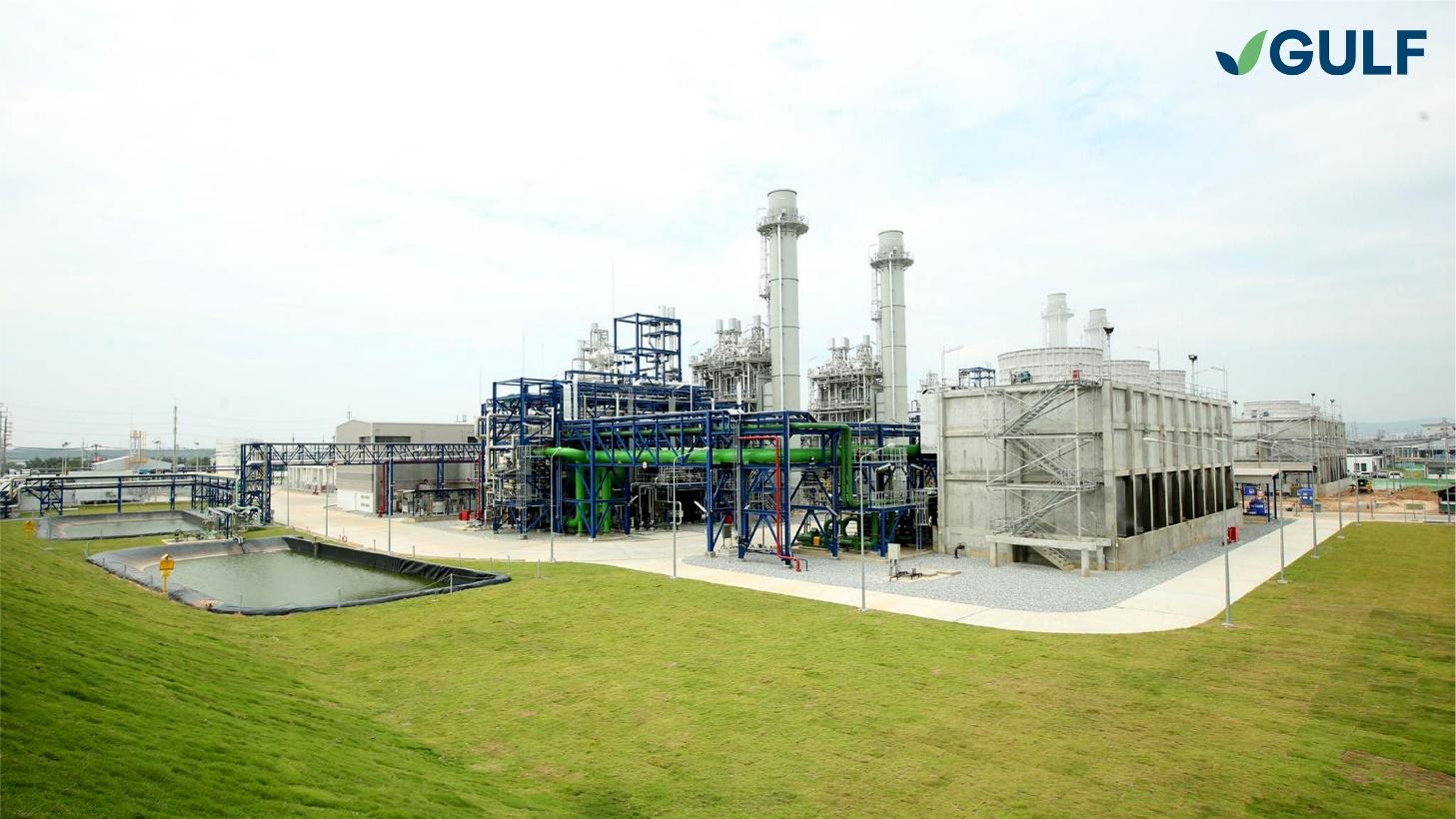
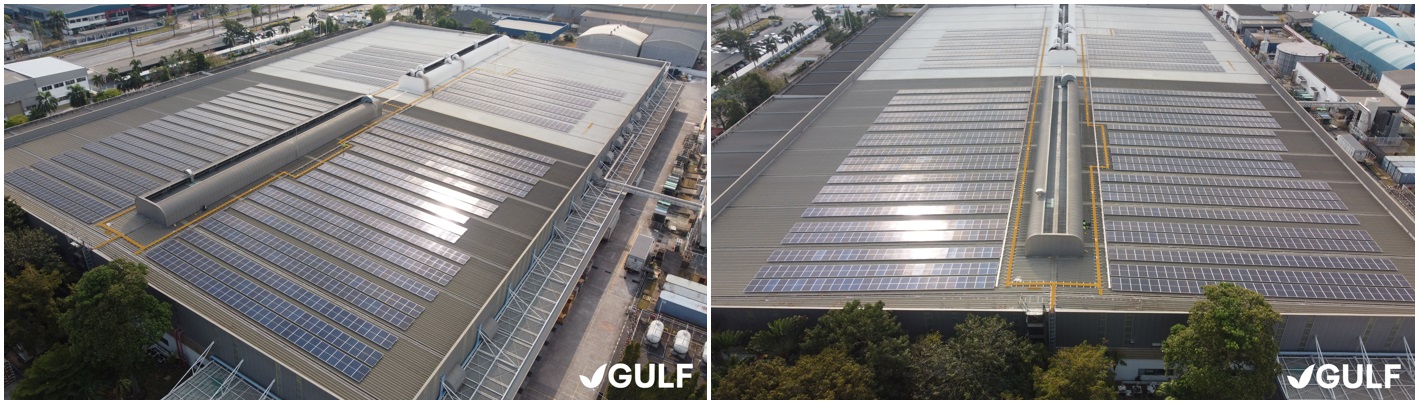
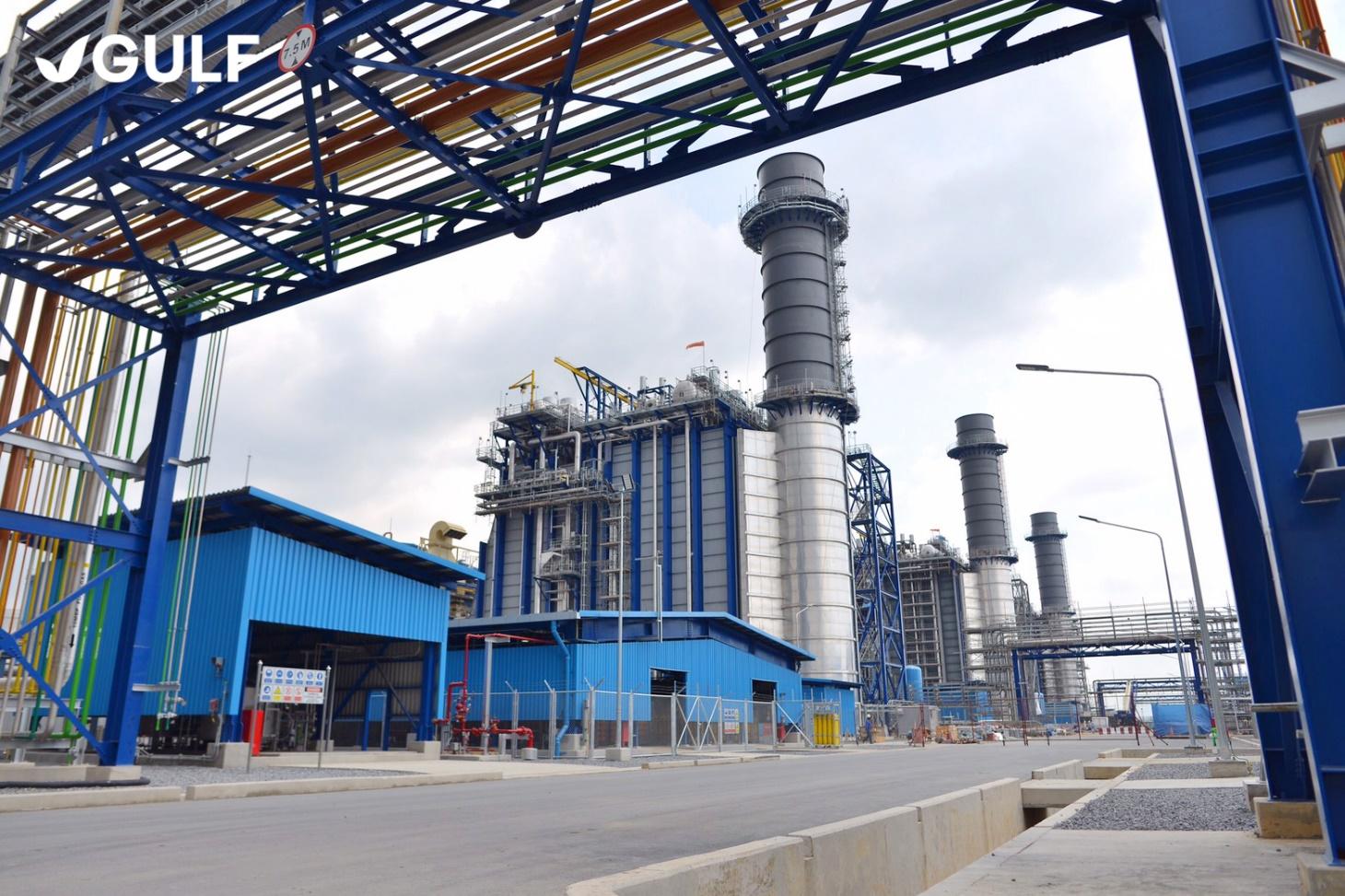
GULF reported the financial results of Q1/22 with core profit of THB 3,257 million, an increase of 36% year-on-year (YoY) and 19% quarter-on-quarter (QoQ). The growth is mainly from the profit of Gulf SRC’s (GSRC) first unit and second unit, together with higher profit from BKR2 offshore wind power project in Germany and share of profit from INTUCH.

image3 5

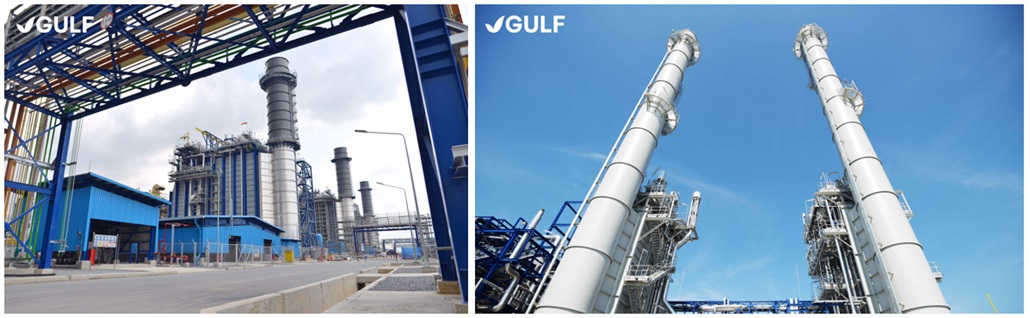
Gulf Energy Development Plc. (GULF) reported the financial results of Q1/22 with total revenue of THB 22,453 million, an increase of 125% YoY. The growth mainly came from the revenue recognition of Gulf SRC’s (GSRC) first unit and second unit (installed power generation capacity of 1,325 MW), which began commercial operation in 2021. Another attribution is from the higher revenue of 12 gas-fired SPPs under GMP group due to higher electricity selling price, which is in line with the higher natural gas cost, and higher volume of electricity and steam sold to the Electricity Generating Authority of Thailand (EGAT) and industrial customers, with an increase in the number of industrial customers by 34.7 MW from the automotive, chemical, electronic components, and packaging sectors. 

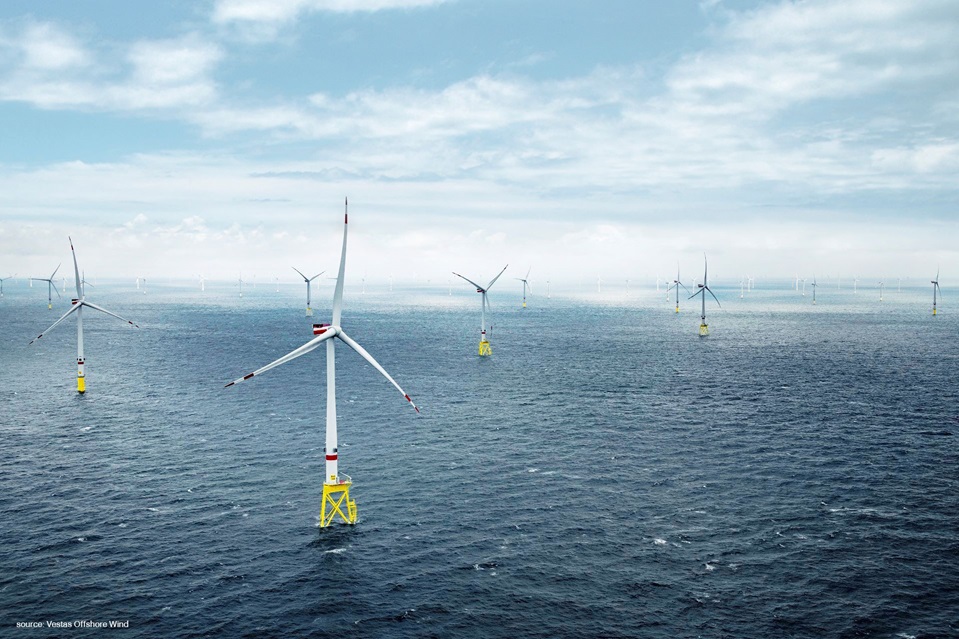
GULF also recognized higher revenue from the 465-MW Borkum Riffgrund 2 offshore wind power project (BKR2) in Germany thanks to the improved average wind speed from 9.8 m/s in Q1/21 to 11.0 m/s in Q1/22, despite the curtailment by the German government causing the decrease in average capacity factor to 39% from 41% in Q1/21. Nonetheless, BKR2 received full revenue compensation for the total amount of electricity that was curtailed, as if there were no curtailment. Therefore, the situation did not affect GULF’s revenue. Moreover, the share of profit from Intouch Holdings Public Company Limited (INTUCH) of THB 1,100 million also attributed to GULF’s revenue growth in Q1/22.

image2 5

While the gross profit from sales in Q1/22 was recorded at THB 4,453 million, an increase of 51% YoY from THB 2,941 million in Q1/21, the gross profit margin declined to 22.1%, a decrease from 33.1% in Q1/21 due to the increased gross profit contribution from IPP power project, which has a lower gross profit margin compared to the gross profit margin of BKR2 wind farm, resulting in the lower overall gross profit margin of GULF. 

Additionally, in Q1/22, there was a rise in average natural gas costs by 101% YoY, from 220.17 THB/MMBTU to 441.56 THB/MMBTU, while the average Ft rate increased by 0.1671 THB/kWh (from -0.1532 THB/kWh to 0.0139 THB/kWh). However, since GULF sells 87% of its electricity to EGAT, in which the cost of natural gas is passed through to EGAT, while sales to industrial customers account for only 13% of GULF’s electricity sales, the impact was limited from the spike in natural gas costs. 

image5 1

In Q1/22, GULF recorded the core profit of THB 3,257 million, an increase of THB 867 million or 36% YoY mainly from the profit recognition of projects which commenced commercial operation in 2021, namely, GSRC Unit 1 and Unit 2 in March and October 2021. Moreover, the rise in core profit was also attributable to the higher profit from BKR2 and the share of profit of THB 1,100 million from INTUCH. This quarter, GULF recorded net profit attributable to the parent company, which includes the impact from FX rate, of THB 3,395 million, an increase of 108% YoY, compared to THB 1,632 million in Q1/21. 

image4 3

As of March 31, 2022, GULF had net interest-bearing debt to equity ratio of 1.79 times, an increase from 1.77 times at the end of 2021. This was mainly due to drawdown of loans from financial institutions for the construction of Gulf PD (GPD) IPP power plant project, with total installed power generation capacity of 2,650 MW. In February 2022, GULF issued debentures worth THB 24,000 million for business expansion and partial loan repayment.

image7 1

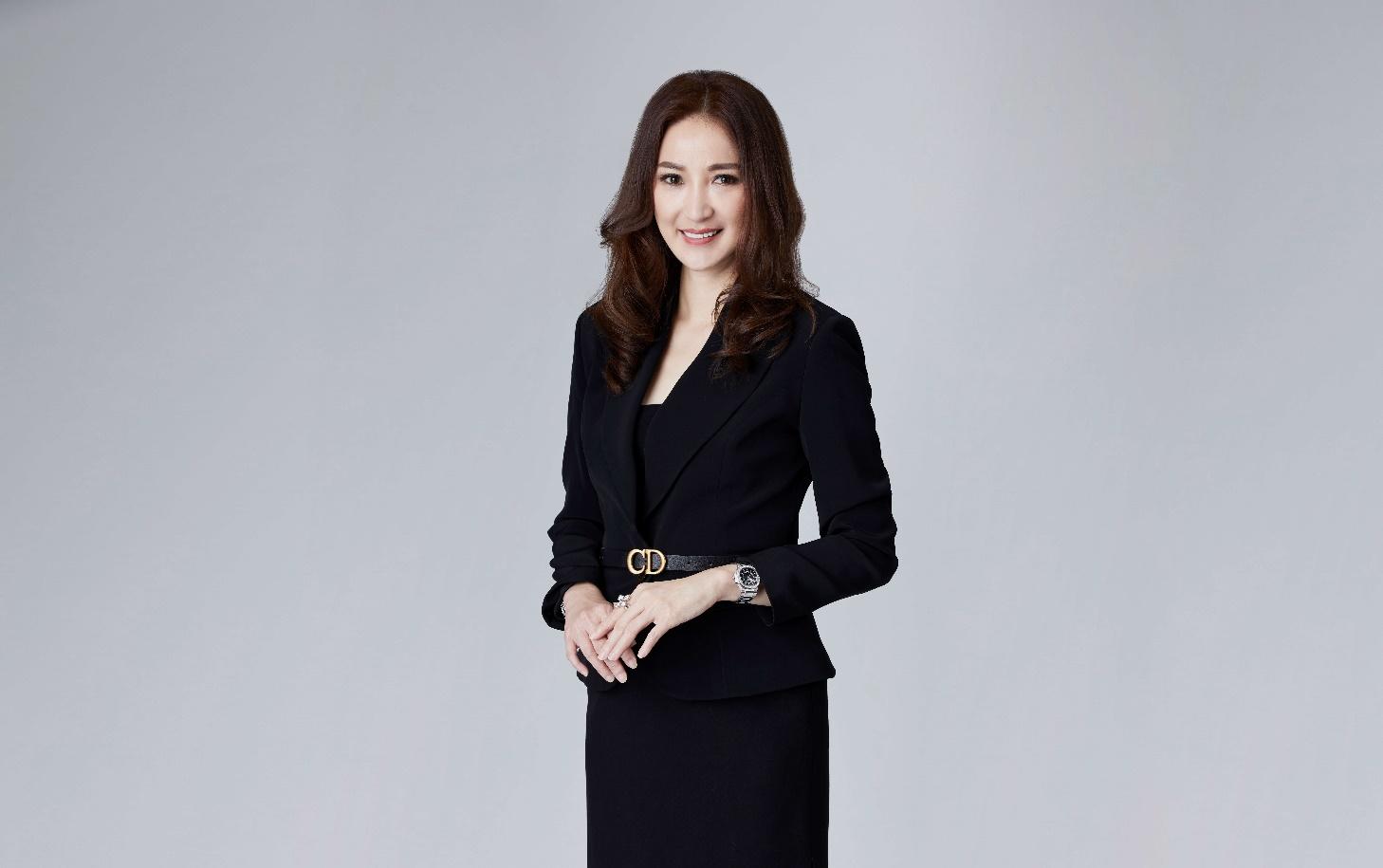
Ms. Yupapin Wangviwat, Chief Financial Officer, revealed the company’s business direction in 2022, stating, “GULF’s current focus is on decarbonization and digitalization. For decarbonization, the company emphasizes investments in renewable energy projects in Thailand and overseas including wind power projects, solar power projects, and hydropower projects. The 2 hydropower projects, namely, Pak Lay project and Pak Beng project in Laos have entered into a Tariff MOU with EGAT in January and April this year and plan to sign a Power Purchase Agreement (PPA) with EGAT within Q2/22. 

Regarding digitalization, GULF has expanded the business into digital infrastructure and blockchain technology. In early 2022, GULF, together with AIS and Singtel, signed the Joint Development Agreement to establish a data center business in Thailand, which is currently in the process of site selection and the construction is expected to start later this year. Moreover, in April this year, Gulf Innova entered into a Shareholders’ Agreement with Binance to jointly develop a digital asset exchange business in Thailand, which is currently in the process of applying for licenses from relevant agencies. 

GULF also invested in a regulated digital asset exchange in the United States of America (Binance.US) and BNB, signifying our participation in the Binance ecosystem, the world’s leader in blockchain infrastructure technology. GULF regards cryptocurrencies and tokens as one of the future funding alternatives and this sector still has a lot of potential for growth in Thailand.”

image6 2

Advertisement

Hot News

LATEST NEWS

Bangkok
broken clouds
32.2 ° C
36.6 °
32.2 °
69 %
5.3kmh
67 %
Wed
32 °
Thu
37 °
Fri
36 °
Sat
37 °
Sun
36 °