



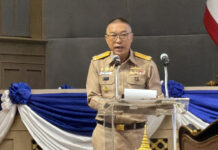
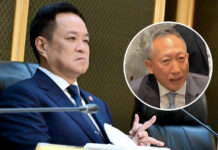






















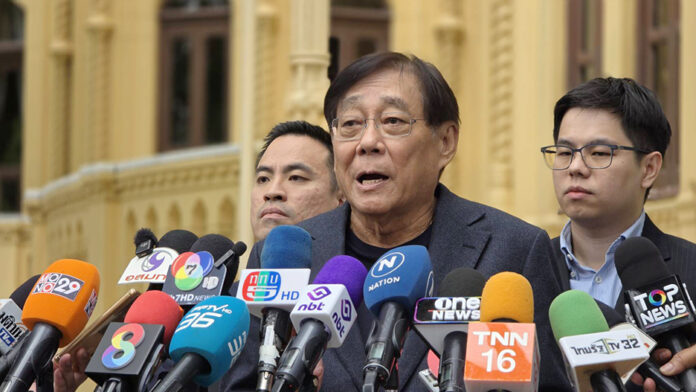
BANGKOK – Deputy Prime Minister and Finance Minister Pichai Chunhavajira outlined three core conditions for Thailand’s negotiations with the United States regarding President Donald Trump’s proposed 36% import tariffs, following a nearly three-hour meeting at Ban Phitsanulok on July 11 that included former Prime Minister Thaksin Shinawatra as an advisor.
The Thai negotiating team established three fundamental conditions for discussions with the U.S.:
First, domestic manufacturers must be protected from adverse impacts, particularly in agriculture and small-scale industries.
Second, Thailand may need to increase imports of U.S. goods, which would provide opportunities for adaptation. Officials discussed methods to ensure imported goods receive comprehensive oversight and maximum efficiency, essentially conducting a self-review process.
Third, and most importantly, Thailand must prepare comprehensive support measures across multiple sectors. The government will conduct detailed sector-by-sector impact assessments, with results expected by Monday, July 14, before submitting additional supplementary information by August 1.
Tariff Structure Analysis
According to information obtained, the U.S. has categorized goods into 2-3 major groups for tariff collection. General goods would start at 10% tariffs, with some countries like Vietnam potentially facing increases to 20%. Other product categories remain under consideration, including transshipment goods that involve imports followed by assembly or value-addition through local content.
“Thailand has strict control and monitoring systems,” Pichai stated. “The government is confident in its ability to manage effectively compared to some countries that may have higher proportions of such goods, which could result in higher tariff rates.”
Optimistic Outlook
Pichai expressed cautious optimism about Thailand’s position: “Looking at the overall picture, I believe the impact Thailand will receive from U.S. tariff measures won’t be too severe. We’ve examined details at the product level to clearly demonstrate that our operations are reasonable and correct.”
The minister emphasized that essential information was already submitted on July 6, with today’s meeting serving as a detailed review to confirm the correct direction. The government has not set specific target tariff rates, as rates above 20% – such as 25% – could disadvantage Thailand compared to competitors like Vietnam.
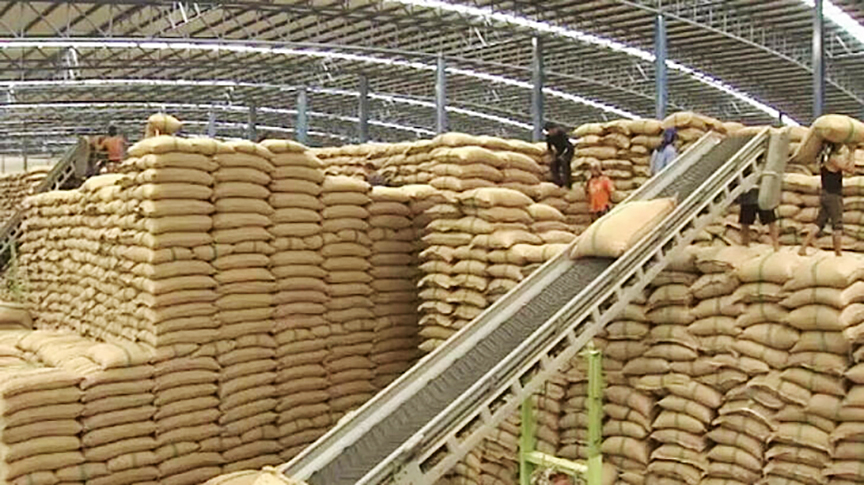
When asked about product categories of U.S. interest, Pichai noted that the U.S. shows particular interest in various Thai products, especially agricultural goods. Despite their relatively modest value, these products involve large numbers of people and receive special attention from the U.S. side.
Thaksin’s Advisory Role
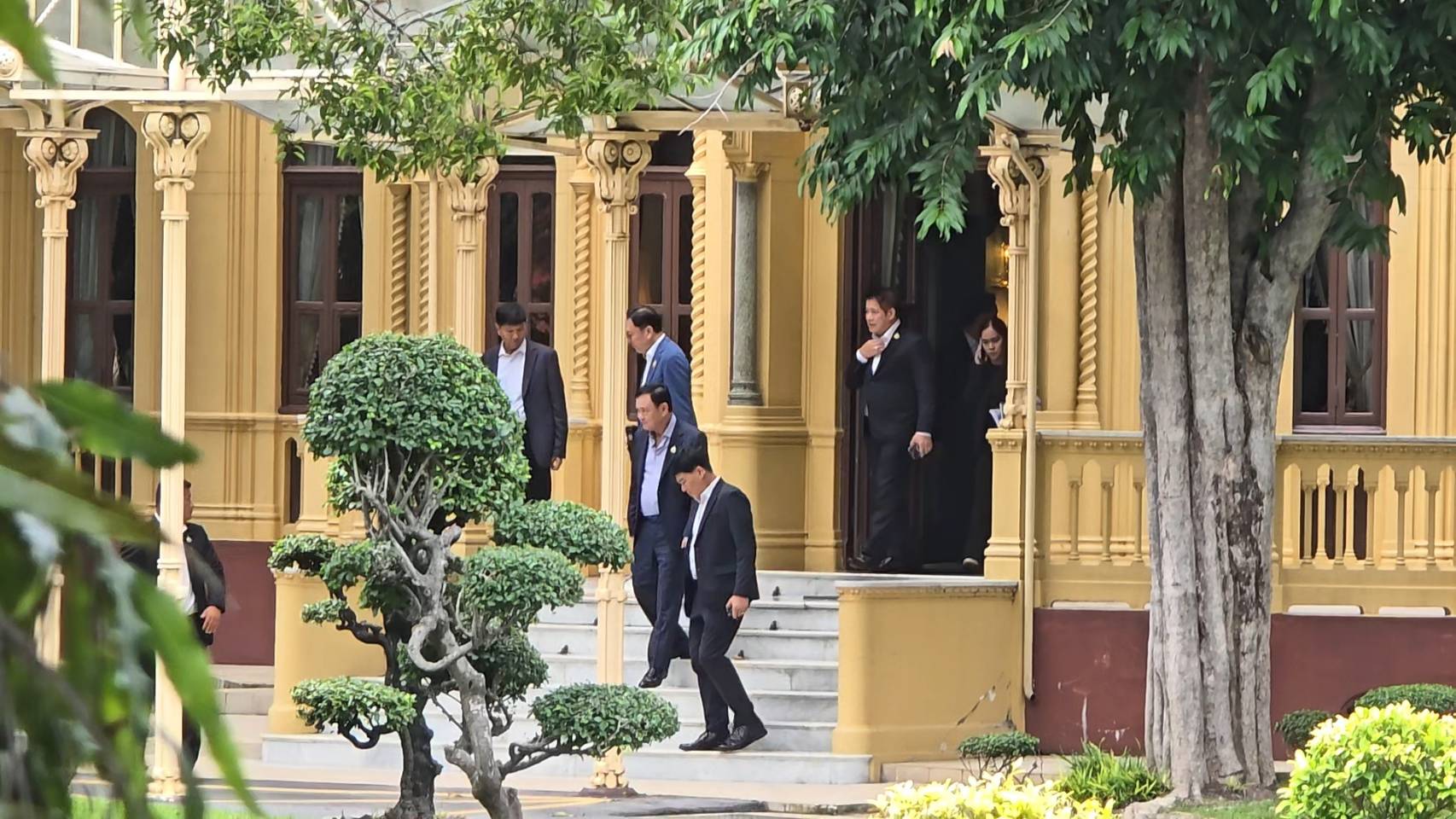
The meeting included key cabinet ministers from Industry, Agriculture and Cooperatives, Commerce, Foreign Affairs, and Finance ministries, alongside former Prime Minister Thaksin Shinawatra. Pichai confirmed he personally invited Thaksin, recognizing his expertise and ability to provide valuable insights and recommendations for the negotiations.
“I can confirm we haven’t reached final negotiations yet,” Pichai said. “Today’s review occurred because we still have time until August 1 to reach a broad conclusion, and we still need extensive discussions.”
The government continues intensive efforts to provide the best explanations and negotiations with U.S. authorities, with Thailand’s measures clearly explainable across all dimensions, hoping to prevent any disadvantageous position for the country.
_____________