



























SURIN — Thai and Cambodian military officials have reached a three-point agreement to reorganize tourism management at Ta Muen Thom Temple following a confrontation between a Cambodian woman and Thai soldiers on July 15.
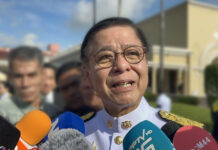
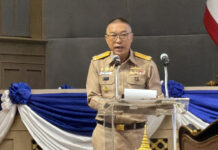
Lieutenant General Boonsin Padklang, Commander of the 2nd Army Area, ordered the Suranaree Task Force to implement new tourism protocols after the incident where a Cambodian woman verbally abused Thai soldiers within Thai territory.
Three-Point Agreement
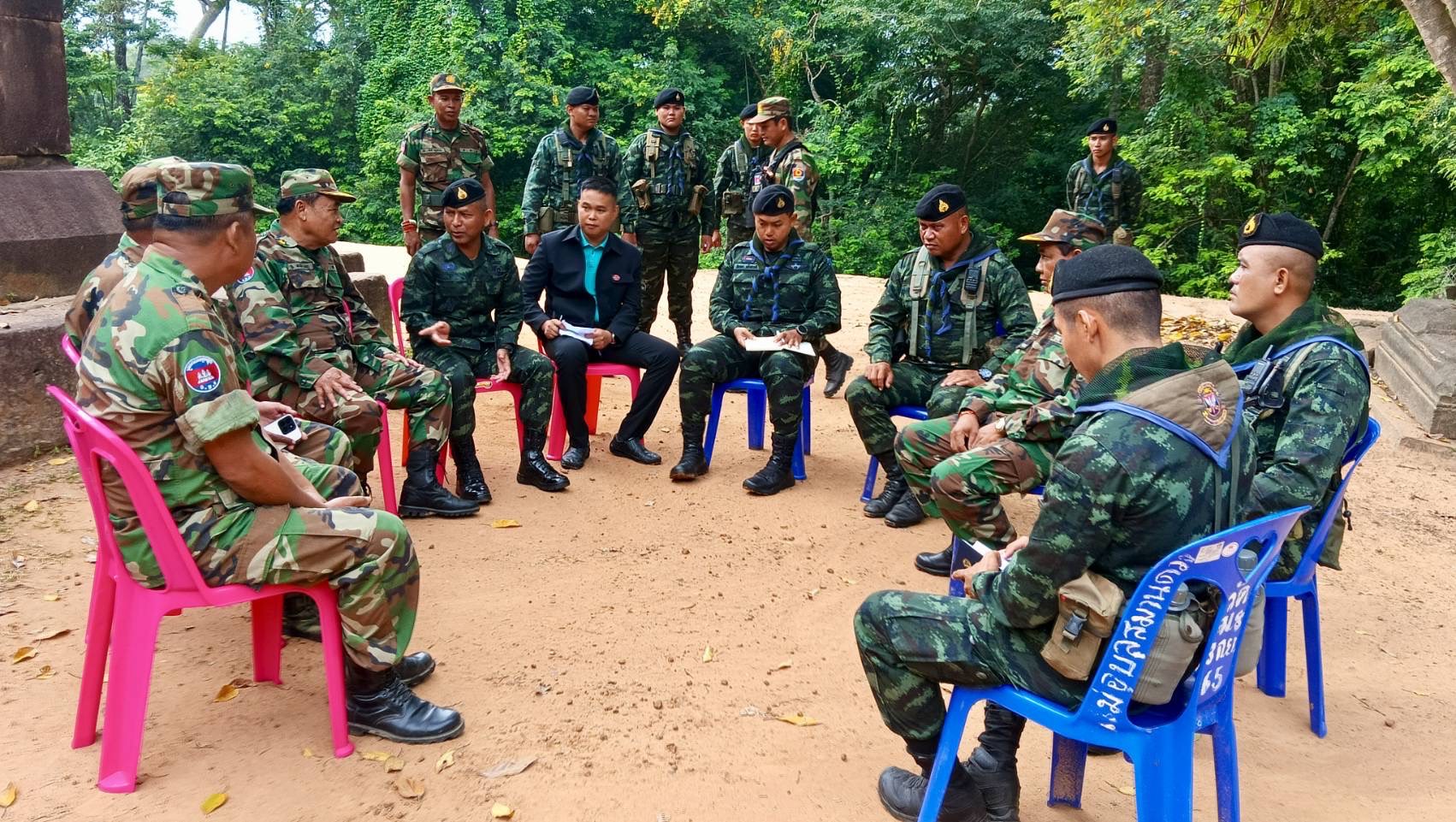
Colonel Boonserm Boonbamrung, Deputy Commander of the Suranaree Task Force, met with Cambodian Colonel Nea Vong, Commander of Battalion 42, at Ta Muen Thom Temple on July 16, reaching the following agreements:
- Tourist Problem Resolution: If Thai tourists cause problems, Cambodian authorities will notify Thai officials to remove them from the area. Similarly, if Cambodian tourists cause issues, Thai authorities will inform Cambodian officials for removal.
- Conflict Management: Area coordination teams of seven personnel will handle problems without calling additional forces, preventing confrontations between both sides.
- Tourist Screening: Both sides will screen tourists before allowing access to Ta Muen Thom Temple.
No Combat Units Involvement
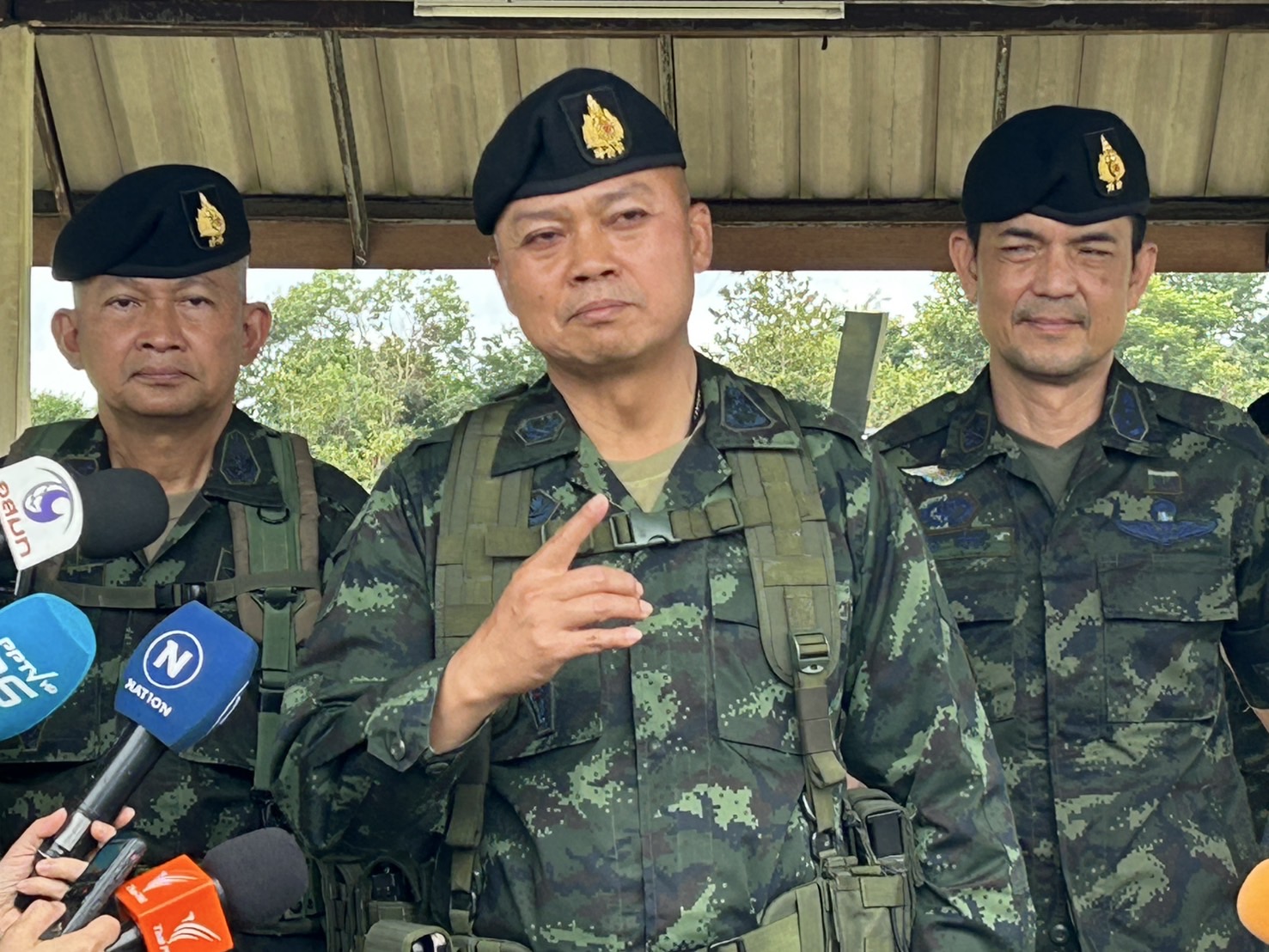
“Thai and Cambodian military forces have discussed reorganizing Ta Muen Thom Temple tourism with a joint agreement that regardless of incidents, combat support units will not enter the area,” Lieutenant General Boonsin stated. “Border coordination teams from both sides will handle operations exclusively.”
He emphasized that whichever side’s tourists cause problems should remove them to prevent chaos like yesterday’s incident involving both Thai and Cambodian combat units.
Apology Demands
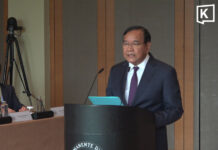
Regarding Cambodian Deputy Prime Minister and Defense Minister Tea Seiha’s demand for an apology over a former Thai ranger punching a Cambodian soldier, Lieutenant General Boonsin said Thailand has already prosecuted the perpetrator, who acknowledged the charges.
“Cambodian leaders should also apologize and reprimand the Cambodian female tourist who created chaos and pointed fingers at Thai soldiers in Thai territory, including action against the Cambodian soldier who pushed a Thai soldier,” he added.
Royal Thai Army Statement
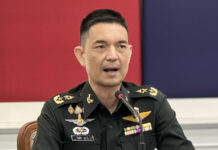
The Royal Thai Army issued a statement on July 16 clarifying that the July 15 incident at Ta Muen Thom Temple resulted from a misunderstanding by a Cambodian tourist who accused Thai soldiers of violating Cambodian sovereignty while they were counting tourists at the temple entrance.
The army clarified that Ta Muen Thom Temple is located within Thai sovereign territory and that Thailand had not violated Cambodian sovereignty. Both sides reached mutual understanding through negotiations, and the situation was resolved amicably.
Tourist Flashpoint
Prasat Ta Muen Thom, an 11th-century temple in Surin Province’s Phanom Dong Rak District, is the largest of three stone castles in the Ta Moan Historical Park. Built on a hill over sacred Shiva lingam rock formations, it served as a religious ceremonial site.
Since the Thai-Cambodian border dispute began and the Cambodian government submitted a petition to the International Court of Justice (ICJ) to rule that the area of Prasat Ta Muen Thom and three other sites belong to Cambodia, there has been an increase in tourists from both Thailand and Cambodia visiting this location. This has led to problems and friction between civilians and soldiers from both sides.
No Border Fence Plans
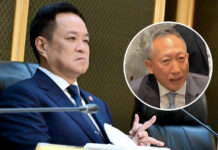
Deputy Defense Minister General Nattaphol Nakpanit denied rumors that the confrontation would lead to Thailand building a border fence, stating no such consideration exists. He attributed the incident to information warfare, noting that politicians and the public are currently under full-scale information warfare both internationally and domestically.
Diplomatic Efforts
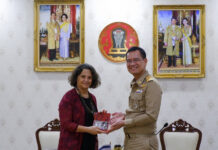
Foreign Minister Maris Sangiampongsa announced that Thailand will send an invitation for a Joint Boundary Commission (JBC) meeting in September to address border issues.
The incident has caused significant distress among residents in seven border provinces, with the government working to resolve the situation as quickly as possible.
____________