






























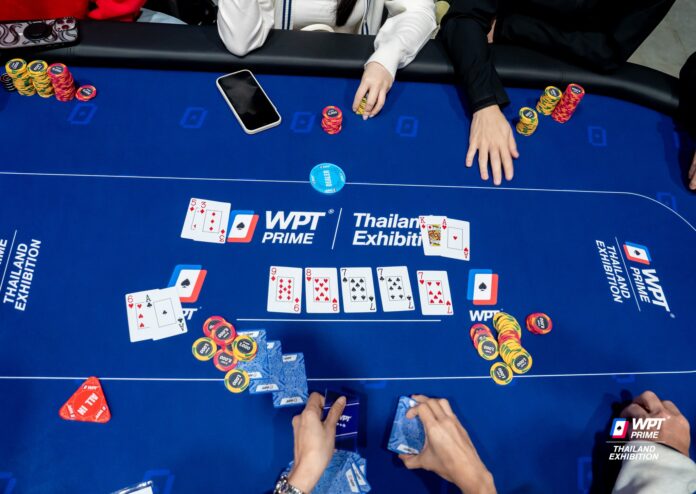
BANGKOK — While poker may be recognized as a sport worldwide, in Thailand, efforts to decriminalize the card game are part of a larger political game linked to plans for entertainment complexes
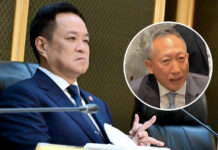
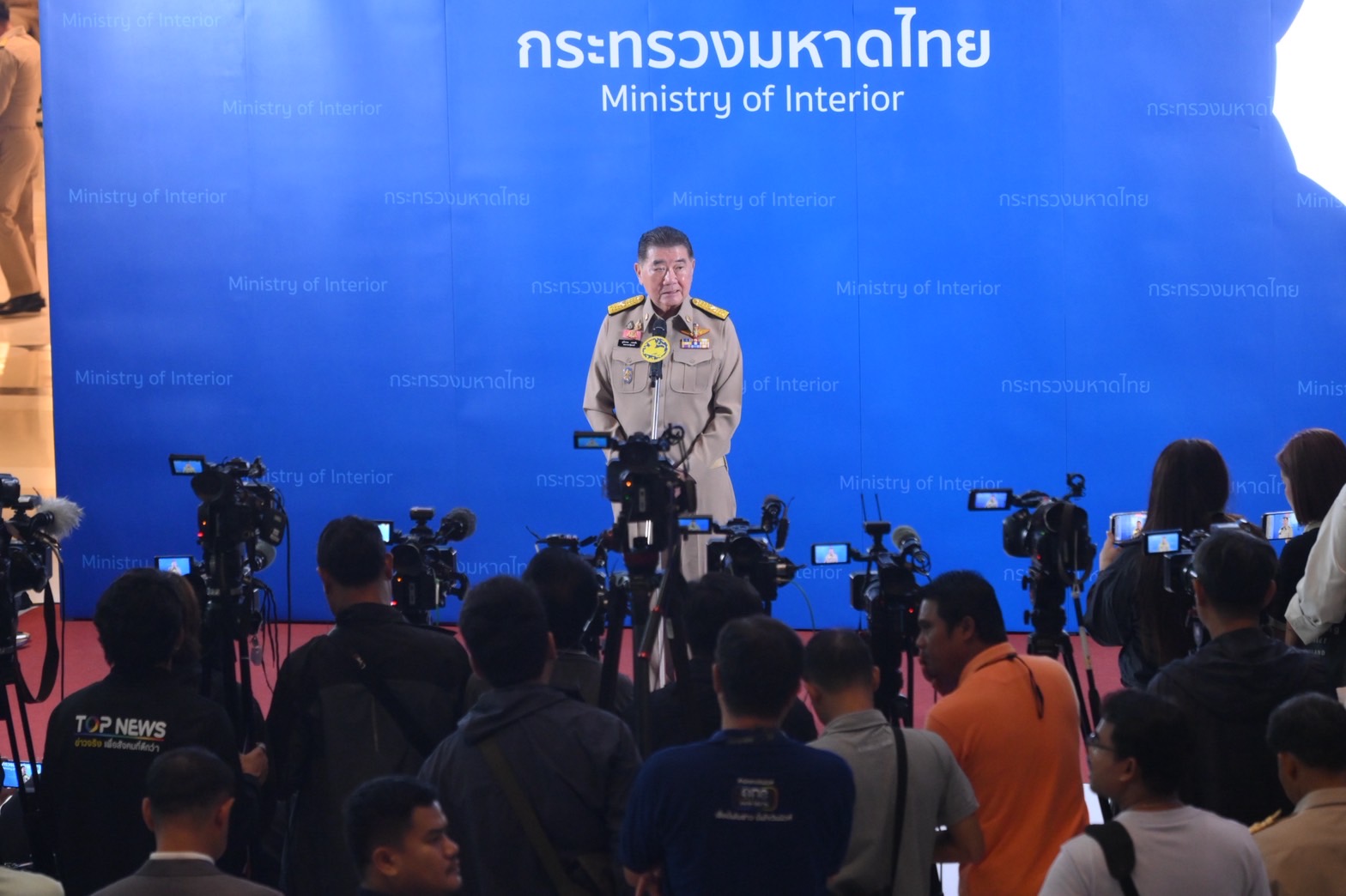
The debate flared up again when acting Prime Minister and Interior Minister Phumtham Wechayachai announced on July 30, 2025, that he had signed an order repealing a 1958 Interior Ministry directive, paving the way for legislative changes that would decriminalize poker.
Critics were quick to accuse the ruling Pheu Thai Party of using poker as a stepping stone to legalize casinos, a controversial aspect of the broader plan to boost the economy through entertainment complexes.
Key figures in the Bhumjaithai Party and other politicians opposed to former Prime Minister Thaksin Shinawatra criticized the move. They argued that the legalization of poker was inappropriate at a time when Thailand is facing heightened tensions with Cambodia.
Elevating Poker to Sport Status
On August 7, Phumtham defended the policy, pointing out that the current poker regulation has been in place for over 67 years. International sports bodies recognize poker as a sport, and Thailand’s own Poker Sports Association has long pushed for recognition to allow participation in global tournaments.
He emphasized that the legislative changes were necessary to allow official competitions and that a legal oversight committee had already been established. He clarified that the move would not allow unrestricted gambling.
Instead, all poker-related activities would still need approval from provincial authorities, with final approval from the provincial administration’s director general and the permanent secretary of the Ministry of Home Affairs.
“Do not turn a national policy solution into something it is not. This has nothing to do with private interests but follows the suggestions of the Poker Sports Association,” Phumtham explained.

Poker Debate Mirrors Casino Opposition
The long-standing debate over poker in Thai society mirrors the controversy surrounding casinos. Proponents argue that legalizing the game would curb illegal underground gambling and reduce police corruption through regulatory oversight. Bringing underground businesses to the surface would allow the government to collect taxes from gambling and reduce the influence of various powerful groups.
Opponents, however, fear that legalization would encourage addiction and social decay, and they continue to campaign vigorously against legalization.
Previously, on July 9, the Pheu Thai-led government withdrew its Entertainment Complex Bill, which included provisions for legal casinos, after losing majority support following the Bhumjaithai Party’s departure from the coalition.
Bhumjaithai leader Anutin Charnvirakul, who had welcomed the withdrawal of the bill, took the opportunity to attack Prime Minister Paetongtarn Shinawatra, accusing her of ignoring Chinese President Xi Jinping’s repeated warnings against legalizing gambling. He claimed that this policy had contributed to a steep decline in Chinese tourism to Thailand.
Paetongtarn hit back, saying Anutin had distorted the facts.
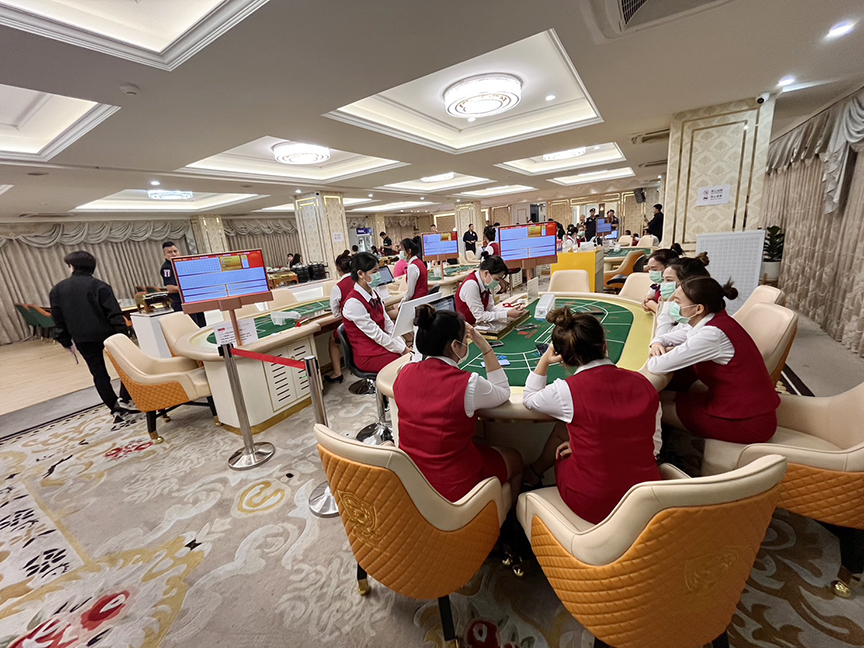
Thailand Eyes Hosting Global Poker Tournaments
Krisada Tanterdthit, Secretary to the Minister of Tourism and Sports, said poker is a strategic sport played by international athletes, celebrities, and businesspeople. He pointed out that the Sports Authority of Thailand has already recognized poker as an official sport and that public demonstrations have been held to raise awareness.
“Poker is not a game of chance, as many mistakenly believe. It is a sport that requires skill, planning, and strategy. The key is to explain to the public how poker as a sport differs from gambling,” Krisada explained.
He added that many Thai players, despite already competing internationally, are forced to train and play abroad due to legal restrictions at home. The new regulations would allow Thailand to host international poker events, taking advantage of its strong infrastructure.
“We estimate that poker could bring in at least 10 billion baht (about $275 million) per year and create more than 1,000 jobs, especially in the tourism and service sectors—if everything is properly regulated. It would also attract high-spending international visitors, which aligns with the government’s strategy for quality tourism,” Krisada said.
______
Related articles: