



























BANGKOK — 26 August 2026, The CP Group has sent another letter reaffirming its request to terminate the contract for Thailand’s high-speed rail project linking three airports, while Deputy Transport Minister Siripong Angkasakulkiat has urged all parties to resolve key issues before Sept. 30.
On Aug. 26, Siripong said he had discussed the situation with State Railway of Thailand (SRT) Governor Anan Phonimdaeng, focusing on ways to address problems surrounding the high-speed rail project connecting Don Mueang, Suvarnabhumi and U-Tapao airports.
Asia Era One Co. Ltd., a consortium led by the CP Group, previously sent a letter exercising its right to terminate the project contract. The SRT had subsequently negotiated with the consortium and asked it to withdraw the letter. However, the CP-led consortium has now submitted another letter reaffirming its intention to exercise its right to terminate the contract.
“Under the law and the public-private partnership contract, a unilateral termination by the private sector does not yet take legal effect,” Siripong said.
He explained that there are four main conditions under which the contract can be terminated: termination by mutual consent between the state and private sector; termination by implication; a court order for termination; or termination initiated by the government. None of these conditions currently applies, he said.
Siripong said the latest letter from the private sector could therefore be viewed as an administrative step to preserve its contractual rights. If the company takes action beyond what is permitted under the law, it could potentially face lawsuits seeking damages and compensation in the future.
While the dispute remains unresolved, Siripong said two issues must be addressed urgently.
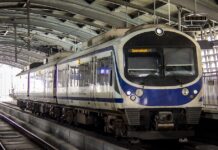
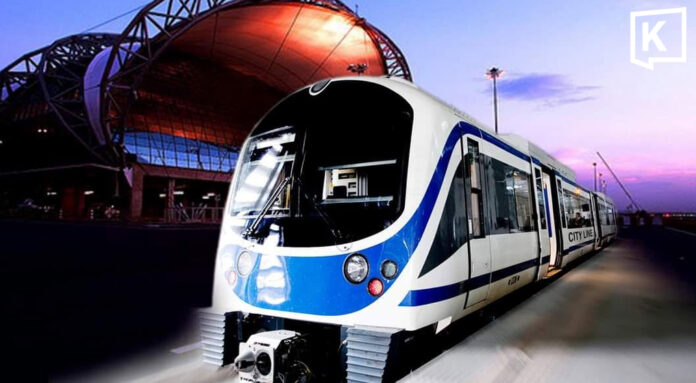
The first concerns the operation of the Airport Rail Link. The private sector has indicated that it may stop operating the service, making it urgent for the SRT to negotiate with the CP consortium to continue running the line for the time being.
“This is necessary to ensure uninterrupted service for the public and to protect the state’s interests,” Siripong said.
If the private operator ultimately refuses to continue, the SRT will have to find another operator to ensure passengers are not affected and that Airport Rail Link services continue without disruption.
The SRT is scheduled to hold further negotiations with the private sector on Aug. 27 to seek clarity on the matter.
The second issue involves overlapping work between the three-airport high-speed rail project and the Thai-Chinese high-speed rail project, specifically Contract 4-1 covering Bang Sue Grand Station to Don Mueang.
Siripong said he had instructed the SRT to negotiate with the private sector to reduce the scope of work by removing this section and allowing the state to undertake it first.
The approach could help ease the private sector’s financial burden and allow the overall project to move forward, rather than having the overlapping work become an unresolved obstacle, he said.
“The results of the negotiations between the SRT and the CP consortium on Aug. 27, both on train operations and the reduction of the scope of work, will be compiled and submitted to the Eastern Economic Corridor Policy Committee, or EEC Board,” Siripong said.
He said the government would explore every possible avenue to achieve the greatest benefit for the public.
“If, ultimately, an agreement cannot be reached, the matter will have to enter legal and civil proceedings, which could take a considerable amount of time, to determine which party will be responsible for any damages incurred,” he said.
The private sector continues to insist that the government amend the contract. Under the existing arrangement, payments would begin after construction of the project is completed. The consortium is seeking to change this to a “build as you pay” model.
Siripong said such a change would be difficult to implement in practice and would require careful consideration to ensure the state does not lose out.
He said the government therefore needs to find an urgent solution to the dispute.