

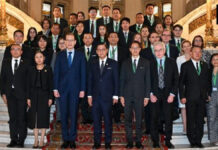


























BANGKOK — 28 October 2026, Thailand has secured regional support for the Bangkok Declaration on the Use of Space for Sustainable Development in Asia and the Pacific, with 53 member states and nine associate members of the United Nations Economic and Social Commission for Asia and the Pacific (ESCAP) endorsing a framework to expand space technology cooperation and accelerate progress towards the UN Sustainable Development Goals (SDGs).
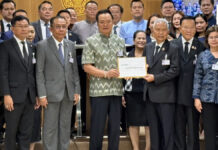
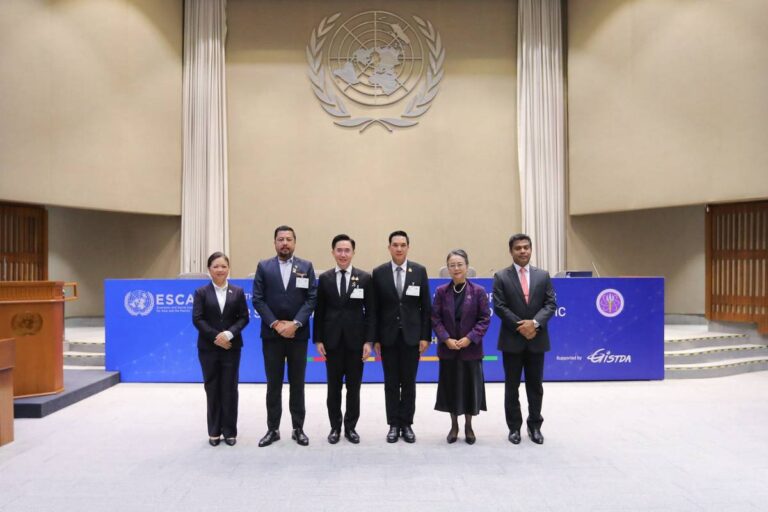
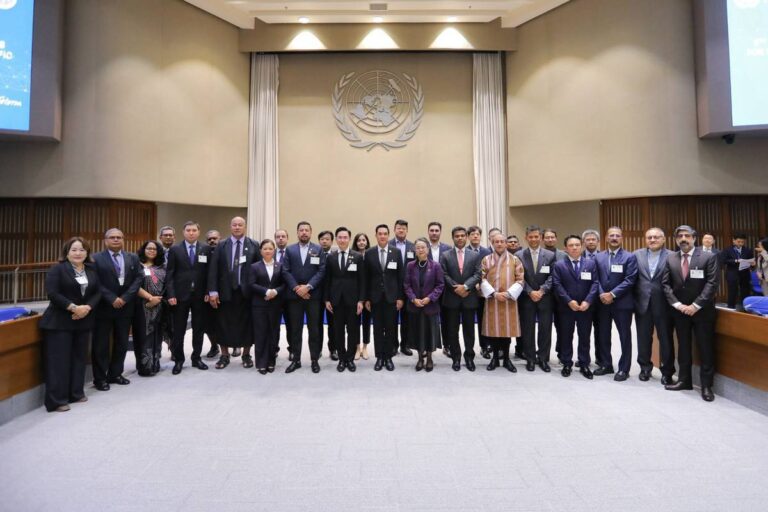
Deputy Prime Minister and Higher Education, Science, Research and Innovation Minister Yodchanan Wongsawat delivered remarks at the fifth Ministerial Conference on the Use of Space for Sustainable Development in Asia and the Pacific, held at the United Nations Conference Centre in Bangkok.
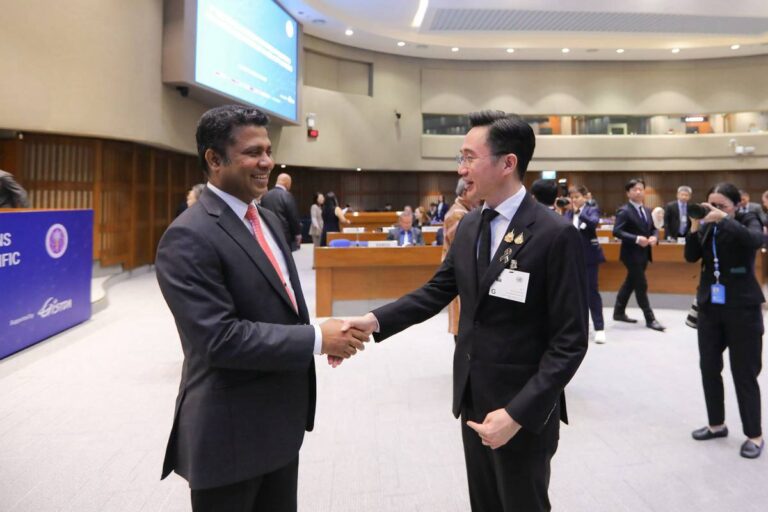
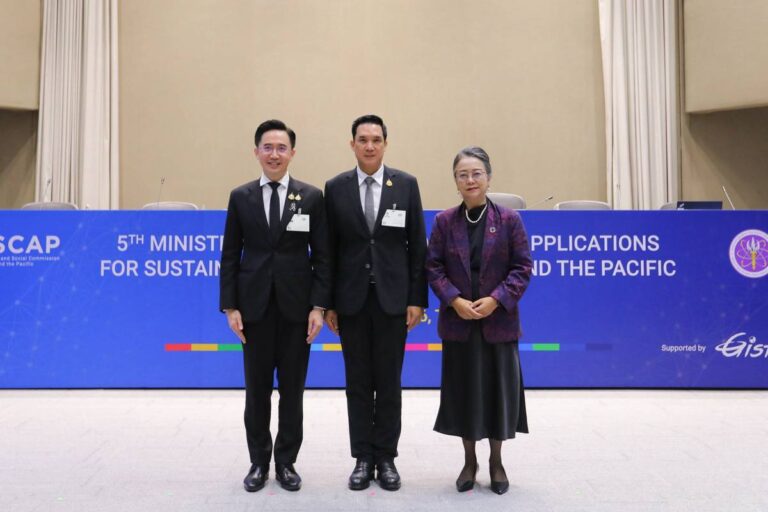
Thailand co-hosted the meeting with ESCAP, with the conference formally adopting the Bangkok Declaration to guide regional space cooperation through 2030.
The declaration comes as global progress towards the SDGs remains slow, with only an estimated 15–17% of targets on track to be achieved by 2030. It calls for greater use of space technology and geospatial data to help close development gaps and accelerate progress towards those goals.
It also promotes the practical integration of advanced technologies, including artificial intelligence (AI), big data, cloud computing, quantum technology and satellite communications, into space-related activities, while seeking to reduce technological inequalities across the region.
The framework encourages participation from the private sector, startups, small and medium-sized enterprises, universities and research institutions. It also supports voluntary data-sharing mechanisms in accordance with national laws, alongside common data standards that allow information systems to work together.
Improved access to and sharing of data are expected to strengthen disaster response, climate change monitoring and environmental surveillance, while supporting agriculture and food security.
The Bangkok Declaration will serve as a guiding framework for the third phase of the Asia-Pacific Plan of Action on Space Applications for Sustainable Development, covering 2026–2030. It will guide regional cooperation towards the sixth ministerial conference in 2030.
Turning space data into action
In his address, Yodchanan said the combined use of optical satellites, radar satellites and AI had improved the ability to monitor floods, droughts and transboundary haze. However, he stressed that the key challenge was turning the resulting data into decisions that could provide practical assistance to people during emergencies.
He outlined a “3P” strategy for regional space cooperation:
- People: Improving early-warning systems so they can assess the direct impacts of disasters on communities.
- Prosperity: Building capacity throughout the space value chain by connecting universities, Thailand’s Geo-Informatics and Space Technology Development Agency (GISTDA) and industry.
- Partnership: Linking data systems across the region to enable greater integration and cooperation.
Yodchanan said the value of satellites should not be measured solely by what they can observe, but also by the lives and livelihoods they help protect.
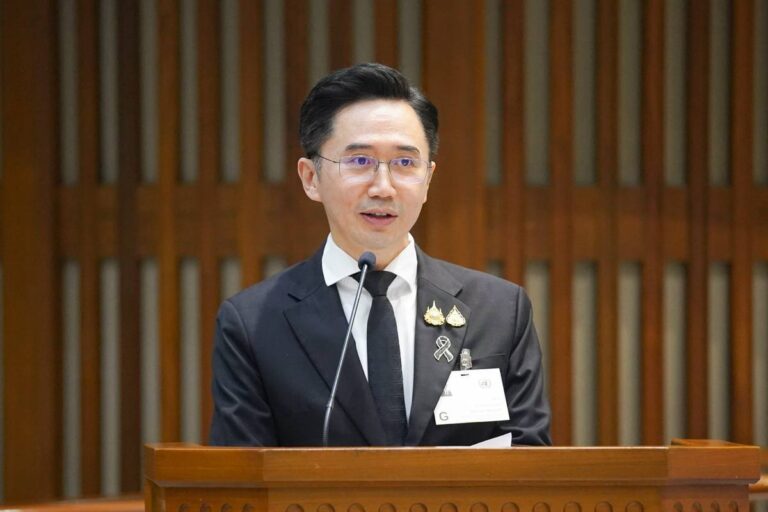
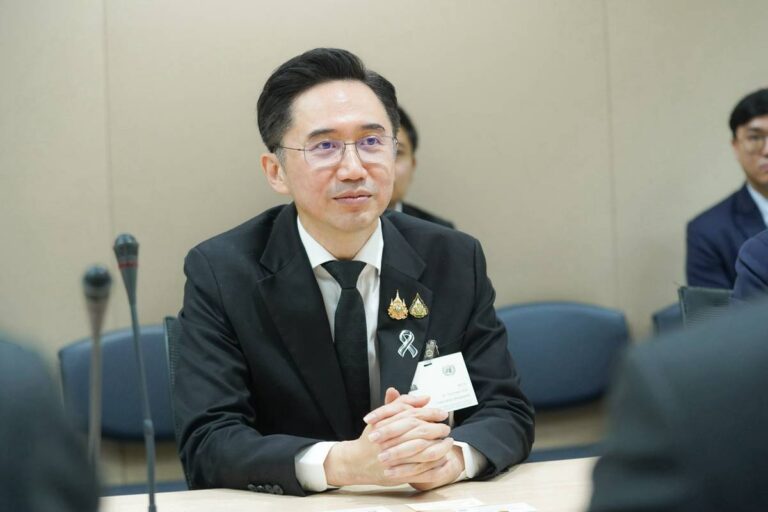
“We must transform space technology into an economic engine,” he said, stressing that reliable science and interconnected systems would be essential to driving growth, strengthening disaster preparedness and promoting peace across the region.
The declaration also reinforces Thailand’s continuing role in regional space cooperation. Thailand previously hosted the third ministerial conference in 2018, which helped pave the way for the action plan currently in use.
“May space technology protect people, safeguard our planet, create prosperity, promote peace and strengthen our partnerships for generations to come,” Yodchanan said.