






























CHIANG RAI — 15 November 2026, Some residents in Mae Sai district remain reluctant to drink tap water or use it for cooking despite government assurances that the local water supply is safe, citing concerns over possible contamination from upstream mining operations.
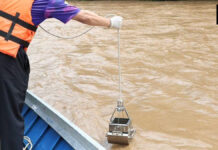
Government agencies reaffirmed that water quality tests conducted on tap water produced by the Provincial Waterworks Authority’s Mae Sai branch showed it was safe for normal household use and consumption.
However, interviews with local residents revealed continuing doubts about the safety of the water supply, particularly amid reports of possible toxic substances and heavy metals entering waterways from mining activities upstream.
Residents turn to bottled water
Det Chutri, a motorcycle taxi operator stationed near Mae Sai’s First Friendship Bridge border checkpoint, said he no longer felt comfortable drinking tap water as he had in the past.
Instead, he now buys bottled water for drinking and cooking, while using tap water only for bathing and washing dishes.
Det said he had not experienced any unusual symptoms or skin irritation from contact with tap water but remained concerned about potential contamination.
He acknowledged that he had little choice but to continue using tap water for everyday household activities.
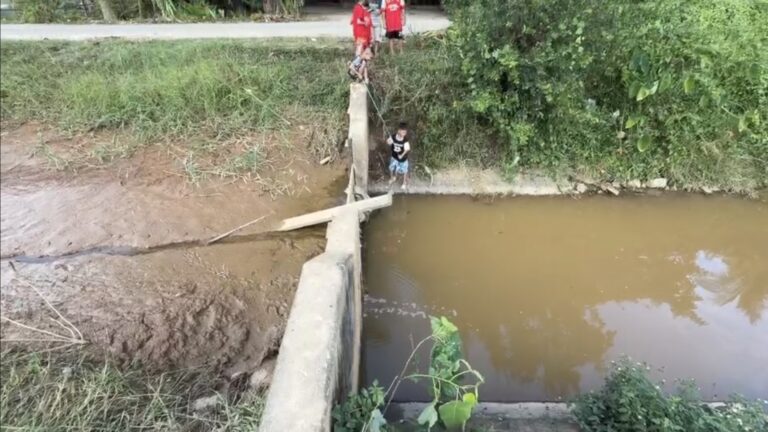
Mining concerns undermine public confidence
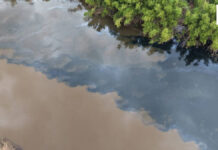
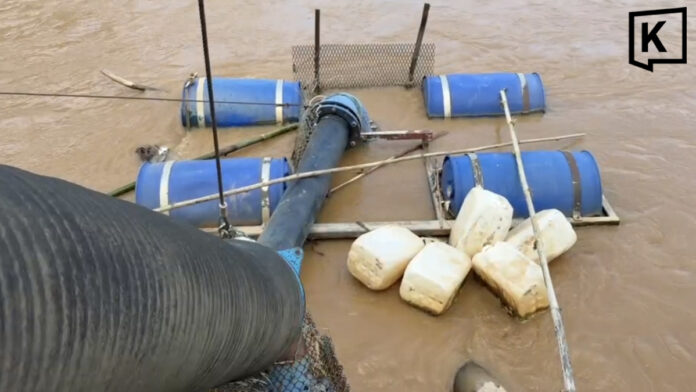
Residents’ concerns largely stem from reports suggesting that toxic substances and heavy metals from upstream mining operations could enter local water sources.
Although authorities have confirmed that the treated water meets safety standards, some residents remain unconvinced and have adopted additional precautions.
Some have also reduced or temporarily stopped eating fish caught from local waterways over concerns about possible long-term health risks.
The situation highlights a continuing gap between official assurances and public confidence in the safety of Mae Sai’s water supply.
The report did not provide specific laboratory results or identify contaminants detected in the treated tap water.