

































BANGKOK — The global toy and game market is experiencing a remarkable transformation, driven by an unexpected demographic: adult collectors known as “Kidults.” According to recent data from Euromonitor International, the market is projected to reach $348 billion by 2028, with Asia-Pacific emerging as the dominant region.
Poonpong Naiyanapakorn, Director of the Trade Policy and Strategy Office (TPSO), reports that despite economic challenges and inflation, the industry showed strong recovery since 2023, achieving global sales of $273 billion—a 3.1% increase from 2022. The market is forecast to grow at a steady 2.4% annually over the next five years.
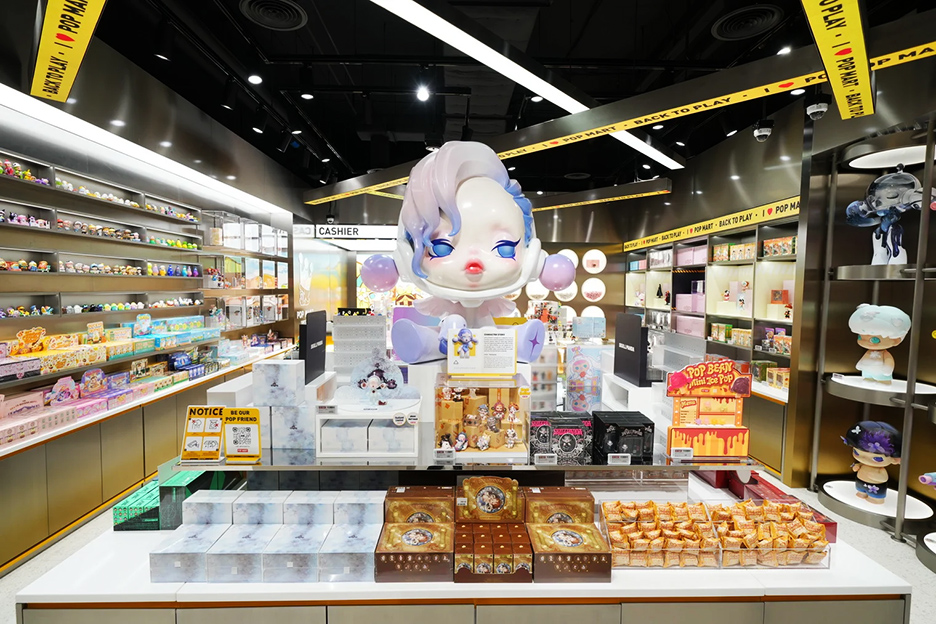
Asia-Pacific commanded the largest market share in 2023, generating $99.5 billion in sales and representing 36.48% of the global market. North America followed with $84 billion (30.80%), while Europe contributed $61.1 billion (22.40%).
The rise of “Kidults”—adults who collect toys and memorabilia—has become a major market driver. These consumers, drawn to nostalgia and collectibles, have prompted leading manufacturers to adapt their strategies. Companies are increasingly leveraging pop culture collaborations and entertainment franchises to appeal to this growing demographic.
LEGO exemplifies this trend’s success, maintaining its position as the top toy manufacturer for a decade. Through partnerships with franchises like Star Wars, Marvel, and Harry Potter, the Danish company achieved a brand value of $7.9 billion in 2023, marking a 6.5% increase from the previous year.
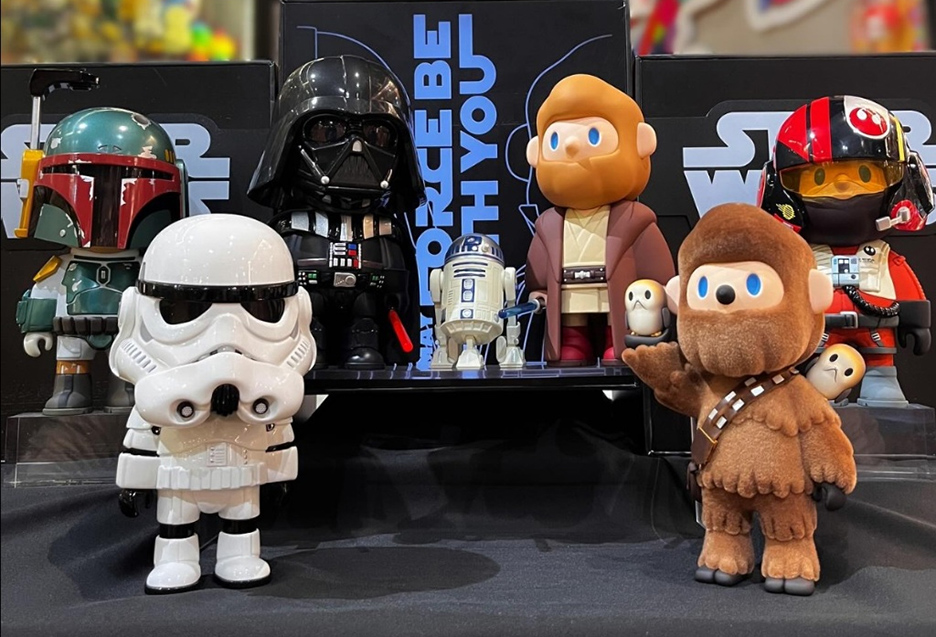
In Asia, Japan’s BANDAI NAMCO has flourished by managing over 1,929 intellectual properties, reaching revenues of $7.17 billion in 2023. The company’s success extends to collaborations with major brands like Nike, demonstrating the growing intersection of toys and lifestyle products.
The United Kingdom provides further evidence of the Kidult phenomenon, with adult collectors accounting for 28.7% of the £3.5 billion toy market and contributing £1 billion in sales—a 6% year-over-year increase. Licensed toys, particularly those connected to pop culture, represented 32% of total sales.
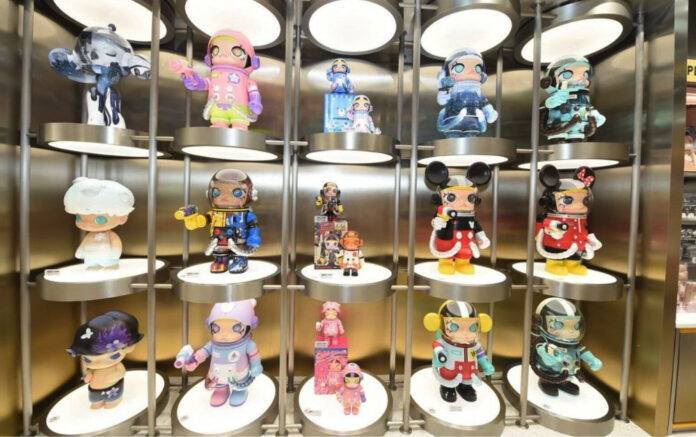
China’s toy market has seen remarkable innovation through companies like POP MART, whose blind-box toys and artist collaborations drove sales to 6.3 billion yuan in 2023, representing a 40% increase from the previous year. The company now controls 13.6% of China’s Art Toy market.
As the industry continues to evolve, manufacturers are recognizing that toys are no longer exclusively children’s domain. This shift presents new opportunities for brand collaborations and intellectual property development, particularly in the high-value collectibles market.
________