
































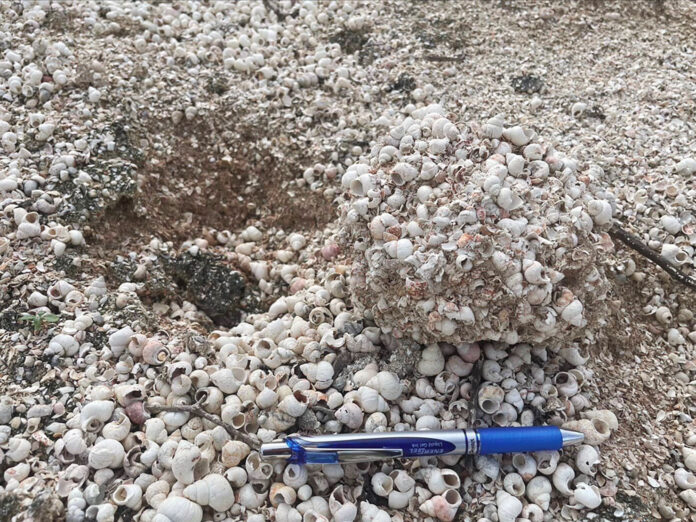
BANGKOK — Thailand has officially registered the “Mae Moh Freshwater Snail Fossil Site” in Lampang Province as the country’s 27th fossil heritage site, featuring what scientists say is the world’s thickest freshwater snail fossil layer dating back over 13 million years.
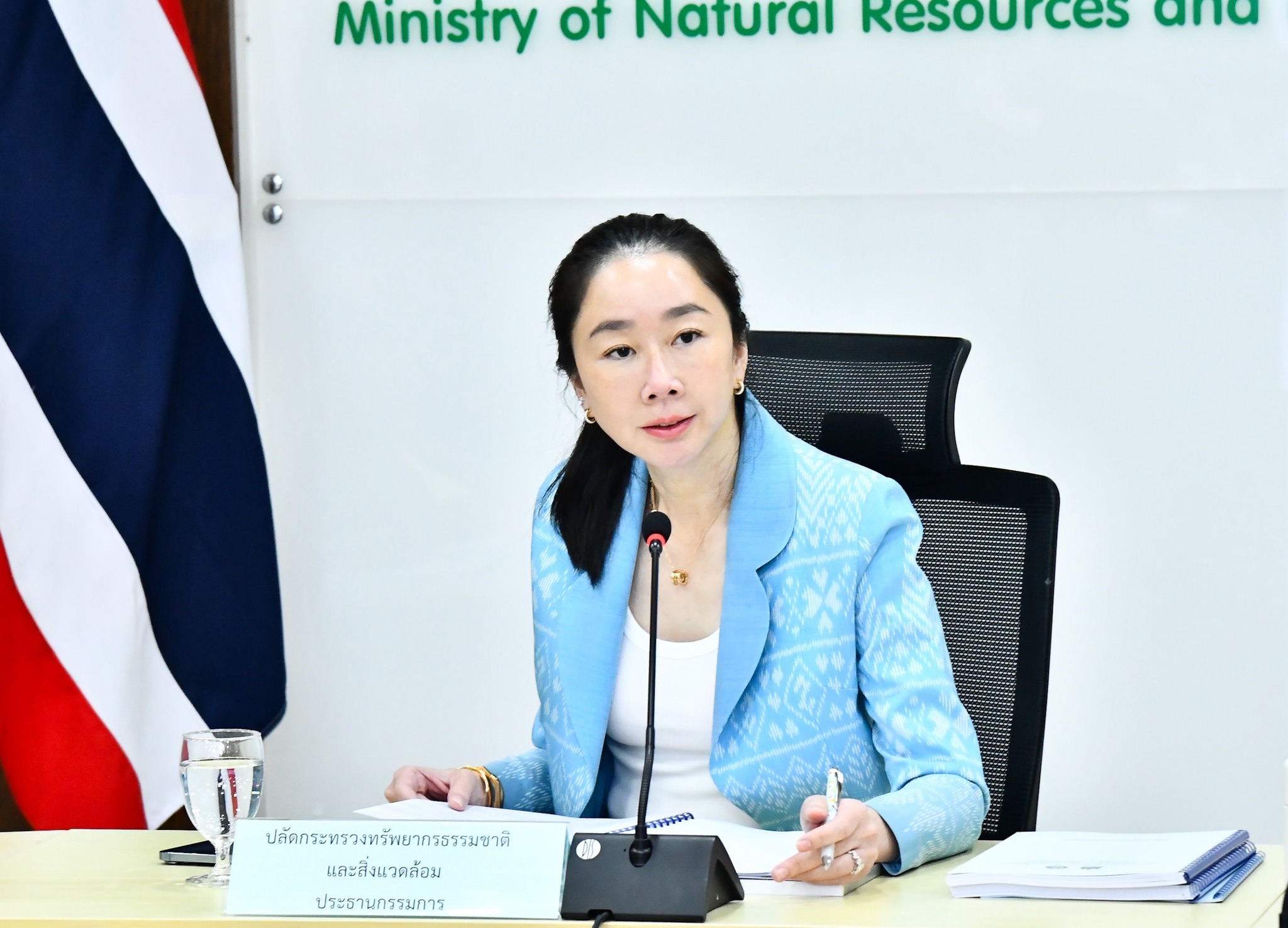
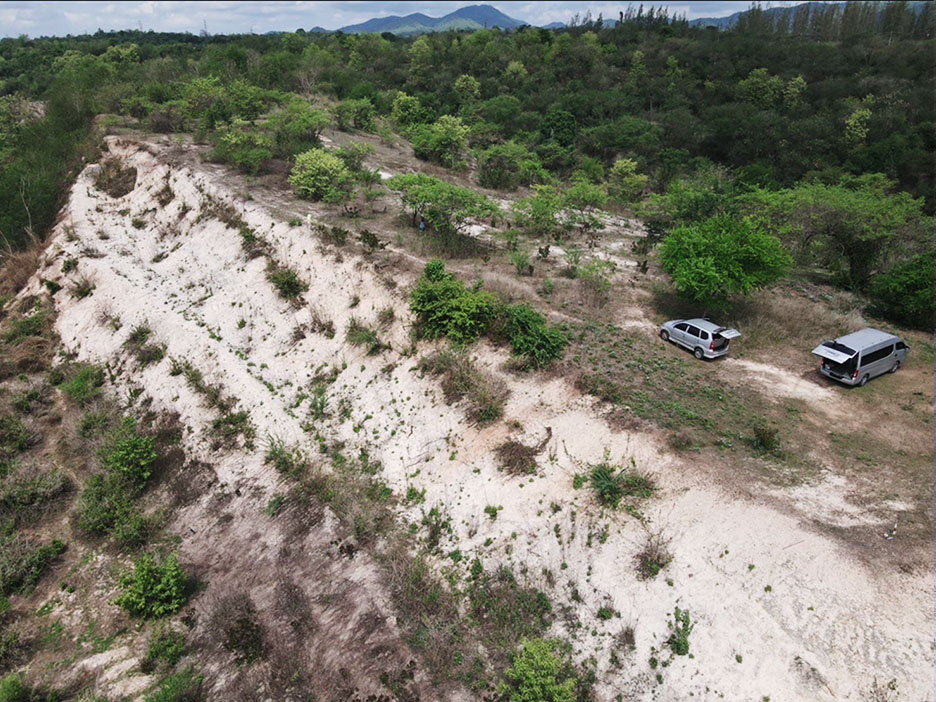
The Ministry of Natural Resources and Environment’s Fossil Protection Committee approved the registration during its second meeting of 2025 on September 16. The 52-rai site showcases fossil layers up to 12 meters thick, representing an extraordinary geological treasure.
Ancient Lake Ecosystem Preserved
Dr. Chananan Paktejit, Permanent Secretary of the Ministry of Natural Resources and Environment, explained that the Mae Moh fossil site contains the largest concentration of fossils discovered in any region of Thailand. The 13-million-year-old freshwater snail fossils reveal a fascinating glimpse into ancient Thailand’s climate and ecosystem.
During that prehistoric period, the Mae Moh basin was a freshwater lake surrounded by tropical forests in a warm climate. The lakeshores were lined with sedge plants forming swamp-like conditions where dense communities of freshwater snails thrived. Generation after generation of these snails died naturally, creating continuous layers of shell accumulation that eventually formed the remarkable fossil beds visible today.
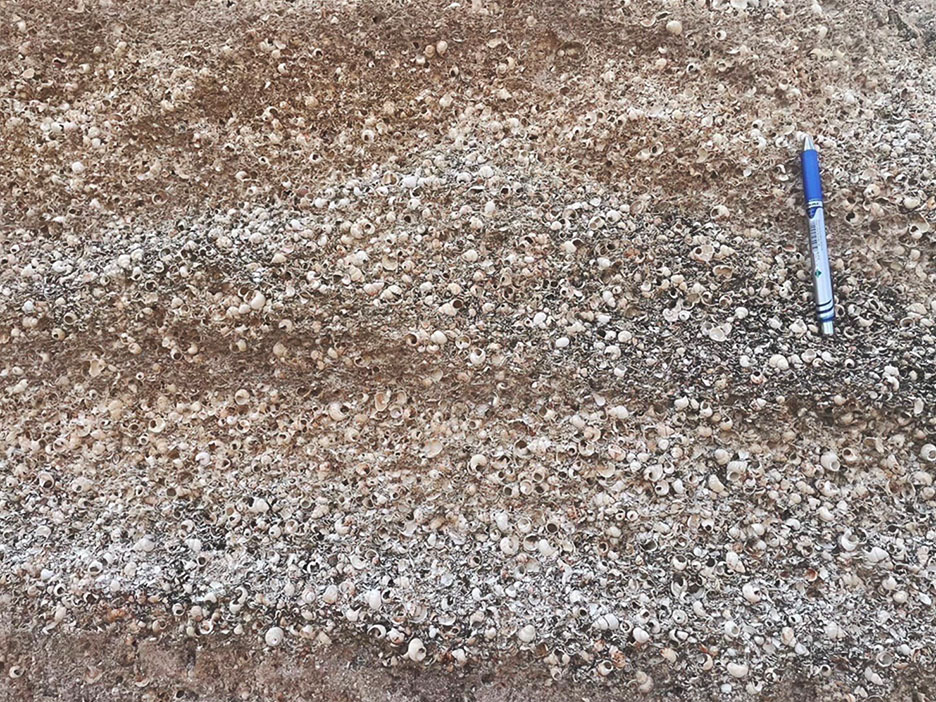
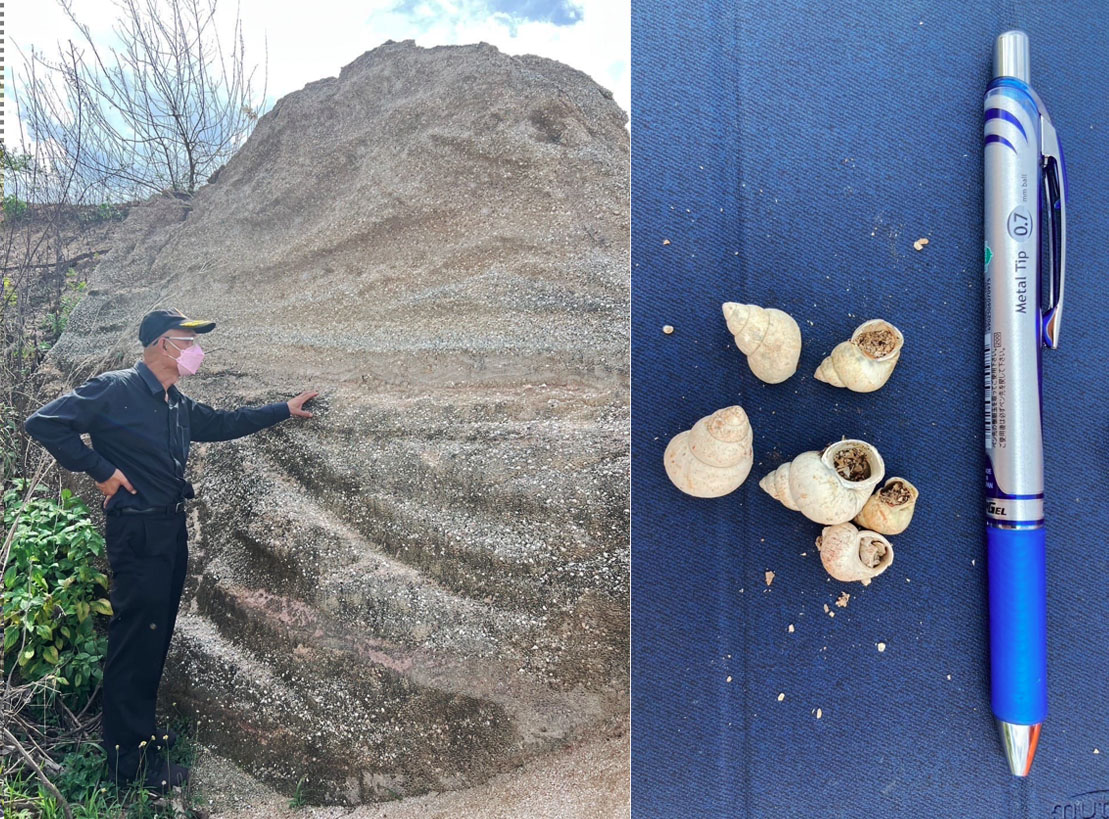
The fossil layers, ranging from 3 to 12 meters thick with an average of 8 meters, consist primarily of Bellamya species freshwater snails of various sizes and colors. The layers show alternating patterns between broken shell fragments and perfectly preserved specimens, tilted approximately 20 degrees toward the southeast.
From Coal Mine to Scientific Treasure
The discovery occurred in 2003 when the Electricity Generating Authority of Thailand (EGAT) was mining coal in the area under a permit from the Royal Forest Department. During excavation, workers uncovered the massive accumulation of ancient snail shells.
EGAT collaborated with the Department of Mineral Resources to conduct detailed geological surveys and subsequently set aside the area for conservation and development as an educational tourism destination.
The site now serves both scientific research and public education, benefiting local communities in Lampang Province while preserving one of Thailand’s most significant paleontological discoveries. The committee also approved an integrated development plan to ensure sustainable conservation and management of this national geological heritage.
_______