




























27.7 C
Bangkok
Friday, June 26, 2026
Home Blog Page 1816

Stephen Hawking Wheelchair, Thesis up for Sale

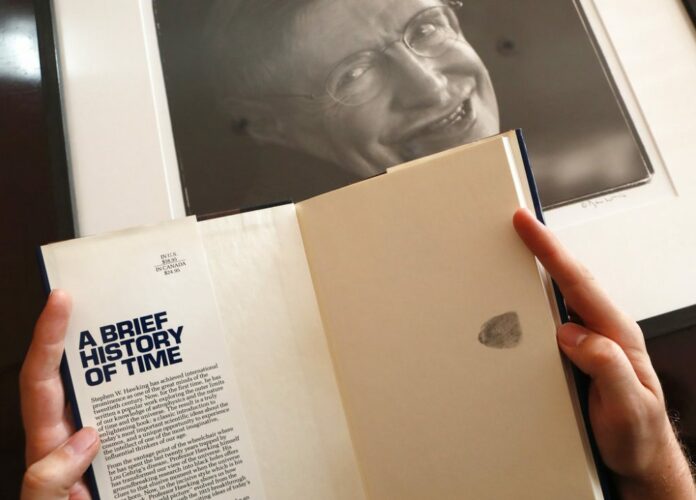
A Book, signed with a thumb print by Stephen Hawking is one of the personal and academic possessions of Stephen Hawking, photo behind, at the auction house Christies in London, Friday, Oct. 19, 2018. Photo: Frank Augstein / Associated Press

LONDON — Stephen Hawking was a cosmic visionary, a figure of inspiration and a global celebrity.

His unique status is reflected in an upcoming auction of some of the late physicist’s possessions: It includes complex scientific papers, one of the world’s most iconic wheelchairs and a script from “The Simpsons.”

The online sale announced Monday by auctioneer Christie’s features 22 items from Hawking, including his doctoral thesis on the origins of the universe, some of his many awards, and scientific papers such as “Spectrum of Wormholes” and “Fundamental Breakdown of Physics in Gravitational Collapse.”

Thomas Venning, head of Christies’ books and manuscripts department, said the papers “trace the development of his thought — this brilliant, electrifying intelligence.”

“You can see each advance as he produced it and introduced it to the scientific community,” Venning said.

Of course, Hawking’s fame rests only partly on his scientific status as the cosmologist who put black holes on the map.

Diagnosed with motor neuron disease at 22 and given just a few years to live, he survived for decades, dying in March at 76.

The auction includes one of five existing copies of Hawking’s 1965 Cambridge University Ph.D. thesis, “Properties of Expanding Universes,” which carries an estimated price of 100,000 pounds to 150,000 pounds ($130,000 to $195,000).

Venning said the thesis, signed by Hawking in handwriting made shaky by his illness, is both a key document in the physicist’s scientific evolution and a glimpse into his personal story.

“He was diagnosed with ALS (amyotrophic lateral sclerosis) just as he arrived in Cambridge to begin his Ph.D. studies,” Venning said. “He gave up his studies for a time because he was so despondent.

The thesis “was the fruit of him reapplying himself to his scientific work,” Venning said, and Hawking “kept it beside him for the rest of his life.”

The disease eventually left Hawking almost completely paralyzed. He communicated through a voice-generating computer and moved in a series of high-tech wheelchairs. One is included in the sale, with an estimated price of 10,000 pounds to 15,000 pounds ($13,000 to $19,500). Proceeds from its sale will go to two charities, the Stephen Hawking Foundation and the Motor Neurone Disease Association.

Venning said the wheelchair became a symbol not just of disability but of Hawking’s “puckish sense of humor.” He once ran over Prince Charles’ toes — and reportedly joked that he wished he had done the same to Prime Minister Margaret Thatcher — and appeared in a “Monty Python” skit running down fellow physicist Brian Cox.

Venning said Hawking “very much thought of himself as a scientist first and a popular communicator second,” but accepted and even enjoyed his celebrity status. He appeared several times on animated comedy show “The Simpsons” and kept a figurine of himself from the show in his office.

The sale includes a script from one of Hawking’s “Simpson’s” appearances, a copy of his best-seller “A Brief History of Time” signed with a thumbprint and a personalized bomber jacket that he wore in a documentary.

Hawking’s daughter Lucy said the sale gave “admirers of his work the chance to acquire a memento of our father’s extraordinary life in the shape of a small selection of evocative and fascinating items.”

Hawking’s children hope to preserve his scientific archive for the nation. Christie’s is handling negotiations to hand it over to British authorities in lieu of inheritance tax.

The items — part of a science sale that includes papers by Isaac Newton, Charles Darwin and Albert Einstein — will be on display in London for several days from Oct. 30. The auction is open for bids between Oct. 31 and Nov. 8.

Advertisement

One of Taiwan’s Fastest Trains Derails, Killing At Least 18

Rescue workers gather at the site of a train derailment in Lian county in northern Taiwan on Sunday. Photo: Johnson Lai / Associated Press

DONGSHAN TOWNSHIP, Taiwan — One of Taiwan’s fastest passenger trains derailed Sunday on a curve along a popular weekend route, killing at least 18 people and injuring more than 170 others, authorities said.

The Puyuma express was carrying more than 360 passengers from a suburb of Taipei in the north to Taitung, a city on Taiwan’s southeast coast, when it went off the tracks shortly before 5 p.m., the government said in a statement.

There was no immediate word on the cause of the accident.

Most of the deaths were in the first car, and it was unclear whether other people were trapped in the train, according to a government spokesman, who spoke on the customary condition of anonymity.

Some passengers were crushed to death, Ministry of National Defense spokesman Chen Chung-chi said.

“Their train car turned over. They were crushed, so they died right away,” Chen said.

Earlier, the government put the death toll as high as 22, but the National Fire Agency, citing the Cabinet spokesman’s office, later reduced that figure and blamed a miscalculation.

Photos from the scene just south of the city of Luodong showed the train’s cars in a zig-zag formation near the tracks. Five cars were turned on their sides.

Local television reports said passengers tried to escape through windows and that bystanders gathered to help them before rescuers arrived.

Hours after the accident, one of the eight cars was seen tipped over at about a 75-degree angle, with the entire right side destroyed.

Fearing people may be trapped beneath the car, firefighters with lights on their hard hats peered underneath as a crane prepared to upend it. The firefighters were joined by soldiers and Buddhist charity workers who gathered on both sides of the tracks.

Soldiers removed bodies to identify them, but nightfall complicated the rescue work.

On a live feed provided by Taiwan’s United Daily News, rescuers could be seen carrying what appeared to be a body wrapped in white plastic away from the site.

At the scene, searchers walked through an upright car with flashlights. The search-and-rescue work was to continue until early Monday to make sure everyone aboard was accounted for, Premier William Lai told reporters shortly after midnight.

“The underlying cause should be investigated to the maximum extent to avoid anything like this happening in the future,” Lai said. “We will make the whole thing transparent.”

Ensuring that rail traffic goes back to normal is also a priority, he said.

Most people who were seriously hurt suffered head injuries and one was bleeding internally, said Lin Chih-min, deputy director of Luodong Boai Hospital, where four people were in intensive care. The hospital had treated 65 people total.

The wreck happened at a railway station called Hsin Ma, but the train was not scheduled to stop there.

The Puyuma was launched in 2013 to handle the rugged topography of Taiwan’s east coast. It is distinct from the high-speed rail that runs on the west coast. The Puyuma trains travel up to 150 kilometers (93 miles) per hour, faster than any other in Taiwan except for the high-speed rail.

The train that derailed had its most recent inspection and major maintenance work in 2017, Taiwan Railways Administration Director Lu Chie-shen said at a televised news conference.

Sunday’s derailment was at least the third deadly rail accident in Taiwan since 2003.

A popular tourist train overturned in the southern mountains in April 2011 after a large tree fell into its path. Five Chinese visitors were killed.

A train undertaking a test run ignored a stop sign and crashed into another train in northeastern Taiwan in June 2007. Five people were killed and 16 others hurt.

And in March 2003, a train derailed near a popular mountain resort, killing 17 people and hurting more than 100 people. Investigators blamed brake failure.

Advertisement

Melting Glacier in China Draws Tourists, Climate Worries

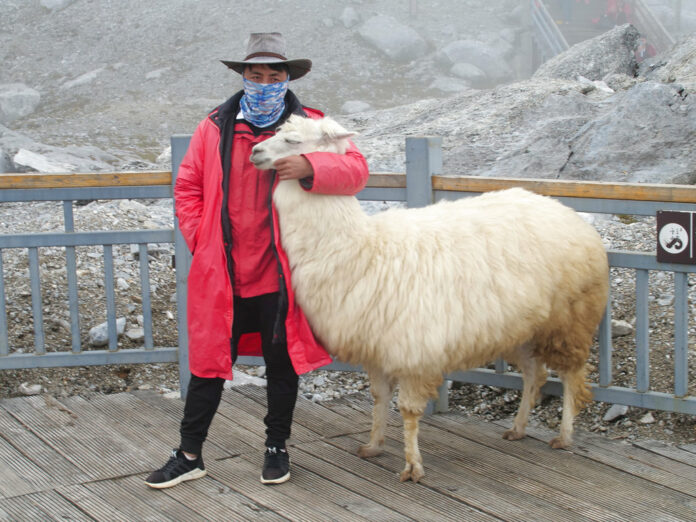
This Sept. 21, 2018 photo shows a tourist posing with a yak atop the Baishui Glacier No.1 on the Jade Dragon Snow Mountain in the southern province of Yunnan in China. About 2.6 million visitors come every year to see the glacier which scientists say is one of the fastest melting glaciers in the world due to climate change and its relative proximity to the Equator. (AP Photo/Sam McNeil)

YULONGXUESHAN, China — The loud crack rang out from the fog above the Baishui No. 1 Glacier as a stone shard careened down the ice, flying past Chen Yanjun as he operated a GPS device.

More projectiles were tumbling down the hulk of ice that scientists say is one of the world’s fastest melting glaciers.

“We should go,” said the 30-year-old geologist. “The first rule is safety.”

Chen hiked away and onto a barren landscape once buried beneath the glacier. Now there is exposed rock littered with oxygen tanks discarded by tourists visiting the 4,570-meter-high blanket of ice in southern China.

Millions of people each year are drawn to Baishui’s frosty beauty on the southeastern edge of the Third Pole – a region in Central Asia with the world’s third largest store of ice after Antarctica and Greenland that’s roughly the size of Texas and New Mexico combined.

Third Pole glaciers are vital to billions of people from Vietnam to Afghanistan. Asia’s 10 largest rivers – including the Yangtze, Yellow, Mekong, and Ganges – are fed by seasonal melting.

“You’re talking about one of the world’s largest freshwater sources,” said Ashley Johnson, energy program manager at the National Bureau of Asian Research, an American think tank. “Depending on how it melts, a lot of the freshwater will be leaving the region for the ocean, which will have severe impacts on water and food security.”

Earth is today 1C hotter than pre-industrial levels because of climate change — enough to melt 28 to 44 percent of glaciers worldwide, according to a new report by the U.N. Intergovernmental Panel on Climate Change. Temperatures are expected to keep rising.

Baishui is about as close to the Equator as Tampa, Florida. And the impacts of climate change already are dramatic.

The glacier has lost 60 percent of its mass and shrunk 250 meters (820 feet) since 1982, according to a 2018 report in the Journal of Geophysical Research.

Scientists found in 2015 that 82 percent of glaciers surveyed in China had retreated. They warned that the effects of glacier melting on water resources are gradually becoming “increasingly serious” for China.

“China has always had a freshwater supply problem with 20 percent of the world’s population but only 7 percent of its freshwater,” said Jonna Nyman, an energy security lecturer at the University of Sheffield. “That’s heightened by the impact of climate change.”

For years, scientists have observed global warming change Jade Dragon Snow Mountain in the Chinese province of Yunnan.

One research team has tracked Baishui’s retreat of about 30 yards (27 meters) per year over the past decade. Flowers, such as snow lotus, have rooted in exposed earth, says Wang Shijin, a glaciologist and director of the Yulong Snow Mountain Glacial and Environmental Observation Research Station, part of a network run by the Chinese Academy of Sciences.

Nestled into a suburb of Lijiang, population 1.2 million, the station is home to Wang and his team: geologist and drone operator Chen, postgraduate glaciology student Zhou Lanyue and electrical engineer Zhang Xing, a private contractor.

After breakfast, the team heads off by van for the day’s mission. A cable car carries them up to a majestic view of the Jade Dragon Snow Mountain.

The team shuffles past a line of tourists – many in red ponchos, most sucking oxygen canisters, a few vomiting from altitude sickness – before descending to replace a broken meteorological station.

The team operates remote sensors that collect data on temperature, wind speed, rainfall, and humidity. Other sensors measure water flow in streams fed by melted ice. Cold, downpours, rock slides, gales and glacier movement break the equipment.

“It is not easy to encounter good weather here,” Wang said.

This weather will ensure Yunnan has plenty of freshwater while other glacier loss poses serious risk of drought across the Third Pole, he said.

The next day, the team wore crampons while repairing more sensors scattered across the glacier’s crags.

“Where we’re at right now was back in 2008 all covered with ice,” Wang said. “From here to there at the side, the glacier shrank about 20 to 30 meters. The shrinking is very remarkable.”

The team forded streams and jumped crevasses in search of long iron bars they previously embedded in the ice. GPS tells them how much the bars, and thus the glacier, have moved. They also measure how much height the glacier has lost during the summer.

Back on the viewing platform, Che launched a buzzing camera drone over the white expanse. The photographs help tell a story of staggering loss. A quarter of its ice has vanished since 1957 along with four of its 19 glaciers, researchers have found.

Changes to the Baishui provide the opportunity to educate visitors about global warming, Wang said.

Last year, 2.6 million tourists visited the mountain, according to Yulong Snow Mountain park officials.

On blustery day recently, hundreds of tourists climbed wooden stairs through grey fog to snap selfies in front of the glacier.

Hou Yugang said he wasn’t too bothered over climate change and Baishui’s melting. “I don’t think about it now because it still has a long way to go,” he said.

To protect the glacier, authorities have limited the number of visitors to 10,000 a day and have banned hiking on the ice. They plan to manufacture snow and to dam streams to increase humidity that slows melting.

Security guard Yang Shaofeng has witnessed a warming world melting this mountain, which his local Naxi minority community considers sacred.

Yang remembers being able to see the glacier’s lowest edge from his home village. No longer.

“Only when we climb up can we see it,” he said sadly, as tourists lined up to have their names engraved on medallions bearing the glacier’s image.

The etching is already outdated.

Story: Sam McNeil, Olivia Zhang

Advertisement

Japan Deepens Southeast Asian Ties With Airmen Program

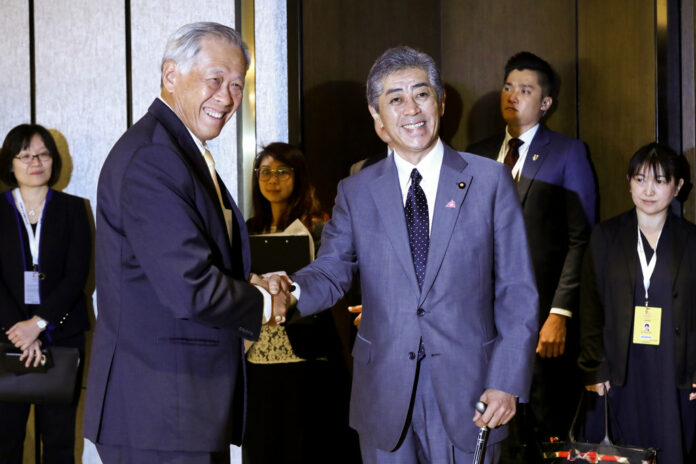
Singapore Defense Minister Ng Eng Hen greets Japan Defense Ministe Takeshi Iwaya at the ASEAN and Japanese Defense Ministers' Informal Meeting at the 12th ASEAN Defense Ministers' Meeting in Singapore on Saturday. Photo: Don Wong / Associated Press

SINGAPORE — Japan’s defense minister says he plans to start a program for professional airmen to strengthen ties between his country and Southeast Asia.

Takeshi Iwaya says the program fits in with the government’s vision to raise defense cooperation with the 10-member Association of Southeast Asian Nations, which has “gained momentum” since it was announced in 2016.

The program hopes to promote shared values and interoperability among Japan’s Air Self-Defense Force and airmen of ASEAN countries.

Iwaya did not give details on when it will be launched or its frequency. He was speaking on the sidelines of an Asian security conference in Singapore, which was also attended by regional defense ministers, U.S. Defense Secretary Jim Mattis and his Chinese counterpart, Gen. Wei Feng.

Advertisement

Opinion: Understanding the Rogue Thai Army

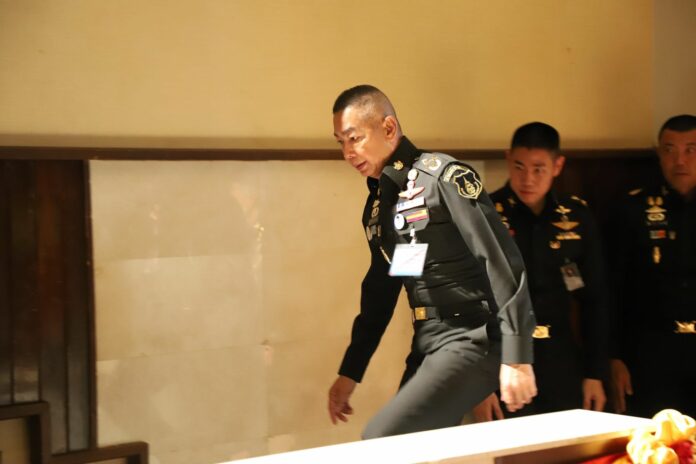
Apirat Kongsompong arrives at a news conference Wednesday at the army headquarters in Bangkok.

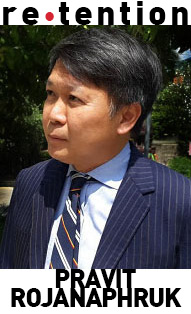
Re•tention: Pravit RojanaphrukHearing new army chief Gen. Apirat Kongsompong leave the door open Wednesday to another coup – one he’d likely lead – was like hearing the head of condominium security saying he will seize control if those paying his salary don’t behave.

Absurd as it may sound, we should take Apirat’s words seriously. After all, this is the Juntaland version of Thailand where coups are not only common, one was led by his late father, Gen. Suthorn Kongsompong, in 1991.

The Thai army is a state within a state. They have staged a dozen “successful” coups over the past 86 years since the 1932 revolt ended absolute monarchy. That’s roughly a coup every seven years. Since the most recent was four years ago, another might not be too far away, statistically speaking. The concept of civilian supremacy is still rather alien, not only among some of these rogue generals but also some in the media and public as well.

Thai Post newspaper columnist Pakkardhom on Thursday simply placed the blame on politicians, not rogue generals. “If politicians didn’t cheat, soldiers wouldn’t have an excuse to stage coups,” he wrote.

No wonder Apirat feels he can rely on the press, at least those covering the military.

“Army-beat reporters are like an army unit although you may wear civilian clothes,” he told the journalists covering him Wednesday.

Indeed, Apirat resorted to the tried-and-true discourse of the noble, altruistic soldier vs. self-serving politicians when he said to the same group, “We are not politicians. We do not seek anything in return. We do not want people whom we helped to choose us.”

There’s more, beside presenting itself as free of vested interests, the army is also quick to cite its undying loyalty to the throne.

“Some soldiers might have forgotten this, so let me remind them their supreme commander is the monarch. The army is a servant whose duty and heart are for protecting the monarchy. … [T]he army will use all of its capabilities and capacity to defend the monarchy,” Apirat said during his first press conference as army chief.

Unlike politicians who claim a mandate from voters, the coup-maker’s claim to alternative legitimacy is two-pronged: First they are supposedly incorruptible, unlike selfish politicians. Second, they are loyal to the monarchy, unlike some politicians who have been painted as anti-monarchist.

With those two big claims, the seemingly absurd act of staging a coup is made “sensible” in the eyes of some Thais, and their mafia-like threats made acceptable if not palatable.

In a way, the new army chief is bolder or more honest than junta leader Gen. Prayuth Chan-ocha, who as army chief in the months leading up to the 2014 coup repeatedly discounted the prospects he would do so, only to then do so.

Apirat is bold enough to be non-committal when it comes to accepting civilian supremacy over the military, thus laying bare the rogue nature of the Thai army.

It’s not clear if Thailand should welcome such a candid admission. The new army chief’s words serve at least as advance warning to remind us how far Thailand has to go before it can truly keep the army to the barracks for good.

These rogue generals are like condominium guards who have forgotten who feeds them. They have gotten used to every now and then taking control of the building. They are no longer content to just be security guards. They want those who feed them to continue to do so while becoming their master and telling the what to do, or not so, as well.


Advertisement

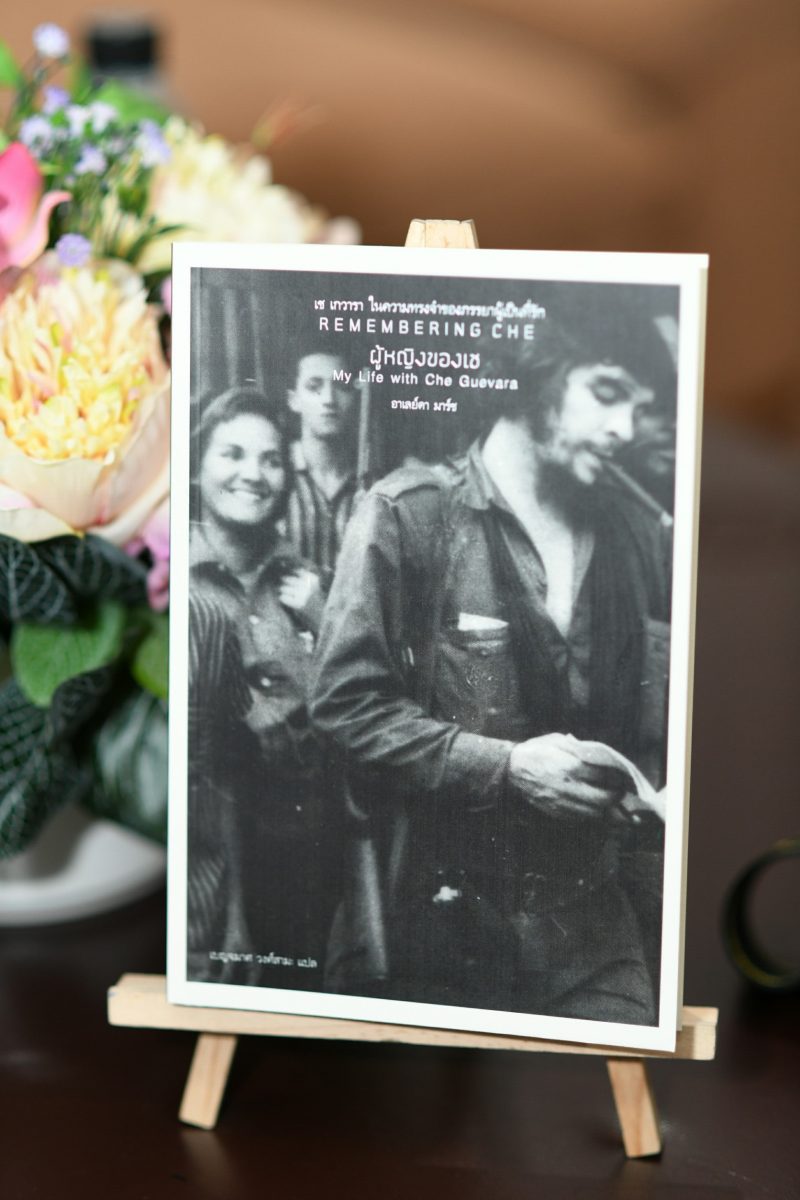
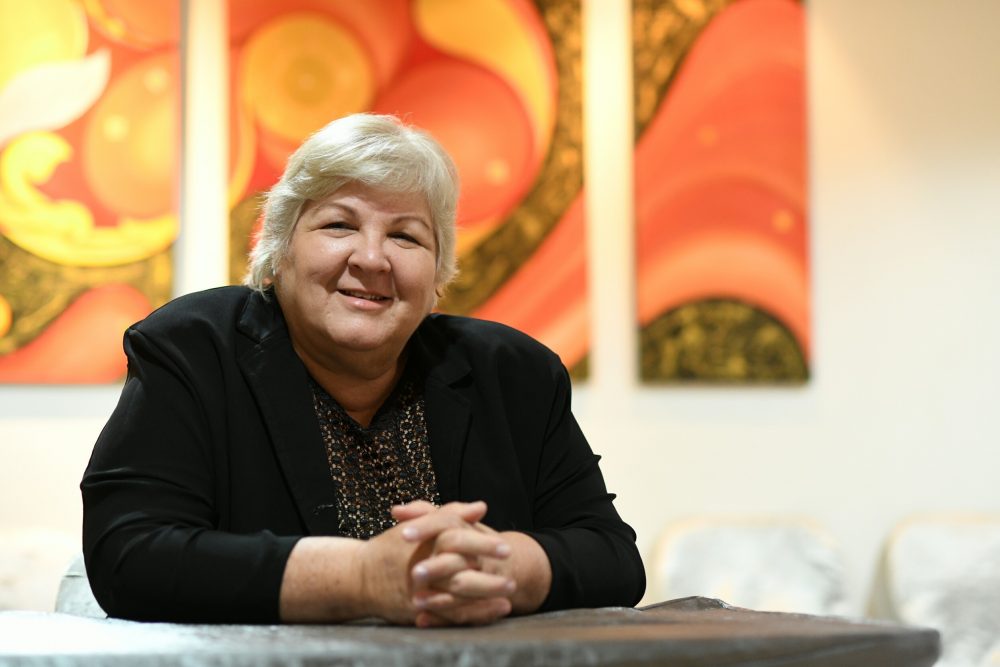
Che Guevara Remembered by Daughter at Bangkok Fair

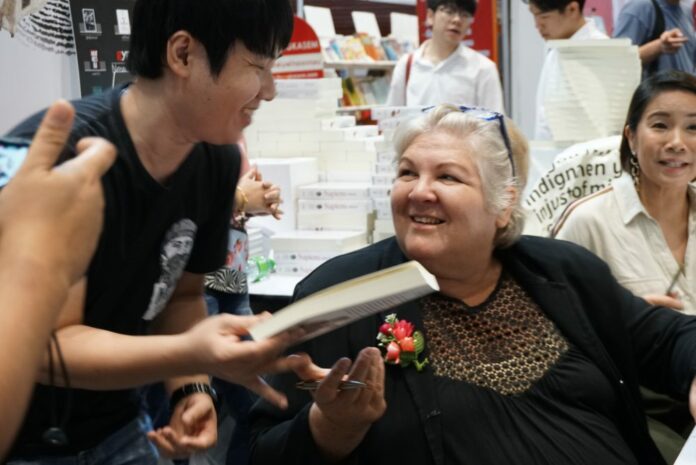
Aleida Guevara March on Friday signs a book “Remembering Che: My Life with Che Guevara” at a book fair at the Queen Sirikit National Convention Center.

BANGKOK —Mi papa was in a room with my mom. As she was holding my little brother, mi papa patted the baby dearly with his big hands. This is the clearest memory of him I can remember,” said a woman in Spanish, referring to her parents Ernesto “Che” Guevara and Aleida March.

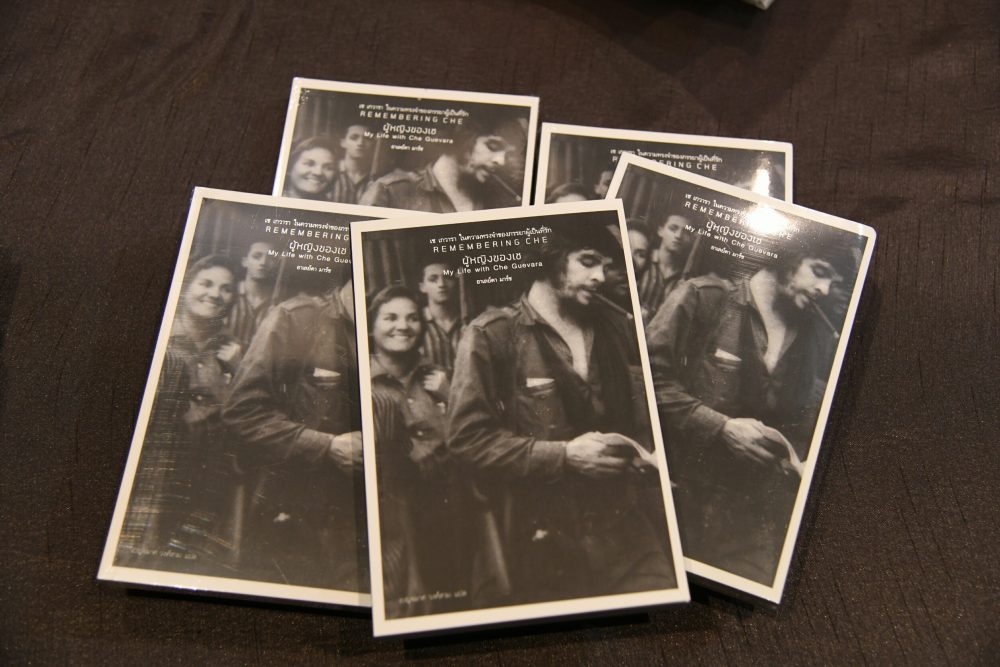
On Friday, fans of Che Guevara, the revolutionary icon, queued in a long line for Aleida Guevara March to sign a Thai translation of “Remembering Che: My Life with Che Guevara.” The 290-page book was written by her mother and translated by Benchamas Wongsam.

Among the crowd gathered to hear Aleida talk about her life was veteran rocker Yeunyong “Ad Carabao” Opakul, who brandished his guitar to perform “Che is Not Dead” in Thai and Spanish.๑๘๑๐๑๙ 0005 e1540012427953

Aleida, 57, flew from Cuba for the launch of the book written by her mother Aleida March, who was Che’s second wife. Originally published in 2012, the book was the first time Che’s widow recounted her personal stories about the legendary guerrilla fighter from her point of view.

“When my father disappeared, my mother built her walls up. She kept her life private,” Aleida said in translated comments at the Queen Sirikit Convention Center. “But when she wrote this book, it is like the walls are coming down once again.”

The book includes affectionate tales of the couple’s courtship during the Cuban Revolution, their marriage in 1959 and includes anecdotes such as Che coming home disguised as a bald, overweight businessman.

It also contains poems by Che, letters he wrote to his wife and several unpublished photographs of the Guevaras.

Nearly 60 years after the Argentine Marxist put a handsome face on Fidel Castro’s revolution, Che Guevara today has become a symbol of resistance. In Thailand, his image is commonly plastered on T-shirts and truck mud flaps. He remains controversial – some revile him as a war criminal.

Although Aleida was only 6 when her father was captured and killed in Bolivia, she said his legacy, for her, will always be love.

“In my life I had never seen my parents kiss, but this book shows me how much they loved each other. So, for me, it’s not only a love story, but it shows me that I’m the product of their true love,” Aleida said.

“It is not because I am Che Guevara’s daughter, but it’s because I’m a daughter of two people who truly love each other. This is what most important.”

Aleida, who has dedicated her life to health care, avoided politics Friday in a discussion fixed on her family.

There is a Cuban saying, Aleida said, that “behind every great man, there is a great woman.” And for the great Argentine hero Che Guevara, for Aleida, that woman was her mother.

“I love all the letters my father wrote to my mom … I cried every time I read Chapter 8,” Aleida said before reading aloud a letter Che wrote from Africa, where he’d adopted the nom de guerre “Tatu.”

She often cites her father, who had a medical degree from Argentina, as her inspiration to become a pediatrician in Havana, Cuba.

“I grew up in a city where everyone loves my father, so in a way I wanted to reciprocate to the people in my country by being a doctor,” she said. “And I think I made the right choice.”

๑๘๑๐๑๙ 0022 e1540012438546๑๘๑๐๑๙ 0007 e1540012759350๑๘๑๐๑๙ 0004 e1540012782323

Advertisement

Saudis Blame ‘Fistfight’ For Jamal Khashoggi’s Death

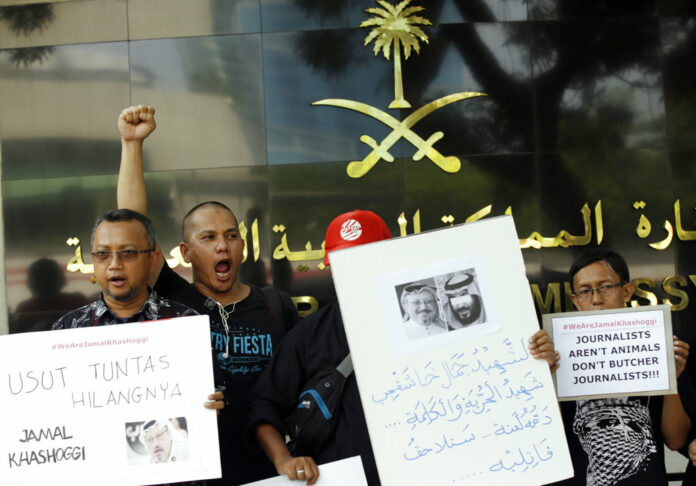
A dozen of Indonesian journalists hold posters with photos of Saudi writer Jamal Khashoggi during a protest outside Saudi Arabian Embassy in Jakarta, Indonesia, Friday, Oct. 19, 2018. Photo: Achmad Ibrahim / Associated Press

ISTANBUL — Saudi journalist Jamal Khashoggi died in a “fistfight” in the Saudi Consulate in Istanbul, the kingdom claimed early Saturday, finally admitting that the writer had been slain at its diplomatic post. Authorities said 18 Saudi suspects were in custody and intelligence officials had been fired.

The overnight announcements in Saudi state media came more than two weeks after Khashoggi, 59, entered the Saudi Consulate in Istanbul for paperwork required to marry his Turkish fiancée, and never came out. They also contradicted assertions in Turkish media leaks that Khashoggi was tortured, killed and dismembered inside the consulate, claims the kingdom had rejected as “baseless.”

But growing international pressure and comments by U.S. officials up to President Donald Trump forced the kingdom to acknowledge Khashoggi’s death.

While it fired officials close to Crown Prince Mohammed bin Salman, Saudi Arabia stopped short of implicating the heir-apparent of the world’s largest oil exporter. King Salman, his father, appointed him to lead a committee that will restructure the kingdom’s intelligence services after Khashoggi’s slaying. No major decisions in Saudi Arabia are made outside of the ultraconservative kingdom’s ruling Al Saud family.

The kingdom also offered a far different version of events than those given by Turkish officials, who have said an “assassination squad” from the kingdom including an official from Prince Mohammed’s entourage and an “autopsy expert” flew in ahead of time and laid in wait for Khashoggi at the consulate. Beyond its statements attributed to anonymous officials, Saudi Arabia offered no evidence to support its claims.

Khashoggi, a prominent journalist and royal court insider for decades in Saudi Arabia, had written columns for The Washington Post critical of Prince Mohammed and the kingdom’s direction while living in self-imposed exile in the U.S.

“God have mercy on you my love Jamal, and may you rest in Paradise,” Khashoggi’s fiancée, Hatice Cengiz, tweeted following the Saudi announcements.

In a statement Friday night, White House press secretary Sarah Huckabee Sanders said the U.S. will closely follow international investigations into Khashoggi’s death and will advocate for justice that is “timely, transparent and in accordance with all due process.”

Trump meanwhile called the Saudi announcement a “good first step,” but said what happened to Khashoggi was “unacceptable.”

The announcements came in a flurry of statements carried by the state-run Saudi Press Agency early Saturday morning.

“Preliminary investigations conducted by the Public Prosecution showed that the suspects had traveled to Istanbul to meet with the citizen Jamal Khashoggi as there were indications of the possibility of his returning back to the country,” the statement read. “Discussions took place with the citizen Jamal Khashoggi during his presence in the consulate of the kingdom in Istanbul by the suspects (that) did not go as required and developed in a negative way, leading to a fistfight. . The brawl led to his death and their attempt to conceal and hide what happened.”

There’s been no indication Khashoggi had any immediate plans to return to the kingdom.

The Saudi statements did not identify the 18 Saudis being held by authorities and did not explain how so many people could have been involved in a fistfight. The statement also did not shed any light on what happened to Khashoggi’s body after his death.

“The kingdom expresses its deep regret at the painful developments that have taken place and stresses the commitment of the authorities in the kingdom to bring the facts to the public opinion, to hold all those involved accountable and bring them to justice,” the statement said.

The kingdom at the same time announced the firing of four top intelligence officials, including Maj. Gen. Ahmed bin Hassan Assiri, a one-time spokesman for the Saudi military’s campaign in Yemen who later became a confidant of Prince Mohammed.

Saud Qahtani, a powerful adviser to Prince Mohammed, also was fired. Qahtani had led Saudi efforts to isolate Qatar amid a boycott of the country by the kingdom and three other Arab nations as part of a political dispute.

On Twitter, where Qahtani had launched vitriolic attacks against those he saw as the kingdom’s enemies, he thanked the Saudi government for the “great opportunity they gave me to serve my country all those years”

“I will remain a loyal servant to my country for all times,” he wrote.

Assiri had no immediate comment.

Earlier this week, the Turkish pro-government newspaper Yeni Safak, citing what it described as an audio recording of Khashoggi’s slaying, said a Saudi assassination squad seized the journalist after he entered the consulate, cutting off his fingers and later decapitating him. On Thursday, a leaked surveillance photo put Maher Abdulaziz Mutreb, a member of Prince Mohammed’s entourage on trips to the U.S., France and Spain this year, at the consulate just ahead of Khashoggi’s arrival.

Turkish crime scene investigators this week searched the Saudi Consulate building in Istanbul and the nearby residence of the Saudi consul general, and came out carrying bags and boxes. On Friday, investigators questioned staff and explored whether his remains could have been dumped outside Istanbul after his suspected killing, Turkish media and a security official said.

Trump has said that the consequences for the Saudis “will have to be very severe” if they are found to have killed Khashoggi, but has insisted that more facts must be known before making any judgements. He dispatched U.S. Secretary of State Mike Pompeo earlier this week to both Saudi Arabia and Turkey to speak to officials on the case.

The president has made close ties to the kingdom a priority since taking office. Trump made his first overseas trip as president to Saudi Arabia and has touted his arms sales to the kingdom. Trump’s son-in-law Jared Kushner, responsible for a coming peace proposal for Israel and the Palestinians, also has forged a close relationship with Prince Mohammed.

Trump’s previous warnings over the case drew an angry response Sunday from Saudi Arabia and its state-linked media, including a suggestion that Riyadh could wield its oil production as a weapon. The U.S. president wants King Salman and OPEC to boost production to drive down high oil prices, caused in part by the coming re-imposition of oil sanctions on Iran in November.

It’s unclear whether the Saudi announcement will be enough to staunch the criticism the kingdom faces from lawmakers in the U.S., its most-crucial ally. California Rep. Adam Schiff, the ranking Democrat on the House intelligence committee, called Saudi Arabia’s claim that Khashoggi was “killed while brawling with a team of more than a dozen dispatched from Saudi Arabia is not credible.”

He was “fighting for his life with people sent to capture or kill him,” Schiff said.

Republican Sen. Lindsey Graham of South Carolina, who earlier this week said in a televised interview that Prince Mohammed “has got to go,” added: “To say that I am skeptical of the new Saudi narrative about Mr. Khashoggi is an understatement.”

Human rights groups like Amnesty International separately have been calling for a United Nations investigation into Khashoggi’s killing.

“All along we were concerned about a whitewash, or an investigation by the entity suspected of involvement itself,” Amnesty’s Rawya Rageh said Saturday. “The impartiality of a Saudi investigation would remain in question.”

Story: Suzan Fraser, Sarah El Deeb and Jon Gambrell

Advertisement

Southeast Asian Navies to Hold Drills With China Next Week

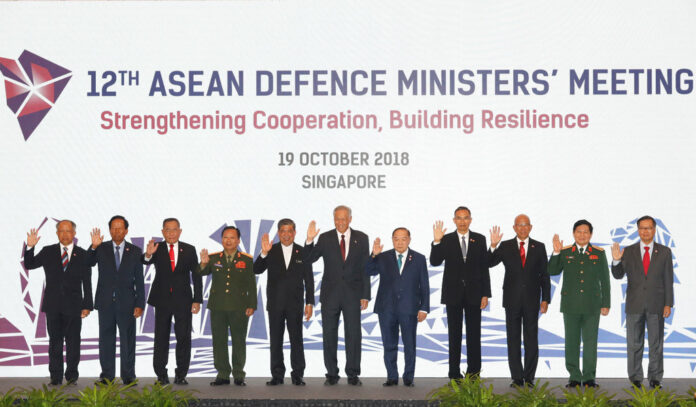
Defense Ministers from left to right, Brunei's Second Minister, Brunei, Halbi Nin Haji Mohd Yusof, Cambodia's Samdech Pichey Sena Tea Banh, Indonesia's General Ryamizard Ryacudu, Laos' Lieutenant-General Chansamone Chanyalath, Malaysia's Haji Mohamad Bin Sabu, Singapore's Ng Eng Hen, Thai General Prawit Wongsuwan, Myanmar's Lieutenant-General Sein Win, Philippines' Delfin N. Lorenzana, Vietnam's General Ngo Xuan Lich and ASEAN Deputy Secretary General Hoang Anh Tuan during a group photo for the ASEAN Defense Ministers' Meeting on Friday in Singapore. Photo: Don Wong / Associated Press

SINGAPORE — Southeast Asian navies are heading to their first joint exercises with China in its southern waters next week, and defense officials agreed Friday to conduct a similar drill with the U.S. next year.

Singapore’s Defense Minister Ng Eng Hen said the drills in waters surrounding Zhanjiang will build trust and confidence among the navies participating.

The defense ministers of the 10-member Association of Southeast Asian Nations said in a joint declaration their planned exercises would “enhance friendship and confidence between ASEAN member states’ navies and the People’s Liberation Army Navy and the U.S. Navy.”

The officials said at a news conference that the location and extent of the second exercise had not been decided.

ASEAN defense ministers are in Singapore with U.S. Defense Secretary Jim Mattis and his Chinese counterpart, Gen. Wei Feng, for an Asian security conference this weekend.

Mattis said he remains keen for a “constructive relationship” with China but expressed concern about its military activities in the disputed South China Sea.

By working with ASEAN and other partners, the U.S. affirms that “no single nation can rewrite the international rules of the road,” he added.

At an informal meeting, Wei said China and ASEAN were a force for maintaining peace, boosting development and deepening cooperation in the Asia-Pacific region. Journalists were ushered out once he started to comment on the South China Sea.

The exercises with China’s navy next week will include operations like maritime safety, medical evacuation, and search and rescue procedures.

Asked if it holding the exercise in the South China Sea was contentious, Ng said all countries had the right of navigation and military activities consistent with international law.

China and other Asian governments have rival claims to parts of the South China Sea. Chinese military activity in the disputed areas is viewed by Washington as irresponsible while Beijing complains of an inappropriate U.S. military presence.

“Having an exercise with one but not the other could be misinterpreted as being partial. As such, the optics are vital,” said Eugene Tan, an associate professor of law at Singapore Management University.

“It’s the attempt at ensuring that both countries and their militaries are engaged with the region,” he added.

Tang Siew Mun, head of the ASEAN Studies Centre at the ISEAS-Yusof Ishak Institute in Singapore, said more joint activities are likely.

“Strategically, it signals ASEAN’s current and future advances in security cooperation with China will not come at the expense of its good and long-standing ties with the U.S.,” Tang said.

Story: Annabelle Liang

Advertisement

British Woman Held in Malaysia Accused of Killing Husband

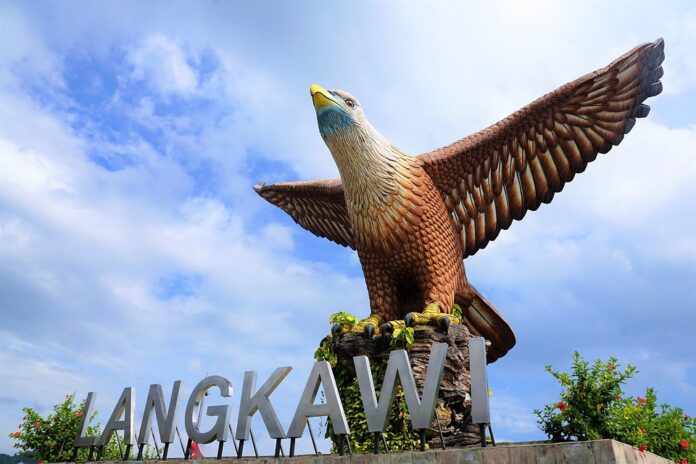
An undated photo of a sculpture on Langkawi island, Malaysia. Photo: Max Pixel

KUALA LUMPUR — Malaysian police said Friday that a British woman has been detained on the resort island of Langkawi for allegedly stabbing her husband to death.

Langkawi police chief Supt. Mohamad Iqbal Ibrahim said investigators found a 12 inch-long kitchen knife stained with blood in the couple’s home where John William Jones, 62, was found dead Thursday. He said police were called to the scene after Samantha Jones, 51, asked her neighbor to call an ambulance but her husband was pronounced dead by medical officers.

He said a stab wound was found on Jones’ chest and police have classified the case as murder.

“She confessed that she stabbed her husband in the chest during a heated argument but this is still under investigation,” Mohamad Iqbal told The Associated Press by phone. She was taken to court, which allowed her held in remand until Tuesday.

He said that John William Jones was a former firefighter who moved with his wife to the tropical island 11 years ago under Malaysia My Second Home program, which gives foreigners long-staying visas.

Murder carries a mandatory death sentence by hanging but Malaysia’s government recently announced plans to abolish the death penalty for all crimes.

Advertisement

Unresolved Mystery – Suicide? Murder? – Returns to Haunt TV

Nearly a decade after he was acquitted of murder, Noppadol Thammawatthana re-enacts what happened to his brother in the same room of their family home.

BANGKOK — In 1999, Thai Citizens’ Party MP Hangthong Thammawatthana was found in an armchair at his family mansion with a bullet in his head and revolver in his hand.

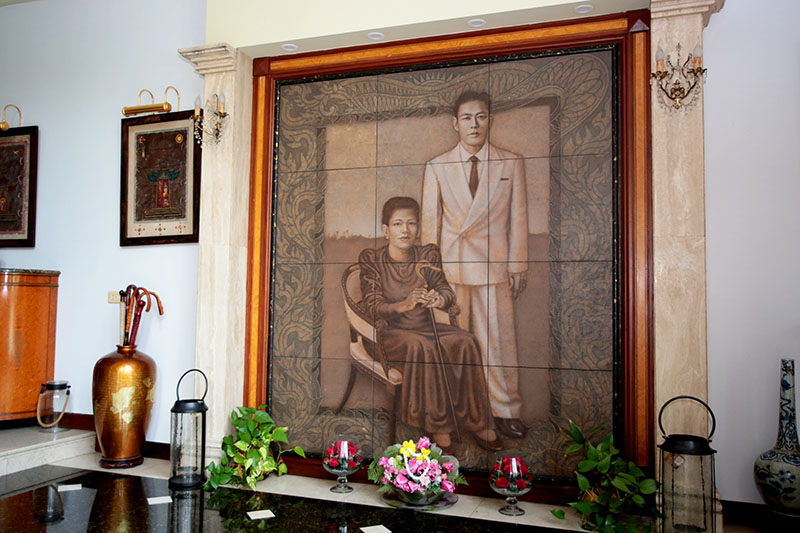
Chaos erupted; suspicions flew. The Thammawatthana family – Hangthong had more than 10 siblings – had been feuding over its fortune, and some were unhappy he had been funneling it into his political career.

They dragged in top forensic investigators who gave conflicting accounts of what happened. Some ruled it a suicide. Others pointed fingers at a brother, Noppadol Thammawattana, who barely avoided going to jail.

The public pored over crime scene photos and came to their own conclusions.

42500431 334079050494085 4677751428712759296 n
This photo from the scene of Hangthong Thammawatthana’s 1999 death raised many doubts that it could have been a suicide.

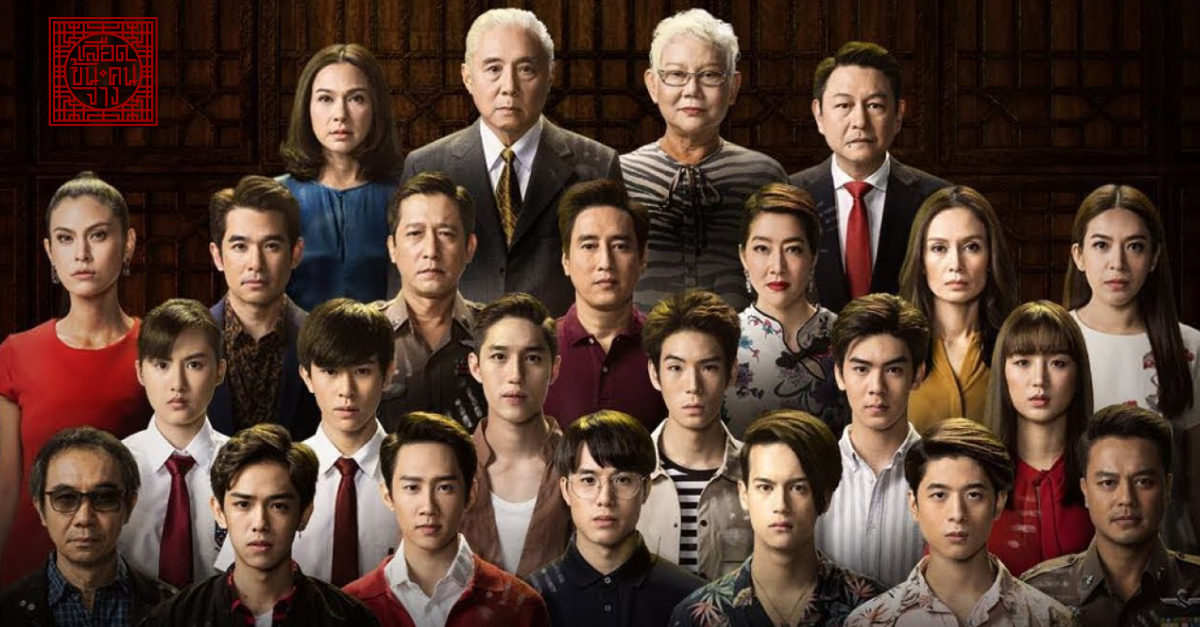
Now, the long-standing mystery – “Who killed Hangthong?” – is back in lakorn form, only this time audiences are asking, “Who killed Prasert?”

Last month, a week after the 19th anniversary of Hangthong’s death, the first episode of “In Family We Trust” aired with an all-star cast and gripping opening theme – and unsettling similarities to the Thammawatthana saga.

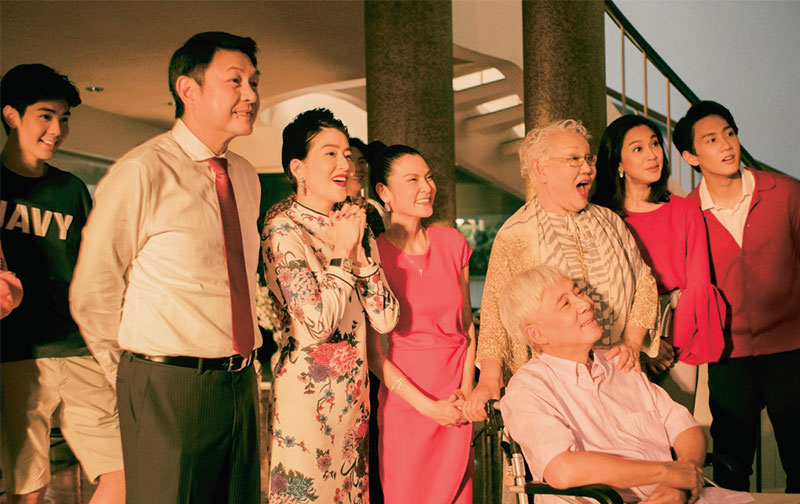
Viewers saw parallels between the fictional, hotel-owning Jira-anan clan and the Thammawatthanas, who built their fortune in Bangkok’s Ying Charoen market.
Suddenly, public interest in the cold case was revived.

Noppadol, the brother who prosecutors tried and failed to pin the crime on, has even spoken out about becoming public enemy No. 1 after a celebrity forensic examiner all but pinned the crime on him.

“If the court believed Dr. Pornthip [Rojanasunand], I would probably have been executed by now,” he recently told Khaosod. “The truth is the truth, even if society judged me the murderer.”

FAMILY DRAMA OPNE
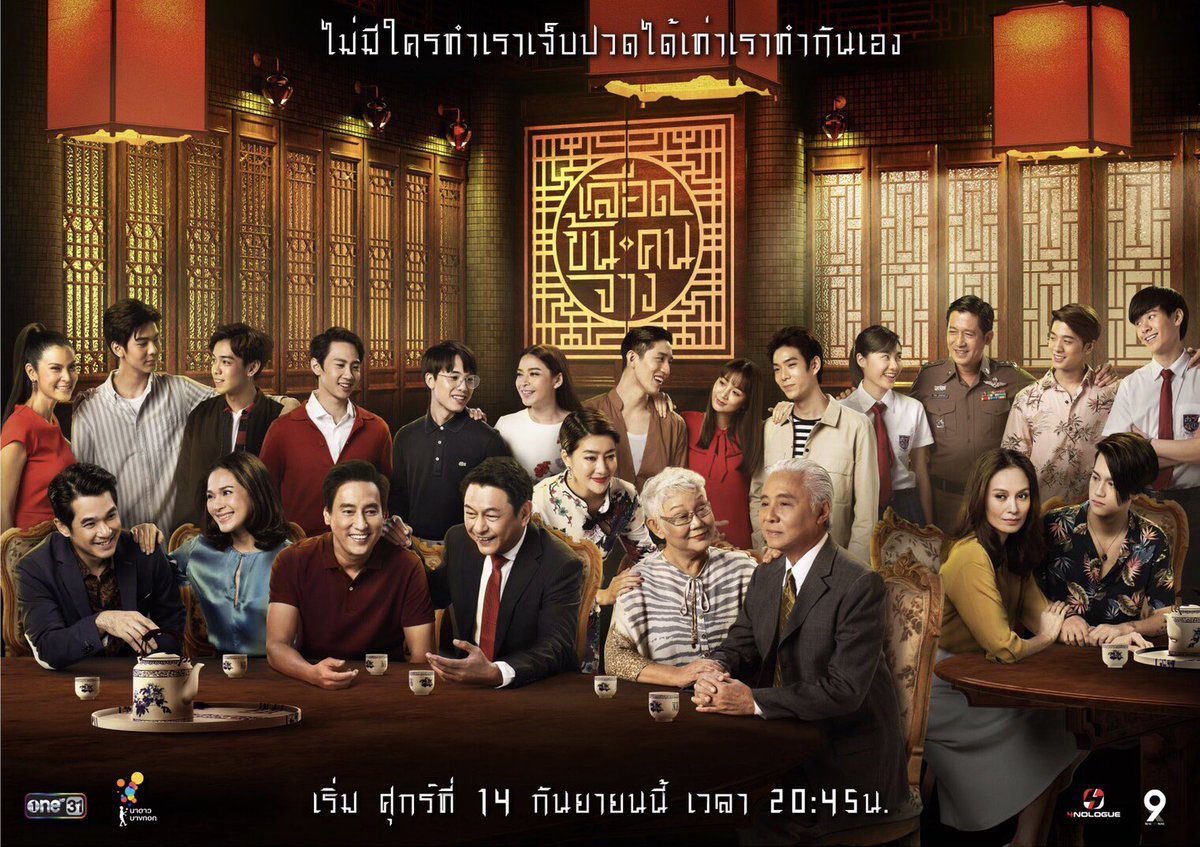
Promotional image for ‘In Family We Trust.’

Trailer for “In Family We Trust”

Dirty Laundry

In the series, Prasert Jira-anan (Songsit Roongnophakunsri) is, like Hangthong, the scion of an extended Sino-Thai clan found mysteriously dead at home – with his family members the prime suspects.

Whodunit? Was it his younger sister, Passorn (Kathaleeya McIntosh), who was cut from the will? Or had his wife, Cris (Sopitnapa Choompanee), had enough of his affairs? Perhaps Prasert’s other brothers or any number of the four siblings’ children?

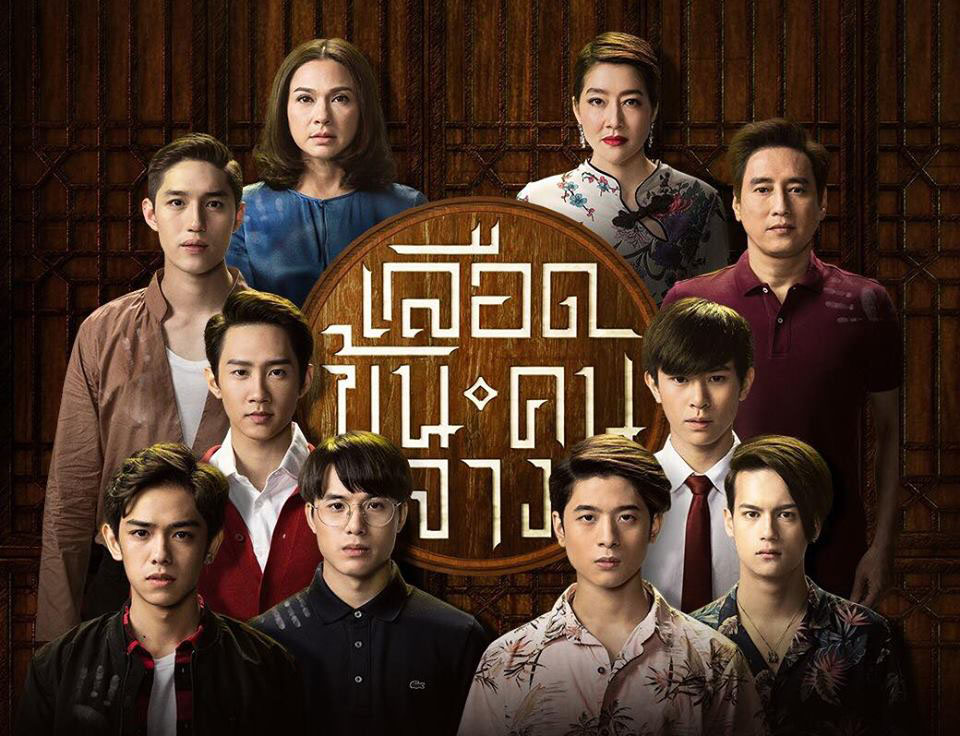
“No one hurts us as much as we hurt ourselves,” reads the show’s tagline on a poster of the Jira-anan clan. The Thai name for the series is “Lued Khon, Khon Jang,” literally “Thick Blood, Flimsy Humanity.”

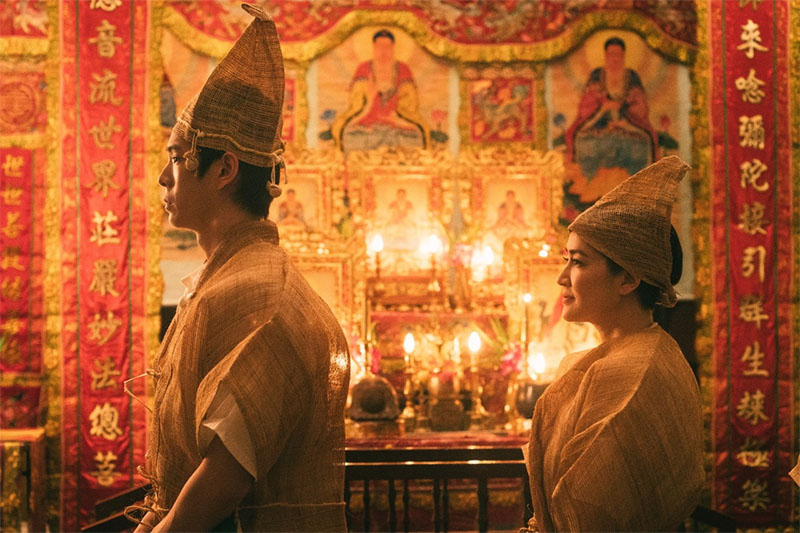
Though not dominating the ratings, the show has found a dedicated urban audience with its fidelity to Sino-Thai family culture, including patriarchal land inheritance and funerary rites.

A poster for “In Family We Trust.”

Audiences have been talking about how women are treated in traditional Chinese families, tabloid media coverage of sensational crimes and whether greed runs thicker than blood.

The 18-episode series, now midway through its run, unfolds in a gripping way that parcels out bits of story in a Rashomon-style, nonlinear narrative of unreliable narrators and contradicting flashbacks that make each episode twist and turn.

At its center is the financially flush but morality-challenged clan ready to avenge slights or compete for the family fortune through the barrel of a gun.

The series’ director denies his show has anything to do with the Thammawatthanas, an understandable position given the way libel laws are written.

image 1 copy
Pete (Kritsanapoom Pibulsonggram) and Cris (Sopitnapa Choompanee).

“Nothing in here is inspired by any real family,” said Songyos Sugmakanan, who is best known for popular teen series “Hormones” and 2003 puppy-love film “Fan Chan.”
“If someone in the Thammawatthana family watched it, they would know it’s not about them. There are similarities, such as the extended family with one of the son-in-laws as a policeman, but the plot isn’t the same.”

For his part, the man nearly convicted of murder in the real case denies even watching it.

“I haven’t had time to watch any lakorn, including this one,” Noppadol told Khaosod. It wasn’t until 2010 that he was acquitted of murdering his brother following a trial.

image 3
Jira-anan family members in ‘In Family We Trust’

Ripped from the Headlines

Eight years later, Noppadol, the chairman of Body Glove Thailand, has been pulled back into the limelight by reignited appetites for the grisly saga.

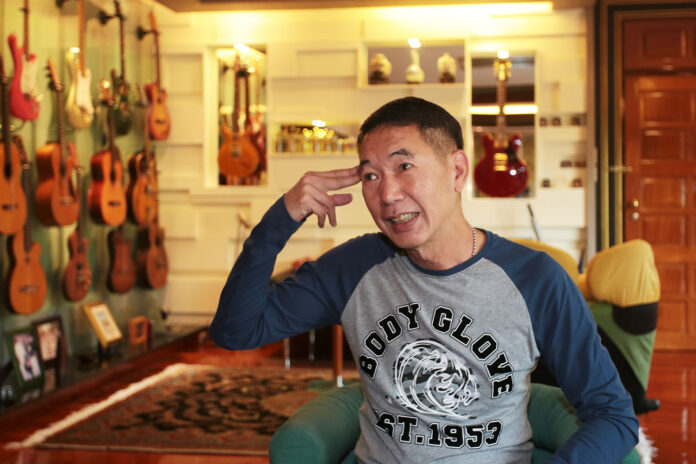
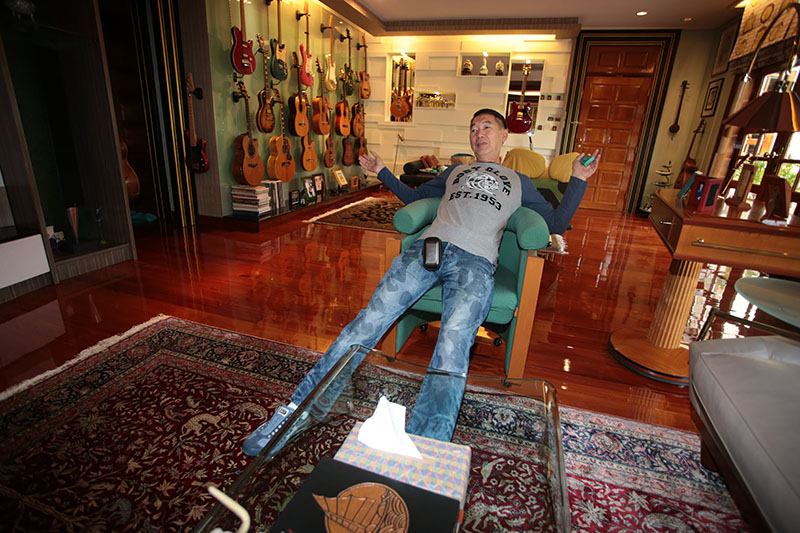
Khaosod went to his same family home where his brother died almost two decades ago. In a four-part interview, Noppadol talked about the family drama over his mother’s inheritance and that fateful night. He even sat for photos in an identical chair from the same furniture set where his brother died.

“That night, he didn’t speak much. He seemed stressed and hungry. I prepared some oranges and snacks for him,” Noppadol said. “He asked what else there was to eat, so I went into another room and made some Nesvita. Then I heard a sound like firecrackers exploding.”

IMG 5743
Noppadol re-enacts his brother’s death.

“When I opened the door, I was very shocked,” he said. “P’Hangthong’s blood flowed over the floor. I ran and woke everyone up. I didn’t know he had a gun. And he was my older brother.”

Noppadol today seems as intent on convincing skeptics of his innocence, nearly two decades after his siblings impugned each other through paid experts.

One of his sisters hired a Scottish forensic expert who, along with celebrity examiner Pornthip, suggested it was murder. With the spotlight on him as the prime suspect, Noppadol brought in an American forensic scientist who had helped exonerate O.J. Simpson. He ruled it a suicide.

image 2 copy
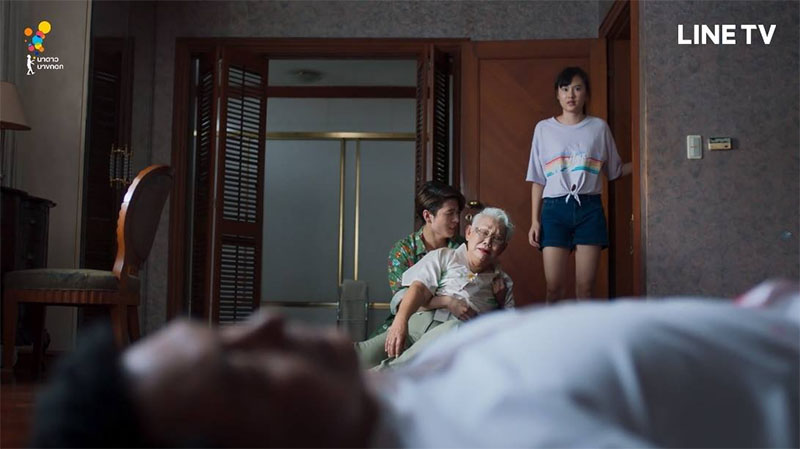
A scene in “In Family We Trust” where Prasert is found dead.

“I filed a complaint to the Medical Council, and they took 10 years before ruling that everything Dr. Pornthip said was incorrect. All she got was a warning,” Noppadol said.

He also wrote not one but three books – the “They Say … I Killed P’Hangthong” trilogy – telling his side of the story.

“After all the cases were settled, some of my siblings with a conscience came to me on their knees to apologize. I think we went through enough misery, so I forgave them. But it’s not the same with some others.”

If “In Family We Trust” were indeed a retelling of his family’s tragedy, Noppadol described how he thought it should end this time.

“Whatever chaos happens in the family, in the end, I believe that the law is what will determine what happens. That includes what happens to the will left by the inheritance owner.”

“In Family We Trust” airs in Thai at 8:45pm on Fridays and 8:10pm on Saturdays on One 31 channel and Line TV. Reruns can be watched for free on Line TV and YouTube.

Additional reporting Sunantha Buabmee and Chayanit Itthipongmaetee


Noppadol Thammawatthana talks to Khaosod.

IMG 5654
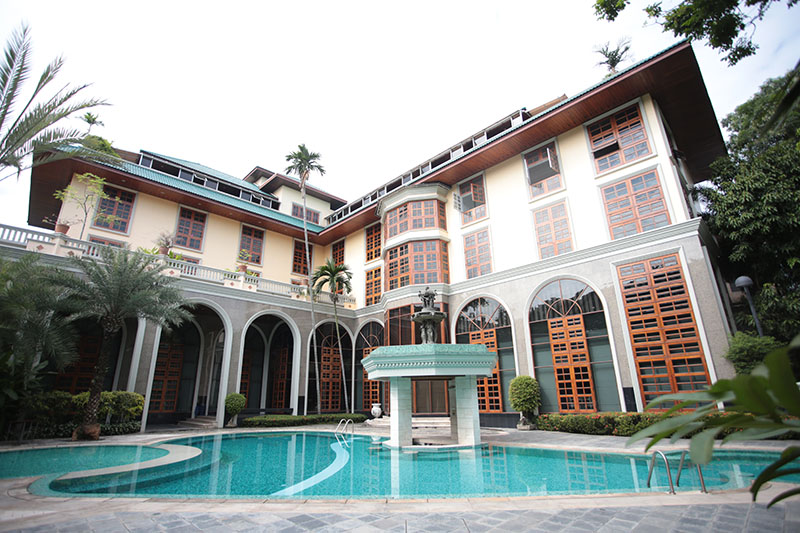
The Thammawatthana mansion exterior.
IMG 5684
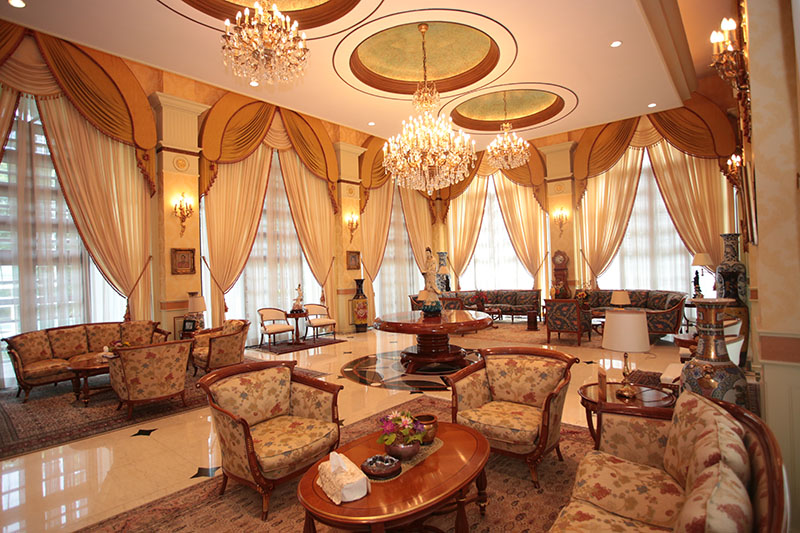
The a living room at the Thammawatthana mansion.
IMG 5674
Family portraits at the Thammawatthana mansion.
43250741 1825039290882811 4748206621992157184 n
A poster for ‘In Family We Trust’
Advertisement

Hot News

LATEST NEWS

Bangkok
overcast clouds
27.7 ° C
31.1 °
27.7 °
77 %
2.8kmh
99 %
Thu
28 °
Fri
37 °
Sat
36 °
Sun
37 °
Mon
37 °