


























30 C
Bangkok
Sunday, June 28, 2026
Home Blog Page 2629

Spotlight on Laos Ahead of Key ASEAN Summit

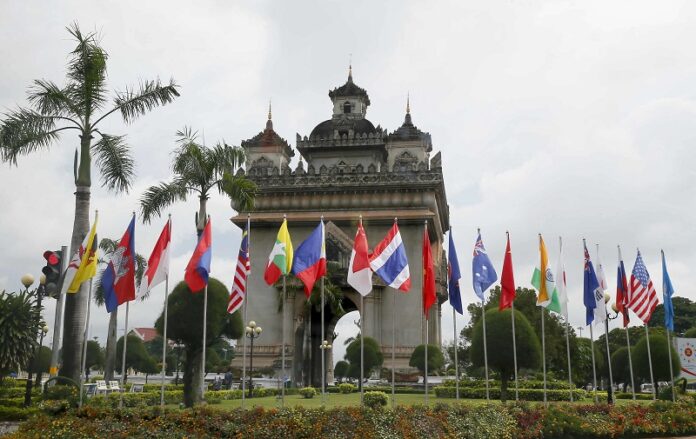
Flags of the 10-member ASEAN (Association of Southeast Asian Nations) and its dialogue partners are placed around the Patuxay Monument in downtown Vientiane, Laos on Monday. Photo: Bullit Marquez / Associated Press

VIENTIANE — The light was fading over Vientiane on a cool December evening when a Jeep was stopped at a traffic light. CCTV video later showed the occupant of the car being pulled out and taken away in a pickup truck, never to be seen again.

The disappearance of Sombath Somphone nearly four years ago is a reminder of the dismal human rights record of the authoritarian government of Laos, which prepares to host President Barack Obama and Asian leaders at a regional summit starting Tuesday.

The government says it is investigating but has provided no leads into Sombath’s whereabouts, and no arrests have been made, leading critics of Laos’ communist government to believe that his disappearance was state-orchestrated.

“It’s a test case for Obama. If he mentions it publicly it would make it much more difficult for Laos to sweep it under the carpet. The fact that the most powerful man on the planet cares about Sombath will count for something,” said Phil Robertson, the deputy Asia director of Human Rights Watch.

The three-day summit of the Association of Southeast Asian Nations is a rare opportunity to put the spotlight on the landlocked nation of Laos, which usually stays under the radar. Along with Brunei, it is the most under reported and under-scrutinized country in the 10-nation ASEAN.

Unlike fellow communist country Vietnam, the country of 6.2 million people is no economic beehive of activity. Nor does it have a democracy icon like Aung San Suu Kyi in Myanmar. Tourism, which has made Thailand a household name around the world, remains nascent; and it is not a U.S. ally like the Philippines, Singapore or Malaysia. Nor is it the world’s biggest Muslim nation by population like Indonesia to give it prominence.

Little wonder then that what goes on in Laos, largely stays in Laos.

But by virtue of taking on the rotating chairmanship of ASEAN this year, it has suddenly sprung into limelight. It’s the first time a U.S. president will visit Laos.

Sombath’s disappearance on Dec. 15, 2012, was captured on a traffic CCTV video, in which he is seen stopped at a police outpost and asked to step out of his Jeep, according to Amnesty International. Within a few minutes a man on a motorcycle arrives, drives away Sombath’s vehicle and a pickup truck takes Sombath away with armed people riding a motorcycle leading the way. The passenger on the motorcycle fires a gunshot in the air, said Amnesty.

“More than three years have passed since Sombath Somphone was last seen. We have no alternative but to conclude that the authorities are either directly responsible for his disappearance, or have failed miserably to take all necessary measures to get to the bottom of what happened,” said Rafendi Djamin, Amnesty International’s director for South East Asia and the Pacific.

Sombath’s wife, Shui Meng Ng, was driving her car ahead of Sombath. She thought she had lost him in the traffic and didn’t see the drama happening behind her.

“I am sorry to say I have no new information to share, except that the Lao Government has continued to stonewall any queries to his whereabouts. The government continues to maintain that ‘the state is not involved and the police are still investigating,'” said Ng, a Singaporean and a former U.N. official.

If Sombath was taken away by the government he was an unlikely target. The U.S.-educated activist mostly worked in rural development, showing farmers how to use more creative ways to raise fish and make handicrafts. But he was also vocal about land deals that had left thousands of villagers homeless without compensation, sparking rare political protests. And he had international connections.

Sombath is not the only one to be a possible victim of a government crackdown.

In 2015, an ethnic Lao who is a Polish citizen disappeared while visiting Laos, according to his Polish wife, allegedly for posting critical comments on Facebook. He was subsequently charged in court and sentenced to prison for 4 years and 9 months.

In March this year, three young Lao migrant workers who returned to Laos to renew their passports vanished, and reappeared on state TV in prison uniform to “confess” to using the internet to “defame the government.” They have not been charged and their parents have not been allowed to visit them. Another dissident, Ka Yang, who had fled to Thailand was deported to Laos in 2011 and was imprisoned.

Most Laotians are unaware of such events because of the government’s watertight control over the media, the security forces and the judiciary. Those who know are too fearful to talk about it.

“Laos has now become one of the most rights-repressing countries in ASEAN: leaders in the region and from around the world must stop looking the other way, and demand Vientiane end its asphyxiation of independent civil society,” said Walden Bello, a former member of the Philippines Congress and vice chair of ASEAN Parliamentarians for Human Rights.

Most of Laos’ top leaders are from the first generation of revolutionary fighters, and even those who have retired retain influence over the Communist Party and the government. But the leadership is passing on to a younger generation slowly, as seen in the party congress held this year.

While the top two posts – party secretary and president – are held by an old guard, former Gen. Bounhyang Vorachit, the cabinet has many young ministers, including Prime Minister Thongloune Sisoulith, the second-highest ranking person in the Politburo.

There is hope that this transition will lead to change in Laos. Thongloune has acknowledged corruption in the government and has taken action to halt timber and illegal wildlife trade. Still, many problems remain, such as environmental degradation, forced evictions and illegal land concessions.

Also, Laos wants to improve its economy and the life of its people by attracting more foreign investments, especially from its ASEAN neighbors. It also wants to forge closer ties to the U.S. as a counterbalance to China, which has a massive economic influence here.

“I believe that the ASEAN Summit provides some opportunities for world leaders like President Obama … to engage the Lao,” said Ng. “Such dialogue … may not lead to any immediate change but they can at least remind the Lao that improving its human rights record and relaxing control on civil society will in fact lead to real dividends for improved economic and social development in the long run.”

Story: Vijay Joshi
Advertisement

Spirits Are on MahaNakhon’s Side, Executive Claims

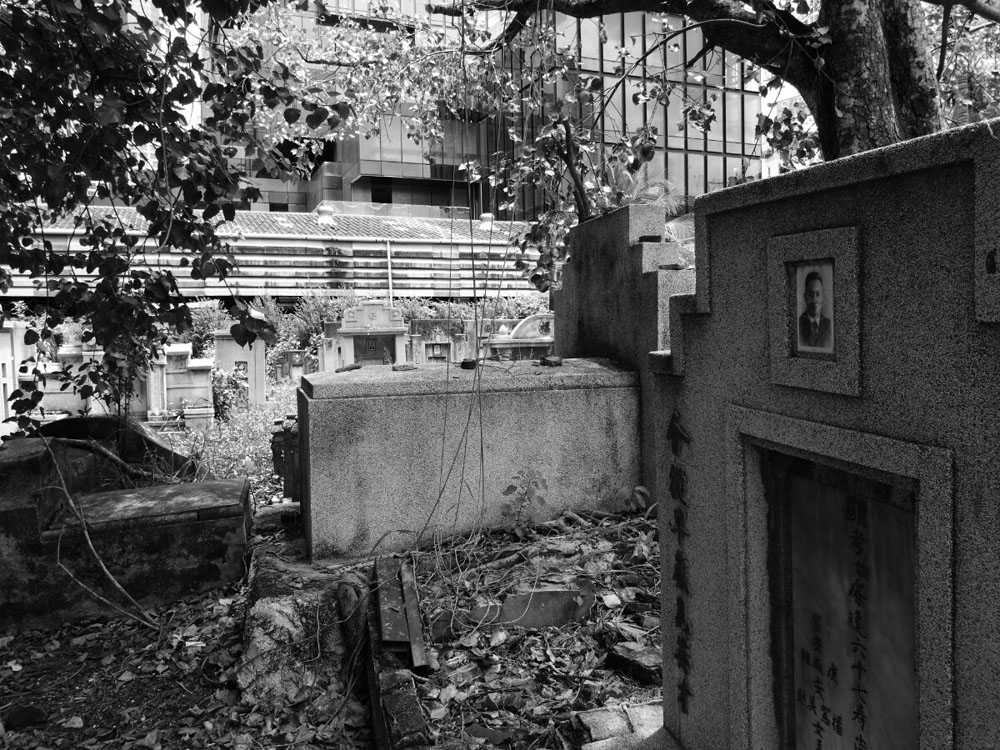
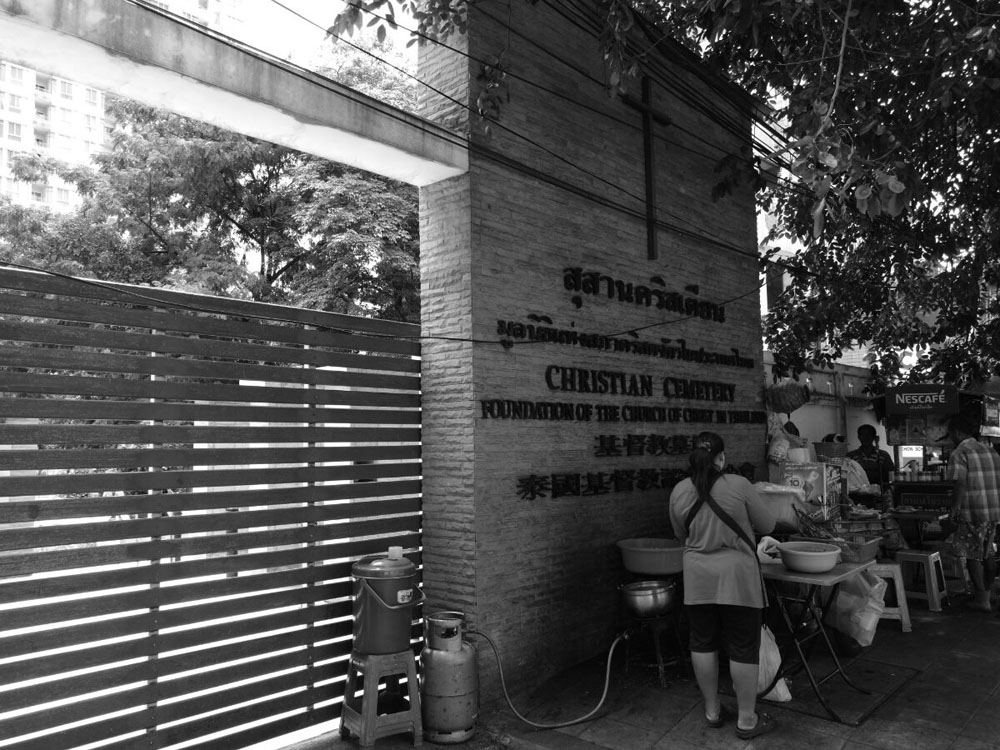
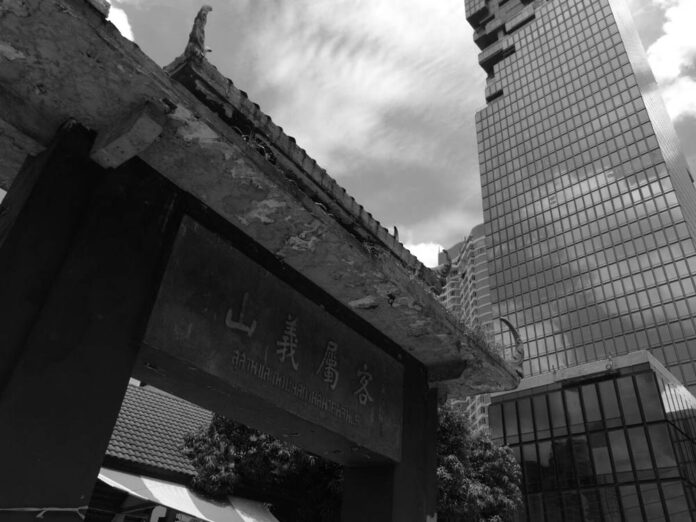
The entry gate to a Hokkien Chinese Christian cemetery in the shadow of Bangkok's new MahaNakhon building.

BANGKOK — Afraid of ghosts?

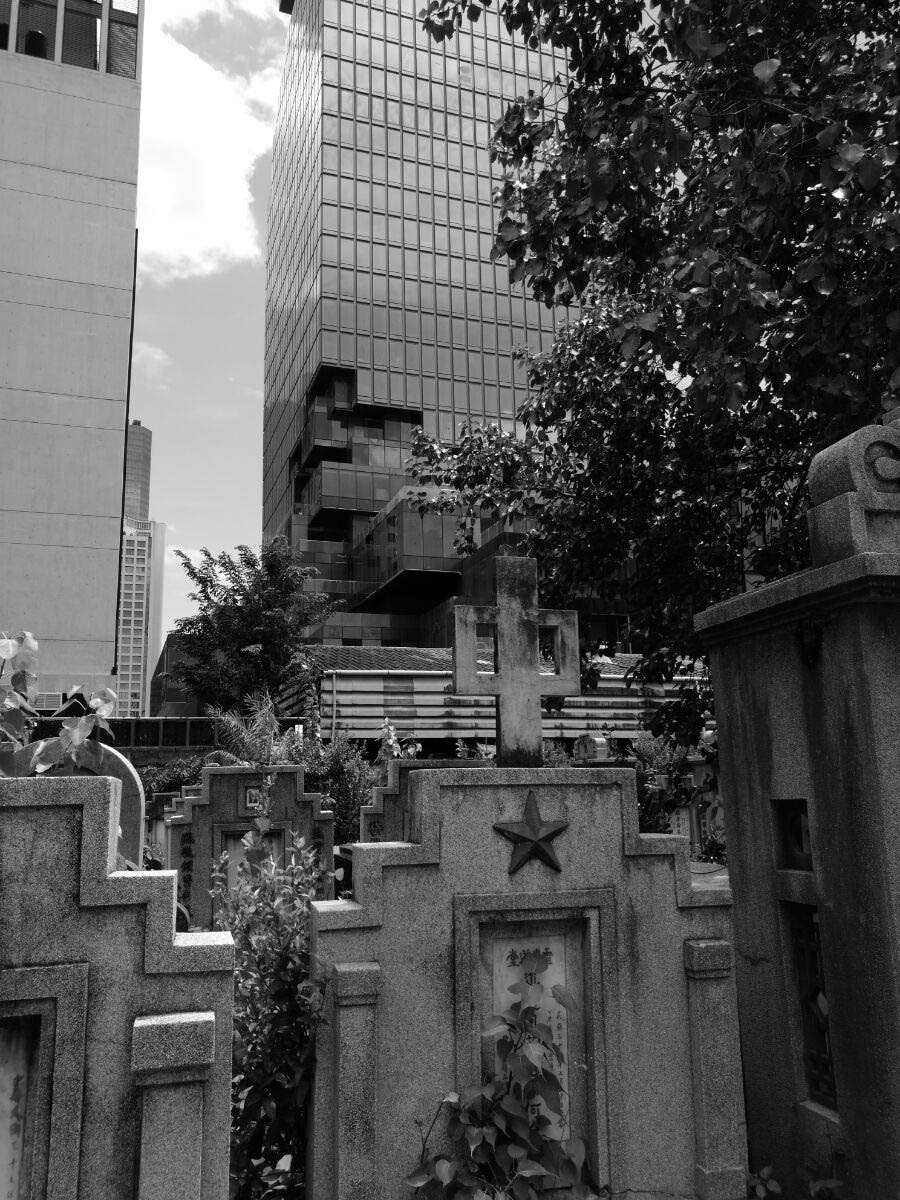
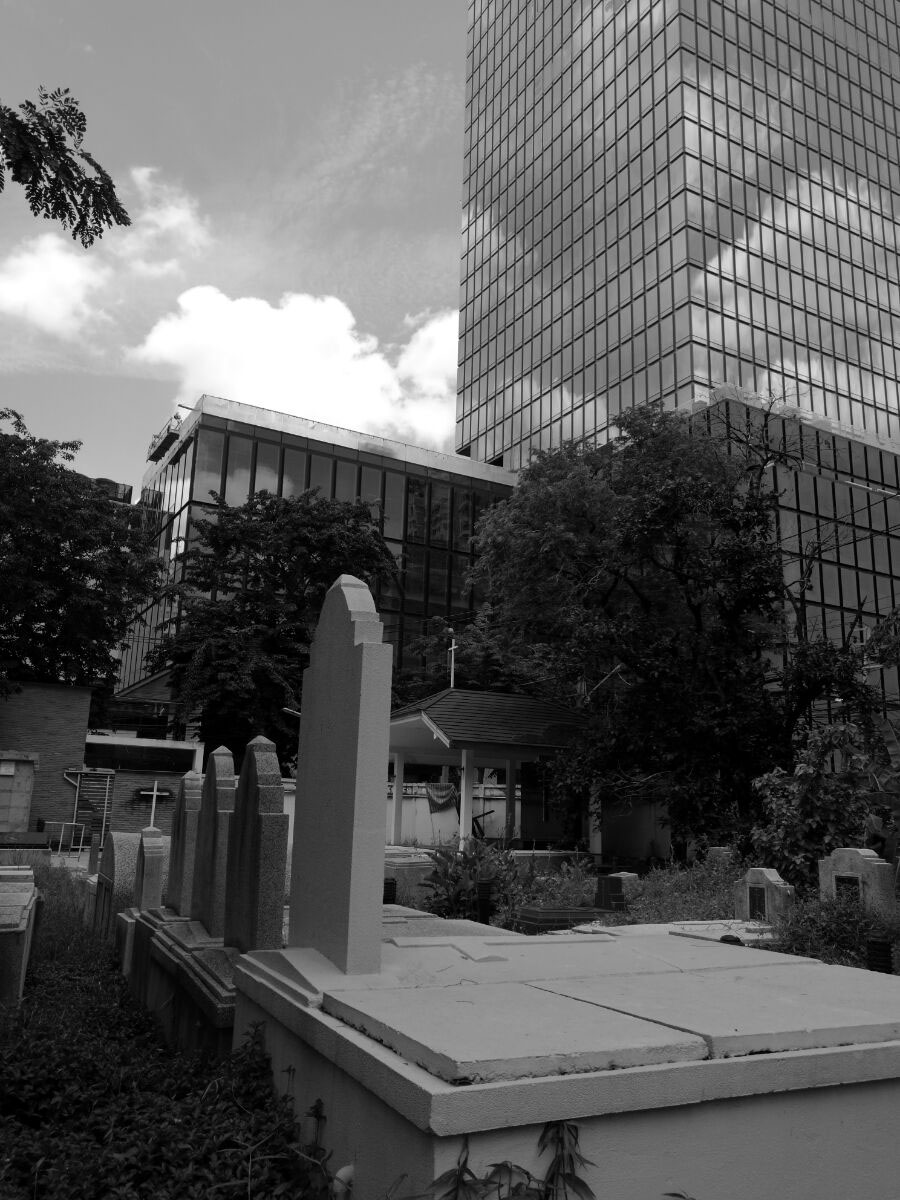
Bangkok’s new tallest building may have gone up next to a cemetery, but a top executive of the company which owns the building insists the spirits are on their side.

The 77-story Mahanakorn near lower Silom Road is next to an old Hokkien Chinese Christian cemetery, but the company’s managing director, Kipson Beck, said at the building’s opening party that possible concerns about poltergeists – a genuine fear in Thailand – were sorted out in advace.

“We debated early. We originally mentioned that this might be a question,” said Beck, insisting the issue has not stopped anyone from buying one of the 209 luxury condominiums comprising the Ritz-Carlton Residences. In fact, more than 70 percent of the units, which start at a price point that may give the spirits pause – 45 million baht.

“According to our spiritual advisors, the spirits are strong, very powerful. They can be powerful to help us,” Beck said.

He assured that developer Pace, which owns the mixed-used building, organized Buddhist, Christian and Brahmin ceremonies to ensure the spirits will be on their side. The cemetery is just behind the project to the north on Soi Silom 9.

Beck added a feng shui note that while some see MahaNakhon’s architectural design being incomplete, others see a it wrapped by a dragon, which generates positive energy.

mahaghosts5 mahaghosts4 mahaghosts3 mahaghosts2

Advertisement

Turntablists Spin On at Underground Hip-Hop’s Home ‘Tha Beatlounge’

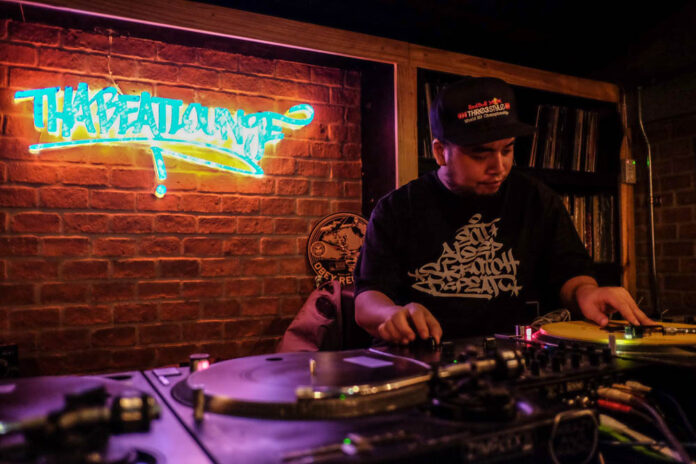
DJ Spydamonkee at his club Tha Beatlounge on RCA. Photo: Kittipong June Tangkamonkit

Top: DJ Spydamonkee at his club Tha Beatlounge on RCA. Photo: Kittipong June Tangkamonkit

Metee Quanbooncham, aka DJ Spydamonkee, is one of the pioneers in Thailand’s Turntablist scene. With a career that has spanned two decades, it is a title he deserves.

Those new to the whole DJ culture thing might be confused with the word turntablist. Turntablism is the art of using a turntable and mixer to create music in a way more commonly known as scratching. All this waka-waka scratch stuff may look easy, but there’s quite a lot of theory and practice. I’d say it’s on the same level as learning any other musical instrument only there are no rules and experimentation is the driving force.

Notes from the Underground - Mongkorn 'DJ Dragon' TimkulOutside of the underground scene, many know Spydamonkee as the official DJ for superstar rapper Joey Boy, an occupation he’s had for over 10 years. But his original claim to fame came in 1997, when he he was the second DJ to represent Thailand at the DMC World Finals, a DJ competition where the best turntablists in the world compete for supremacy.

Besides being an in demand DJ and wowing crowds with his amazeballs turntable tricks, the DJ also runs Tha Beatlounge, a small club space on Bangkok’s Royal City Avenue. It’s here where we met to talk.

Originally a three-floor office space, the top floor was converted into Spydamonkee’s recording studio with the middle and bottom floors used for the club, where people flock to on weekends to listen to DJs show off their skills. There’s a community vibe here and it’s the venues open-arms policy toward any DJ who wants to perform that has made it the go-to place in both the hip-hop and turntablist scenes.

To the surprise of many of its dedicated clubbers, Spydamonkee said he was closing the doors forever earlier this year, but as he explained to me, he re-opened it fully renovated in May in the true spirit of YOLO.

It’s here at Tha Beatlounge that serves as the location for our interview. Inside on the renovated club’s brick walls are pictures of all the legendary Turntablists that have graced the decks at Beat Lounge. With all the hip-hop album sleeves strewn on the walls, it gives off a Jazz club vibe.

Mongkorn Timkul: What made you interested in scratching and turntablism?

Spydamonkee: Well I got into this after you and Khan (Thaitanium). I was just a skater kid at that time and a lot of the music in skate video’s got me interested in hip-hop.I used to play in metal bands when I was a kid, and what I like as a turntablist is that we play the turntable like an instrument. Club DJs mix for people to dance, but we do this for people who want to see a performance.

MT: You spent your college years in San Francisco, is that where you honed your skills?

SM: I was always eager to learn but back in those days there weren’t many places in Bangkok that I could learn. So yeah I really excelled in learning techniques when I went to the states.

MT: You’ve been Joey Boy’s official DJ for his whole career. It must be quite a fun and glamorous job.

SM: Honestly after 10 years it’s like another job, but every time I perform I learn new things like how to interact with people, how to perform on stage and and how to move the crowd.

MT: Tha Beatlounge has always supported underground hip-hop in Thailand, everyone was shocked when you decided to close it. What made you change your mind and reopen it again?

SM: Five years ago I opened Tha Beatlounge because I needed a space for my personal recording studio, which is on the top floor.  The downstairs space didn’t have anything, so I decided to build a bar so my friends and I could chill. Another reason is I hate going to clubs where I don’t like the music, also I want the place to be a community center where people can hear good music from all subcultures. I was gonna close it, but I believe in the place and that people still want something different, plus I was worried that if I didn’t give it another shot I’d really regret it in the future.

MT: A lot of kids nowadays are attracted to DJing because they see other DJs, especially those doing EDM, and it looks so “easy.” How do you feel about the current state of the Turntablist scene in Thailand?

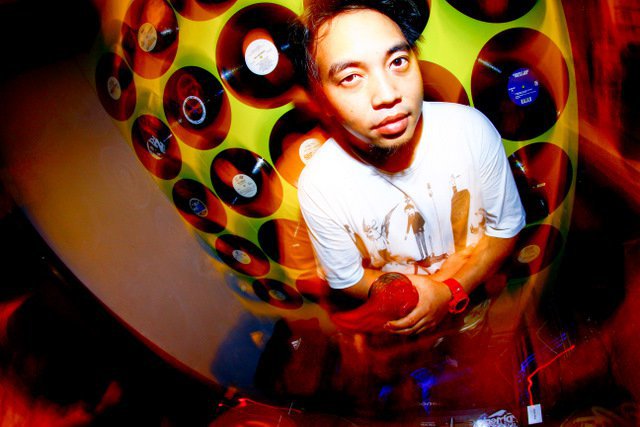
DJ Spydamonkee. Photo: Kittipong June Tangkamonkit

SM: Some people, they want to be a DJ because they want to be the center of attention. To me some DJs get paid a million baht for a set not because they’re good but because they have a really good marketing team working for them. Being a turntablist is not that hard, but most importantly you have to practice a lot. I think it’s something that everyone can enjoy, all you have to do is open your mind and try it and enjoy the sound that you create. There’s no right or wrong.

MT: The last time I saw you DJ was when we both competed in Red Bull Thre3style. You were the crowd favorite that night but unfortunately didn’t take the win. But I got a deeper appreciation of what you do and wonder if you plan on competing again?

SM: (Rolls his eyes) Fuck Red Bull! I don’t believe in battles anymore, you know why? Because this is music and you can’t judge music. Battling can be cool because it can tell you where your skills are at but nowadays, especially in Thailand, it’s about the marketing. Fuck Red Bull.

Advertisement

Pope Hails Volunteers on Eve of Mother Teresa Sainthood

Missionaries of Charity nuns hold a photo of Mother Teresa in St. Peter's Square at the Vatican on Saturday during a jubilee audience for workers and volunteers of mercy led by Pope Francis. Photo: Alessandra Tarantino / Associated Press

VATICAN CITY — Pope Francis on Saturday denounced what he called the modern-day sin of indifference to hunger, exploitation and other suffering, while commending the example of Mother Teresa on the eve of a sainthood ceremony for the nun who cared for India’s destitute.

Choosing “to not see hunger, disease, exploited persons, this is a grave sin. It’s also a modern sin, a sin of today,” Francis told thousands of lay volunteers in St. Peter’s Square at a special gathering to stress the need for more mercy and caring in the world.

Francis will lead a Sunday morning canonization ceremony in the square which is expected to draw huge crowds of faithful and other admirers of Mother Teresa, who founded an order of nuns devoted like her to giving tenderness and assistance to the poor who were sick and dying in the streets of Kolkata.

Cheering the pontiff in Saturday’s crowd were many nuns from her Missionaries of Charity order, each wearing the characteristic white sari trimmed in blue that makes them easily identifiable worldwide where they care for the needy. Francis greeted a group of these nuns as he was driven through the square in his pope mobile, and one of the nuns put a blue-and-white garland around his neck.

“Tomorrow, we’ll have the joy of seeing Mother Teresa proclaimed a saint,” he said. “She deserves it!”

In his speech to the volunteers, including some who helped rescue survivors of the Aug. 24 earthquake in central Italy, he decried those who “turn the other way not to see the many forms of poverty that begs out for mercy.”

Francis hailed volunteers as “artisans of mercy,” whose hands, voices, closeness and caresses help people who suffer feel loved. While in the square, he petted Leo, the Labrador which pinpointed a 4-year-old child who had survived in a pile of quake rubble. The dog raised a paw, which Francis grasped.

Since becoming pope in 2013, Francis has been encouraging Catholic faithful and institutions to tend to the needs of marginalized people.

He said the credibility of the church to a large extent depends on the service of Catholics to the poor, the homeless, prisoners, immigrants, refugees and others in need.

“The world needs concrete signs of solidarity, above all when faced with the temptation toward indifference,” he said.

In a shop in Kolkata which sells snacks and rosaries, Muslim shopkeeper Tanveer Ahmed recalled seeing Mother Teresa and other nuns take in a leprosy patient who lay bleeding in the street while others passed by, unmoved.

“We are fighting with each other. We are killing each other. But, if you want to see love, please look at Mother Teresa,” Ahmed said. He added: “I believe Mother is next to God.”

Story: Frances D’Emilio

Advertisement

Bomb Blast Hits Train in Pattani, Killing 1

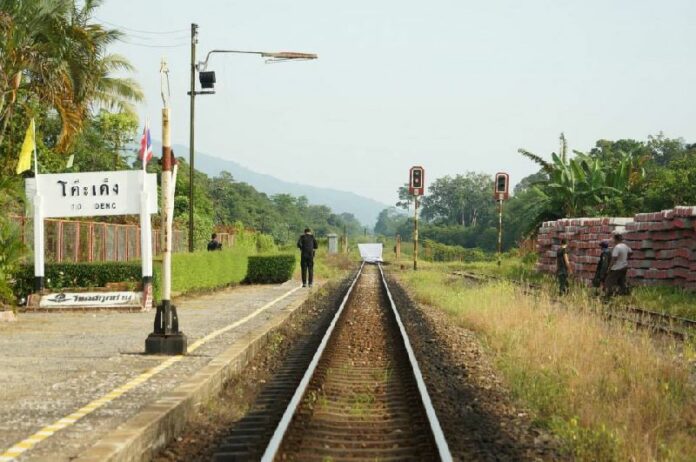
Two banners hung across a rail line in July 2015 near the To Deng train station in Narathiwat province accused the authorities of lying to the international community.

BANGKOK — Police say a bomb exploded and hit a train in southern Thailand, killing one railroad worker and injuring another.

Police Capt. Pramoj Juichuay said the bomb was placed on the tracks and exploded when the train passed over it near a station in Pattani province at around 5:30pm on Saturday. The bomb blast blew off the last carriage of the train.

The train was on its way from Sungai Golak to Hat Yai, near the border with Malaysia.

Advertisement

Samsung Recalls Galaxy Note 7 For Exploding Batteries

A customer holds a Samsung Galaxy Note 7 smartphone Friday at the headquarters of South Korean mobile carrier KT in Seoul, South Korea. Photo: Ahn Young-Joon / Associated Press)

SEOUL, South Korea — Samsung recalled its Galaxy Note 7 smartphones on Friday after finding some of their batteries exploded or caught fire.

Samsung’s Note 7s are being pulled from shelves in 10 countries, including South Korea and the United States, just two weeks after the product’s launch. Customers who already bought Note 7s will be able to swap them for new smartphones in about two weeks, said Koh Dong-jin, president of Samsung’s mobile business. The phone had yet to launch in Thailand.

He apologized for causing inconvenience and concern to customers.

The recall, the first for the new smartphone though not the first for a battery , comes at a crucial moment in Samsung’s mobile business. Apple is expected to announce its new iPhone next week and Samsung’s mobile division was counting on momentum from the Note 7’s strong reviews and higher-than-expected demand.

Samsung said it had confirmed 35 instances of Note 7s catching fire or exploding. There have been no reports of injuries related to the problem.

The company said it has not found a way to tell exactly which phones may endanger users out of the 2.5 million Note 7s already sold globally. It estimated that about 1 in 42,000 units may have a faulty battery.

Samsung didn’t say whether customers should stop using their phones, or whether explosions and fires could happen when the phone wasn’t charging. Consumers who complained publicly said the problem came while the phone was being charged.

“The ball is in Samsung’s court to make this right. Consumers want information about what’s going on and peace of mind that this is not going to happen again,” said Ramon Llamas, who tracks mobile devices at research firm IDC. “No one wants to wake up at 1, 2 or 3 (in the morning) and find out your smartphone’s on fire.”

He added that while phone combustions are unusual, “35 instances are 35 too many.”

This summer, Samsung ran into a quality-control issue with another smartphone, a niche model called the Galaxy S7 Active. Consumer Reports found that the phone didn’t live up to its water-resistance promises. Samsung said that relatively few phones were affected and that it had identified and fixed the manufacturing problem. Samsung said it would replace devices under warranty if it failed, but it declined to let customers swap phones otherwise or to issue a broader recall.

On the Note 7, after complaints surfaced online, Samsung found that a battery cell made by one of its two battery suppliers caused the phone to catch fire. Koh refused to name the supplier.

“There was a tiny problem in the manufacturing process, so it was very difficult to figure out,” Koh told reporters at a news conference. “It will cost us so much it makes my heart ache. Nevertheless, the reason we made this decision is because what is most important is customer safety.”

The phones start at $850 in the U.S., more expensive than most phones. In the U.S., Samsung said it will let customers downgrade to a Galaxy S7 and refund the price difference. Or customers can get a replacement Note 7 as early as next week.

Customers’ reports of scorched phones prompted Samsung to conduct extra quality controlling tests and delay shipments of the Note 7s this week before the recall.

South Korean high school teacher Park Soo-Jung said she had rushed to buy the new phone, pre-ordering and then activating it on Aug. 19, its official launch date.

The 34-year-old living in the port city of Busan said that she was bruised when she rushed out of bed after her phone burst into flames, filling her bedroom with smoke stinking of chemicals.

She’s having second thoughts about buying another newly released device, especially after losing all her personal data stored in the destroyed Note 7, she said.

“If the exploded phone had burned near my head, I would not have been able to write this post,” she said in a popular online forum Thursday, where she shared a photo of the scorched Note 7 and described dousing the flames.

China is not affected by the sales suspension. The company said it used a battery made by another supplier for the Note 7s sold in China.

Story: Youkyung Lee

Advertisement

Duterte Declares ‘State of Lawlessness’ After Bombing

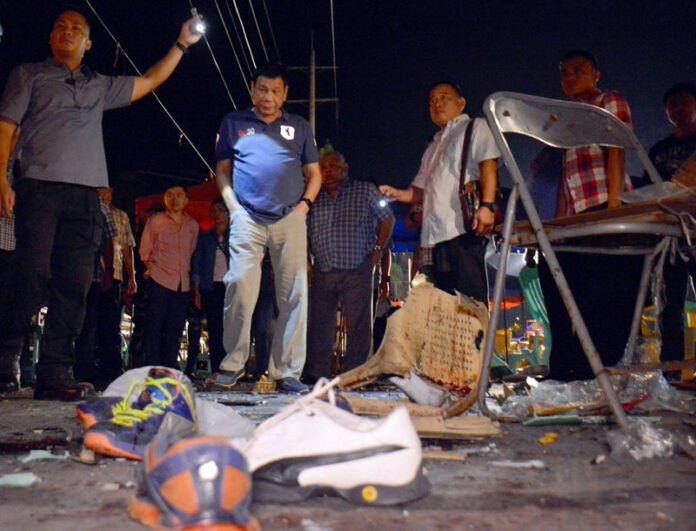
Philippine President Rodrigo Duterte, second left, on Saturday visits the site of the previous night's explosion that killed more than a dozen people and wounded others at a night market in Davao city, his hometown. Photo: Robinson Ninal / Philippines Government / Associated Press

DAVAO, Philippines — Philippine President Rodrigo Duterte declared a nationwide “state of lawlessness” Saturday after suspected Abu Sayyaf extremists detonated a bomb that killed 14 people and wounded about 70 in his southern hometown.

Duterte, who inspected the scene of Friday night’s attack at a night market in downtown Davao city, said his declaration did not amount to an imposition of martial law. It would allow troops to be deployed in urban centers to back up the police in setting up checkpoints and increasing patrols, he said.

An Abu Sayyaf spokesman, Abu Rami, claimed responsibility for the blast near the Jesuit-run Ateneo de Davao University and a five-star hotel, but Duterte said investigators were looking at other possible suspects, including drug syndicates, which he has targeted in a bloody crackdown.

“These are extraordinary times and I supposed that I’m authorized to allow the security forces of this country to do searches,” Duterte told reporters at the scene of the attack, asking the public to cooperate and be vigilant.

“We’re trying to cope up with a crisis now. There is a crisis in this country involving drugs, extrajudicial killings and there seems to be an environment of lawless violence,” said Duterte, who served as mayor of Davao for years before elected to the presidency in June.

The attack came as Philippine forces were on alert amid an ongoing military offensive against Abu Sayyaf extremists in southern Sulu province, which intensified last week after the militants beheaded a kidnapped villager. The militants threatened to launch an unspecified attack after the military said 30 of the gunmen were killed in the weeklong offensive.

Rami, the Abu Sayyaf spokesman, is the son-in-low of Mohammad Said, an influential militant commander who used the nom de guerre Amah Maas and was killed in the ongoing Sulu offensive. Davao Vice Mayor Paulo Duterte, the president’s son, also told reporters that militants linked to the Islamic State group had threatened the progressive city.

Some commanders of the Abu Sayyaf, which is blacklisted by the United States and the Philippines as a terrorist organization for deadly bombings, ransom kidnappings and beheadings, have pledged allegiance to IS. The military, however, says there has been no evidence of a direct collaboration and militant action may have been aimed at bolstering their image after years of combat setbacks.

Communications Secretary Martin Andanar said the bomb appeared to have been made from a mortar round and doctors reported many of the victims had shrapnel wounds.

Despite the emergency, Duterte said he would proceed with trips to Brunei, Laos and Indonesia starting Sunday, but a Department of Foreign Affairs official later told The Associated Press that the Brunei leg of Duterte’s first foreign visits has been postponed. At an Asian summit in the Laotian capital of Vientiane, Duterte said in jest that most of the leaders he would meet, including President Barack Obama and Russian leader Vladimir Putin, have had a taste of terrorist attacks.

Armando Morales, a 50-year-old masseur, said the explosion threw him off his chair, adding the blast had an upward force and emitted smoke but no fireball which could have killed more people. He saw at least 10 people lying bloodied on the ground, mostly fellow masseurs and their customers.

“I helped tie their wounds to prevent blood loss,” the still-dazed Morales said. “They were pale like dead already.”

Police immediately set up more checkpoints in key roads leading to the city, a regional gateway about 980 kilometers south of Manila. The police force in the capital also went on full alert at midnight.

U.S. National Security Council spokesman Ned Price said in a statement that local authorities in the Philippines continue to investigate the cause of the explosion, and the United States stands ready to provide assistance to the investigation.

Obama will have an opportunity to offer his personal condolences to Duterte when the two leaders plan to meet on the sidelines of the summit of the Association of Southeast Asian Nations leaders in Laos next week, Price said.

Story: Manuel Cayon, Jim Gomez

Advertisement

Practicing The Principles We Preach

A sign outside the Bangkok newsroom of Prachatai. Photo: Prachatai / Courtesy

A society needs as diverse views and news as possible so people can compare, debate and learn. In Thailand, there are people who believe only certain types of media organizations should be permitted and viciously attack the alternative voices, such as what happened last month when they singled out online news site Prachatai.com.

It all began when an obscure site churning in conspiracy theories said part of Prachatai’s financial support comes from Open Society Foundations, an organization which issues grants to support progressive causes such as the rights of women and minority groups. Its founder, Hungarian-American financier George Soros, is the subject many ultra-right conspiracy theories and, closer to home, blamed by some along with the IMF for the 1997 economic crisis.

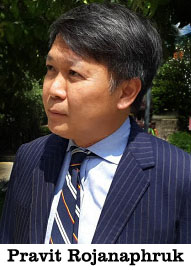
Pravit RojanaphrukBy connecting those dots, the conspiracy theorists then leap to accuse nonprofit Prachatai of being an agent of U.S. hegemonic interests that is undermining Thailand’s sovereignty because it has reportedly accepted 1.7 million baht per year from Soros’ Foundation.

As someone who’s been an unpaid columnist for Prachatai for many years, I have never doubted the good intentions and sacrifice made by its dozen-strong editorial staff. Pay is generally lower than at most mainstream Thai media outlets, and some young staff earn so little that they don’t even meet the minimum income level required to pay taxes.

One of Prachatai’s major contributions to the media landscape is arguably the most detailed and consistent news reports and interviews related to the controversial lese majeste law and so-called prisoners of conscience.

They are also very strong on covering grassroot movements upcountry, something the mainstream mass media have been uninterested or unable to do.

There’s no such thing as a free lunch, however, even at Prachatai. Its dependency on Western funding make them most vulnerable to being smeared as peddling foreign influence. This plays into the hands of those fighting the information shadow war between East and West.

For its part, Prachatai has consistently denied the charge, and it should be noted, it has run articles critical of American policy in the past. There’s no denying it may be difficult for Prachatai to write an article specifically scrutinizing Soros, for example, as is the case with mainstream journalists who may have to think twice before writing reports critical of their major advertisers.

As an alternative news portal trying to shed light on sensitive and controversial political issues, thus making Thai society more transparent, Prachatai should show the same transparency by disclosing all its income sources in an accessible way on its website. It’s not the first time this pressure has been brought to bear on Prachatai, and when it did many years ago I urged them to do so. They did for one financial year but since stopped to their own detriment.

Trying to hide such information will only be detrimental to the credibility of the organization. By not being pro-actively transparent, Prachatai ends up feeding into the imaginations of conspiracy theorists and enemies of democracy. And it reflects badly on the organization.

When an organization is secretive, it is fair to be suspicious of its motives. This is definitely true in the case of New Atlas, the site twisting logic and reason to manufacture all manner of anti-Western conspiracy theories. The site makes no mention of who’s behind it or who’s paying for it (Certainly not advertisers – the site doesn’t appear to have any).

Back to Prachatai, the organization has had little success trying to raise funds locally. It should double its efforts and keep trying. More so, pro-democracy and progressive Thais should put their money where their mouths are. They’ll only have themselves to blame if they allow this decade-old alternative voice die for lack of local support. In the end, a society that does not want to invest in advancing the social and political debate and coverage will in the long run prove undeserving of it.

Advertisement

Prepared For Siege, Pom Mahakan Brokers Compromise With City

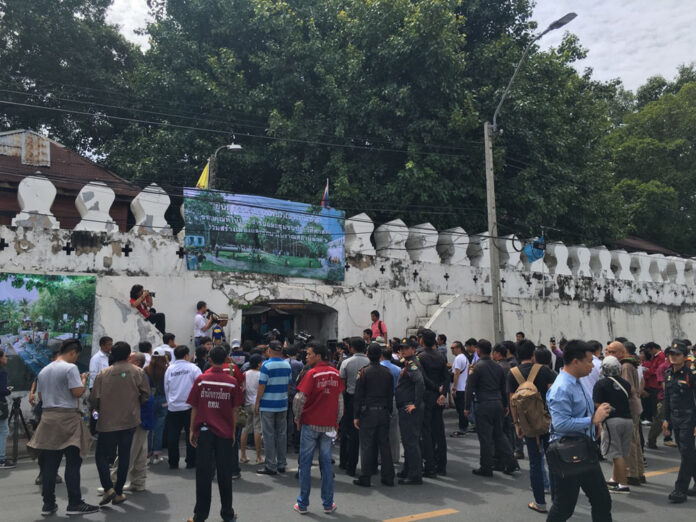
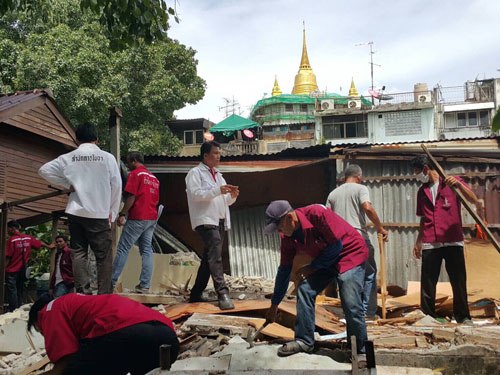
City staff and members of the media outside the gates of Pom Mahakan, which were closed Saturday morning to stymie demolition by the city.

BANGKOK — A tense showdown Saturday morning between a city demolition crew and historic community ended peacefully with an agreement allowing workers to demolish only homes whose owners had accepted compensation to leave.

The confrontation began at about 9am when Deputy Bangkok Gov. Aswin Kwanmuang led city personnel and demolition equipment to an old fort next to Wat Saket and tried to enter the community behind its wall. The residents and supporters of Pom Mahakan had already gathered to prevent the city from making good on its threat to demolish the roughly 50 residences inside.

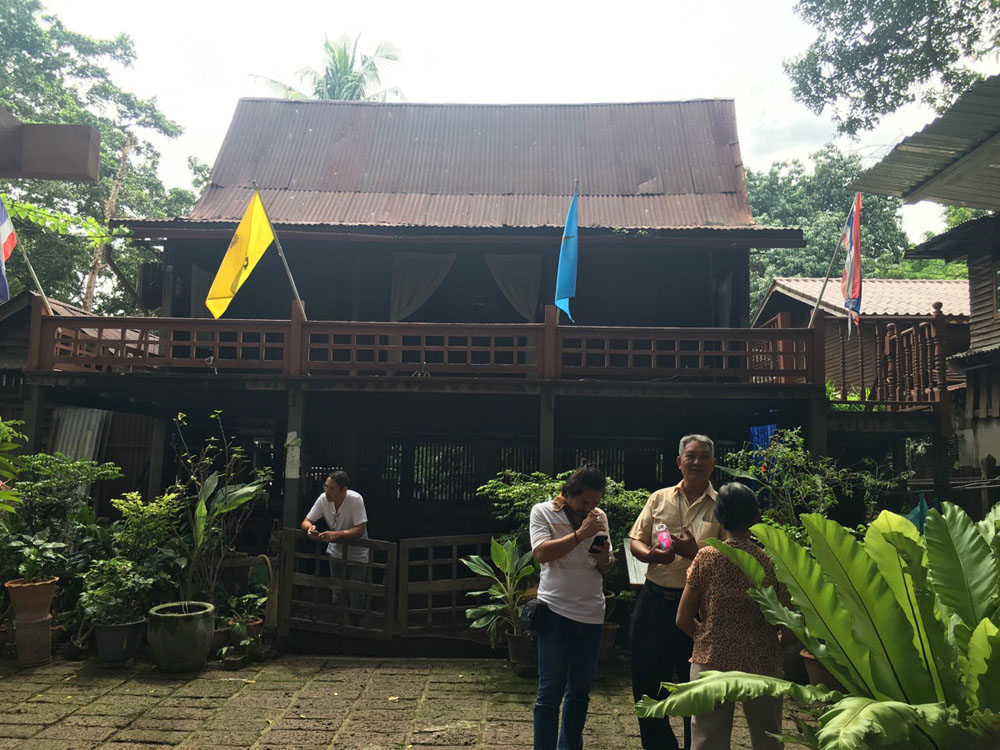
One of 13 residences whose owners had agreed to leave, this century-old building was spared from demolition under a compromise reached Saturday morning.

As the situation escalated, residents decided to close the fort for security and only allowed top city officials, academics and activists inside for discussion. Like in a siege setting befitting the fort’s historical purpose, its large doors were shut tight and people only allowed through one at a time.

Ultimately, the discussion ended with agreement that only the 12 houses whose owners had volunteered to leave would be knocked down.

“We can’t deny that some resident took the compensation on April 19, said community leader Thawatchai Woramahakhun. “It is also their rights to leave.”

The city agreed to spare a 13th home which met that condition because it was a century-old landmark in the heart of the community.

As for the rest, a committee will be formed to find an inclusive solution.

Both sides agreed to let human rights activist Angkhana Neelaphaijit, who was present, moderate further negotiations.

City workers dismantle one of a dozen homes inside the Pom Mahakan community Saturday in Bangkok.

In 2005 the Supreme Court ruled that City Hall had the right to clear out the century-old community and replace it with a park, as it is situated on public land.

No written agreement was made today as Aswin said staff could be guilty neglecting their duties if they signed anything contradicting the court order.

“There will not be another forcible eviction apart from these 13 houses while we are negotiating,” Aswin said.

Advertisement

King Reportedly Suffering From ‘Severe Infection’

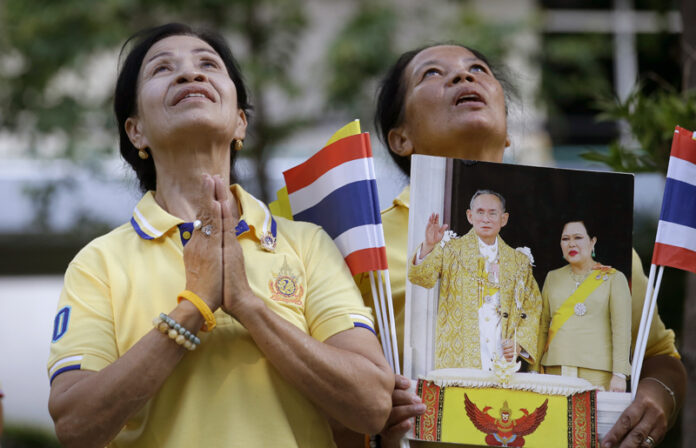
Thais hold portraits of King Bhumibol Adulyadej and Queen Sirikit as they pray outside of the Grand Palace during the celebrations marking the 70th anniversary of his accession to the throne on June 9 in Bangkok. Photo: Sakchai Lalit / Associated Press

BANGKOK — King Bhumibol Adulyadej has been treated for a severe infection, the Royal Palace said in a statement, the latest in what have become regular medical reports about the continuously deteriorating health of the world’s longest reigning monarch.

A statement issued by the palace late Friday said the 88-year-old king was observed with a high heart beat and thick mucus. It said a test result of the mucus and blood “indicated a severe infection.” It did not elaborate.

Bhumibol has been hospitalized for a large part of the past decade, mostly with ailments associated with aging. He has not made a public appearance since January.

In the past months, official announcements about his health have increased in frequency, but their narrow and technical focus make it hard to gauge the king’s overall condition.

Friday’s statement said an X-ray revealed that the king had fluid in his lungs, which a treatment helped to reduce. The king’s low blood pressure and a fever have since improved and his medical team is continuously watching the symptoms closely, the statement said.

At various times during his hospitalization, the king was said to have been fed intravenously and given oxygen to assist his breathing.

A statement in June said that doctors drained excess fluid from his brain, the second time this procedure has been carried out on him.

Advertisement

Hot News

LATEST NEWS

Bangkok
overcast clouds
30 ° C
31.6 °
30 °
75 %
4.7kmh
100 %
Sun
31 °
Mon
33 °
Tue
33 °
Wed
31 °
Thu
29 °