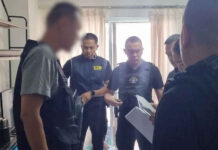
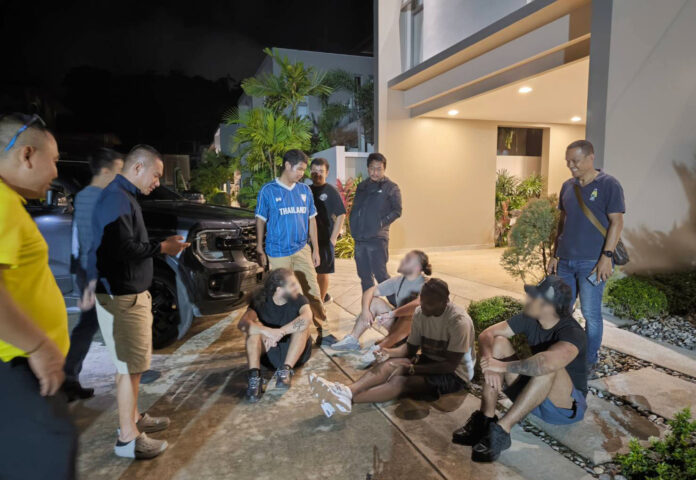
Phuket police arrest four British suspects at a luxury villa behind Cherng Talay Municipal Office on September 19, 2025.
PHUKET — Phuket police have arrested four British nationals within hours of a daylight robbery targeting an American lawyer’s $72,000 luxury watch, with the victim praising authorities for their swift response.
The incident occurred at 4:19 p.m. on September 18 in Layan Soi 7, Cherng Talay subdistrict, when a car deliberately rammed the rear of a motorcycle ridden by an American man before robbing his luxury watch.
The entire incident was captured on dashcam footage by Sompoom Nophawaankaew, a Phuket Airport firefighter who was driving home when he witnessed the robbery. “I was shocked because I’d never seen anything like this,” he said. “I saw the robbers had both knives and guns threatening the victim.” After the robbery, the American man ran to him for help, and Sompoom agreed to provide the video evidence to police.
The victim, an American lawyer based in Switzerland, told police he has visited Thailand over 60 times and had been in the country for 10 days when the attack occurred. He had been in the country for about 10 days, spending the day visiting cafes, markets, a laundry, and convenience stores before the attack.
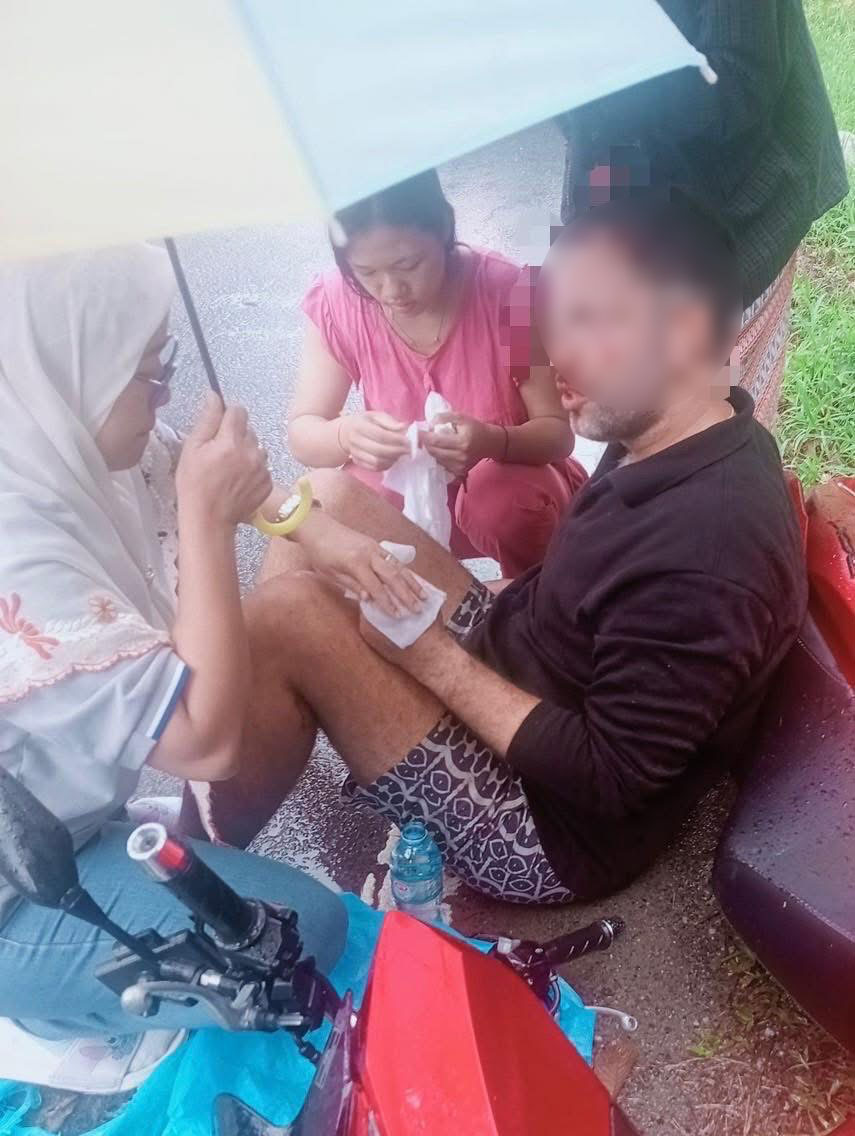
While riding his motorcycle back to his accommodation, he was rammed by a sedan. Two large men then attacked him, striking his neck once with a knife handle and demanding his watch in clear English, threatening further violence if he refused. Feeling he had no choice, he surrendered the timepiece before the perpetrators fled.
Two good Samaritans tend to the injured American man who was assaulted and robbed on Layan Soi 7, Cherng Talay subdistrict, Thalang district, Phuket Province on September 18, 2025.
“I’ve never had problems with anyone before or experienced anything like this,” the victim said. “I believe the gang had planned and followed me, choosing a time when few tourists were on the road to carry out this brazen attack. It was as violent as a movie scene, and I couldn’t defend myself.”
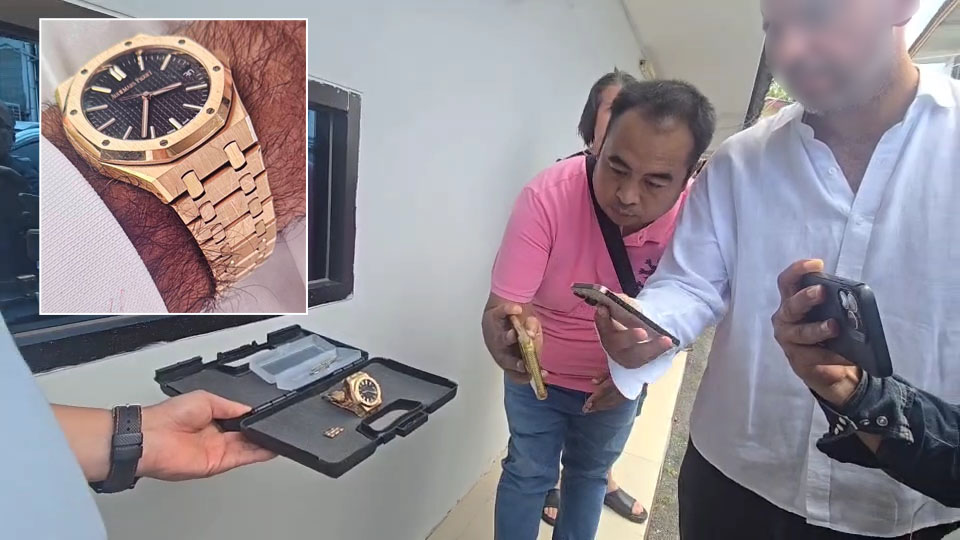
Police tracked the suspects through CCTV footage and fingerprints from the abandoned getaway car, leading to Friday morning arrests at a luxury villa behind Cherng Talay Municipal Office: Hussain (26), Wayne (25), Yanne (25), and Malique (27). Officers recovered the 2.3 million baht Audemars Piguet watch along with three vehicles and two firearms.
Following the arrests, the American victim visited Cherng Talay Police Station and praised the investigation. “I want to commend Phuket police for their professional and efficient work. They tracked down the criminals and made arrests within just a few hours,” he said. “This incident doesn’t affect my confidence because I’m certain Thailand remains a safe country for tourists.”
The American man (in white shirt) and reporters photograph the recovered Audemars Piguet watch that was stolen in the robbery, at Cherng Talay Police Station, Phuket Province on September 19, 2025.
The victim suggested the Thai government consider implementing background checks or screening procedures for foreign visitors from all countries to prevent criminals from entering and ensure decisive legal action against perpetrators.
Police Colonel Sinlert Sukhum, Phuket Provincial Police Commander, said investigators are gathering evidence about the suspects’ relationships and whether others were involved. All four have been charged with armed robbery.
“I want to thank the good citizen who helped and provided evidence for our investigation,” he said. “If anyone has information or has experienced similar incidents, please come forward to view the suspects.”
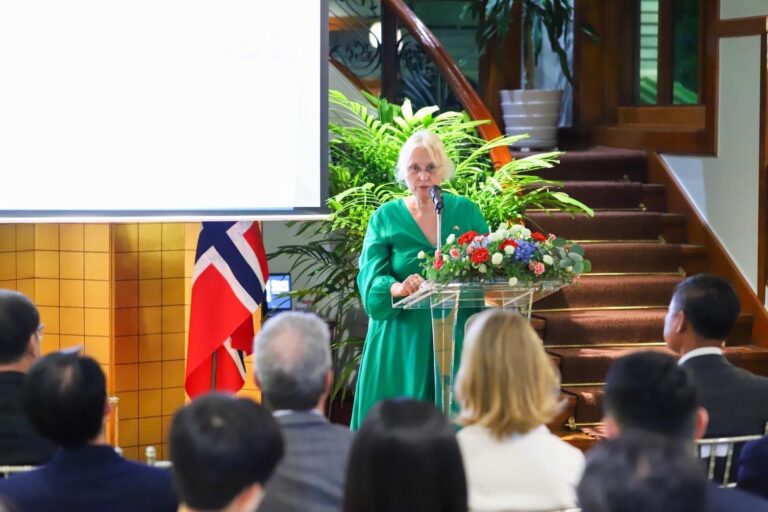
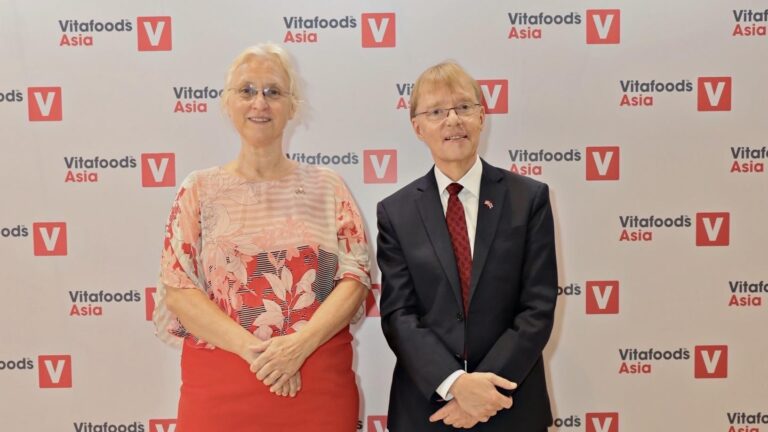
Bangkok, Thailand — The Royal Norwegian Embassy in Bangkok and the Thai-Norwegian Chamber of Commerce successfully spotlighted Norway’s world-leading food supplement industry during Vitafoods Asia 2025 through a high-profile networking reception and ambassador-led engagements.
Under the theme “Bridging Norwegian and Thai Food Supplement Communities,” the programme provides a powerful platform for Norwegian biotechnology innovators and Thailand’s expanding food supplements sector to connect, collaborate and form partnerships in one of Asia’s fastest-growing health markets.
A Convergence of Opportunity
The demand for functional foods and food supplements has been expanding rapidly across Asia, driven by heightened consumer awareness of preventive healthcare and the benefits of natural, marine-based ingredients. Vitafoods Asia once again proved to be the region’s premier stage, attracting more than 650 exhibitors and 13,000 global attendees from over 38 countries.
Norway, with its pristine Arctic resources and science-driven biotech expertise, had active engagement at this year’s exhibition. Norwegian companies showcase how they continue to set international benchmarks in purity, sustainability and scientific rigor with the qualities that strongly appeal to Thai partners seeking reliable, science-backed solutions for a health-conscious consumer base.
H.E. Astrid Emilie Helle, Ambassador of Norway to Thailand, underlines the importance of the initiative that “Norwegian exhibitors at Vitafoods Asia 2025 go far beyond simply showcasing their products. They demonstrate Norway’s strong commitment to advancing wellness through science, sustainability and innovation on a global scale. It was encouraging to see Thai investors, importers, distributors and health entrepreneurs engaging with Norwegian companies, not just as suppliers, but as long-term partners.”
The year 2025 marks the 120th anniversary of diplomatic relations between Norway and Thailand. The collaboration between the two nations holds great promise, paving the way for continued growth, transparency and mutual benefits which are underpinned by a shared commitment to sustainability.
Reflecting on the strong engagement at the networking reception, Ambassador Helle adds: “The enthusiasm on both sides confirms that health innovation is truly global and that Thailand’s vibrant food supplements sector is ready to embrace high-quality, research-backed solutions. Norway, with its unique combination of natural resources and biotechnology expertise, is uniquely positioned to be a trusted partner on this long-term journey.”
Axel Blom, President of the Thai-Norwegian Chamber of Commerce, also highlights the outcomes, noting that “We are honoured to organise the networking reception as a platform to bridge the Norwegian and Thai food supplement communities. What we witness is not just general networking but the building of meaningful business bridges. Thai stakeholders express strong interest in Norwegian innovations, recognising the credibility that comes from products built on principles of scientific rigor and sustainability.”
“Several discussions between Thai and Norwegian food supplement companies already indicate promising future partnerships and investments, and that is exactly the kind of momentum we hope to generate. For the chamber, our mission is to facilitate these intersections of innovation and market demand, and this year’s Vitafoods Asia shows how powerful that connection can be.”, Mr. Blom adds.
Norwegian Food Supplement Innovators at Vitafoods Asia 2025
The Norwegian delegation showcases the country’s excellence in food supplements, featuring innovations across krill oil, high-quality omega-3 concentrates, advanced delivery technologies and consumer-ready health brands.
At the forefront stands Aker BioMarine Human Ingredients AS, the world’s leading krill oil supplier whose Superba Krill products set the benchmark for quality and sustainability. Backed by more than 50 clinical studies, these studies have consistently supported the positive health effects of krill oil across a range of health areas.
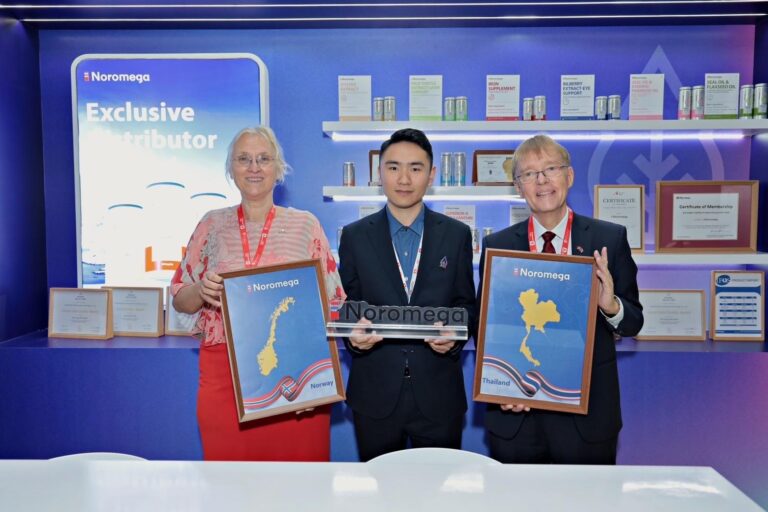
Complementing the food supplements sector, Noromega presents flagship product Superior-A Astaxanthin — formulated with high-purity astaxanthin, Pycnogenol®, glutathione and essential vitamins for skin hydration, radiance and firmness. Due to the expanding of Noromega into ASEAN, Noromega warmly invites partners to explore opportunities in the fast-growing health supplement market.
Scientific depth is represented by Arctic Bioscience AS, which showcases its premium phospholipid omega-3 products derived from North Atlantic herring roe. Clinically tested and positioned to support brain health, sports performance and healthy ageing, the company demonstrated how advanced research is transforming marine resources into targeted food supplement solutions.
Building on Norway’s long-standing marine oil heritage, Epax Norway AS, with a history dating back to 1838, underlines its reputation as a pioneer in condition-specific EPA/DHA ingredients. Today Epax continues to deliver Omega-3 products of unmatched purity and quality. Alongside them, GC Rieber VivoMega AS is a world-leading supplier of premium Omega-3 concentrates from both marine and plant-based sources. With more than 100 years of industry experience, they produce EPA- and DHA-rich oils that meet the highest global quality standards – including GOED monograph compliance and IFOS certification. Together, these two companies showcase the legacy and precision that have made Norway synonymous with trusted marine oils.
Rounding out the delegation is Concordix by Vitux demonstrates how technology reshapes the consumer supplement experience. By boosting nutrient absorption by nearly 45% compared to traditional softgels, reinforcing Concordix’s commitment to science-driven health solutions.
Together, these six Norwegian companies present not as isolated businesses, but as an ecosystem of innovation, each reinforcing the other and collectively positioning Norway as a strategic partner for Asia’s next wave of health and wellness demand.
Looking Ahead
The new connections established at Vitafoods Asia 2025 are paving the way for new trade and investment opportunities, highlighting how collaboration in the food supplements sector can contribute to the long-term economic growth of both Thailand and Norway.
The Chamber emphasises that the 2025 initiative sets a new benchmark for bilateral engagement in the food supplements sector between Thailand and Norway. By combining a strong exhibition presence with a tailored networking platform, Norwegian companies deepen their foothold in Thailand’s health and wellness market while laying the groundwork for sustainable, long-term collaborations across Asia.
About Thai-Norwegian Chamber of Commerce
The Thai-Norwegian Chamber of Commerce was founded in 1996 with the aim of facilitating increased trade and investment between Norway and Thailand. The chamber represents a diverse membership of companies and professionals committed to advancing business relations between Thailand and Norway. Through networking, advocacy, and knowledge sharing, the chamber fosters opportunities that benefit both economies and promote sustainable growth.
Embark on a one-of-a-kind gastronomic journey with Indian culinary icon and sustainability champion Deepanker Khosla from November 1-2, 2025, including an exclusive omakase dinner and cooking class
Bangkok, Thailand: W Koh Samui is inviting adventure-seeking foodies to embark on an extraordinary epicurean escape that brings together the finest neo-Indian cuisine from HAŌMA, the highly acclaimed Bangkok restaurant, with the fresh yet bold flavors of Namu, the vibrant Japanese venue on the pure shores of Koh Samui.
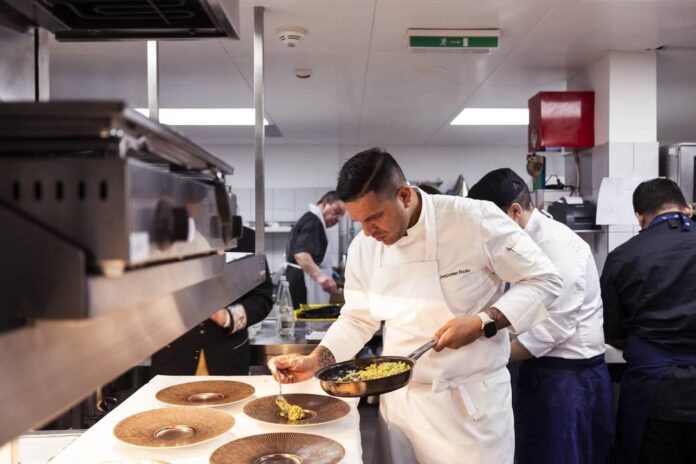
A Michelin One Star and Green Star winning restaurant and holder of the “Sustainable Restaurant Award” by The World’s 50 Best Restaurants list, HAŌMA presents the creative skill and vision of culinary maestro Deepanker Khosla, who uses highly sustainable produce and homegrown Thai ingredients to transport diners on a journey to every corner of India.
For two days only this November, Chef Deepanker – who also achieved the first ever “Champions of Change” award from The World’s 50 Best Restaurants list – will thrill guests, alongside Chef Daniel Carbajal, Japanese Chef at Namu, W Koh Samui with “A Dialogue in Umami & Spice” – a series of money-can’t-buy experiences that showcase mesmerizing, multi-sensory gastronomy in a stunning seafront setting.
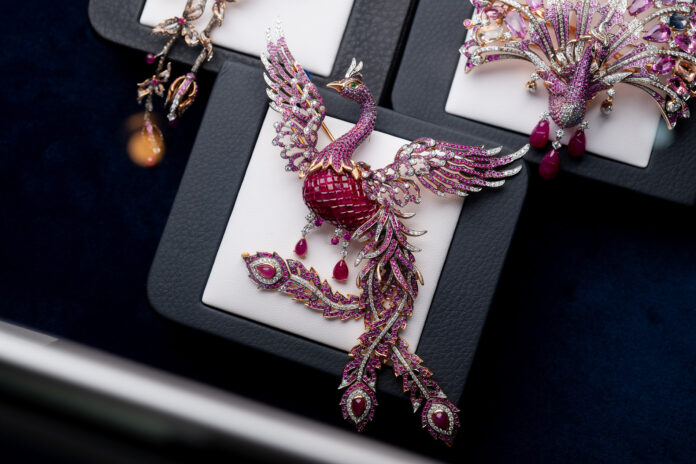
Exquisite high jewelry pieces featuring pink sapphires and diamonds are displayed at the 72nd Bangkok Gems & Jewelry Fair, from September 9-13, 2025 at Queen Sirikit National Convention Center.
BANGKOK — The 72nd Bangkok Gems & Jewelry Fair delivered its strongest performance to date, generating $147.4 million in trade value during its five-day run from September 9-13, 2025. The results represent a 26% increase from the previous edition and exceeded organizers’ targets by 34%.
Held at Queen Sirikit National Convention Center, the fair attracted 46,129 trade visitors, marking a 15.3% rise in attendance. International buyers comprised 61% of attendees, representing 121 countries, with India, Myanmar, China, Sri Lanka, and Japan leading visitor numbers.
“The fair achieved the highest sales results in its history,” said Sunanta Kangvalkulkij, Director-General of the Department of International Trade Promotion (DITP) on September 19. “This overwhelming response underscores Thailand’s reputation as a global hub for gems and jewelry.”
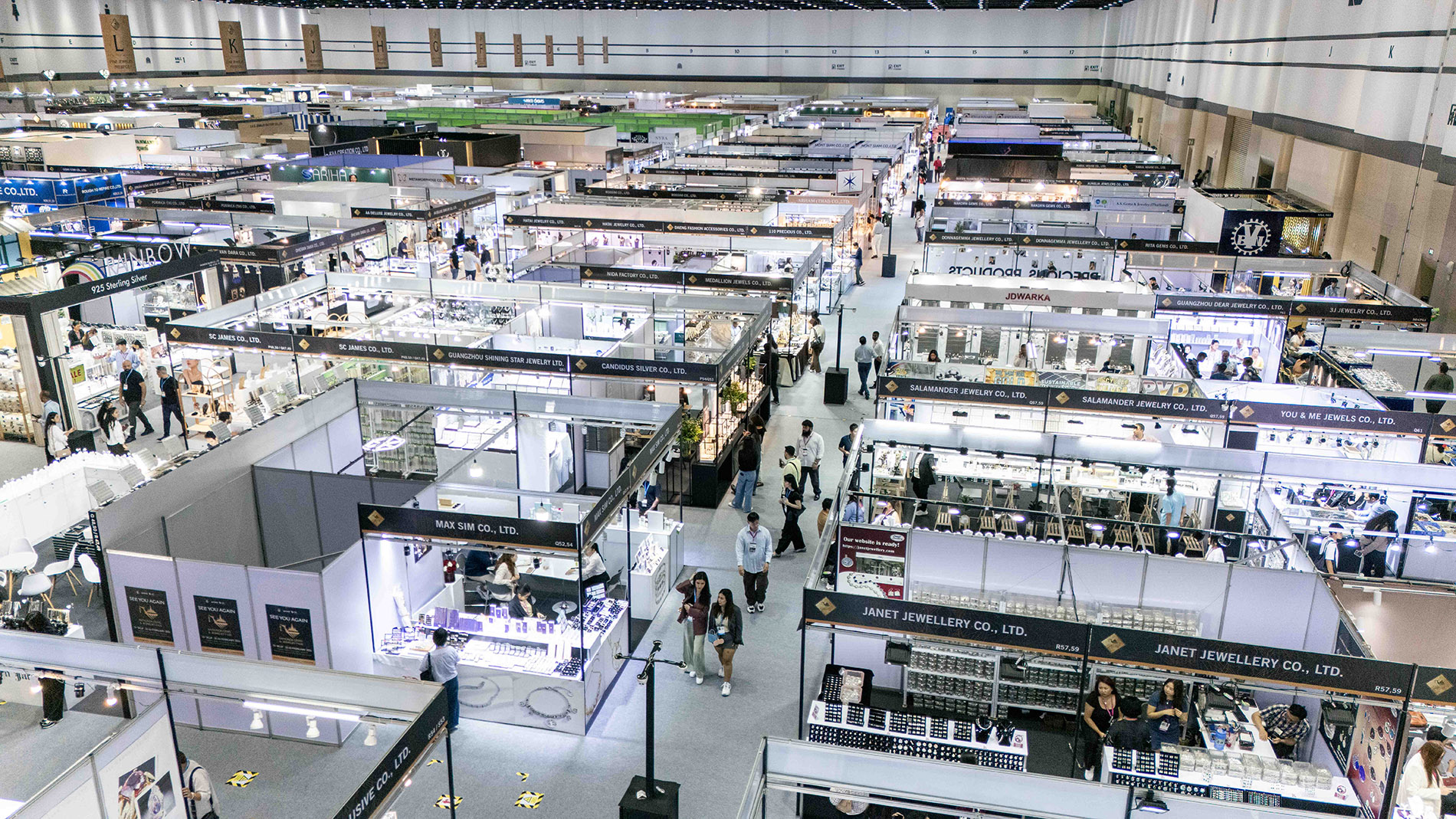
The bustling exhibition floor at Queen Sirikit National Convention Center during the 72nd Bangkok Gems & Jewelry Fair, where 1,106 exhibitors across 2,628 booths welcomed over 46,000 trade visitors from 121 countries.
The event featured 1,106 exhibitors across 2,628 booths, occupying all eight halls at the convention center. Colored gemstones emerged as the top-selling category, accounting for over one-third of total trade value and reinforcing Bangkok’s position as the world’s largest colored gemstone sourcing hub.
Silver jewelry, fine jewelry, machinery and equipment, and diamonds rounded out the five most popular product categories.
Sumed Prasongpongchai, Director-General of the Gem and Jewelry Institute of Thailand, highlighted exhibitor satisfaction with the event’s quality and year-over-year sales growth. The fair also incorporated industry programming, including the “Gilded Souls: The Ethos of Thai Craftsmanship” exhibition and the World Gold Council’s Thailand Gold Forum.
International buyers examine gemstones and jewelry at the 72nd Bangkok Gems & Jewelry Fair, where colored gemstones accounted for over one-third of the event’s record $147 million in trade value.
The success positions the Bangkok fair among the world’s top four jewelry trade shows. Organizers have announced plans to expand the international zone to over 250 booths for the 73rd edition, scheduled for February 22-26, 2026, at the same venue.
The strong performance reflects Thailand’s growing influence in the global gems and jewelry trade, supported by collaboration between 17 government agencies and industry associations.
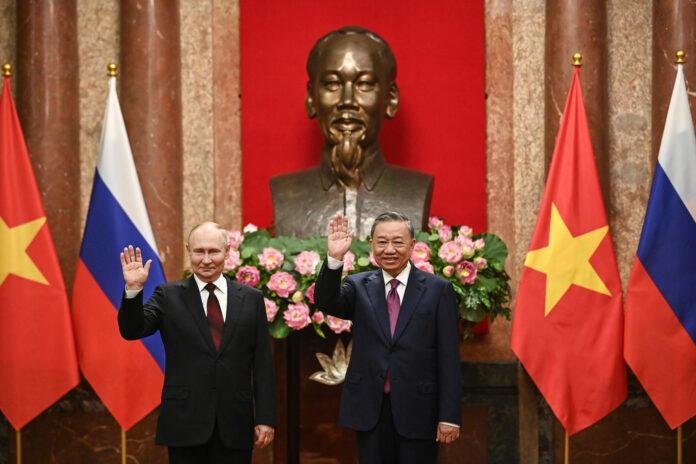
FILE - Russian President Vladimir Putin, left, and Vietnam's President To Lam pose for photos at the Presidential Palace in Hanoi, Vietnam on June 20, 2024. (Nhac Nguyen/Pool Photo via AP, File)
By DAVID RISING
BANGKOK (AP) — Russia and Vietnam have developed a back-door method of concealing arms deal payments to avoid American and other Western sanctions, using the profits from joint oil and gas ventures to pay off defense contracts without any open transfers of cash through the global banking system, according to internal Vietnamese documents obtained by The Associated Press.
Under the system, Vietnam has purchased Russian military equipment including fighter jets, tanks and ships on credit from Moscow, then pay that credit back from its share of profits from a joint Vietnam-Russia oil company operating in Siberia. Such transactions are irregular in international financial markets and in this case are designed to keep cash quietly flowing even if sanctions aimed at ending Russia’s war on Ukraine are strengthened, the documents make clear.
The revelation comes at a precarious time when the U.S. is trying to strengthen ties with Vietnam as a bulwark against growing Chinese assertiveness in Southeast Asia, and has ongoing trade negotiations after the White House imposed 20% tariffs on Hanoi, while at the same time President Donald Trump is threatening even more stringent sanctions on Moscow.
The European Union has also added a raft of new sanctions to pressure Russian President Vladimir Putin to end the war, and Trump recently issued an executive order doubling tariffs on India to 50% to pressure New Delhi to stop buying Russian oil and military equipment, which he said was helping enable the war against Ukraine.
The Trump Organization, the president’s family business, also broke ground earlier this year on a $1.5 billion luxury golf complex outside the capital, Hanoi, after Vietnam fast-tracked approval. The president’s sons run the organization, but financial disclosures in June indicated that Trump himself benefits from many of its activities.
News that the unorthodox arrangement was in the works leaked in 2023. But rather than shutting it down, an internal document from last year reveals that Russia and Vietnam finalized and implemented it, while also making agreements to ensure it would produce sufficient funds for future military purchases.
The Vietnamese government document that was leaked in 2023 and the newer government document from last year were provided to The Associated Press by an official who said that he was part of a faction opposed to closer ties to Russia at the risk of jeopardizing the growing relationship with Washington. He provided the documents on condition of anonymity to protect himself from possible reprisals from Vietnam’s authoritarian government.
The U.S. State Department refused to comment specifically on the documents or the payment plan designed to skirt American sanctions, referring comments to the Vietnamese government. It reiterated broadly, however, that “our sanctions remain in place.”
“Those engaging in certain transactions or activities with sanctioned entities and individuals may expose themselves to sanctions risk or be subject to an enforcement action,” the State Department said in an email to the AP this week.
Vietnam’s Ministry of Industry, the Vietnam Oil and Gas Group, known as Petrovietnam or PVN, and the Foreign Ministry did not respond to multiple emails seeking comment on the payment scheme. Russia’s Finance Ministry, which conducted the negotiations for Moscow, also did not respond.
“It’s not your typical flexible financing. It’s not your typical offset or counter-trade provisions,” said Evan Laksmana, who leads the Southeast Asian Security and Defense research program for the International Institute for Strategic Studies think tank.
“It is,” Laksmana said, “next-level stuff.”
How the arrangement works
The mechanism involves using Vietnam’s profits from a joint Vietnam-Russia oil venture in Siberia, Rusvietpetro, to repay loans for military purchases while avoiding transactions through the global SWIFT network system, which powers most international financial transfers and is overseen by the United States and other western nations. In effect, it’s a series of transactions that skip carefully laid global financial pathways, keeping transactions secret.
Final details of the agreement were laid out last summer in the 2024 memo obtained by the AP, from PVN to Vietnam’s Ministry of Industry and Trade ahead of a visit to Hanoi by Russian President Vladimir Putin.
The plan outlined involves:
—First, Vietnamese profits from the Rusvietpetro joint venture in Siberia are sent to Moscow to pay back credit extended for military purchases;
—then, Vietnam’s profits exceeding the loan repayments are transferred to Russian state-owned oil and gas company Zarubezhneft in Russia;
—finally, in Vietnam, Zarubezhneft uses its joint venture company there to transfer an equal amount of money to PVN, effectively avoiding any international financial transfers.
“In the context of the U.S. and Western countries imposing sanctions on Russia in general and removing Russia from SWIFT in particular, this payment method is considered relatively confidential and appropriate because money only circulates within the territory of Vietnam and Russia and Vietnam does not have to worry about the risks of being affected by the U.S. embargo,” PVN’s general director, Le Ngoc Son, writes in the June 11, 2024, document.
Laksmana said he did not have previous knowledge of the plan, but that it fit with Moscow’s approach toward arms deals in the region. In 2017, for example, Russia agreed to provide 11 Sukhoi Su-35 fighter jets to Indonesia in exchange for palm oil, coffee and other goods.
“Russia was for a long time in Southeast Asia considered to be among the most flexible in terms of its payment mechanisms,” he said.
Two Western diplomats posted to Hanoi said they had long suspected Vietnam and Russia had a backdoor agreement to pay for large military contracts, though the specifics of the agreement in the documents obtained by the AP were new to them. They both spoke on condition of anonymity due to the political sensitivities of the issue.
Why is the mechanism necessary?
Zarubezhneft does not currently face sanctions imposed following Russia’s attacks on Ukraine, though its CEO, Sergei Kudryashov, was named in a raft of sweeping sanctions on the Russian energy sector announced in January, ten days before Trump was inaugurated.
Zarubezhneft board chairman Evgeniy Murov, a former KGB officer, was also sanctioned by the U.S. in 2014 when he headed the Federal Protective Service, responsible for the safety of Russian President Vladimir Putin and other high-ranking officials.
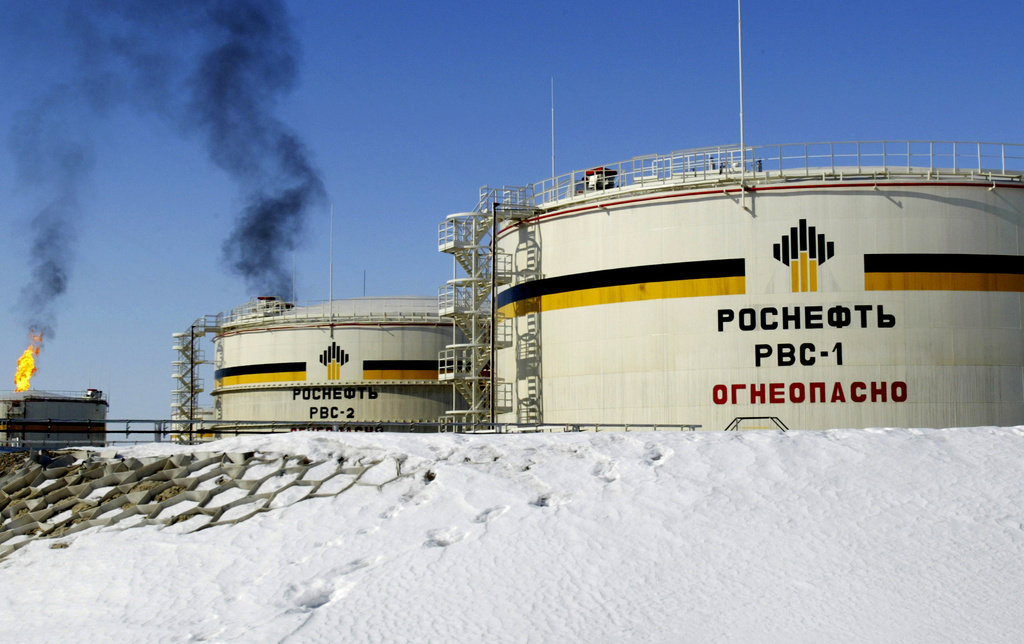
FILE – A view of reservoirs of Russian state-controlled oil giant OAO Rosneft, at Priobskoye oil field near Nefteyugansk, in western Siberia, Russia, April 5, 2006. (AP Photo/Misha Japaridze, File)
As individuals on the Office of Foreign Assets Control’s SDN list, any assets they have in the U.S. would be blocked and Americans would be prohibited from having direct dealings with them.
The mechanism outlined in the documents obtained by the AP seems intended to avoid the possibility of future sanctions, and the threat of secondary sanctions that could be imposed on those who facilitate the activities of entities under primary sanctions.
“If you want to insulate yourself from any kind of risk, you then basically avoid cross-border transactions and create these kind of offsetting payment schemes,” said. Ben Hilgenstock, a senior economist at the Kyiv School of Economics who is an expert on Russian sanctions and analyzed the Vietnamese documents for the AP.
Following a wave of fresh Russian attacks on Ukraine this month, Trump has said he is ready to move to a second phase of sanctions on Moscow or countries that buy its oil. Last week, EU and American officials met in Washington to discuss details. Last Friday, Britain announced a new set of sanctions targeting Russia’s oil revenues and military supplies, including banning 70 ships from a “shadow fleet” it said is being used to transport Russian oil to circumvent international sanctions.
The main threat of secondary sanctions comes from the Countering America’s Adversaries Through Sanctions Act, or CAATSA, measures adopted during Trump’s first term, which make it possible to impose sanctions on countries or people with commercial dealings with Russia’s military-industrial complex.
The threat is particularly powerful due to its vagueness, Hilgenstock said, which prompts companies and countries to exercise an overabundance of caution.
”Everyone else is left figuring out where exactly the red line is and how to toe it, and how not to cross it,” he said. “And the result is compliance, or more often overcompliance.”
Vietnam’s strategic strength is on the rise
Vietnam has one of the most capable militaries in Southeast Asia and has been strengthening its naval and air power, largely geared toward a possible threat from China. China today is Vietnam’s largest trade partner, but confrontations between the two countries over South China Sea territorial claims are growing.
The United States, meantime, is Vietnam’s largest export market. And since Washington lifted its arms embargo on Vietnam in 2016, it has become increasingly important in supplying defense goods. The U.S. government also sees Vietnam as an important strategic partner as it seeks to counter China.
A decades-long defense relationship with Russia means that Vietnam will be dependent upon Russia for spare parts and other material for years to come, however, and recent contracts suggest Hanoi is not backing away from Moscow even as ties with the U.S. grow closer.
In 2011, Russia extended Vietnam $2 billion in credit for a deal that included two frigates for its navy and 64 T90S tanks. Another $8 billion in credit was given for a 2023 defense deal involving SU-30 fighter jets and two more frigates; none of which Russia has delivered yet.
The official who provided the two internal Vietnamese-language documents detailing the repayment arrangement provided access to other internal government information that was verified by the AP through other sources, demonstrating his role in multiple high-level activities within Vietnam’s political and governmental hierarchy.
The earlier document outlining the early stages of planning, from March 2023, was reported on by The New York Times later that same year.
In the earlier document, Vietnam’s Finance Ministry warns that arms deals with Russia could lead to American sanctions “because the U.S. has continuously pressured Vietnam to switch to buying U.S. weapons, threatening to sanction Vietnam under CAATSA if Vietnam continues to buy Russian weapons.”
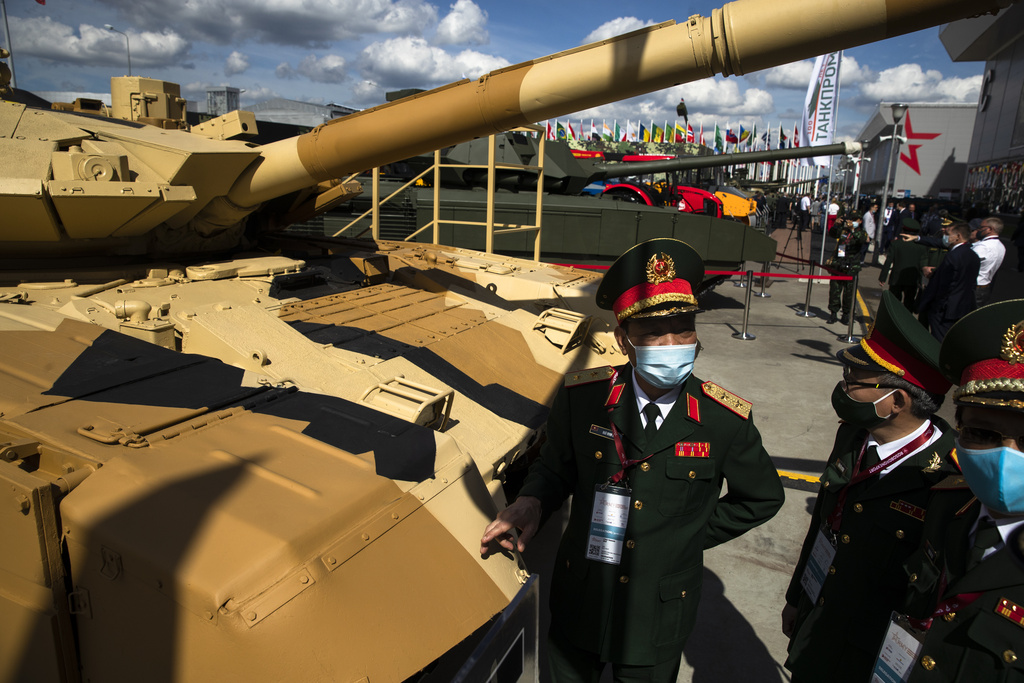
FILE – Military visitors from Vietnam observe the Russian T-90MS tank during the International Military Technical Forum Army-2020 in Alabino, outside Moscow, Russia, on Aug. 23, 2020. (AP Photo/Pavel Golovkin, File)
But at the same time, it suggests the United States may be persuaded to hold off on imposing sanctions on Vietnam because, among other things, “the U.S. values Vietnam’s role in implementing the Indo-Pacific strategy” meant to counter China’s growing assertiveness.
When the 2023 document leaked, Vietnam’s ruling Communist Party dismissed it as a Russian fake meant to damage Hanoi’s relations with Washington, as the countries prepared to elevate their relations to a “Comprehensive Strategic Partnership,” Vietnam’s highest level of diplomatic ties, an official privy to the internal communications told the AP on condition of anonymity to avoid possible reprisals.
But there was no sign of any rift when then President Joe Biden arrived in September 2023 to finalize the partnership.
Analysis of the documents backs up their authenticity
Both documents appear genuine, from the embedded metadata, format, unique classification codes and other details, said Ben Swanton, co-director of The 88 Project, an NGO focused on human rights abuses in Vietnam that frequently deals with government documents.
Vietnam also has a track record of deliberately misleading Washington, and when it has been called out on it, so far there has been no action taken, he said.
For example, last year the 88 Project provided the U.S. State Department with internal Vietnamese documents detailing how Hanoi was misinforming Washington about its efforts to address human trafficking concerns, but the State Department upgraded Vietnam in its annual trafficking report anyhow, Swanton said.
“Vietnam has learned that Washington will give it a free pass basically,” he said.
The State Department defended the decision to upgrade Vietnam, saying that “the government demonstrated overall increasing efforts” to eliminate trafficking, though conceded it still “did not fully meet the minimum standards.”
Plans spelled out in the documents obtained by AP have also now come to fruition. During Putin’s June 2024 visit to Hanoi, Zarubezhneft received a license to develop the “Block 11-2” gas field on Vietnam’s continental shelf, the same area mentioned in the 2024 PVN memo. An internal PVN document from this April, obtained by the AP from a different source, said Zarubezhneft had begun 3D mapping of the block.
And during a May visit to Moscow, a delegation led by To Lam, Vietnam’s top official, signed a number of oil and gas exploration-related deals and a “Strategic Partnership Plan” for defense and other cooperation covering 2026 to 2030, according to a joint statement from both sides.
It now remains to be seen how the mechanism will be used as sanctions pressure grows from the EU and the U.S., said Huong Le-Thu, deputy director of the International Crisis Group think tank’s Asia Program.
“Vietnam needs to navigate in this less conducive diplomatic environment where being too close to Russia will not be well received in European capitals,” Le-Thu said, noting that Hanoi is also now faced with an American administration far more transactional in approach.
“It’s fair to assume they are not going to be as generous as the previous administrations,” she said, “even with a recognition of Vietnam’s strategic value.”
Two Sides of Paradise: BBC presenter Zara McDermott explores the contrasts of Thailand's tourism industry.
BANGKOK — Thai Government launched immediate investigation after BBC presenter reported alleged obstruction by officials in Bangkok
Thailand’s Tourism and Sports Ministry has strongly denied claims that government officials interfered with BBC documentary filming in Bangkok, following viral reports that sparked concerns about the country’s film production environment.
Tourism and Sports Permanent Secretary Natriya Thaweewong revealed that the government immediately launched an investigation after the major international broadcaster alleged that Thai officials obstructed their documentary production in the capital.
Controversial Documentary
The incident centers around the BBC documentary “Thailand: The Dark Side of Paradise,” a 44-minute investigation presented by Zara McDermott, a former Love Island contestant turned news presenter. The program examines the dangers British tourists face while visiting Thailand, revealing that the British Consulate in Bangkok assists approximately 2,000 British nationals annually.
“Some police seem to turn a blind eye to the sex industry. But if you overstay your visa, even by two minutes, and can’t pay the fine, then you’re put in jail,” the 28-year-old presenter stated in the documentary.
BBC presenter Zara McDermott films in Bangkok amid the controversy surrounding her documentary.
McDermott claimed that within less than 24 hours in Bangkok, her crew was “nearly arrested by police” while filming in Cowboy Soi, an area filled with scantily dressed women. Despite having obtained police permits for filming, the crew was allegedly ordered by officers to delete their footage or face arrest.
Official Investigation Results
The government investigation found that the incident occurred at Cowboy Soi under Thonglor Police Station jurisdiction at midnight on September 5 in Sukhumvit Soi 21, Khlong Tan subdistrict, Watthana district, Bangkok.
According to official findings, the foreign media crew had received proper filming permits and was authorized to shoot according to their approved script. However, the production team allegedly filmed at additional establishments beyond their permitted scope.
When shop owners complained, Thonglor Police Station volunteers initially approached the crew with warnings. After the filming team refused to comply, shop owners contacted patrol officers who successfully negotiated with the crew to follow the agreed terms.
No Equipment Seizure Claimed
Natriya emphasized that authorities confirmed no footage or film equipment was confiscated from the foreign nationals. However, after the crew later released clips that appeared in online media, affected shop owners filed complaints with Thonglor Police Station as evidence.
The incident gained international attention when the BBC crew’s version of events circulated widely on social media, raising questions about Thailand’s treatment of international media.
Natthriya Thaweevong, Permanent Secretary of the Ministry of Tourism and Sports
Support for International Productions
The Tourism Ministry stressed that the government actively supports and facilitates foreign film productions in Thailand, including news coverage, documentaries, and feature films that follow agreed procedures and comply with regulations and laws.
“We view international productions as beneficial for promoting Thailand’s image and tourism, which serves as a vital engine driving economic growth at all levels,” Nattriya stated.
Unlike many British expatriates living in Thailand who have criticized the documentary’s portrayal, the Tourism and Sports Ministry has chosen not to directly respond to the documentary’s content but instead focused on addressing the filming interference allegations.
Commitment to Swift Action
The permanent secretary assured that if any distortion, miscommunication, or wrongdoing by Thai officials occurs, the government will immediately take corrective action to ensure Thailand remains genuinely safe for tourists and international productions.
“The government wants to provide confidence that Thailand welcomes international media and film productions that operate within proper channels and legal frameworks,” she added.
The incident highlights ongoing tensions between media freedom and regulatory compliance in Thailand’s growing film production industry, which has become increasingly important for the country’s tourism and economic sectors.
Screenshot from dashcam video shows two foreign suspects robbing an American tourist at knifepoint after ramming his motorcycle during a rainstorm in Phuket's Cherng Talay district on September 18, 2025.
PHUKET — Thai police are investigating a brazen daylight robbery in Phuket after dashcam footage showed two foreign suspects deliberately ramming a motorcycle to steal from an American victim, with investigators noting the suspects spoke clear English.
The incident occurred at 4:19 p.m. on September 18 in Layan Soi 7, Cherng Talay subdistrict, Thalang district, when a car intentionally rammed into the rear of a motorcycle ridden by a foreign man. The dramatic footage, shared by Phuket Times, captures the moment of impact during a rainstorm that sent the rider crashing to the rain-soaked road.
Two masked foreign men then emerged from the vehicle and threatened the motorcyclist with a knife before stealing his watch and fleeing the scene.
The viral video has sparked widespread criticism from netizens, particularly concerns that such criminal behavior by foreigners makes Phuket unsafe for residents and tourists.
Cherng Talay Police Station officers revealed that the victim is an American man in his 40s who was returning from Boat Avenue shopping center when the attack occurred. The American victim believes the suspects, who concealed their faces and spoke fluent English, deliberately targeted him to steal his luxury watch valued at over 2,300,000 baht ($72,000).
Forensic officers examnine the blue Ford Everest used by the two foreign suspects abandoned in a rubber plantation on September 18, 2025.
Later on the evening of September 18, police from Sakhu and Thalang stations discovered the blue Ford Everest used by the two foreign suspects abandoned in a rubber plantation.Forensic officers recovered fingerprints from the vehicle, while CCTV footage revealed a white car picked up both foreign suspects after they ditched the Ford.
The manhunt continues as authorities analyze the forensic evidence and track the getaway vehicle through Phuket’s surveillance network.
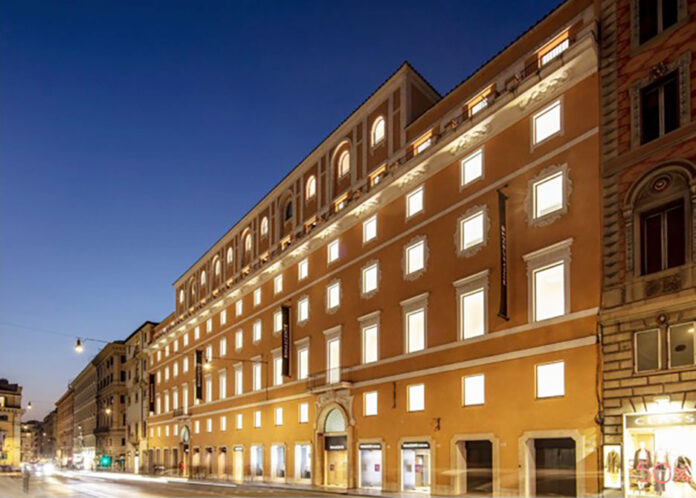
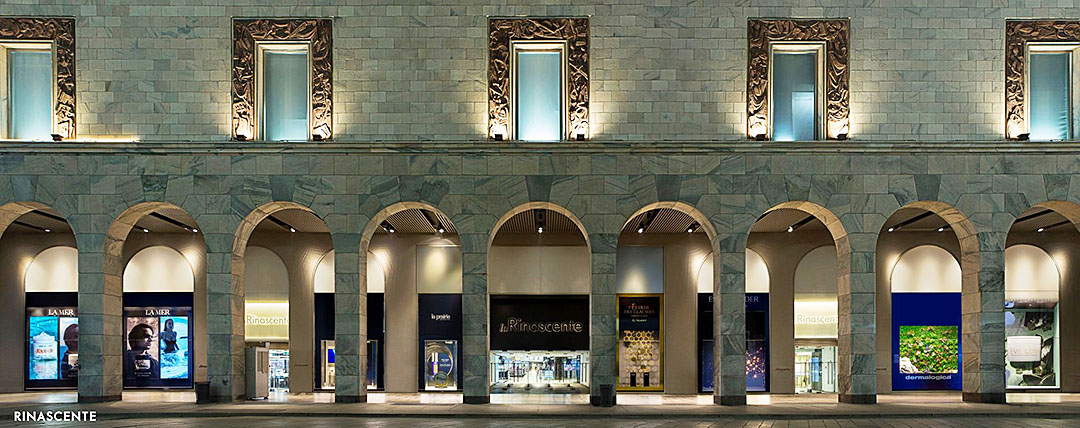
BANGKOK — CRC divests European luxury retail operations to focus on high-growth Southeast Asian markets. It announced Thursday it will sell its prestigious Rinascente department store chain in Italy to sister company Central Department Store Co. Ltd. (HCDS) for €250 million ($295 million)
Central Retail Corporation Public Company Limited (CRC), the Thai retail giant’s board approved the transaction on September 18, which includes the sale of 100% of CRC Holland B.V.—the entity that owns the Rinascente business—plus the transfer of a €141 million ($166 million) shareholder loan to HCDS. The total deal value reaches approximately $460 million.
Strategic Consolidation Under One Roof
HCDS stated in its proposal that it intends to consolidate the Rinascente operations with its existing European department store businesses under unified management. The move represents a reorganization within Thailand’s Central Group empire rather than an exit from luxury retail.
The transaction encompasses CRC’s entire Italian department store portfolio, including subsidiaries CRC Rinascente S.p.A., La Rinascente S.p.A., and logistics arm DR Logistics Srl. Rinascente operates premium department stores in major Italian cities including Milan’s flagship location.
CRC divests European luxury retail operations to focus on high-growth Southeast Asian markets.
Regulatory and Shareholder Approval Process
CRC emphasized that the sale falls outside existing agreements between the companies, including the Department Store Business Letter of Undertaking and Flagship Company Letter of Undertaking. Following completion, Rinascente will no longer be bound by these arrangements, though CRC’s existing rights under both agreements remain unchanged.
The board deemed the transaction “appropriate, reasonable, and in the best interests of the company and shareholders,” citing fair valuation and strategic benefits. Shareholders will vote on the proposal at an Extraordinary General Meeting scheduled for November 6, 2025, at 2:00 p.m.
Focus Shift to High-Growth Markets
The divestment aligns with CRC’s broader strategy to concentrate resources on Southeast Asia’s rapidly expanding consumer markets while reducing exposure to slower-growing European economies. The company plans to use proceeds to reduce debt and enhance shareholder returns.
The transaction, expected to close by December 2025 pending shareholder approval, reflects the ongoing consolidation of Central Group’s global retail operations as the Thai conglomerate optimizes its international footprint for sustainable growth.
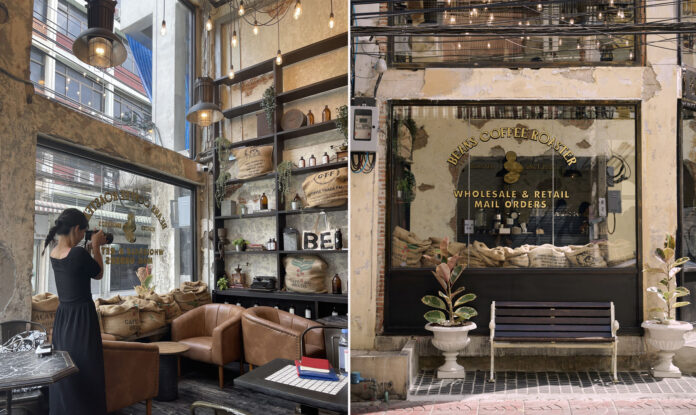
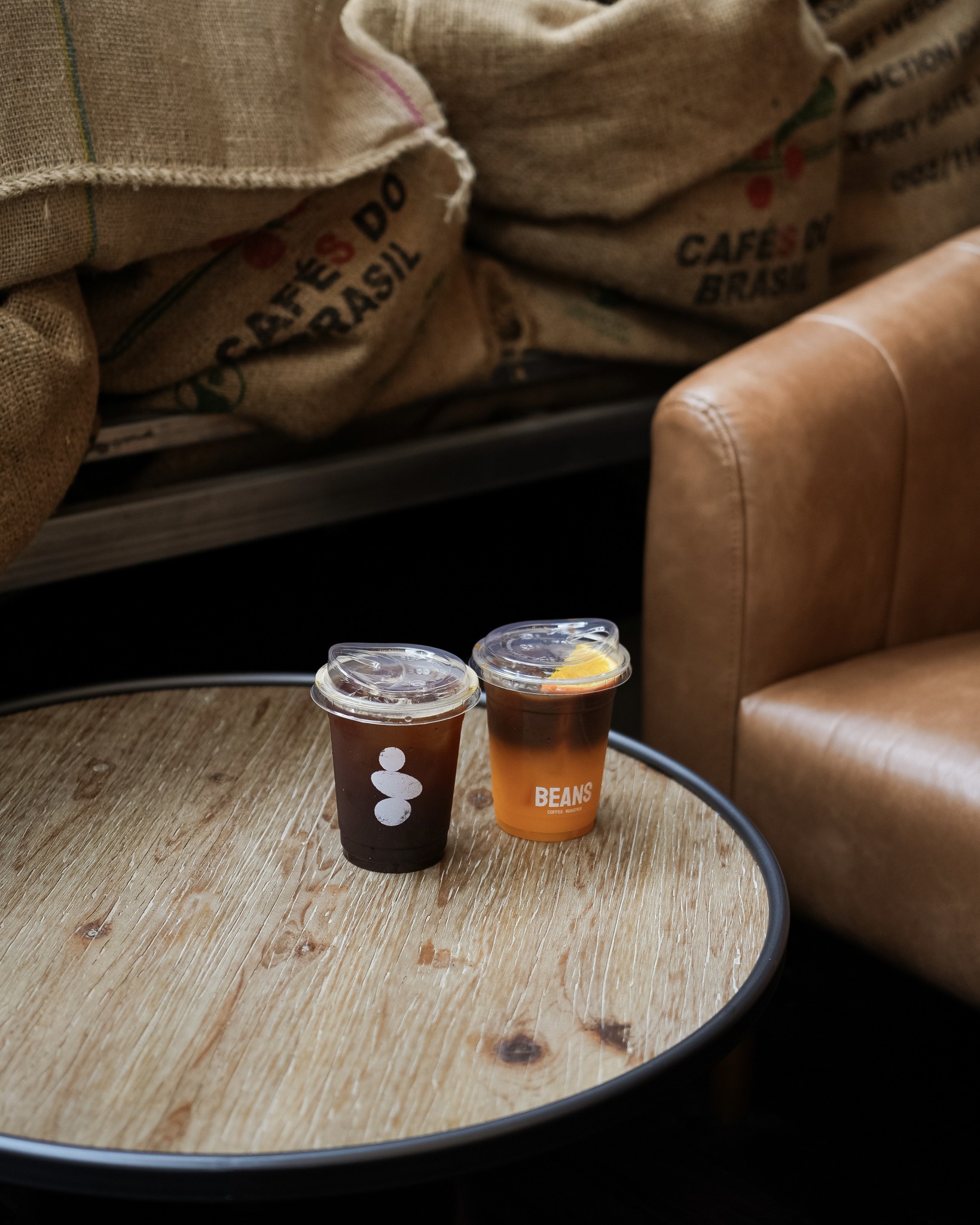
The BEANS Coffee Roaster Song Wat branch combines heritage architecture with modern café culture, featuring exposed brick walls and vintage coffee roasting elements in a renovated Chinatown building.
BANGKOK — Former Prime Minister Srettha Thavisin’s daughter transforms century-old Chinatown building on Song Wat Road into premium café as part of 1,400% business growth.
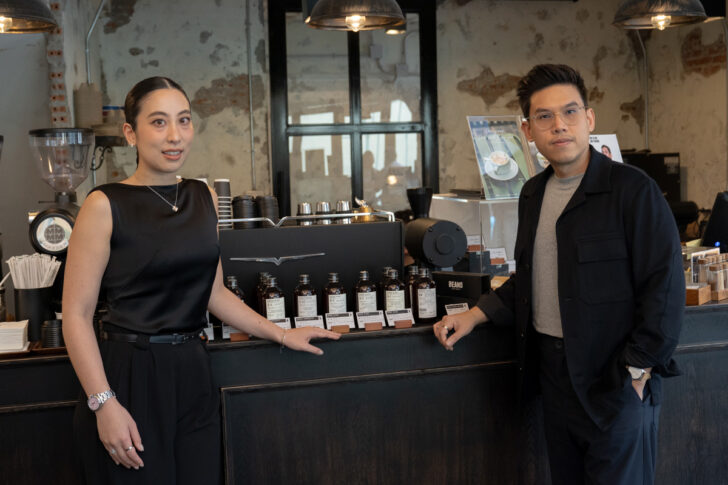
The heart of Bangkok’s Chinatown is experiencing a renaissance, and BEANS Coffee Roaster is riding the wave. Chananda Thavisin, daughter of former Prime Minister Srettha Thavisin and CEO of the rapidly expanding specialty coffee chain, has just opened her newest location in the historic Song Wat Road in Samphanthawong District—and it’s already among the company’s top five performers in just three months.
From humble beginnings selling five cups a day at a hidden Thonglor location, BEANS Coffee Roaster has exploded into a 16-branch empire generating 100,000 cups monthly and achieving 1,400% revenue growth over three years.
The Song Wat expansion represents more than business growth—it’s part of a broader cultural transformation sweeping Bangkok’s traditional trading districts.
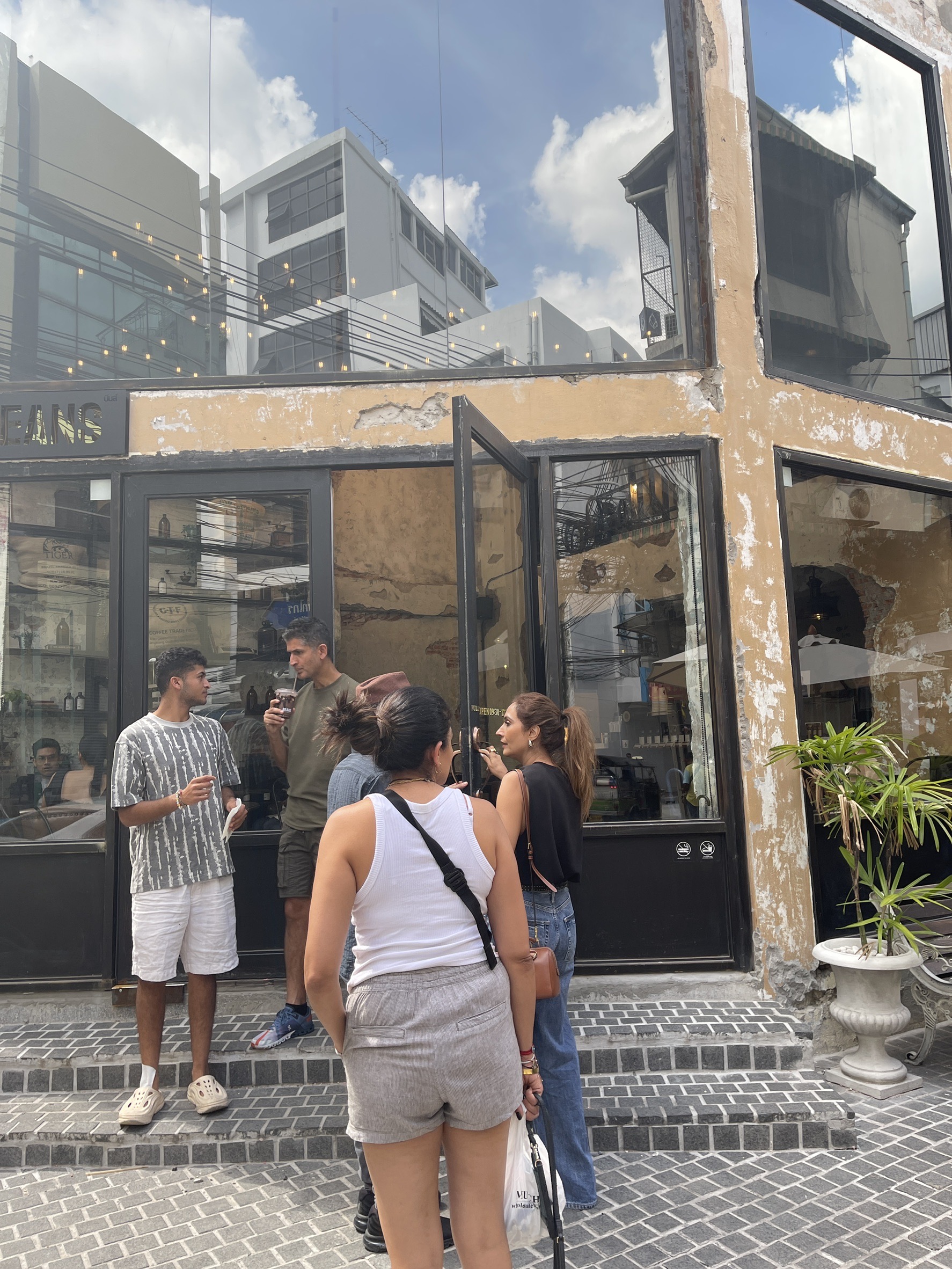
International visitors socialize at BEANS Coffee’s historic Chinatown branch, demonstrating how the renovated Song Wat building has successfully attracted both Thai and foreign customers to Bangkok’s revitalized heritage district.
Historic Meets Hip in Song Wat
Song Wat Road stretches 1,196 meters along the Chao Phraya River, connecting history, culture, and community since 1892 when King Rama V personally “drew” this street route on the map to reduce congestion in the Sampheng and Yaowarat districts. The street’s name literally means “drawn by the king.”
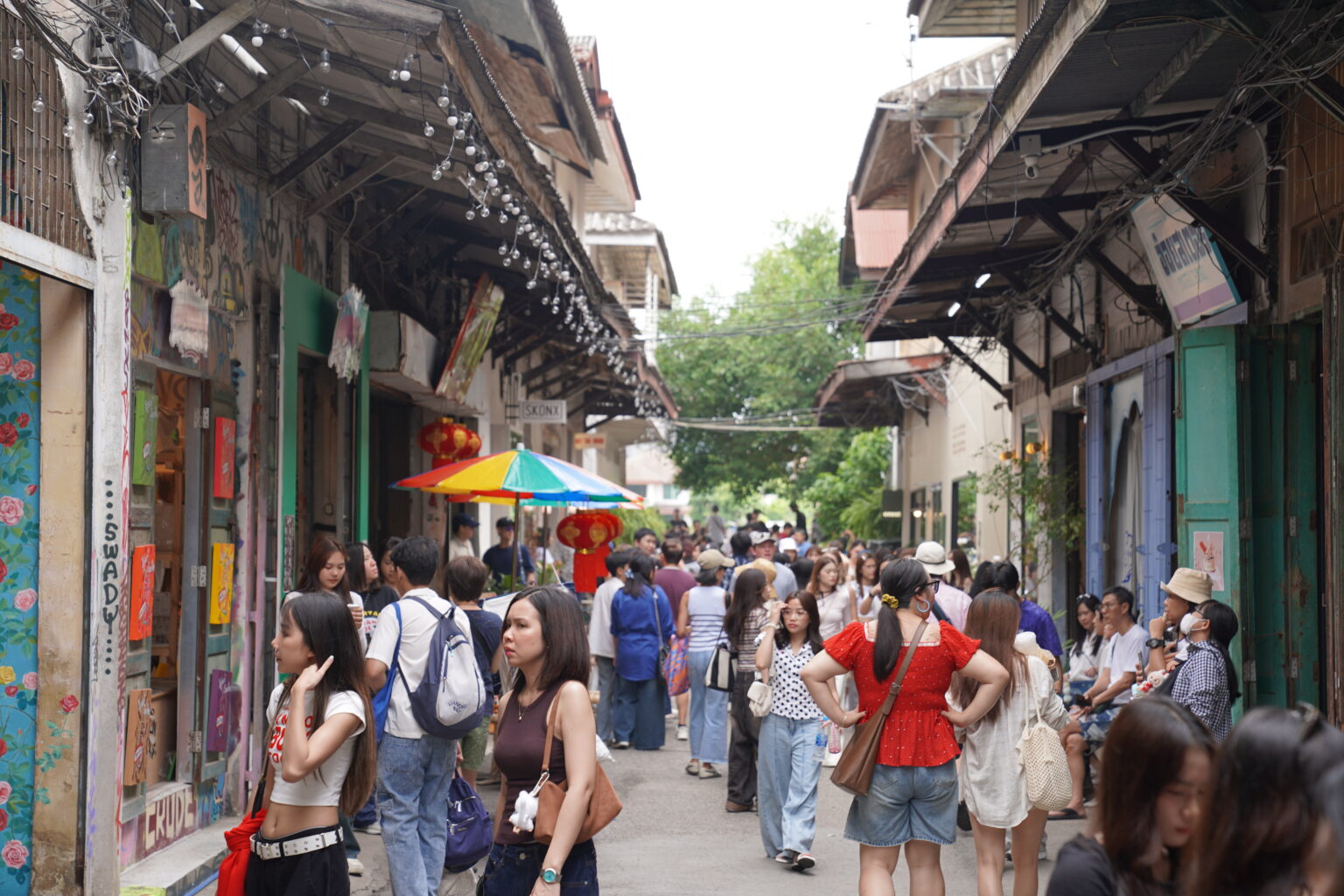
Today’s Song Wat has undergone a fascinating transformation. A young collective called “Made in Songwat” has revitalized the area with an “Old Meets New” concept reminiscent of Kyoto, preserving the district’s ancient charm while adding contemporary flair. The neighborhood now attracts international tourists and young Thais alike, creating a social media phenomenon that’s drawing serious investment.
The vibrant Song Wat street showcases the successful “Old Meets New” transformation of Bangkok’s historic Chinatown, where traditional shophouses with ornate facades.
From Hidden Gem to Coffee Empire
“The starting point of BEANS was my partnership with Akarin Sivapornpitak, who already had a coffee roasting business,” Chananda explains. “Our first Thonglor branch three years ago was super hidden—customers could hardly find it. But they kept coming back, and sales grew from five cups to 10, then 30, then 100 daily. That gave us confidence in our market potential.”
BEANS Coffee Roaster now operates in major shopping centers including Siam Paragon, CentralWorld, and EmSphere Sukhumvit, with the newest flagship at Dusit Central Park. But it’s the heritage location that’s capturing attention.
Art Meets Coffee in a Century-Old Building
The Song Wat branch occupies a renovated corner building designed in retro style, where tourists photograph continuously throughout the day. The exterior features a mural by renowned artist Benzilla, while upper floors serve as exhibition spaces for local artists.
“Someone messaged me saying he was a BEANS customer who owned a building in Song Wat,” Chananda recalls. “He gave us complete design freedom to transform the entire building. The renovation took three months of detailed work—my father visited twice as a regular customer and gave us small suggestions, like replacing the rear toilet door.”
Chananda Thavisin, CEO of BEANS Coffee, with Krittee Thanawiput, COO, at their historic Song Wat location that has become one of the chain’s top-performing branches in just three months.
Sustainable Growth Strategy
Krittee Thanawiput, Chief Operating Officer of BEANS Coffee Roaster, emphasizes careful expansion despite rapid growth. “We never expected BEANS would grow so fast. From less than 10 million baht turnover in our first year, we’ve achieved 14-fold growth—1,400% in three years.”
The company’s success stems from sourcing premium beans and creating unique customer experiences. BEANS Coffee Roaster supplies not only its own cafés but also hotels and restaurants, maintaining affordable prices while ensuring quality.
“There’s always room for the real deal in Thailand’s competitive coffee market worth tens of billions of baht,” Krittee notes. “Success comes from knowing your customers and persistently improving.”
Facebook Beansroaster.bkk
Beyond Coffee: Social Impact
BEANS Coffee Roaster practices social responsibility through initiatives like “One Blend One Change,” where customers create custom coffee blends with proceeds supporting social causes. The company dreams of establishing farmer learning centers to expand coffee cultivation and create sustainable income for Thai farmers.
As Bangkok’s heritage districts continue attracting young entrepreneurs and international attention, BEANS Coffee Roaster’s Song Wat success story illustrates how traditional neighborhoods can embrace modernity while preserving their cultural essence—one expertly crafted cup at a time.
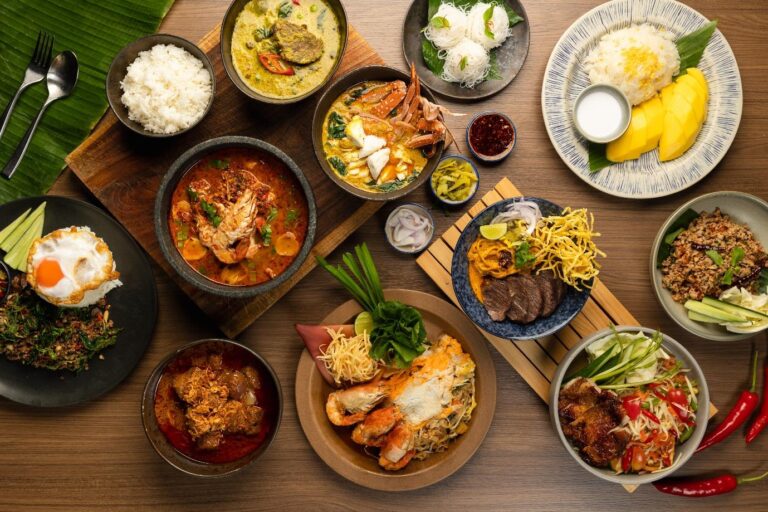
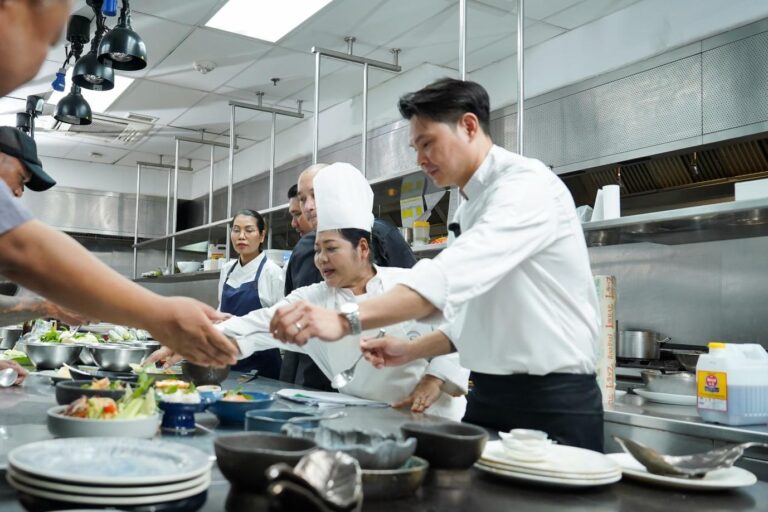
Bangkok, Thailand: Marriott Bonvoy®, Marriott International’s award-winning travel program and marketplace, is delighted to announce the launch of Aroi Bonvoy, which invites lovers of Thai cuisine to savor the kingdom’s authentic flavors and fragrances with a curated collection of ten dishes that celebrate locality, community, seasonality, and sustainability.
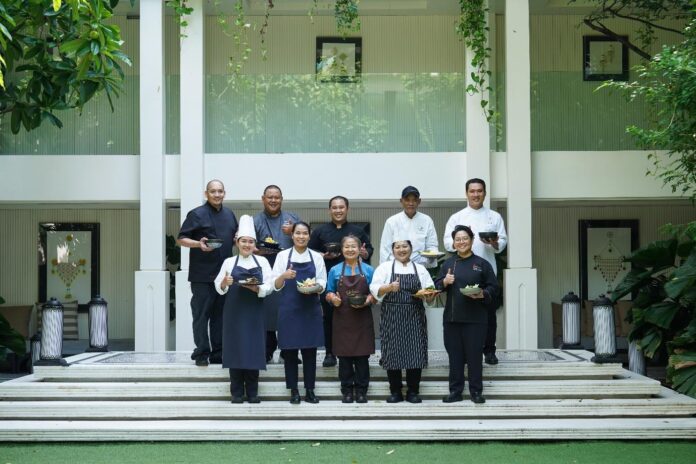
“Aroi” means “delicious” in Thai, and Chef Attapol “X” Tangthong, Executive Chef of Bangkok Marriott Hotel The Surawongse, came together with ten of Marriott Bonvoy’s leading culinary experts to elevate some of the kingdom’s most mouth-watering recipes. Having been inspired by the fresh ingredients at Don Wai Floating Market, these talented Thai chefs held three days of workshops to finalize the menu. The result is a collection of ten heartfelt dishes, each with a deeply personal twist, that will transport diners on multi-sensory journeys across the country – from north to south – with fresh, local herbs and spices that reflect the chefs’ own heritage and evoke the essence of their destination.
The Aroi Bonvoy collection of ten authentic Thai dishes will be available at all participating Marriott hotels and resorts in Thailand from today until November 30th, 2025 – and Marriott Bonvoy members can earn points on every meal!