






























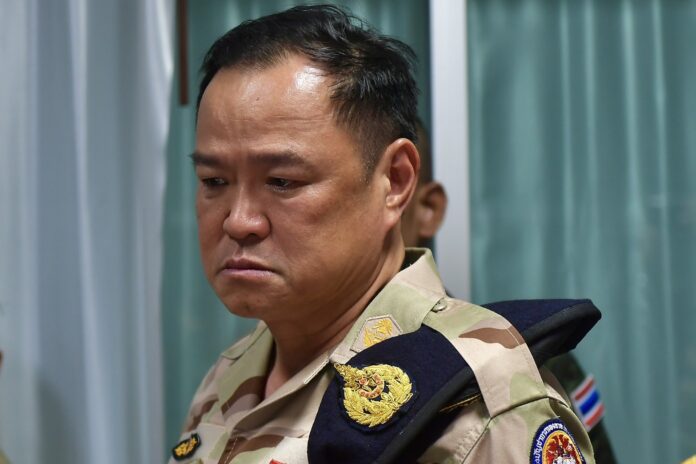
BANGKOK — Prime Minister Anutin Charnvirakul is facing mounting criticism over his handling of Thailand’s escalating border dispute with Cambodia, with the opposition warning that his nationalist tone risks isolating the country diplomatically.
Opposition leader Nattaphong Ruengpanyawut told reporters Friday that Anutin’s approach has left Thailand exposed as tensions rise along the frontier, where seven Thai soldiers have lost limbs to landmines since July.
“Thailand faces serious risks in resolving this conflict,” Nattaphong said at his party headquarters. “We need a prime minister who responds calmly and proportionately, and who puts national interests above personal popularity.”
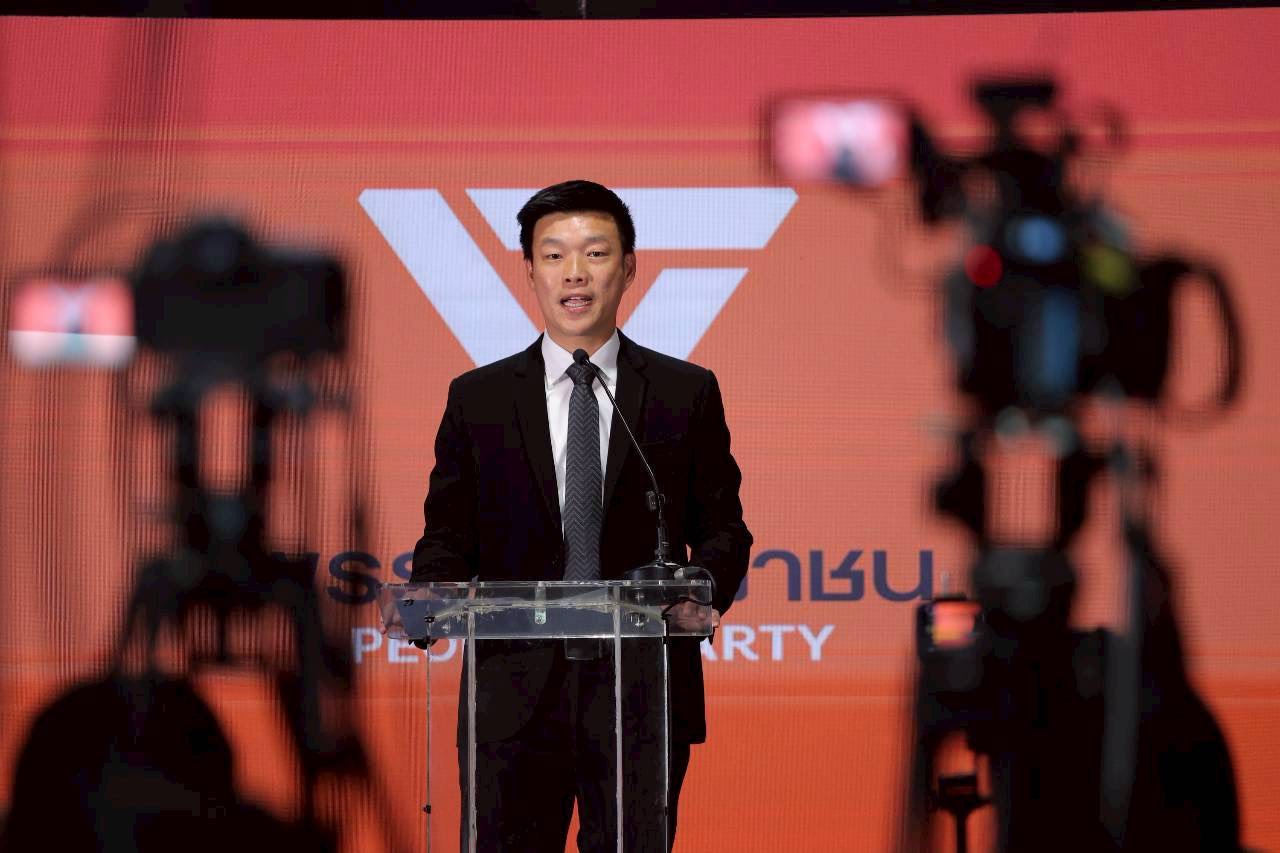
He offered condolences to Sgt. Maj. Terdsak Samaphong, who lost his right ankle after stepping on a landmine during a Nov. 10 patrol in Si Sa Ket province — the tenth landmine casualty since mid-July. He condemned the use of new anti-personnel mines as violations of international agreements and past peace accords between the two countries.
Criticism of Diplomatic Handling
Nattaphong accused Anutin of failing to brief key partners, including the United States and Malaysia, which currently chairs ASEAN. He said the lack of early communication allowed both governments to take the lead in urging respect for peace agreements, while Cambodia used Anutin’s rhetoric to cast itself as a victim of Thai aggression.
He also criticized Anutin for giving the military broad authority to act along the border, saying the move undermined civilian oversight. “It’s like signing a blank check,” he said. “This is not how civilian-led military policy should work.”
Border Crisis Background
Tensions flared in late May when soldiers from both countries exchanged gunfire at a border checkpoint in Ubon Ratchathani, killing a Cambodian soldier. The following month, Cambodian Senate President Hun Sen leaked an audio recording of a conversation with then–Prime Minister Paetongtarn Shinawatra, who had been trying to prevent further clashes. The leak sparked a political crisis in Bangkok that eventually led to Paetongtarn’s suspension and removal from office.

Thai and Cambodian forces clashed repeatedly from July 24–28, leaving casualties on both sides. Hun Sen had predicted Thailand would change leaders within three months — a forecast fulfilled when Anutin took office in August.
Peace Efforts Falter
Anutin signed a peace declaration with Cambodia on Oct. 26 on the sidelines of the ASEAN Summit in Malaysia. But he soon drew criticism at home after saying both countries had crossed into each other’s territory, prompting him to apologize and insist Thailand would not lose “territory, sovereignty or dignity.”
Following the latest landmine injury, Anutin announced he was suspending the joint declaration and canceling the planned release of 18 Cambodian detainees that had been expected on Nov. 12, declaring “peace is over” and echoing nationalist groups that pushed the hashtag #PeaceIsNotReal.
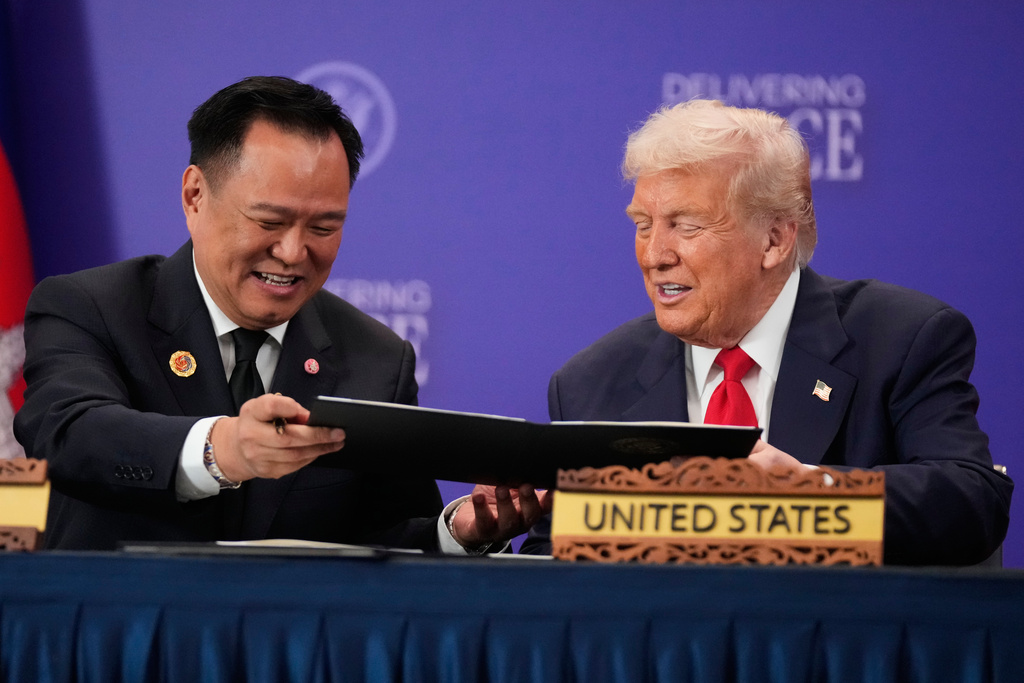
After visiting wounded soldiers, Anutin said he saw no need to notify U.S. and Malaysian leaders of the suspension. Asked whether the move could affect U.S. tariff measures, he replied: “If we can’t sell to this country, we’ll sell to other countries.” He also said Thailand would no longer negotiate with Cambodia, accusing Phnom Penh of violating previous agreements.
Former Diplomat Warns of Fallout
Russ Chaleejandra, a former assistant foreign minister, warned that Anutin’s challenge to U.S. trade policies risks alienating a key ally and could push Cambodia closer to Washington. He said Thai livelihoods could be affected if the United States responds with new tariff measures.
“Thailand must protect its sovereignty,” Russ said. “But what is the point of provoking an ally like the United States? Will Thailand gain more than it loses?”
_________