




























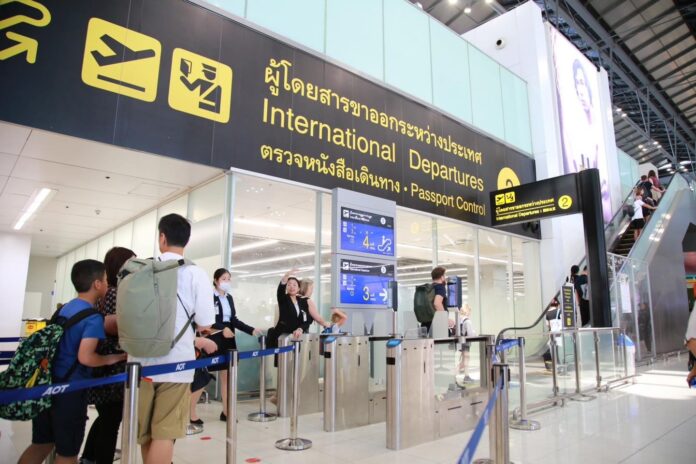
BANGKOK — The Civil Aviation Authority of Thailand (CAAT) is preparing to propose an increase in fees for international flights from 15 baht to 25 baht ($0.50-0.80) , while introducing three other types of fees to increase revenue and cover security costs. Passenger service charges (PSC) are also set to increase by up to 100 baht from October 2025. Officials note that fees in Thailand remain lower than in neighboring countries.
Manat Chuanaprayoon, director of the Civil Aviation Authority of Thailand, said CAAT will submit the new fee structure to the Civil Aviation Board in October. This is to ensure that the fee revenue reflects the actual costs and to strengthen the authority’s financial capacity to maintain aviation safety and standards.
Previously, the CAAT was only able to collect one type of fee, namely fees for international flights, which were set at just 15 baht ($0.50) per passenger, while the actual cost is 23 baht ($0.75). This has led to a decrease in revenue despite increasing passenger numbers.
To address the issue, CAAT plans to increase the international travel fee to 25 baht ($0.80) per passenger and extend the levy to three new areas: Landing and take-off fees, air cargo fees and aviation fuel fees – all areas that were not previously levied.
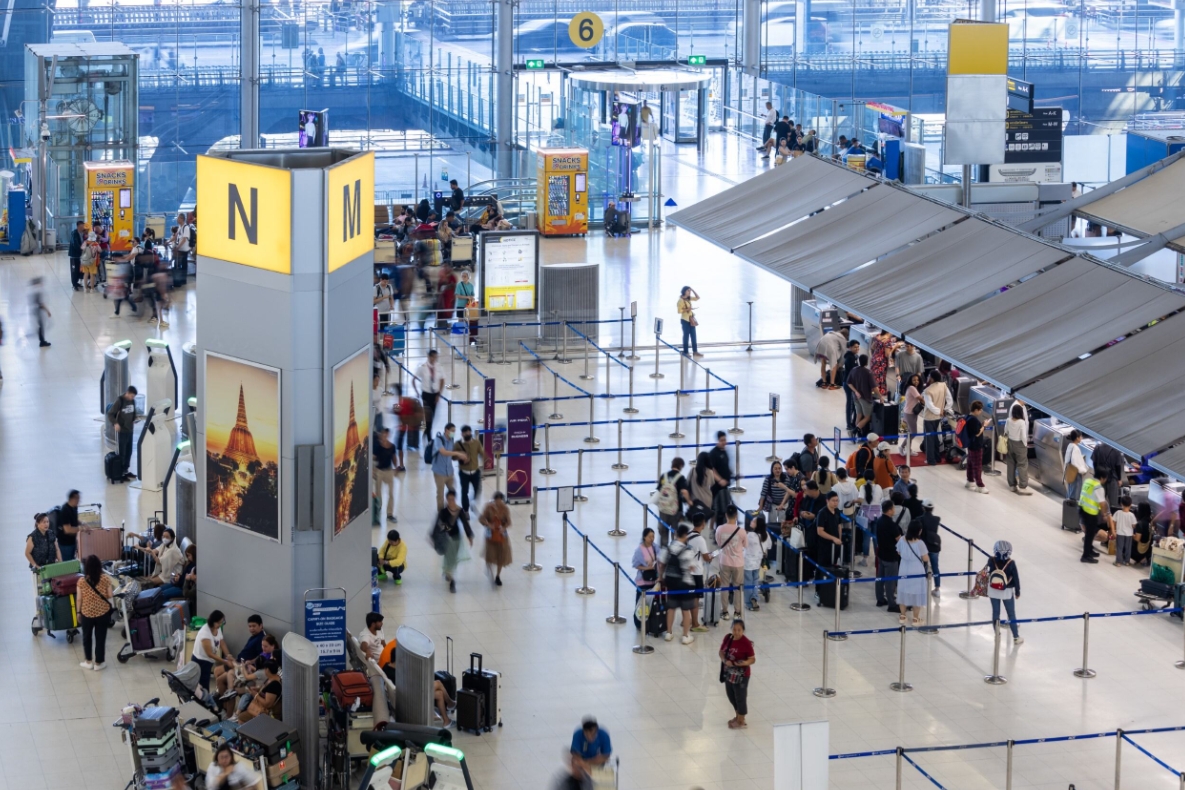
“CAAT’s annual revenue is around 1.2 billion baht ($38 million), but it is trending downwards while technology and security costs remain high. We need this adjustment to ensure that the organization can continue to operate effectively,” Manat said.
There is also a proposal to increase the Passenger Service Charges (PSC). For international passengers, the charge will increase from 730 to 830 baht ($23 to $26), while domestic passengers will be charged 230 baht ($7.2) instead of 130 baht ($4.1).
The new tariffs will come into effect in October 2025 and will be levied by the Airports of Thailand (AOT) and the Department of Airports.
CAAT emphasized that Thailand’s PSC fares will remain low compared to other countries even after the adjustment. Singapore, for example, charges around 1,400 baht ($44.5) per passenger per flight. The revised tariffs are therefore necessary to reflect the actual costs and to invest the revenue in improving infrastructure, services and airport security to meet international standards.
______