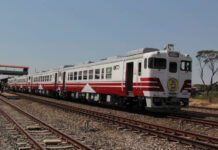






























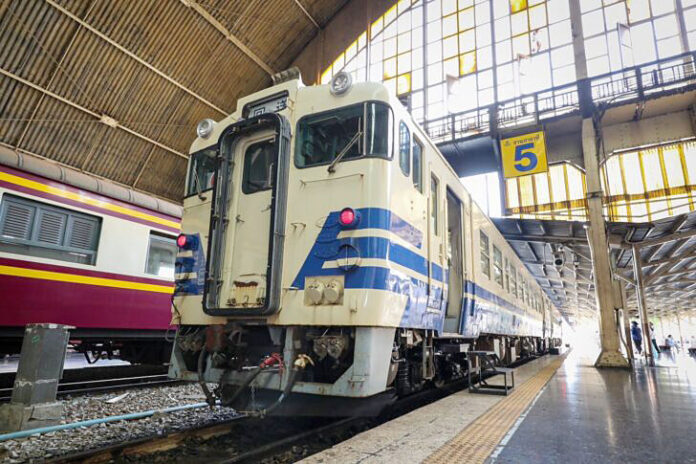
BANGKOK — Reviving the Kiha 40/48 from Japan, the State Railway of Thailand has upgraded the air conditioning system and enhanced engineering standards, preparing to launch service on the Don Mueang-Ayutthaya route this December to support public transportation and promote historical tourism in Phra Nakhon Si Ayutthaya Province.
SRT is pressing ahead with the refurbishment of Japan’s Kiha 40 and Kiha 48 diesel railcars to enhance service quality for passengers. The first prototype is expected to be completed by September, followed by another in October, before the upgrades are gradually expanded across the fleet.
SRT Governor Veerith Amrapal said the overhaul included both technical systems and operational functions, with a particular focus on adapting the air conditioning systems. The Kiha trains were originally designed to operate in cold weather in Akita, Japan, and had to be significantly modified to cope with Thailand’s tropical climate.
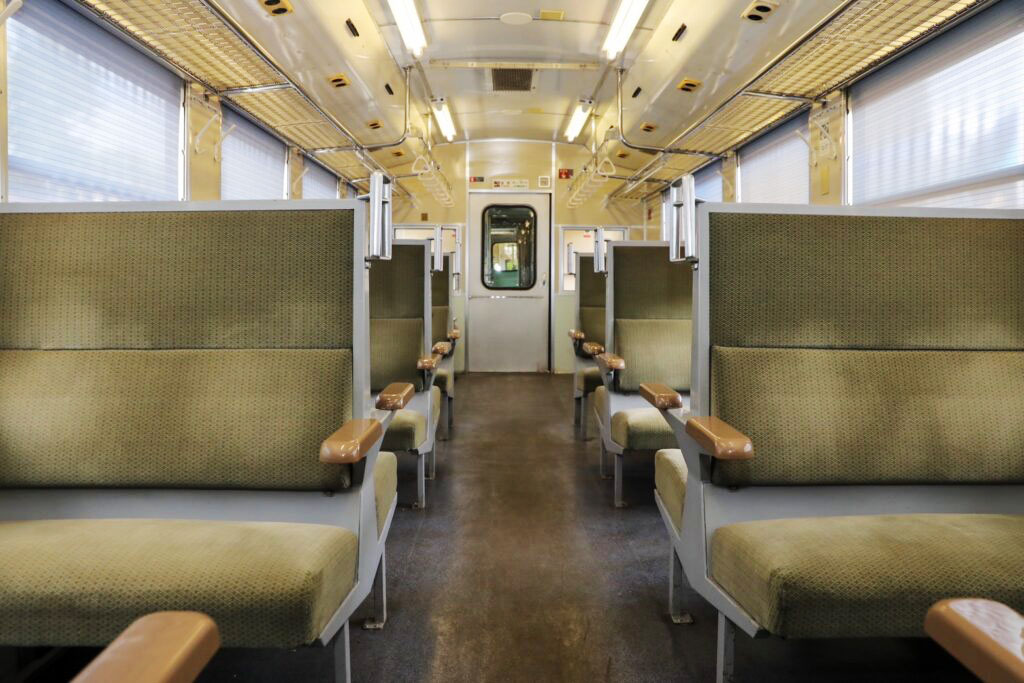
Upgrades include redesigned air outlets, improved compressors and new cooling and evaporator coils that provide more comfort for passengers. The SRT has also conducted performance tests, including braking distance, acceleration and vibration, to confirm safety and compliance with technical standards before entering passenger service.
The current plan is for four refurbished Kiha 40/48 railcars to be operational by December 2025. The first line will run between Don Mueang and Ayutthaya to meet the demand of commuters while promoting cultural and historical tourism in Ayutthaya province.
The SRT emphasized that the project will increase passenger comfort, ensure safety and represent an important milestone in the sustainable modernization of Thailand’s rail transport.
The 20 Kiha railcars were donated to Thailand by JR East. These are nine Kiha 40s with double cabins (driver’s cabs at both ends), each of which can accommodate up to 65 passengers and are equipped with two toilets. Two of these coaches are equipped with longitudinal seats and seven with transverse seats.
The remaining eleven coaches are Kiha 48s with single cabins, each of which can accommodate up to 82 passengers and are equipped with longitudinal seats and a toilet throughout.
__________