


































The Evil Lawyer, a new Thai legal drama series released on 11 June, is directed by Thai filmmaker Nottapon Boonprakob, known for screenwriting on SuckSeed and May Who?, co-directing and writing on One for the Road, and directing the Netflix series Mad Unicorn.
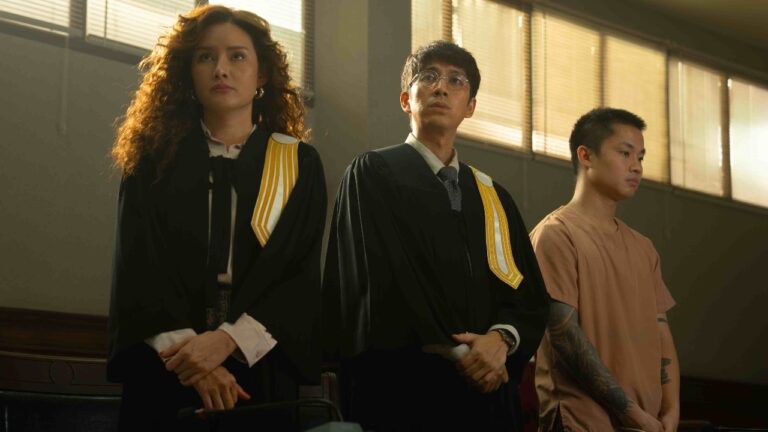
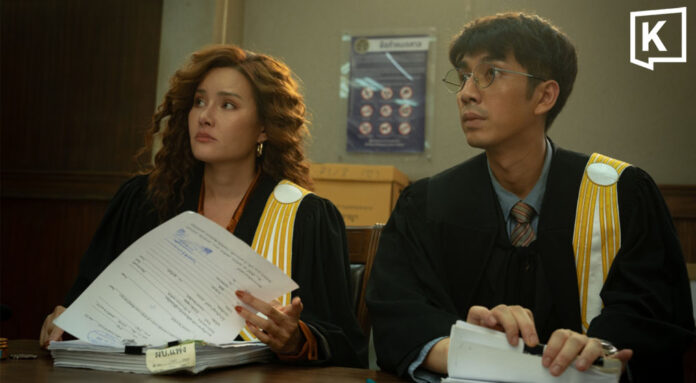
This time, he turns his attention to Thailand’s legal world through the story of Mek, an idealistic young lawyer who suddenly finds himself accused of murdering the son of a police officer. To clear his name, he is forced to team up with Jittri, a notoriously cunning attorney known for exploiting loopholes in the law. Together, they navigate a justice system where the answers are rarely black and white.
What stands out most is the series’ willingness to explore the grey areas of Thailand’s justice system. Through the eyes of legal professionals, it raises uncomfortable questions about morality, power, and justice, three forces that do not always move in the same direction.
Another standout aspect is the attention to detail in depicting courtroom proceedings and cross-examinations. It is clear that the creators have done extensive research, resulting in scenes that feel remarkably authentic without unnecessary dramatisation.
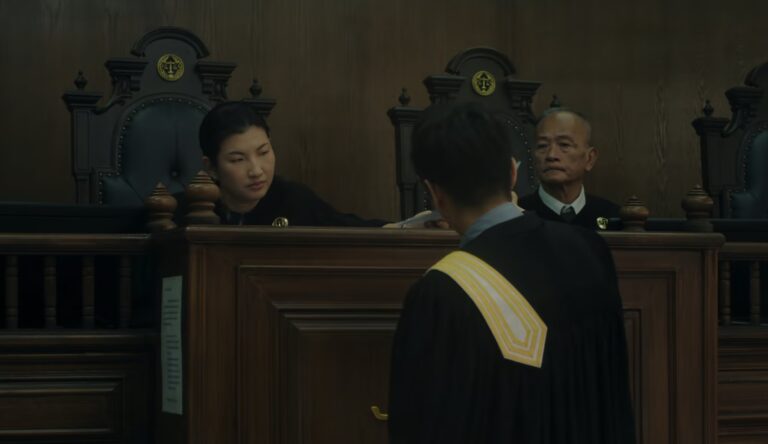
More importantly, the series reminds viewers that courtrooms are not bright, orderly or reassuring spaces, as they are sometimes portrayed in television dramas. Instead, they are spaces filled with tension, pressure, and fierce competition, where everyone fights for their own interests.
The performances are equally impressive. Not only do the lead actors deliver compelling performances, but supporting actors and even minor characters add to the sense of realism. Many of them genuinely resemble people one might encounter in Thailand’s legal profession.
The casting choices also deserve praise for going beyond the conventional standards of attractiveness often seen in Thai series. The character Seya, for example, presents a migrant worker in a way that feels natural and believable.
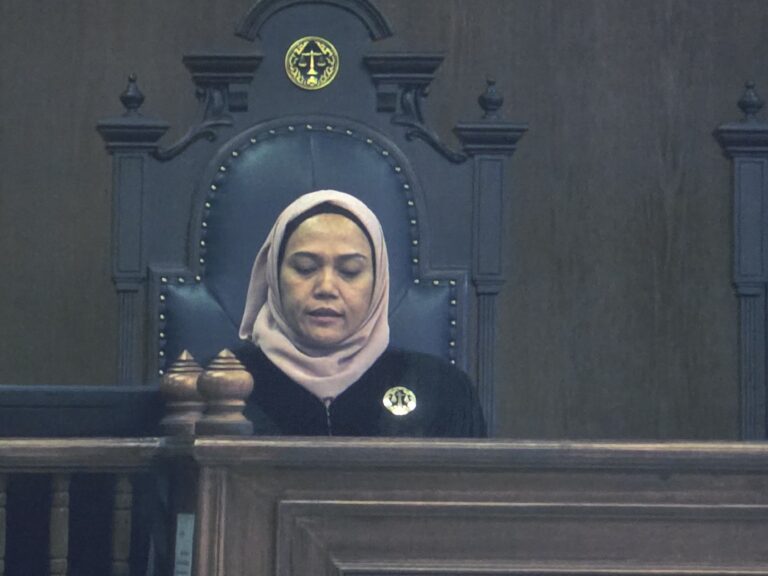
Visually, the series employs muted colours and subdued lighting, creating an atmosphere of discomfort and moral ambiguity that neatly complements its themes.

One of the series’ most striking achievements is its incorporation of cases reminiscent of real-life incidents that have shaken Thai society. These include the mysterious death of a young woman on a boat surrounded by influential figures, recalling the highly publicised case of actress Tangmo Nida, as well as references to abandoned infant remains in hospitals and devastating industrial fires. Such elements make the series feel as though it is addressing truths that reality itself often hesitates to confront directly.
The series is not without flaws. At times, the pacing moves too quickly, leaving viewers wondering whether they have missed something important. The ending also leaves several questions unresolved, walking a fine line between setting up a second season and intentionally allowing audiences to draw their own conclusions.
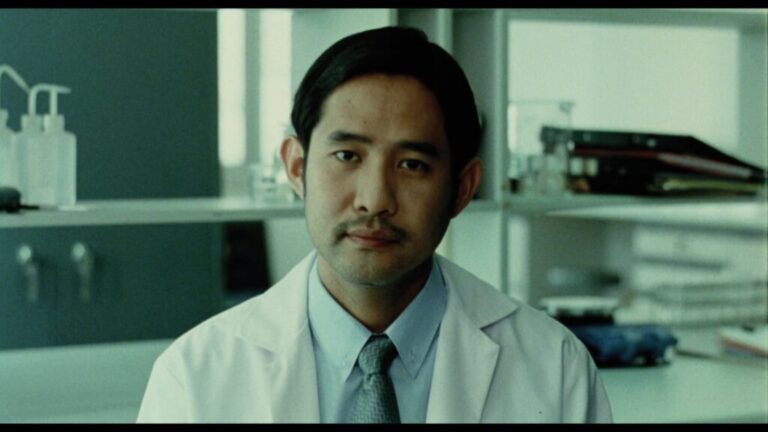
Rather than being entertaining in the conventional sense, The Evil Lawyer is emotionally unsettling. It leaves viewers feeling uncomfortable, disturbed, and even disgusted by certain aspects of reality. Episode five, in particular, featuring the cross-examination of a doctor accused of sexually assaulting a patient, is among the most distressing scenes in the series.
Credit must be given to actress Ying Rhatha Phongam, who portrays Jittri and reportedly contributed to the design of this sequence by avoiding rehearsals with the actress playing the victim beforehand. The result is a painfully raw and realistic scene, capturing the desperation of someone cornered into revealing the truth before the court.

The series also questions the failures of Thailand’s justice system by satirising sensationalist news talk shows that invite the public to judge social issues. It reflects a painful reality: many people no longer place enough trust in formal legal mechanisms and instead seek justice through public opinion, allowing society itself to become judge and jury.
A lawyer’s duty is to fight for the best interests of their client within the framework of the law, not to determine who deserves legal representation. In that regard, the series may help dispel some of the misconceptions surrounding the legal profession.
For viewers who enjoy heavy dramas, thrillers, and stories that challenge social norms, The Evil Lawyer is not to be missed. However, audiences should be prepared for numerous sensitive themes, including sexual violence, imbalances of power, and cases that society often chooses to ignore.
Another major strength is the space the series gives to female lawyers. While women make up a significant part of the legal profession in reality, patriarchal attitudes often cause them to be overlooked. This series demonstrates that certain issues become even more powerful when told through women’s perspectives and voices.
Its biggest drawback may also be one of its strengths: the series is packed with symbolism and subtext. Viewers who dislike interpretation and analysis may find it demanding and occasionally overwhelming. But for those who enjoy unpacking hidden meanings, The Evil Lawyer is filled with Easter eggs and narrative layers that make it worth revisiting to catch details that may have gone unnoticed the first time around.
However, it is also difficult not to feel a sense of missed opportunity. While Thailand’s media and film industry have begun pushing boundaries by producing series willing to confront moral grey areas and structural problems that are plainly visible in Thai society, these stories still rarely go all the way. Certain issues could have been explored more deeply and interrogated more forcefully, yet they seem to stop short for reasons that remain unclear.
That is not to say that The Evil Lawyer lacks impact. On the contrary, it is powerful enough to leave viewers uncomfortable, angry, and questioning the nature of justice in Thai society. At the same time, it raises another question: had this series not been released on a streaming platform, would it have retained the same level of quality and boldness in its storytelling? Or would much of its sharper commentary have been diluted, leaving behind little more than another conventional legal drama?
More than a legal thriller, The Evil Lawyer is an uncomfortable reflection of a society that is still struggling to define what justice truly means. By the end, it leaves behind a disturbing question: when the system fails, who gets to decide what justice looks like?