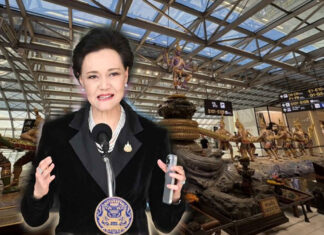

















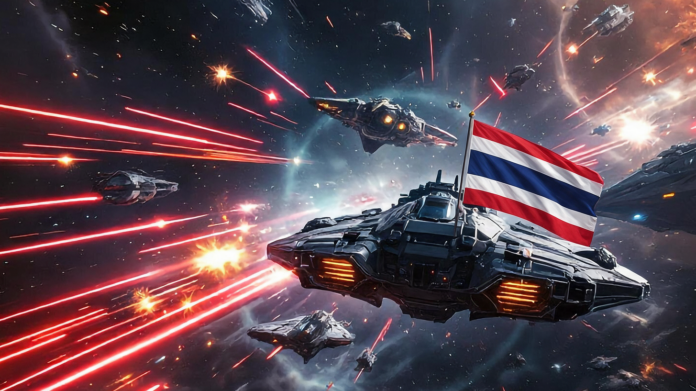
BANGKOK – Thailand must prepare for the prospect of space warfare and lunar colonies as major powers expand their military presence and pursue resources beyond Earth, the air force chief said on Monday.
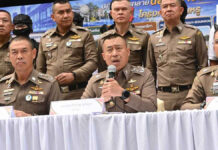
Air Chief Marshal Seksan Khantha, commander-in-chief of the Royal Thai Air Force, made the remarks while outlining his policy for 2027-2028 at Navaminda Kasatriyadhiraj Royal Air Force Academy on 12 October.
He said the United States’ growing interests in space, including its thousands of Starlink satellites, highlighted the need for countries to consider how to protect their own assets and resources in orbit.
“In September, the US announced that it was the first country to arm space,” he said, adding that Washington had substantial interests in space, particularly its Starlink satellite network.
The US was expected to expand the network to 40,000 satellites by 2030, he said, referring to the scale of its space-related interests and resources.
“We are about to see Star Wars, or warfare in space, and before long we will see people going to the lunar surface to establish colonies,” Seksan said.
He said Thailand needed to keep pace with these developments and recognise the need to protect its own resources in space.
The Royal Thai Air Force operates several satellites and is preparing to deploy its NAPA-3 and NAPA-4 satellites, with plans to strengthen cooperation with private-sector partners to expand the country’s ability to use space.
Seksan also warned that geopolitical tensions, supply-chain disruptions and the growing influence of major powers were creating challenges for Thailand’s national security.
The Russia-Ukraine war had prompted NATO countries to increase defence spending, driving up military equipment costs and complicating logistics, he said. Strategic chokepoints such as the Strait of Hormuz, the Strait of Malacca and the Taiwan Strait could further aggravate supply disruptions.
He also cited the use of missiles, drones, electromagnetic warfare and cyberattacks as emerging threats, saying lessons from clashes along the Thai-Cambodian border showed that future conflicts could become more difficult to manage.
Seksan said Thailand needed to strengthen its defence capabilities, reduce dependence on vulnerable supply chains and maintain a balance in military diplomacy while building reliable partnerships.
He added that rising energy prices linked to the Middle East situation underscored the need for the air force to manage its budget and diversify supplies to improve self-reliance.