




























30.5 C
Bangkok
Thursday, June 25, 2026
Home Blog Page 2475

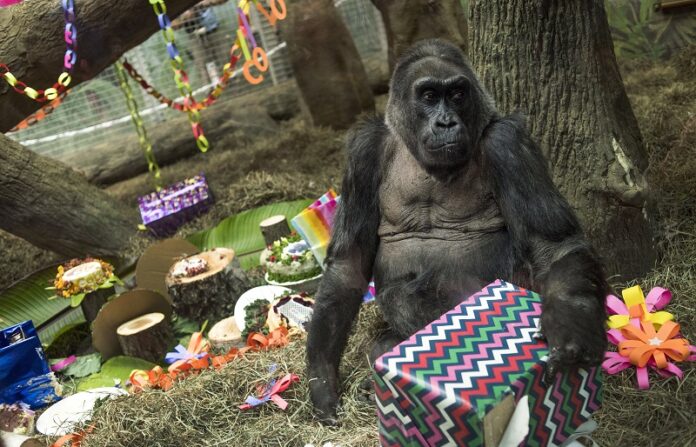
Colo, Oldest Gorilla in Captivity, 60

Colo, the world's first gorilla born in a zoo, opens a present in her enclosure during her 60th birthday party last December at the Columbus Zoo and Aquarium in Columbus, Ohio. Photo: Ty Wright / Associated Press

COLUMBUS, Ohio — The world’s first gorilla born in a zoo, a female named Colo who became the oldest known living gorilla in the U.S., has died at age 60, the Columbus Zoo and Aquarium said Tuesday.

Colo died in her sleep overnight, less than a month after her birthday, the zoo announced. She surpassed the usual life expectancy of captive gorillas by two decades.

“Colo touched the hearts of generations of people who came to see her and those that cared for her over her long lifetime,” zoo president Tom Stalf said in a statement. “She was an ambassador for gorillas and inspired people to learn more about the critically endangered species and motivated them to protect gorillas in their native habitat.”

Colo had been on exhibit in view of visitors on Monday, when the zoo offered free admission for Martin Luther King Jr. Day. Fond of baseball caps, the gorilla was seen in her enclosure toting around a yellow cap with a gorilla on it, given to her by the zoo team caring for her.

The zoo said the gorilla’s body will be cremated and the ashes will be buried at an undisclosed location at the zoo.

Colo was born at the zoo on Dec. 22, 1956. She eventually became a mother of three, grandmother of 16, great-grandmother of 12 and great-great-grandmother of three.

Hundreds of people had gathered at the zoo last month to see Colo for her birthday, when the zoo decorated her enclosure with multicolored construction paper chains and cakes of squash and beet and cornbread with mashed potato parsley frosting.

Zoo officials said a post-mortem examination was planned to determine Colo’s cause of death. The median life expectancy for female gorillas in human care is 37.5 years.

Veterinarians recently removed a malignant tumor from Colo, but the zoo had said she was doing well. The necropsy could help show whether the cancer contributed to her death, but the results aren’t anticipated for several weeks.

Zoo officials said they also planned to take blood and tissue samples to assist with zoologists’ efforts to learn more about western lowland gorillas.

Colo is the second zoo gorilla to die in Ohio this month. Cleveland Metroparks Zoo said one of its two male western lowland gorillas, a 32-year-old named Bebac, died Jan. 6.

Zoo experts say animals in human care are living longer than ever as early diagnosis and improvements in medical care extend their lives. The oldest known living male gorilla, Ozzie, is 55 years old and lives at the Atlanta Zoo, which has a geriatric gorilla specialty.

Packy, an Asian elephant at the Oregon Zoo, is now 54 and the oldest male of his species in North America.

Nikko, a 33-year-old snow monkey at the Minnesota Zoo, is the oldest male snow monkey in North America. Zulie, a 30-year-old Black Howler monkey at the Beardsley Zoo in Bridgeport, Connecticut, is the oldest living female Howler monkey in captivity.

Story: Andrew Welsh-Huggins, Kantele Franko
Advertisement

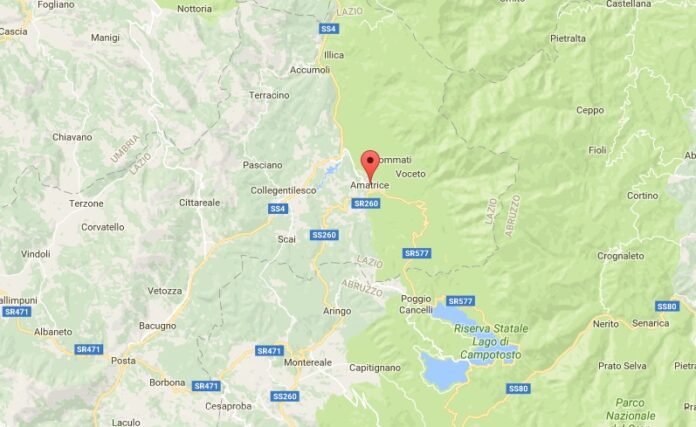
Magnitude 5.7 and 2 Magnitude 5.3 Earthquakes Rock Central Italy

A map of Amatrice, in central Italy. Image: Google.

ROME — Three earthquakes hit central Italy in the space of an hour Wednesday, with tremors felt in the capital.

There were no immediate reports of casualties.

The first quake, with a preliminary magnitude of 5.3 hit the region north of Amatrice at about 10:25 a.m. (0925 GMT), according to the U.S. Geological Survey. A second quake with a magnitude of 5.7 hit the same area about 50 minutes later, and ten minutes later a third was measured at magnitude-5.3.

The mountainous Amatrice region was shaken by three quakes last year, killing nearly 300 people and causing significant damage to older buildings.

The region is about 100 kilometers (62 miles) northeast of Rome.

Antonio Tajani, an Italian politician who is president of the European Parliament, said tremors were “felt as far as Rome (but it) appears there are no victims.”

This is a developing story and will be updated without notice.

Advertisement

Fresh Monsoon Brings Triple-Whammy to Flooded South

Songkhla province Tuesday.

BANGKOK — Relief is unlikely to come soon for the flood-devastated south, with word that more monsoon rains are inbound to inundate the region.

After prematurely sending an all-clear signal last week, officials on Wednesday warned residents in the southern provinces to brace for even heavier rains and higher waves along the gulf due to a high-pressure system moving in from China.

Record-setting rainfall combined with other factors created a perfect storm of conditions that has resulted in the worst flooding in a decade, affecting more than 1.6 million people. As of Wednesday, the deaths of at least 76 people were blamed on the flooding.

“Factors in this year’s heavy flooding include the northeast winter monsoon, a low pressure system marinating in the south that resulted in continuous days of rain and environmental issues,” said Jomkwan Sakkamat of the Meteorological Department.

January’s rainfall destroyed the records set in recent years. For example, Phetchaburi received 99.1 millimeters of rain on Jan. 9, breaking the previous record of 74.7 millimeters set Jan. 28, 1989.

But some of the flooding crisis is the result of human activity, Jomkwan said.

“Increased construction and deforestation are also reasons for the flash floods,” she said, adding that environmental problems were bigger factors than water management issues. “Usually in the south, floodwaters drain quickly into water resources or the sea, so we should be looking at land use rather than water management as a major factor.”

Heavy, scattered thundershowers are expected to build and intensify through Sunday, especially in the provinces of Surat Thani, Nakhon Si Thammarat, Phatthalung, Songkhla, Pattani, Yala, Trang and Satun.

People in affected areas should be prepared for flash floods, landslides and large waves cresting the shore to come inland.

Waves in the Gulf of Thailand and Andaman Sea are expected to reach up to three meters in height. Large vessels should exercise caution, and small boats are advised to stay ashore until after Sunday.

Related stories:

More Floods Feared in South as 1.6 Million Affected

As Southern Flooding Eases, 22B Baht Price Tag For Repairs

More Flash Floods Expected as North-to-South Road Reopens

Young Girl Drowns in Southern Flooding, Surprise Storm Lashes Bangkok

Reform Assembly Members Donate 5,000 Baht Each to Aid Flood Relief Efforts

19 Die as Floods Continue to Submerge South

Malls, Airport Closed as Worst Flood in Decades Hit South

Absurd News Parody Brings Smiles to Flood-Ravaged South (Photos)

Advertisement

Japan Hotel Chain Under Fire Over Denial of Rape of Nanking

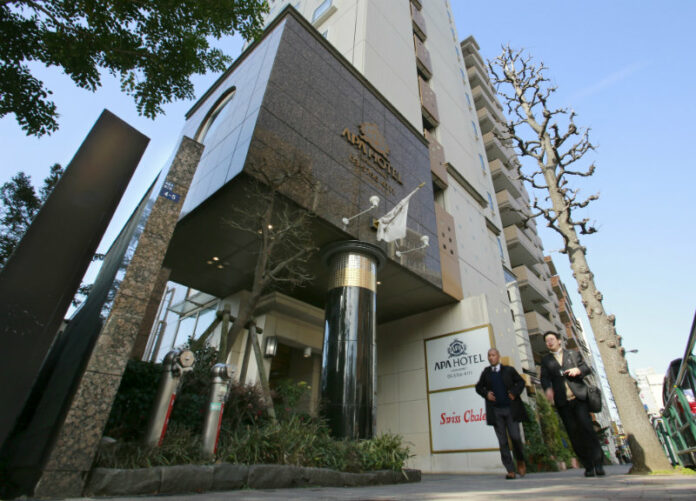
Men walk past an Apa Hotel in Tokyo Wednesday. The fast-growing Japanese hotel chain is facing criticism over a book penned by the hotel’s owner that says the Rape of Nanking was fabricated. Photo: Shizuo Kambayashi / AP.

TOKYO — A fast-growing Japanese hotel chain is facing criticism over a book penned by the hotel’s owner that says the Rape of Nanking was fabricated.

APA Group, a Tokyo-based land developer and operator of 400-plus hotels, drew fire for spreading the revisionist views of company president Toshio Motoya by putting the books in hotel guestrooms and also selling them.

The issue is the latest flap between the Asian neighbors over unhealed wounds from Japan’s aggression before and during World War II. It follows a diplomatic row with South Korea over a statue representing the “comfort women” who were used for sex in military-linked wartime brothels.

China has lodged a complaint, but APA says it stands by its owner’s views.

The issue surfaced this week when contributors KatAndSid posted a video on a social networking site describing the English version of “Theoretical Modern History,” a book Motoya wrote under the penname Seiji Fuji.

The video shows passages from the book calling the 1937 massacre an “imaginary” event concocted by China to blame Japan. The book also denies that Japan’s use of “comfort women” involved forced prostitution.

The massacre of Chinese citizens by the Japanese military in what became known as the Rape of Nanking is one of the biggest flashpoints between the two countries. China says up to 300,000 people were killed, while Japanese nationalists have said far fewer died or denied there even was a massacre.

Prime Minister Shinzo Abe has also expressed skepticism toward accounts of the Rape of Nanjing. The inclusion of Rape of Nanking documents on a UNESCO heritage list in October 2015 prompted Japan to suspend its contribution to the United Nation’s educational unit.

When asked about the book, Chinese Foreign Ministry spokeswoman Hua Chunying said Tuesday that “some forces in Japan have been denying history from the outset and even attempting to distort it.” Coercive recruitment of comfort women and the Nanjing massacre were crimes against humanity committed by wartime Japan and “an iron-clad fact recognized by the international community,” she said.

“History can never change over time, and facts will not fade away despite deliberate evasion,” she said.

APA hotel said in a statement that the book is meant to help readers learn “the fact-based true interpretation of modern history” and not aimed at criticizing a specific country or its people.

“We have no intention of withdrawing the book from our guestrooms even if we receive criticisms from those with different viewpoints,” it said. “Japan guarantees freedom of speech, and no one-sided pressure should be allowed to cause a retraction of a statement.”

Story: Mari Yamaguchi

Advertisement

Jazz Legend Chick Corea to Perform in March

BANGKOK — Five original members of the Chick Corea Elektric Band have reunited for the first time in 12 years and will bring their Jazz stylings to Bangkok in March.

After first visiting three years ago with his project The Vigil, legendary jazz pianist Chick Corea will be back this year with the band he started in 1986 for a special, one-night show.

The Chick Corea Elektric Band is a fusion jazz band with five members: Corea, bass guitarist John Patitucci, drummer Dave Weckl, and electric guitarists Scott Henderson and Carlos Rios.

The one-year global tour celebrates Corea’s 75th birthday.

The Massachusetts-born musician has had an active music career since 1962. In five decades, Corea has earned 18 Grammys and other music awards.

Tickets range from 1,800 baht to 4,500 baht and can be bought online.

The concert starts at 7:30pm on March 11 at the Siam Pic-Ganesha Theatre on the seventh floor of Siam Square One. It can be reached via BTS Siam’s Exit No. 4.

Advertisement

Explore Historic Home of the ‘Father of Modern Thai Art’

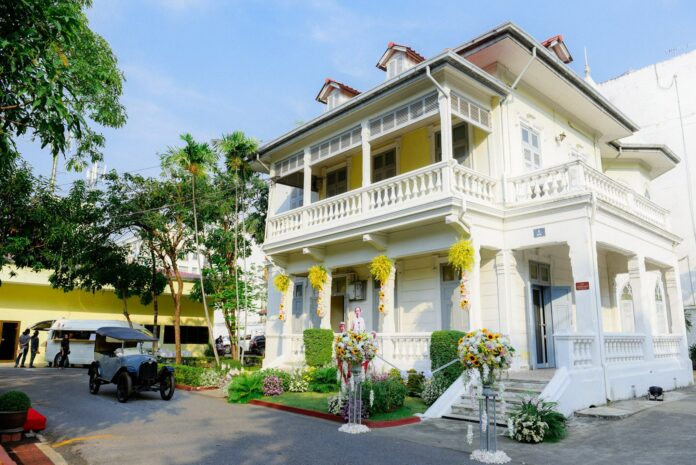
An image of the former residence of an Italian-born sculptor Corrado Feroci on Ratchawithi Road posted on Jan. 15. Photo: Silpakorn Public Relations / Facebook

BANGKOK — For the first time, the public is invited to tour the historic mansion where some of Thailand’s best-known sculptures and monuments were conceived.

Built in the Victorian and Renaissance Revival style, the century-old residence was for a decade home to renowned sculptor Silpa Bhirasri, born in Italy as Corrado Feroci, in an area that once belonged to King Rama V.

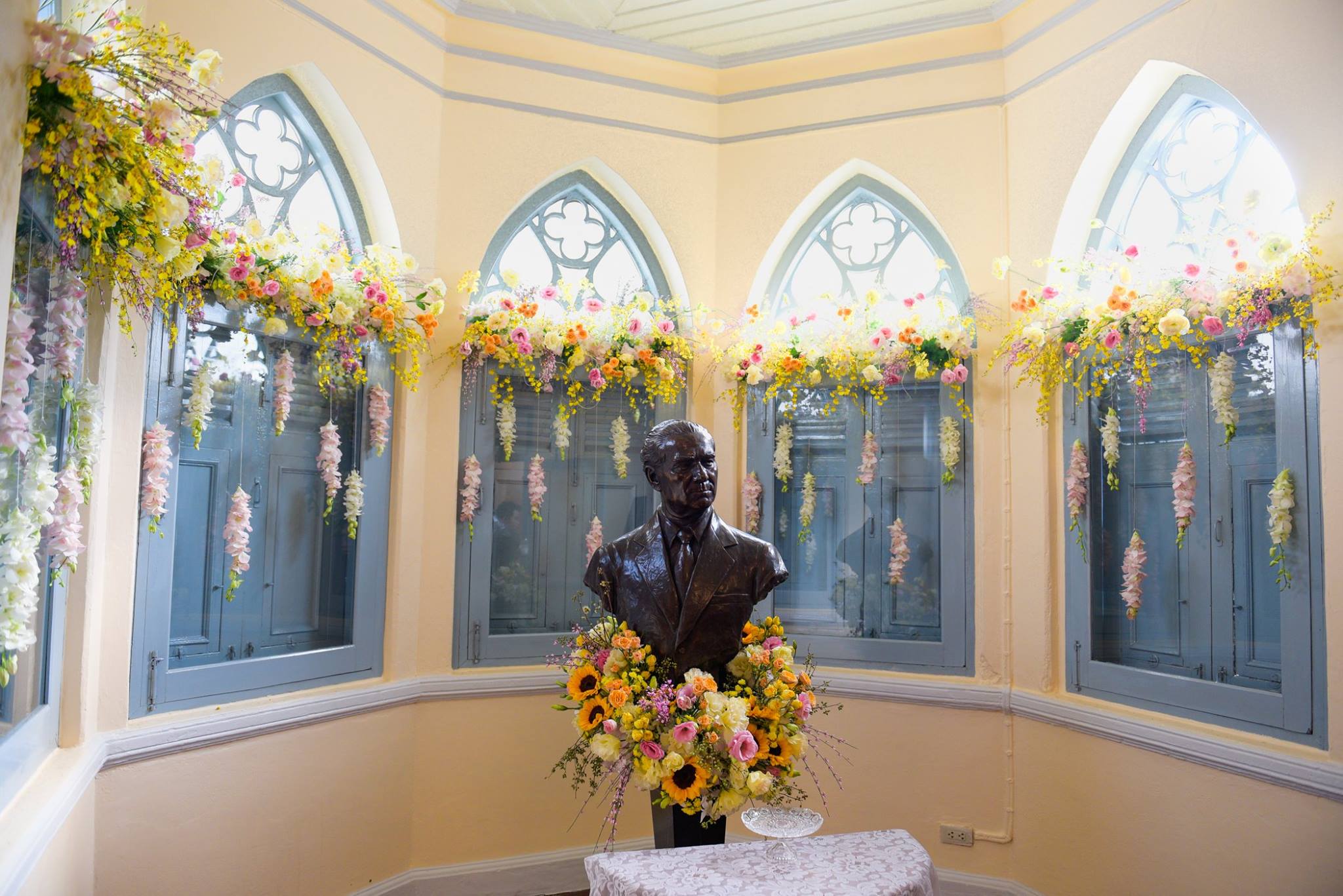
Registered as a historic site, the two-story home is now open for the public to tour three rooms filled with Silpa’s works and housewares of the period.

To dig deep into Silpa’s crafts and inspirations, explore the exhibition at the Silpa Bhirasri National Museum located inside the Department of Fine Arts at Silpakorn University’s Tha Prachan campus. It’s open 9am to 4pm, Monday through Friday.

Silpa Bhirasri was an Italian-born sculptor and one of few foreigners whose cultural contributions are widely celebrated. He helped make a number of grandiose sculptures harkening to the European Fascist art movement at the time, including the Democracy Monument, Lumphini Park’s King Rama VI monument, the Victory Monument and more. He became a Thai citizen during the Japanese Imperial occupation and through his dedication to education, became known as the father of modern Thai art. In 1943, he founded the fine arts school that would eventually bear his adopted name, Silpakorn University.

Admission is free. Polite attire is required.

The house is open 9am to 3pm on Wednesdays at the Army Internal Audit Office on Rajvithi Road. The nearest rail stop is BTS Victory Monument.

A bust of Italian-born sculptor Corrado Feroci inside his former residence in an image posted Jan. 15. Photo: Silpakorn Public Relations / Facebook

Advertisement

Aussie Open: Federer, Wawrinka, Nishikori Through to 3rd Round

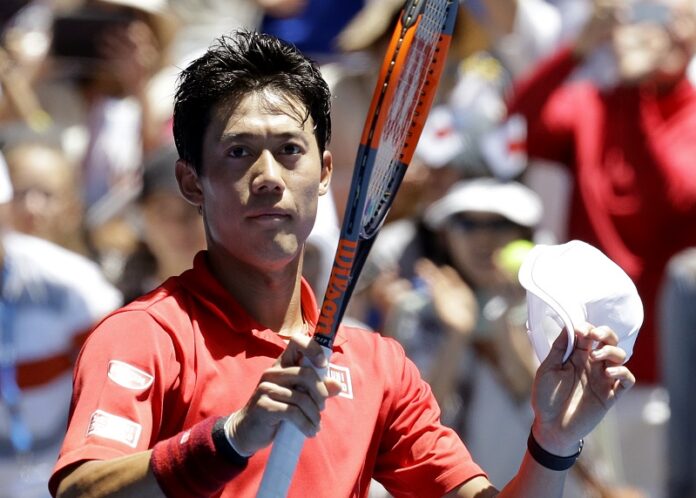
Japan's Kei Nishikori celebrates after defeating France's Jeremy Chardy in their second round match at the Australian Open tennis championships Wednesday in Melbourne, Australia. Photo: Aaron Favila / Associated Press

MELBOURNE, Australia — After winning the first two sets of his second-round match, Roger Federer had to really go to work in the third, recovering from 5-2 down and fending off two set points to defeat American qualifier Noah Rubin 7-5, 6-3, 7-6 (3).

He held serve at love to force the tiebreaker and, after it got to 3-3, reeled off the last four points to clinch the match in 2 hours, 4 minutes.

Federer is a four-time Australian Open champion but hasn’t lifted the trophy since 2010. In 18 trips to Melbourne Park, he’s never failed to reach the third round.

Eugenie Bouchard is back in the third round at Melbourne Park for the first time in two years, defeating China’s Peng Shuai 7-6 (5), 6-2.

Bouchard, who reached the semifinals of the Australian Open in 2014, finally closed it out after Peng saved three match points on the Canadian’s serve at 5-1 in the second set.

Following her break-out year in 2014, which also saw her reach the Wimbledon final, Bouchard struggled to make it past the fourth round at the slams. Her best result last year was the third round at Wimbledon.

Her next opponent will be either CoCo Vandeweghe or Pauline Parmentier, who played later Wednesday.

“Overall, I’m feeling better with each passing day,” Bouchard said.

Fourth-seeded Stan Wawrinka is into the third round of the Australian Open for the ninth consecutive year after a 6-3, 6-4, 6-4 win over American Steve Johnson on Wednesday.

Wawrinka won his first Grand Slam title at Melbourne Park in 2014 and has followed that up with two more majors – the French Open in 2015 and the U.S. Open last year.

The 31-year-old Wawrinka labored through five sets to win his first-round match against Martin Klizan in 3 hours, 24 minutes. He had a much easier time in the second round, beating Johnson in 1 hour, 52 minutes.

Wawrinka will next play either Viktor Troicki or Paolo Lorenzi.

Defending champion Angelique Kerber marked her 29th birthday – angrily at times – with a 6-2, 6-7 (3), 6-2 win Wednesday over fellow German Carina Witthoeft.

Kerber, who beat Serena Williams in the Australian Open final last year, then won the U.S. Open in September, was her own worst enemy in the tiebreaker, double-faulting twice to turn a 3-2 lead into a 4-3 deficit.

Witthoeft, who had won a long rally which caused Kerber to swipe her racket toward the court just ahead of the double faults, won the next three points to level the match.

Kerber also started poorly in the third set, dropping her service, but rebounded to take a 4-1 lead, saving two break points in the fifth game, before closing out the match in 2 hours, 8 minutes.

She will next play the winner of Wednesday’s second-round match between Kristyna Pliskova and Irina-Camelia Begu.

Serena and Venus Williams have pulled out of their scheduled first-round doubles match because of a right elbow injury to Venus, who won her singles match earlier Wednesday in straight sets over Stefanie Voegele.

The Williams sisters were set to play Timea Babos and Anastasia Pavlyuchenkova in a Show Court 2 match on Wednesday afternoon. The Australian Open confirmed the withdrawal on social media.

The American pair also withdrew from their first-round doubles match in 2015 at Melbourne Park.

The Williams sisters have won 14 Grand Slam doubles titles together, including four at the Australian Open.

Kei Nishikori advanced to the third round in a far more straightforward manner than his five-set opener earlier this week.

The fifth-seeded Nishikori defeated Frenchman Jeremy Chardy 6-3, 6-4, 6-3 in just over two hours to reach the third round for the seventh consecutive year.

On Monday, he needed 3 1-2 hours before beating Andrey Kuznetsov in the first round.

“(I) was definitely playing much better than first round today,” he said Wednesday. “There were many ups and downs, still too many break points for me. Great to finish in three sets.”

Nishikori has reached the quarterfinals three times at Melbourne Park, but has never advanced beyond that stage. He could play top-seeded Andy Murray in the quarterfinals this year.

Venus Williams, a first-round loser in 2016 at Melbourne Park, is one of the first players into the third round this year after beating Stefanie Voegele 6-3, 6-2 to begin play at Rod Laver Arena on Wednesday.

Williams maintained a perfect 3-0 record against the Swiss player, having beaten her on clay at Madrid, grass at Wimbledon and now hard courts in the year’s first Grand Slam tournament.

Voegele wasn’t helped by four double-faults in the opening set. In the second, Williams broke Voegele’s service with a blistering forehand to the open court to take a 3-1 lead, then broke her serve again in the final game.

Williams lost to eventual semifinalist Johanna Konta in the opening round last year.

The older sister of Serena Williams, Venus Williams has never won the Australian Open. She lost the 2003 final to Serena. Venus’ best recent finish here was a quarterfinal appearance in 2015.

Defending champion Angelique Kerber and top-seeded Andy Murray play their second-round matches on Wednesday in much more pleasant temperatures at Melbourne Park.

A cool change hit the city overnight, dropping temperatures from 38 Celsius (100 Fahrenheit) on Tuesday afternoon to about 20 Celsius (68 Fahrenheit) when play began Wednesday.

Venus Williams was first up on Rod Laver Arena, playing Stefanie Voegele of Switzerland. Kerber was to follow against fellow German Carina Witthoeft, followed by Roger Federer against American qualifier Noah Rubin.

Murray was scheduled to play the last match on Wednesday night at Rod Laver.

Venus and Serena Williams were scheduled to play their opening doubles match on Wednesday afternoon.

Advertisement

Pore Over Every Pixel of Germany’s Best Photo Books

2016 Silver Award winner Jakob Straub’s ‘Roma Rotunda’ looks from under the dome at 36 churches from various periods in Rome.

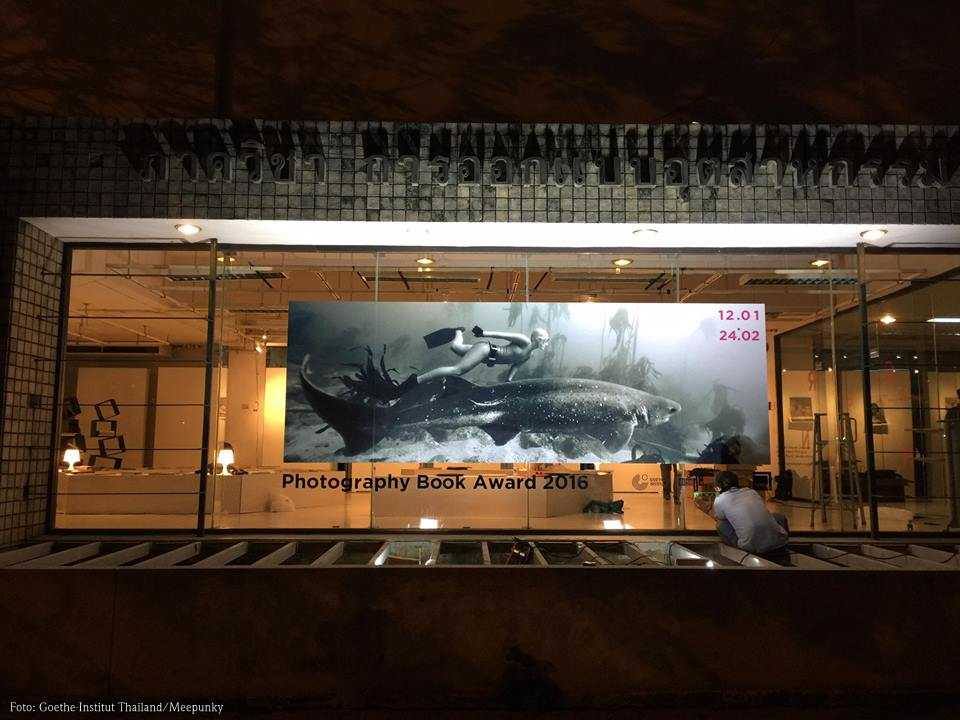
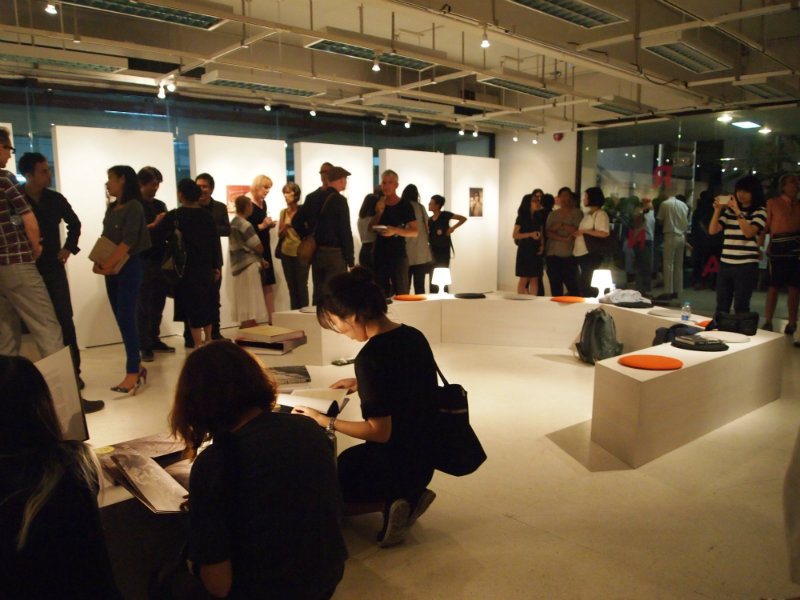
BANGKOK — Nineteen award-winning photo books from prestigious German awards are lying to be looked pixel by pixel at an exhibition in Phayathai.

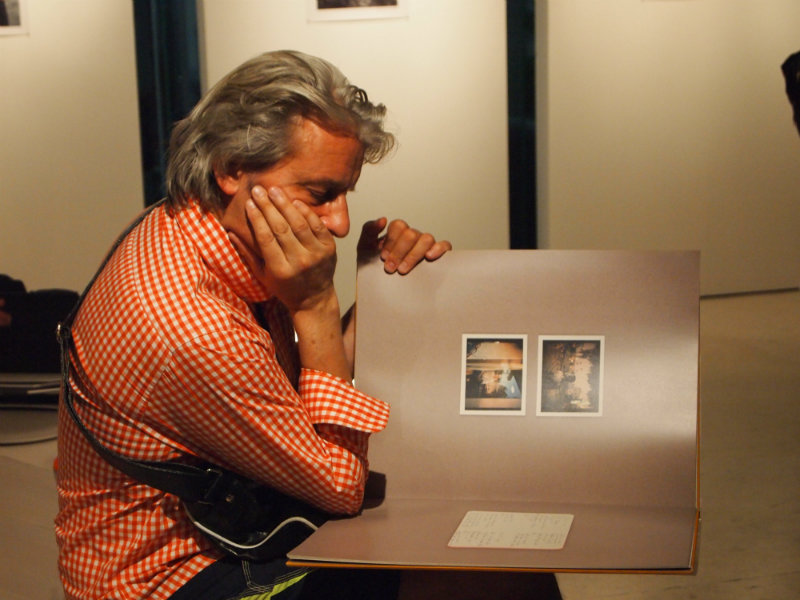
Artistic, abstract and unusual photography collected in photo books which won the German Photobook Prize in recent years are on display for the rare chance to get personal with each book by eyes and hands.

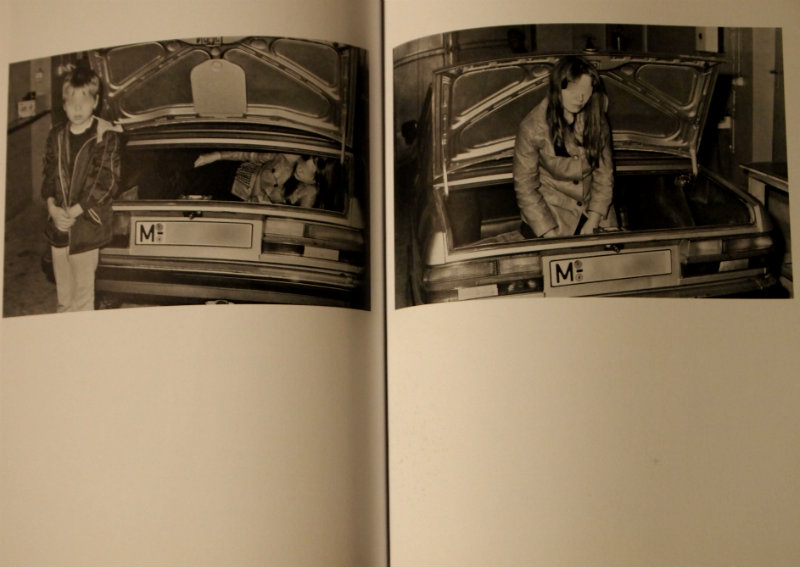
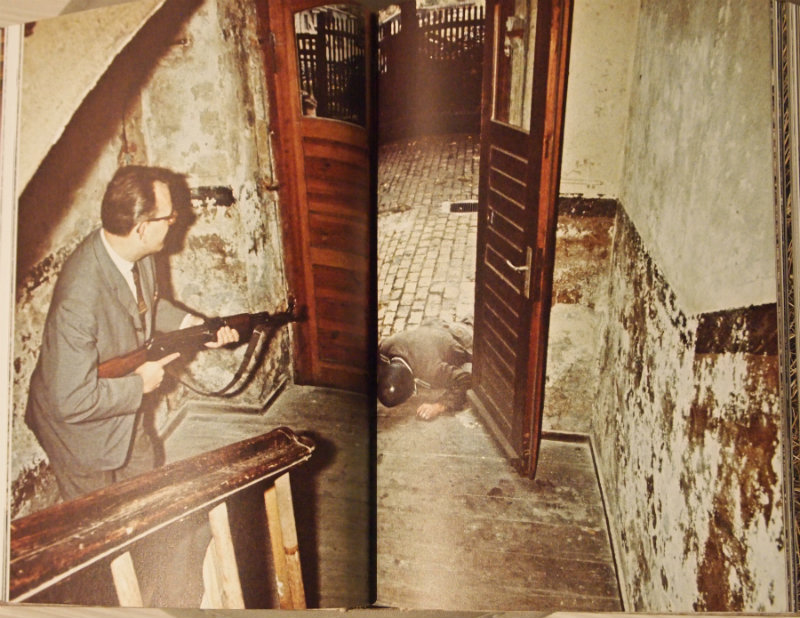
Among the 19 photo books is “Reenactment MfS,” in which Berlin photographer Arwed Messmer revisited material taken from the archives of the Stasi secret police of failed attempts to escape East Germany before the Berlin Wall came down. The images reflect not only the atrocities of the time, but also records of people who were forced to “re-enact” their failed escape attempts – in which some ended up dead. It won the 2016 Silver Award.

For art and architecture aficionados, Jakob Straub’s “Roma Rotunda” looks inside 36 Rome church domes to capture their splendor. What makes the book more marvelous is that readers can survey all photos at the same time by pulling them out at a length of 18 meters.

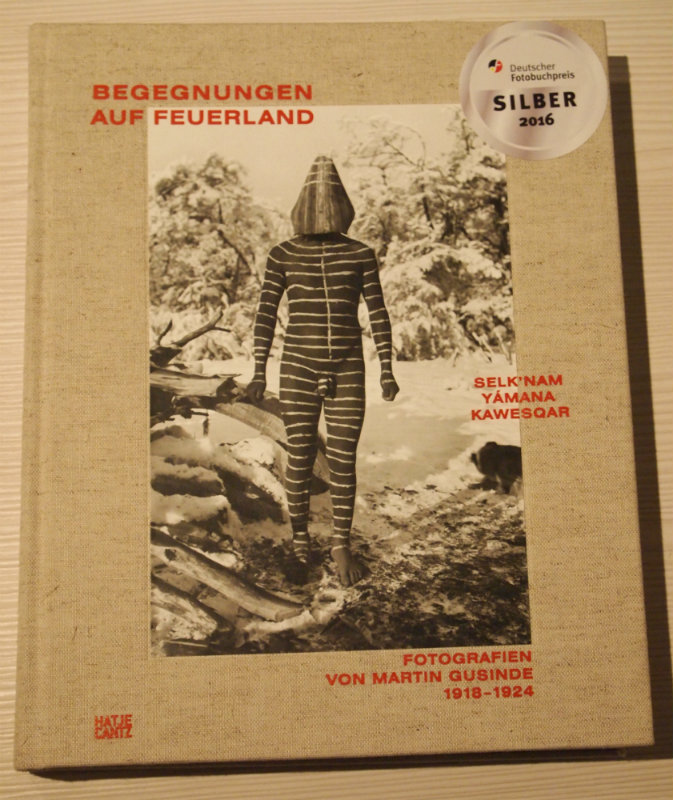
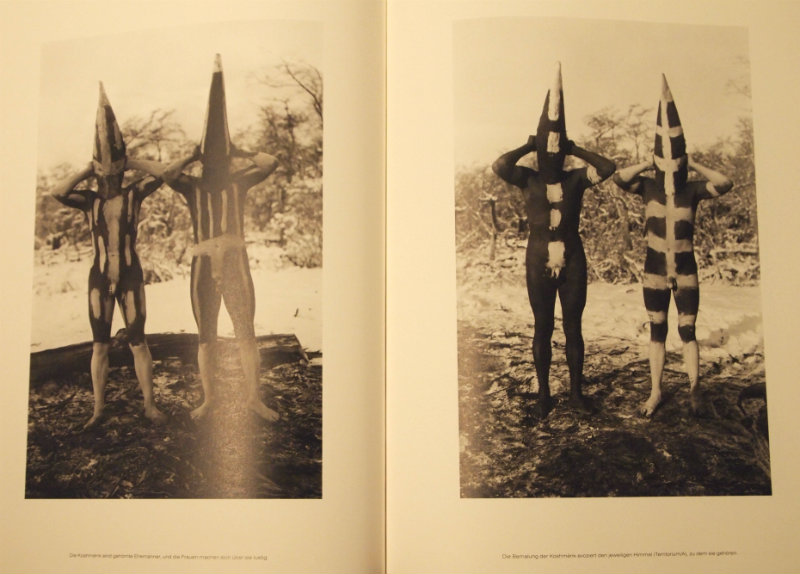
“Begegnungen auf Feuerland” or “Encounters in Tierra del Fuego” is a collection images of indigenous people in Southern Patagonia, or Tierra del Fuego, around 1918 by German priest Martin Gusinde. Though the native population no longer exists, their culture and rites were recorded through Gusinde’s lens.

Admission is free.

The exhibition is open 10am to 6pm on weekdays and closes at 4pm on Saturdays and Sundays. It runs through Feb. 24.

The Design Centre of Faculty of Architecture, Chulalongkorn University is located in front of Triam Udom Suksa school on Phayathai Road. It can be reached from BTS National Stadium or MRT Sam Yan by taxi or foot.

Image from Jean-Marie Ghislain’s collection “Berührende Schönheit” displays in the German Photography Book Award 2016 Exhibition. Photo: Goethe-Institut Thailand / Facebook.

p1128653 p1128664

The 2016 Silver Award winner Arwed Messmer’s ‘Reenactment MfS’ gathers photos from the Stasi’s reenactment of people who attempted to flee East Germany.
2016 Silver Award winner Jakob Straub’s ‘Roma Rotunda’ looks from under the dome at 36 churches from various periods in Rome.
Martin Gusinde’s "Begegnungen auf Feuerland” shows the lives 100 years ago of an indigenous people in South America who are now gone from the world.
Martin Gusinde’s “Begegnungen auf Feuerland” shows the lives 100 years ago of an indigenous people in South America who are now gone from the world.
Martin Gusinde’s "Begegnungen auf Feuerland” shows the lives 100 years ago of an indigenous people in South America who are now gone from the world.
Martin Gusinde’s “Begegnungen auf Feuerland” shows the lives 100 years ago of an indigenous people in South America who are now gone from the world.

Advertisement

Gambian Dictator Refuses to Step Down, Declares State of Emergency

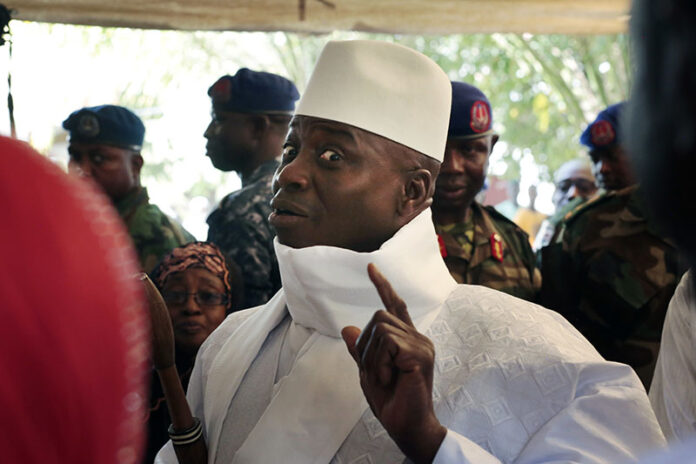
Gambia's president Yahya Jammeh shows his inked finger Dec. 1 before voting in Banjul, Gambia. Photo: Jerome Delay / Associated Press

DAKAR, Senegal — Gambia’s President Yahya Jammeh declared a state of emergency on Tuesday, just two days before he is supposed to cede power after losing elections last month.

The longtime leader is refusing to step down despite international pressure and the threat by other West African nations of a military intervention.

The 90-day state of emergency, announced on state television, was to begin immediately. It bans all residents and citizens from “any acts of disobedience” or violence and urges security forces to maintain order.

In the announcement, Jammeh also blamed what he called the unprecedented level of foreign involvement in Gambia’s election. The National Assembly, in approving the state of emergency, condemned the “unlawful and malicious interference” by the African Union’s Peace and Security Council, which has said the continental body will no longer recognize Jammeh as Gambia’s legitimate leader as of Thursday.

President-elect Adama Barrow, the man who ousted Jammeh in the December election, is vowing to take power on Thursday despite Jammeh’s refusal to leave.

Jammeh says the country must wait for Gambia’s supreme court to decide on the ruling party’s challenge to the election results, a delay that could take months. The party alleges voting irregularities.

On Monday, Gambia’s chief justice recused himself and said he could not rule on Jammeh’s request for an injunction blocking Barrow’s inauguration.

Meanwhile, members of Jammeh’s cabinet are fleeing. Gambia’s foreign affairs minister, along with the ministers of finance, trade and environment, all have resigned, a political official in Banjul said Tuesday. The official spoke on condition of anonymity for fear of reprisals. The country’s information minister earlier went into exile in Senegal.

West Africa’s regional bloc has a standby force for possible military intervention if Jammeh doesn’t step down when his mandate ends this week. Gambia, a tiny nation of 1.9 million people, is estimated to have an army of just 900 troops.

Jammeh has ruled Gambia for more than 22 years. He initially went on state television to concede his election defeat, only to make a dramatic about-face a week later. He has long been accused by human rights groups of running a government that arbitrarily detains, tortures and even kills opponents.

Barrow is currently in Senegal, and the regional bloc, ECOWAS, has urged Barrow to stay there until Thursday’s inauguration for his safety. On Monday, he was unable to attend the funeral for his 7-year-old son, who had been fatally mauled by a dog a day earlier.

Story: Abdoulie John

Advertisement

Review: In ‘Jackie,’ a Fractured Kennedy Fable

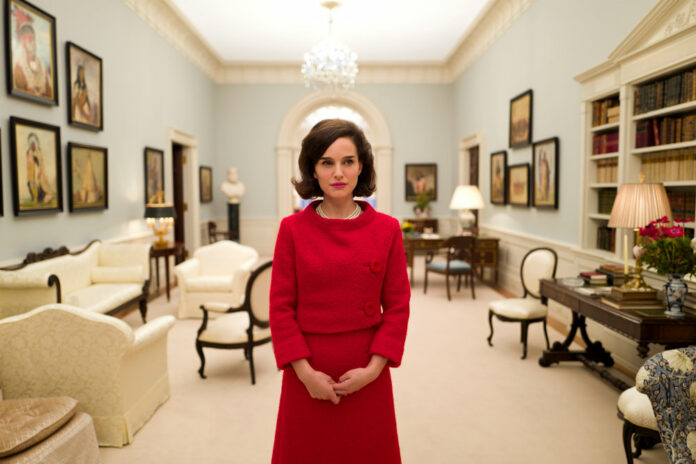
History, lately run amok, is ordered with such tidy, forceful finesse by Natalie Portman’s Jacqueline Kennedy in in the piercing “Jackie.” Summoning a journalist to Hyannis Port in 1963, not long after the assassination of John F. Kennedy, she coolly sets the record for her late husband’s legacy, coining “Camelot” and shaping the mythology. Some details that don’t fit the narrative she simply crosses out. “I don’t smoke,” she tells the Life magazine reporter (Billy Crudup), with a cigarette dangling between her fingers.

Pablo Larrain’s “Jackie,” a work of probing intimacy and shattered stereotype, is an electrifyingly fractured portrait of the former First Lady. Gone is the image of the wan, serene Jackie. Here, instead, is a savvy public-relations operator, a steely widow in grief and a woman redefining herself amid tragedy. “I’m his wi–” she begins saying after Dallas. “Whatever I am now.”

The more complicated view of the mysterious Kennedy is inspired partly by the revelatory private interviews conducted by Arthur M. Schlesinger Jr. and released in 2011. She was not purely her pillbox-wearing public image, not merely a totem of grace, the candid tapes revealed.

Throughout “Jackie,” we feel her discomfort at playing a starring role in an American fairy tale turned nightmare. The disharmony, sounded by Mica Levi’s knotted, gloomy score, is always there between persona and person. “We’re the beautiful people, right?” she sarcastically quips. Exiting Air Force One, she deadpans to her husband (Caspar Phillipson), “I love crowds.” In Larrain’s hands, Kennedy’s pained public performance is a kind of sacrifice. “Jackie” is at once a deconstruction of the Jackie Kennedy fable and a dramatization of its making.

Penned by Noah Oppenheim (“The Maze Runner”), “Jackie” evades the traditional biopic format like a disease. It’s organized around the Hyannis Port interview with flashbacks to events large and small before the assassination, during it and after. Many of the scenes, quiet and empty, are shot less like flashbacks than like Kennedy’s own splintered, haunted memories.

Some, like her televised White House tour (recreated with black-and-white precision), are familiar. Others are strikingly surreal. Kennedy silently marching through a vacant White House, her pink suit bloodied from the shooting, is an unshakable image that feels straight out of Kubrick.

And then there’s Kennedy stomping through rainy Arlington, her heels digging into the wet ground. Seeking a spot for what will be the Eternal Flame, she is, through force of will, staking a plot in history for her husband. “Have you read what they’ve been writing?” she first greets the reporter. “It’s no way to be remembered.”

Portman’s Kennedy is, from the start, probably thornier and more uneasy than the woman ever was. Portman and Larrain have sharpened her and superimposed her story on a rigorously crafted but resolutely cold surface. “Jackie,” though endlessly fascinating, can feel like a character study conducted on a surgical table.

Larrain, the talented Chilean filmmaker of the Oscar-nominated “No” whose equally complex “Neruda” is also out soon, is interested in dissecting Kennedy but not solving her. “I’ll settle for a story that’s believable,” says Crudup’s reporter. The truth, Kennedy says, is out of reach.

What is within the grasp of “Jackie” — aside from a compelling, intricate performance from a fully committed Portman — is a sense of how difficult it may have been for Kennedy to make things look so easy. With preternatural poise, she served as a bulwark of decorum and order against the chaos of the times. It’s chilling now to hear the advice of Kennedy family friend William Walton (the great Richard E. Grant) after Lee Harvey Oswald is gunned down. He tells Kennedy to take the kids to Boston and “build a fortress.” ”The world’s gone mad, Mrs. Kennedy.”

“Jackie,” a Fox Searchlight release, is rated R by the Motion Picture Association of America for “brief strong violence and some language.” Running time: 100 minutes. Three stars out of four.

Story: Jake Coyle

Advertisement

Hot News

LATEST NEWS

Bangkok
overcast clouds
30.5 ° C
30.5 °
30.5 °
78 %
6.6kmh
87 %
Thu
31 °
Fri
37 °
Sat
36 °
Sun
37 °
Mon
37 °