
































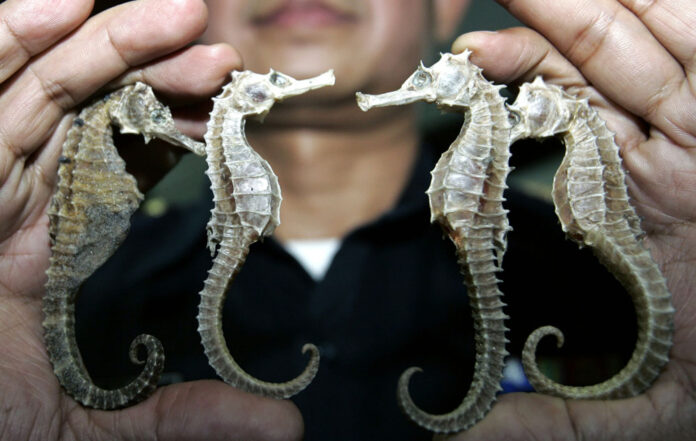
JOHANNESBURG — Seahorses, traded by the millions annually as an ingredient in traditional medicine in parts of Asia, are getting a reprieve from Thailand, the world’s biggest exporter of the animal.
A marine biologist who works closely with Thailand on seahorse conservation welcomed the government’s decision to suspend seahorse trade because of concern about threats to its wild population.
“It’s a way station to getting serious management in place,” Amanda Vincent of The University of British Columbia said Thursday. Vincent is director of Project Seahorse, a marine conservation group whose partner is the Zoological Society of London.
The Thailand decision was announced at a meeting in South Africa of the Convention on International Trade in Endangered Species of Wild Fauna and Flora, or CITES. The U.N. meeting, which regulates trade in more than 35,000 species of animals and plants, ends Oct. 5.
Seahorses are mainly used in dried form for traditional medicine in mainland China, Hong Kong and Taiwan. They are also popular as curios, and there is a trade in live seahorses for display in home aquariums, including in Europe and North America.
CITES requires some controls on trade in the dozens of types of seahorse, designed to ensure the survival of the species.
But Thailand, responsible for three-quarters of the world’s documented exports of seahorses, could not meet its obligations and stopped issuing export permits at the beginning of the year, according to Vincent.
Thailand’s goal, she said, is to make seahorse exports “sustainable.”
CITES has suspended the seahorse trade with three other big exporters — Vietnam, Senegal and Guinea — after they failed to meet requirements for the trade in the animal, Vincent said.
Story: Christopher Torchia



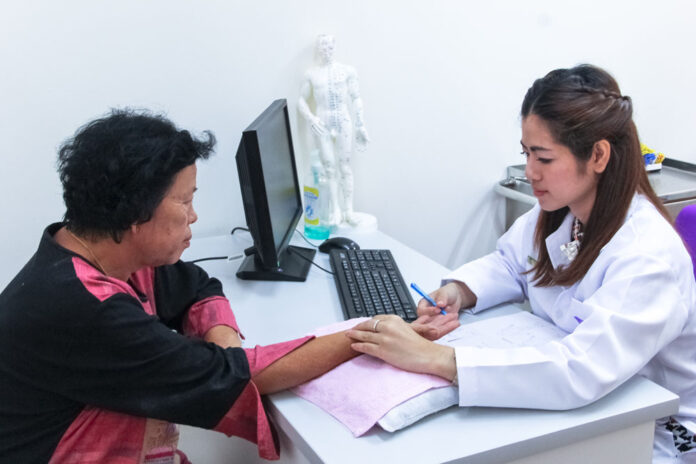
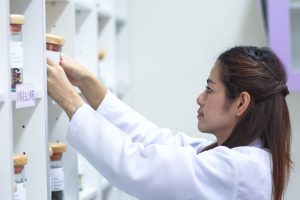 Now the course has become so popular that the university is launching a Traditional Chinese Medicine Clinic at its University Hospital, that covers three branches of health treatment: Western Medicine, Traditional Thai Medicine and Traditional Chinese Medicine together. This way our students will have the opportunity to learn and share experiences in three branches of science and integrate the knowledge easily.
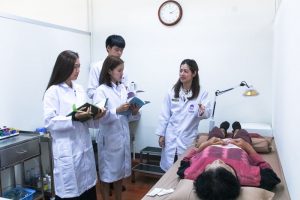 Dr. Udom summarized that the course of Traditional Chinese Medicine in University of Phayao has followed with national development strategies plan issue No. 11 (2011-2016). Aimed to reducing risk factor in health treatment such as promoting complete physical and mental health in Thais, developing knowledge and skill in health caring for themselves, family and community, participating in public policies for good health and developing health services system for good quality, promoting an alternative medicine, developing health data system of country and managing Public Health Personnel in appropriate production and distribution. So it is very important to produce doctors of Traditional Chinese Medicine to meet the needs of society.