

























31.6 C
Bangkok
Sunday, June 28, 2026
Home Blog Page 3092

Editorial: New Laws Darken Future of Free Speech in Thailand

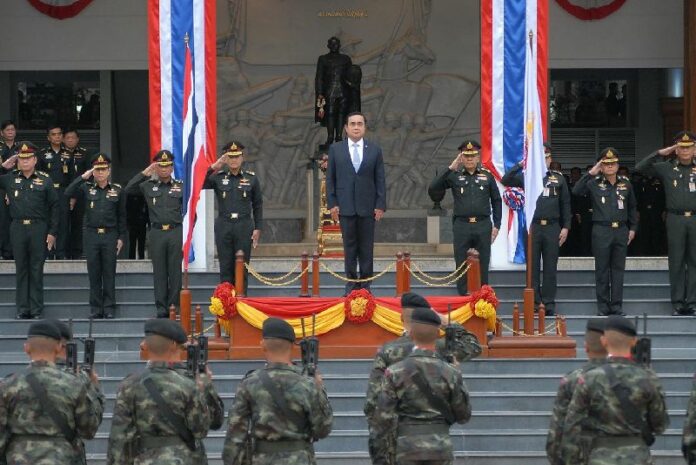
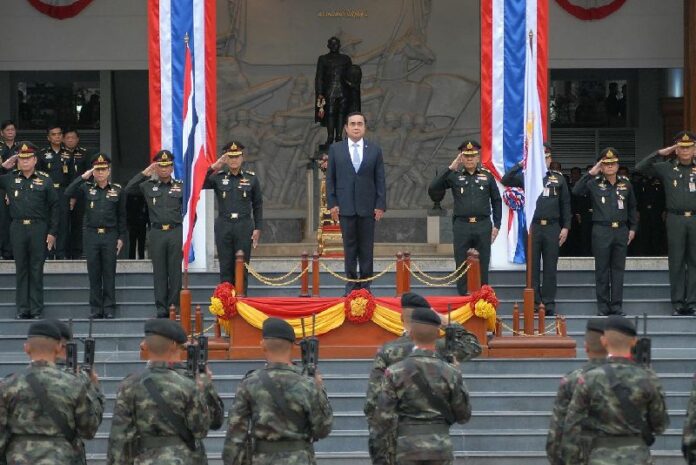
Junta chairman, Prime Minister, and former Army Chief Prayuth Chan-ocha presiding over the 105th anniversary of the 1st Region Army in Bangkok on 13 Jan 2015.

The future of freedom of expression in Thailand is bleak.

While several existing laws already grant Thai authorities sweeping power to prosecute dissident thinkers, the junta's interim government is considering two more pieces of legislation that will vastly strengthen the state's censorship capabilities.

The first piece comes in the form of a constitutional clause that places broad restrictions on freedom of expression.

According to the so-called “hate speech” clause, the state will be authorized to curb free speech in order to:

"maintain the stability of the state; to protect the rights, liberty, dignity, reputation, private information, rights in family, or individual privacy; to maintain peace and order or the good morality of the people; to prevent or cease mental or health degradation of the people; to prevent any hatred between the people in the nation or religions; or to prevent any act of violence against one another."

The term "stability of the state" should raise a red flag. Under the notorious Computer Crimes Act, which outlaws disseminating any information through a computer system that may damage national security, the very same phrase is frequently used to silence critics of the state. For example, two journalists in Phuket are currently facing jail terms for allegedly violating the Computer Crimes Act by publishing an excerpt of a Reuters article that accused some members of the Thai Navy of profiting from human trafficking. 

Authorities have regularly capitalized on the conveniently broad language of the Computer Crimes Act, which was passed by the last post-coup government in 2007, to prosecute political enemies. There is no reason to think that the lengthy and yet vague definition of what constitutes unlawful speech in this new constitutional clause won’t be wielded in the same way. 

In a second worrisome development, the Cabinet has already given the green light to a bill that would empower authorities to access any form of private communication in the name of "safeguarding national cyber security," without securing a court warrant. 

According to Section 35 of the draft of the Cyber Security Act, officials will be authorized to "access any channel of information and communication, including mails, telegrams, telephones, fax, computer, or any other type of electronic and telecommunication equipment" deemed necessary to protect the state.

As stands now, the bill does not require officials to seek court warrants to access private information, or outline any other checks on these far-reaching powers. Section 35 also grants authorities the power to "request" any state or private agency "to act for the benefit of the [officials'] performance of duty."

In Thailand, where insulting the Thai Royal Family is illegal and considered a threat to national security, there is little doubt this law will be used to identify and prosecute perceived critics of the monarchy. 

In recent years, the rise of Internet availability and social media has opened up new spaces for discussion of taboo topics in Thailand. The Cyber Security Act will surely spell the end of this safe haven for honest discussion.

With laws like the Computer Crimes Act and lese majeste, Thailand is already far from cultivating a society that values freedom of expression. These two pieces of legislation will only steer the country further from that path. 
 
Advertisement

Editorial: New Laws Darken Future of Free Speech in Thailand

Junta chairman, Prime Minister, and former Army Chief Prayuth Chan-ocha presiding over the 105th anniversary of the 1st Region Army in Bangkok on 13 Jan 2015.

The future of freedom of expression in Thailand is bleak.

While several existing laws already grant Thai authorities sweeping power to prosecute dissident thinkers, the junta's interim government is considering two more pieces of legislation that will vastly strengthen the state's censorship capabilities.

The first piece comes in the form of a constitutional clause that places broad restrictions on freedom of expression.

According to the so-called “hate speech” clause, the state will be authorized to curb free speech in order to:

"maintain the stability of the state; to protect the rights, liberty, dignity, reputation, private information, rights in family, or individual privacy; to maintain peace and order or the good morality of the people; to prevent or cease mental or health degradation of the people; to prevent any hatred between the people in the nation or religions; or to prevent any act of violence against one another."

The term "stability of the state" should raise a red flag. Under the notorious Computer Crimes Act, which outlaws disseminating any information through a computer system that may damage national security, the very same phrase is frequently used to silence critics of the state. For example, two journalists in Phuket are currently facing jail terms for allegedly violating the Computer Crimes Act by publishing an excerpt of a Reuters article that accused some members of the Thai Navy of profiting from human trafficking. 

Authorities have regularly capitalized on the conveniently broad language of the Computer Crimes Act, which was passed by the last post-coup government in 2007, to prosecute political enemies. There is no reason to think that the lengthy and yet vague definition of what constitutes unlawful speech in this new constitutional clause won’t be wielded in the same way. 

In a second worrisome development, the Cabinet has already given the green light to a bill that would empower authorities to access any form of private communication in the name of "safeguarding national cyber security," without securing a court warrant. 

According to Section 35 of the draft of the Cyber Security Act, officials will be authorized to "access any channel of information and communication, including mails, telegrams, telephones, fax, computer, or any other type of electronic and telecommunication equipment" deemed necessary to protect the state.

As stands now, the bill does not require officials to seek court warrants to access private information, or outline any other checks on these far-reaching powers. Section 35 also grants authorities the power to "request" any state or private agency "to act for the benefit of the [officials'] performance of duty."

In Thailand, where insulting the Thai Royal Family is illegal and considered a threat to national security, there is little doubt this law will be used to identify and prosecute perceived critics of the monarchy. 

In recent years, the rise of Internet availability and social media has opened up new spaces for discussion of taboo topics in Thailand. The Cyber Security Act will surely spell the end of this safe haven for honest discussion.

With laws like the Computer Crimes Act and lese majeste, Thailand is already far from cultivating a society that values freedom of expression. These two pieces of legislation will only steer the country further from that path. 
 
For comments, or corrections to this article please contact: [email protected]

You can also find Khaosod English on Twitter and Facebook
http://twitter.com/KhaosodEnglish
http://www.facebook.com/KhaosodEnglish

Advertisement

Fate of Japanese Hostages Unknown as Islamic State's Deadline Passes

By Takehiko Kambayashi and Weedah Hamzah

TOKYO/BEIRUT (DPA) — The fate of two Japanese hostages being held by the Islamic State was unknown on Friday as a deadline set by the jihadist group expired.

"So far the captors are silent, but we expect something from them soon," said an activist, who is based in the north-eastern Syrian province of Raqqa, an Islamic State stronghold.

He said the 72-hour deadline for payment of a ransom had passed early on Friday.

The activist, who asked not to be named for fear of reprisal from the extremists, said Islamic State had established contact with the Japanese government.

"The situation remains extremely severe, and we just continue to do what we have to do for them to be released as early as possible," Chief Cabinet Secretary Yoshihide Suga told a news conference in Tokyo.

Japanese authorities believed the ransom deadline was 2:50 pm (0550 GMT) on Friday.

The militant group threatened in a video posted on the internet Tuesday to kill Kenji Goto, a freelance journalist, and Haruna Yukawa, who works for a private security firm, unless a 200-million-dollar (178-million-euro) ransom payment was made within 72 hours.

Asked if there has been any contact from the group, Suga said, "Nothing in particular."

The top government spokesman declined to give details of the ongoing diplomatic efforts.

Earlier in the day, Goto's mother Junko Ishido implored the captors at a news conference, "Please allow him to be released."

"Kenji is not an enemy of Islamic State. He went only to rescue his acquaintance," Ishido said, referring to Yukawa.

In Tuesday's footage, the two hostages appeared in orange jumpsuits similar to those worn by hostages previously beheaded by Islamic State.

In Syria meanwhile, the death toll from a Syrian regime raid on an area near the capital Damascus has risen to more than 42 killed among them six children, a monitoring group said.

The Syrian Observatory for Human Rights said the bombardment targeted a rebel-held district in the region of Eastern Ghouta on the outskirts of Damascus. There was no official comment.

More than 200,000 people, mostly civilians, have been killed in Syria's nearly four-year conflict, according to activists.

In neighboring Lebanon, Lebanese army soldiers clashed throughout the day Friday with members of the jihadist movement Islamic State near the Lebanese-Syrian border.

The Lebanese army said late Friday that five of its soldiers were killed and others wounded in ongoing clashes with terrorists in the Tallat al-Hamra region on the outskirts of Ras Baalbek in the eastern Bekaa.

The army said that members of the terrorist group attacked an army surveillance post in Tallat al-Hamra near the Lebanese-Syrian border earlier Friday.

It added that a number of gunmen were killed and wounded in the fighting.

Members of the al-Qaeda-linked Nusra Front and the Islamic State group have launched several such attacks in recent months on Lebanon's eastern border with Syria.


For comments, or corrections to this article please contact: [email protected]

You can also find Khaosod English on Twitter and Facebook
http://twitter.com/KhaosodEnglish
http://www.facebook.com/KhaosodEnglish

Advertisement

Fate of Japanese Hostages Unknown as Islamic State's Deadline Passes


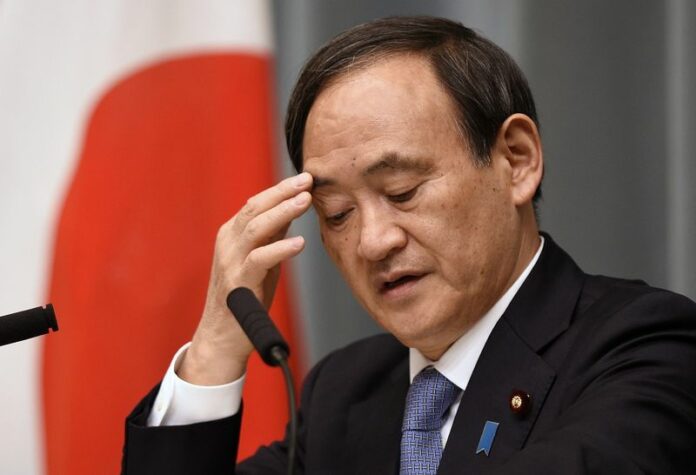
Japanese Chief Cabinet Secretary Yoshihide Suga during a press conference at the prime minister's official residence in Tokyo, Japan, 23 January 2015. The mother of one of the Japanese men held by the Islamic State militant group implored the captors to release her son as a 72-hour deadline for paying a ransom approached. EPA/FRANCK ROBICHON

By Takehiko Kambayashi and Weedah Hamzah

TOKYO/BEIRUT (DPA) — The fate of two Japanese hostages being held by the Islamic State was unknown on Friday as a deadline set by the jihadist group expired.

"So far the captors are silent, but we expect something from them soon," said an activist, who is based in the north-eastern Syrian province of Raqqa, an Islamic State stronghold.

He said the 72-hour deadline for payment of a ransom had passed early on Friday.

The activist, who asked not to be named for fear of reprisal from the extremists, said Islamic State had established contact with the Japanese government.

"The situation remains extremely severe, and we just continue to do what we have to do for them to be released as early as possible," Chief Cabinet Secretary Yoshihide Suga told a news conference in Tokyo.

Japanese authorities believed the ransom deadline was 2:50 pm (0550 GMT) on Friday.

The militant group threatened in a video posted on the internet Tuesday to kill Kenji Goto, a freelance journalist, and Haruna Yukawa, who works for a private security firm, unless a 200-million-dollar (178-million-euro) ransom payment was made within 72 hours.

Asked if there has been any contact from the group, Suga said, "Nothing in particular."

The top government spokesman declined to give details of the ongoing diplomatic efforts.

Earlier in the day, Goto's mother Junko Ishido implored the captors at a news conference, "Please allow him to be released."

"Kenji is not an enemy of Islamic State. He went only to rescue his acquaintance," Ishido said, referring to Yukawa.

In Tuesday's footage, the two hostages appeared in orange jumpsuits similar to those worn by hostages previously beheaded by Islamic State.

In Syria meanwhile, the death toll from a Syrian regime raid on an area near the capital Damascus has risen to more than 42 killed among them six children, a monitoring group said.

The Syrian Observatory for Human Rights said the bombardment targeted a rebel-held district in the region of Eastern Ghouta on the outskirts of Damascus. There was no official comment.

More than 200,000 people, mostly civilians, have been killed in Syria's nearly four-year conflict, according to activists.

In neighboring Lebanon, Lebanese army soldiers clashed throughout the day Friday with members of the jihadist movement Islamic State near the Lebanese-Syrian border.

The Lebanese army said late Friday that five of its soldiers were killed and others wounded in ongoing clashes with terrorists in the Tallat al-Hamra region on the outskirts of Ras Baalbek in the eastern Bekaa.

The army said that members of the terrorist group attacked an army surveillance post in Tallat al-Hamra near the Lebanese-Syrian border earlier Friday.

It added that a number of gunmen were killed and wounded in the fighting.

Members of the al-Qaeda-linked Nusra Front and the Islamic State group have launched several such attacks in recent months on Lebanon's eastern border with Syria.


For comments, or corrections to this article please contact: [email protected]

You can also find Khaosod English on Twitter and Facebook
http://twitter.com/KhaosodEnglish
http://www.facebook.com/KhaosodEnglish

Advertisement

'Heartbroken' Tourist Attempts Suicide in Pattaya Bar

CHONBURI — A foreign tourist attempted suicide in a bar in Pattaya this morning after he saw his ex-girlfriend with another man, police say.

Police have identified the man as a 44-year-old Canadian national. Rescue workers were called to assist him at around 3 am today in front of a bar on Soi Pattaya 16.

The tourist reportedly had large knife wounds on his right arm, and is now being treated at Pattaya Memorial Hospital.

A witness, Wassana Yoosuparb, told police that the Canadian man was drinking at the bar when he saw a woman he used to date with another man.

He then reportedly tried to convince her "come back" to him, according to Wassana.

"His [ex] girlfriend refused, so he became sad and acted madly. He used his knife to slash at his own arm," Wassana said. She added that people in the area promptly called police for help.  


For comments, or corrections to this article please contact: [email protected]

You can also find Khaosod English on Twitter and Facebook
http://twitter.com/KhaosodEnglish
http://www.facebook.com/KhaosodEnglish

Advertisement

Full English Text of Yingluck's Post-Impeachment Statement

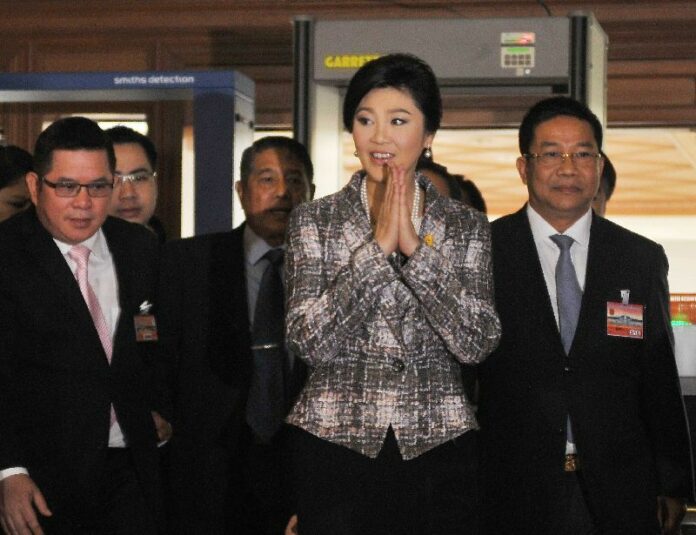
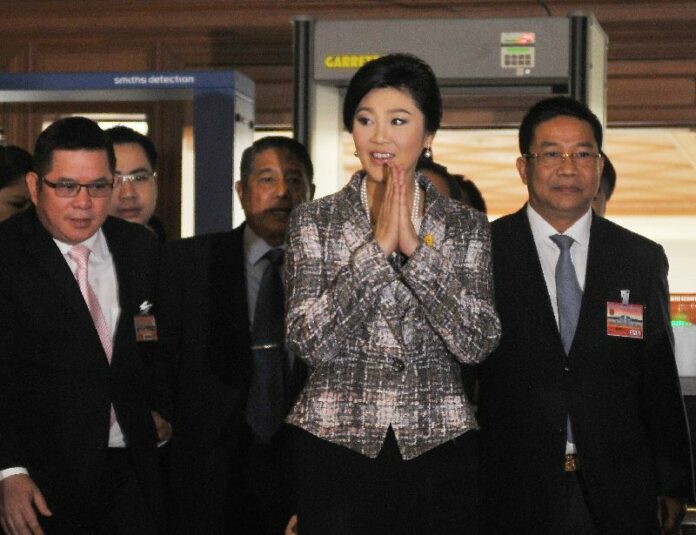
Yingluck arriving at the Parliament House for her final impeachment hearing on 22 Jan 2015.

A Khaosod English translation of the statement posted by former Prime Minister Yingluck Shinawatra on her official Facebook account this afternoon.

Statement from Ms. Yingluck Shinawatra
The 28th Prime Minister of Thailand
23 January 2015

To all the dear people,

As expected, the National Legislative Assembly has reached its decision to impeach me as a Prime Minister and ban me from politics for five years, while the Attorney-General has taken up a case against me in the Supreme Court's Division for Holders of Political Office. I have these statements to make:

I insist on and express confidence in my innocence, and I would like to thank the principled minority votes that upheld fairness. The procedures have violated and abridged my basic rights that I, as a Thai citizen, deserve to have.

Let me insist that the rice-mortage program is a good program. It did not cause damages. As for the number of damages that they have tried to press on me, it is prejudice against me, and an attempt to use farmers as instruments of political destruction.

As I said about Thailand's democracy on 29 April 2013 at Ulan Bator, Mongolia, "I would like to see reconciliation and democracy gain strength. This can only be achieved through strengthening of the rule of law and due process. Only then will every person from all walks of life feel confident that they will be treated fairly."

I still insist on those words I said, even though today Thai democracy is dead, along with the rule of law. There is still a movement constantly bent on destruction, as I am suffering right now. 

It is saddening and unbelievable that there are so many coincidences, as I said in my final hearing yesterday, and they are coincidences that are not coincidences. Just only one hour before the National Legislative Assembly began its impeachment vote, the Attorney-General announced that it would prosecute me on charges of dereliction of duty leading to corruption in the rice-mortage program, even though the head of the Office of Attorney-General stressed that there is still need to consider incomplete points in the case.

The attorney institution, which has long been a credible institution in the justice system, is now questioned because of this incident. 

My performance of duty as a Prime Minister throughout two years, nine months, and two days was dedicated to solving problems in every group of people without discrimination. I am proud that, once in my life, I helped farmers and poor people escape from the depth of their poverty, and improved their lives. 

Today, I have no [political] office left. The only thing left for me are charges that they have forcefully pressed against me, which I will fight in court. 

Reconciliation cannot take place by hunting down certain individuals. It has to come with impartiality that provides justice to all sides. When there is fairness, there will be justice. Acceptance, peace, and unity will then follow suit in Thai society.

We are all Thais. Instead of turning to each other and joining hands to strengthen our country, we create hatred against each other, hunting down [opponents] and not giving them quarters. In the end, the one who is damaged is our own country. 

I am saddened, not because I have been bullied and am suffering unfair fate, but because I feel sorry for farmers and all the Thai people who lost their opportunity and were forced back to live in the endless cycle of poverty, debt, and exploitation. They also lost the basic [rights] of democracy, and the laws are being distorted. 

Finally, I hope that the individuals who administer justice of the country will not allow any group who disrespects democratic rules and disregards rules of law to be influential ever again. As an academic has said: "if there is no Yingluck, Thai people can still live on. But, more importantly, if there is no justice left in the governance of Thailand, no one can live on."


For comments, or corrections to this article please contact: [email protected]

You can also find Khaosod English on Twitter and Facebook
http://twitter.com/KhaosodEnglish
http://www.facebook.com/KhaosodEnglish

Advertisement

Yingluck Denounces Impeachment in Facebook Post

Yingluck arriving at the Parliament House for her final impeachment hearing on 22 Jan 2015.

BANGKOK — Former Prime Minister Yingluck Shinawatra has insisted on her innocence following the junta-appointed parliament's decision to impeach her this morning, posting a statement on Facebook after the military forced her staff to cancel a formal press conference.

Yingluck was impeached in an overwhelming vote, 190 against 18, by the National Legislative Assembly (NLA) today for her alleged failure to stop corruption in the rice-pledging scheme, a key policy in her administration that allegedly cost the state 500 billion baht in damages. 

As a result of her impeachment, Yingluck is banned from politics for five years, effectively barring her from the next national election that the junta says will be held in 2016 at the earliest. 

Yingluck was scheduled to give a press conference after the vote at the SC Park Hotel, which is owned by her family, but military officers arrived at the premises and "asked" her staff to cancel the event. 

\
Soldiers arrive at hotel in Bangkok where Yingluck was scheduled to hold a press conference after being impeached by NLA, 23 Jan 2015.

Yingluck's official Facebook account then posted a statement attributed to her, saying that the impeachment was "expected," but that she still insists on her innocence.

"The procedure has violated and abridged my basic rights that I, as a Thai citizen, deserve to have," the statement says. "Let me insist that the rice-mortage program is a good program. It did not cause any damage. As for the number of damages that they try to press on me, it is prejudice against me, and an attempt to use farmers as instruments of political destruction."

She also expressed her dismay at the "coincidence" that the Office of Attorney-General decided to press criminal charges against her in court only an hour before she was impeached by the NLA.

The former leader concluded her statement with a strongly-worded pledge to continue "fighting."

"However, I insist that I will fight to the end to prove my innocence, regardless of the outcome. What is also important is that I will stand by the people of Thailand. We have to bring progress to the country, restore democracy, and build fairness in society in a meaningful way."

\
The NLA voted to impeach Yingluck 190 to 18 on 23 Jan 2015.

The statement was a rare display of defiance from Yingluck; the former leader has not commented on the coup or Thai politics in general since the military seized power on 22 May 2014. Other Pheu Thai Party and Redshirt figures have also largely asked their supporters to "cooperate" with the military junta. 

Junta leaders have repeatedly asked Yingluck's supporters not to protest the impeachment verdict, which analysts say may increase tension between Thailand's bitterly divided politicalcamps. However, the streets of Bangkok remained calm on Friday, with the public adhering to the junta's ban on all political activities and protests. 

For comments, or corrections to this article please contact: [email protected]

You can also find Khaosod English on Twitter and Facebook
http://twitter.com/KhaosodEnglish
http://www.facebook.com/KhaosodEnglish

Advertisement

Police Rule Out Murder For Briton Found Dead on Koh Tao

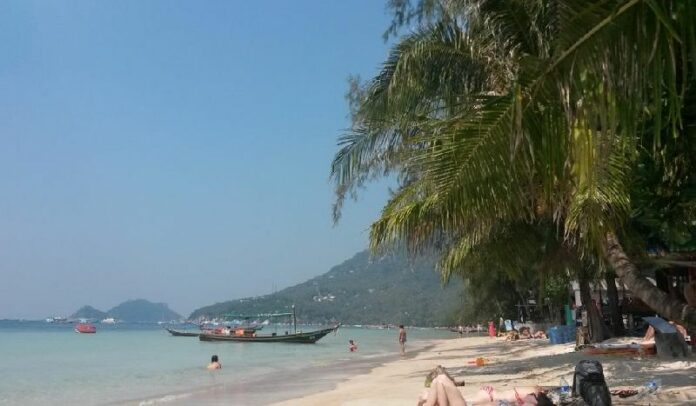
A photo of Koh Tao from what appears to be Christina Annesley's twitter account: https://twitter.com/chrstinadarling

SURAT THANI — A senior police officer has insisted that the 23-year-old British tourist who died on the southern island of Koh Tao this week was not murdered.

He was responding to early comparisons that were drawn to the two British backpackers, David Miller, 24, and Hannah Witheridge, 23, who murdered on the island last year.

On Wednesday, Christina Annesley was found dead on in her bungalow on Haat Sai Ri Beach, the same beach that the battered bodies of Miller and Witheridge were found on in September 2014.

Annesley’s body was found by staff at the resort where she was staying, said Pol.Lt.Col. Chokechai Sutthimek, superintendent of Koh Tao Police Station. A cleaning worker went to check her room after she failed to show up at the reception desk on the day she was scheduled to check out, Pol.Lt.Col. Chokechai said.

"At this moment, we do not know the cause of her death. We did not find any assault on her body or signs of rummaging in her room. None of her belongings appear to be missing," said the officer from Koh Tao Police Station, which was established last year to provide more security on the island following the murders of Miller and Witheridge.

"We only found medicine in the room," said Pol.Lt.Col. Chokechai. "We are working to find out what kind of medicine it is."

Pol.Lt.Col. Chokechai stressed that Annesley's death does not appear to be a case of murder. Police will brief the Embassy of the United Kingdom in Bangkok, Thai public, and "social media" as soon as they have further details about the death, he said. 

Pol.Lt.Col. Chokechai added that the British tourist's body is being kept at a temple on Koh Tao island while authorities wait for a ferry to Surat Thani Hospital on the mainland for an autopsy.

According to British media, a Foreign Office spokesperson confirmed the death of a British national in Thailand. 

"We are providing consular assistance to the family at this difficult time," the spokesperson was quoted as saying.

The Telegraph reported that Annesley's mother posted on Facebook that her daughter died of "natural causes."

The grisly murder of Miller and Witheridge made headlines around the globe last year and damaged Koh Tao's reputation as a popular diving destination for foreigners.

Two 21-year-old Burmese immigrants were arrested on the island in October for allegedly murdering Miller and raping and killing Witheridge. The suspects initially confessed at a police press conference, but later retracted their confessions, which they said Thai police tortured them into making.

The twist of the events led many observers to accuse Thai police of using the two Burmese men as “scapegoats.” Police have repeatedly denied the allegation. 

The two Burmese suspects are currently held in prison. Their court trial is set to start in September. 


For comments, or corrections to this article please contact: [email protected]

You can also find Khaosod English on Twitter and Facebook
http://twitter.com/KhaosodEnglish
http://www.facebook.com/KhaosodEnglish

Advertisement

'Illegal' Chinese Guides Assault Tourists in Pattaya

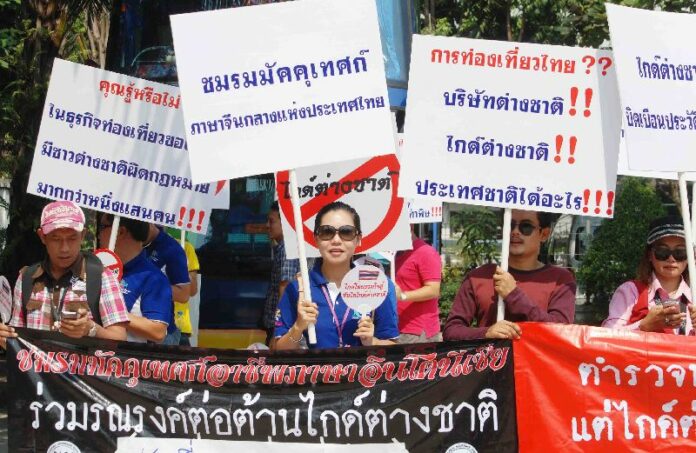
On 21 January, tourist guides from various companies staged a rally in front of the Parliament to urge a tougher crackdown on foreign guides who work without permits.

CHONBURI — Three Chinese tourists and their Thai guide were allegedly assaulted by a group of illegal Chinese guides in the outskirts of Pattaya early this morning.

Somchit Saelee, 25, told police that he and his clients were drinking and listening to music on his phone at a restaurant in front of Cholchan Hotel in Banglamung district at around 1 am. 

Eight illegal Chinese guides then walked into the restaurant, took a table, and rudely shouted at Somchit to turn down his music, Somchit said. 

"So I answered back, 'If you have anything to say to me, please come and talk to me,'" Somchit recounted for police officers at Banglamung Police Station.

However, the other reportedly guides became angry and charged at Somchit and his clients, beating them with chairs and fists. Somchit said he and the Chinese tourists managed to flee from the attackers and seek help from police.

According to Somchit, one of the attackers drew a handgun and fired several shots at him while he was running away, though the bullets did not strike anyone. Police confirmed that three bullet cases were found at the crime scene. 

Ten Thai guides who operate in Pattaya showed up at the police station to show support for Somchit and the Chinese tourists. The guides urged police to take stern measures against illegal guides. 

"I feel that local guides and foreign tourists are not safe because of these illegal guides," one of the guides told police officers.

Police said they have already identified the perpetrators in the incident and are looking for the men. 

Thai authorities have pledged to root out illegal guides in tourist destinations across the country. On 21 January, tourist guides from various companies staged a rally in front of the Parliament to urge a tougher crackdown on foreign guides who work without permits.

On the same day, police officers near the Parliament arrested two Chinese men suspected of being illegal tour guides. One of the men did not have a passport and has been charged with illegal entry into the Kingdom, police say. 

For comments, or corrections to this article please contact: [email protected]

You can also find Khaosod English on Twitter and Facebook
http://twitter.com/KhaosodEnglish
http://www.facebook.com/KhaosodEnglish

Advertisement

Koh Tao Mayor Blasts UK Media's 'Negative Reporting'

A photo Christina Annesley from what appears to be her twitter account, days before she was found dead in her bungalow on Koh Tao. https://twitter.com/chrstinadarling

SURAT THANI — The mayor of Koh Tao island, where a 23-year-old British tourist was found dead last week, has accused British media of damaging the island's reputation with spurious and negative news coverage.

Mayor Chaiyan Turasakul said he is angered by unspecified "British media agencies" who have suggested that the death of the tourist, Christina Annesley, is connected to an alleged "mafia" syndicate on Koh Tao island. 

"It may mislead foreign tourists who have never been to Koh Tao to think that Koh Tao is full of mafia who like to kill or exploit foreign tourists," Chaiyan said. "This is really what some foreign tourists think. I've seen them talking on social media."

Last September two other British tourists, 24-year-old David Miller and 23-year-old Hannah Witheridge, were found dead on Koh Tao. As police struggled to pin down a culprit, a number of media agenices began reporting about suspicions that "powerful families" on the island were engineering a cover-up. 

Two Burmese migrant workers were later arrested on charges of murdering Miller and raping and murdering Witheridge. The two 21-year-olds are currently awaiting trial in prison. 

Police have yet to determine the cause of death for Annesley, who was discovered dead in her bungalow on 21 January. Police did not publicly confirm her death to the press until 23 January, and were quick to stress that Annesley "was not murdered."

Police say there were no apparent injuries or signs of struggle on Annseley's body, which has been dispatched to an autopsy center in Bangkok. 

Chaiyan, the Koh Tao mayor, said some media agencies have been unethically spreading unsubstantiated rumors about Annesley's death.

"They have assumptions that match what they think, then publish those assumptions, because that's how the media works: do whatever will draw the attention of readers."

He also complained about the behavior of some foreign tourists on Koh Tao island.

"They want to have fun. They want to go all the way and liberate themselves. They like to do things without caring about other people," he said. "But we cannot interfere with them much. This is reality."

The mayor said he hopes that "progressive" tourists on the island will help publicize the island’s positive attributes to fellow foreigners. 

"As for Koh Tao people, all of us are thinking about how to increase the number of foreign tourists every year." Chaiyan told Khaosod. "Koh Tao is lucky that people come all the way here to spend money. How can we maintain such a good fortune in the next 40-50 years?"


For comments, or corrections to this article please contact: [email protected]

You can also find Khaosod English on Twitter and Facebook
http://twitter.com/KhaosodEnglish
http://www.facebook.com/KhaosodEnglish

For comments, or corrections to this article please contact: [email protected]

You can also find Khaosod English on Twitter and Facebook
http://twitter.com/KhaosodEnglish
http://www.facebook.com/KhaosodEnglish


Advertisement

Hot News

LATEST NEWS

Bangkok
overcast clouds
31.6 ° C
32.7 °
31.6 °
99 %
5.2kmh
100 %
Sun
30 °
Mon
34 °
Tue
33 °
Wed
31 °
Thu
29 °