




























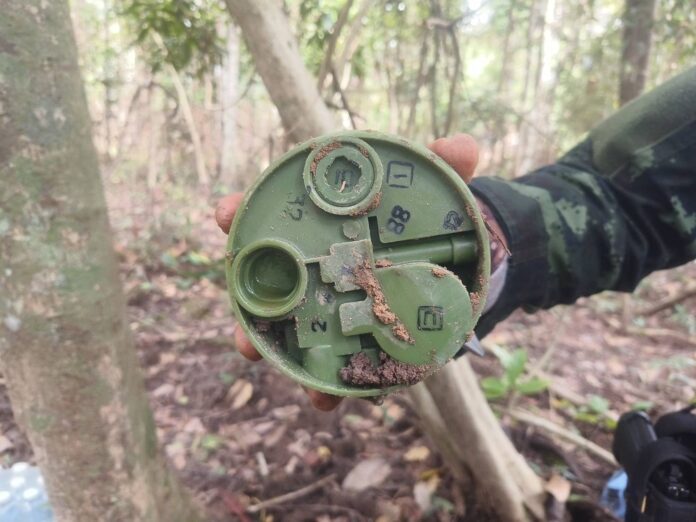
BANGKOK – Thai government condemned Cambodia’s use of anti-personnel landmines as a serious violation of international law, while the Royal Thai Army rejected Cambodian accusations as distorted facts during separate press conferences Sunday.
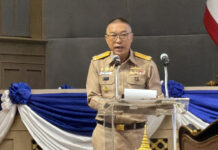
Nikorndej Balankura, Director-General of the Department of Information and Ministry of Foreign Affairs spokesperson, announced Thailand’s formal protest regarding the landmine incident on the evening of July 20.
“On July 16, 2025, three soldiers from Thailand’s Infantry Company 6021 stepped on a landmine while conducting routine patrol within Thai territory near Chong Bok, Ubon Ratchathani Province,” Nikorndej stated.
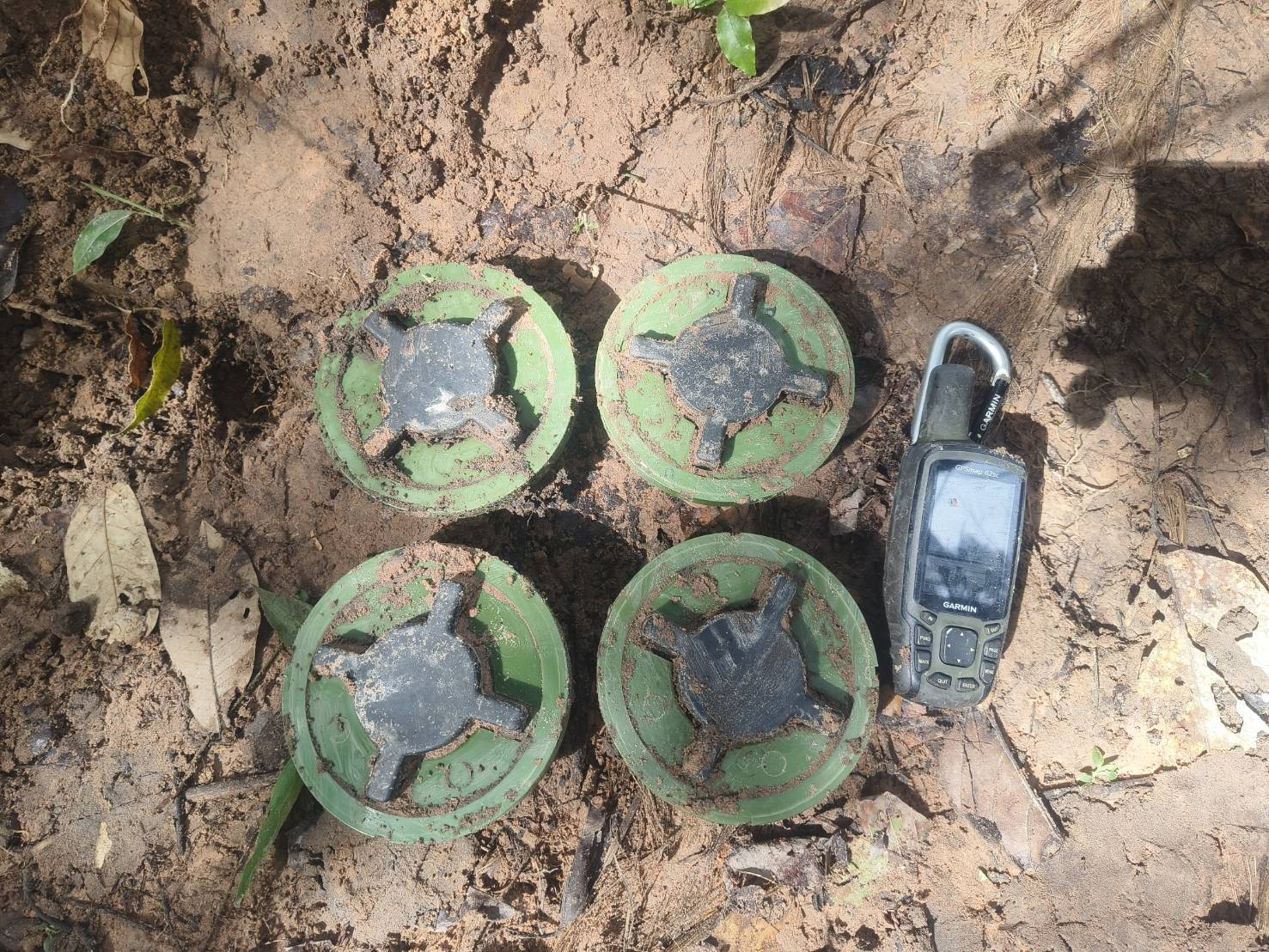
“Investigations confirm the landmines were anti-personnel mines not employed or stockpiled by Thailand and were recently laid. This constitutes a blatant violation of international law.”
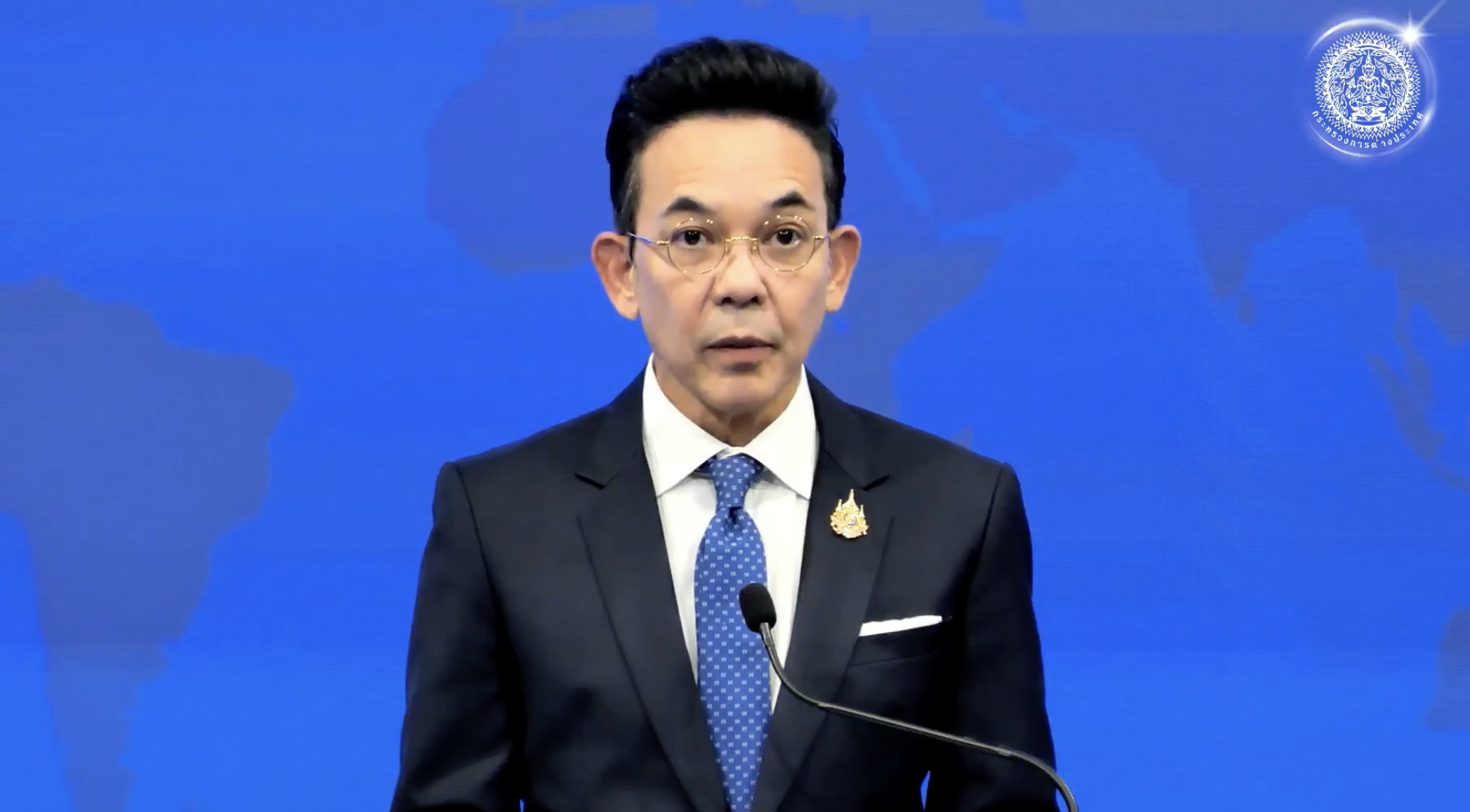
The Foreign Ministry condemned the act as a clear violation of Thai sovereignty and territorial integrity, breaching fundamental principles of international law enshrined in the UN Charter and the Anti-Personnel Mine Ban Convention.
“Thailand will take action in accordance with the Convention while continuing to resolve differences with Cambodia through bilateral channels,” he added, calling for Cambodian cooperation in humanitarian demining efforts as agreed by both Prime Ministers.
Nikorndej urged public restraint during this sensitive period: “Online communications may cause misunderstandings or unintentional divisions. We ask society to trust government and security officials for national unity, which is most important at this time.”
Army Response to Allegations
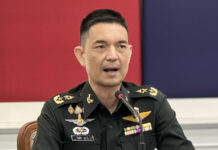
Earlier, Lt. Gen. Winthai Suvaree, Royal Thai Army spokesperson, addressed accusations by Heng Ratana, Director of Cambodia’s National Mine Action Authority (CMAA), who claimed Thai soldiers planted new landmines along the border.
“The landmines discovered are PMN-2 anti-personnel mines manufactured in Russia. The Royal Thai Army does not possess, has never procured, or used this type of explosive in any border operations,” Winthai stated firmly.
He dismissed photos and videos published by Cambodia’s Fresh News as evidence of Thai mine-laying: “Investigation reveals these images show humanitarian mine clearance training or personnel rest periods, not mine placement. This misrepresentation seriously damages Thailand’s reputation.”
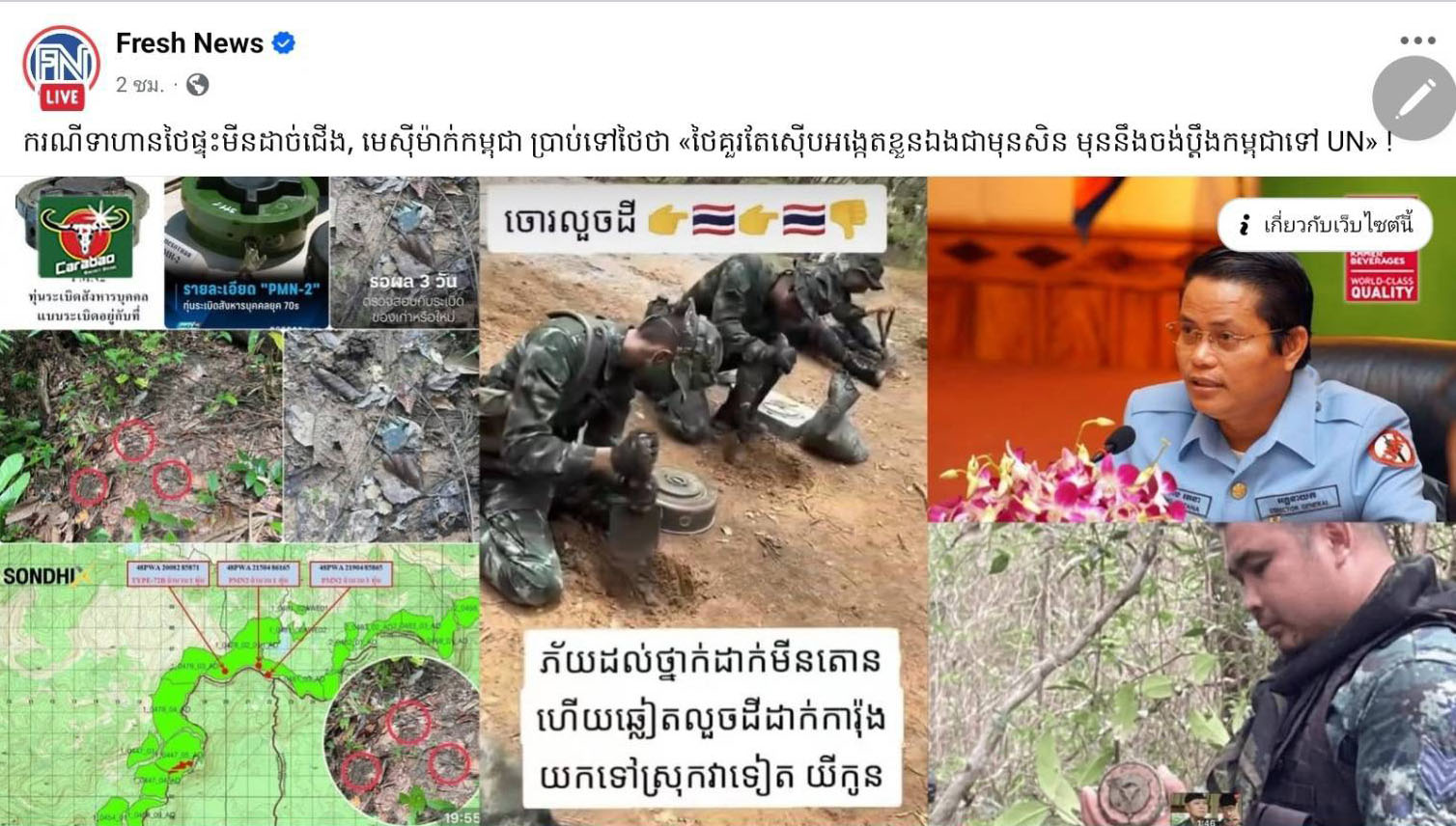
Winthai noted contradictions in Cambodian statements, pointing out that while Heng Ratana claimed mines were in Thai territory making Thailand responsible under the Ottawa Treaty, Lt. Gen. Mali Soejiata, Cambodia’s Defense Ministry spokesperson, simultaneously claimed the incident occurred in Cambodian territory at Ban Techor Kot village.
“These contradictory statements reveal attempts to distort information,” Winthai observed.
Official Position
“Thailand and the Royal Thai Army strictly comply with international humanitarian law obligations,” Winthai concluded. “We demand Cambodia cease spreading false information that may impact bilateral relations and create international misunderstandings.”
The incident has heightened tensions along the Thai-Cambodian border, with both sides maintaining their positions while calling for resolution through diplomatic channels.
________