

































BANGKOK – Thailand has recorded 470 cases of mpox and three deaths so far this year, prompting Bangkok authorities to tighten screening and disease surveillance measures at hospitals across the capital.
Kriangkrai Tangjitmanisakda, director of the Bangkok Metropolitan Administration’s (BMA) Medical Service Department, said on Monday (9 November) that figures from the Department of Disease Control showed 470 cumulative mpox cases and three deaths in Thailand as of 31 October 2026.
Globally, the World Health Organisation (WHO) reported 68,096 confirmed cases and 272 deaths across 107 countries between 1 January 2025 and 31 August 2026.
Kriangkrai said the figures highlighted the need for continued surveillance and early testing of suspected cases.
The BMA’s Medical Service Department has strengthened its standard operating procedures at hospitals under its supervision to improve diagnostic accuracy and reduce delays in identifying infections.
Under the enhanced measures, hospitals will conduct more thorough screening of patients with potential exposure risks, including detailed assessments of close contact, travel history and other risk factors.
Patients showing possible symptoms of mpox will be referred immediately to infectious disease specialists or dermatologists, even when characteristic skin rashes have not yet fully developed.
Doctors and frontline nurses have also been instructed to pay closer attention to the different ways mpox symptoms and skin lesions may appear.
For suspected cases, hospitals will collect samples from skin lesions for real-time PCR testing at reference laboratories.
Patients considered highly likely to be infected will be isolated in negative-pressure rooms or designated isolation facilities, while medical personnel must wear full personal protective equipment.
Health authorities will also work with Bangkok’s public health centres to trace close contacts and ensure that those at high risk monitor their symptoms for 21 days.
Patients with mild symptoms who are assessed as suitable for home isolation may receive follow-up care through telemedicine services, including advice on hygiene and avoiding transmission to household members.
Public urged to watch for symptoms
The department warned that mpox can spread through close physical contact with infected individuals, including hugging, kissing and sexual contact, as well as through contaminated objects.
People with possible exposure are advised to monitor their health for 21 days and seek medical attention if they develop symptoms such as fever, swollen lymph nodes or fluid-filled skin lesions.
Lesions may appear around the genitals, anus, hands, feet or face, while swollen lymph nodes may occur behind the ears, around the neck or in the groin.
People with weakened immune systems or underlying medical conditions should take particular precautions because they may face a higher risk of serious complications, including pneumonia.
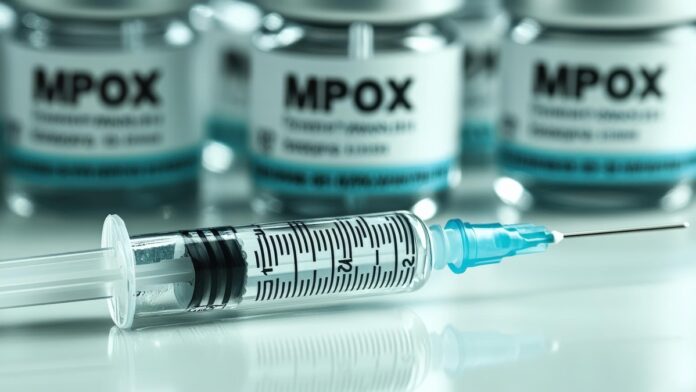
Mpox vaccination is recommended for people at high occupational risk. Post-exposure vaccination may also be administered within 14 days of exposure, according to the department.
People experiencing suspected symptoms can seek testing at nearby hospitals or any of Bangkok’s 24 BKK Pride Clinics, which provide confidential sexual health services.
For further information or medical advice, the public can contact the BMA Medical Service Department’s 24-hour health hotline on 1646.