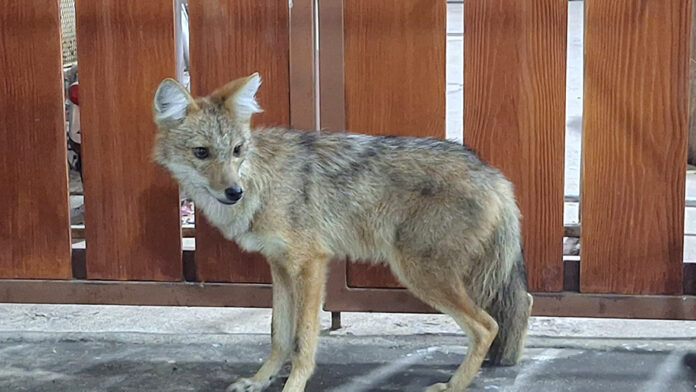
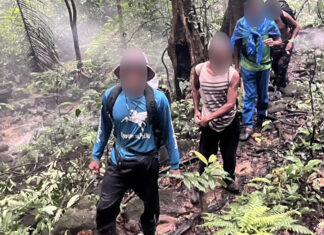
A Siam jackal is found near the MSU five-way intersection, close to Sri Sawat Damnoen Park in downtown Mahasarakham on November 20, 2024.
MAHASARAKHAM — A late-night encounter with a Siamese jackal in downtown Mahasarakham led to a chain of events highlighting the unusual presence of protected wildlife in urban areas.
The incident unfolded when a passerby noticed an unusual animal near a curved road section. “The creature’s behavior immediately caught my attention,” said Thitima, 28, who initially passed by on her motorcycle. After consulting with her boyfriend, they returned to find what appeared to be a jackal, visibly distressed by passing vehicles.
“It exhibited behavior quite different from domestic dogs,” Thitima explained. “While it showed its teeth, it never barked. The animal was clearly stressed and afraid of both people and vehicle noise.”
The couple spent 30 minutes attempting to secure the animal’s safety, providing water and trying unsuccessfully to contact emergency services, rescue teams, and livestock officials due to the late hour.
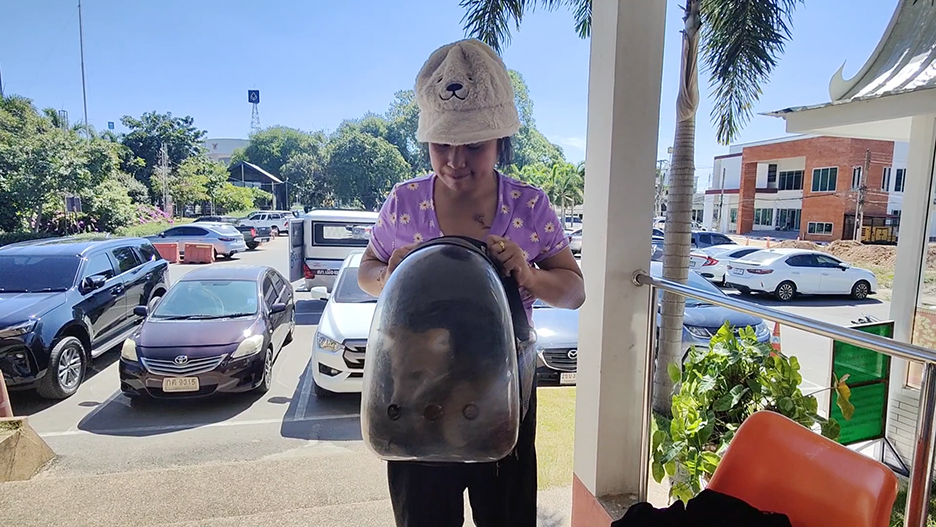
Ms. Thitima, 28, places the jackal in a pet carrier bag before heading to file a report at Mueang Mahasarakham Police Station on November 21, 2024.
They managed to temporarily contain the jackal in a nearby hotel until patrol police arrived. With police assistance, they secured the animal and provided temporary care until around 11 p.m.
Later, Thitima posted the story and two photos in the Facebook group ‘Mahasarakham Buy-Sell Help,’ asking if anyone had lost a jackal and which agencies could take the animal. The post received numerous comments and shares, with many identifying it as a Siamese jackal, a protected wildlife species that cannot be legally kept in possession.
The following morning revealed the complexity of handling protected wildlife. The livestock department redirected them to the Forest Protection Hotline 1362, as jackals fall under protected wildlife status.
The Khon Kaen Wildlife Center was notified, though Thitima expressed bewilderment at finding a forest-dwelling animal in an urban setting.
Following police advice, they sought veterinary confirmation at Oonrak Animal Hospital. Dr. Jitboon Phujongjit’s examination confirmed it was indeed a jackal, weighing 4 kg, though its sex remains unknown. Wildlife experts will need to determine its age.
The Siamese jackal, also known as the Southeast Asian golden jackal, has been a subject of scientific interest. Recent research from 2023 supports its classification as a distinct subspecies through mDNA analysis. These creatures typically inhabit mountainous regions near farms or residential forests, sustaining themselves on small prey including birds, reptiles, and frogs, supplemented by fruits.
The jackal is scheduled for transfer to the Khon Kaen Wildlife Center, where it will receive specialized care appropriate for protected wildlife.
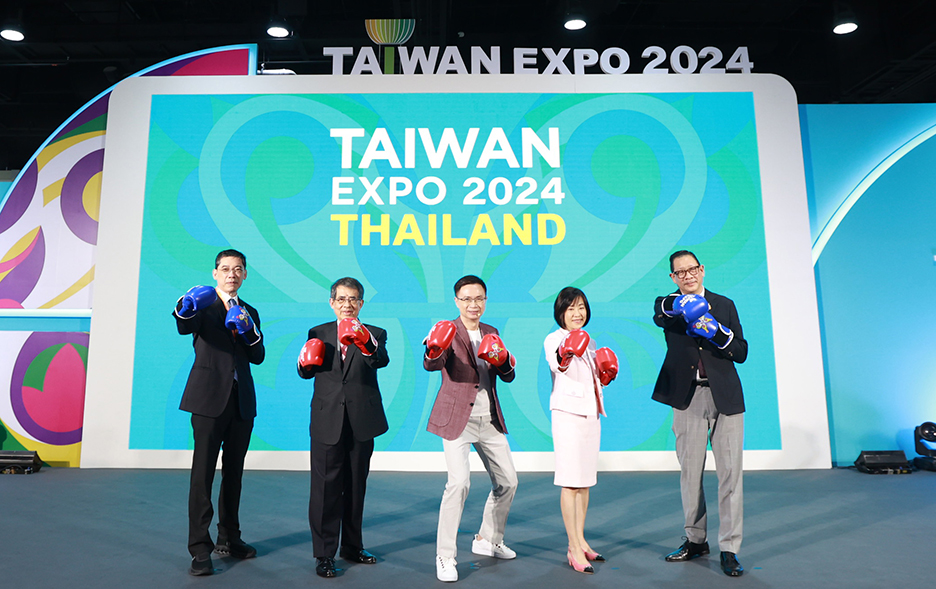
BANGKOK — Taiwan Expo 2024 opened on Thursday in Bangkok, bringing together 170 Taiwanese companies to showcase advanced technologies and strengthen bilateral ties between the two nations.
The exhibition, organized by Taiwan’s Ministry of Economic Affairs and the Taiwan External Trade Development Council (TAITRA), centers on the theme “Advancing Smart New Southbound.”
The three-day event at the Queen Sirikit National Convention Center features ten pavilions across six major exhibit areas, highlighting innovations in smart manufacturing, healthcare, lifestyle solutions, and circular economy initiatives. A special cultural zone, TAIWAN SELECT, offers visitors hands-on experiences with traditional crafts like zodiac lantern-making and native plant workshops.
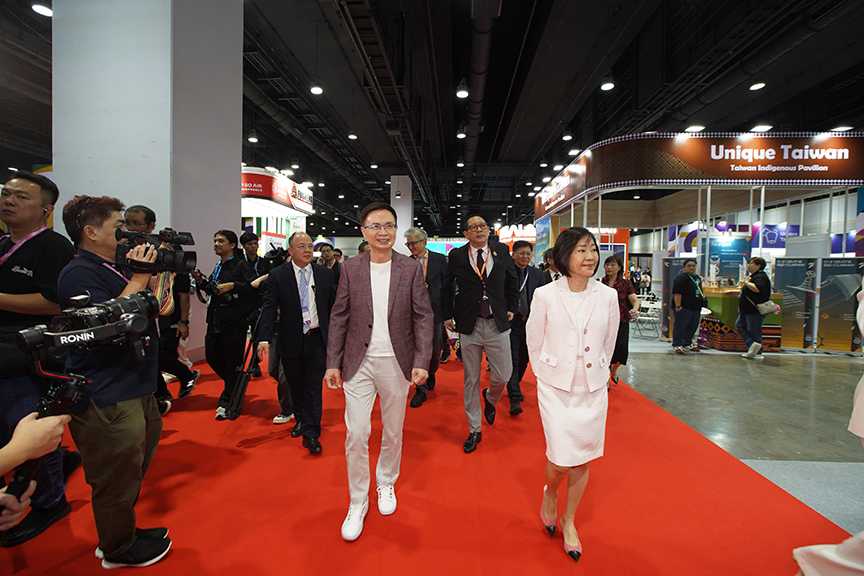
Taiwan Expo 2024Ms. Cynthia Kiang, Director-General of International Trade Administration
“Thailand’s strategic location and favorable investment climate make it an ideal partner for Taiwan’s technological expertise,” said Ms. Cynthia Kiang, Director-General of International Trade Administration. She emphasized how Taiwan’s strengths in semiconductors and smart technologies align with Thailand’s industrial transformation goals.
The expo showcases several cutting-edge developments:
Smart manufacturing solutions featuring AI-optimized scheduling and carbon management systems
Healthcare innovations including smart ward technologies presented by leading Taiwanese hospitals
Sustainable technology solutions focusing on recycling and resource reuse
Cultural exchange programs promoting traditional Taiwanese crafts and cuisine
Taiwan Excellence PavilionTaiwan Expo 2024 Opening Show
Representative of Taipei Economic and Cultural Office in Thailand Chang Chun-Fu highlighted the growing educational exchanges between the two countries, noting that Thai student numbers in Taiwan have quadrupled while Taiwanese students in Thailand have increased sixfold over the past decade.
The event showcases multiple industry forums focused on healthcare innovation, circular economy, and smart manufacturing, alongside business matchmaking sessions to facilitate direct collaboration between Thai and Taiwanese enterprises.
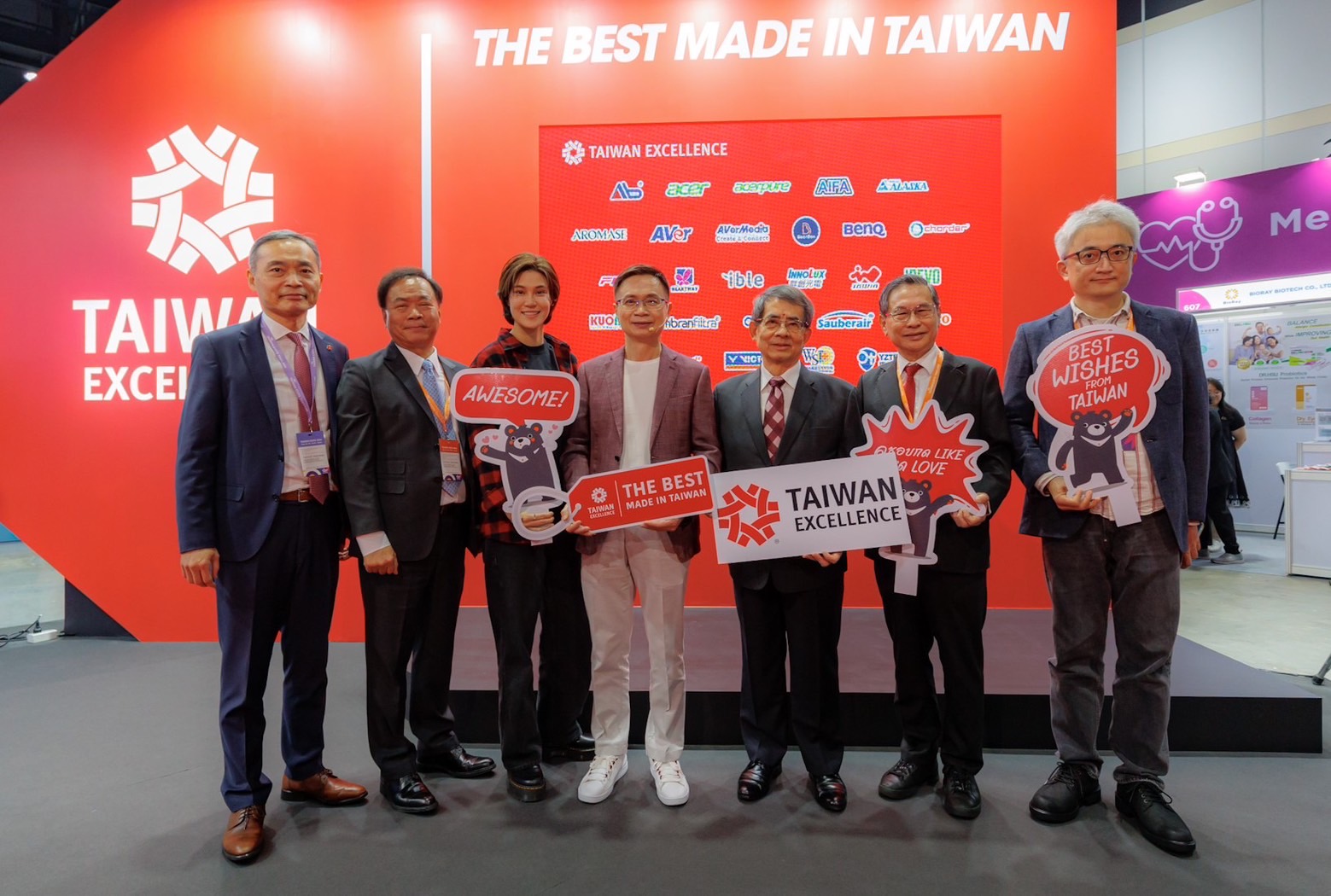
Taiwan Excellence
As one of the popular areas at this Expo, Taiwan Excellence showcases over 58 award-winning innovations at its Pavilion, demonstrating Taiwan’s leadership in technology, design, and sustainability.
Standout products include Optiqb Qbarmour’s 3D vision systems, YZTEK’s e+Autoff Compact safety solution, ible’s Wearable Air Purifier, mbranfiltra’s Portable Water Filter Bag, and BenQ’s W4000i Home Cinema Projector.
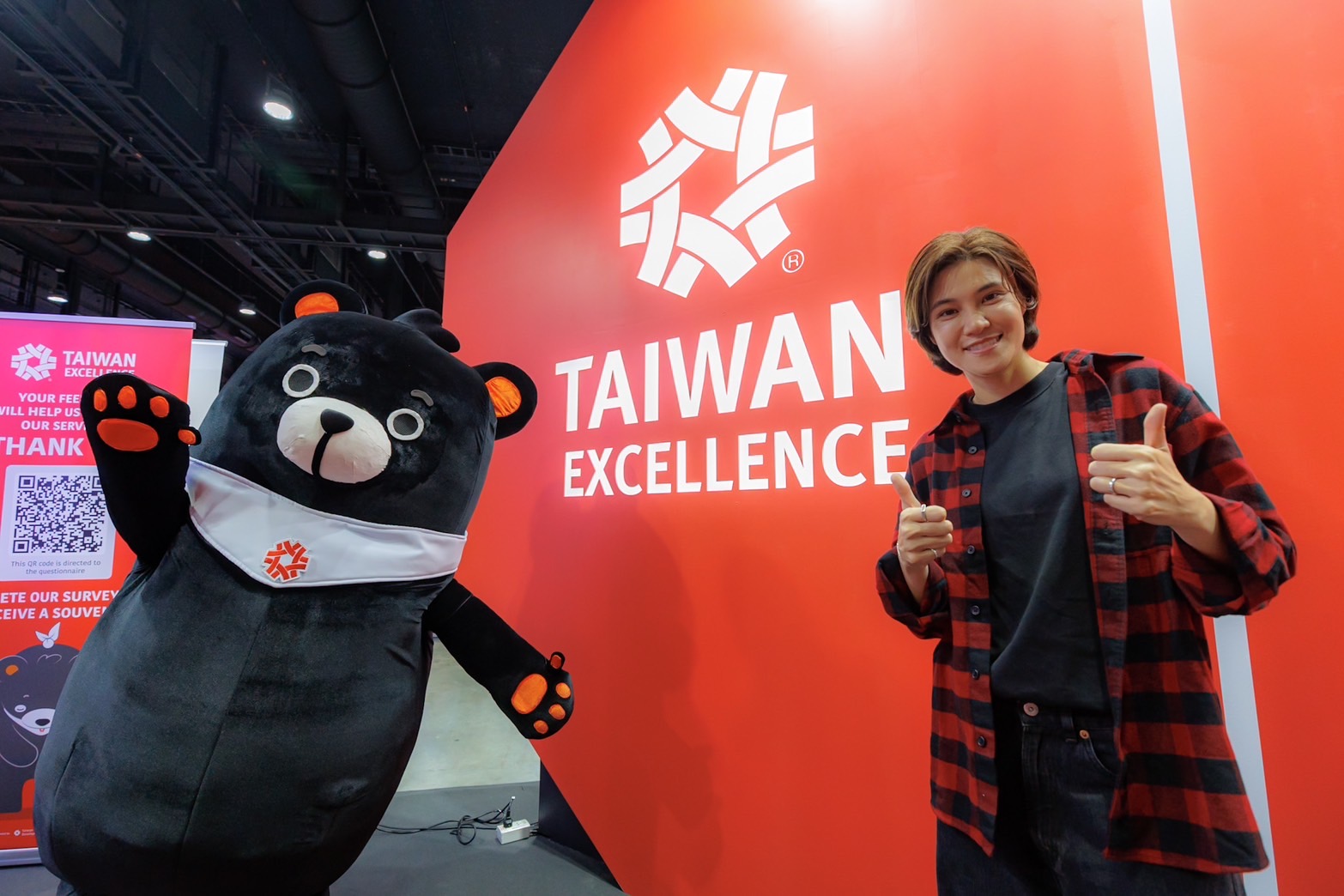
FU BEAR, Taiwan’s beloved black bear mascot makes its Thai debut on BTS and Plan B buildings.
The exhibition features two special highlights: FU BEAR, Taiwan’s beloved black bear mascot making its Thai debut on BTS and Plan B buildings, and “The Best Made in Taiwan Red Tag” global campaign. The red tag, symbolizing excellence and good fortune, appears across various industries from architecture to yachting, strengthening Taiwan-Thailand trade relations.
Thai celebrities including Jeab Lalana, Mos Panuwat Sopradit, and Bank Mondop Hemtan visited the Pavilion, drawing significant media attention and showcasing Taiwan’s innovations to a broader audience.
Looking ahead, Taiwan Excellence plans to:
Launch a pop-up store in Thailand featuring interactive product demonstrations
Participate in Architect Expo 2025 and Manufacturing Expo 2025
Expand digital engagement through online showcases and promotional activities
These initiatives reflect Taiwan Excellence’s ongoing commitment to strengthening cultural and economic partnerships between Taiwan and Thailand, while making innovative Taiwanese products more accessible to Thai consumers.
Taiwan Expo 2024 runs from November 21-23, with free admission daily from 10:00 a.m. to 6:00 p.m. at the Queen Sirikit National Convention Center.
FU BEAR, Taiwan’s beloved black bear mascot and Jeab LalanaTaiwan Excellence
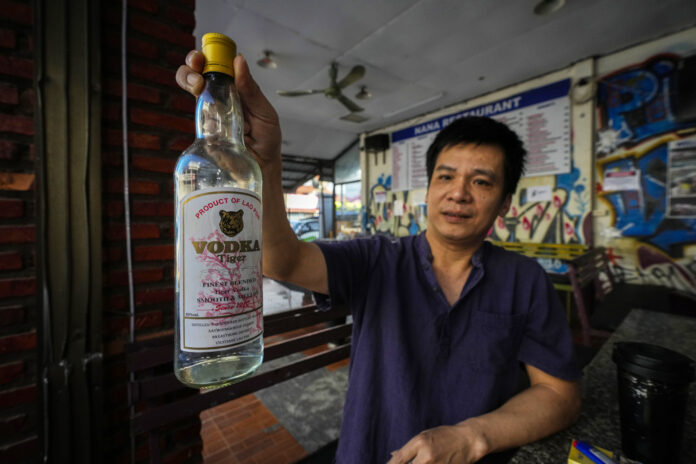
Duong Duc Toan, the manager of Nana Backpack hostel displays a bottle of vodka, in the bar of the hostel in Vang Vieng, Laos, Tuesday, Nov. 19, 2024. (AP Photo/Anupam Nath)
VIENTIANE, Laos (AP) — An Australian teenager has died after drinking tainted alcohol in Vang Vieng, Laos, in what Australia’s prime minister on Thursday called every parent’s nightmare, and the U.S. State Department confirmed an American also died in the same party town, bringing the death toll to four.
Australian Prime Minister Anthony Albanese told Parliament that 19-year-old Bianca Jones had died after being evacuated from Laos for treatment in a Thai hospital. Her friend, also 19, remains hospitalized in Thailand.
“This is every parent’s very worst fear and a nightmare that no one should have to endure,” Albanese said. “We also take this moment to say that we’re thinking of Bianca’s friend Holly Bowles who is fighting for her life.”
In a statement to the Melbourne Herald Sun newspaper, Jones’ family asked for privacy in their grief.
“She was surrounded by love, and we are comforted by the knowledge that her incredible spirit touched so many lives during her time with us,” the family wrote.
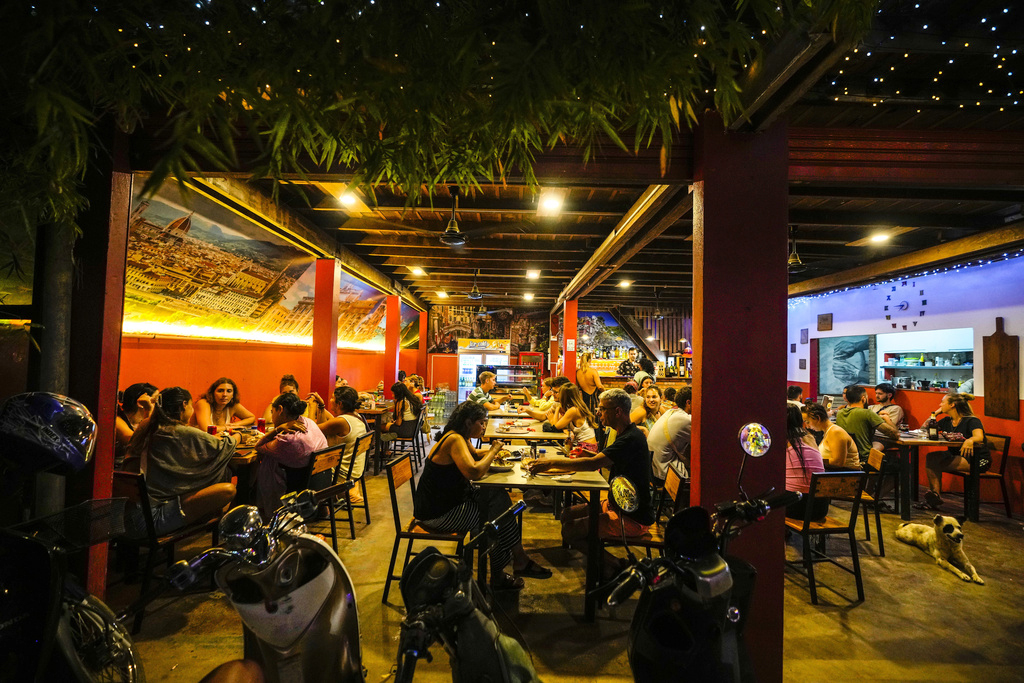
Foreign tourists have a drink at a night club at Nana Backpack hostel in Vang Vieng, Laos, Tuesday, Nov. 19, 2024. (AP Photo/Anupam Nath)
“We want to express our deepest gratitude for the overwhelming support, love, and prayers we’ve received from across Australia.”
The State Department confirmed to The Associated Press in an emailed statement that an American tourist had also died but said it had no further comment out of respect to the family.
It said local authorities were investigating and that the U.S. was providing consular assistance.
“We offer our sincerest condolences to the family on their loss,” the State Department said.
Telephone numbers listed for Laos’ Health Ministry did not work and police refused to comment.
Landlocked Laos is one of Southeast Asia’s poorest nations and a popular tourist destination. Vang Vieng is particularly popular among backpackers seeking partying and adventure sports.
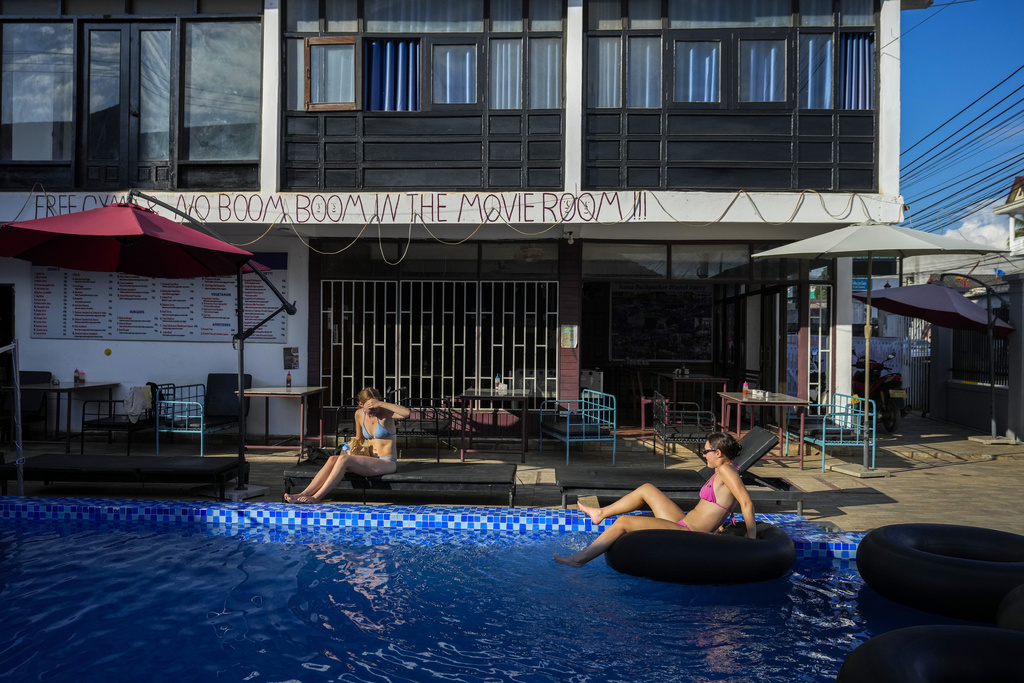
Foreign tourists relax at a swimming pool at Nana Backpack hostel in Vang Vieng, Laos, Tuesday, Nov. 19, 2024. (AP Photo/Anupam Nath)
Details on the alcohol poisoning began trickling out about a week after the two Australian women fell ill on Nov. 13 following a night out drinking with a group in the remote town.
They are believed to have consumed drinks tainted with methanol, which is sometimes used as the alcohol in mixed drinks at disreputable bars and can cause severe poisoning or death.
Thai authorities confirmed that Jones had died by “brain swelling due to high levels of methanol found in her system.”
“Drink spiking and methanol poisoning are far too common in many parts of the world,” Australian Foreign Minister Penny Wong said after receiving news of Jones’ death.
“At this time I would say to parents, to young people, please have a conversation about risks, please inform yourselves, please let’s work together to ensure this tragedy doesn’t happen again.”
New Zealand’s Foreign Ministry said Thursday that one of its citizens was also unwell in Laos and could be a victim of methanol poisoning. Denmark’s Foreign Ministry, when asked about the poisoning incident, said Wednesday that two of its citizens had died in Laos but would not provide further details.
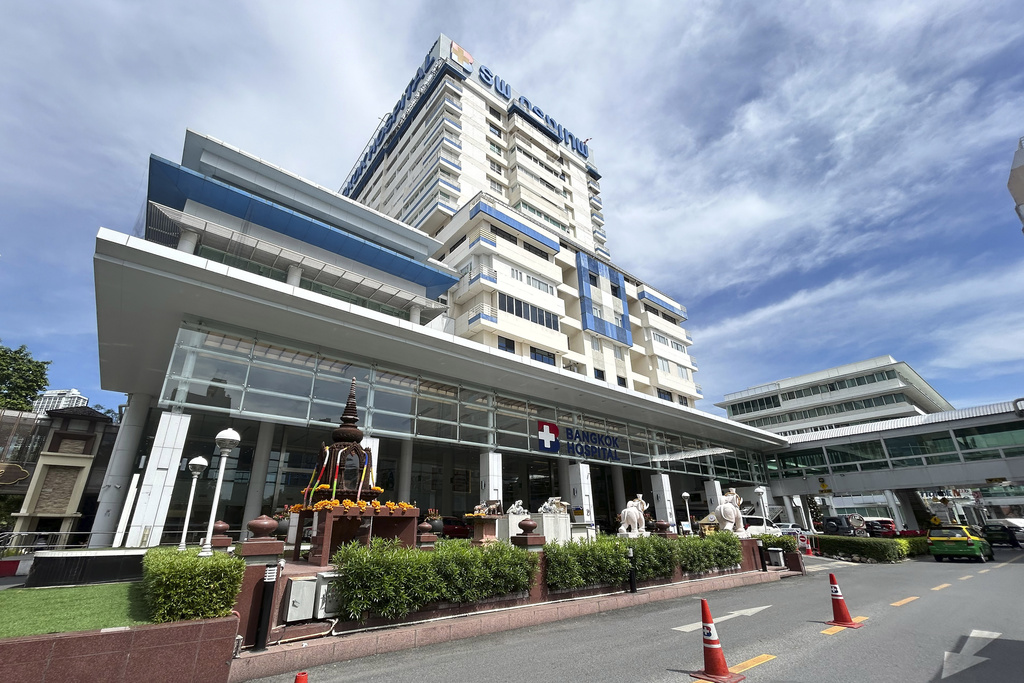
This photo shows the exterior of Bangkok Hospital, in Bangkok, Thailand, Thursday, Nov. 21, 2024. (AP Photo/Sakchai Lalit)
“We have updated our travel advisory for Laos to note that there have been several cases of suspected methanol poisoning after consuming alcoholic drinks,” New Zealand’s Foreign Ministry said.
“Travelers are advised to be cautious about consuming alcoholic beverages, particularly cocktails and drinks made with spirits that may have been adulterated with harmful substances.”
The U.S. did not immediately issue an updated travel advisory.
On Tuesday, Duong Duc Toan, manager of the Nana Backpacker Hostel where the two Australian women stayed in Vang Vieng, told the AP that staff were told by other guests that the two women were unwell after they failed to check out as planned on Nov. 13, and they arranged transport to a hospital for them.
The women were then transported to Thailand for emergency medical treatment and their parents flew in to be with them.
“All Australians offer them our deepest sympathy in this time of heartbreak,” Albanese said.
“Bianca’s trip should have been a joyous time and a source of fond memories in years to come,” he said. “It is beyond sad that this was not to be.”
___
David Rising reported from Bangkok. Jutarat Skulpichetrat in Bangkok, Rod McGuirk in Melbourne, Australia, and Charlotte Graham-McLay in Wellington, New Zealand, contributed to this story.
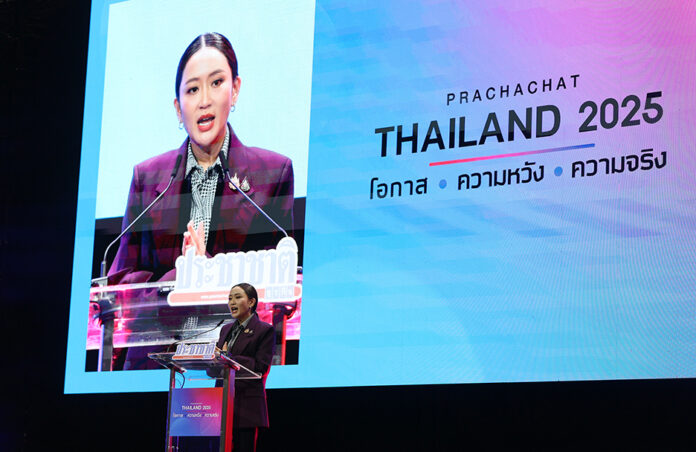
Prime Minister Paetongtarn Shinawatra delivered a speech at the "Thailand: Opportunities, Hope, and Reality" forum, organized by Prachachat Business, at Queen Sirikit National Convention Center on November 21, 2024.
BANGKOK — Prime Minister Paetongtarn Shinawatra unveiled plans to strengthen Thailand’s creative industry, particularly film production, as part of a strategy to diversify economic ties with the United States amid changing global trade dynamics.
Speaking at the “Thailand: Opportunities, Hope, and Reality” forum organized by Prachachat Business, leading media in the Matichon Group, the Prime Minister addressed concerns about Thailand’s trade surplus with the US and potential scrutiny similar to that faced by China.
“With exports accounting for 60% of our GDP, and the US market representing 10%, we need to adapt our approach to maintain opportunities,” said PM Paetongtarn.
Following her recent Los Angeles meetings with Hollywood executives, the Prime Minister announced an increase in cash rebates for international productions from 20% to 30% with no ceiling. This move aims to attract more foreign filmmakers to Thailand.
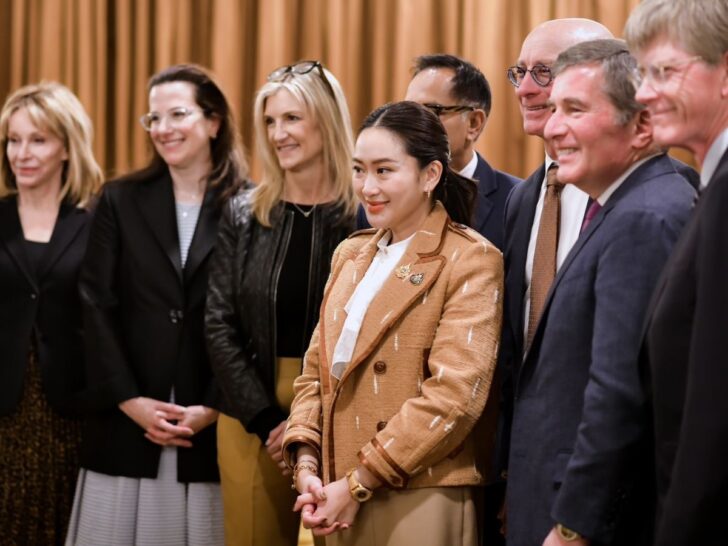
Prime Minister Paetongtarn Shinawatra meets with several Hollywood studio executives and Mr. Rivkin, chairman and chief executive officer of the Motion Picture Association (MPA) at the Beverly Wilshire Hotel, Los Angeles, on November 12, 2024.
She explained her focus on increasing revenue in this sector, citing that last year, 2023 alone, over 450 films from 40 countries have been shot in Thailand, among which 34 motion pictures are American productions. The filming industry has generated an estimated revenue of US$190 million last year.
By implementing the measure, it is expected that Thailand earns no less than US$290 million in revenue the next year from foreign film shoots in the country. Additionally, American production teams bring valuable know-how when they come to Thailand, which will help elevate Thai filmmaking skills. Beyond generating economic circulation, this also creates new employment opportunities
Gradual Rebate Tiers
Chatuchon Phakdiwanich, Director General of the Department of Tourism at the Ministry of Tourism and Sports, which is responsible for promoting foreign film productions in Thailand, detailed strategies to boost the economy through this sector.
In 2024, the number of international films and series shot in Thailand is expected to continue rising, generating more than $200 million or 7 billion baht in revenue. This trend reflects Thailand’s capability and readiness to host major film productions and position itself as a regional hub for international filmmaking.
Chatuchon explained that the Ministry of Tourism, through its Thailand Film Office (TFO), has received government funding to support international film crews under the cash rebate program.
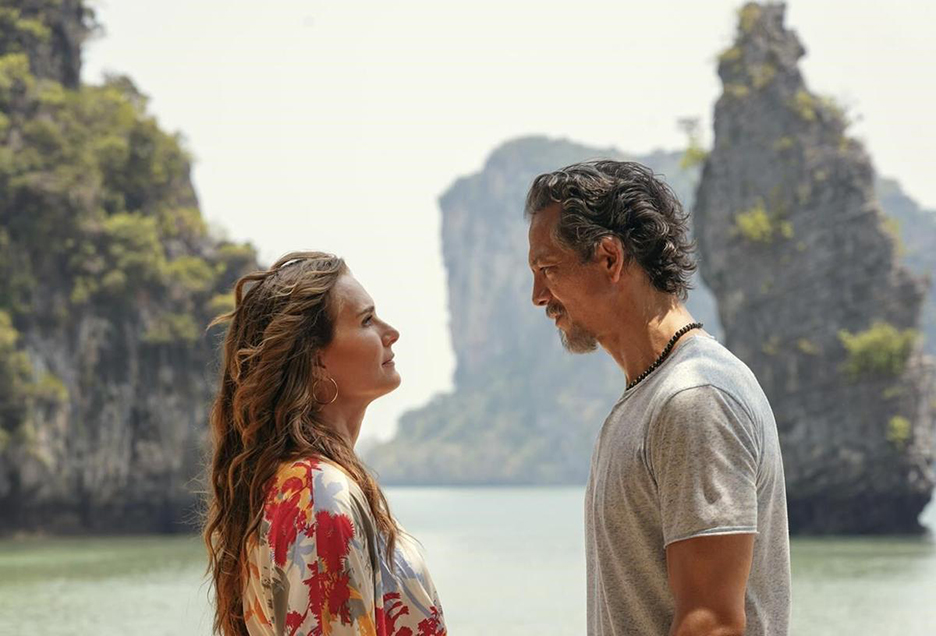
The romantic comedy “Mother of the Bride” set in Phuket.
The cash rebate program, outlined in the Ministry of Tourism’s 2017 regulations on incentive eligibility criteria and conditions, allows individuals or companies spending at least 50 million baht on film production in Thailand.
Tiered rebate structure:
15% for investments over 50 million baht
20% for over 100 million baht
25% for over 150 million baht
Additional benefits:
3% for shooting in secondary cities
3% for post-production work
5% for hiring Thai key personnel
Another important change is the abolition of the investment cap. Previously, in 2017, the cap on qualifying expenditure was limited to 65 million baht, which was later increased to 150 million baht in 2022. The latest revision allows unlimited amounts of investment to qualify for rebates under the specified conditions.
Scheduled for Implementation in Early 2025
The Director General of the Ministry of Tourism explained that the plan still has to be reviewed by the National Film and Video Committee. Once it is approved by this committee, it will be submitted to the Cabinet for consideration and then published in the Royal Gazette. The aim is to complete and implement the measures by early 2025.
“We recently presented our exhibition at the American Film Market 2024 (AFM 2024), one of the largest film markets in the United States and a major global film festival. The event, which took place in Las Vegas, USA, in early November 2024, aimed to promote Thailand’s high-quality film locations and the expertise of Thai production teams.”
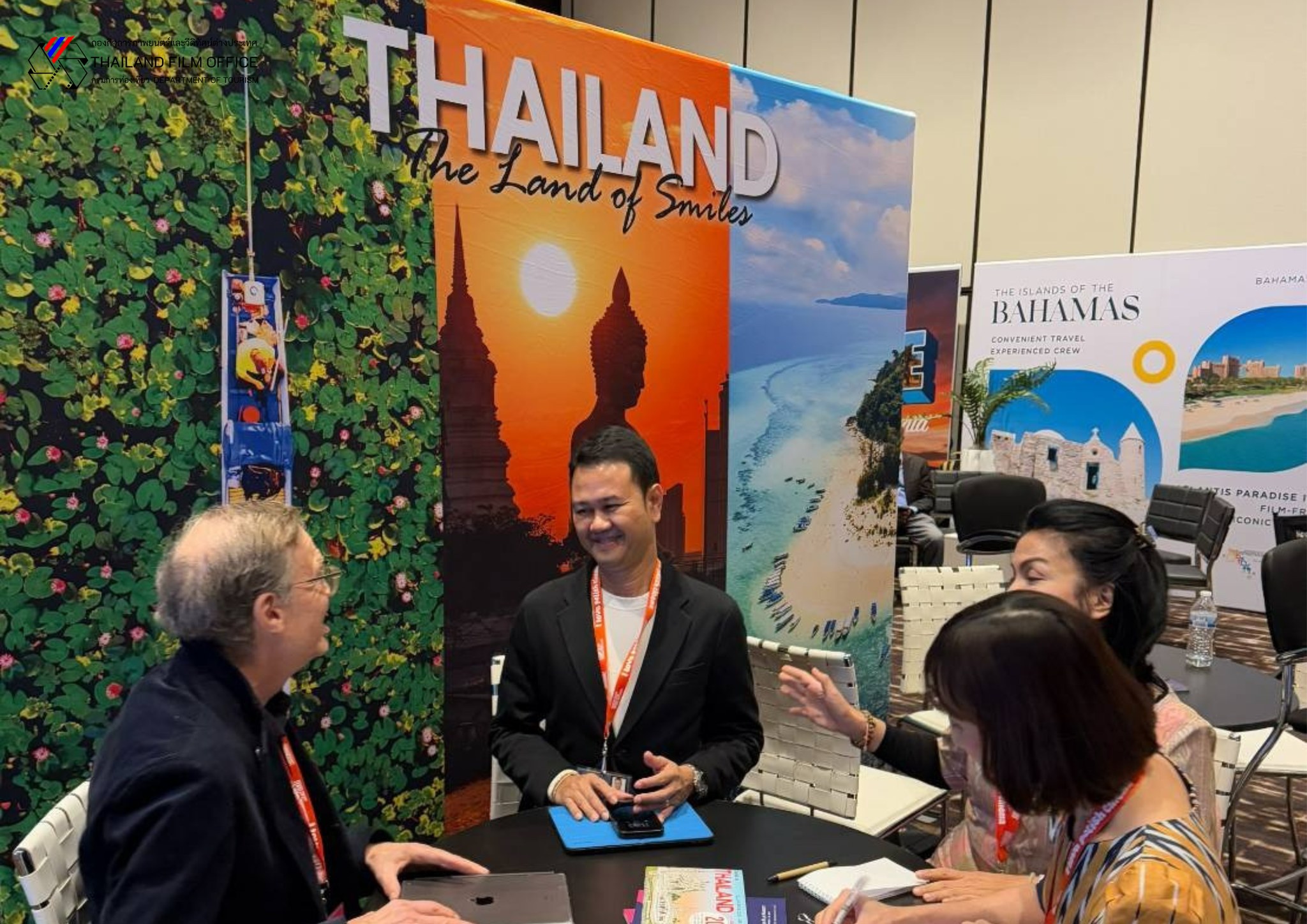
Mr. Jaturon Phakdeewanit, Director General of Department of Tourism and TFO teams has set up a dedicated booth at the 45th American Film Market (AFM), the largest film and content marketplace in the United States, take place from November 5-10, 2024, in Las Vegas, Nevada.
The exhibition also highlighted Thailand’s facilities for hosting international film crews and briefed key US filmmakers on the new incentive rates.
The US is the third largest market for film productions in Thailand. In 2024, 28 US films were shot in Thailand, generating around 780 million baht in revenue by October 28, 2024. Participation in AFM 2024 is expected to attract film crews from the US and other countries, resulting in investments of over 1.5 billion baht.
2024: Cash Rebates Total 500 Million Baht
Chatutorn also announced that cash refunds for foreign film productions under the Incentive Measures in fiscal 2024 amounted to over 509 million baht for 15 films.
Notable productions include:
The science fiction film “The Creator”,
The successful US series “S.W.A.T. Season 6”,
The worldwide blockbuster “Meg 2: The Trench”,
The romantic comedy “Mother of the Bride”, set in Phuket,
The historical dramedy mini-series “The Sympathizer”.
Global Incentive Competition
The incentive measures to support and promote international film production in Thailand are seen as a key strategy to increase the country’s competitiveness. They bring significant economic benefits, create jobs in the film industry and related sectors, distribute income to local communities and showcase Thailand’s culture and tourist attractions to a global audience. This exposure also promotes film-induced tourism.
Many countries around the world use similar incentives to attract filmmakers:
Hungary and France offer tax rebates,
Australia, Spain and the United Kingdom offer tax credits,
Malaysia, the Philippines, South Korea, Iceland, India and Greece offer cash rebates, similar to Thailand.
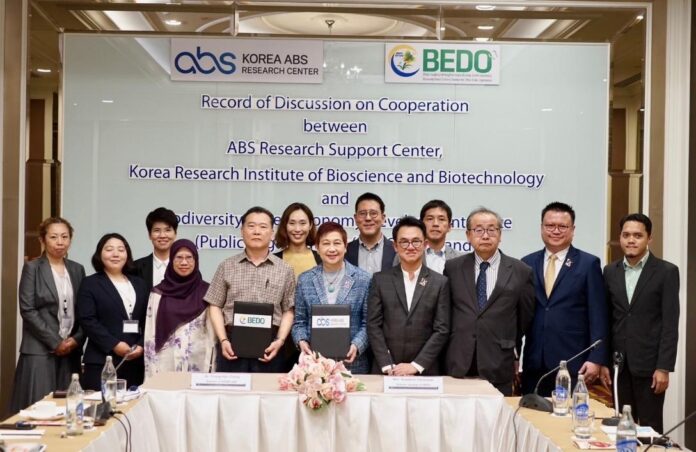
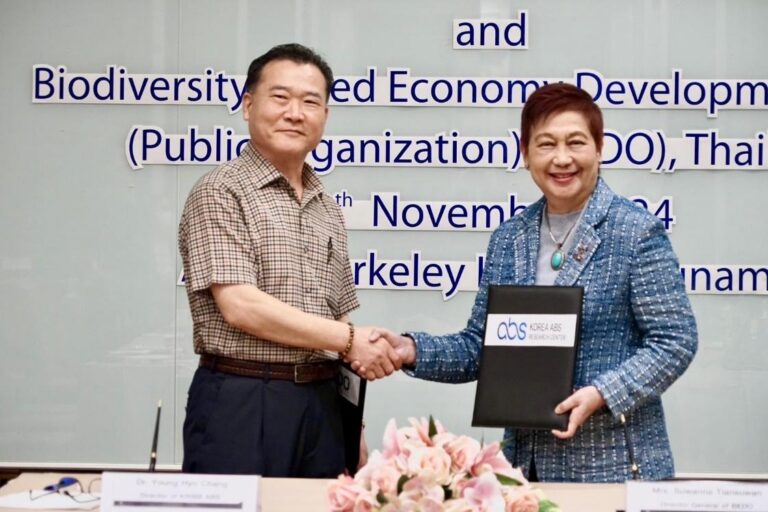
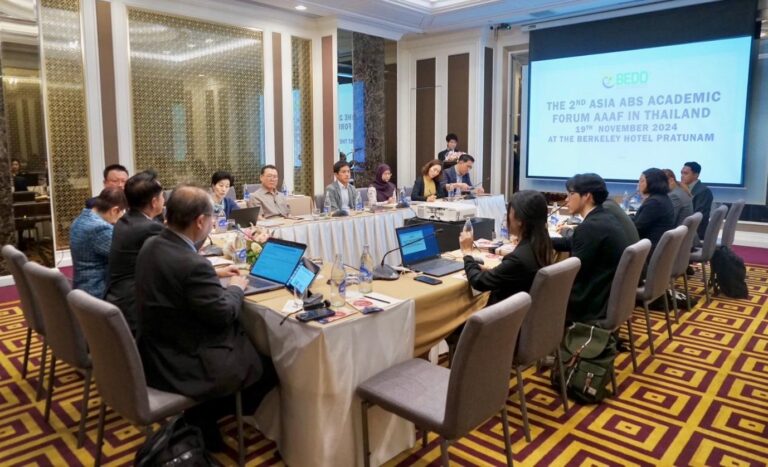
On November 19, 2024, Mrs. Suwanna Tiansuwan, Director-General of the Biodiversity-Based Economy Development Office (Public Organization) or BEDO, Thailand, signed a Record of Discussion (ROD) with Dr. Young Hyo Chang, Director of the ABS Research Support Center, Korea Research Institute of Bioscience and Biotechnology (KRIBB ABS), South Korea. The signing, which aims to strengthen collaboration on the exchange of information concerning Access and Benefit-Sharing (ABS), took place at The Berkeley Hotel Pratunam, Bangkok, Thailand.
This cooperation reflects the shared intention of both organizations to fostering collaboration in exchanging knowledge, organizing forums, and implementing initiatives related to Access and Benefit-Sharing (ABS) under the Convention on Biological Diversity. The scope of cooperation includes: Exchange of information on ABS, Organization of international workshops and symposium, Implementation of other joint activities related to ABS.
This significant partnership marks a step forward in promoting the sustainable management and utilization of biodiversity.
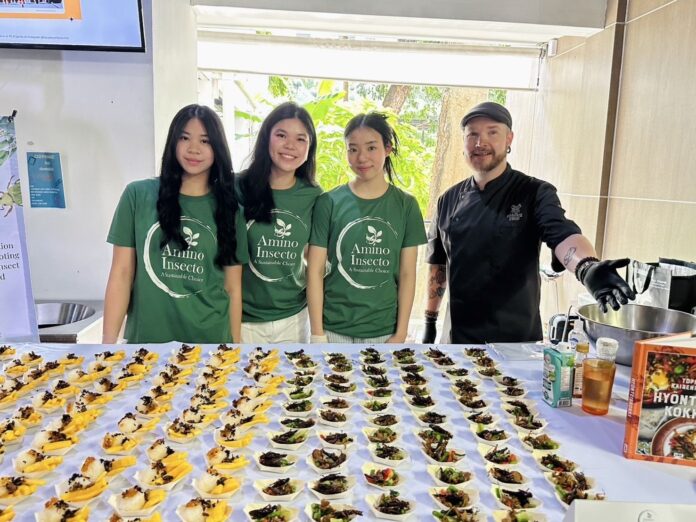
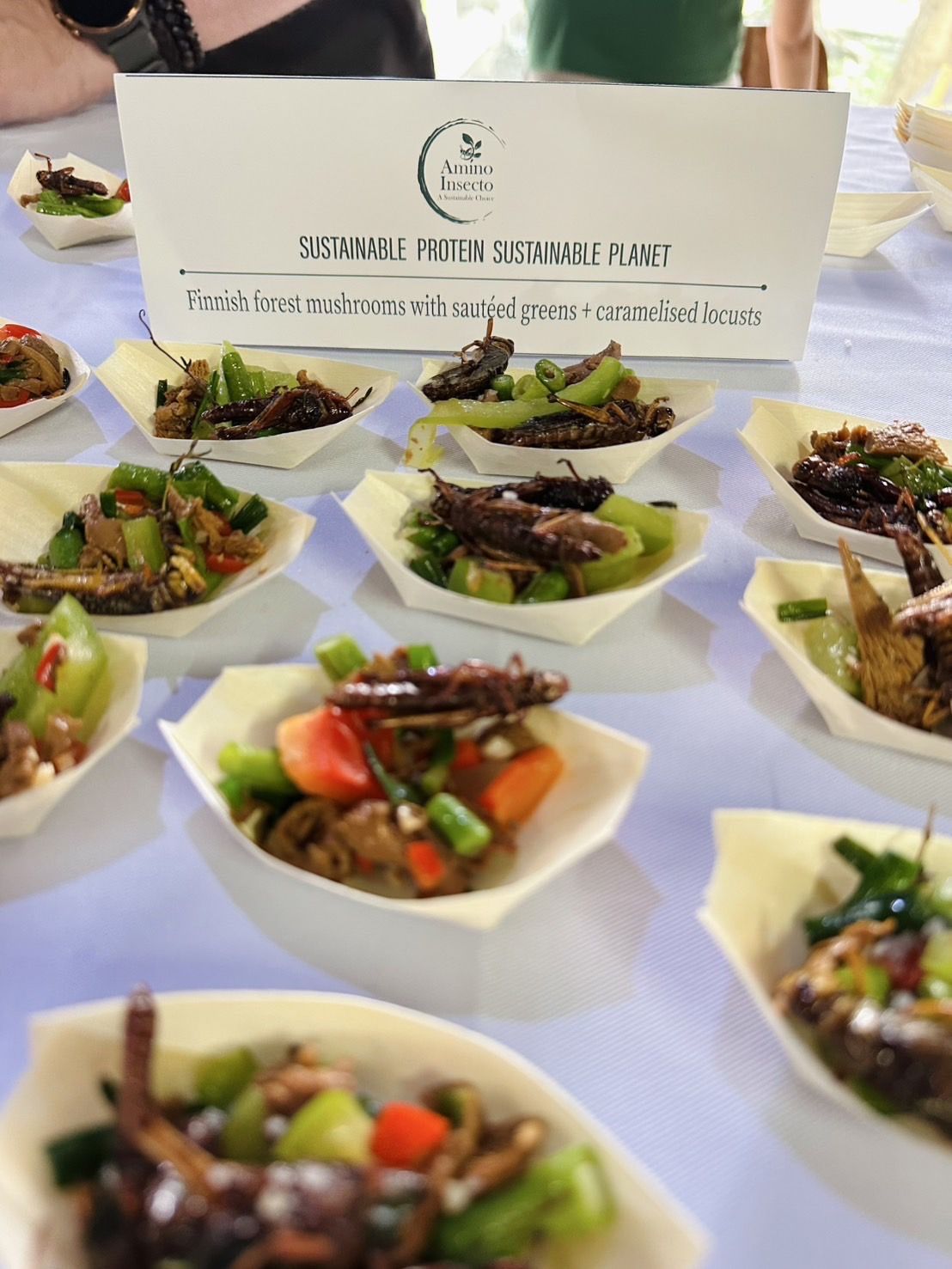
Let's try innovative insect-infused dishes like mango sticky rice with wood ants and Finnish forest mushrooms with caramelized locusts.
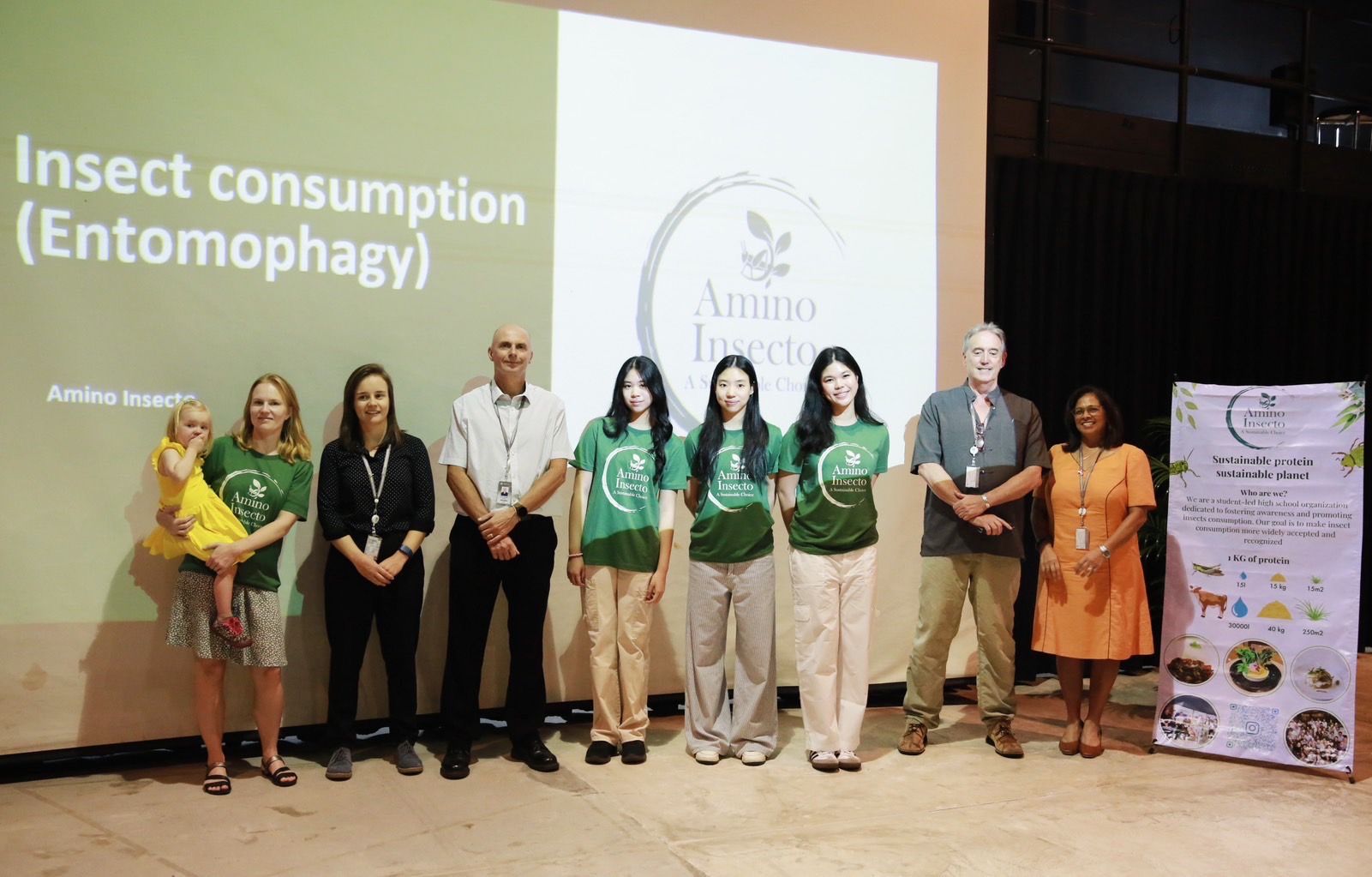
BANGKOK — In a groundbreaking move toward sustainable nutrition, Bangkok Patana School students are leading the charge to normalize insect consumption through their innovative “Amino Insecto” project, featuring international expertise and culinary demonstrations.
The initiative, spearheaded by student athlete Napa-ai Suriyabhivadh, hosted Professor Sara-Maria Kauppi from Norway’s NTNU and Finnish culinary expert Topi Kairenius, demonstrating the global reach of the insect protein movement.
“Through Amino Insecto, we aim to inspire others to view insects as a valuable, eco-friendly protein source,” said Suriyabhivadh, who discovered insect protein’s benefits during her time with the Thai national basketball team.
Professor Kauppi, who has been researching edible insects since 2015, shared her insights into how packaging design can enhance consumer interest in insect-based foods, supporting the transition to sustainable diets.
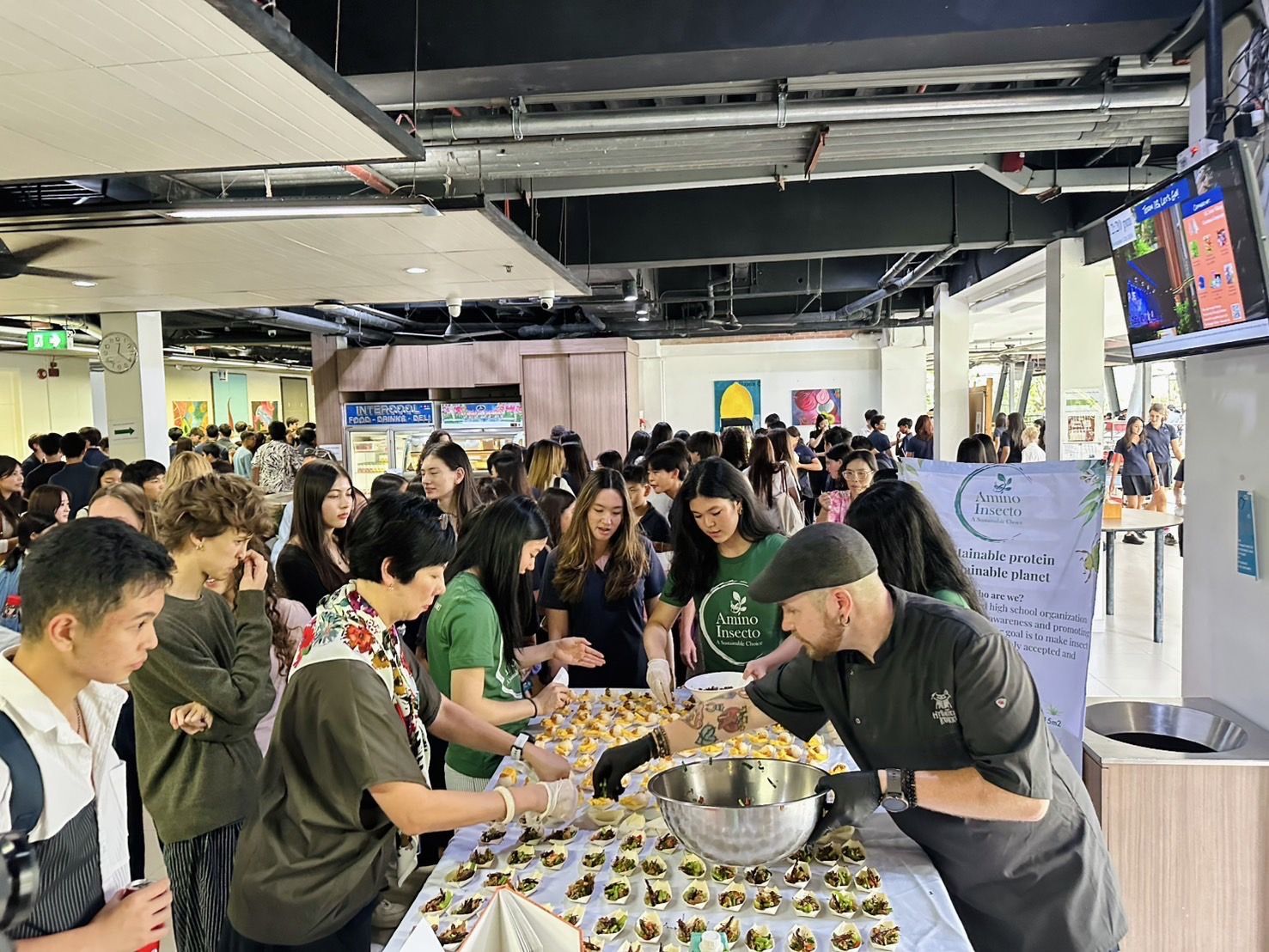
Amino Insecto, a student-led initiative, organizes a seminar on sustainable protein sources at Bangkok Patana School.Chef Topi Kairenius serves innovative insect-infused dishes for attendees to sample.
Chef Kairenius, a renowned advocate for insect protein in Nordic cuisine and a co-founded Finland’s Fat Lizard Brewing Company, spoke about the rapid acceptance of insect-based foods in Europe and presented tasting samples, including Finnish water bugs, which intrigued the attendees. He emphasized how insects can enhance sustainability in the culinary world.
In addition to the discussions, attendees had the opportunity to sample innovative insect-infused dishes like mango sticky rice with wood ants and Finnish forest mushrooms with caramelized locusts. Over 180 samples were distributed, with students eagerly returning for more, reflecting the growing acceptance of sustainable insect-based cuisine.
The overwhelmingly positive response from students signals growing acceptance of alternative protein sources among younger generations, potentially marking a shift in future dietary preferences.
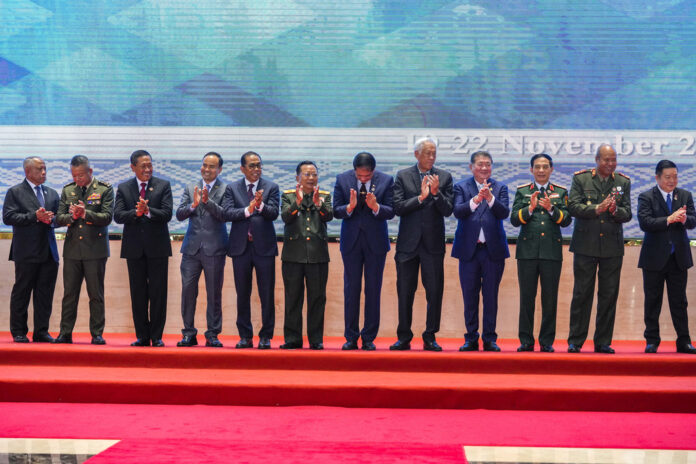
From left, Brunei's Defense Minister II Halbi bin Haji Mohd Yussof, Cambodian Defense Minister Tea Seiha, Indonesian Vice Defense Minister Donny Ermawan Taufanto, Myanmar's director of Defense Ministry's International Affairs Department Zaw Naing Win, Malaysian Defense Minister Mohamed Khaled Nordin, Laos' Defense Minister Chansamone Chanyalath, Philippine Defense Undersecretary Ignacio Florante Madriaga, Singaporean Defense Minister Ng Eng Hen, Thai Defense Minister Phumtham Wechayachai, Vietnamese Defense Minister Phan Van Giang, East Timor Chief of Defense Force Domigos Raul and ASEAN Secretary General Kao Kim Hourn pose for a group photo during the Association of Southeast Asian Nations (ASEAN) defense ministers' meeting in Vientiane, Laos, Wednesday, Nov. 20, 2024. (AP Photo/Anupam Nath)
JINTAMAS SAKSORNCHAI, VIENTIANE — U.S. Secretary of Defense Lloyd Austin expressed regret Wednesday that his Chinese counterpart chose not to hold talks with him during meetings of Southeast Asian defense chiefs in Laos, calling it a setback for the entire region.
The Association of Southeast Asian Nations is holding security talks in Vientiane at a time of increasing maritime disputes with China and as the transition to a new U.S. president approaches.
The decision by Chinese Defense Minister Dong Jun “is a setback for the whole region,” Austin said after the first day of meetings.
“It’s unfortunate. It affects the region because the region really wants to see us, two significant players in the region, two significant powers, talk to each other, and that reassures the entire region,” he said.
There was no immediate comment from China on its decision not to meet with Austin.
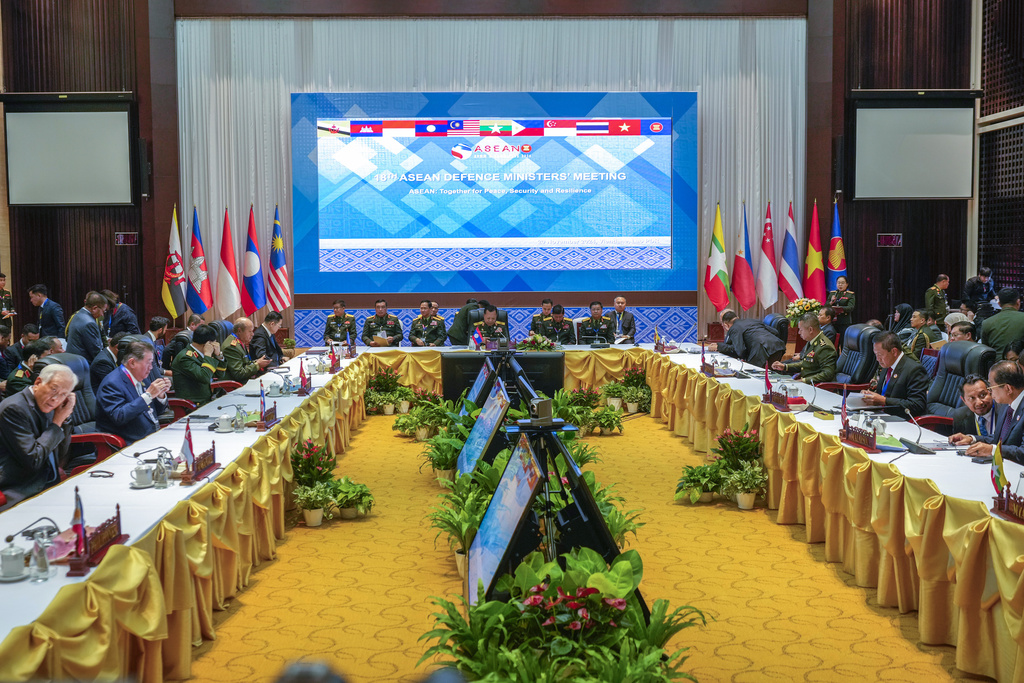
ASEAN defence ministers attend the ASEAN Defence Ministers’ Meeting in Vientiane, Laos, Wednesday, Nov. 20, 2024. (AP Photo/Anupam Nath)
Austin just wrapped up meetings in Australia with officials there and with Japan’s defense minister. They pledged to support ASEAN and expressed their “serious concern about destabilizing actions in the East and South China Seas, including dangerous conduct by the People’s Republic of China against Philippines and other coastal state vessels.”
In addition to the United States and China, other nations attending the two-day ASEAN meetings from outside Southeast Asia include Japan, South Korea, India and Australia.
Indonesia, Thailand, Singapore, Myanmar, Cambodia and Laos are the other ASEAN members.
Opening the talks, Laotian Defense Minister Chansamone Chanyalath said he hoped for productive meetings that would “become a standard for us to continue ASEAN’s cooperation in defense, including how to handle, thwart, and manage security challenges in the present and in the future.”
As China has grown more assertive in pushing its territorial claims in recent years, ASEAN members and Beijing have been negotiating a code of conduct to govern behavior in the sea, but progress has been slow.
Officials have agreed to try to complete the code by 2026, but talks have been hampered by thorny issues, including disagreements over whether the pact should be binding.
Philippine President Ferdinand Marcos Jr., who has called for more urgency in the code of conduct negotiations, complained at a meeting of ASEAN leaders last month that his country “continues to be subject to harassment and intimidation” by China’s actions, which he said violated international law.
Chinese and Philippine vessels have clashed repeatedly this year, and Vietnam in October charged that Chinese forces assaulted its fishermen in disputed areas in the South China Sea. China has also sent patrol vessels to areas that Indonesia and Malaysia claim as their exclusive economic zones.
At the meeting of ASEAN leaders last month, U.S. Secretary of State Antony Blinken said Washington was “very concerned about China’s increasingly dangerous and unlawful activities in the South China Sea which have injured people, harm vessels from ASEAN nations and contradict commitments to peaceful resolutions of disputes.”
He pledged that the U.S. would “continue to support freedom of navigation, and freedom of overflight in the Indo Pacific.”
In response, Chinese Foreign Ministry spokesperson Mao Ning said U.S. and other non-regional militaries present in the sea were the main source of instability.
“The increasing military deployment and activities in the South China Sea by the U.S. and a few other non-regional countries, stoking confrontation and creating tensions, are the greatest source of instability for peace and stability in the South China Sea,” Mao said.
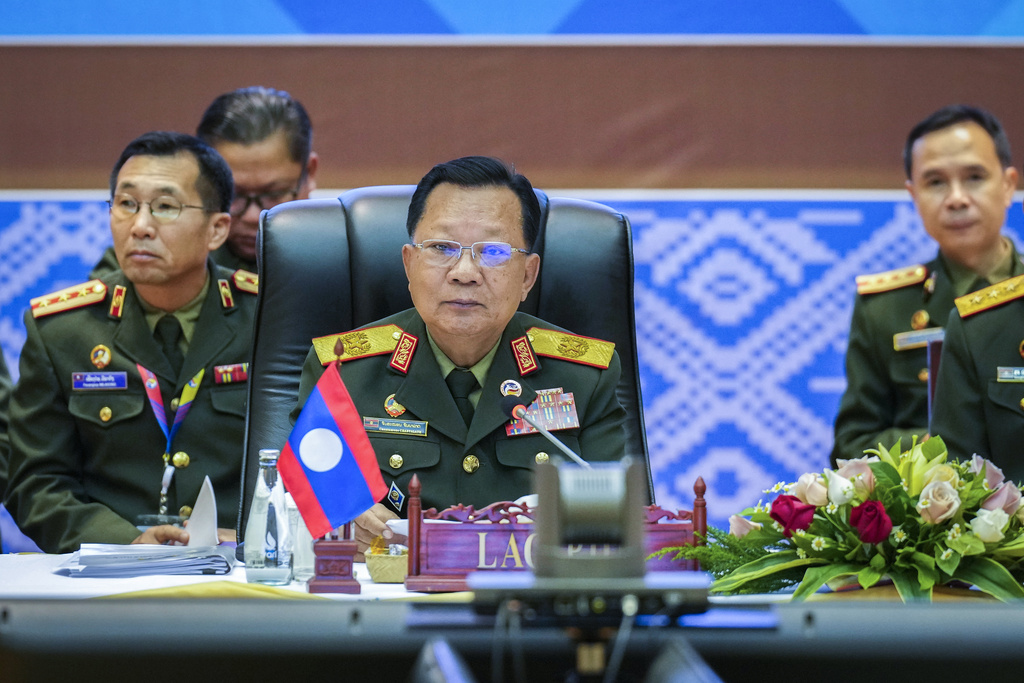
Laos’ Defence Minister Chansamone Chanyalath addresses the ASEAN Defence Ministers’ Meeting in Vientiane, Laos, Wednesday, Nov. 20, 2024. (AP Photo/Anupam Nath)
It is not clear how the incoming administration of U.S. President-elect Donald Trump will address the South China Sea situation.
After Austin’s meetings in Australia, the Defense Department said the U.S., Australia and Japan had agreed to expand joint drills and announced a defense consultation body among the three countries’ forces to strengthen their cooperation.
When asked Tuesday while in the Philippines about whether the strong U.S. defense support would continue for the country under Trump, Austin said he would not speculate.
Although Austin failed to hold talks with Chinese Defense Minister Dong, Japanese Defense Minister Gen Nakatani was expected to meet with Dong and express concerns about Beijing’s military activities, Japan’s NHK public television reported.
Japan has protested that a Chinese military aircraft violated its airspace briefly in August, and in September expressed “serious concerns” after a Chinese aircraft carrier and two destroyers sailed between two Japanese islands.
Another thorny regional issue is the civil war and humanitarian crisis in ASEAN member Myanmar. The group’s credibility has been severely tested by the war in Myanmar, where the army ousted an elected government in 2021, and fighting has continued with pro-democracy guerillas and ethnic rebels.
More than a year into an offensive initiated by three militias and joined by other resistance groups, observers estimate the military controls less than half the country.
Myanmar military rulers have been barred from ASEAN meetings since late 2021, but this year the country has been represented by high-level bureaucrats, including at the summit in October.
Rescue workers peered into a drainage channel on the footpath with a 1-meter high metal barrier, where they found the body of a British tourist at the bottom on November 20, 2024.
PHUKET — A British tourist was found dead in a drainage channel on Phuket’s footpath after climbing over a protective barrier. CCTV footage revealed unusual circumstances.
Police Lt. Pongsathorn Pothong of Patong Police Station received a report at 9:30 AM on November 20 about a body discovered in a drainage channel in front of Tawan Bike Shop, near Patong Hospital intersection on Phra Metta Road.
The scene showed a drainage channel on the footpath with a 1-meter high metal barrier. The body, wearing white sneakers, was retrieved by rescue workers. Vachira Phuket Hospital conducted an autopsy.
The deceased was identified as Mr. Fraser, 36, from Swindon, UK. The autopsy revealed no wounds, with death occurring 5-6 hours prior due to suffocation.
Investigators contacted the British Embassy and Miss Katie, 17, Mr. Fraser’s relative. They learned that Mr. Fraser and his family of three had been staying at Seaview Hotel since November 17. He disappeared from his room around 10 PM on November 19.
Miss Katie accepted the death circumstances after reviewing CCTV footage, which showed no foul play. The footage showed Mr. Fraser walking to the spot, peering into the drain, climbing over the barrier, and falling in.
The CCTV footage shows Mr. Fraser walking to the spot, peering into the drain, climbing over the barrier, and falling in on Tuesday night, Nov. 19, 2024.The CCTV footage shows Mr. Fraser walking to the spot, peering into the drain, climbing over the barrier, and falling in on Tuesday night, Nov. 19, 2024.
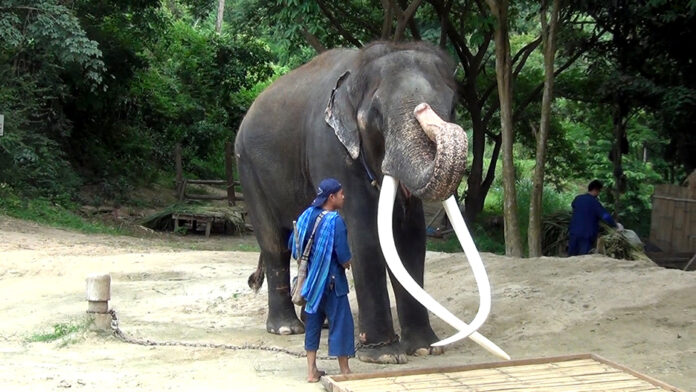
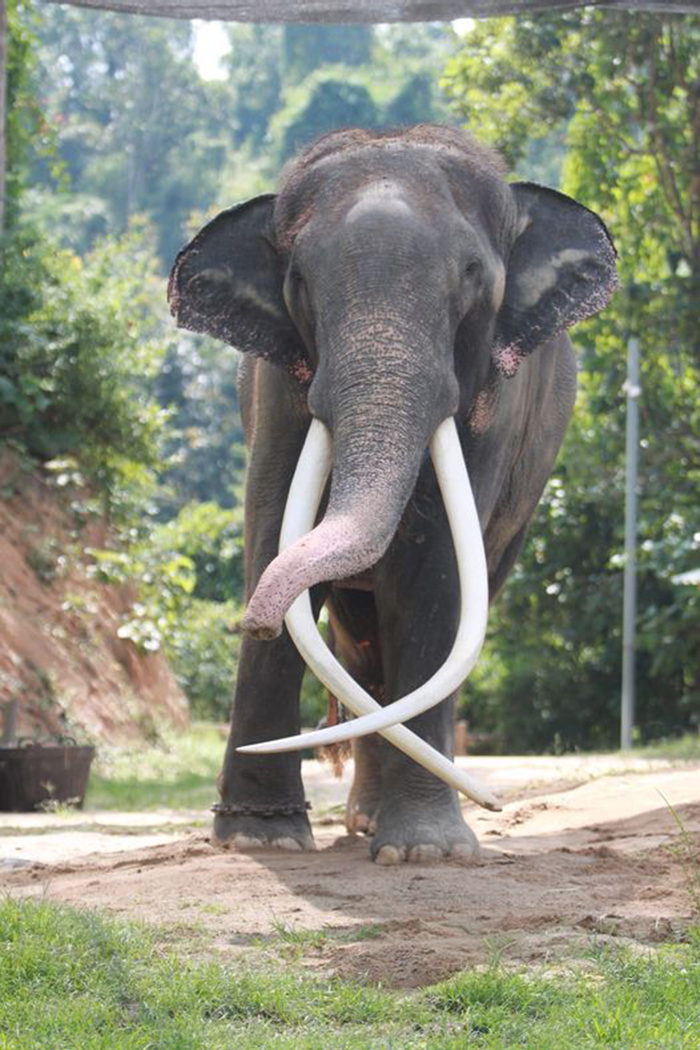
Plai Sak Surin has been under care at the Elephant Hospital of the Thai Elephant Conservation Center, National Elephant Institute in Lampang Province, for 1 year and 4 months.
LAMPANG — Plai Sak Surin, the famous Thai elephant who was brought back from Sri Lanka for health treatment last year, has growing tusks that concern veterinarians due to potential impact on his neck muscles. The matter is currently under consideration with experts from various sectors.
Plai Sak Surin, a male elephant around 30 years old, lived in Sri Lanka for 21 years before returning to Thailand for treatment. He was flown to Thailand on July 2, 2023, in an underweight condition, shackled, with abscesses on his hip and a crippled left leg.
On November 20, 2024, Dr. Taweepoke Angkawanich, Head of Elephant Conservation at the Thai Elephant Conservation Center, National Elephant Institute in Lampang Province, revealed that while Plai Sak Surin’s overall condition has improved, his extremely long tusks are affecting his body structure, particularly the muscles in his head and neck area.
“We’ve observed that the elephant must keep his head lifted while walking due to the long tusks. Therefore, it’s necessary to reduce their length to prevent excessive strain on the neck muscles. We are currently consulting with various medical specialists, and we will plan how to reduce the tusk length without causing other structural impacts,” Dr. Taweepoke said.
Dr. Warangkana Langkaphin, Head of the Elephant Hospital in Lampang, explained that there are various types of elephant tusks, each growing at different rates depending on the elephant’s lifestyle. Wild elephants typically use their tusks for fighting and finding food, causing natural wear, while domesticated elephants’ tusks can grow continuously throughout their lives.
Elephant tusks are comparable to human incisors or front teeth. While human teeth stop growing at a certain point, elephant tusks, like rabbit teeth, continue growing throughout their lives. Elephants that are protective of their tusks and don’t use them for fighting maintain longer tusks, while more playful elephants might break their tusks against trees.
For the past 16 months, Plai Sak Surin has been receiving treatment at the Elephant Hospital of the Thai Elephant Conservation Center, National Elephant Institute in Lampang Province.
Plai Sak Surin’s tusks are known as “Nga Um Bat” (alms bowl-holding tusks), characterized by their length and curve resembling a monk’s arms holding an alms bowl. According to ancient Sri Lankan beliefs, elephants with such tusks are suitable for carrying Buddha relics.
His tusks exceed 2 meters on both sides. While in Sri Lanka, he had the longest tusks in the country and was used in processions up to 30 times per month. He was kept in short chains, causing his left front leg to become stiff and unable to bend at the knee.
Plai Sak Surin suffered health problems for over 10 years, especially during Sri Lanka’s economic crisis when food was scarce. The conservation group Rally for Animal Rights and Environment (RARE) initiated his return to Thailand for treatment.
Currently, Plai Sak Surin has been under the elephant hospital’s care for 1 year and 4 months. Veterinarians are treating his stiff left front leg through X-rays, ultrasound examinations, gait analysis (both instrumental and visual), along with light exercise including straight walking, swimming, and hot compress treatments using herbal compresses or devices such as ultrasound massage and laser therapy.
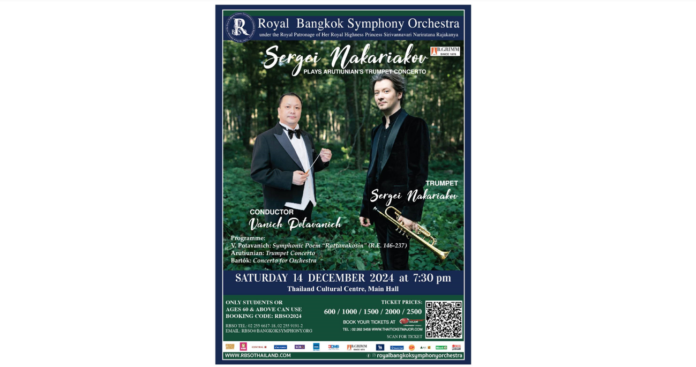
The Royal Bangkok Symphony Orchestra Foundation, in collaboration with B. Grimm Group Ltd., will present a concert titled “Sergei Nakariakov plays Arutunian’s Trumpet Concerto” at 7:30 p.m. on Saturday, December 14th at the Thailand Cultural Centre. This concert will begin with Dr. Vanich Potavanich’s Symphonic poem “Rattanakosin (R.E. 146-237),” which aims to describe significant events of King Rama IX that occurred during R.E. 146-137 of the Rattanakosin period. A number of melodic motives are drawn from impactful national compositions, including King Rama IX’s Candlelight Blue, the Thai national anthem, Thai Royal Barge song, and Vijit Jitrangsan’s Rattanakosin (R.E. 1-145). Dr Vanich Potavanich is the resident conductor of the RBSO and was awarded by the Ministry of Culture the 2024 Silpathorn Artist Awards.
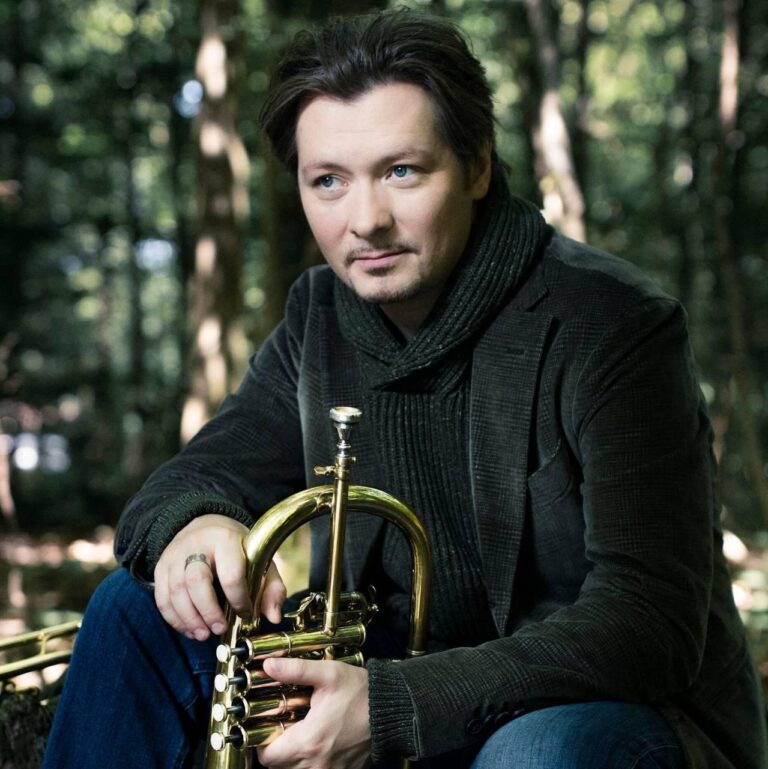
Followed by Sergei Nakariakov performing Alexander Arutiunian’s Trumpet Concerto. Arutiunian’s sixth major composition, an energetic powerhouse of Eastern European lyricism and harmonic textures, is usually played without pause. Sergei Nakariakov, Russian-born Israeli trumpet player, has established himself as one of the most sought-after trumpet players on the international stage. Born in Gorky Sergei began to play the piano when he was six years old, but moved on to the trumpet, since then, he has developed long-standing relationships with many of the world’s most respected leading orchestras, conductors and musicians. Nakariakov has performed with many of the world’s most respected conductors, including Valery Gergiev, Vladimir Spivakov, Saulius Sondeckis, Christoph Eschenbach, Yuri Temirkanov, Jiří Bělohlávek, Jaap van Zweden, Yuri Bashmet, Sir Neville Marriner, Mikhail Pletnev, Dmitri Sitkovetsky, Kent Nagano, Vladimir Ashkenazy, Hugh Wolff, Ton Koopman as well as great orchestras. Furthermore, he regularly collaborates with many of the world’s leading musicians, like Vadim Repin, Martha Argerich, Mischa Maisky, Emmanuel Pahud, Julian Rachlin, and Dmitri Sitkovetsky, for chamber music projects. With the pianist Maria Meerovitch and his sister, Vera Okhotnikova, he combines a long musical-friendly collaboration. Sergei Nakariakov plays on AR Resonance trumpet and mouthpieces and flugelhorn by Antoine Courtois, Paris.
The concert’s second half will feature Béla Bartók’s Concerto for Orchestra. Many of Bartók’s works are severely uncompromising; however, in his last works, he had mellowed to an extraordinary degree, resulting in the composer’s most popular orchestral work. Like Shostakovich, Bartók was an artist for whom suffering was reality. Both composers had to find ways to escape the oppression of misfortune. Both wrote music of noisy high spirits; in each case, we had to read the irony of the music even while we caught the infectious vitality of that brilliant orchestral display. No music has so many layers of meaning as this, which is why we can return to it again and again with pleasure and satisfaction.