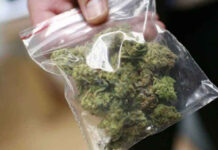


















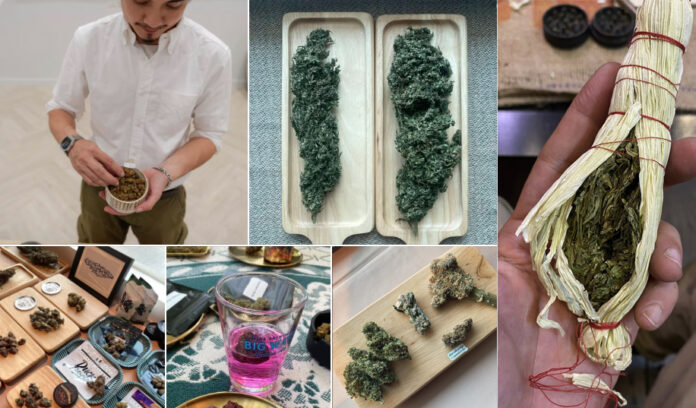
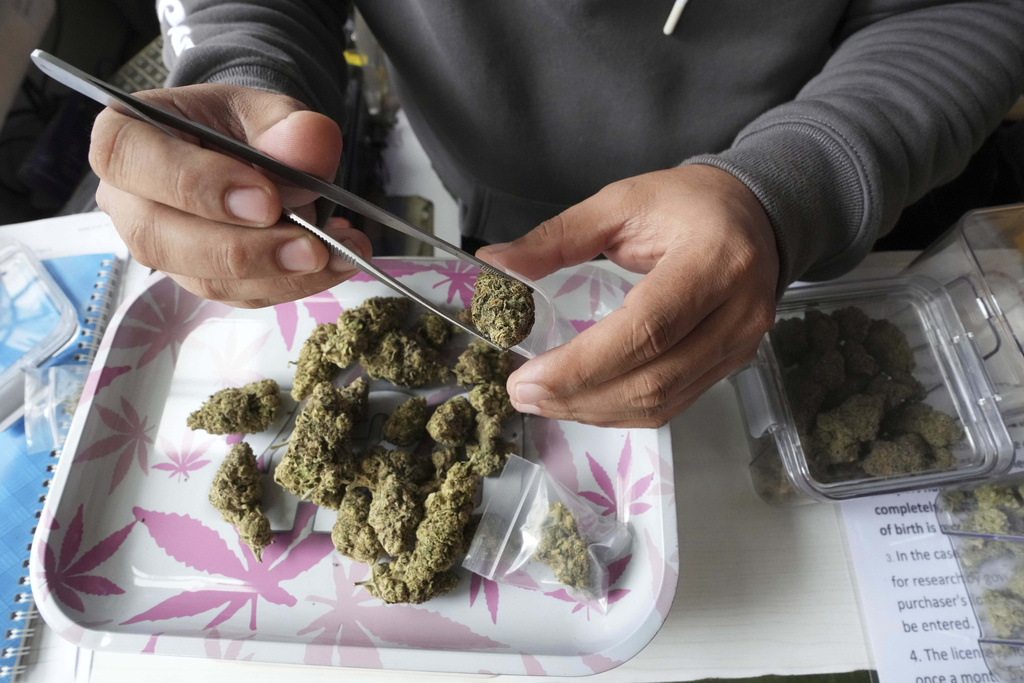
BANGKOK – Thailand is witnessing the emergence of a new healthcare profession: the “budtender” – specialized cannabis counselors who provide medical guidance to patients seeking cannabis treatments, according to a leading cannabis medicine expert.
Dr. Somyot Kittimankong, a specialist lecturer in cannabis medicine at Suan Sunandha Rajabhat University, explained on July 15 that the budtender profession, already well-established in the United States, combines “bud” (cannabis flower) and “bartender” to describe experts who counsel patients on cannabis use.
Professional Medical Role
“A budtender is not someone who only knows how to smoke. That’s not what this role is about,” Dr. Somyot emphasized. “Those who enter this profession have a high level of expertise. Abroad, the income is substantial – it can become a full-fledged career.”
In Thailand, budtenders must navigate complex cannabis regulations, verify certificates of analysis (COAs), understand thousands of cannabis strains, and communicate effectively with doctors using Por Thor 33 prescription forms. They serve as medical counselors in dispensaries that function similarly to clinics.
Training and Certification
The Cannabis Business Association will conduct Thailand’s first official budtender training program on July 17, with registration filling up within two hours. The intensive one-day course targets individuals with basic cannabis knowledge seeking deeper expertise in regulations and patient counseling.
Dr. Somyot noted that legitimate budtenders must understand various consumption methods beyond smoking, including decoctions and topical applications, while being able to match specific strains to medical conditions such as blood sugar management.
The profession represents a significant shift toward professionalizing Thailand’s cannabis industry, moving away from perceptions of casual users toward trained medical specialists capable of providing proper patient care.
Government Medical Training Initiative
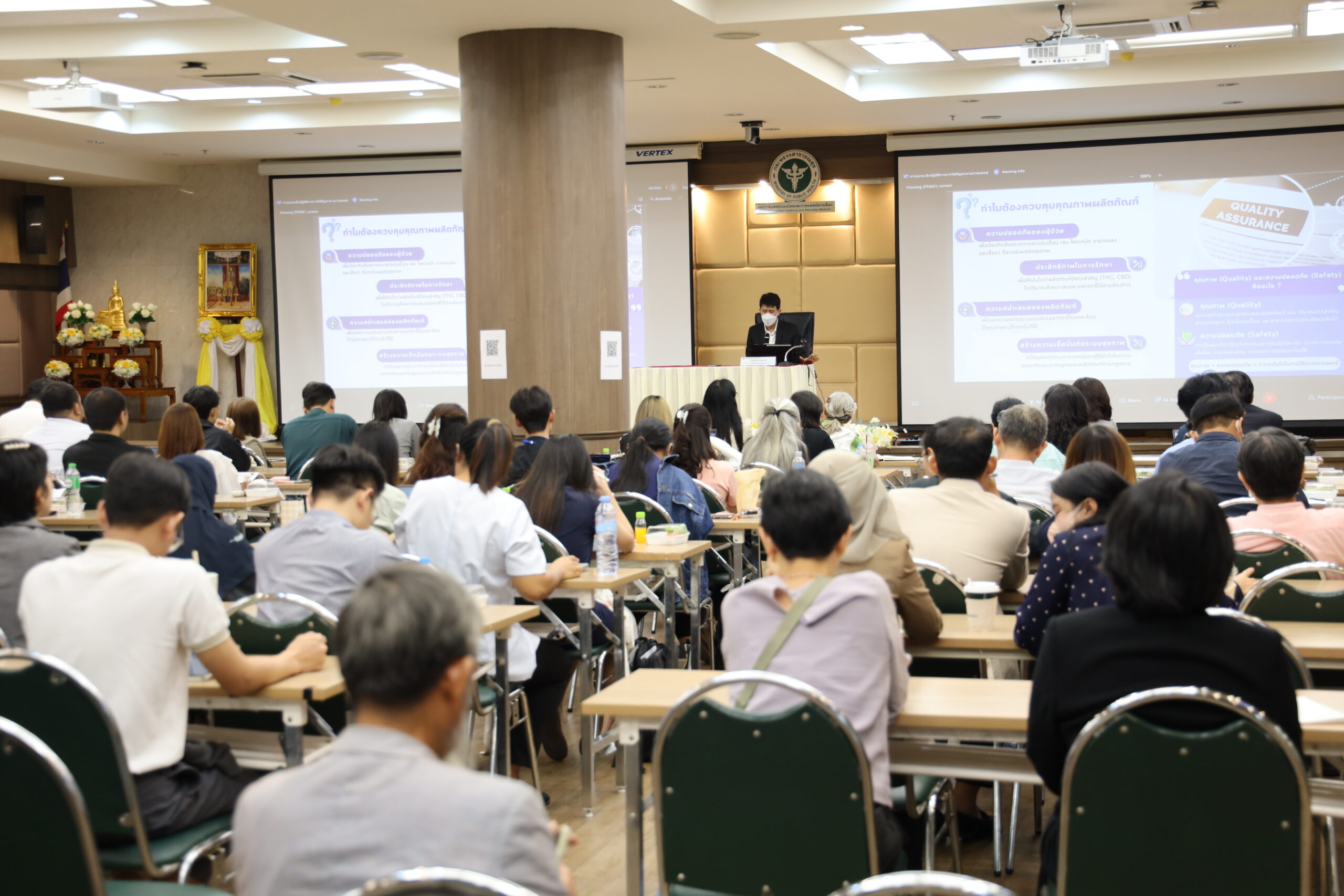
Meanwhile, the Department of Thai Traditional and Alternative Medicine, Ministry of Public Health, launched its first practical workshop on medical cannabis use on July 16th. The training targets seven professional groups: medical practitioners, traditional Thai medicine practitioners, applied traditional Thai medicine practitioners, folk healers, traditional Chinese medicine practitioners, pharmacists, and dentists. A total of 4,420 people applied for the training program.
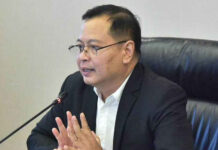
Dr. Thawan Thaneerat, Deputy Director-General of the Department of Thai Traditional and Alternative Medicine, who presided over the event, said the training provides knowledge about cannabis laws and global cannabis developments, which has received tremendous response.
“We haven’t restricted any medical professionals interested in the training, as there are approximately 9,000 doctors who previously completed medical cannabis training when cannabis was still classified as a narcotic, and some of them have joined this additional training session.”
___________