34.4 C
Bangkok
Monday, June 8, 2026
Home Blog Page 2327

Imam Among Car Bombing Suspects, Driver’s Body Found

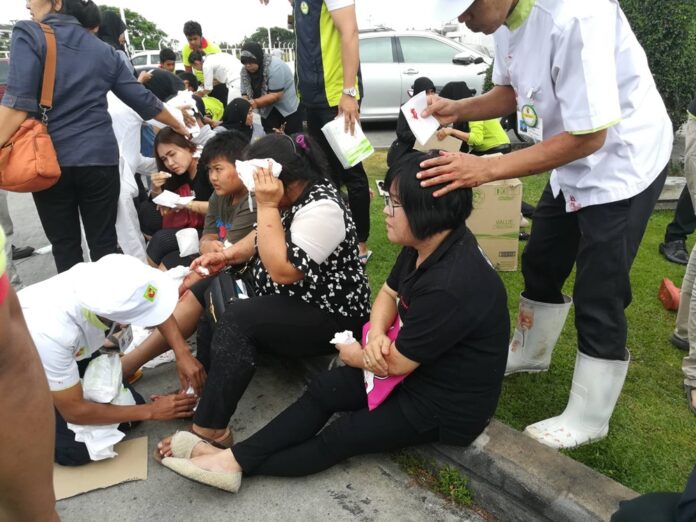
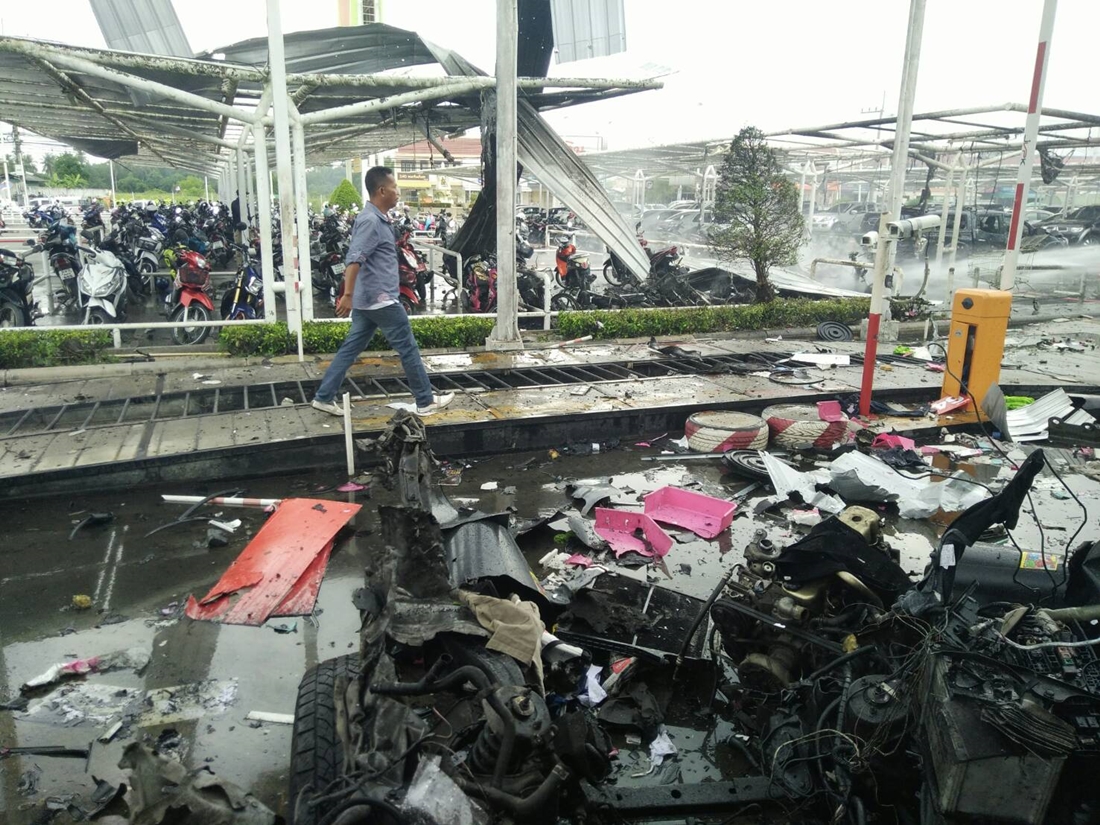
Rescue workers respond to the scene of a car bomb attack at Big C in Pattani province on May 9, 2017.

PATTANI — The owner of a pickup truck used in a large car bomb was found dead Thursday as two suspects were arrested in connection with the attack, which injured 61 people, according to a police commander.

“Two people are currently under custody of the security forces,” said Pattani police commander Piyawat Chalermsri, before clarifying that meant the army. “They have given us helpful information. Their information has been very beneficial to the investigation.”

The pair were reportedly arrested the same day police found the missing owner of the truck used in the attack on Big C shopping center on Tuesday. Police said the bombing was a work of a local secessionist group.

One of the detainees is a man who “coordinated and commanded” the bombing, while the other is an imam at a mosque where the separatists are suspected of murdering 44-year-old Nuson Khachornkam, the pickup truck driver, and stole his vehicle, according to Maj. Gen. Piyawat.

The major general said the two are being held at an army base under martial law, which grants soldiers the authority to detain any individuals without warrants. The southern border provinces of Pattani, Yala and Narathiwat have been under martial law since secessionist violence broke out there in 2004.

The bomb wounded 61 people, three seriously, but there were no fatalities. Among the victims were women and children, prompting several human rights groups to condemn the attack. No one has claimed responsibility, though police said evidence points to separatist militants.

Police said Nuson was ambushed and killed after being lured to a mosque in Pattani’s Nong Chik district on the pretense of getting a job.

More than 6,800 people have died in the conflict since 2004, many of them civilians.

Advertisement

Vigils Held for Christian Politician Imprisoned in Indonesia

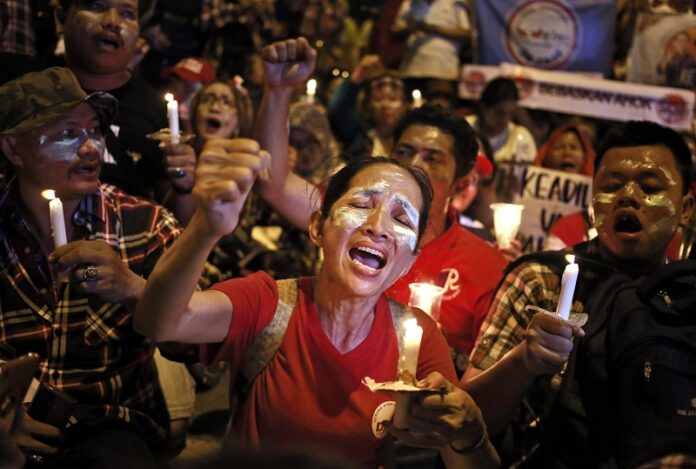
Supporters of Jakarta Governor Basuki "Ahok" Tjahaja Purnama light candles and shout slogans Tuesday during a rally outside Cipinang Prison where he is being held after a court sentenced him to two years in prison, in Jakarta, Indonesia. Photo: Dita Alangkara / Associated Press

JAKARTA — The imprisonment of a Christian politician for blaspheming Islam has triggered an outpouring of anger and support around Indonesia.

Nightly candlelight vigils have been held in cities across the sprawling archipelago since Tuesday when the governor of the capital Jakarta, Basuki “Ahok” Tjahaja Purnama, was found guilty and sentenced to two years prison.

Months of huge protests against Ahok by Islamic hardliners and the unexpectedly severe sentence have undermined the reputation of Indonesia, the world’s most populous Muslim nation, for practicing a moderate form of Islam.

Indonesians abroad also held vigils in cities including Amsterdam, Toronto and Melbourne, Australia.

Ahok was moved to a detention center outside Jakarta after thousands of supporters converged Tuesday on the high-security prison in the capital where he was initially sent. His lawyers plan to appeal.

The U.S. State Department, U.N. Human Rights Office, Amnesty International and the U.K. ambassador to Indonesia have criticized the sentence, which was imposed despite prosecutors downgrading the original charges and seeking a non-custodial sentence of two years of probation.

The blasphemy case was a decisive factor in Ahok’s defeat to a Muslim candidate in last month’s election for Jakarta governor.

Hard-line Islamic groups opposed to having a non-Muslim leader for the city capitalized on the blasphemy controversy to draw hundreds of thousands to anti-Ahok protests in Jakarta that shook the centrist government of President Joko “Jokowi” Widodo.

The blasphemy accusation engulfed Ahok in September after a video surfaced of him telling voters they were being deceived by opponents who said a specific verse in the Quran prohibited Muslims from voting for a non-Muslim leader.

Advertisement

Gitmo Captive to Speak on CIA Torture at Thai ‘Black Site’

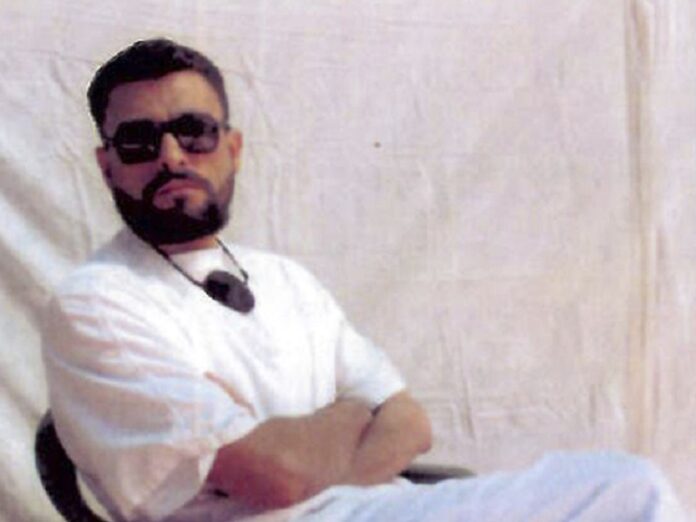
Zayn al Abidin Muhammad Husayn, also known as Abu Zubaydah, in 2016 at the detention center on the U.S. base at Guantanamo Bay, Cuba. Photo: Mark Denbeaux / Associated Press

MIAMI — The first CIA captive subjected to what the U.S. government called “enhanced interrogation techniques” in Thailand after the Sept. 11 attacks will testify about conditions inside the Guantanamo Bay detention center, even if it could create legal problems for him.

The lawyer for the Palestinian known as Zayne Abu Zubaydah said in a letter released Thursday that his client wants to testify at the U.S. base in Cuba next week despite the legal risk because he believes he is innocent, wants a chance to address the public and doesn’t think he will ever be charged anyway.

Though the hearing pertains to conditions at Guantanamo, the lawyer’s letter makes it clear Zubaydah plans to detail his experiences at CIA “black sites” operated after the Sept. 11 attacks. It could provide the first public airing of what went on at one reportedly operated in Thailand, where Zubaydah allegedly suffered severe torture and even lost an eye.

“Abu Zubaydah will take the stand, unafraid of the truth that will emerge, confident that the world will come to know that he has committed no crimes,” lawyer Mark Denbeaux wrote in the letter, a copy of which was provided to The Associated Press.

Although Thai officials have by rote denied such a facility existed, most accounts place it at or near Bangkok’s Don Mueang Airport.

The letter was sent earlier this month by Denbeaux to James Harrington, a civilian lawyer appointed to represent Ramzi Binalshibh, one of five Guantanamo prisoners facing trial by military commission for their alleged roles planning and providing logistical support for the terror attack on Sept. 11, 2001.

Binalshibh has accused guards inside Camp 7, the highest security section of Guantanamo, of causing noises and vibrations intended to disrupt his sleep and making it difficult for him to participate in his legal case, which remains bogged down in pretrial proceedings. His lawyers have called Zubaydah as a witness to support the claims, which were supported by testimony from a third prisoner, from Somalia, at a June 2016 hearing but have been rejected by the military.

Lawyers for Binalshibh asked the military judge presiding over the case to prohibit prosecutors from asking about anything unrelated to conditions in Camp 7 or to grant Zubaydah immunity. That request was denied in January. He is now scheduled to testify at the base on May 19, though it could get postponed.

Prosecutors said in court papers that Zubaydah is a “potential target” for prosecution and is “rightfully concerned that his words might incriminate him of acting to do harm to the United States.”

The prosecution says Zubaydah had closely held information of the inner workings of the Sept. 11 plot. That included clues that helped authorities identify the self-professed mastermind, Khalid Shaikh Mohamad, who faces trial at Guantanamo with Binalshibh.

Zubaydah, 46, was captured in Pakistan in March 2002 and taken to a clandestine CIA detention facility. At the time, authorities suspected he was one of the highest ranking members of al-Qaida, though they have more recently described him in official documents only as a “facilitator” for the terrorist organization.

Convinced he had more information than he was providing, the CIA subjected him to the “enhanced” measures approved by the administration of President George W. Bush. That included being subjected to the torment of waterboarding 83 times in August 2003. Intelligence officers later sent a cable to Washington seeking assurances that he would “remain in isolation and incommunicado for the remainder of his life,” according to a 2014 report on the program by a Senate committee.

He has been held at Guantanamo since September 2006 and has not been seen except for an appearance last year before a board considering whether he should be eligible for release. He did not speak during a brief public portion of that hearing and his release was rejected. He is one of 41 prisoners at the base.

His lawyer says that Zubaydah is prepared to discuss conditions inside Camp 7 and how the treatment alleged by Binalshibh reflects elements of the interrogation program, which included prolonged sleep deprivation. “My client can draw upon his personal experience to address this issue,” he said.

Denbeaux, also a professor at Seton Hall University School of Law in New Jersey, says the government won’t charge Zubaydah because it doesn’t want to be forced to disclose more details about the treatment he and other prisoners endured.

“The failure to charge him after 15 years of torture and detention speaks eloquently,” Denbeaux said. “To charge him would be to reveal the truth about the creation of America’s torture program.”

Still, Zubaydah is taking a risk, said Jason Wright, a former military lawyer who was appointed to represent Mohammad and others and now practices law in New York. Prosecutors can cross-examine him about any alleged involvement with al-Qaida to show potential credibility or bias and could use anything he says against him in the future.

“He certainly faces legal jeopardy by taking the stand,” Wright said.

Story: Ben Fox, Khaosod English

Advertisement

Death Toll Now 5 in Worst Attack on UN in Central African Republic

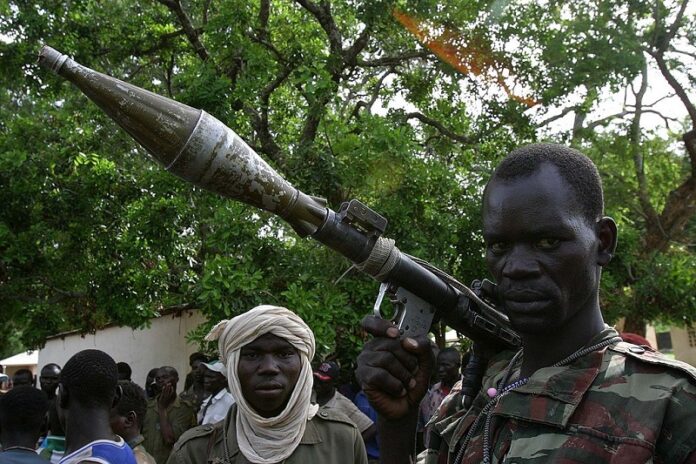
Rebels seen here in 2007 in the north of the Central African Republic. Photo: hdptcar / Wikimedia Commons

UNITED NATIONS — The death toll has risen to five in the worst attack on U.N. peacekeepers in the Central African Republic with the discovery of the body of a missing Moroccan soldier, the United Nations said Thursday.

Four Cambodian soldiers also died  one in Monday night’s ambush by a Christian rebel group and battle that followed near Bangassou, about 474 kilometers (295 miles) east of Bangui, the U.N. said. The bodies of three missing Cambodians were found on Tuesday.

U.N. spokesman Stephane Dujarric said Thursday that searchers found the body of the missing Moroccan near Bangassou, about 474 kilometers (295 miles) east of Bangui where the ambush occurred.

A U.N. official said the bodies of the four peacekeepers who had been missing were badly mutilated, making identification difficult. The official spoke on condition of anonymity because of the sensitivity of the issue.

In the attack, Dujarric said nine Moroccans and one Cambodian were also wounded, none with life-threatening injuries.

Eight fighters from the Christian anti-Balaka rebel group were also killed, he said.

Dujarric said the U.N. is conducting an investigation and “we are working with the Central African authorities to try to bring the perpetrators of these attacks to justice.”

The country descended into sectarian conflict in 2013 when Muslim rebels overthrew the nation’s Christian president.

The United Nations launched a peacekeeping mission there in 2014 and now has more than 12,000 troops deployed to protect civilians from violence between Christian and Muslim factions. Some 890,000 people have been displaced inside the country and into neighboring Cameroon, the U.N. says.

The latest fighting began in February and Human Rights Watch said last week that at least 45 people have been killed and 11,000 displaced in attacks by armed groups that have also targeted civilians.

One predominantly Peul faction of the mostly Muslim Seleka group has been fighting since late 2016 with another faction that has aligned itself with the Christian anti-Balaka group as they vie for control of the central part of the country, the rights group said.

The U.N. Security Council condemned Monday’s attack “in the strongest terms” and reiterated that attacks against peacekeepers may constitute war crimes. Members called on the Central African Republic’s government to swiftly investigate the attack and bring the perpetrators to justice.

Amnesty International and civil society groups in the Central African Republic launched a national campaign Thursday urging authorities to tackle what they called “a deeply entrenched culture of impunity which has prevented thousands of victims of human rights abuses and crimes under international law from receiving any form of justice.”

The campaign calls for tougher government action against impunity and international funding for the country’s new Special Criminal Court.

Story: Edith M. Lederer

Advertisement

Photo Phriday: Monsoon So Soon

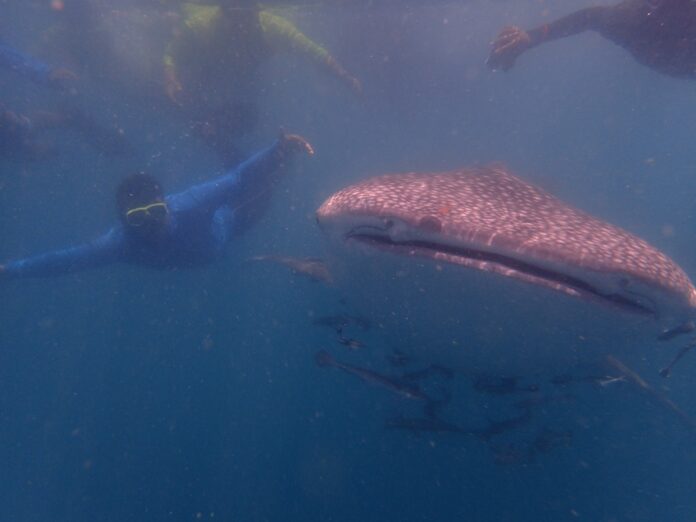
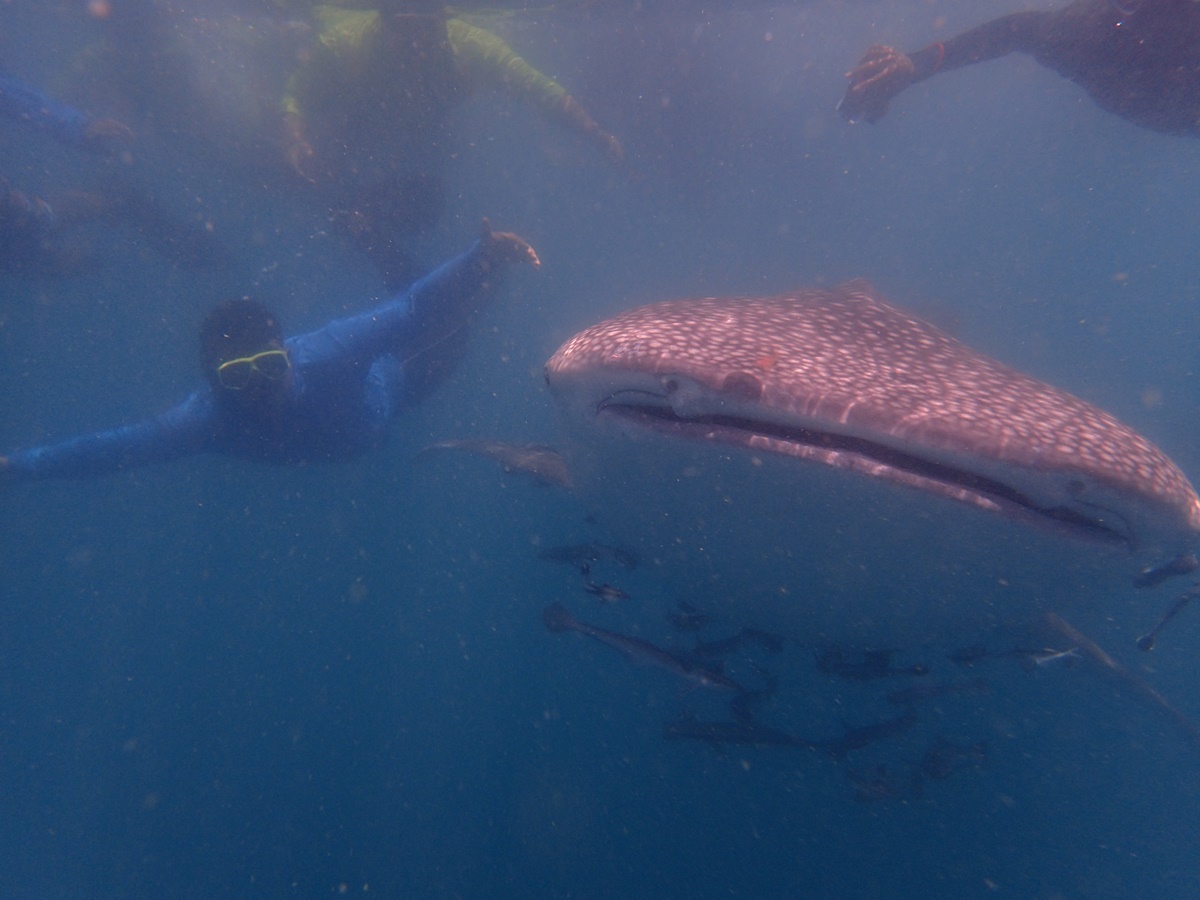
A four-meter whale shark swims with divers Sunday off the coast of Koh Talu in Prachuap Khiri Khan. It’s the second time a whale shark has been spotted in May in the area, according to Chokechai Kumdee, diver.

Top: A four-meter whale shark swims with divers Sunday off the coast of Prachuap Khiri Khan province. It was the second time a whale shark was spotted recently, according to diver Chokechai Kumdee.

Here’s how Thailand looked this week, as the southwest monsoon starts and some rain brought relief to the searing heat. Find more on our Facebook, Twitter, YouTube and Instagram.

P1800124
People feed vegetables to the turtles Sunday at a pond in Wat Chedi Hoi in Pathum Thani, where a fisherman alerted authorities to the presence of over 200 turtles crowded into a single pond. Read: Turtley Crowded: Temple Promises More Space for Reptile Residents (Photos)
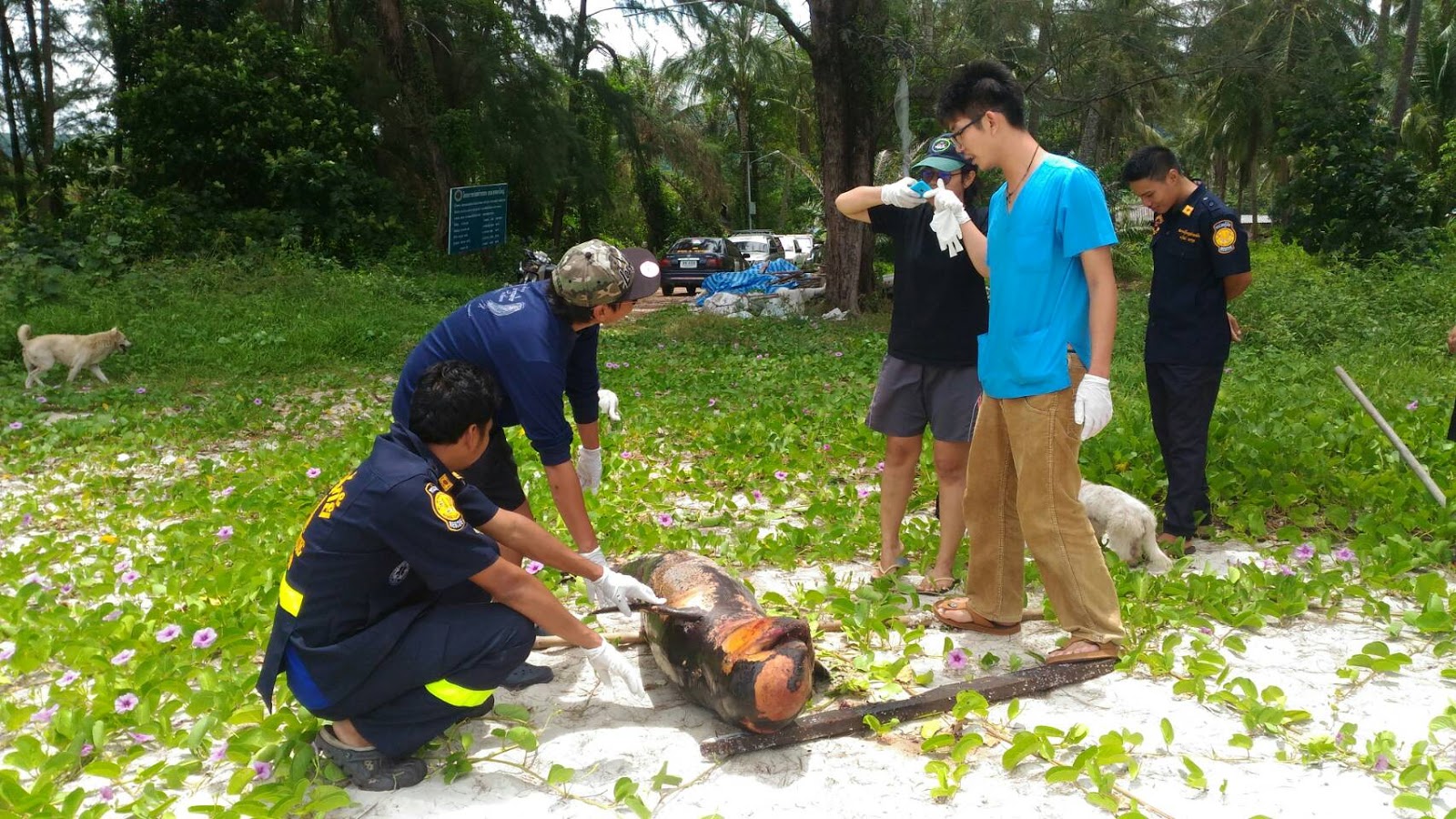
Marine officials inspect the body of a beached Irrawaddy dolphin Sunday in Trat. According to verterinarian Weerapong Laovetchprasit, the dolphin died from an unspecified illness.
IMG 2095
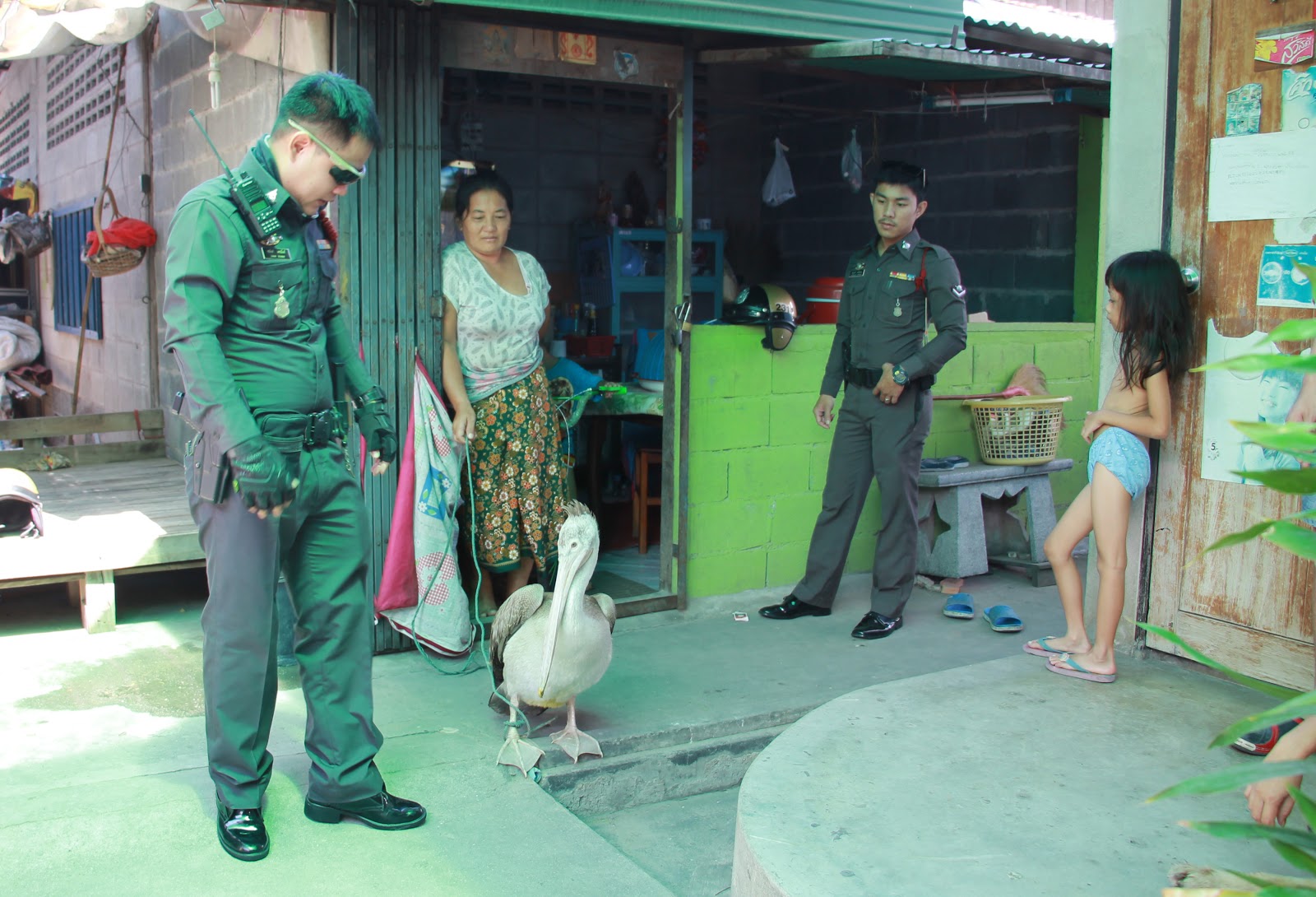
Rescue officials meet Maneerat Keawsrasaeng and a 50-inch spot-billed pelican that she rescued from a tree near her house Sunday in Chonburi. The male pelican was struggling and had a rope tied around its leg, so her husband climbed up to retrieve him.
hya
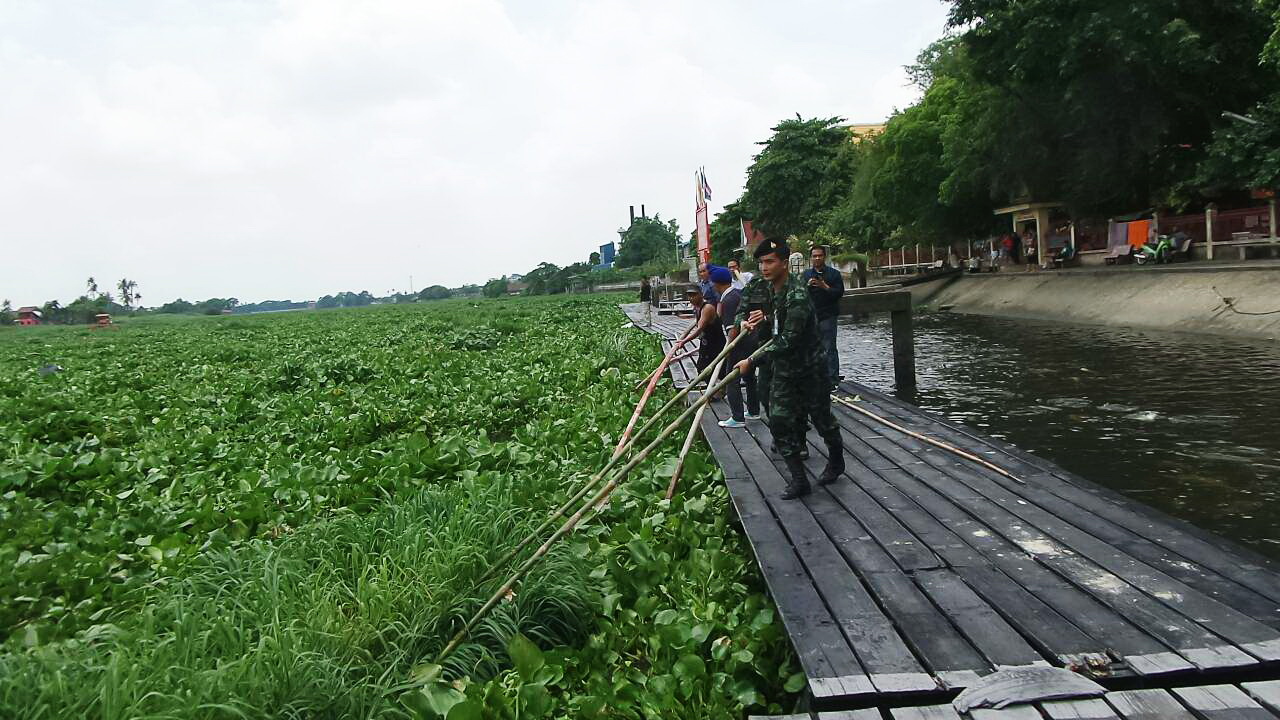
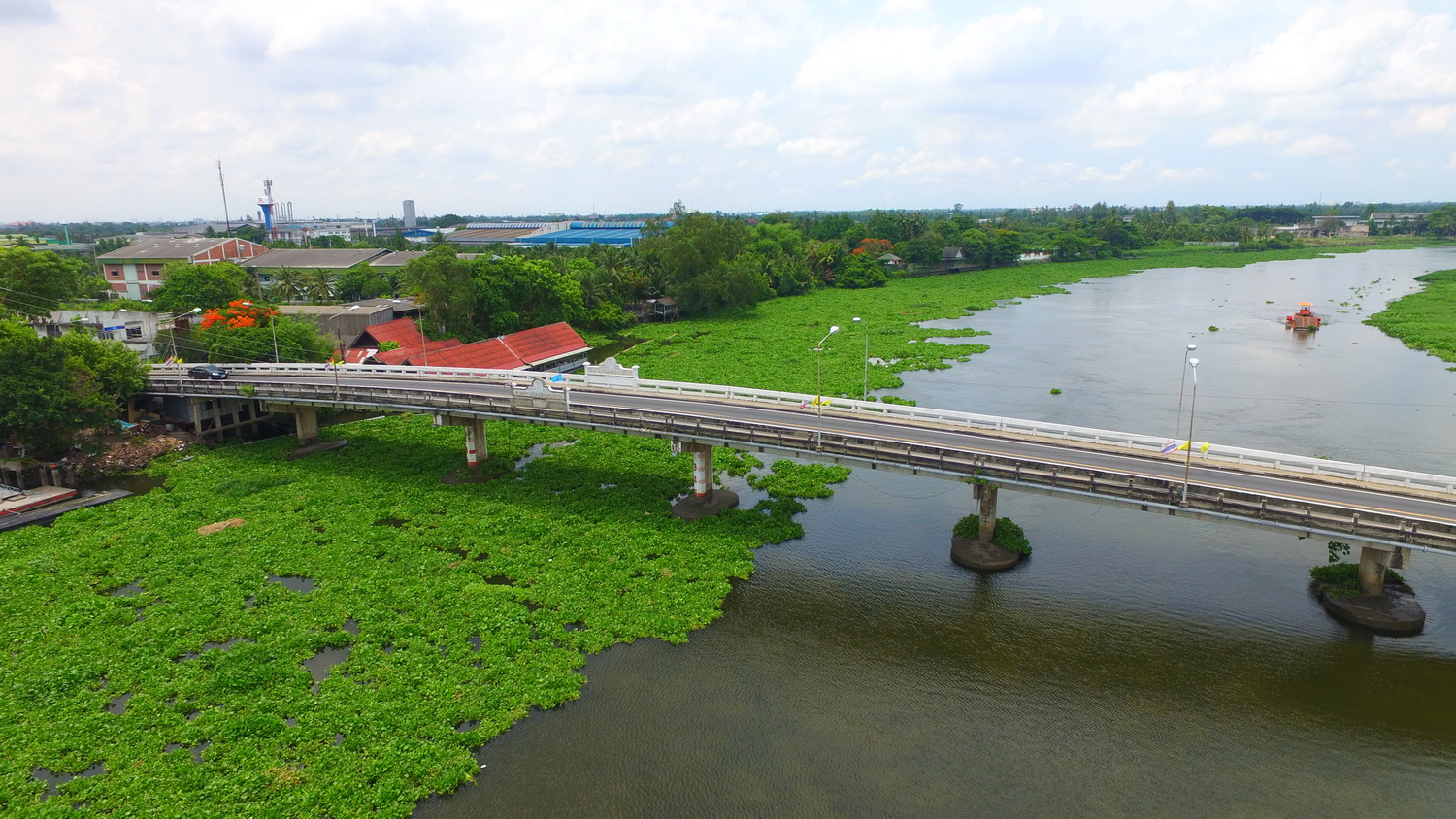
Soldiers attempt to clear water hyacinths from Tha Chin River Sunday in Nakhon Pathom. The Nakhon Pathom provincial governor vowed to take care of the mats of fast-growing invasive species which blocks boats from traveling the river.
IMG 0568
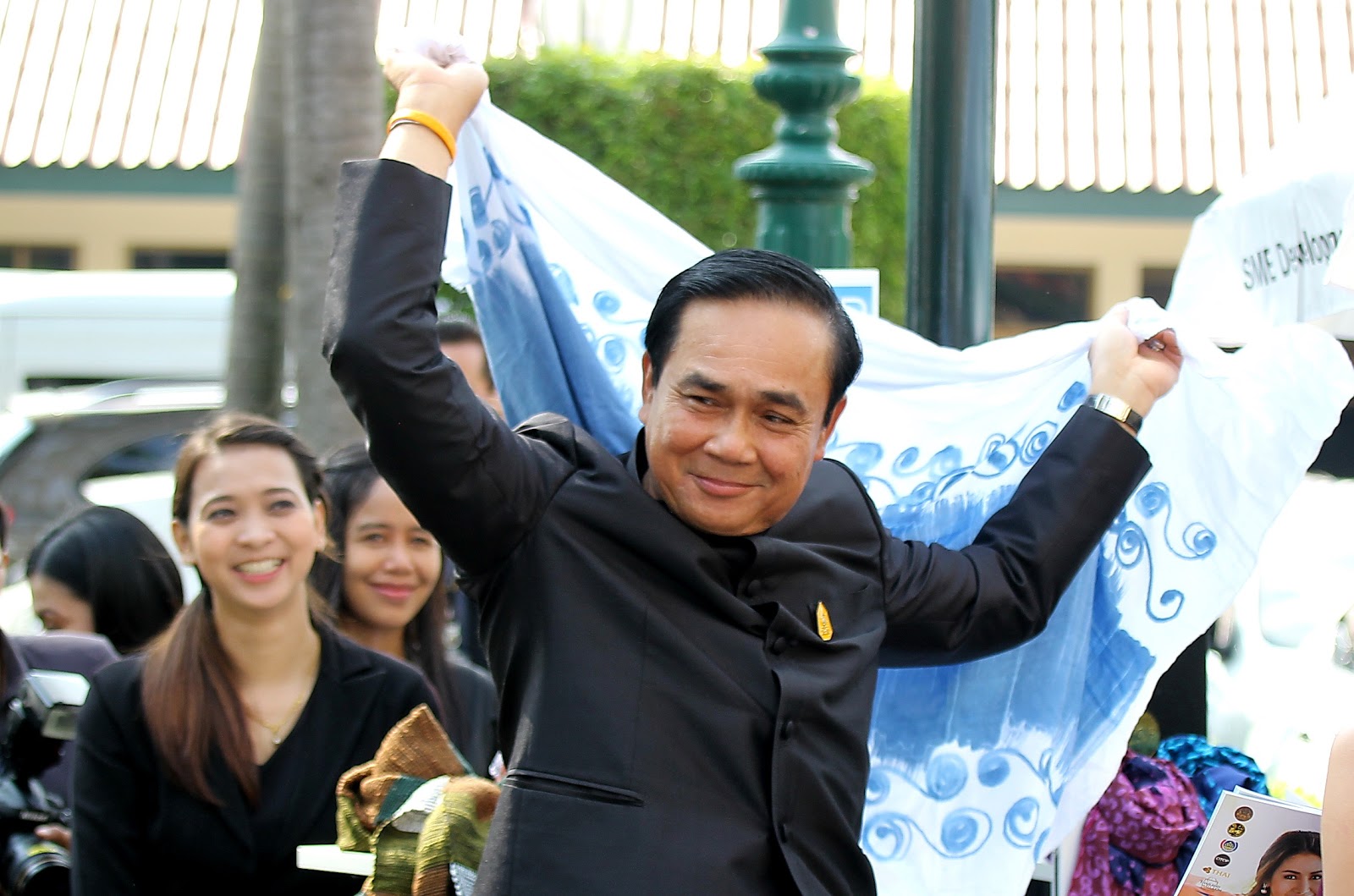
Mirroring an OTOP magazine cover, Gen. Prayuth Chan-ocha flutters a batik shawl Tuesday at Government House.
22 6
People wear traditional costume as they offer food to monks at Wat Photharam in Bueng Kan province for Visakha Bucha Day.
548249 A6rM5GW
Rescue workers respond to the scene of a car bomb attack at Big C in Pattani province on May 9, 2017.
18402333 1517995271552733 3455374623237601817 o
https://www.khaosodenglish.com/featured/2017/05/12/britney-ticket-holders-complain-2nd-show-will-1st/
Advertisement

‘Stray’ Into Left-Field Beats Friday at Whiteline

Photo: Stray / Courtesy

Top: Stray / Courtesy

In 2009, London-based producer Stray earned props in the Drum ‘n’ Bass, or DnB, scene with his debut work “Timbre.” Released as a B-side, the track’s abstract atmospherics, off-kilter beats and climactic amen breakbeats had the scene waxing lyrical over the producer’s studio wizardry.

The producer’s unorthodox approach to DnB music led him to experiment with a variety of styles such as juke, which resulted in his jungle / juke hybrid “Break Your Leg,” released on Giles Peterson’s Brownswood Recordings imprint. On the other end of the spectrum, Stray’s laid-back, half-tempo tracks have been released on labels such as DBridge’s Exit recordings.

He’s also one third of Ivy Lab, a trio that consists of Halogenix and scene veteran Sabre. The DnB supergroup made their signature style of hip-hop beats, dark atmospherics and heavy bass lines famous. The crew’s long-awaited “Peninsula” EP received critical acclaim when it was released this year.

Before his Friday debut show in Bangkok, Stray gave us the low-down on his musical inspirations, Ivy Lab and his Friday night gig at Whiteline.

Mongkorn Timkul: The stuff you produce with Ivy Lab is taking quite a new direction for DnB music. Are the hip-hop / half-tempo beats you produce the direction you want to take your sound, or will you also produce more DnB rollers in the future?

Stray: I can’t necessarily speak for the other two here, but I personally never know what I might end up wanting to write in the future. What I do know is that once I feel like I’ve conquered a certain type of sound, I don’t have much interest going over the same ground. I think the Ivy Lab DnB rollers were pretty good for what they were, and it kinda feels like we succeeded in our mission with them on that front. Now we’ve kinda gone back to our individual roots as hip-hop lovers and it feels great to be writing this half-time material as a collective. We’re still exploring.

mongkorn.bug .2017MT: What kind of tracks are you planning to play for your debut set in Bangkok?

S: I’ve got a lot different styles and tempos that I’m playing at the moment, from low-key beats material to hyper-trap tracks, hypnotic 150-160 footwork hybrids, 20/20 halftime, liquid Drum ‘n’ Bass and some jungle. I like to try out a few things and see what the crowd seems to dig the most and then decide on the journey from there.

MT: You’ve said that your older brother,who is a pianist, was an inspiration to you growing up. What was your musical background like when you were growing up?

Stray: He was a big inspiration and helped me shape my taste in music a lot. Growing up I listened to a lot of funk, jazz, classical and hip hop but I also flirted with punk, rock and pop music as well. I first heard Drum ‘n’ Bass going through a good friend of mine’s brother’s vinyl collection when I was 14. We dug up a DJ Rap record called “Smart Stepper.” After that I remember CD-shopping at Tower Records in Piccadilly Circus, and I asked [an employee] for some recommendations, and he gave me Andy C’s “Nightlife Vol. 1” compilation. I bought it and couldn’t stop listening to it and then started to try [what] I was hearing in my own productions.

MT: When it comes to working with Ivy Lab, which is you and Halogenix and Sabre, how do you decide who does what? What different elements do each of you bring to the studio?

S: Most of the tracks we do are for the most part written solo and then, just before a release is due, we get together as a trio to go through demos and mix them down and finish off the arrangement. There isn’t really a decision about who does what, it’s just a case of whoever is inspired or has a good idea. In terms of bringing elements, again, as boring an answer as it is, we kinda all do everything. That said, Sabre is a really great sonic engineer and likes to fix things that are broken, he is able to utilize samples in a really intuitive way and is a dab hand at twisted bass sounds. Halogenix is great at getting vibes started quickly and also has a great feel for melancholic chords and music. I’m good making the coffee and booking the flights.

Stray touches down this Friday at Whiteline on Soi Silom 8. Tickets are 350 baht, and there will be an open bar 9pm to 11pm. Doors open at 9pm and close at 3am.


Advertisement

Fight in Heels: Afro-Punk Brings Freak Power to Bangkok

Photo: Fight in Heels / Facebook

BANGKOK — An Afro-boasting group based in Bangkok will bring down some gonzo, scifi lady-power in Bangkok later this month.

All-female punk collective Snatch Power will drop in to a Sathorn area art-bar for mixed-media transgressions including a live punk set, short film screening and panel discussion.
The group will show its sci-fi short “Fight with Heels.” Then, Bangkok’s Asia Maria, the vocalist of Deadtown Trash, and guitarist Kota Taki will perform afterward.

Admission is 100 baht. The event starts at 6pm on May 18 at Jam, near BTS Surasak.

Snatch Power has three groups which are based in Los Angeles, Tokyo and Bangkok.

Correction: An earlier version of this story mistakenly wrote that Snatch Power based in Los Angeles will be performing.  

Advertisement

820 Items Defaming Monarchy Tackled Since October: Army Cyber Center

BANGKOK — The Royal Thai Army’s cyber unit claimed success Thursday in defending the monarchy online, saying it has gone after 820 offensive items since October.

The Army Cyber Center announced the figures at army headquarters in Bangkok, saying it was proof of progress in the crackdown against alleged online defamation of the royal family. The event was chaired by Assistant Army Chief Gen. Somsak Nilbanjerdkul, who presented a plaque of recognition to those who performed excellent duties.

Director Maj. Gen. Rittee Intravudh said the center placed importance on cyber threats against the monarchy through social media. He said the 820 items targeted since October included 365 things posted to Facebook, 450 YouTube videos and five tweets.

Read: Little Known About 7th Lese Majeste Suspect This Month

While the center initiated action in all cases, it didn’t specify how many led to actual blocking or removal.

The center works with the Digital Ministry, police Technology Crime Suppression Division and Department of Special Investigation to block and prosecute people behind the content. The announcement comes at a time of a surge in arrests and prosecution of netizens for allegedly defaming the royal family, a crime known as lese majeste.

Rittee didn’t specify how many arrests have been made as a result, but said 435 sites defaming the monarchy have been shut down. He said the center has discovered 274 new items, among them 120 made just last month. Only seven of the content creators were based outside Thailand, he said, with those behind 18 items yet to be identified.

Several rights groups this week decried the surge in cases since the military coup, saying the law was being used as a tool of political suppression.

Rittee referenced some success in getting Facebook to block some posts from users in Thailand but acknowledged that some have learned how to circumvent such blocking. He added that the court has also recently ordered the blocking of 6,000 websites deemed critical of Thailand’s monarchy.

“The latest trend is that there will be less dissemination of content [defaming] the monarchy,” the director said.

Advertisement

Govt Torpedoes Plan to Add 11,000 Hospital Nurses

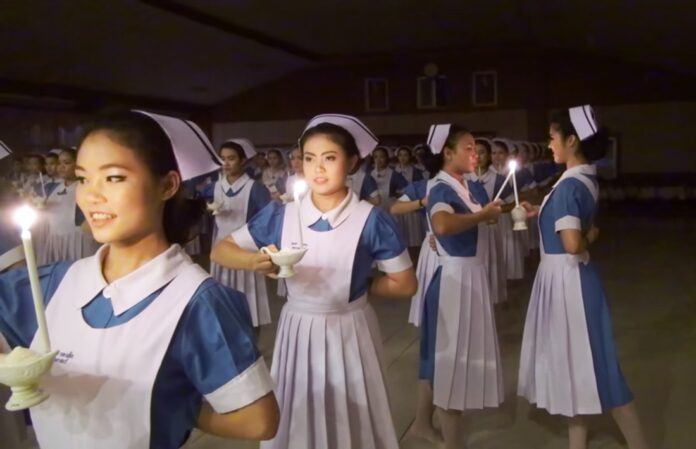
In a homage to Florence Nightingale, newly graduated nurses light candles in a graduation ceremony at Boromarajonani College of Nursing Suphan Buri in 2015. Image: SncChannels / YouTube

BANGKOK — A number of nurse associations expressed anger Thursday over the government’s decision not to hire 10,000 new hospital workers as requested by public health officials.

Some nurses took to social media to air their frustration after the cabinet decided Tuesday to reject a Public Health Ministry proposal to fill nearly 11,000 vacant nurse positions at state hospitals, which have suffered from severe understaffing and overcrowding. The decision prompted the ministry to call an emergency meeting on the matter for Thursday.

“Nurses must unite to ask for sympathy from the government,” reads a post by Nurse Team Thailand, a Facebook page that advocates for medical personnel.

The post urged its supporters to change their online profile pictures and use hashtag #SaveNurse to call for the nurse positions to be quickly filled. Some said they were disappointed because they have been working on temporary contracts on the expectation of full employment.

“They work hard and their pay is little. They simply hope that one day they will be employed as civil servants,” the admin of Nurse Team Thailand wrote.

Members of the profession said they have suffered from a chronic labor shortage, which has been mitigated by forcing existing staff to work longer hours.

“When there’s a staff shortage, we are forced to work overtime,” wrote Padsachon Waitayaboon in a thread. “If we don’t go, we get threatened with disciplinary action and report, even though we work till our legs are tired from Monday to Friday.”

On Tuesday the cabinet was considering a raft of health policy proposals, one of which called for immediately hiring 10,992 nurses. In minutes from the meeting, the cabinet said the ministry should reshuffle personnel to fill the gaps rather than hire new ones or consider outsourcing critically needed positions.

The health ministry called for an emergency meeting on Thursday meeting, though no conclusion has been made public at this time.

Advertisement

First Witness Takes Stand Nearly 2 Years After Erawan Bombing

Erawan Shrine bombing suspect Adem Karadag was brought on Nov. 2 to a military court in Bangkok.

BANGKOK — The first witness in the trial of two men accused of bombing a Bangkok shrine testified in a military court Thursday, nearly two years after the terror attack took place.

Nine months after the trial was to begin, the military tribunal convened for the first time in six months today for the trial over the Aug. 17, 2015, bomb attack which killed 20 people. It had been postponed several times because of problems obtaining an interpreter for the two Uighur suspects, one of which was on the run from drug charges.

In November, the last time the court convened, it settled on an interpreter appointed by the Chinese Embassy after judges rejected another offered by a Munich-based Uighur group.

Returning to the stand today was police investigator Lt. Col. Somkiat Ploytubtim. Somkiat told the military judges that the ethnic Uighur defendants, Adem Karadag and Yusufu Mieraili, confessed under questioning to planting the bomb which exploded at the heavily trafficked shrine in the commercial heart of the capital, Voice TV reported.

The next court date was set for May 26, when Somkiat will be cross-examined by the defense, according to Chamroen Panompapakorn, the attorney representing Mieraili.

Related stories:

Shrine Bombing Trial Postponed Because Interpreter’s Busy

Bangkok Bombing Trial: Defendants Protest Chinese Interpreters

Bangkok Bombing Trial in Limbo Without Interpreter

With Interpreter on the Run, Erawan Bombing Trial is Postponed to September

Advertisement

Hot News

LATEST NEWS

Bangkok
overcast clouds
34.4 ° C
34.4 °
32.7 °
71 %
4.2kmh
99 %
Mon
33 °
Tue
34 °
Wed
35 °
Thu
31 °
Fri
30 °