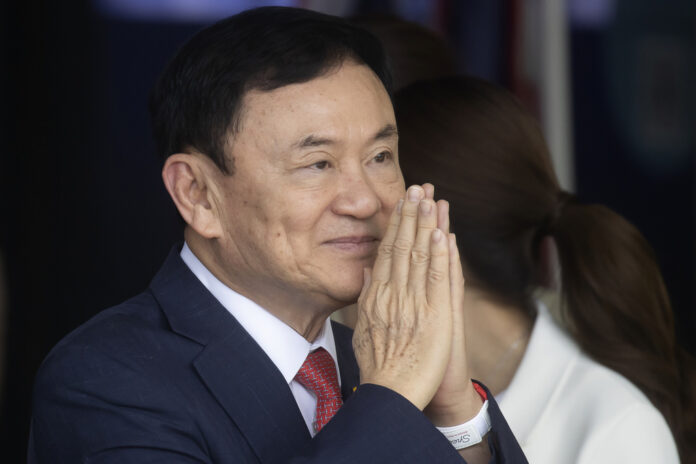
FILE - Thailand's former Prime Minister Thaksin Shinawatra greets supporters on his arrival at Don Muang airport in Bangkok, Thailand, on Aug. 22, 2023. (AP Photo/Wason Wanichakorn, File)
JINTAMAS SAKSORNCHAI, BANGKOK — State prosecutors in Thailand said Tuesday they have revived an investigation into whether former Prime Minister Thaksin Shinawatra almost nine years ago violated the law against defaming the monarch, a crime punishable by up to 15 years in prison.
Thaksin had been charged in 2016 with violating the law on royal defamation — also known as Article 112 — for remarks he made to journalists the previous year when he was in Seoul, South Korea, said Prayut Phetcharakun, a spokesperson for the Office of the Attorney General, at a news conference.
Thaksin, who was ousted by a 2006 military coup, is currently confined to a police hospital in Bangkok where he is serving time for convictions related to corruption and abuse of power. He had been in self-imposed exile since 2008, but voluntarily returned to Thailand in August last year to begin serving an eight-year prison sentence.
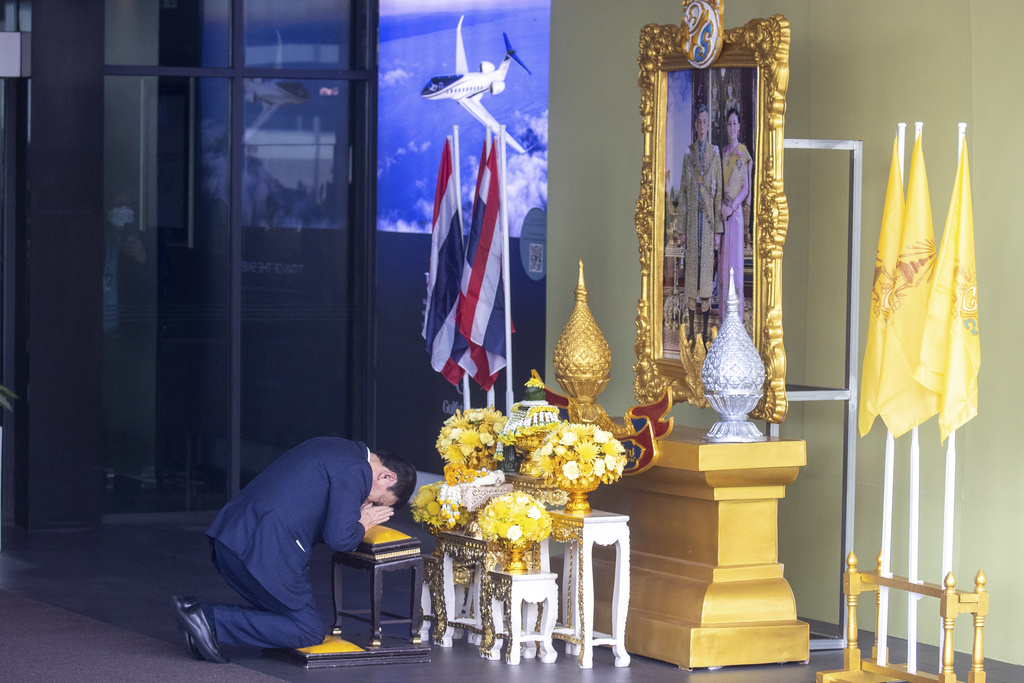
Thailand’s former Prime Minister Thaksin Shinawatra prays in front of a portrait of King Maha Vajiralongkorn as he arrives at Don Muang airport in Bangkok, Thailand, Tuesday, Aug. 22, 2023. (AP Photo/Wason Wanichakorn)
The decision to indict Thaksin was made in 2016, but further legal moves were suspended until he could respond to the charges, which he did when the authorities notified him of them in the hospital on Jan. 17, according to Prayut. Thaksin denied any wrongdoing and submitted a letter rebutting the charge, which was added to his case file to be used in deciding whether or not to proceed with prosecuting him, Prayut said.
The announcement from the attorney-general’s office means that if Thaksin gets early release, as is widely expected, he can immediately be taken back into custody on the royal defamation charge.
Thaksin’s return to Thailand last year came the same day that the Pheu Thai party — the latest incarnation of the party that he originally led to power in 2001, and for which he is considered the de facto leader — won a parliamentary vote to form a new government.
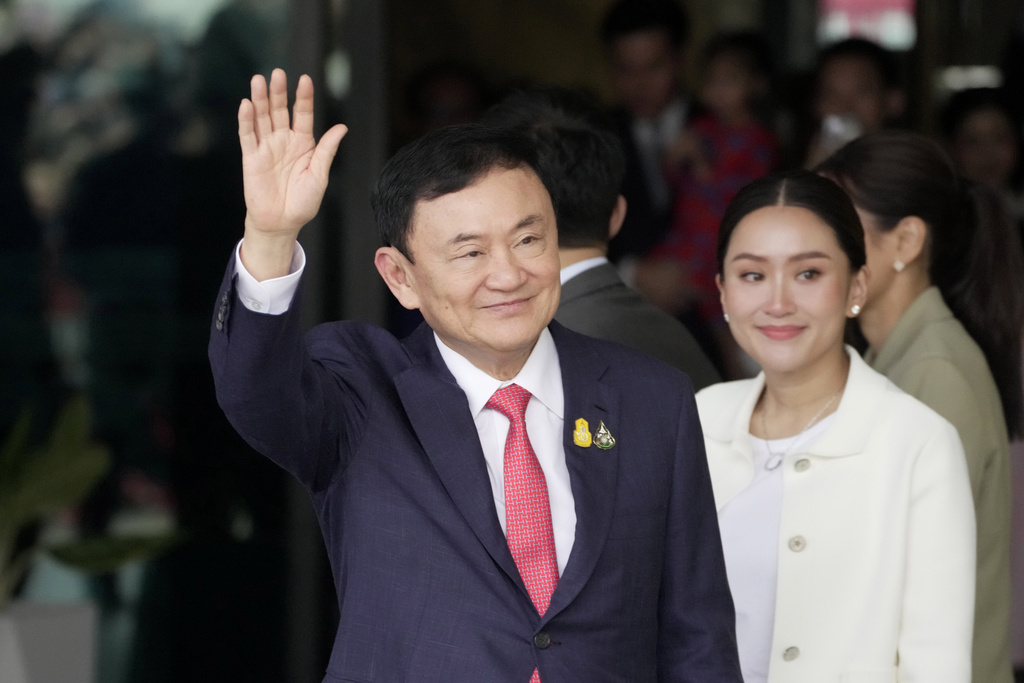
Thailand’s former Prime Minister Thaksin Shinawatra, left, with his daughter Paetongtarn Shinawatra arrives at Don Muang airport in Bangkok, Thailand, Tuesday, Aug. 22, 2023. (AP Photo/Sakchai Lalit)
The previous government was heavily influenced by the military, which continued its hostility toward Thaksin and his allies long after ousting him in 2006. Thaksin’s critics have questioned whether his shift from prison to more congenial surroundings in the hospital reflected special privilege as part of a political deal between his supporters and opponents.
Thaksin became prime minister in 2001 by promoting populist policies and using his telecommunications fortune to build his own political party, and was easily reelected in 2005.
Thailand’s traditional royalist ruling class felt threatened by Thaksin’s popularity. His ouster set off years of sometimes violent confrontations between his supporters and opponents. Political parties with his backing continued to win elections but were forced from power several times by the courts and the army, both bulwarks of royalism.
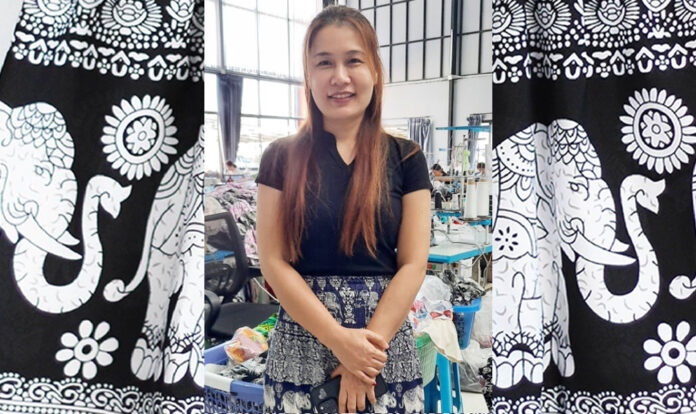
Kingkarn Samorn, managing director of Shinrada Garment Co. Ltd.
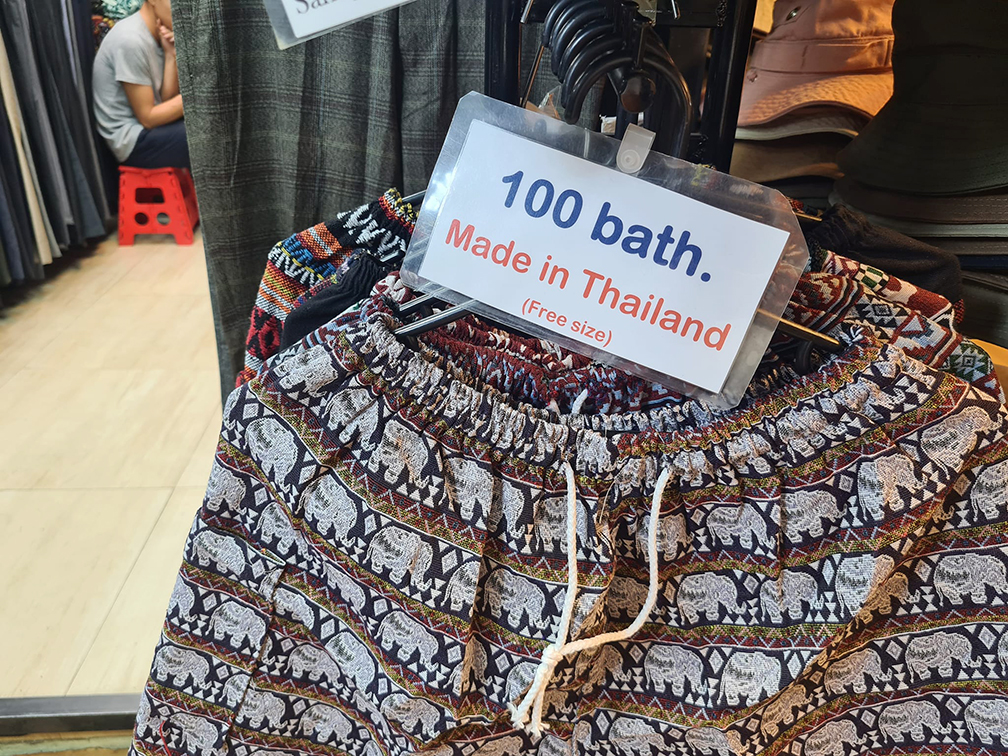
CHIANG MAI – The issue about elephant pants “Made in China” taking over half of the Thai market has caused the Thai government to take action against goods that violate intellectual property rights.
Kingkarn Samorn, managing director of Shinrada Garment Co., Ltd., a major manufacturer and distributor of elephant pants in Thailand, said to Prachachat Business that the company is not affected by the Chinese production of elephant pants and their export to Thailand.
She said she has been aware of the production of elephant pants in China that resemble or are copied from Thai designs for 3-4 years, but it had not become a big news. The recent news has led to customers calling to express their support and sending messages of encouragement through all communication channels.
Khaosod Photo/ Pravit Rojanaphruk
At the same time, foreign customers from Japan, the United States, Canada and Australia will visit the company’s factory in Doi Saket district in February. The company exports 50 percent of its products.
“The Chinese competition has no impact at all on our company. Our customers continue to have confidence in the company’s products and reiterate their support for the Thai elephant pants. The turnover has increased by 20% since December 2023,” she said.
In a comparison of Thai elephant pants produced by Shinrada Garment and Chinese-made ones, there are significant differences in quality, including fabric, pattern placement, and tailoring.
Regarding copyright registration, Kingkarn said that the company has not registered the copyright yet because the company uses many different fabric patterns, not just the elephant pattern. There are also many elephant pants manufacturers in Thailand, so the company sees the issue as one of business sharing.
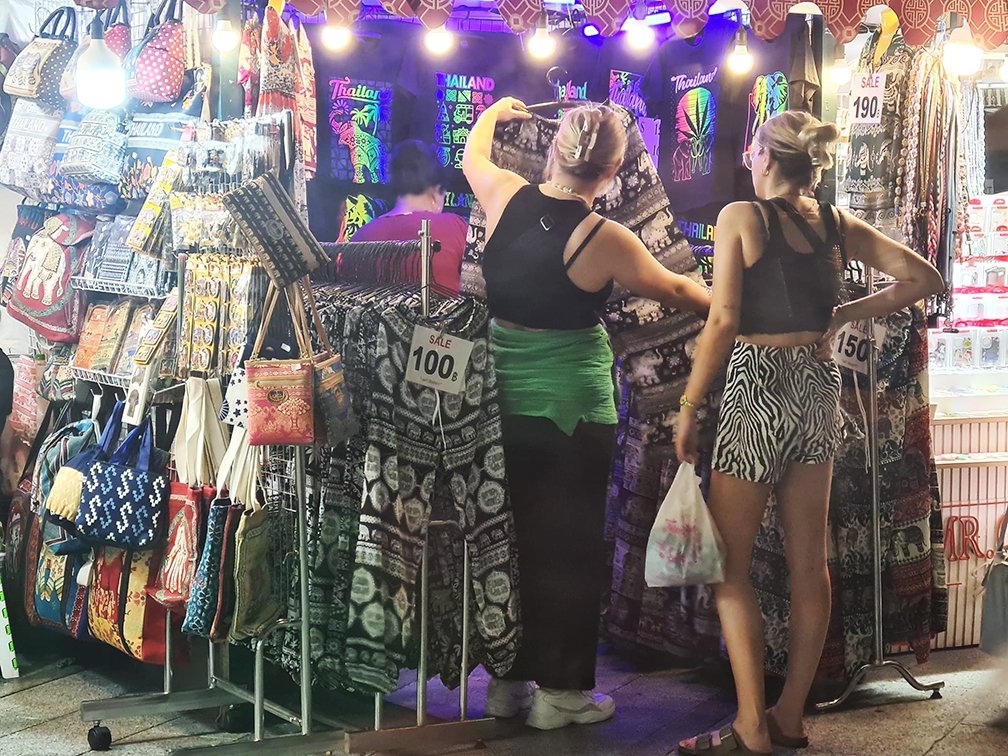
Tourists choose to buy elephant pants at Pratumam Intersection on Monday night, February 5, 2024. (Khaosod Photo/Pravit Rojanaphruk)
In the long term, this will further raise the profile of elephant pants and benefit large manufacturers who can produce high quality products at affordable prices. This will also give small traders the opportunity to sell the products, make a career and earn an income, creating more entrepreneurs.
“I believe that elephant pants are 100 percent Thai soft power. I want the government to accelerate the branding of them as soft power and promote Thailand through the elephant pants symbol. I wish it to become a global phenomenon,” Kingkarn stated.
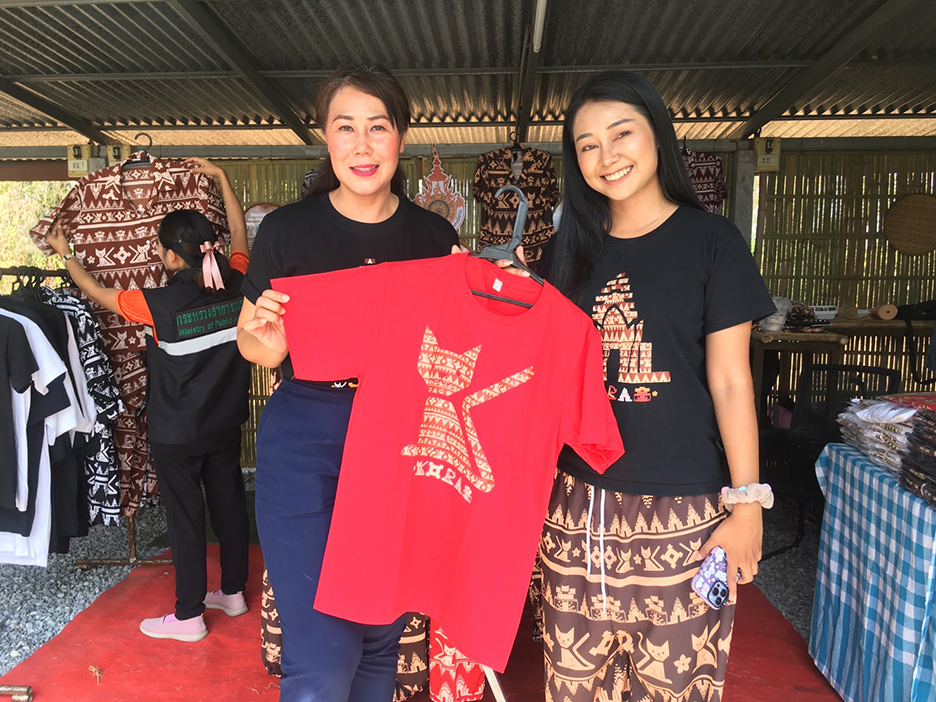
Apart from elephant pants, Korat cat-patterned pants which are also popular, have already been registered as copyrights.
Mr. Phop Tribanyatku, the director of the Nakhon Ratchasima Provincial Chamber of Commerce, stated that Nakhon Ratchasima Province Tourism and Sports is the copyright holder of the “Korat Monogram,” but they allow everyone to freely download this pattern and use it to make products.
The copyright holder of the “Korat Monogram,” allow everyone to freely download this pattern and use it to make products.
Mr. Phop acknowledged that China already has lower costs than Thailand, but he is confident in the superior quality of Thai products.
“I feel we gain more than we lose. Because the Korat Monogram pattern’s primary goal is to promote the province, the distribution of Nakhon Ratchasima Province’s landmark pattern will result in a very high market value for the province,” he said.
Phumtham Wechayachai, deputy prime minister and commerce minister, said on Tuesday that the government is taking temporary measures to control goods entering the country through border checkpoints, especially those with unique elephant symbols. He assured that this will not affect businesses and that traders should not worry. if the goods are counterfeit goods, the government will have to take action. The government will investigate whether these goods have any negative impact on consumers.
“The law does not allow companies to sell counterfeit goods. The law has the power and duty to control and prevent counterfeiting. If we allow it, it will have a negative impact on our exports to other countries. They will not accept it,” the minister said.
Large wooden coffins mounted on stilts, dating between 2,300 and 1,000 years ago, can be found in Mae Hong Son's caves.
MAE HONG SON – A mortuary practice known as Log Coffin culture characterizes the Iron Age of highland Pang Mapha in northwestern Thailand. Between 2,300 and 1,000 years ago, individuals were buried in large wooden coffins on stilts, mostly found in caves and rock shelters.
An international team of researchers from the Max Planck Institute for Evolutionary Anthropology in Leipzig, Germany, and the Prehistoric Population and Cultural Dynamics in Highland Pang Mapha Project in Bangkok, Thailand, has now analysed DNA from 33 buried individuals from five Log Coffin sites, and found fascinating new connections between individuals from the same and different sites.
The associated people seem to have been a large, well-connected community, where genetic relatedness played a significant role in the mortuary ritual.
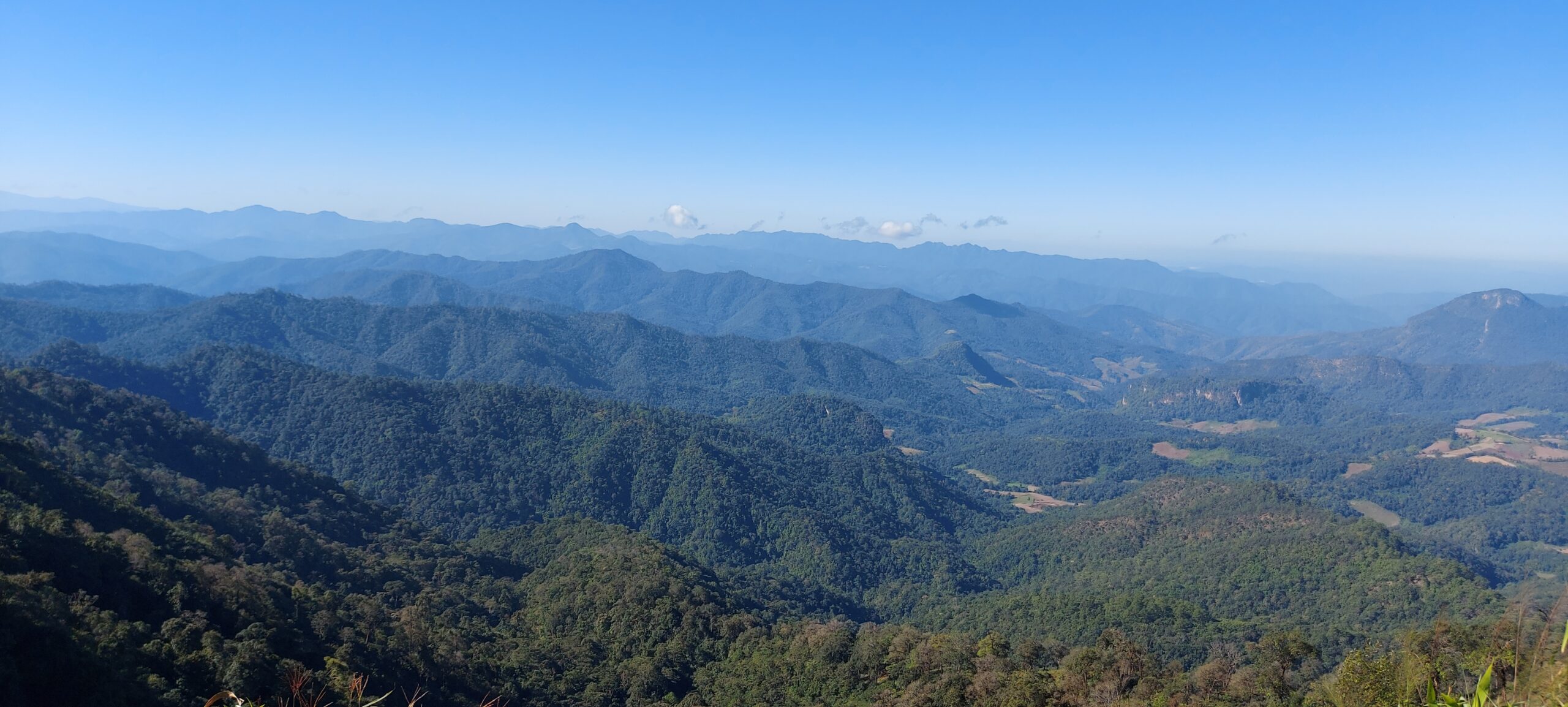
Deciduous and evergreen forests dominate the limestone karst formations of Highland Pang Mapha.
Deciduous and evergreen forests dominate the limestone karst formations of the northwestern highlands of Thailand. A vast number of caves and rock shelters intersperses the mountains. In over 40 such caves in Mae Hong Son province, large wooden coffins mounted on stilts, dating between 2,300 and 1,000 years ago can be found.
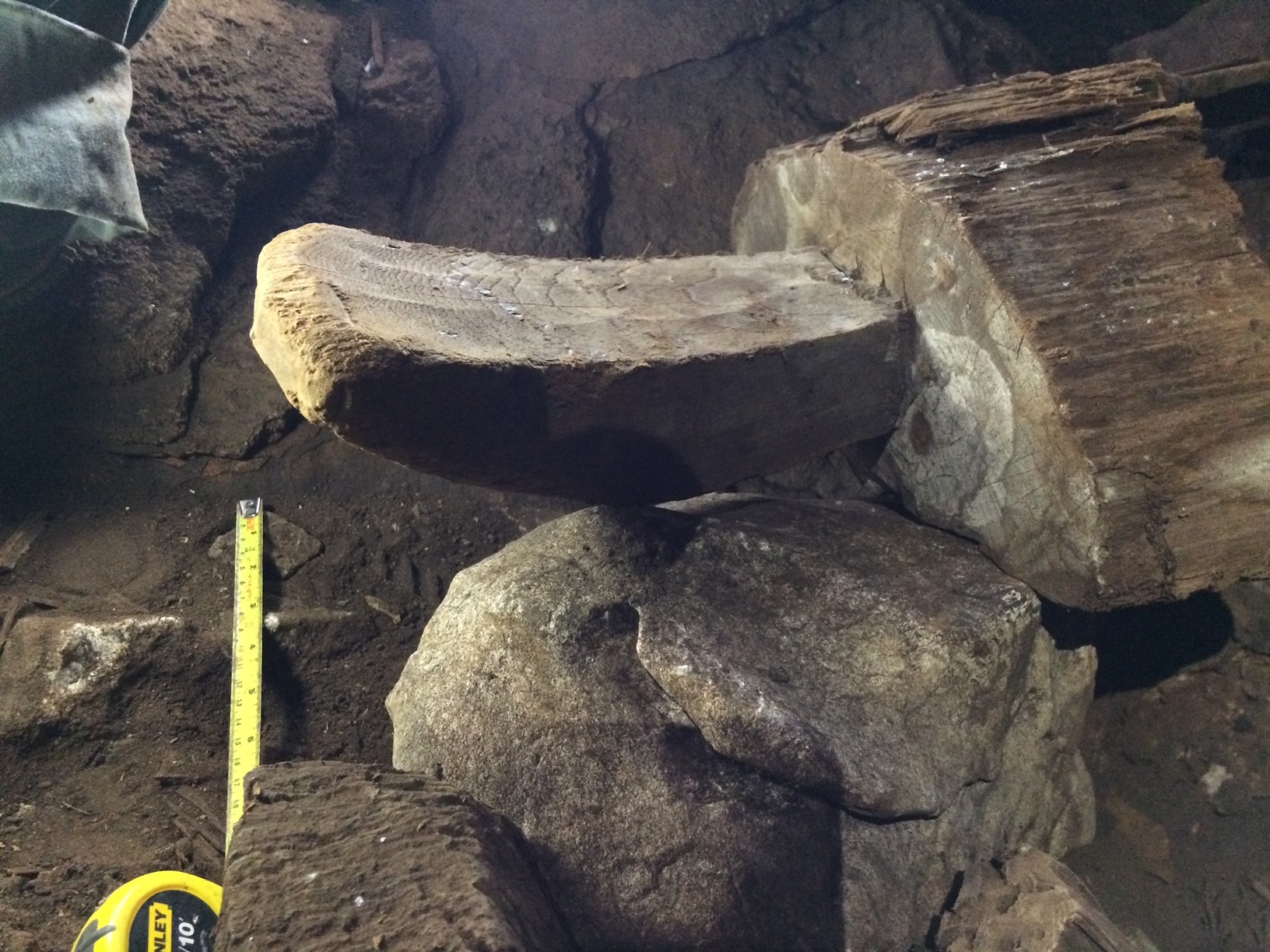
During the Iron Age period, each of these up to several-meter-long coffins was crafted from a single teak tree and features refined carvings of geometric, animal- or human-like shapes at the handles of both ends.
This archaeological assemblage has been studied for over two decades by members of the Prehistoric Population and Cultural Dynamics in Highland Pang Mapha Project, led by Professor Rasmi Shoocongdej, from the Department of Archaeology, Faculty of Archaeology, Silpakorn University.
Professor Rasmi Shoocongdej
“Our research examines the relationship between humans and their environments in the seasonal tropics. One crucial aspect is the exploration of the social structure of these prehistoric communities, as well as explaining their connections with other pre-Neolithic, Neolithic and post-Neolithic groups in this region,” says Rasmi Shoocongdej, an archaeologist and senior author of the study.
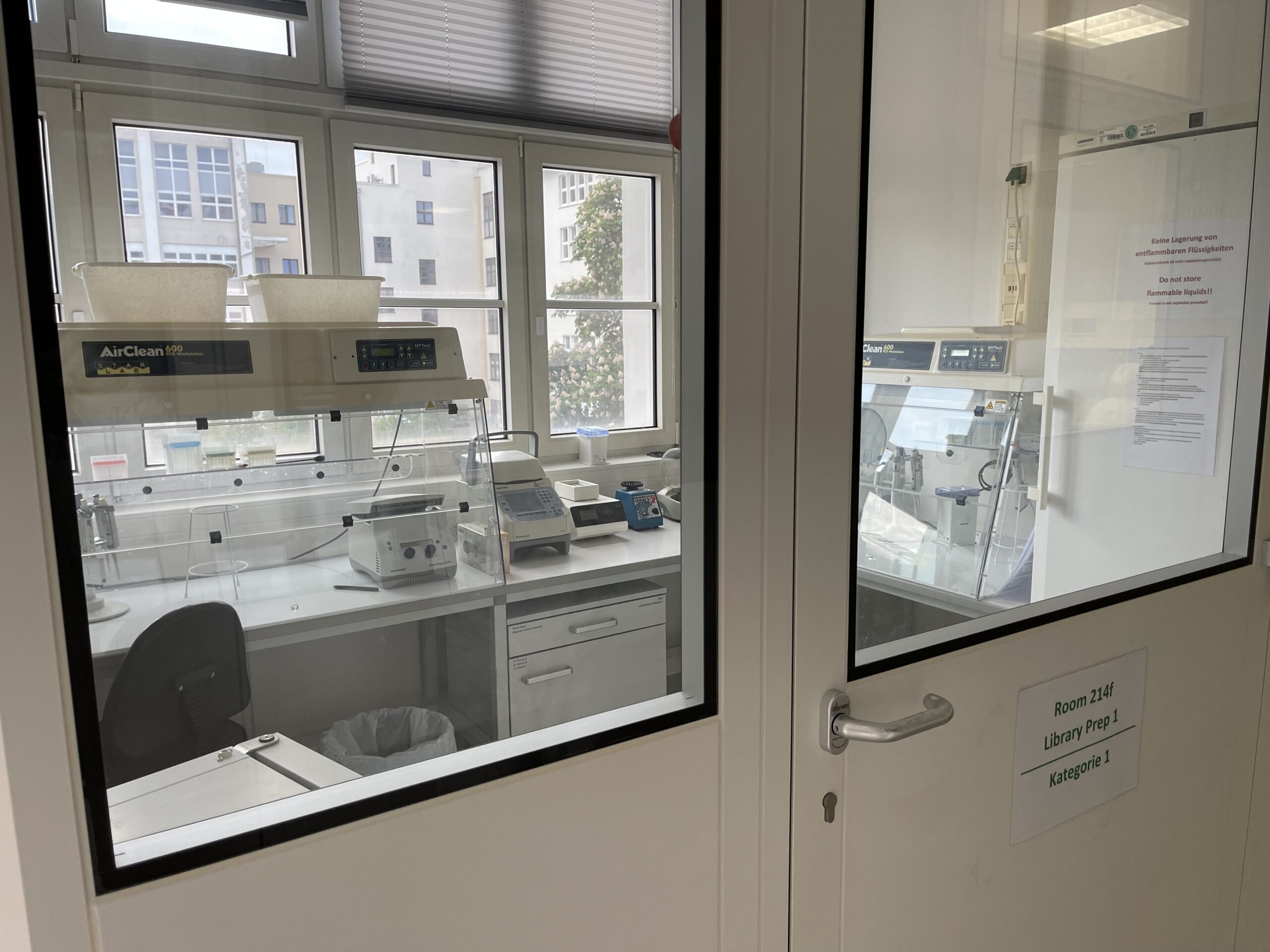
To understand the genetic profile of the Log Coffin-associated communities, and the connection of individuals buried in different caves, an interdisciplinary team of researchers from Germany and Thailand has analysed the DNA of 33 ancient individuals from five Log Coffin sites. The genomes recovered from the ancient individuals allow the first detailed study of the structure of a prehistoric community from Southeast Asia.
“This project illustrates how ancient DNA can contribute to our understanding of past communities, their every-day life, and their cross-regional connections”, says first author Selina Carlhoff, a researcher in the Department of Archaeogenetics at the Max Planck Institute for Evolutionary Anthropology.
Dr. Selina Carlhoff
Complex genetic landscape in post-Neolithic mainland South East Asia
DNA preservation conditions in tropical regions are challenging and limit ancient population genetic studies from Southeast Asia. Most studies were limited to single individuals or small groups representing a country and period, and identifying only broad patterns, such as genetic admixture of farmers from the Yangtze River valley in southern China with the local Hòabìnhian hunter-gather-associated gene pool during the pre-Neolithic.
The current study identifies two separate farmer-associated ancestries in the Log Coffin-associated individuals. One connected to the Yangtze River Valley, and another to the Yellow River valley in China. While previously published individuals from Myanmar, Laos and Vietnam also carry the Yellow River-related ancestry, it was absent in Bronze and Iron Age individuals from Ban Chiang in northeastern Thailand.
A log coffin from Yapanae CaveYapanae Cave entrance
These genetic differences mirror cultural differences between the two regions, such as mortuary practices and diet, and point towards separate influence spheres and connections to separate initial migration routes during the Neolithic period.
“Our results contribute to the emerging picture of a complex genetic landscape in post-Neolithic mainland Southeast Asia; however, this study provides successful genetic results from samples in limestone caves from the northwestern highlands of Thailand. Future studies of samples retrieved from open-air archaeological sites in the lowlands seem promising. If possible, they can provide additional insight into the genetic history of Mainland Southeast Asia,” says Wibhu Kutanan, a scientist from Naresuan University, Thailand, involved in the conception of the study.
Detailed analyses of uniparental markers, which can reveal sex-specific demographic histories of Log Coffin-associated groups, will be provided in a forthcoming study. Further archaeogenetic studies in collaboration with local scholars, as well as novel admixture modelling and dating techniques, will illuminate the developing patterns better and enable direct connections to archaeological findings and hypotheses.
First community-level analysis in Southeast Asian archaeology
On the local scale, the study provided the first community-level analysis in Southeast Asian archaeology. To investigate the relations between individuals, the authors used genetic regions that are identical in two individuals, because they were inherited from a common ancestor.
The analysis of so-called IBD blocks (identical-by-descent) helps tracing complex biological relatedness patterns within a site and across regions – and had so far not been applied in archaeogenetic studies of Southeast Asia. The study identified close genetic relatives buried in the same cave system, such as parents and children or grandparents and grandchildren. This cluster of closely related individuals was more distantly connected to all other individuals buried at the site.
While this suggests a selection of burial place under consideration of genetic relatedness, the more distant genetic relationships between Log Coffin sites, a low level of consanguinity, as well as high mitochondrial and low genome-wide diversity suggest that the Log Coffin-associated groups were rather large and constantly connected to each other across different river valleys.
“This result is highly significant, since wooden coffins were also used in other archaeological cultures all over Southeast Asia. Comparing relatedness patterns and cross-regional genetic connections would be a fascinating future collaborative project which could potentially explain the cultural dynamics and population interactions within Southeast Asian and other regions”, says Rasmi Shoocongdej.
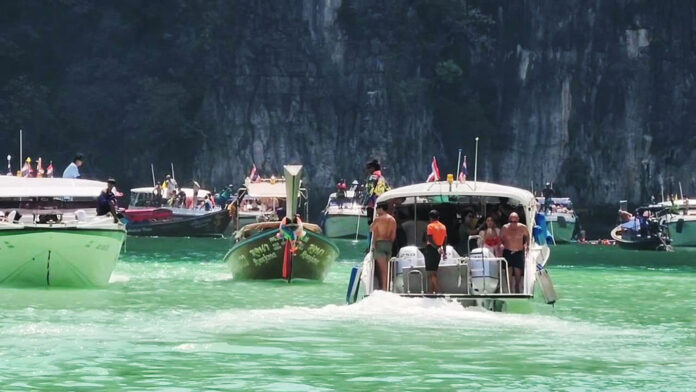
Too many tourist boats led to air pollution from boat exhaust fumes, noise pollution, and an increased risk of boating accidents.
KRABI – Thailand’s top tourist destination, the Phi Phi Islands, is beginning to feel the negative effects of mass tourism, including environmental damage and safety risks for tourists. This has prompted the authorities to take urgent action to improve the situation.
A recent survey conducted by the Noppharat Thara Beach-Mu Ko Phi Phi National Park authorities in cooperation with other relevant authorities has revealed that the popular tourist destination Pi Leh Bay, the second most popular bay after Maya Bay in Ao Nang, Mueang district, Krabi province, is affected by heavy boat traffic.
On average, around 120 boats, including long tail boats and speedboats, enter the bay every day. This has led to air pollution from boat exhaust fumes, noise pollution and an increased risk of boating accidents.
Pi Leh Lagoon, the second most popular bay after Maya Bay in Ao Nang, Krabi province, is affected by heavy boat traffic.
It can also be difficult for tourists to enjoy the landscape due to the crowds. Some even venture outside the designated bathing area to escape the crowds, putting themselves in danger.
Yuthapong Damsrisuk, chief of Noppharat Thara Beach-Mu Ko Phi Phi National Park, said that a meeting of all relevant parties on February 5, 2024, resulted in the following initial measures to regulate tourism in Pi Leh Lagoon: Reducing the number of empty longtail boats entering the bay.
These boats are no longer allowed to park in Pi Leh Laggon or transfer tourists from speedboats to longtail boats. Designation of certain swimming areas in Pi Le Bay, where tourists are only allowed to swim in designated areas.
All boats entering the Pi Leh bay and offering tourist services must be licensed by the Department of National Parks.
All boats entering the bay and offering tourist services must be licensed by the Department of National Parks. Boat operators must also undergo training in tourist services, basic first aid and other areas that help improve tourism while protecting the environment.
These measures were supported by the longtail boat operators, the companies on Phi Phi Island and the companies in Phuket Province associated with tourism on the Phi Phi Islands.
The next step is to present the feedback at the National Park Advisory Committee (PAC) meeting on 20 February to obtain approval for the implementation of the guidelines and regulations for entering Pi Le Lagoon.
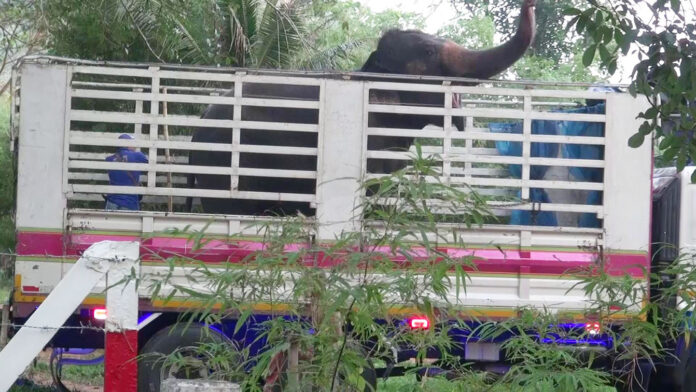
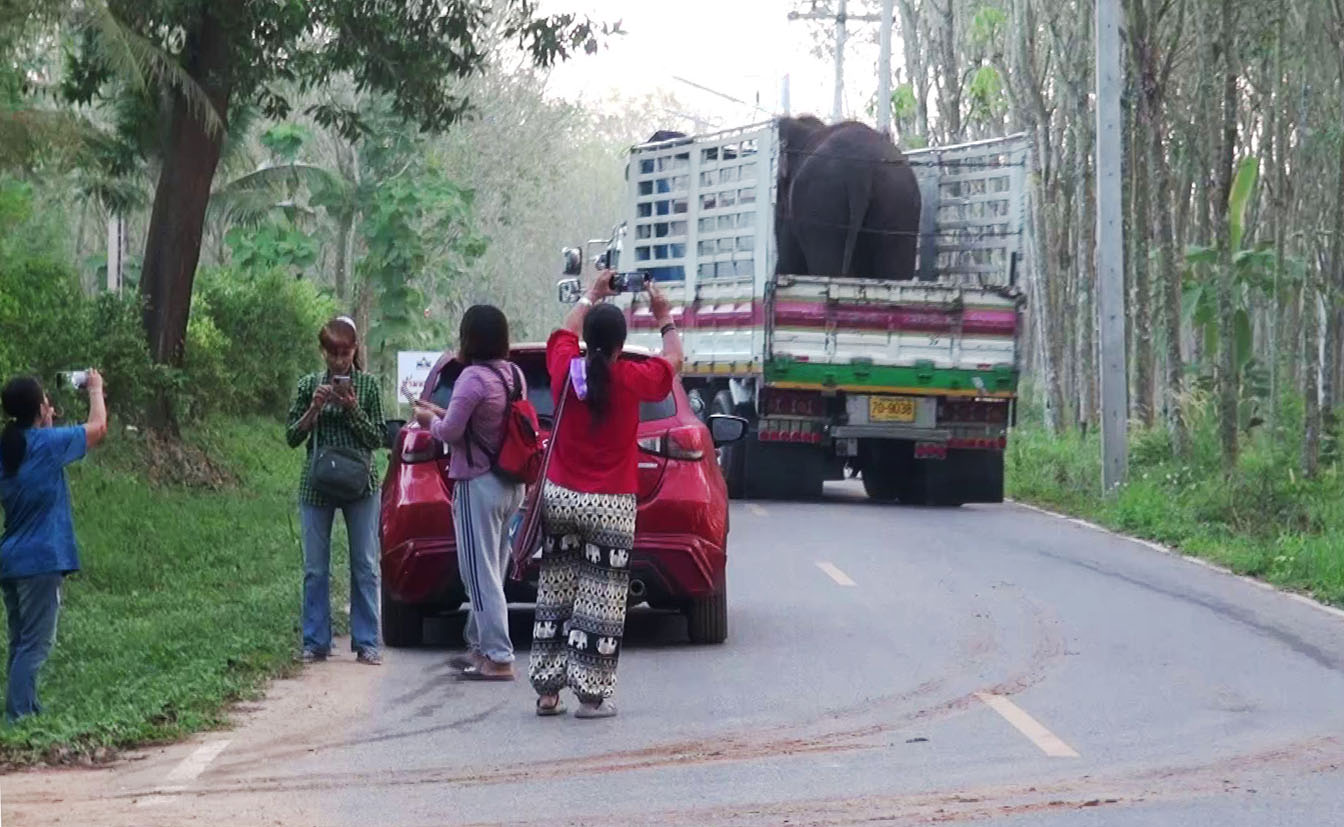
Miss Dummy, a talkative elephant, is on the way from Hat Yai, Songkhla Province in the south, to Lampang Province in the north on Tuesday, February 6, 2024.
HAT YAI – Netizens are currently following the journey of Pang Dummy (Miss Dummy), a 23-year-old intelligent elephant travelling from Hat Yai, Songkhla Province, in the south, to Lampang Province in the north.
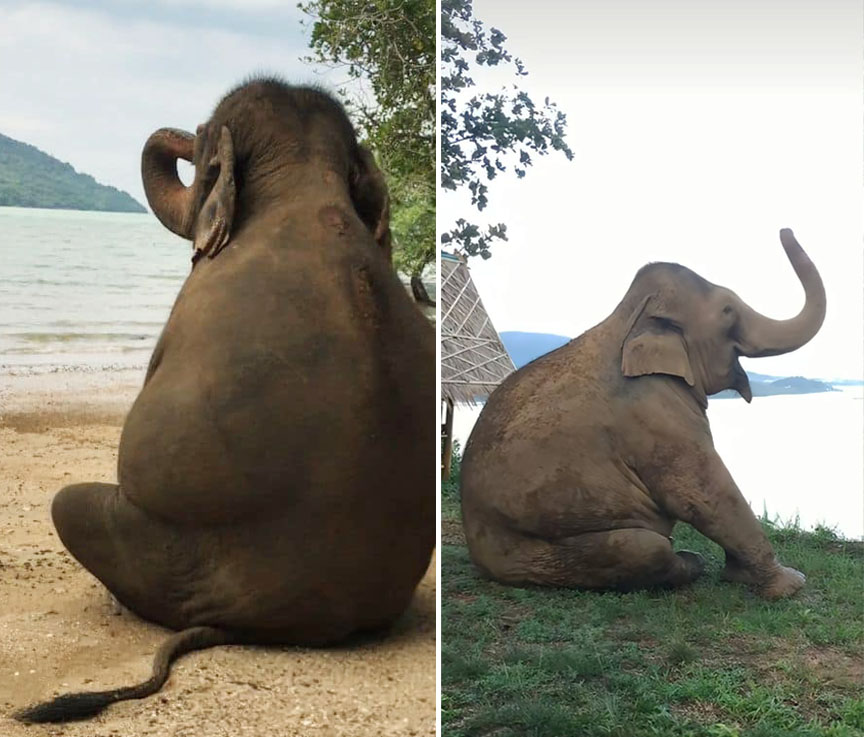
Pang Dummy is famous for photos of her sitting and staring out at the sea at Koh Siray, Phuket Province, before being sold to a new owner in Hat Yai District, who then had no money to care for her. He announced her sale again.
This time, Phrakhru Sangkharak Wirawat Weerawatthano, also known as Phrakru Aod, from Wat Chedi Luang in Chiang Mai Province, joined a group of elephant lovers to launch a fundraising campaign and raise 2.1 million baht to buy and find a new home for Pang Dummy.
One of the donors is Ms. Kanchana Silpa-Archa, who helped the elephant Plai Sak Surin when he returned from Sri Lanka to reside in Thailand last year. Pang Dummy will be lived at the Thai Elephant Conservation Centre, the same home of Plai Sak Surin.
On February 6, a fan group from Hat Yai District came to bid goodbye to Miss Dummy.
On February 6, the mahout in charge of Pang Dummy and the elephant camp personnel assisted in her transfer to a 6-wheeled truck, with her fan club from Hat Yai District arriving to help in the delivery of fruit for the elephant. There were also supplies for their meals.
It was quite difficult to get Pang Dummy into the 6-wheel truck because the vehicle is so tall. The mahout stated that the elephant disliked getting inside the car since it was time-consuming and inefficient. However, once she was in the vehicle, she was in a better mood. She raised her trunk to meet her supporters. After eating the fruit, she mumbled occasionally.
Pang Dummy will arrive at the Thai Elephant Conservation Centre on Wednesday. There will be stops along the trip to let her feed and relax, as well as for the mahout and those involved in the elephant’s transportation.
Miss Sirirat Khamdaeng, a fan, said she has been following Pang Dummy for a long time when she spotted a photo of the elephant sitting and looking out at the sea in Phuket Province. I thought she was adorable, clever, and had a lovely voice.
Raira Sarawong’s Facebook page published photos of Miss Dummy looking at the sea.
“I will continue to follow her stories as well as pictures online after Pang Dummy has left Hat Yai for the Thai Elephant Conservation Centre in Lampang,” she said.
Ms. Kanchana also stated that she will pay Miss Dummy a visit once everything has been settled.
According to a supporter, Raira Sarawong, this elephant’s communicative character stems from its first owner, who is from Chaiyaphum Province. He hired a mahout from the same province to assist raise her when she was little. This mahout previously trained elephants in China. He has raised Pang Dummy to be free, without chains or hooks, and teaches via talking noises. As a result, the elephant develops a habit of responding and communicating effectively. She has a charming and adorable demeanour.
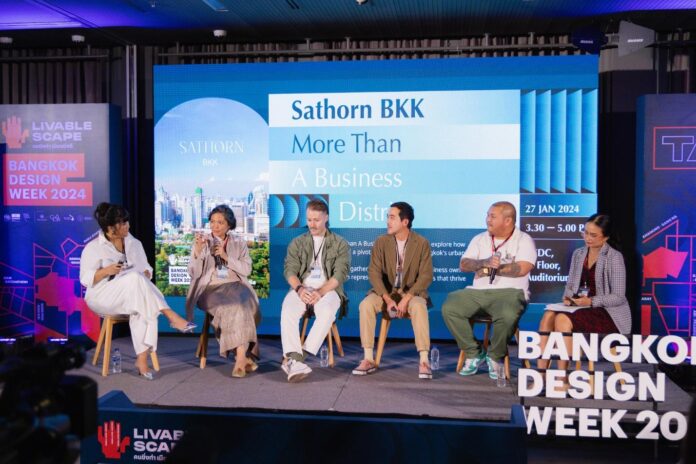
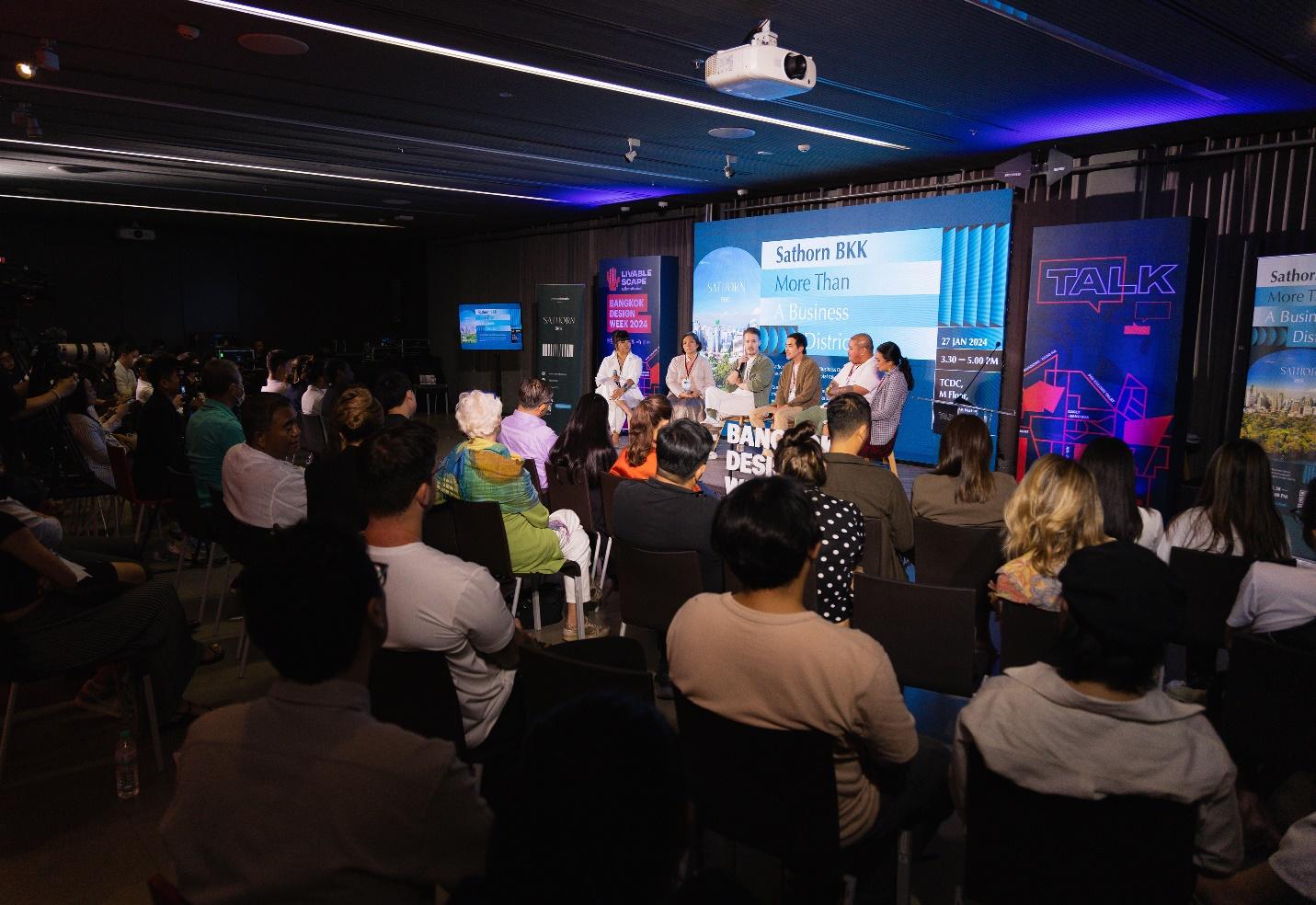
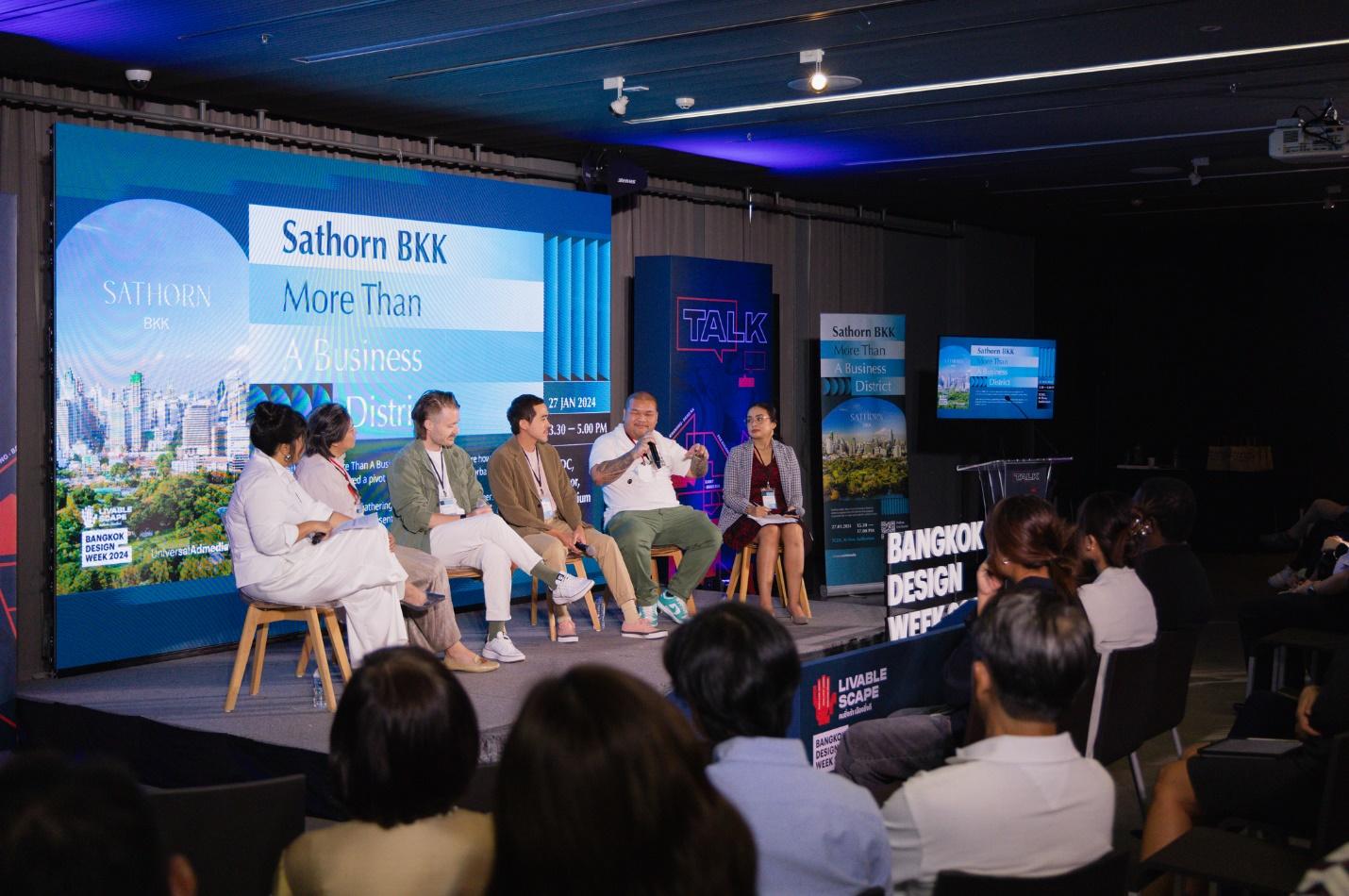
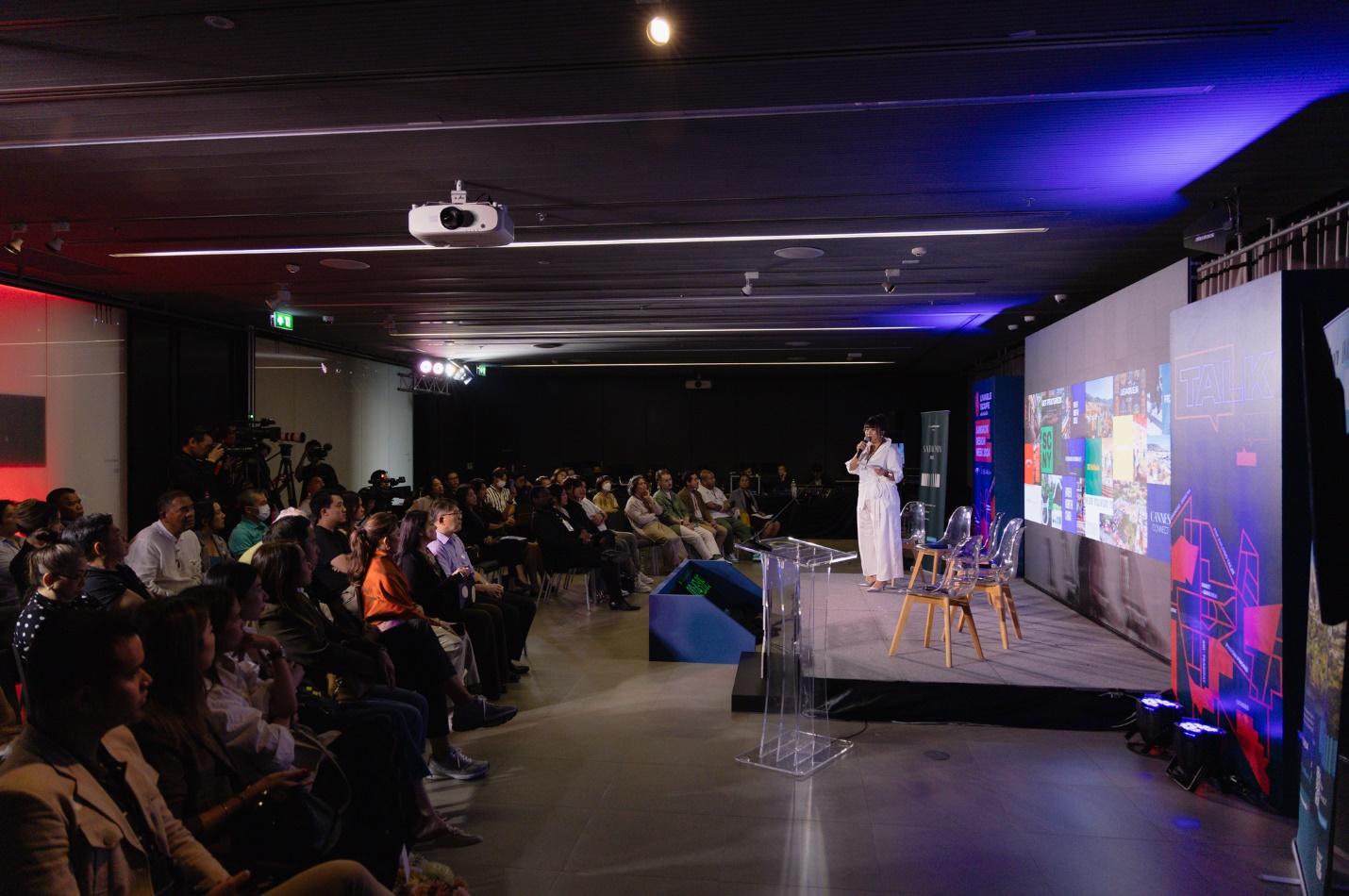
BANGKOK – In a lively celebration of community and innovation, Sathorn BKKmade its grand debut at Bangkok Design Week 2024on January 27th. The launch event, titled “Sathorn BKK: More Than A Business District.”, featured an insightful panel discussion at the Thailand Creative & Design Center (TCDC).
This engaging forum set the stage for a dynamic exchange of ideas, aiming to activate the Sathorn community brand, transforming it from its traditional business hub perception into a vision of a multifaceted urban neighborhood brimming with creativity and culture.
Created by Universal Admedia as an initiative to capitalize on the community brand opportunity, the Sathorn BKK brand manifests as a community platform, championing the rich tapestry of the historic neighborhood. This initiative reflects a bold redefinition of the Sathorn brand, transcending its identity as Bangkok’s central business district.
Over the years, Sathorn has evolved into a nexus for an eclectic mix of residents, visitors, and businesses ranging from real estate and finance to embassies. The Sathorn BKK brand’s mission is to interweave the unique essence of Sathorn into Bangkok’s broader narrative, highlighting its vibrant potential for contemporary urban living.
The launch at Bangkok Design Week 2024 marked a significant milestone for Sathorn BKK. The festival, a beacon of Bangkok’s creative and design prowess, attracted over 5,000 attendees from diverse backgrounds, including creators, entrepreneurs, designers, and academics. This international gathering provided a pivotal platform for Sathorn BKK to engage in essential discussions about the city’s future and its role in fostering urban innovation and cultural dynamism.
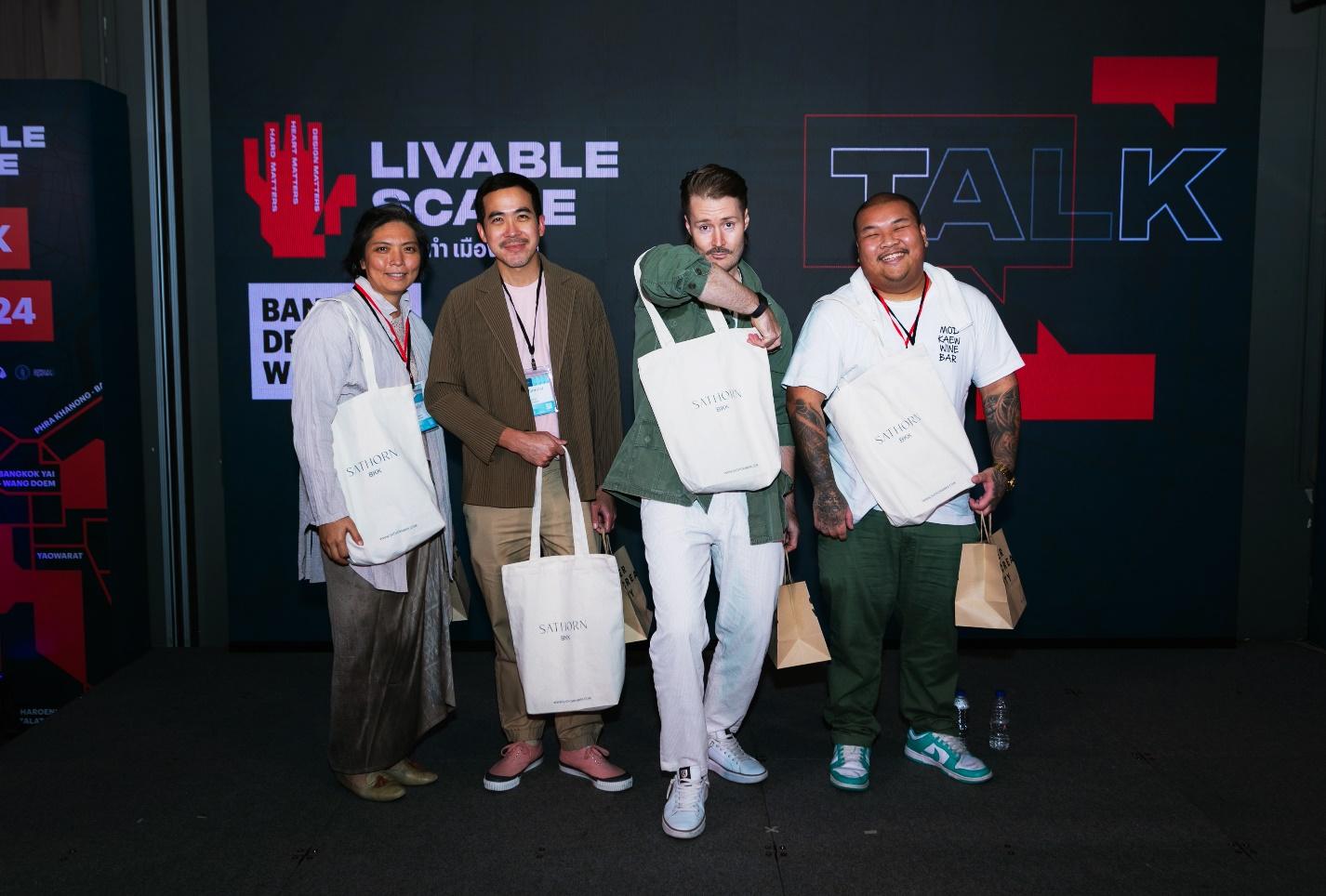
The inaugural panel, steered by Universal Admedia and Sathorn BKK’s Creative Director, M Aroonrut, was a melting pot of visionary ideas. It featured esteemed industry leaders like Duangporn Songvisava (Chef Bo) of Bo.lan, Thomas Santiwarodom of Mod Kaew Wine Bar, Tatchai Nakapan of the Supanniga Group, and Ben-David Sorum of BY.SORUM. Their collective insights shed light on Sathorn’s influential role in shaping the success and character of Bangkok.
In the heart of the panel discussion, the speakers shared their personal journeys and inspirations behind establishing their businesses in Sathorn. “When we moved to Sathorn,” Santiwarodom said, “it’s much more family-friendly. It wasn’t intentional to become a family spot, but Sathorn itself is kind of shaping the place into one.”
They spoke passionately about how the neighborhood’s dynamic character and evolving landscape had significantly shaped their business identities The panelists expressed a collective desire to see Sathorn flourish with more cultural, communal, and creative spaces, fostering a community that blends business with art, sports, recreation, and lifestyle.
Delving into the nuances of opening a restaurant, they discussed the intricate thought processes involved, from conceptualization to realization, emphasizing the importance of understanding the local palate, cultural context and sustainability.
“What is missing from the F&B industry is environmental awareness as F&B produces a large amount of waste. We have been doing a zero-waste campaign or managing kitchen waste in the best way possible. I believe that F&B will become more sustainable as consumers and entrepreneurs become more aware of how it impacts the environment.” Chef Bo Songvisava said
Comparisons were drawn between Sathorn and other vibrant neighborhoods globally, highlighting similarities in cultural richness and entrepreneurial spirit. In his remarks, Tatchai Nakapan, CEO of Supanniga Group, compared Shibuya and Sathorn Soi 10-12: “Both are small neighborhoods, but full of charisma, built by entrepreneurs passionate about their businesses.” he said.
The session was enriched with valuable advice for aspiring business owners and entrepreneurs, emphasizing the importance of resilience, adaptability, and staying true to one’s vision in the face of challenges. This exchange of ideas not only celebrated Sathorn’s unique qualities but also provided insights into the broader narrative of urban development and entrepreneurial success. “Sathorn is an unpolished gem that needs to be brought back to life,” added Ben-David Sorum.
Sathorn BKK’s launch at Bangkok Design Week 2024 was not just an event – it was the dawn of a new era for the Sathorn community. As the platform introduced itself to both local and international audiences, it established foundational connections that promise to propel Sathorn into a future where business, culture, and community harmoniously coexist.
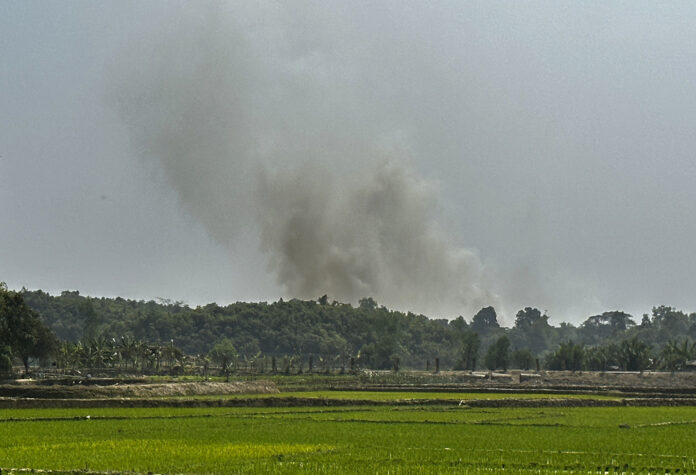
Smoke is seen bellowing from a Myanmar Border Police post following fighting between Myanmar security forces and Arakan Army, an ethnic minority army, in Ghumdhum, Bandarban, Bangladesh, on Monday, Feb. 5, 2024. (AP Photo/Shafiqur Rahman)
UNITED NATIONS (AP) — Nine members of the United Nations Security Council condemned “indiscriminate” airstrikes by Myanmar’s military against civilians before an envoy briefed the council Monday as part of regional efforts to implement a peace plan that has so far been largely ineffective.
The plan, adopted in April 2021 shortly after the military seized power in a takeover that sparked a civil war, calls for the immediate cessation of violence in Myanmar, a dialogue among all concerned parties, mediation by a special envoy from the Association of Southeast Asian Nations, provision of humanitarian aid through ASEAN channels, and a visit to Myanmar by the special envoy to meet all concerned parties.
Veteran diplomat Alounkeo Kittikhoun — the special envoy to Myanmar from this year’s ASEAN chair, Laos, and a former U.N. ambassador — addressed a closed council meeting on behalf of the 10-member Association of Southeast Asian Nations. Kittikhoun committed to implementing ASEAN’s “five-point consensus” for peace in Myanmar through continued “quiet diplomacy,” according to a council diplomat familiar with the meeting who spoke on condition of anonymity because the meeting was private.
The military leadership in Myanmar has so far ignored the plan, and violence and the humanitarian crisis in the country have been growing at a rapid pace.
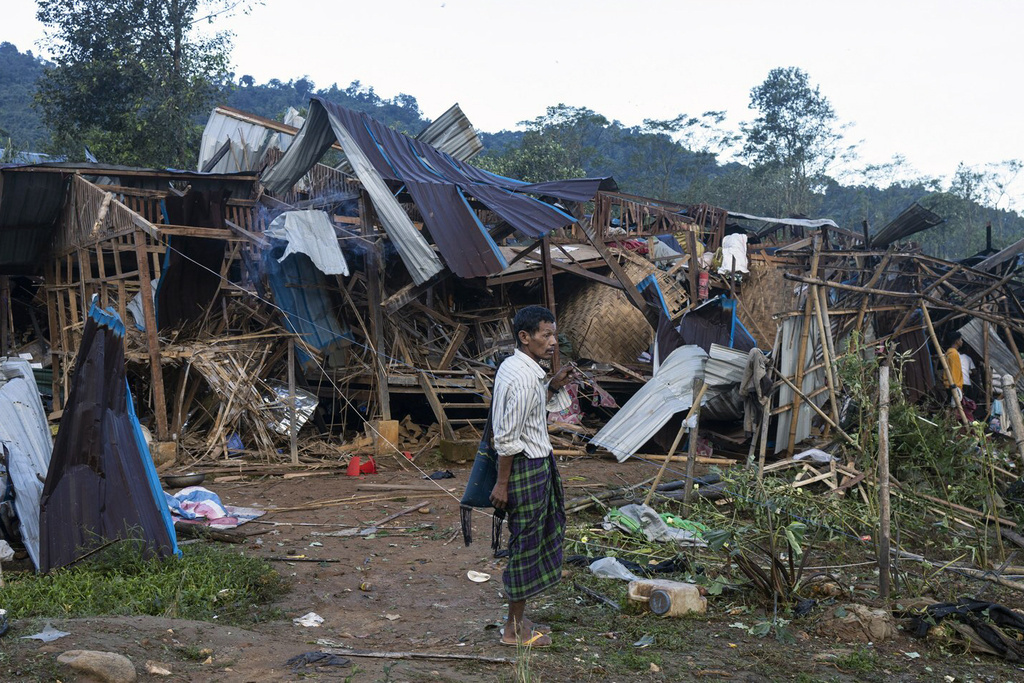
FILE – A man looks on at homes destroyed after air and artillery strikes in Mung Lai Hkyet displacement camp, in Laiza, Myanmar, on Oct. 10, 2023. (AP Photo, File)
Before the council meeting, nine of the 15 council members stood before reporters to support a statement read by Britain’s U.N. Ambassador Barbara Woodward, which echoed ASEAN’s call urging Myanmar’s armed forces, “in particular, to cease its attacks on civilians and civilian infrastructure.”
The military seized power from the elected government of Aung San Suu Kyi in February 2021, and is facing an armed pro-democracy resistance movement that is assisted by ethnic minority fighting forces. The military stepped up airstrikes after the three ethnic minority armed groups launched a major offensive in late October, seizing towns in the country’s northeast, along with major border crossings for trade with China.
The nine council members — Ecuador, France, Japan, Malta, South Korea, Slovenia, Switzerland, United Kingdom and United States — said that, three years after the military takeover, more than 18 million people need humanitarian aid and 2.6 million remain displaced.
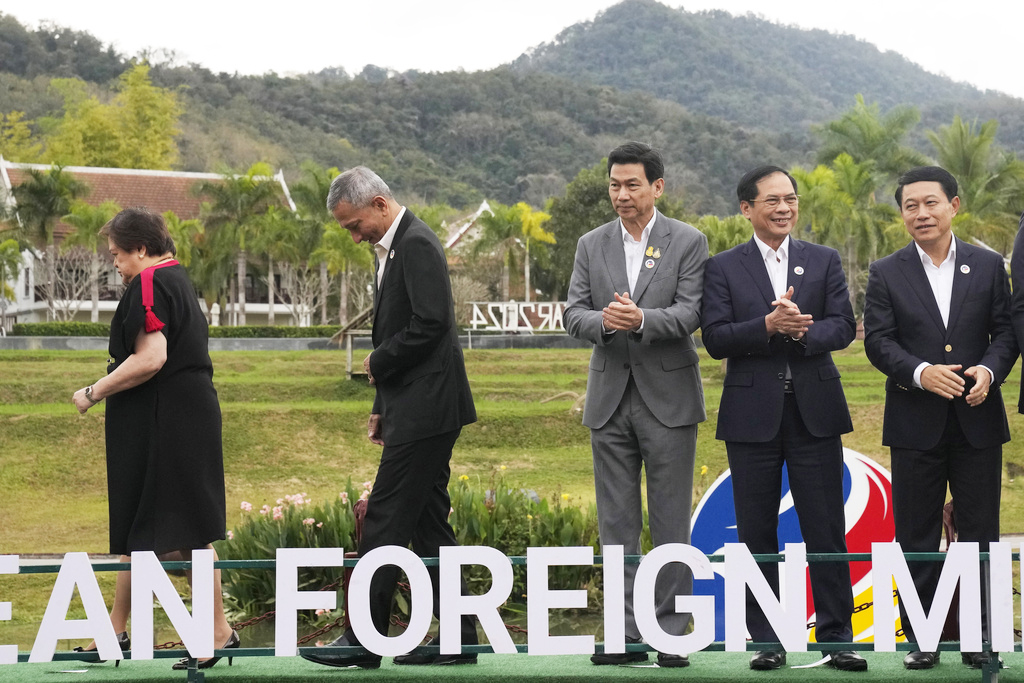
At an ASEAN ministerial meeting on Jan. 29, Lao Foreign Minister Saleumxay Kommasith told reporters that Thailand was moving ahead with plans to provide more humanitarian assistance to Myanmar. The nine nations reiterated the council’s appeal for improved humanitarian access.
A group photo session during the Association of Southeast Asian Nations (ASEAN) Foreign Ministers retreat meeting in Luang Prabang, Laos, Monday, Jan. 29, 2024. (AP Photo/Sakchai Lalit)
They expressed increasing concern at the situation in Rakhine state bordering Bangladesh, where more than 1 million Rohingya Muslims fled starting in August 2017, when the military in Buddhist-dominated Myanmar launched a brutal “clearance operation” against them following attacks by the insurgent Arakan Army.
The Arakan Army is part of the alliance of ethnic minority fighters. A Bangladesh official said Monday that more than 100 members of Myanmar’s Border Guard Police fled fighting with the Arakan Army in Rakhine over the past two days and entered Bangladesh, the first time Myanmar forces have been known to flee the country since the ethnic minority armies’ offensive began.
The nine council nations expressed increasing concern that the Rohingya still in Myanmar, who have faced systematic discrimination for decades, are now contending with more restrictions on freedom of movement, as well as the denial of access to medicine and medical care. They demanded the implementation of the Security Council’s first-ever resolution on Myanmar, passed in December 2022, which calls for an immediate end to violence and immediate release of all “arbitrarily detained” prisoners, including Suu Kyi and former President Win Myint.
Myanmar’s U.N. Ambassador Kyaw Moe Tun, who still represents Suu Kyi’s ousted government, urged the Security Council on Monday to adopt a stronger, enforceable resolution, saying, “Democratic forces are gaining ground and the military junta is losing every day.”
The nine council members said they remain deeply concerned at the lack of progress on the resolution’s call for all parties to respect human rights, fundamental freedoms, the rule of law, and “the democratic will and interests” of people in Myanmar.
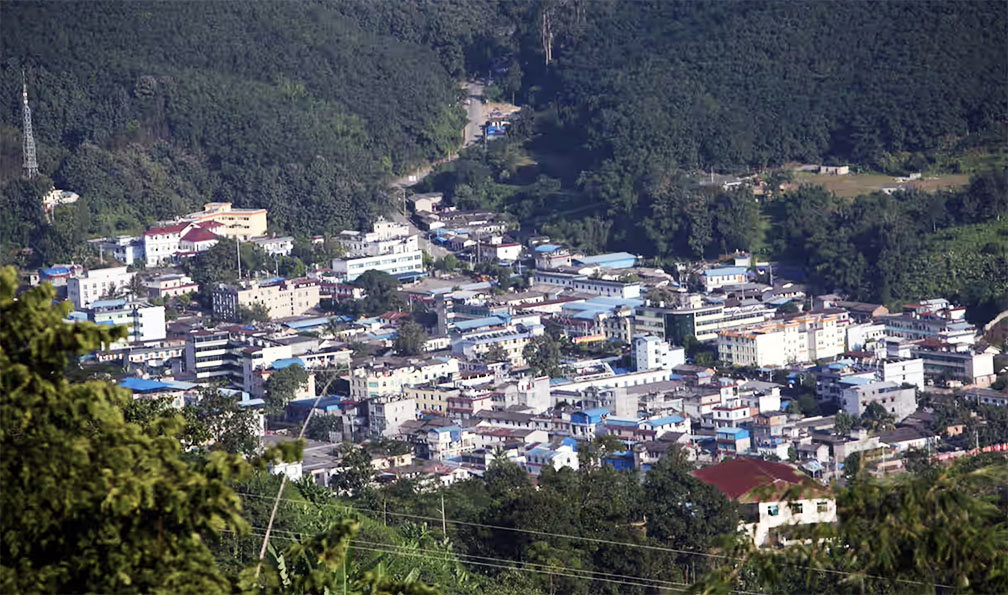
A town in Kachin state, Myanmar. At least 29 people are reported to have died in an attack made by heavy artillery. Photograph: Khin Maung Win/AP
The council diplomat said there was no unanimity at the meeting Monday on next steps, though there was broad concern at the escalating situation across the country with the military fighting on several fronts, the risk of atrocities in Rakhine, and the need for better humanitarian access.
The United States pushed for an enforceable Security Council resolution to prevent Myanmar from getting jet fuel, the council diplomat said.
The U.S., U.K., European Union and others imposed sanctions in 2023 on the provision of aviation fuel to Myanmar, but Amnesty International reported Jan. 31 that new evidence suggests Myanmar’s military is using new tactics to evade sanctions.
The human rights organization called 2023 the worst year for airstrikes in Myanmar since the takeover, and said at least seven shipments of aviation fuel to Myanmar were directly linked to a storage unit in Vietnam, an ASEAN member.
According to the council diplomat, China, which has close ties to Myanmar, emphasized the need to give ASEAN’s efforts time and space. Russia, which also has links to Myanmar, reiterated that the council shouldn’t be interfering in the country’s internal affairs.
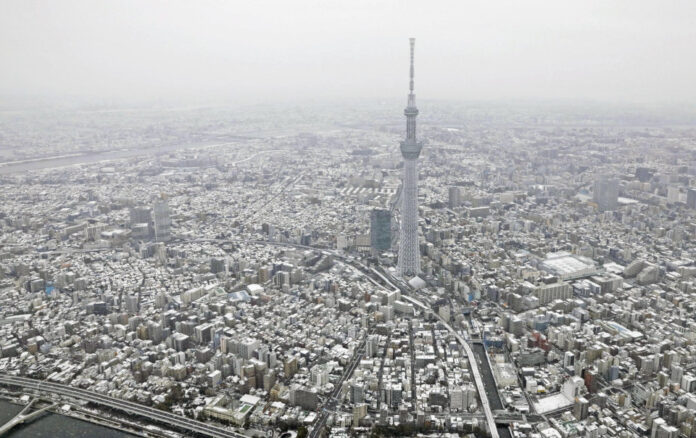
Photo taken from a Kyodo News helicopter on the morning of Feb. 6, 2024, shows Tokyo Skytree in Tokyo after snowfall peaked in the capital. (Kyodo)
TOKYO – Over 130 people were taken to hospital in Tokyo through Tuesday after many slipped and fell due to heavy snowfall in eastern Japan, the Tokyo Fire Department said.
The injured were aged 4 to 92 and none were in a life-threatening condition, it said. In neighboring Kanagawa Prefecture, more than 30 sustained injuries, while more than 50 were slightly hurt in Saitama Prefecture.
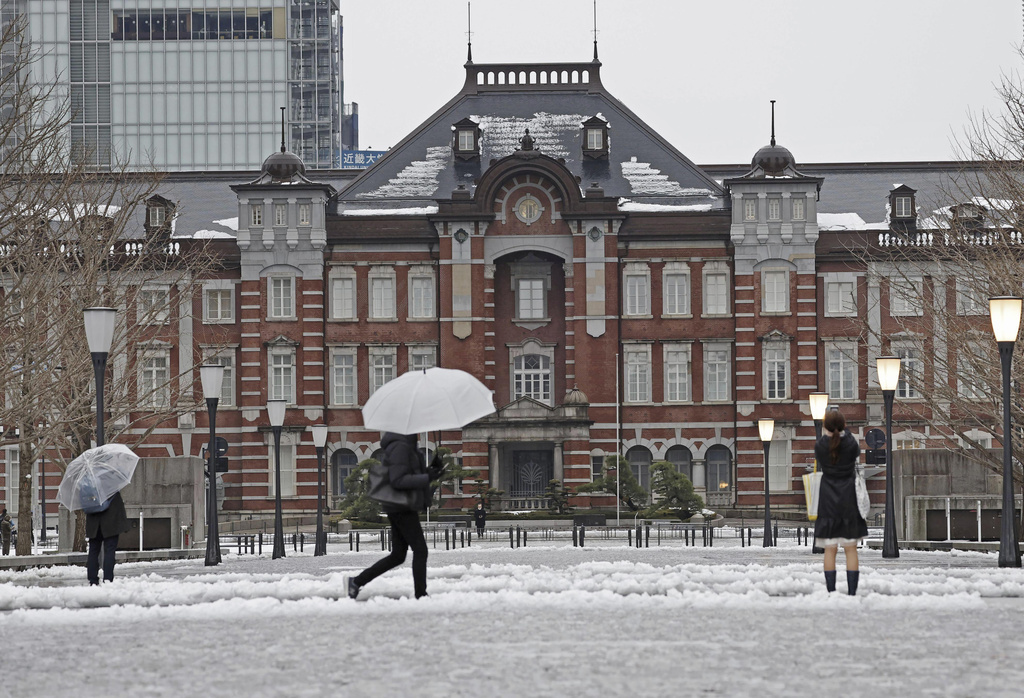
The Japan Meteorological Agency lifted its heavy snow warnings across nine prefectures, but snowfall and rain continued in some areas through the morning.
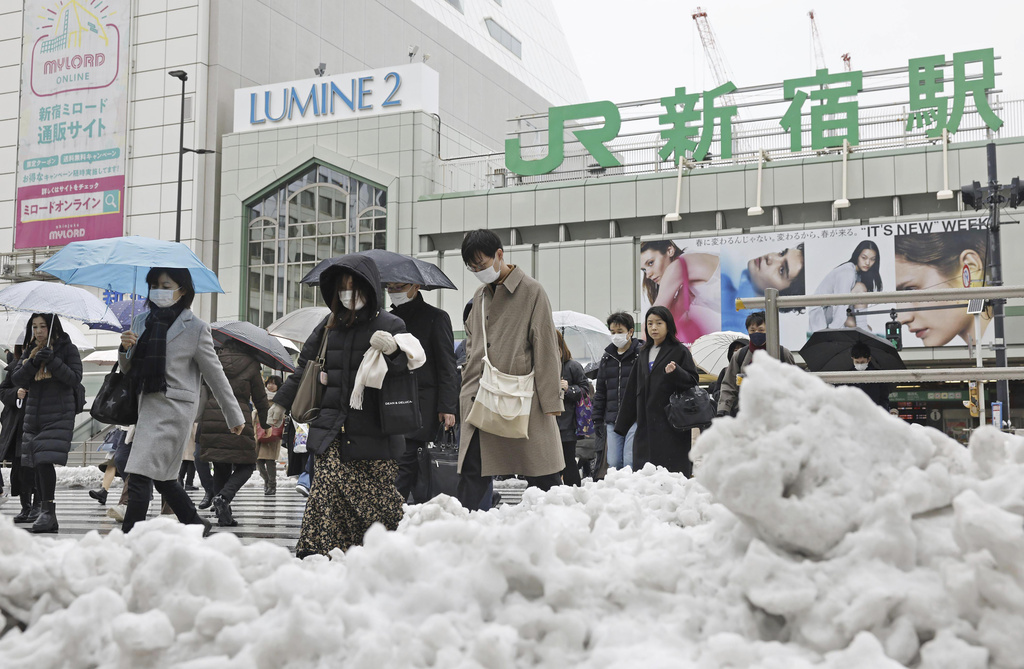
People make their way on a street in Toko Tuesday, Feb. 6, 2024, a day after heavy snow hit the Tokyo area. (Kyodo News via AP)
Most sections on East Japan Railway’s Chuo Line and Ome Line that had been temporarily halted were back in operation by Tuesday afternoon.
According to JR East, six express trains were stuck at stations for over 10 hours overnight, forcing over 1,600 passengers to spend the night onboard. One was taken to hospital after feeling unwell.
All Nippon Airways and Japan Airlines canceled around 30 domestic flights, mostly to or from Tokyo’s Haneda airport.
Streets are covered by snow in Toko Tuesday, Feb. 6, 2024, a day after heavy snow hit the Tokyo area. (Kyodo News via AP)
Many passengers in Tokyo’s Shinjuku Station could be seen asking for refunds and changing to other train lines.
“The train was already canceled when I arrived at the station. Business negotiations will have to be postponed to another day,” said a 32-year-old woman who had planned to go to Kofu Station in Yamanashi Prefecture for work.
Through Monday evening, Maebashi in Gunma Prefecture recorded the highest amount of snowfall at 11 centimeters, while central Tokyo and the city of Saitama saw 8 cm each, according to the weather agency.
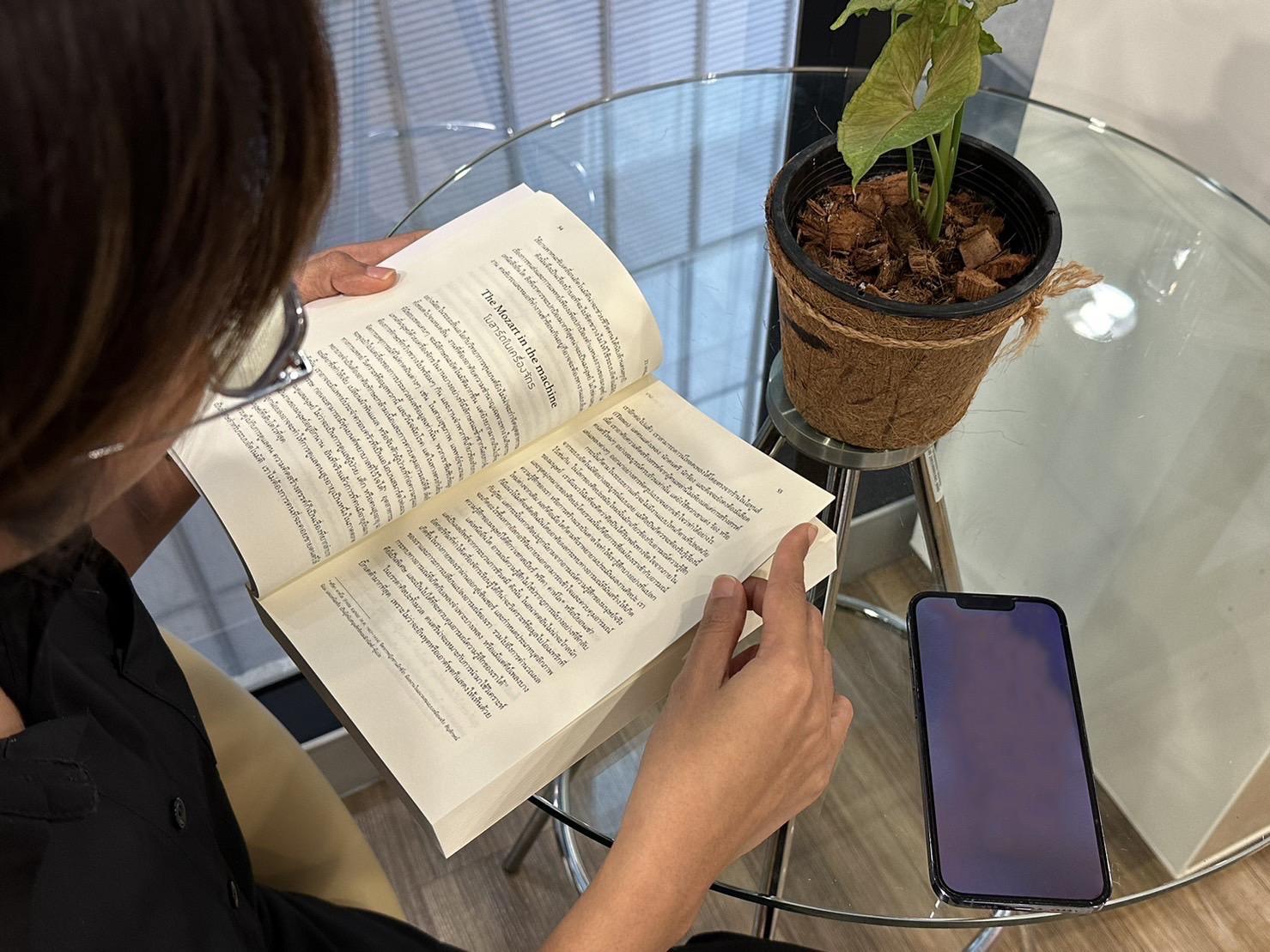
“Take a break Turn on Happiness ” AIS AUNJAI CYBER, Sparks Social Detox Embrace online use responsibly, securely, and creatively on Safer Internet Day 2024.
On Safer Internet Day this year, AIS AUNJAICYBER CYBER chooses to interpret safe internet usage as achieving a “balance” on the screen in the appropriateness of usage.
Therefore, it is the origin of this campaign, Social Detox, encouraging society to take a momentary break from screens and explore other happiness around them. It aims to allow us to recover from the dangers on the screen, both in terms of cyberthreats and misinformation.
The campaign also motivates everyone to try something new, open their hearts, explore new perspectives, and return to online activities in a balanced, secure, and creative way. It reaffirms the mission to promote cyber wellness in every online interaction.
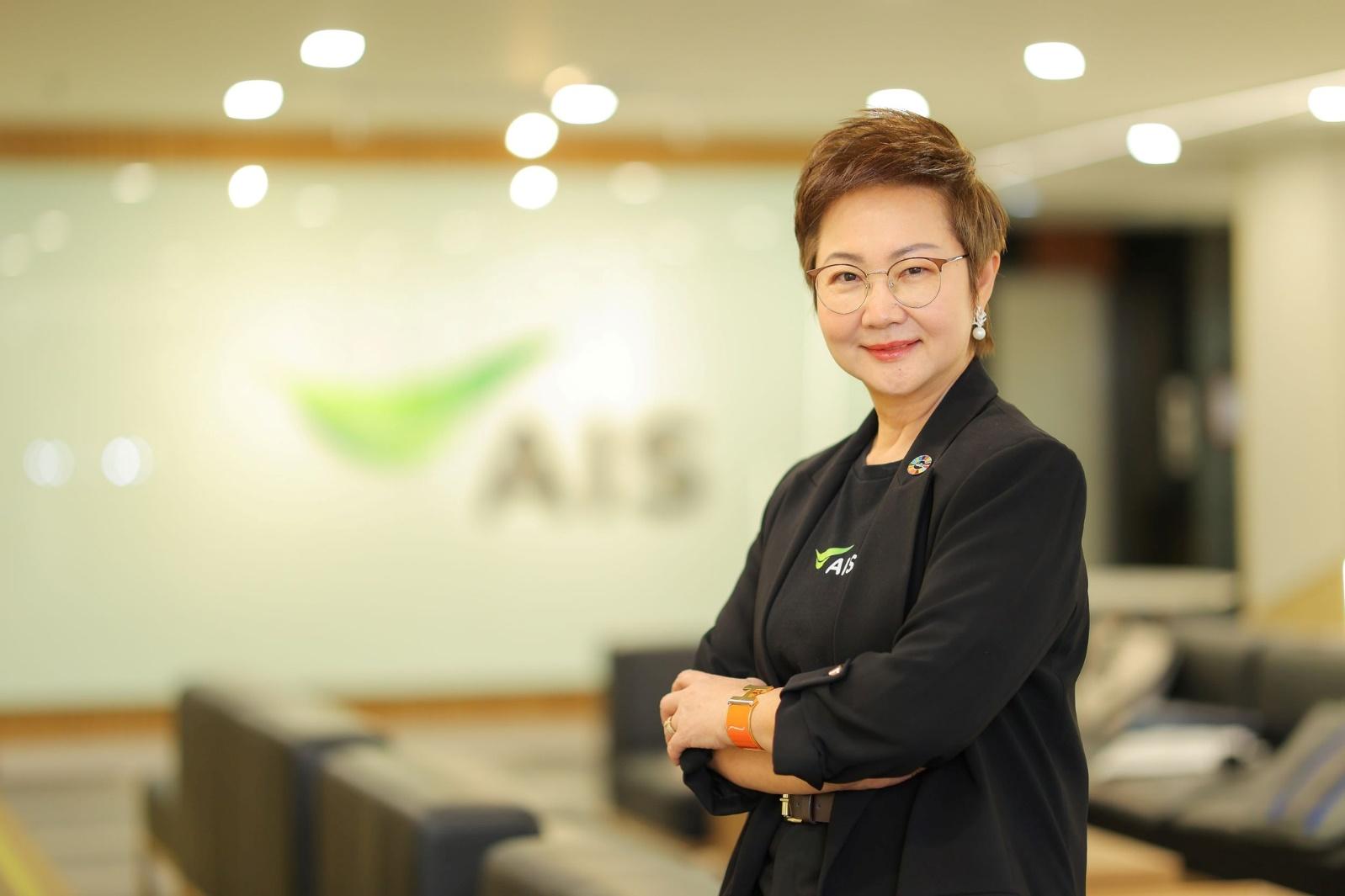
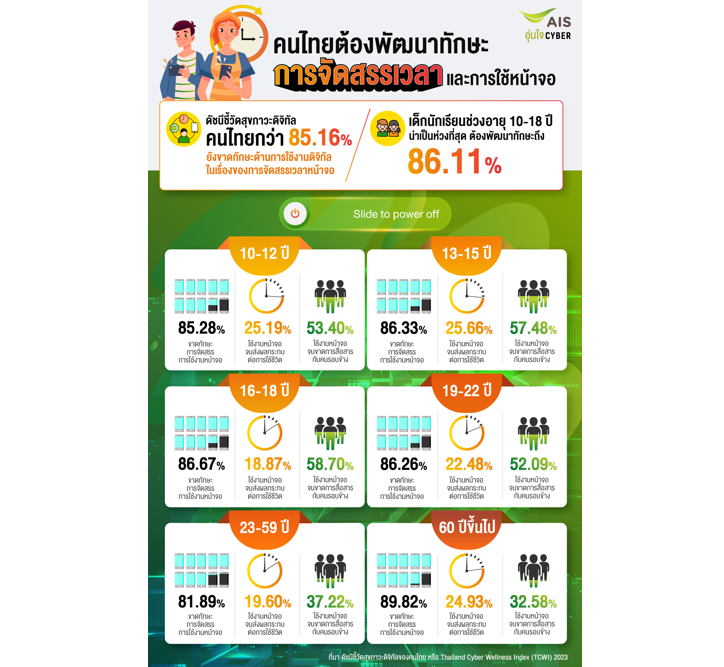
Saichon Submakudom, Head of Public Relations and Business Relations at AIS noted, “The online media usage behavior of Thais continues to increase each year. According to the Global Overview Digital Report 2023 by We Are Social, Thais spend an average of 2 hours and 44 minutes on social media daily. Additionally, the Thailand Cyber wellness Index (TCWI) indicates that over 85.16% lack digital skills, particularly in time management on screens.”
Furthermore, the research reveals that students aged 10-18 spend the most inappropriate screen time, with an 86.11% need for skill development. This age group, particularly between 13-15 years old, shows the lowest average scores, coinciding with the age when most students start having their own phones. Excessive screen time is found to impact daily life, including learning and working, with 23.59% experiencing such consequences and 56.58% almost constant screen use.
Digital literacy, especially in terms of screen time management, is identified as one of the essential components of the 4P Digital Intelligence Skills, fostering appropriate online media use. Recognizing these challenges, on this Safer Internet Day, we choose to communicate the perspective of online and social media usage that should be appropriately balanced.
The campaign “Social Detox: Take a break Turn on Happiness” encourages everyone to take a break from social media, open their hearts, and explore new activities, aiming to reflect on themselves and return to online use in a balanced, safe, and creative manner.
“We believe that the Social Detox campaign, ‘Take a Break, Switch On Happiness,’ on this Safer Internet Day, will be a starting point for Thais to allocate time and balance their internet usage. AIS AUNJAI CYBER continues to advance in creating Digital Citizens with Digital Wellness, capable of safely and creatively navigating the cyber world while fostering relationships with those around them,” concluded Saichon
BRAVO BKK signs MOU with two strategic partners, ASEAN Retail Federation and prominent event and concert organizer IME Group, to establish premier entertainment hub in the heart of Bangkok
This newly established venue welcomes both local Thai residents and international visitors, making a meaningful contribution to driving the Thai tourism industry.
BRAVO BKK, a new shopping mall that positions itself as the ultimate hub for vibrant entertainment, is set to be a go-to destination for crafting unforgettable moments. Nestled in the heart of Rama 9, Bangkok, it distinguishes itself as the most unique and lively locale in the area.
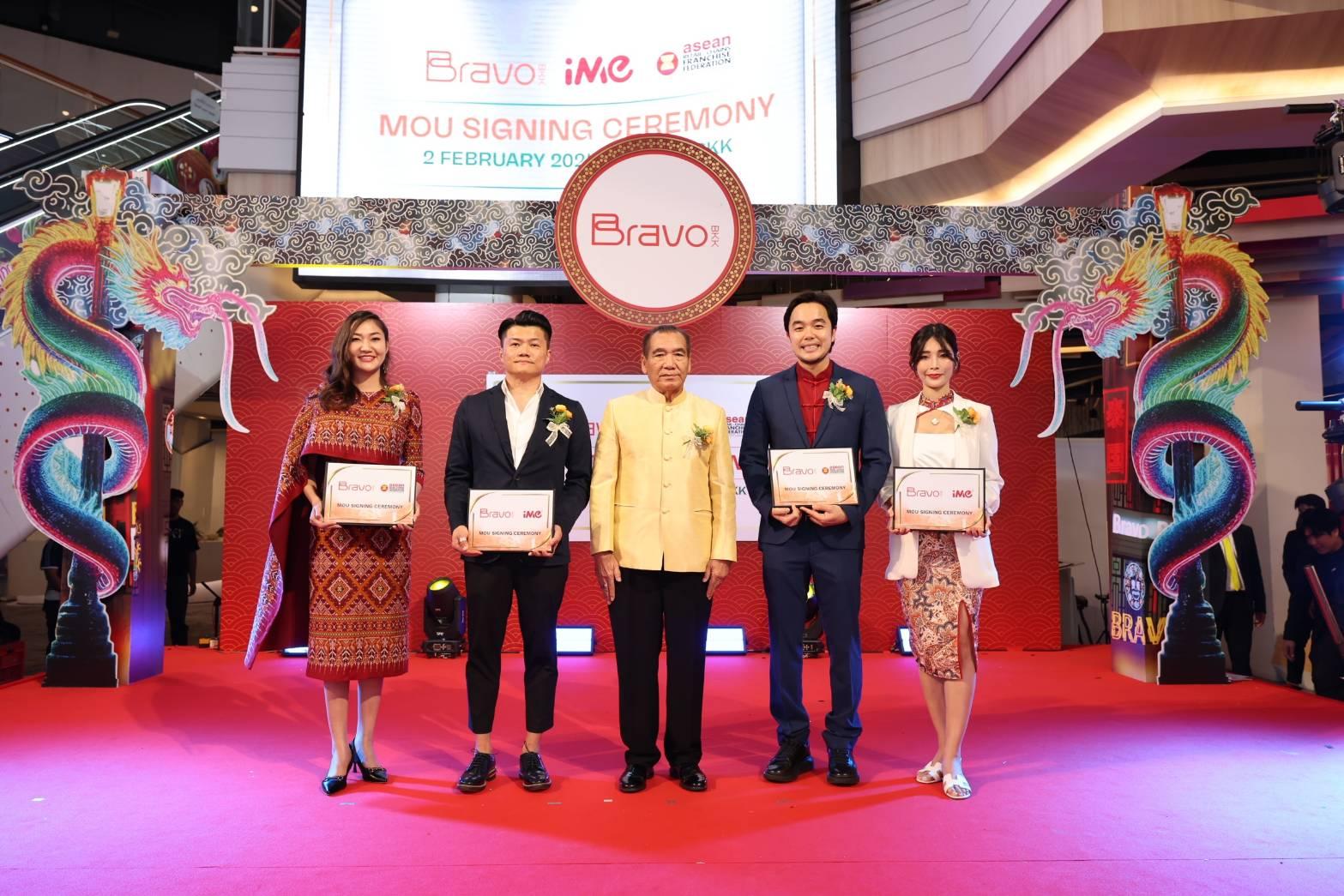
On February 2, 2024, a significant MOU signing ceremony occurred at the Atrium Hall on the 1st floor of Bravo BKK, bringing together Bravo BKK, the ASEAN Retail Federation, and IME Group, recognized as Asia’s foremost event and concert organizer.
Goh Soo Sing, the CEO of BRAVO BKK and Founder and Group CEO of BON Group, highlighted the strengths of Bravo BKK. He stated that Bravo BKK is situated in one of Bangkok’s prime and easily accessible locations. Encompassing a vast area of approximately 180,000 square meters, with over 70,000 square meters dedicated to rental space, the shopping mall spans six floors and offers convenient parking facilities for up to 1,200 cars.
“A noteworthy distinction from other retailers is that Bravo BKK serves as a versatile ‘event venue’ capable of hosting seminars, parties, meetings, and a variety of occasions, making it adaptable to all forms of creativity. This feature makes it an ideal choice for special shows and performances, aiming to transform any unique moment into an unforgettable experience.”
In a recent development, an MOU signing ceremony took place involving the ASEAN Retail Federation, IME Group, and Bravo Bangkok. These two significant entities are key partners, instrumental in inviting retail partners from China to establish their presence at Bravo Bangkok. These include renowned establishments like Loong Mala, Boom Shake Entertainment Club, and Aion Electric Car, which have gained widespread popularity. Besides, IME Group, a prominent entertainment business group in Asia, is set to join BRAVO BKK in revolutionizing the event-organizing industry.
This collaboration aims to elevate the venue to iconic status, establishing it as the most comprehensive and modern event and concert space. Starting from the second quarter of this year, the IME Group will begin utilizing 6,000 square meters of space at BRAVO BKK for organizing events. This aligns seamlessly with BRAVO BKK’s vision to become a new entertainment destination in the heart of Bangkok.
Goh Soo Sing also emphasized that BRAVO BKK is dedicated to fulfilling people’s dynamic needs through the “Fit by Day, Fun by Night” philosophy. The Fit by Day concept aims to establish a sustainable well-being ecosystem, boasting facilities that are one of the most outstanding and complete in Southeast Asia.
This space advocates for an atmosphere that supports the enhancement of everyone’s quality of life. It encourages positive vibes by promoting awareness of healthy eating, exercise, staying energized, and achieving a state of mindfulness and inner peace. The Fun by Night concept introduces distinctive and thrilling nightlife experiences gathered from various parts of Asia.
Its objective is to elevate Bangkok’s entertainment and nightlife scene. This achievement is the result of collaborations with esteemed business entities like IME Group and Boom Shake Club from China. These partnerships ensure that BRAVO BKK brings the finest and most innovative experiences to its patrons.
Through the collaboration with these two partners, BRAVO BKK aims to fortify its position, offering an unparalleled experience for all customers, co-workers, and consumers alike. This strategic alliance is poised to propel Thailand towards becoming a key commercial and entertainment hub in Asia.
The readiness to cater to both Thai and international tourists will undoubtedly contribute to the growth of the Thai tourism industry. Particularly noteworthy is the influx of Chinese tourists, as Thailand and the People’s Republic of China have jointly unveiled a strategic plan to introduce a “free visa” policy between them permanently, starting from March 1, 2024.
This groundbreaking measure facilitates seamless travel for both Thai and Chinese nationals, eliminating the necessity for visas when journeying between the two countries.
The implementation of the “free visa” measure is expected to significantly boost the number of tourists visiting Thailand, aligning with the objectives set by the Ministry of Tourism of Thailand and the Tourism Authority of Thailand (TAT). They have set a target for Chinese tourists is no less than 8 million people to travel to Thailand this year.
Bravo BKK is part of BON Group, a prominent company in the real estate industry with an impressive three-decade track record of providing comprehensive solutions. The group boasts robust operations in key strategic locations, including Abu Dhabi, Vietnam, Thailand, and Malaysia. The BON Group has demonstrated a commitment to addressing diverse real estate needs.
Functioning as a vital pillar within the BON Group, Bravo BKK assumes a pivotal role in the group’s operations, actively working towards realizing its aspirations. Bravo BKK is committed to supporting the BON Group, which, in turn, remains resolute in its pursuit of opportunities for business expansion, both domestically and internationally.