


























32.8 C
Bangkok
Saturday, June 27, 2026
Home Blog Page 2157

In Thai Military, It’s Obedience or Death

Image: Supicha Tanyakan / Facebook
pravit
Re•tention: Pravit Rojanaphruk

A story ripped from the pages of a horror novel turned out to be true in Juntaland.

A 19-year-old armed forces cadet previously subjected to harsh physical discipline suddenly died a day after returning to school from a break. His parents were told he suffered from a sudden cardiac arrest but became suspicious of possible foul play after a detailed autopsy report never came.

Military trainee deaths are all too common, so that’s not the most horrific part.

It was late last month, when the teen’s body was to be cremated, that his family snuck out his cadaver for an independent examination.

What they found was shocking – his stomach, heart, bladder and brain were missing. Tissue paper was found stuffed inside his skull where that last one should have been. Upon further examination, the independently run Central Institute of Forensic Science found signs of internal bruising and a broken rib.

Instead of pulp fiction grist, this is the true story of the death of Pakapong “May” Tanyakan, a freshman cadet at the Armed Forces Academic Preparatory School in Nakhon Nayok province.

On Tuesday, his parents courageously demanded the truth about what had happened to their son at a news conference. The news was received with shock and horror by the Thai public.

Not so much by the top defense official, deputy junta leader Prawit Wongsuwan.

Asked how such deaths could be avoided in the future, Gen. Prawit suggested that death was just a fact of military life.

“Do not enroll. Do not become a soldier. We only take those who are willing,” he said.

Willing to do what exactly was left unsaid. Willing to die? And willingness wasn’t a factor for the many young conscripts – usually from less affluent families – forced to serve the military that have died.

After denying anything improper had been done, authorities Thursday handed the organs over to the family and vowed to release a detailed autopsy within a week. The family is sensibly enough, having the organs tested to verify they came from their son.

The authorities never explained why the family wasn’t told their son was not returned to them whole. They said the organs were kept for ongoing examination.

In his comments, Gen. Prawit undercut the elite academy’s denials that corporal punishment played any role in the cadet’s death. He told reporters about a time he passed out after being physically punished.

That only only raised more doubts and speculation that Pakapong might have been punished to death. In fact, one media outlet published a chat log in which Pakapong reportedly told a friend that he had been punished so severely that his heart stopped beating, requiring CPR to revive him.

“The doctor saved me in time,” Pakapong purportedly wrote via Line.

Pakapong’s mother, Sukanya said in an exclusive television interview Wednesday morning that her son, who had been proud to be accepted into the academy, phoned just an hour before he died on Oct. 17 to say he wanted to quit, despite recent assurances to his father that he had gone too far to turn back.

Good luck to those still hoping the truth will come out from the military regime and the school. On Friday, the military said no civilian inquiry would be allowed, as it should be entrusted with impartially investigating its own.

If no true accounting emerges about Pakapong’s death, the intended or unintended consequence will be cadets who will obey without thinking, fearful for their lives. This is not good for them and having such soldiers cannot be good for Thai society. It’s also unlikely this will be the last suspicious death in the ranks.

Independent oversight is needed to prevent corporal punishment from turning deadly in the future. This is much easier said than done when Thailand has been under unaccountable military rule for three and a half years.

Pakapong’s elder sister, Supicha Tanyakan posted last week on Nov. 16 that the family knows whom they are up against.

“We know who we are fighting against. Don’t mention the chance of winning because the percentile is likely zero. Doing it only make us weary in vain… And doing so won’t resurrect the dead…”

Four days later, on Monday, she reached out again online to say that her brother may be dead but he still has to continue to keep fighting.
Advertisement

Civilians See Surge in Major Military Govt Reshuffle

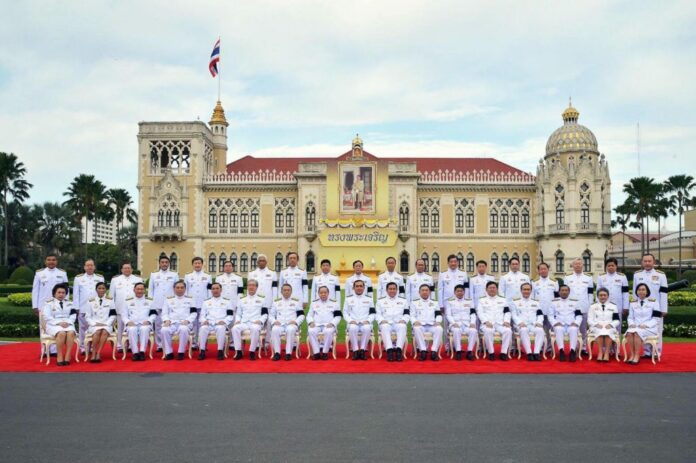
Cabinet members pose for a group photo Jan. 4, 2017, in front of Government House in Bangkok.

BANGKOK — The latest cabinet reshuffle, approved Friday night by King Vajiralongkorn, saw 10 ministers join and nine leave ministerial posts.

The move – the most extensive since the May 2014 coup – saw heavyweights such as Deputy Prime Minister Gen. Prawit Wongsuwan, Deputy Prime Minister Somkid Jatusripitak and Deputy Premier Wisanu Krue-ngam retain their positions.

Among the nine who lost their seats were Deputy Prime Minister Gen. Thanasak Patimaprakorn, Deputy Defense Minister Gen. Udomdej Sitabutr, Prime Minister’s Officer Minister Panadda Diskul and Tourism Minister Kobkarn Wattanavrangkul.

Read: Prayuth Reshuffling Deck in Hope of Popularity Trump Card: Pundits

The reshuffle, the fourth since Gen. Prayuth Chan-ocha seized power, saw a large presence of civilian appointees: 13 of 18.

The new appointments made were led by Gen. Chatchai Sarikaya, who was moved from minister of agriculture to deputy prime minister.

Deputy Prime Minister Air Chief Marshal Prachin Chantong was also made Minister of Justice.

Key posts for new ministers include Kobsak Pootrakool, appointed new prime minister’s office minister, Gen. Chaicharn Changmongkol as deputy defense minister and Weerasak Kowsurat as tourism and sports minister.

Weerasak, 52, who studied law at Chulalongkorn University and later at Harvard, has been advisor to the former Chart Thai Party since 1997. He was deputy minister of culture in 2003 and 2004 under the Thaksin Shinawatra administration.

Kobsak, 49, was executive vice president at Bangkok Bank and former Monetary Policy Strategy Division Head at the Bank of Thailand. Kobsak obtained a doctorate in macroeconomics from the Massachusetts Institute of Technology. He was also a former junta-appointed member of the first constitution drafting committee after the 2014 coup.

Krisada Boonrat, a former permanent secretary under the current military regime was appointed new agriculture minister. He will be assisted by deputy Luck Wajananawat, 60, an expert in community banking and credit.

The other new deputy minister of agriculture is Wiwat Sanyakamthorn, 62, chairman of Sufficiency Economy Institute and a veteran in works related to royal projects.

Businessman Pailin Chuchottaworn, 61, was appointed deputy transport minister and Siri Jirapongphan, 62 was made minister of energy.

The reshuffle also saw Udom Kachintorn – former president of Mahidol University – appointed as the new deputy education minister.

Related stories:

Cabinet Reshuffle Pinned on Junta Economic Fails


Advertisement

Pope’s Place as Refugee Champion Tested in Myanmar

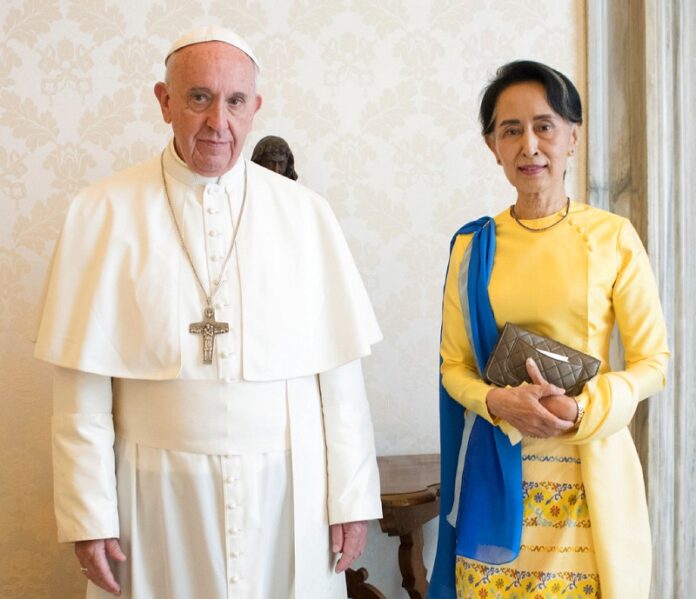
State Counsellor and Union Minister for Foreign Affairs of the Republic of the Union of Myanmar Aung San Suu Kyi, right, poses with Pope Francis on the occasion of their private audience in May at the Vatican on Noember 25, 2017. Photo: Associated Press

VATICAN CITY — Pope Francis heads to Myanmar and Bangladesh with the international community excoriating Myanmar’s crackdown on Rohingya Muslims as “ethnic cleansing” but his own church resisting the label and defending Myanmar’s civilian leader Aung San Suu Kyi as the only hope for democracy.

Francis will thus be walking a fraught diplomatic tightrope during the Nov. 27-Dec. 2 visit, which will include separate meetings with Suu Kyi, the powerful head of Myanmar’s military as well as a small group of Rohingya once Francis arrives in neighboring Bangladesh.

Francis has defined his papacy by his frequent denunciations of injustices committed against refugees, and he would be expected to speak out strongly against the Rohingya plight. But he is also the guest of Myanmar’s government and must look out for the well-being of his own tiny flock, a minority of just 659,000 Catholics in the majority Buddhist nation of 51 million.

“Let’s just say it’s very interesting diplomatically,” Vatican spokesman Greg Burke responded when asked if Francis’ 21st foreign trip would be his most difficult.

The Rev. Thomas Reese, an American Jesuit commentator, was more direct: “I have great admiration for the pope and his abilities, but someone should have talked him out of making this trip,” Reese wrote recently on Religion News Service.

Reese argued that Francis’ legacy as an uncompromising champion of the oppressed will come up against the harsh reality of blowback for Myanmar’s minority Christians if he goes too far in defending the Rohingya against the military’s “clearance operations” in Rakhine state.

“If he is prophetic, he puts Christians at risk,” Reese said. “If he is silent about the persecution of the Rohingya, he loses moral credibility.”

Francis isn’t known for his deference to protocol and he tends to call a spade a spade. But he has already been urged by the Catholic Church in Myanmar and his hand-picked cardinal, Charles Bo, to refrain from even using the term “Rohingya,” which is rejected by most in Myanmar.

“The pope clearly takes this advice seriously,” Burke said. “But we’ll see together.”

Francis has used the term “Rohingya” in the past, when he condemned the “persecution of our Rohingya brothers,” denounced their suffering and called for them to receive “full rights.”

Myanmar’s government and most of the Buddhist majority don’t recognize the Rohingya as an ethnic group, insisting they are Bengali migrants from Bangladesh living illegally in the country. It has denied them citizenship, even though they have lived in Myanmar, also known as Burma, for generations.

The Vatican secretary of state, Cardinal Pietro Parolin, said Francis would likely call for a lasting solution for the Rakhine Muslims that takes into account “the importance for the people of having a nationality.” He declined in a Vatican Radio interview to use the term “Rohingya.”

Francis had originally intended his 2017 itinerary to involve a visit to India and Bangladesh. But preparations fell apart in India, and Myanmar was added in late, after Myanmar and the Holy See established diplomatic relations during a visit by Suu Kyi to Rome in May.

Since then, the situation on the ground has deteriorated badly, after Rohingya militants attacked security positions in poverty-wracked Rakhine in August. Myanmar security forces responded with a scorched-earth campaign against Rohingya villages that the U.N., U.S. and human rights groups have labeled as textbook “ethnic cleansing.”

More than 620,000 Rohingya have fled to Bangladesh, where they are living in squalid refugee camps. This week, the U.N. envoy on sexual violence in conflict said the widespread gang rapes and other forms of sexual violence perpetrated against women and girls by the Myanmar military could amount to war crimes, crimes against humanity and genocide.

Burke demurred when asked if the spasm of violence had complicated the Vatican’s plans, saying only that “stuff happens” and “the trip was going to happen in any case.”

Bo, whom Francis named as Myanmar’s first cardinal in 2015, has resisted terming the violence “ethnic cleansing,” saying the military response was disproportionate but that it was “premature” and unhelpful to put a label on it.

He defended Suu Kyi as Myanmar’s only hope for democracy, saying criticism against her was “unfair” and that she was working to implement recommendations by former U.N. Secretary-General Kofi Annan to improve opportunities for all religious minorities, Christians among them.

The Rev. Bernardo Cervellera, editor of the AsiaNews news agency that closely covers the Catholic Church in Asia, said he expected Francis would use the visit to help shore up Suu Kyi, whose international stature has suffered as a result of the crisis even though she is limited constitutionally in what she can say or do against the military.

“The question of the Rohingya is a ‘casus belli’ to eliminate the government of Aung Sang Suu Kyi,” Cervellera said. “If we take away Aung San Suu Kyi, the military dictatorship returns, which means setting all the minorities on fire.”

Francis will host an interfaith peace meeting in the garden of the Dhaka archbishops’ residence, at which a small group of Rohingya are expected.

Other highlights of the trip include Francis’ meeting with Myanmar’s Buddhist monks and encounters with Catholic youth capping the visit in each country.

The youth encounters “demonstrate that it’s a young church with hope,” Burke said.

Story: Nicole Winfield

Advertisement

Internet Freedoms in Thailand Fall to New Low: Watchdog

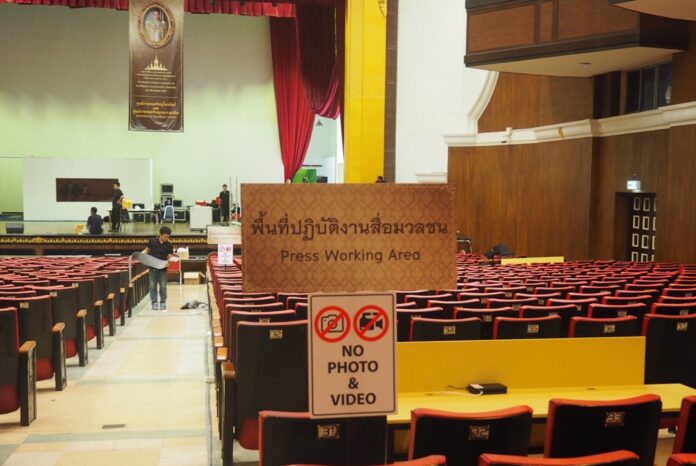
Officials on Oct. 2 prepare a press working area at Thammasat University for reporters covering the royal cremation.

BANGKOK — Thailand has slid to its lowest level of internet freedom reported by a US watchdog since it began keeping track.

For the fourth consecutive time since the military seized power in 2014, Freedom House rated Thailand as “Not Free” in terms of internet freedom, awarding its lowest score since it began tracking in 2011. It cited a number of reasons, including a clampdown on information since the death of King Bhumibol in 2016.

“Internet freedom declined to its lowest level yet in 2017, continuing a downward spiral that began when the junta seized power,” the report said, which was published Sunday. “Censorship and rights violations intensified after the death of King Rama IX in October 2016.”

Other factors cited were amendments to the Computer Crime Act for continuing to undermine internet freedom by expanding official censorship and surveillance powers. The military court also sentenced at least two internet users to more than a decade in jail for their online activities, the report noted.

Following King Bhumibol’s death, the government imposed a year-long period of national mourning. Apart from advising the public to dress in black, government officials warned against remarks or activities that would be considered “inappropriate.”

Newsrooms also came under pressure to practice self-censorship and keep their reports about the royal funeral – a carefully choreographed spectacle – in line with the official narrative.

Related stories:

3 Media Agencies Sanctioned For Streaming Practice Parade

Told to Tone it Down, Media Will Shoulder Losses For Royal Funeral

Questions, Acceptance Follow Surprise Decision Not to Air Cremation

Advertisement

We’re Giving Away 50 Tickets to ‘One: Warriors of the World’

Want to watch top-tier MMA fighters tear each other apart but already spent this month’s fun money on booze?

Khaosod English is giving away 25 pairs of tickets to ONE Championship’s second major event in Bangkok this year, One: Warriors of the World, which will be held Dec. 9 at Impact Arena. All you have to do to enter the giveaway is to subscribe to the Khaosod English mailing list:


Subscribers will get updates on Khaosod English stories and no advertising. We won’t share your address with anyone.

Headlining the Saturday night event is undefeated Japanese strawweight champ Yoshitaka Naito. He goes head-to-head with Brazilian jiu-jitsu boss Alex Silva. Proud Thai fighter Shannon Wiratchai will contend for the lightweight title against ragin’ Russian Rasul Yakhyaev.

Read: Thai vs. Russian Beat Down to Headline ONE’s MMA Return

Bloodthirsty audience members can also cheer for Muay Thai legends-turned-MMA pros Dejdamrong Sor Amnuaysirichoke and Sagetdao Petpayathai.

Last but far from least, deadly atomweight beauty Rika Ishige will grapple with an unannounced contender, and phua cheewit rock legend Pu Pongsit will take the stage to make everyone’s blood rise.

The Dec. 9 smackdown is the follow-up to One MMA Championship’s March tournament where Angela Lee defended her women’s atomweight championship. On that night, Shannon defended his lightweight belt while the other half of his power-couple duo, Rika, triumphed in her MMA debut alongside Sagetdao.

E17 1200x630 1

Related stories:

Meet a Thai Couple Who Just Fight All the Time (Video)

One MMA Fight Cards Out to Stoke Pan-ASEAN Bloodlust in Bangkok

Women’s Fights a Strong Part of One’s Expansion Plans

Women Fighters to Smash Bangkok as MMA Penetrates Homeland of Muay Thai

ONE Championship MMA Coming to Bangkok, New Markets for 2017

Rags to Riches: The Story of Thailand’s First MMA Champ

Advertisement

Bangkok’s 1960s Retro-Cool Hotels Live On (Photos)

BANGKOK — Atlanta and Miami. Florida, Malaysia and Dusit Thani.

Before today’s backpacker hostels, guesthouses and budget hotels exploded across the city, Bangkok’s charms belonged to a generation of mid-20th century hotel palaces, many named after Western locales.

They appealed to the travelers who came with the birth of modern aviation, a trickle that became a flood during the Cold War when Thailand aligned itself with the United States and American money, soldiers and business poured into the country.

Read: A Salute to 50 Years of Late Nights at Bangkok’s Malaysia Hotel

There’s no denying that much of the tourism surge and major city development, including Bangkok’s hotel boom that began in the ‘50s owed to 20 years of war that consumed neighboring Vietnam, Cambodia and Laos.

The intense war from 1955 to 1975 saw a continuous stream of soldiers who were permitted to take a week of R&R (rest and relaxation, not rock ‘n roll) at destinations which included Australia, Hong Kong, Singapore, Hawaii, Taiwan and Bangkok.

Entrepreneurs rushed to capitalize on the opportunity, and grand hotels sprang up with an international orientation. For the ones that have survived into the 21st century, many more, such as the Federal, Liberty, Morokot, Prince and Rex hotels closed down, disappeared or were demolished.

Here’s a look at some of the remaining architectural reminders of the Bangkok that was, from the famed and soon-to-be-gone Dusit Thani, Chaovalit (now Ambassador) and Siam Intercontinental hotels. Click to see more photos in the albums.

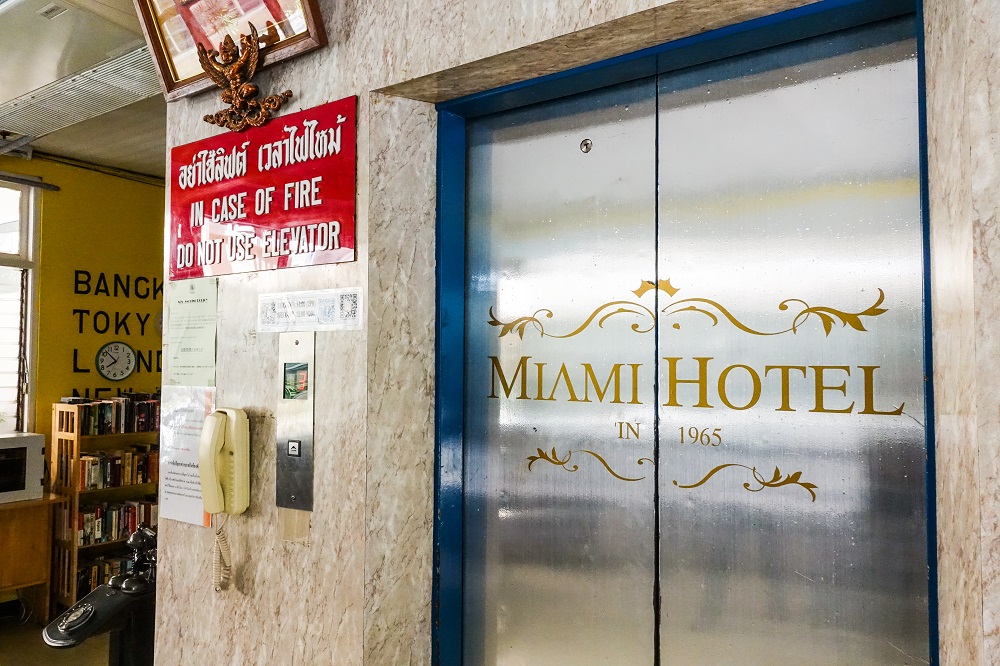
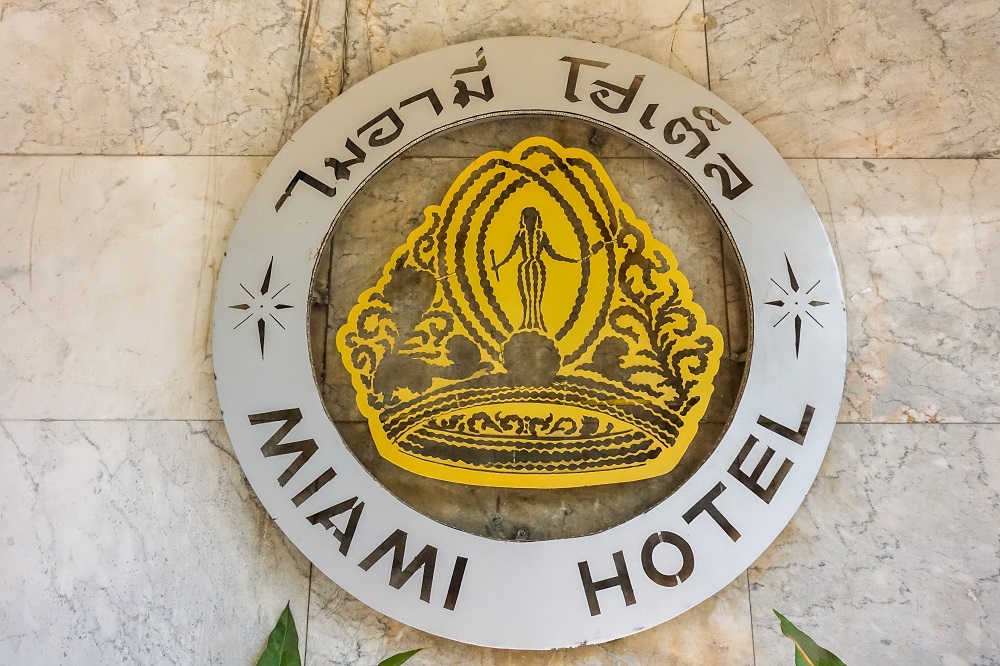
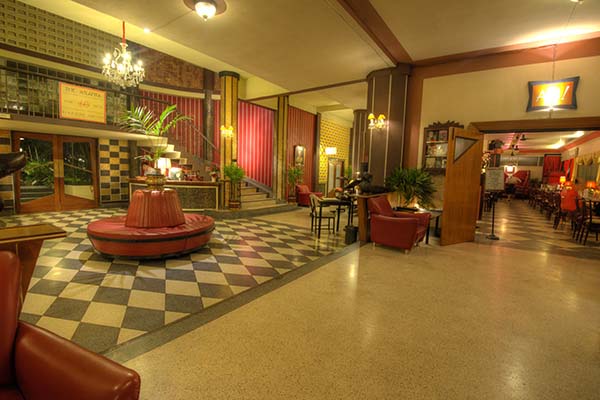
Miami Hotel, 1965

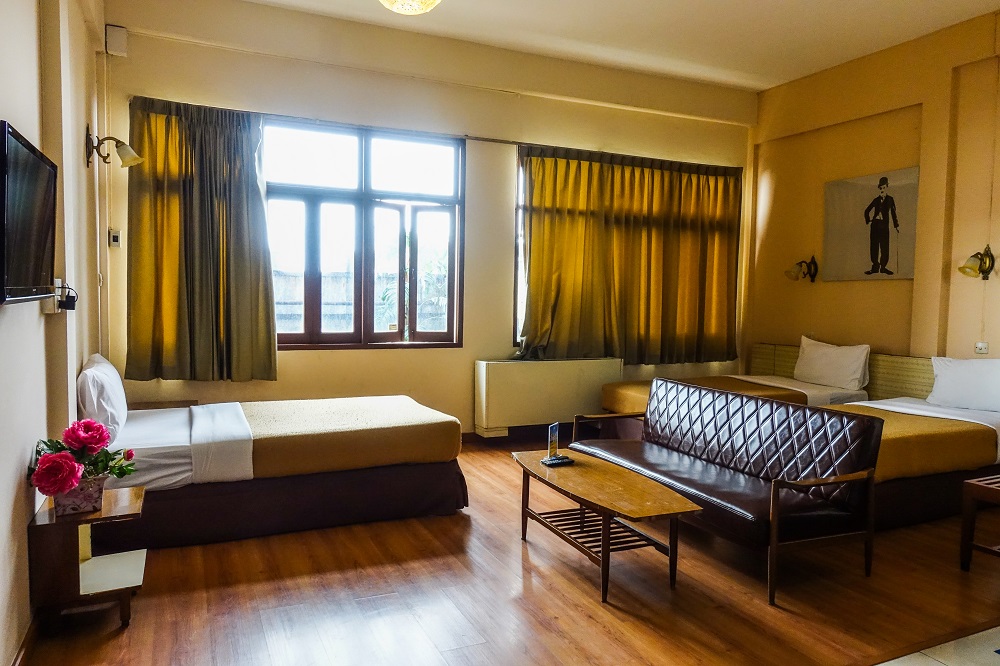
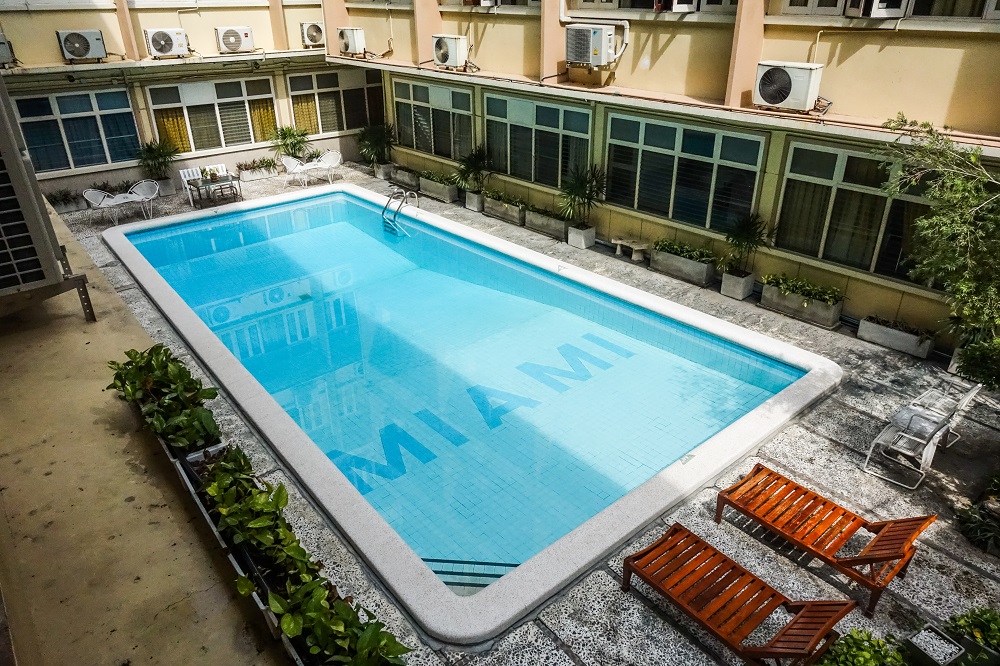
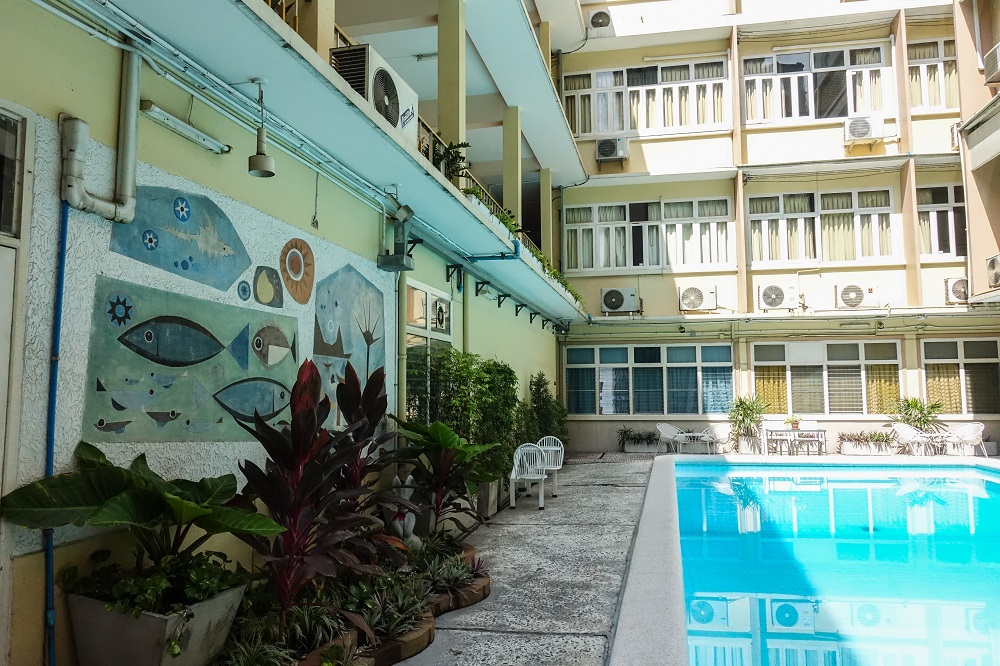
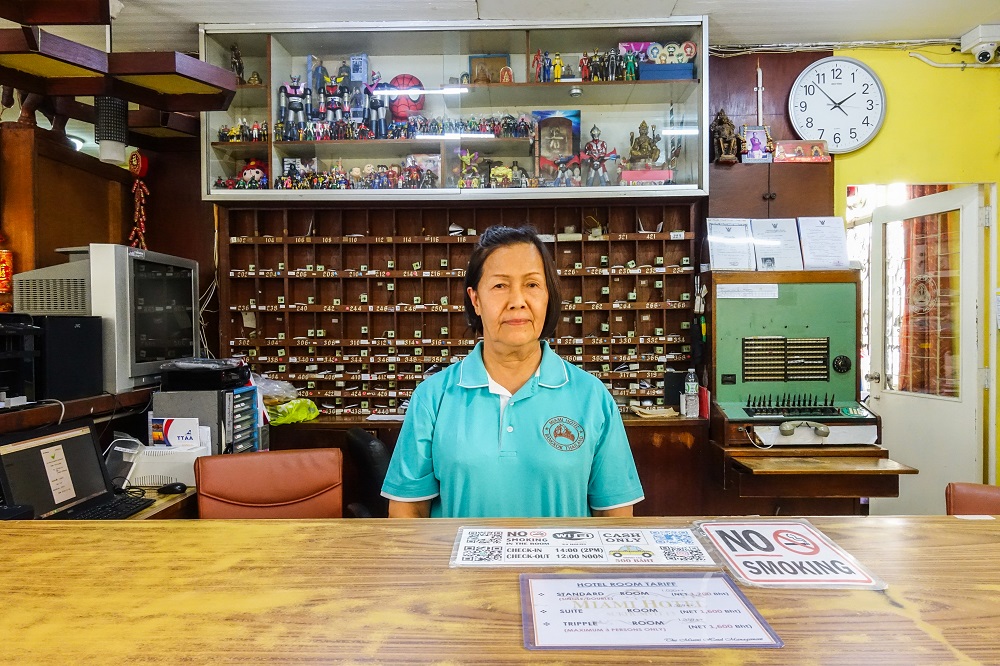
For better or worse, the Miami Hotel looks much the same today as it did in its glory days. Many Thai hotels built in the ‘60s were named after American places like Florida and Atlanta, and this one went with Miami because it was the same year Apasra Hongsakula became the first Thai woman to be crowned Miss Universe in Miami Beach.

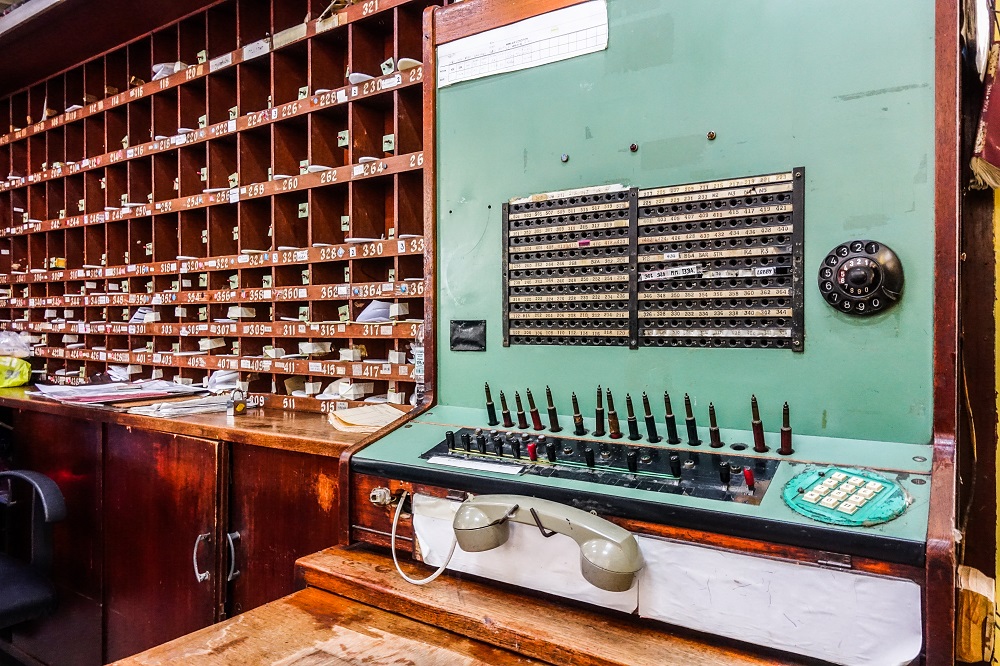
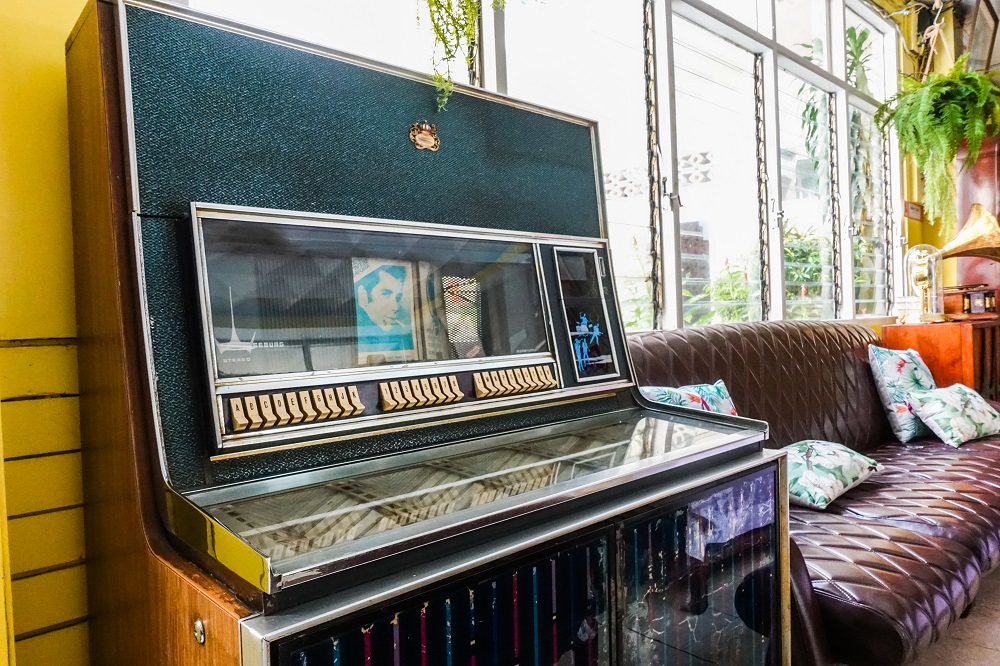
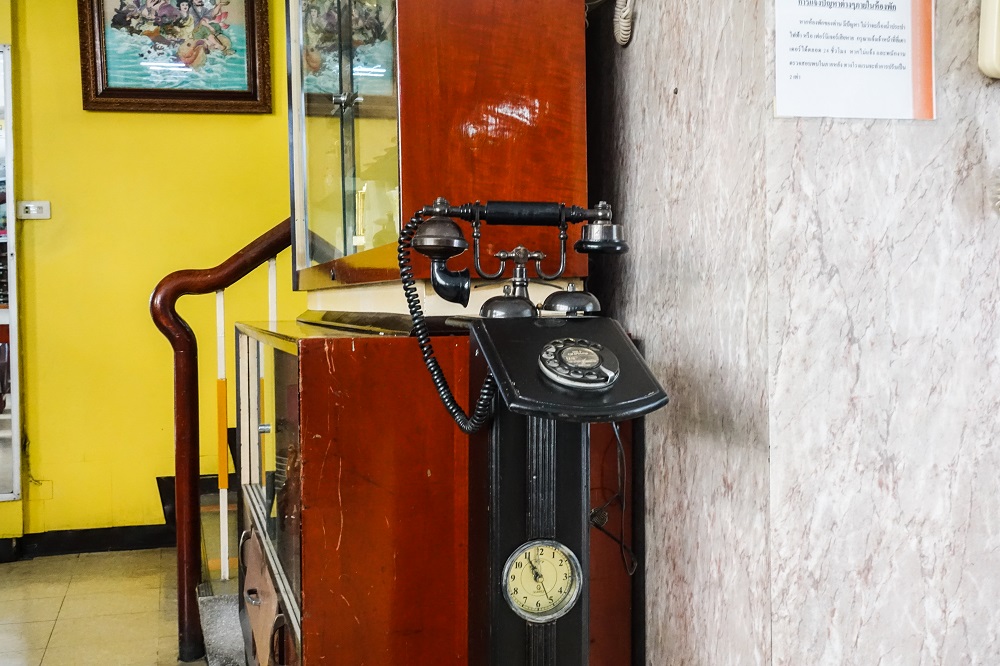
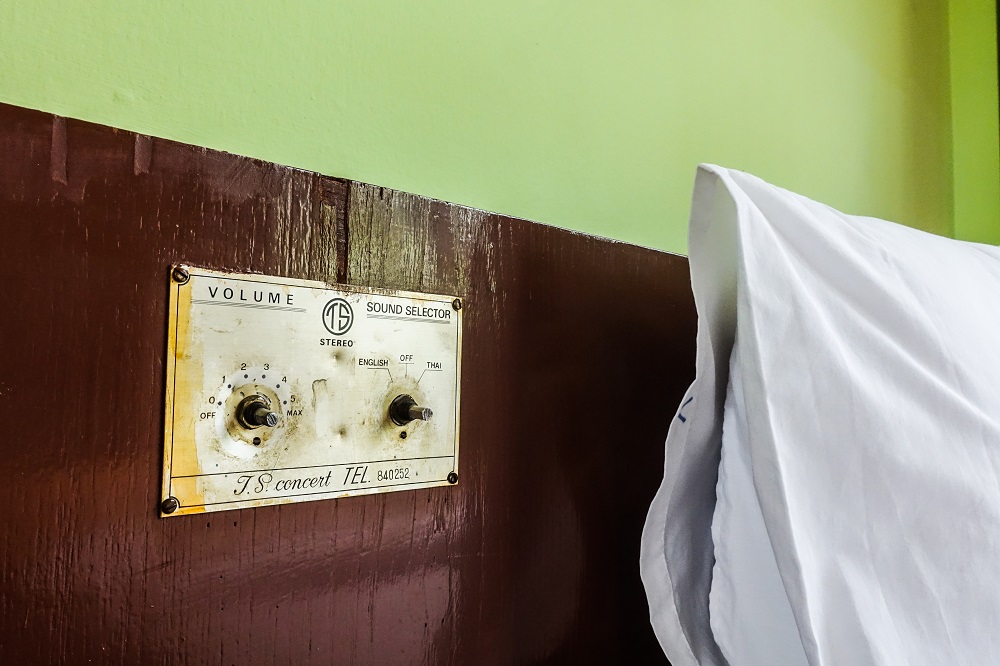
Located a few steps in Soi Sukhumvit 13 near BTS Nana, the hotel is equipped with high ceilings and ‘60s-era amenities such as jukebox machines and a vintage telephone switchboard. The 52-year-old hotel accommodates tourists, geriatric GI returnees and visa candidates (it’s located next to visa application center VFS Global).

The vintage exterior and interior also contribute to a popular photoshoot spot for fashion models and celebrities.

Go now to experience that shabby, worn-in look: Major renovations will begin next year, third-generation owner Suphol Tansirichaiya says.

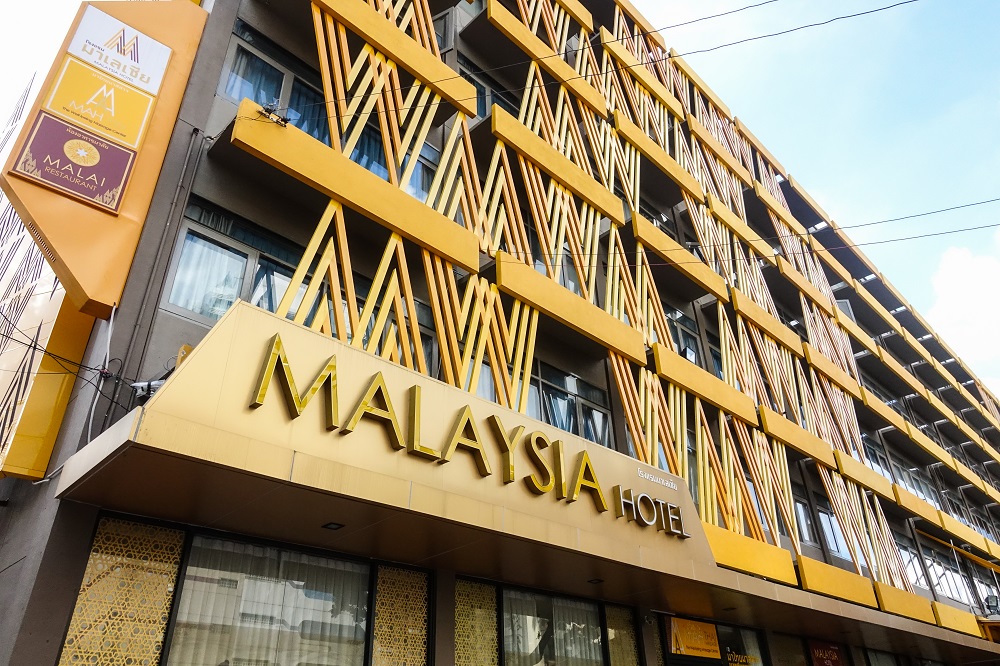
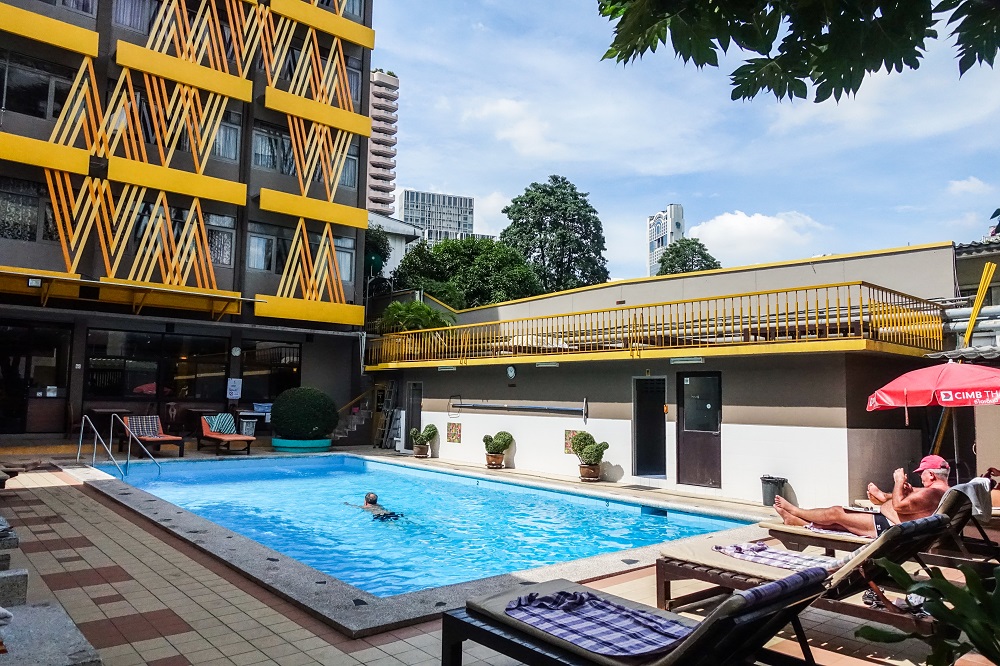
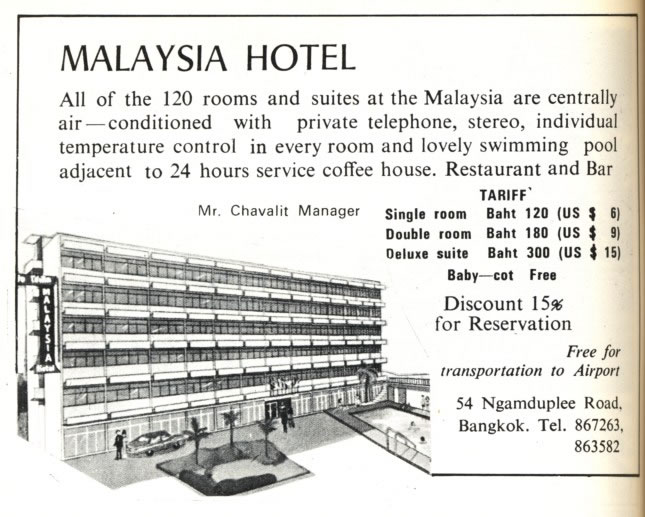
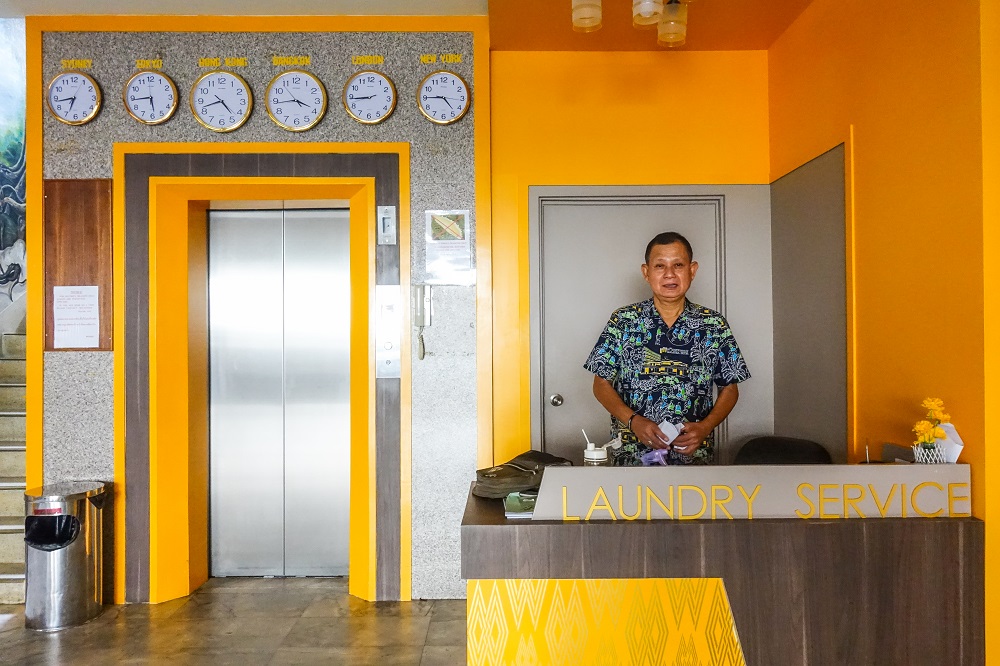
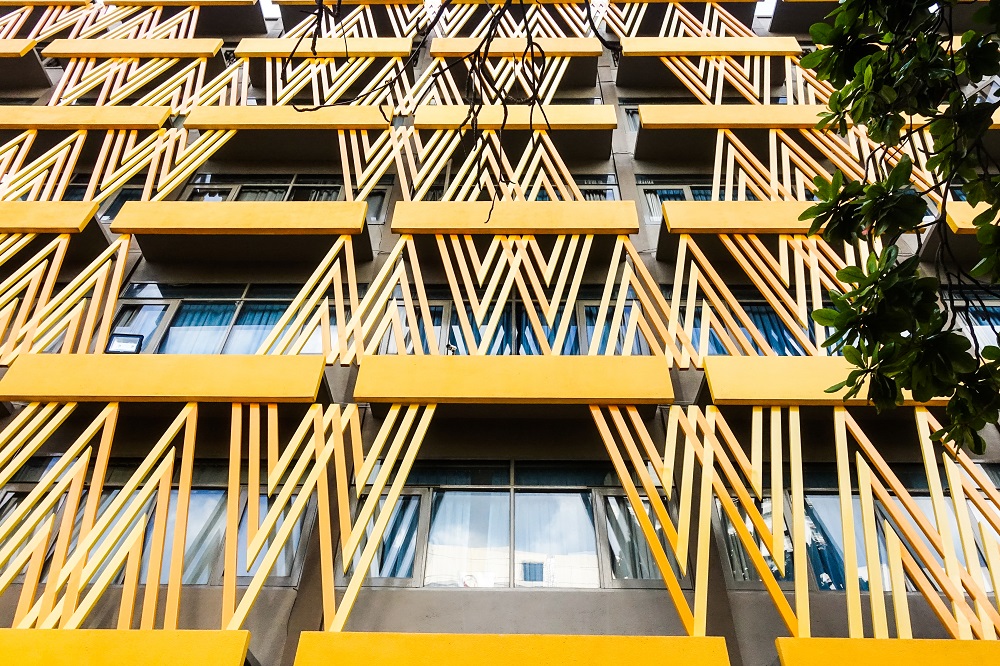
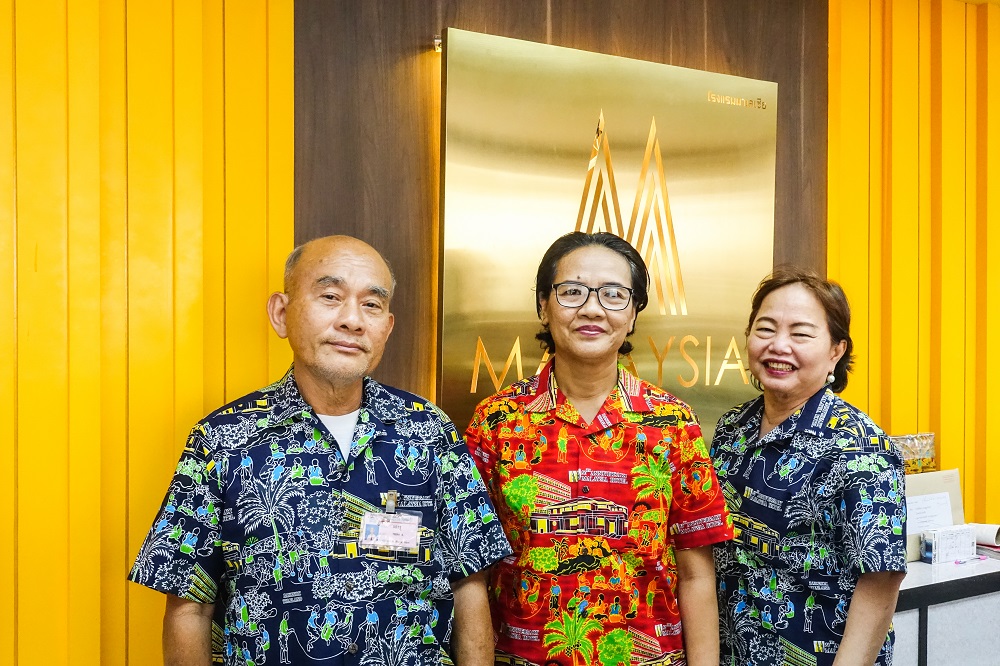
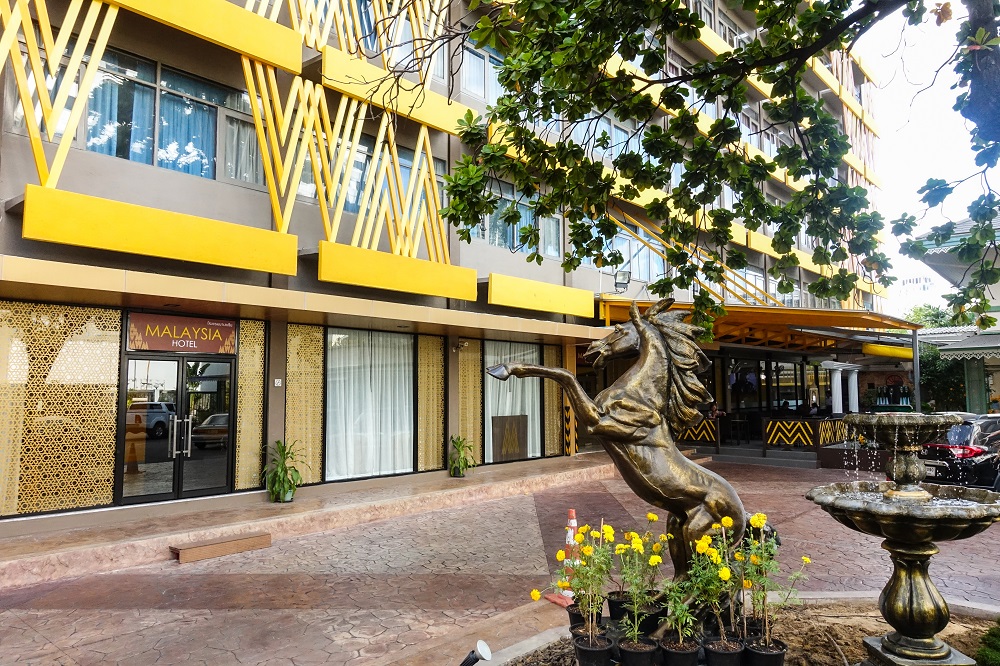
Malaysia Hotel, 1967

Located on Soi Ngamduplee in Sathorn area, the Malaysia Hotel is run by a Thai-Chinese family, now in its third generation. The name actually doesn’t have anything to do with Thailand’s neighboring country Malaysia, but rooted from the owner’s Chinese family name Ma.

Read: A Salute to 50 Years of Late Nights at Bangkok’s Malaysia Hotel

The five-decade hotel’s original building has 120 rooms and back in its older era the room rates started at only 120 baht per room. After GIs left, the price dropped to 60  baht to attract backpackers.

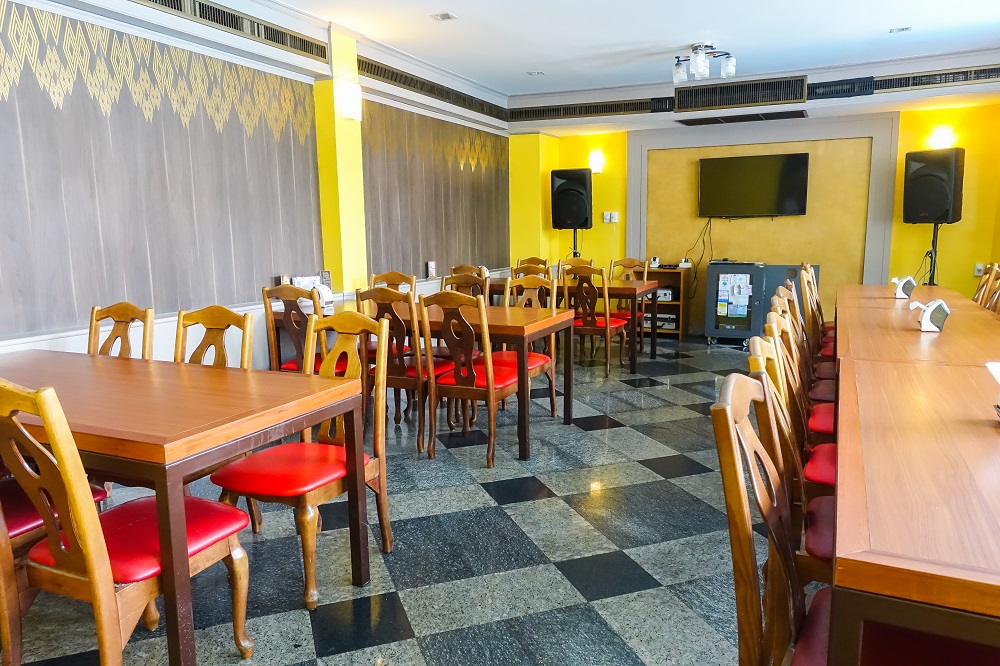
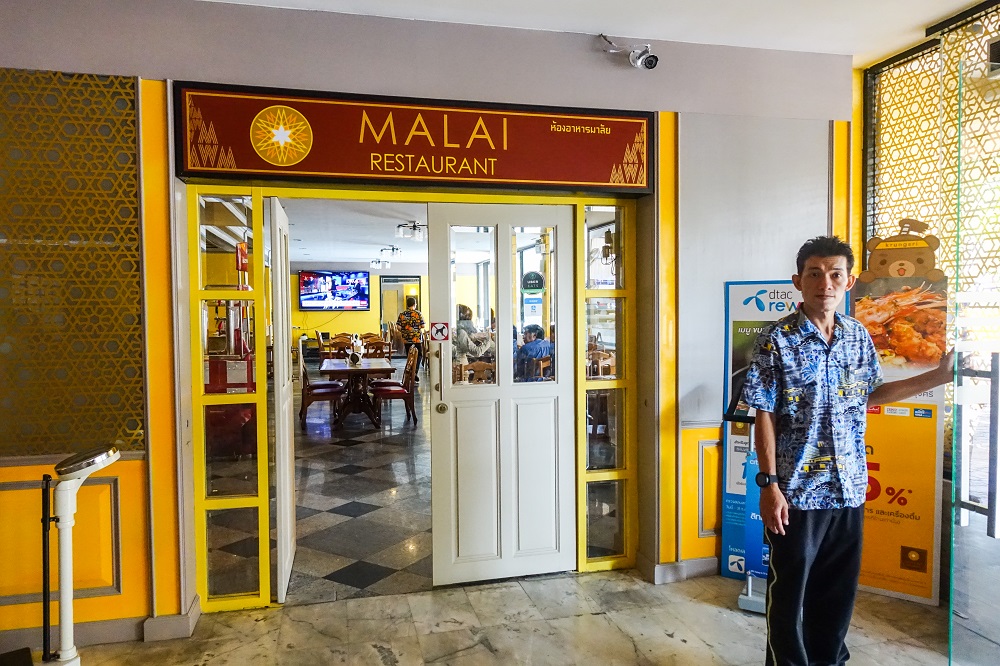
The hotel’s Malai restaurant, opening 24 hours, attracts all kinds of diners and tends to be an after-hours magnet for those beginning or deepening their hangovers.

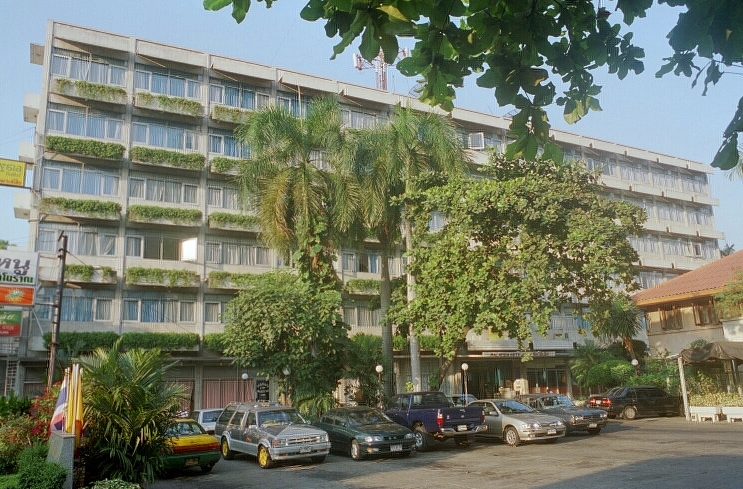
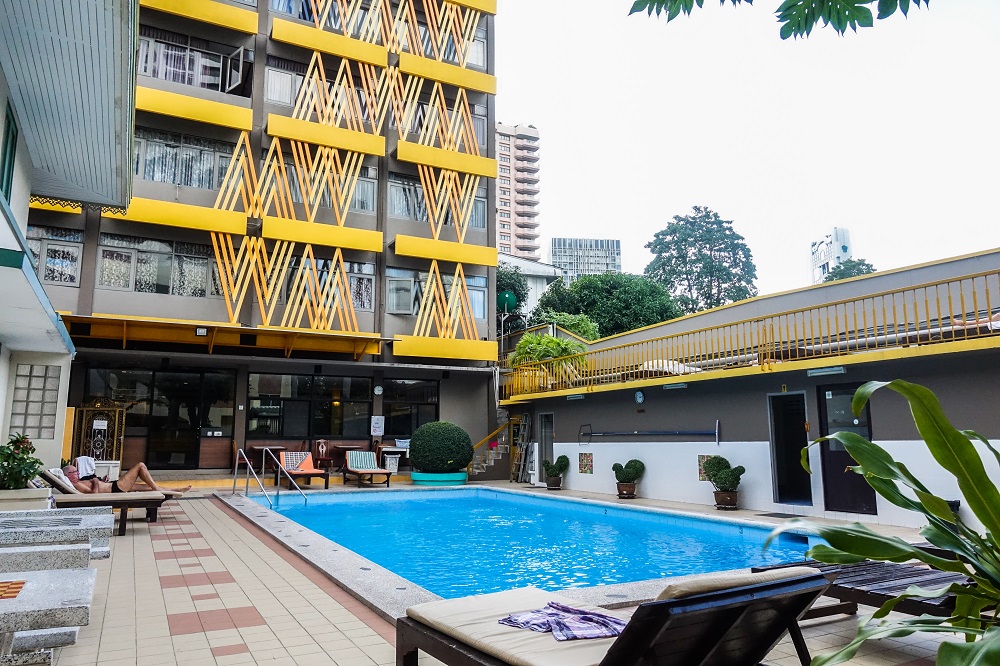
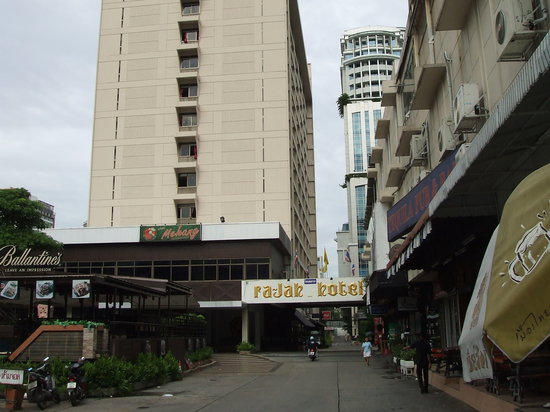
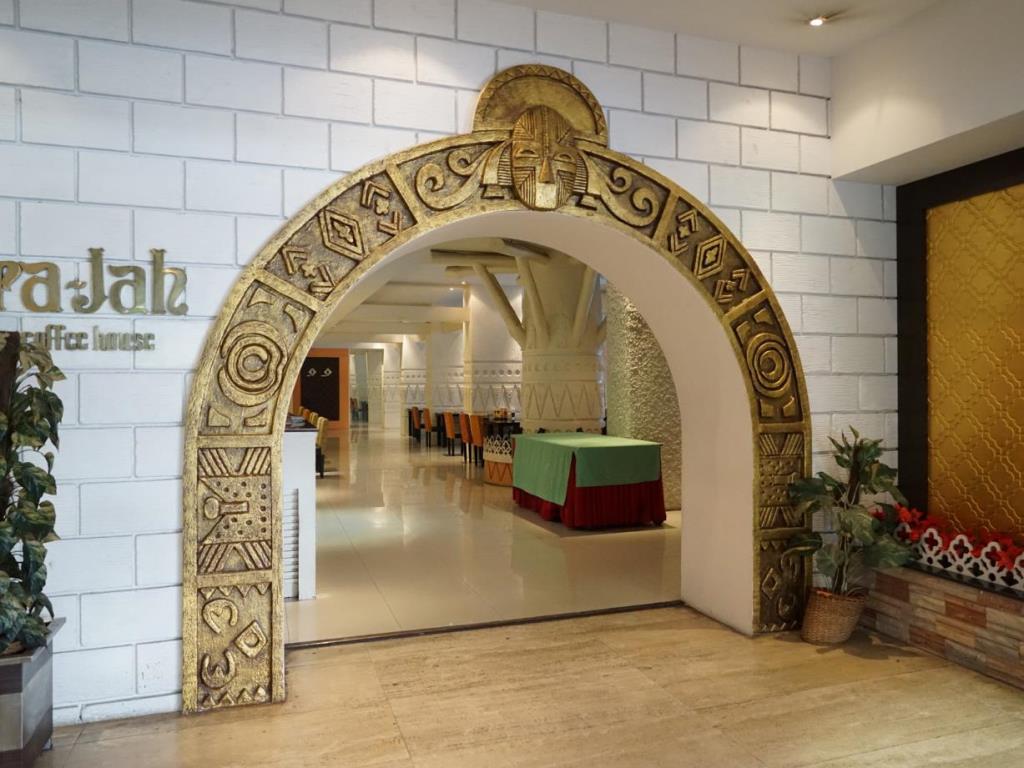
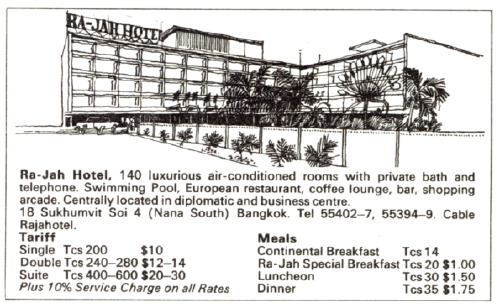
Rajah Hotel, 1966

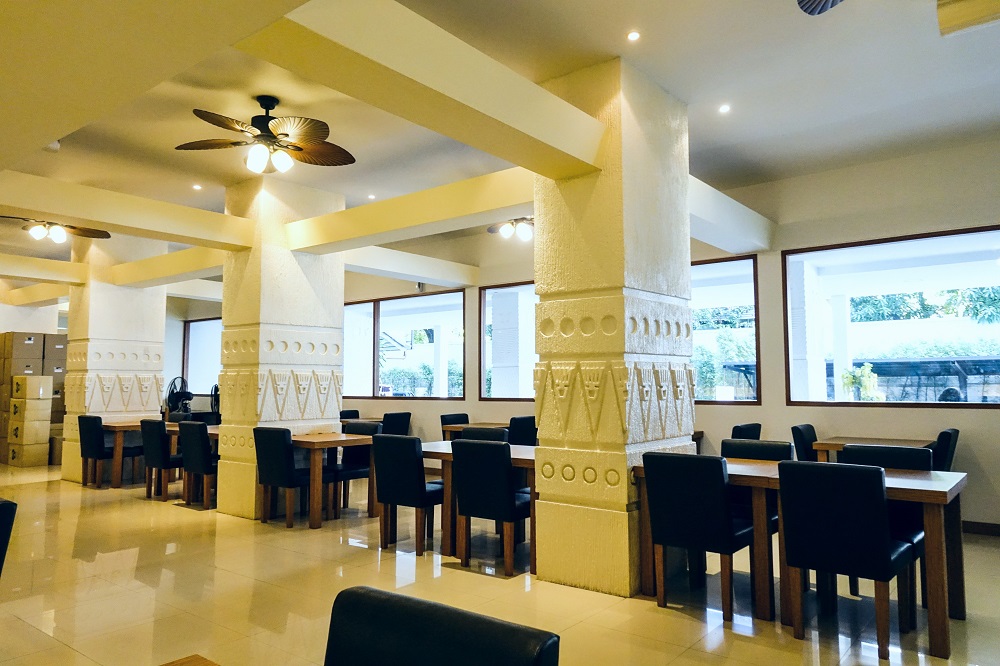
Only a few meters away from red-light sex mall Nana Plaza, the Rajah Hotel still stands today as a serviced apartment with daily, weekly and monthly rates.

The hotel’s lobby, cafe and restaurant remain original Polynesian-style decor. Major renovations are due early next year.

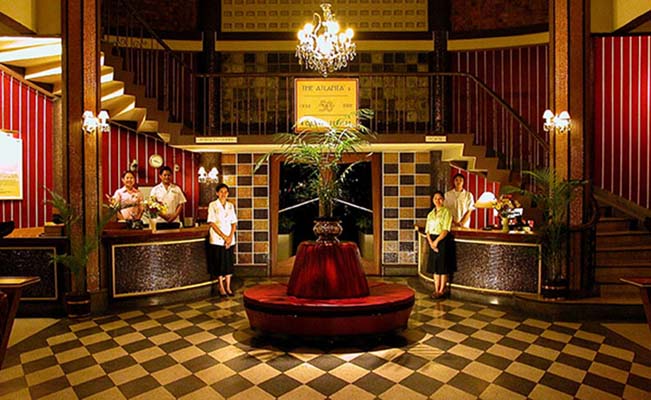
Atlanta Hotel, 1952

Built in 1952 by Berlin-born engineer Max Henn as the Atlanta Chemical Co. deep down Soi Sukhumvit 2, the building later became the Atlanta Hotel.

Today, portraits of Henn and his wife, who was a pharmacist at Chulalongkorn University, hang in the hotel’s photogenic lobby, resplendently decked out with a period-perfect 1940s vibe. The rooms are generally less charming, and prominent signs make it clear that sex tourists are not welcome.

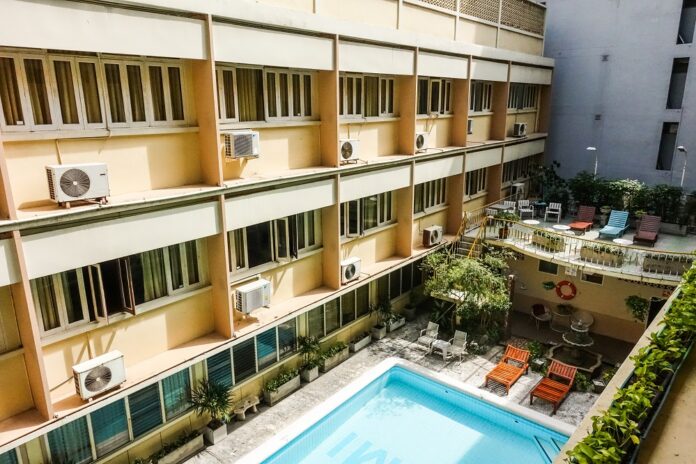
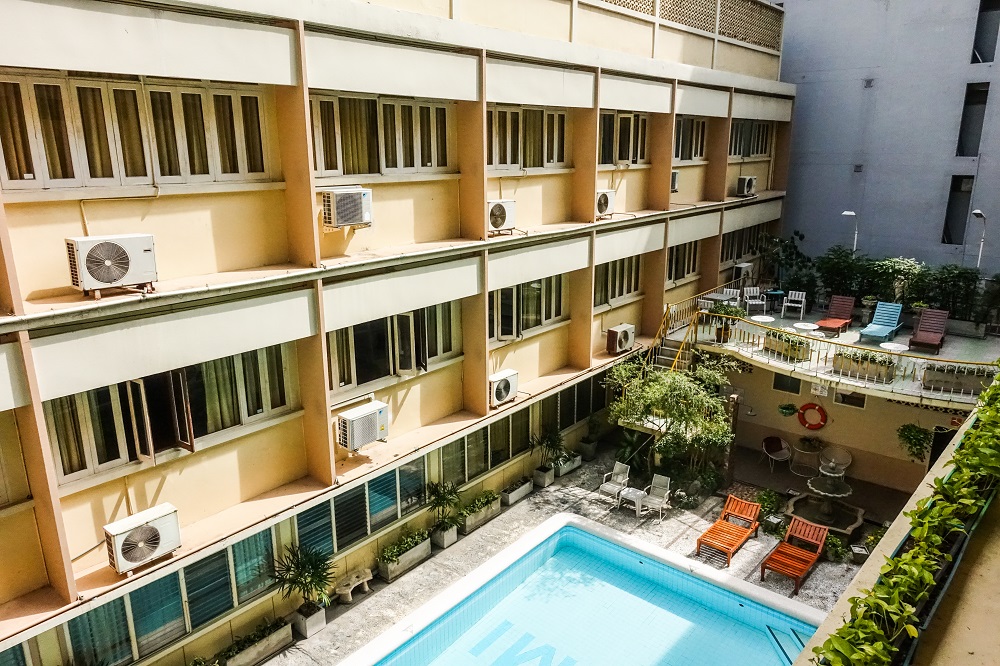
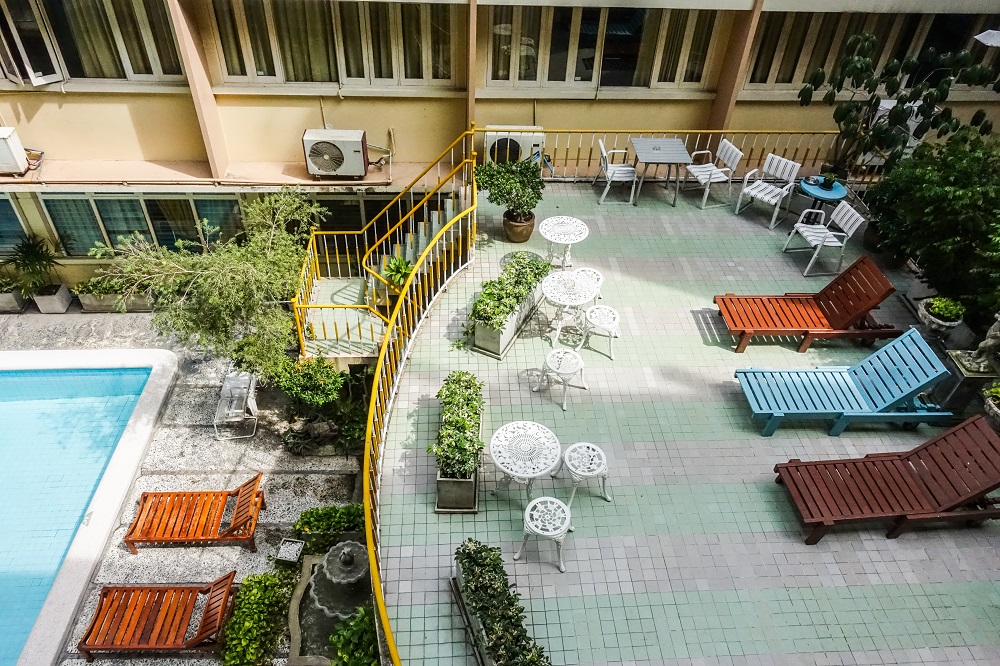
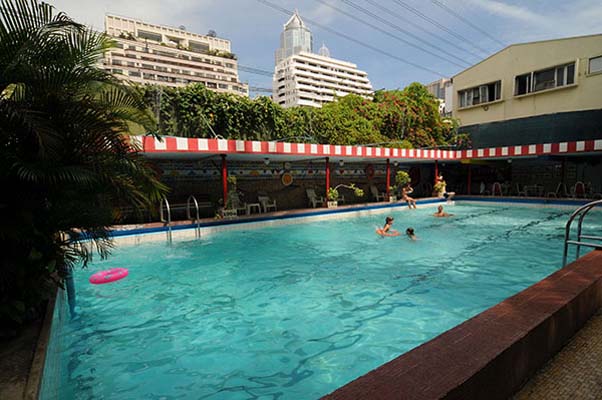
It also claims to be the home of Bangkok’s first hotel swimming pool, built in 1954. A kiddie pool was added in 1957.

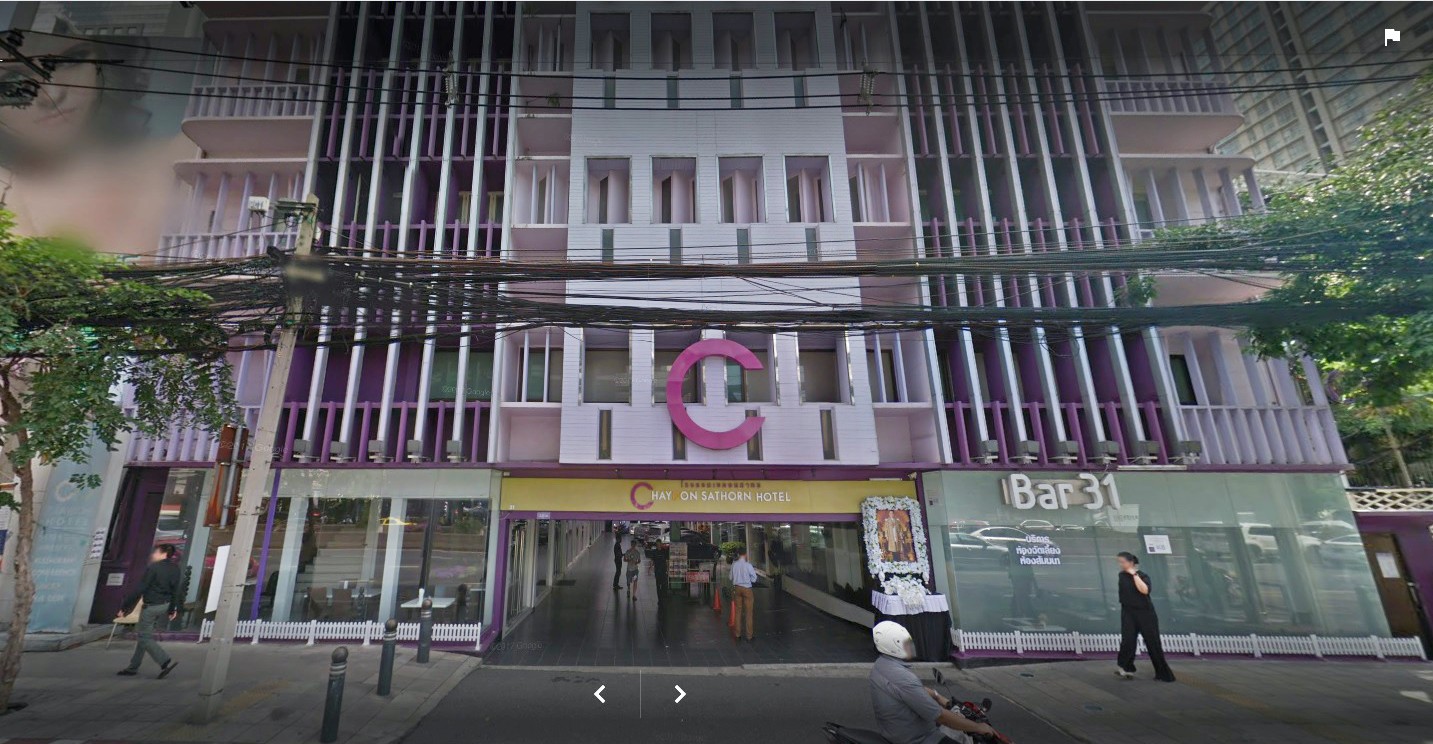
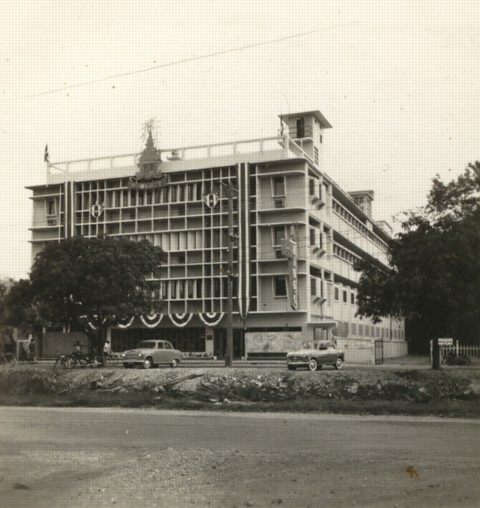
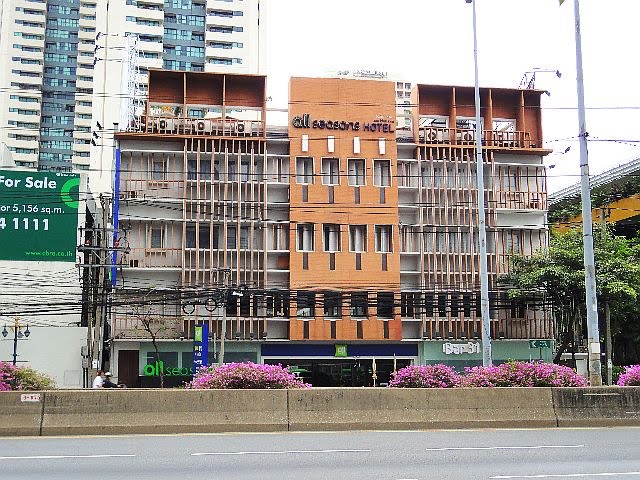
King’s Hotel (Chaydon Sathorn Hotel), 1959

King’s Hotel opened in 1959 on South Sathorn Road next to what was then the Embassy of Malaya and is now the Embassy of Malaysia. It welcomed big-name guests including Gen. Praphas Charusathien, who commanded the army to violently suppress a popular uprising in 1973, leading him to go into exile.

The hotel’s popularity dwindled after US forces left, and today it’s surrounded by newer buildings such as the Alliance Francaise and the Malaysian and Australian embassies.

The hotel was sold to M Hotel Group in 2007, changed its name to All Seasons Hotel, then was renovated into today’s Chaydon Sathorn Hotel.

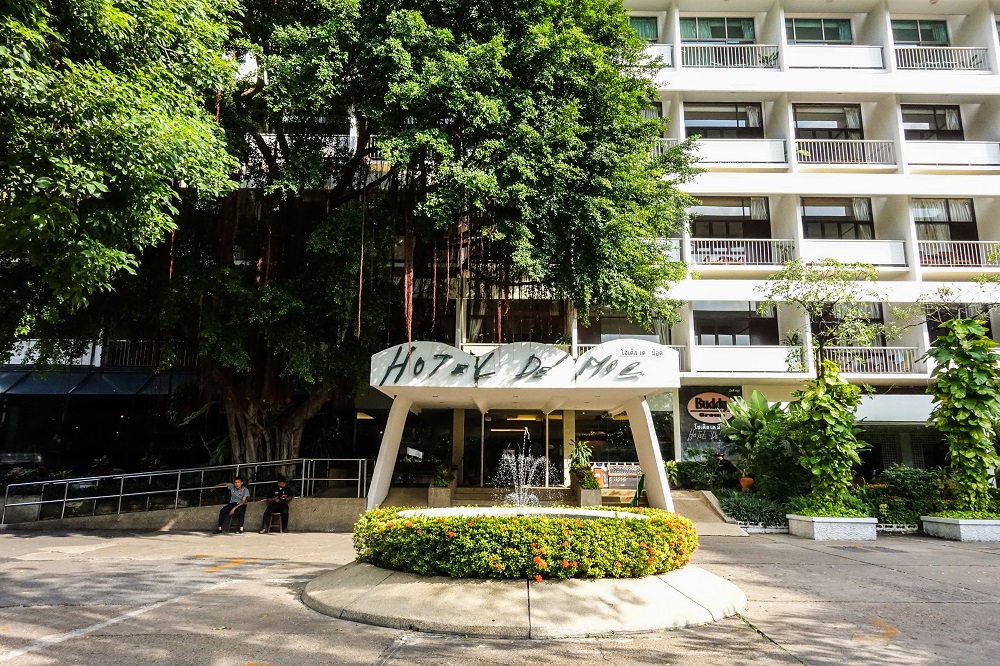
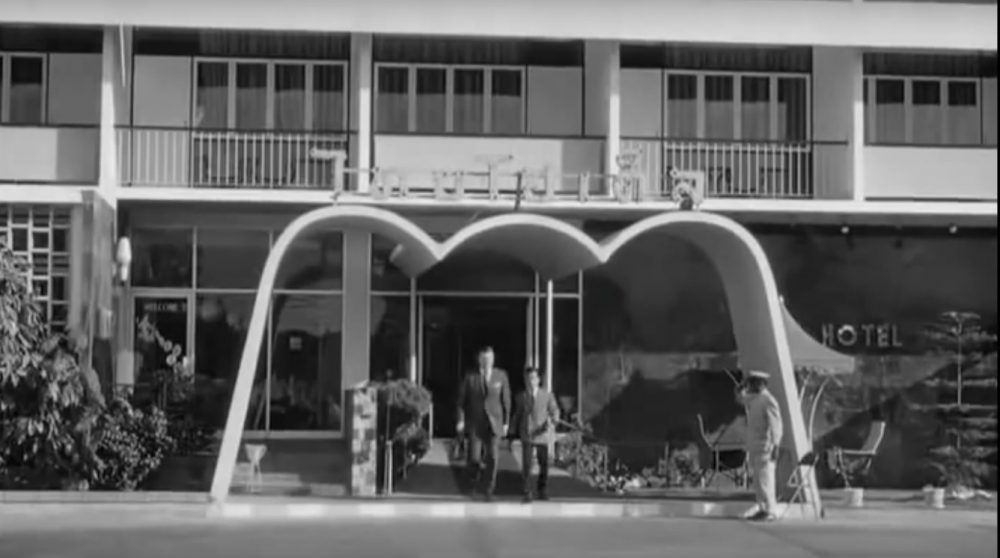
Thai Hotel (Hotel De Moc), 1962

The Thai Hotel opened in May 1962, not far from Khaosan Road and a 10-minute walk from the monument for which would later be renamed. It had its 15 minutes – or seconds – of fame when it appeared in a black-and-white, 1965 spy film “Operation C.I.A.” with a young Burt Reynolds who stayed in room 607.

Years later the hotel was renovated and changed its name to the Hotel De Moc just after the turn of the millennium.

Although half a century has passed, hotel receptionists said they still get guests specifically asking for room 607, reservation manager Sonthi Saiklai said.

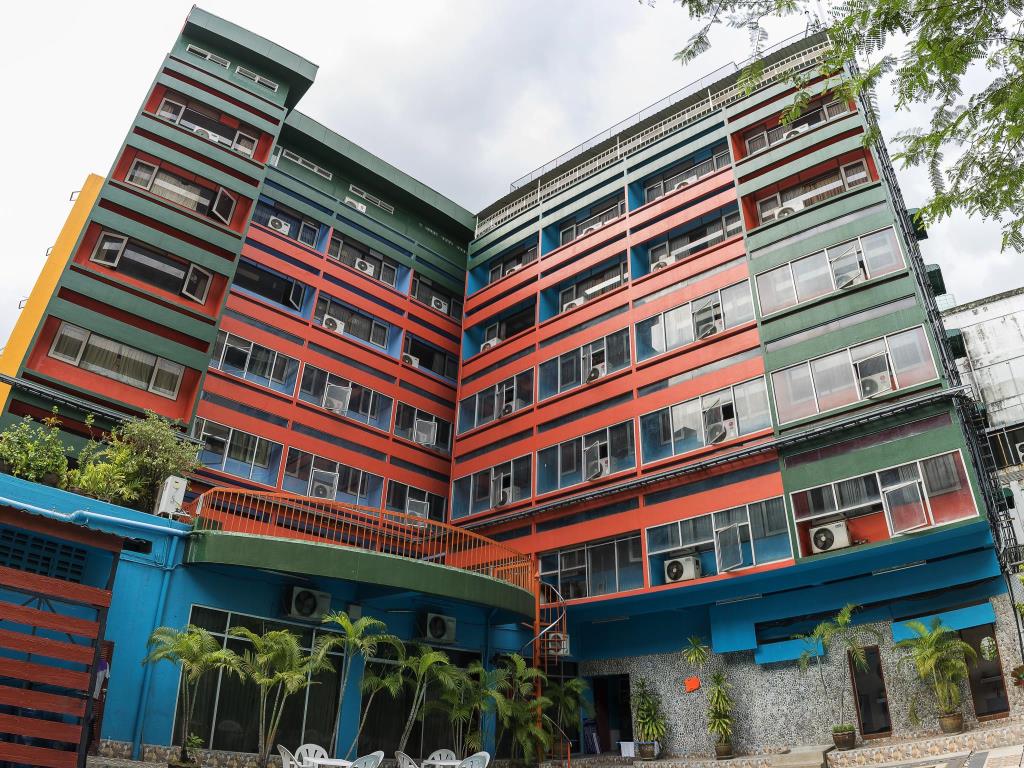
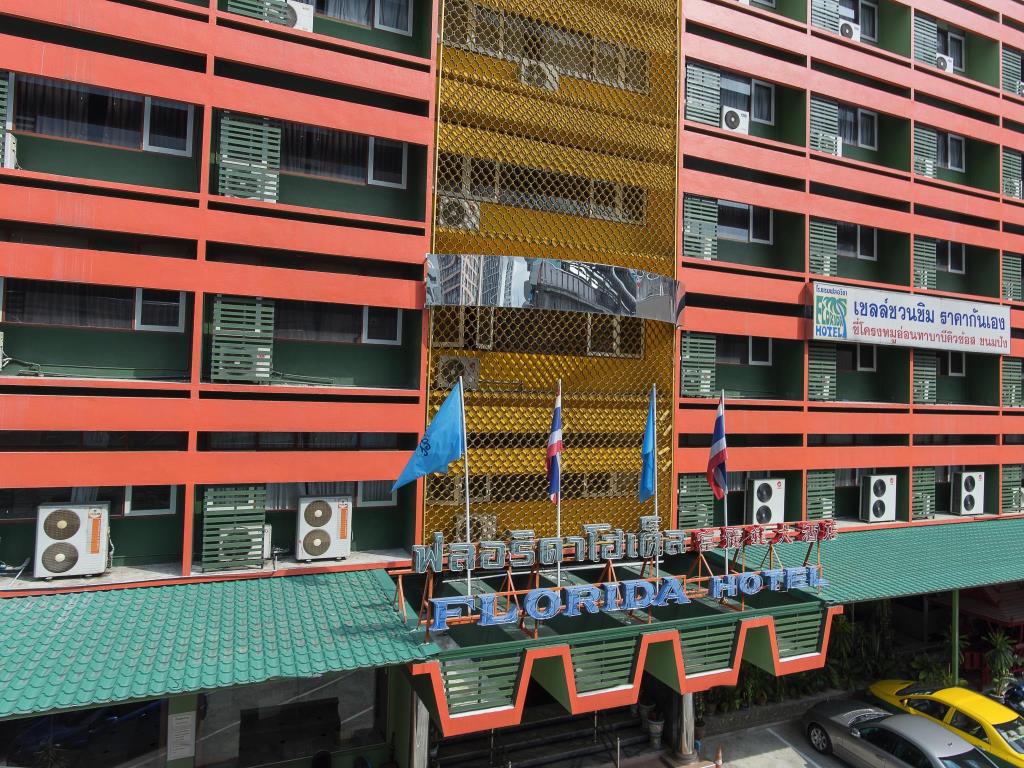
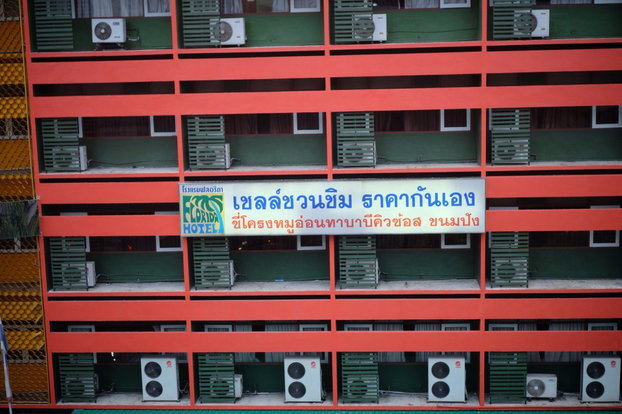
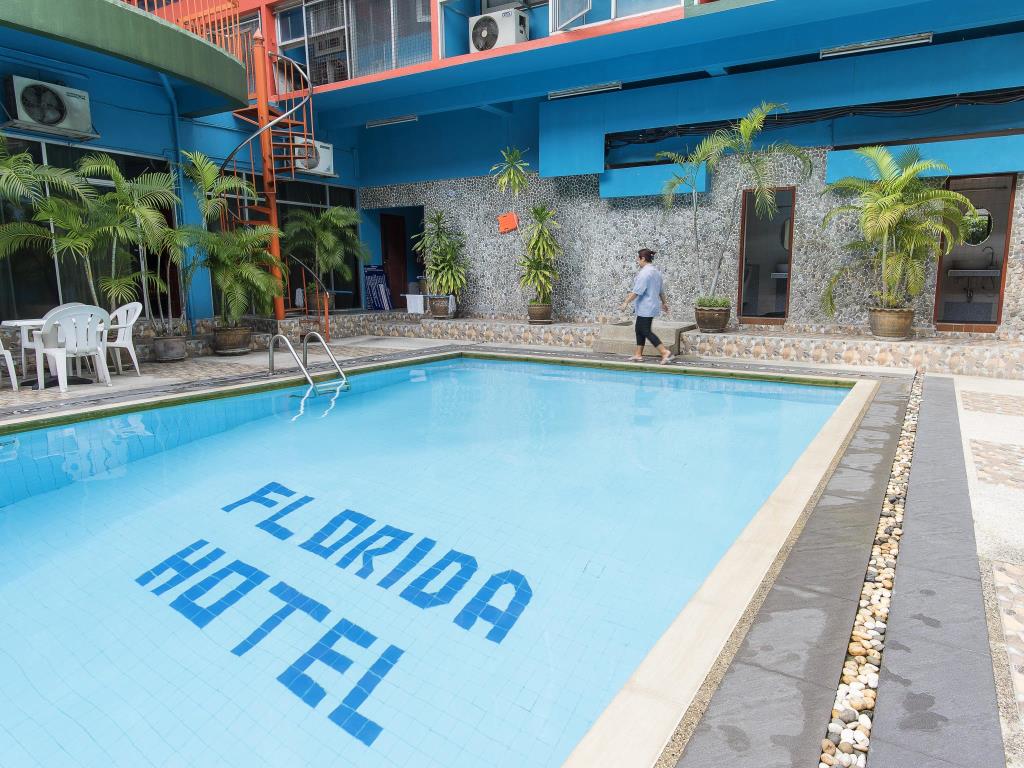
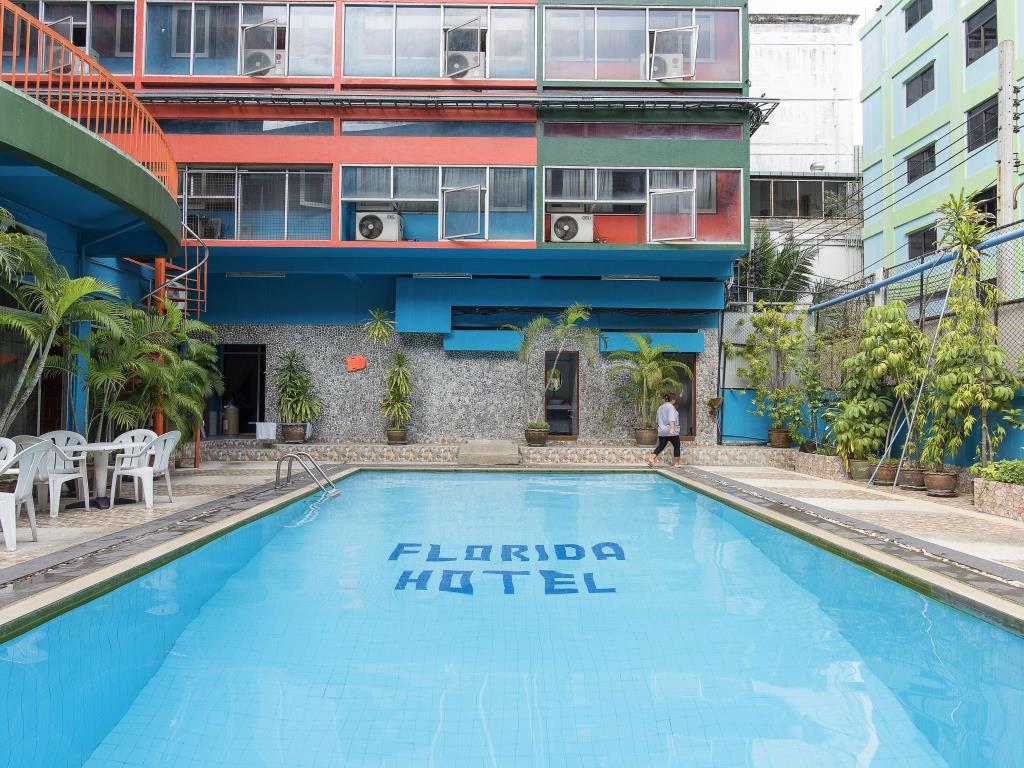
Florida Hotel, 1968

Sitting right at the corner of Phayathai intersection, Florida Hotel offers nearly 70 rooms with retro multicolored facades.

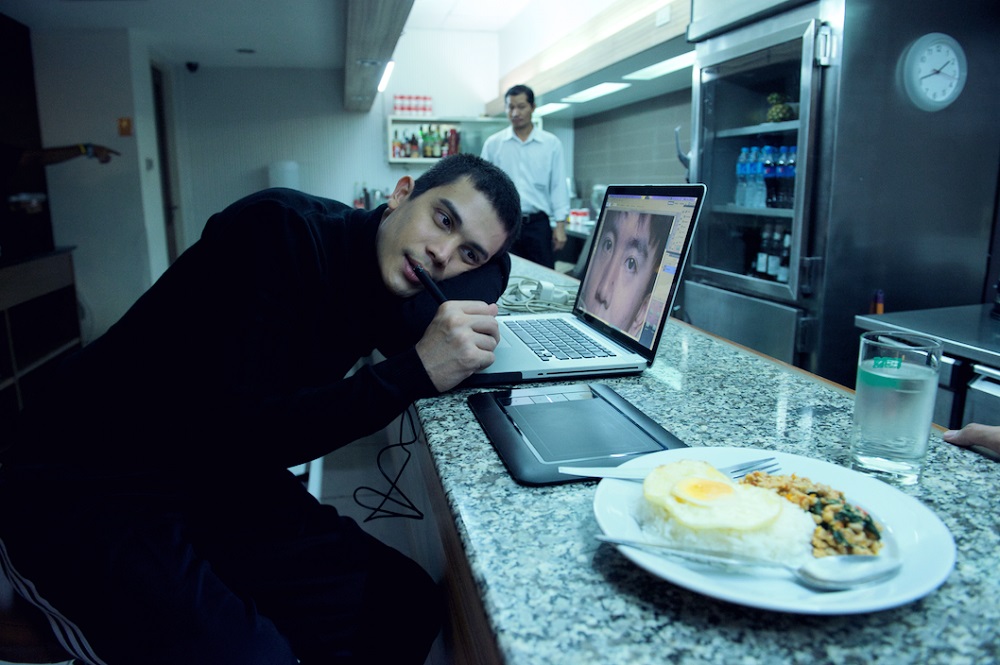
The 3-star hotel’s best trademark is its Thai culinary hallmark “Shell Chuan Chim” where barbecue pork spare ribs, bun and onion soup are musts. A part of the restaurant was displayed through Thai romantic film “Heart Attack.”

Related stories:

A Salute to 50 Years of Late Nights at Bangkok’s Malaysia Hotel


Advertisement

Army Won’t Allow Civilian Inquiry Into Cadet Death

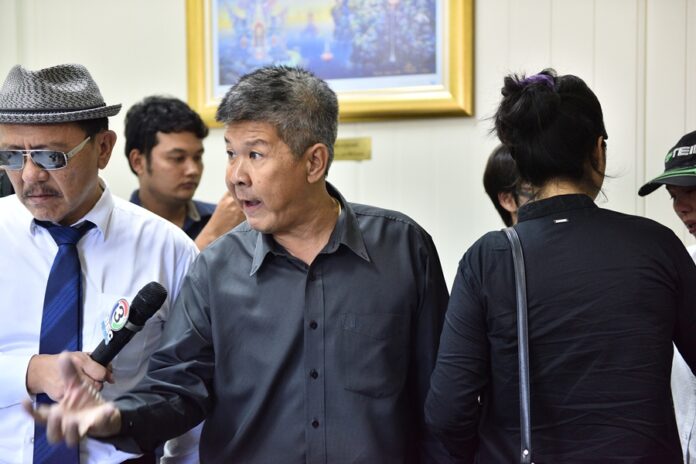
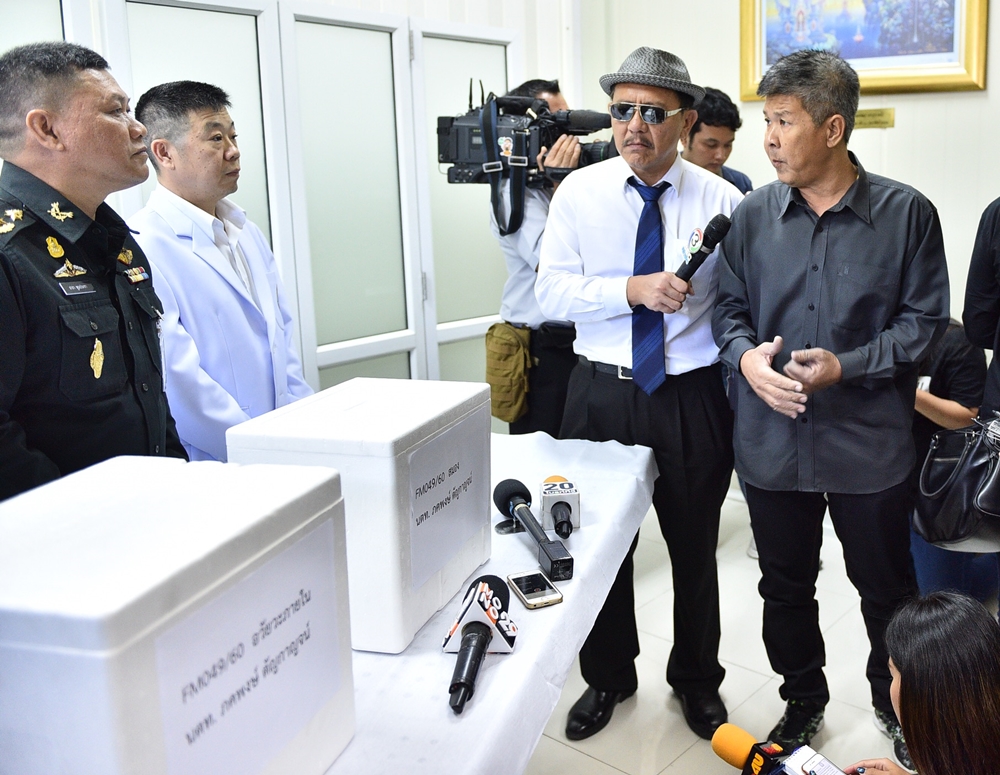
Pichet Tanyakan lashes out at an army rep Thursday at Phramongkutklao Hospital where he picked up his son’s missing organs.

BANGKOK — A defense ministry spokesman said Friday that an independent inquiry into the death of a 19-year-old military cadet is not necessary as the armed forces is already in charge of the matter.

As a war of words escalates between the dead teen’s father and top defense official over the death and subsequent handling of 19-year-old Pakapong Tanyakan’s remains, calls for civilian agencies to investigate how he died at an elite military academy were dismissed by spokesman Kongcheep Tantravanich.

“Please be confident in the impartiality of this investigation,” he said Friday, adding that a committee has already been convened to review the cadet’s death.

Pakapong, whose body was initially returned to his family with vital organs missing, died during training in October. Organs were returned to his family on Thursday after outraged responses to the military’s dismissive response to the family’s suspicions?

The remains are being tested to verify they came from Pakapong at the Central Institute of Forensic Science, which will conduct further forensic examination to determine his cause of death. The institute is independent of the military and police.

The military maintained Pakapong, who was enrolled at the Armed Forces Academies Preparatory School, died of sudden heart failure. His family suspects a more sinister cause, as his body was returned with bruises and broken ribs.

Pakapong’s death drew wide attention not only because he was the latest young man to die under suspicious circumstances in military training, but also because his family discovered that his cadaver was missing several internal organs. They only realized the gruesome fact after suspicions led them to take the body in secret to a private hospital for examination.

‘Did My Son Have to Die?’

When the family received his organs Thursday at Phramongkutklao Hospital, Pakapong’s father Pichet Tanyakan lashed out at deputy junta chief Prawit Wongsuwan for suggesting that hazing, punishment and death are to be expected in the academy.

“Don’t join up, then,” Gen. Prawit, who is the second most powerful member of the ruling junta, quipped to a reporter who asked him how similar fatalities could be avoided in the future.

“He [Prawit] didn’t respect me at all,” Pichet said to an army rep at the morgue Thursday. “Does his mom have to stand here and cry in front of reporters every day?”

S 9076791
Pichet Tanyakan lashes out at an army rep Thursday at Phramongkutklao Hospital where he picked up his son’s missing organs.

He continued, “My son ate, slept, studied and exercised at the academy. Did he have to die for that?”

Pichet grew increasingly agitated and had to be restrained by his wife.

Junta chairman Prayuth Chan-ocha at a Thursday news conference excused his deputy’s remark as being made in anger because reporters were frustrating him with questions.

Prawit declined to speak to reporters today.

Advertisement

Maxim Model Goes to Police Over Online Prostitution Claim (Video)

Apisaya Itthichotianant on Friday at the Technology Crime Suppression Division in Bangkok.

BANGKOK — A former Maxim model filed a complaint Friday against a Facebook page for misusing one of her photos to allege she had become a prostitute.

Apisaya Itthichotianant, aka Guzjung Maxim, went to the Technology Crime Suppression Division this afternoon to file criminal defamation case against “Gu Ja Thum” (Imma Do It) for using her photo in a post suggesting she was now an overseas sex worker, which she alleges has already damaged her modeling career.

“Someone used my photo in a post about foreign prostitution about four or five days ago,” Guzjung said Friday. “I had 10 bookings this past week and now I only have three. Seventy percent [of them] were canceled because of the post,” she said.

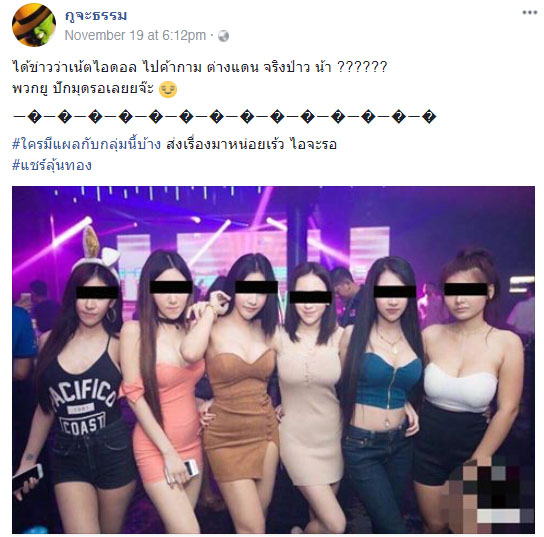
In the allegedly defamatory photo, Guzjung, in a tan dress, poses with a group of friends in nightclub attire.

“I hear nowadays net idols are in the sex trade overseas. I wonder if it’s true?????? You guys, just wait and see. :)” reads the caption accompanying the photo published Sunday evening.

It remains online and has been shared hundreds of times. Apisaya said a fan alerted her to it.

Apisaya, who appeared in Maxim magazine in 2016, said that she suspects one of her “best friend’s rivals” created the page to defame her and her friends.

guz2
The original defamatory post that featured Apisaya Itthichotianant, aka Guzjung Maxim, with her friends alleging they were prostitutes.

05.jpg
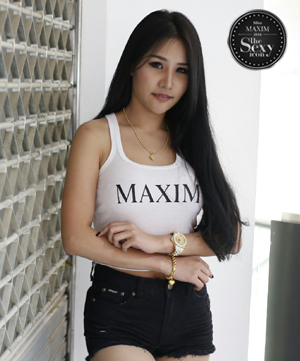
Apisaya in a Maxim photo.
Advertisement

Pro-Thaksin TV Channel Shut Down For 30 Days

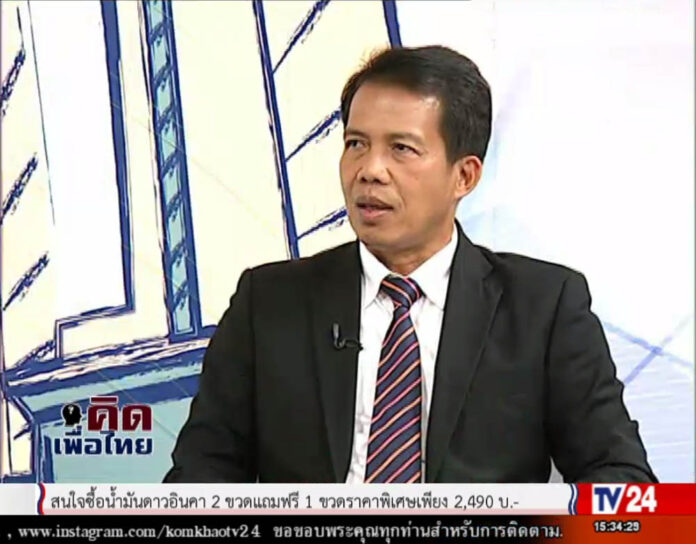
A still image of a live online broadcast Friday by TV24.

BANGKOK — A television station aligned with former premier Thaksin Shinawatra went off the air Friday by order of broadcast regulators for 30 days as punishment for its allegedly biased reporting.
The National Broadcasting and Telecommunications Commission, or NBTC, said satellite station TV 24’s “Sharp News” and “Green Light Thinking” programs had violated agreements made with the regime despite prior warnings.
No details were given as to how the programs were unfair, and executives at the station were unavailable for comment as of Friday afternoon.

Television hostess and pro-democracy activist Nuttaa Mahattana took to Facebook on Thursday to defend the rights of the media to express views and news.

Nutta said the suspension is not just a violation of the press freedoms but the right of the public to be informed.

She added that there are already laws on the books to deal with problematic content, such as the criminal defamation laws.

Media groups have criticized the military government for routinely going after critical media voices through regulatory mechanisms rather than direct censorship.

The NBTC has previously ordered Spring News, Peace TV and Voice TV off the air for programs critical of the ruling junta.

“The suspension of TV 24 for one month is not just a severe violation of rights and liberties but was intended to destroy those who are politically opposed to the dictatorship,” Nutta said.

The station – closely identified with the pro-Thaksin Pheu Thai Party – is still able to disseminate its content online.

Related stories:

NBTC Orders Spring Radio Off Air For Five Days

Media Groups Criticize Shutdown of Voice TV in Rare Show of Solidarity

Voice TV’s ‘Daily Dose’ Ordered Off Air for Discussion of Courts & Military

Voice TV Deepens Self-Censorship by Cutting Political Coverage

Voice TV Pressured to Pull Pundits For Rattling Junta

Redshirt TV Channel Ordered Off the Air

Advertisement

Las Vegas Pot Dispensaries Offer Black Friday Deals

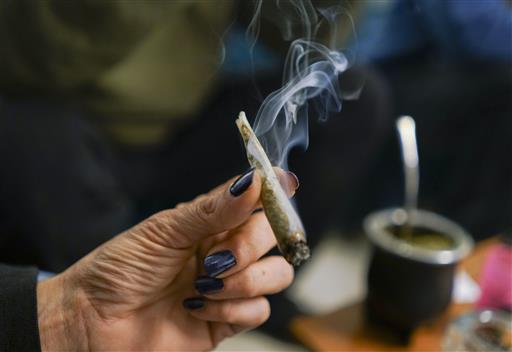
In this June 30, 2016 photo, a person smokes marijuana at the Asociacion de Estudios del Cannabis del Uruguay, in Montevideo, Uruguay. Photo: Matilde Campodonico / Associated Press

LAS VEGAS — Big-box stores won’t be the only ones offering discounts to shoppers in Las Vegas this Black Friday. Marijuana dispensaries are rolling out deals, too.

More than 40 dispensaries in the Sin City area will offer discounts on marijuana flower products, edibles such as chocolates, and concentrates, the Las Vegas Sun reported Wednesday. This will be the first Black Friday since legal sales of recreation marijuana began in Nevada.

“It’s a great stocking-stuffer, and now you can treat it like alcohol in that regard,” said state Sen. Tick Segerblom, who helped legalize recreational pot in the state. “As long as no kids can get to it. It’s for adults only.”

Some dispensaries will offer an eighth of an ounce of select flower products for $35, down from $53. One dispensary will gift shoppers a 10-pack of fruit chew edibles with any purchase, while another one will have a buy-one-get-one-free special on edibles.

Legal sales of recreational marijuana began in the state July 1. Those 21 and older with a valid ID can buy up to an ounce of pot. People can only use the drug in a private home as it remains illegal to consume it in public, including the Las Vegas Strip, hotels and casinos.

“Cannabis use has been misunderstood and vilified in our country for over 80 years, so this day will feel both surreal and celebratory,” said Andrew Jolley, owner of dispensaries and president of the Nevada Dispensary Association. “We’re very excited about the first holiday season of adult-use in Nevada.”

Advertisement

Hot News

LATEST NEWS

Bangkok
overcast clouds
32.8 ° C
36.6 °
32.7 °
68 %
3.3kmh
100 %
Sat
37 °
Sun
36 °
Mon
35 °
Tue
34 °
Wed
33 °