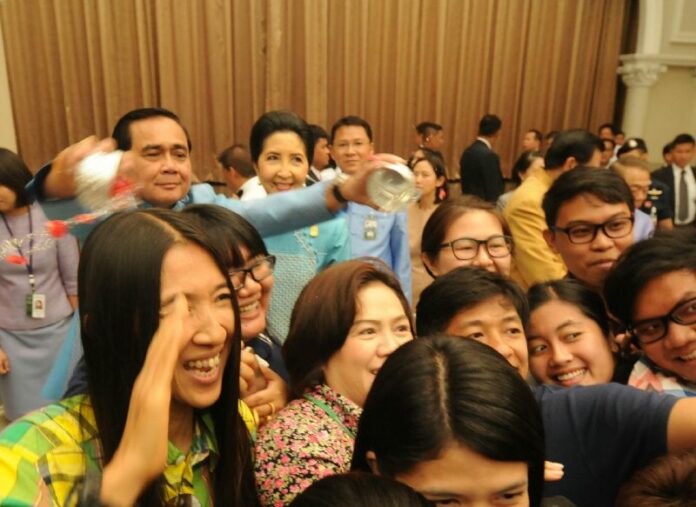
Gen. Prayuth Chan-ocha splashes water on the media on April 12 to mark Thai New Year at Government House
BANGKOK — Weeks after a controversial media bill was sent back to its drafters for revisions, it was back on its way toward becoming law Tuesday with little change.
Drafters continue to insist on establishing a national council with the power to grant and revoke journalists’ licenses despite protests from media professionals nationwide that it be dropped. The full draft has not been made available for review.
The only change in the newly revised bill is that fewer government representatives – two instead of four – will sit on the 13-member committee empowered to regulate all media platforms.
“The two representatives from the government cannot intervene in the media professional council because resolutions would be adopted by voting, “ said the head drafter, retired Air Chief Marshal Kanit Suwannet. “So the other 11 members shouldn’t conform to minority voices from the government’s side.”
The two government representatives would be permanent secretaries of the Culture Ministry and Prime Minister’s Office. The two positions freed up under the proposed changes would be filled by representatives from two nominally independent agencies – the National Human Rights Commission and Consumer Protection Board.
That would make for a committee consisting of five industry representatives, two government appointees, two from the independent organizations and another four deemed to be experts.
Presented as an initiative to “reform” the press, the bill has been marketed by the government as a means to protect press freedoms and establish ethical standards.
In practice, it will require all journalists in the country to obtain a license by the media council in order to work. The council will have the power to fine reporters up to 30,000 baht and revoke their permits to practice journalism if found guilty of breaching clauses in the bill.
Head drafter Kanit said the purpose of the law is to create a “binding force” lacking in the media’s professional self-regulation.
Journalist organizations all over the country have protested the draft as a power grab to quash the independent press by suppressing media beyond the restrictions already put in place by the junta.
The junta-appointed National Reform Steering Assembly on Feb.2 returned the draft to its media reform subcommittee for rewriting – though its spokesman said the assembly already agreed in principle to forming the media council.
Kanit said Tuesday media professionals were defined in the bill as anyone who makes a living directly or indirectly “publishing public information,” including Facebook livestreaming. They will be obligated to take a course to obtain a license.
Kanit said they will have another meeting Monday to make small tweaks to the draft before it is forwarded to the reform assembly on March 2.
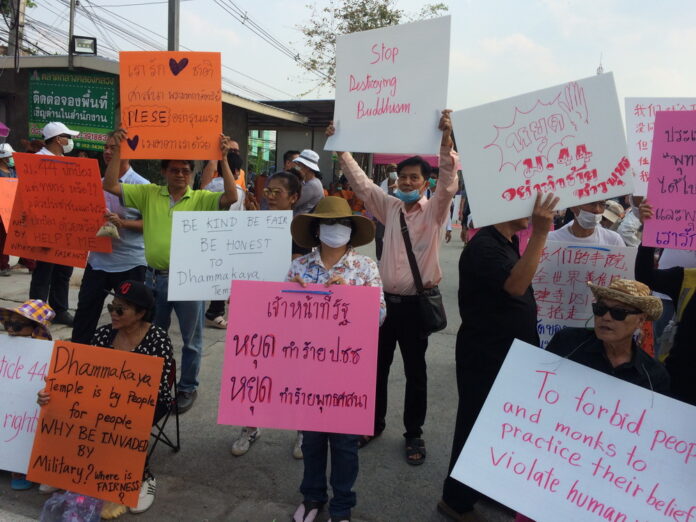
Dhammakaya Supporters hold signs protesting the ongoing siege of the temple complex on Monday.
PATHUM THANI — Wearing a facemask and clutching a rucksack, Umavadee Mitkul said she was camping inside Wat Dhammakaya with thousands of with her fellow worshipers because she wants to protect what’s rightfully hers from the authorities.
“Every baht that made the temple was from our pockets,” Umavadee said on Monday afternoon. “So we are here to protect what our own money has built.”
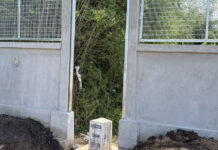
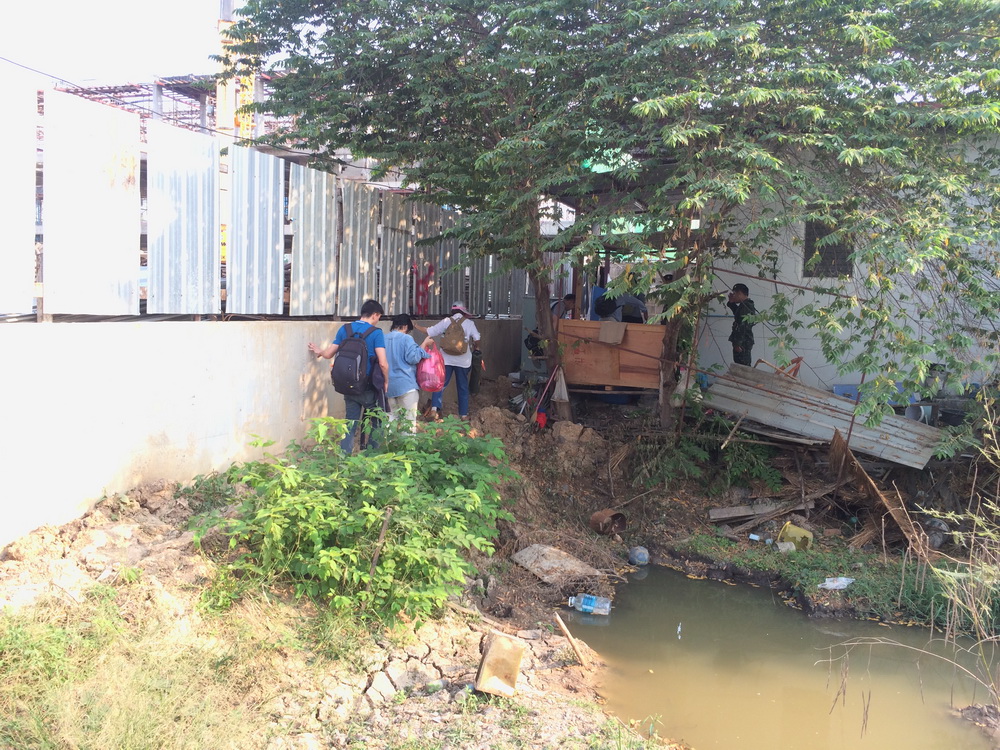
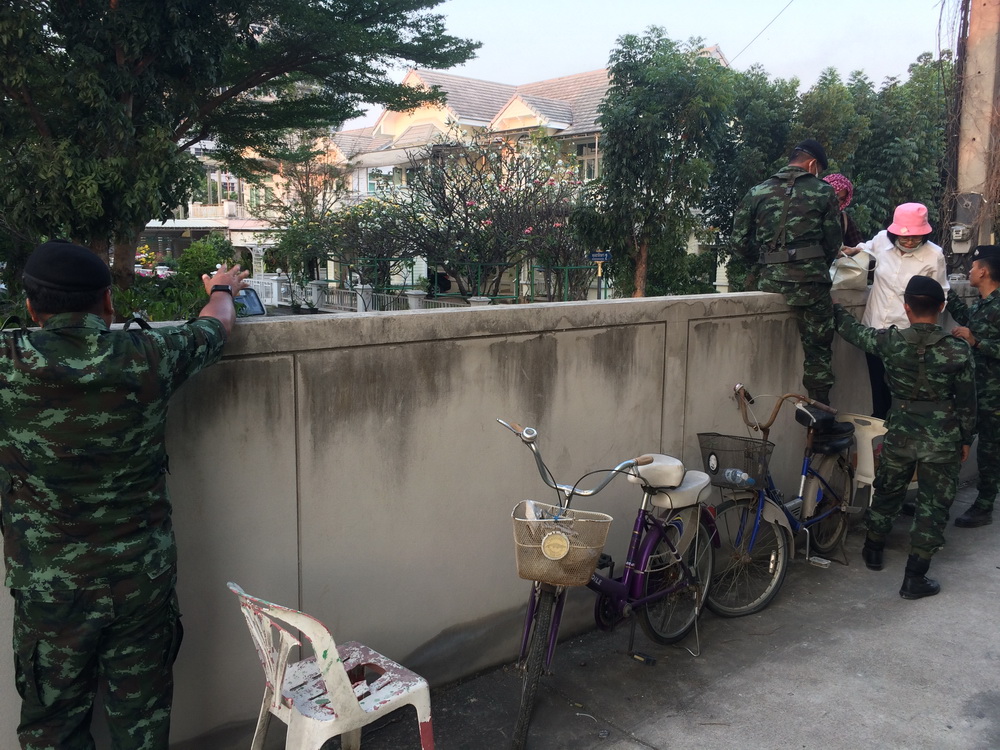
Umavadee spoke late Monday afternoon along a dirt lane running just outside a southern wall of the massive temple complex. It was here that a group of soldiers set up a makeshift ladder and helped pull over a low wall those who wished to leave the compound, which has been under siege by security forces since Thursday. Umavadee said she had to go tend to her elderly mother, but pledged to return.
“I know it would be difficult to go inside the temple again, but if that’s the case, I will send them my moral support,” Umavadee said. “I think I’m doing my duty at my very best.”
Umavadee and about two dozen other worshipers described the situation inside the temple, where an atmosphere of high morale and sense of rightness were felt among those assembled to defend a spiritual leader sought by police on money laundering charges.They also spoke of growing suspicion and mistrust of the authorities that are encircling the property, doubts possibly encouraged by temple elders.
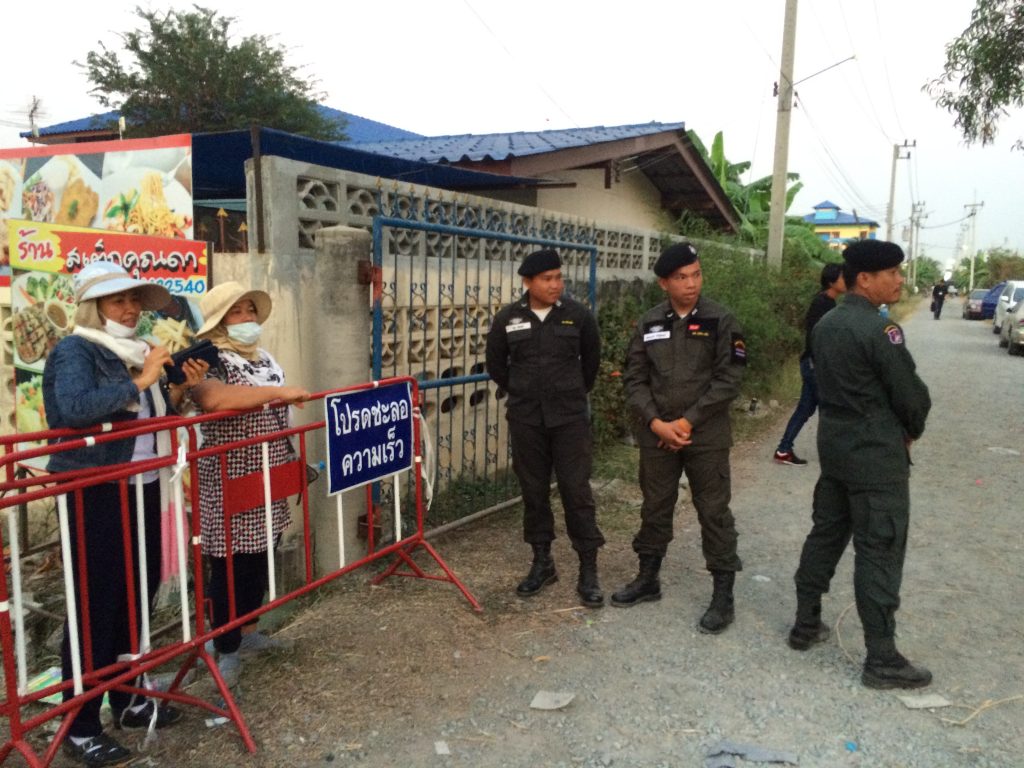
In their effort to locate 72-year-old former abbot Dhammachayo, police and officers from the Department of Special Investigation, or DSI, have blockaded entrances around the temple complex. On Monday, it was an army commander who came up with the idea to provide a way out for those wishing to leave.
Borderlands
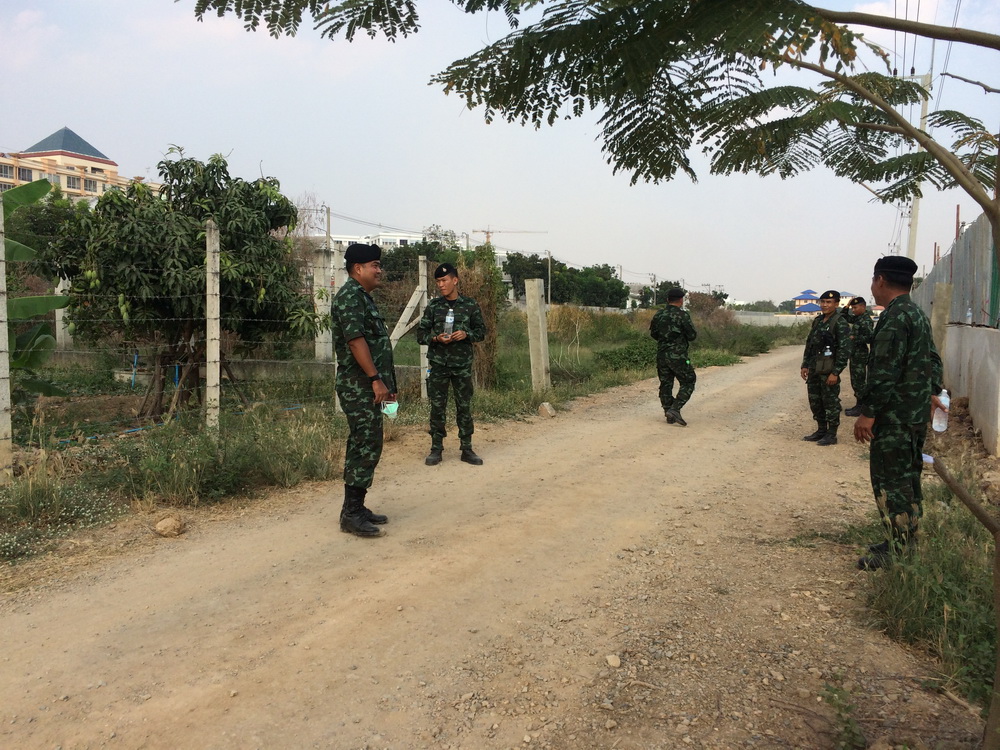
Lt. Col. Kowit Sangkanakara said the original order for his infantry unit was to watch over a section of Wat Dhammakaya’s southernmost wall, but he noticed that a patch of grass and a dirt track between his position and the next unit was unguarded. He could see people wearing backpacks darting through the trees and jumping over the walls, swelling the number of worshipers inside.
It was a vulnerable spot for the security cordon. One could park nearby, wade through shoulder-high grass, cross some open ground and go over a wall directly into Muang Kaewmanee, the residential quarters for Dhammakaya followers.
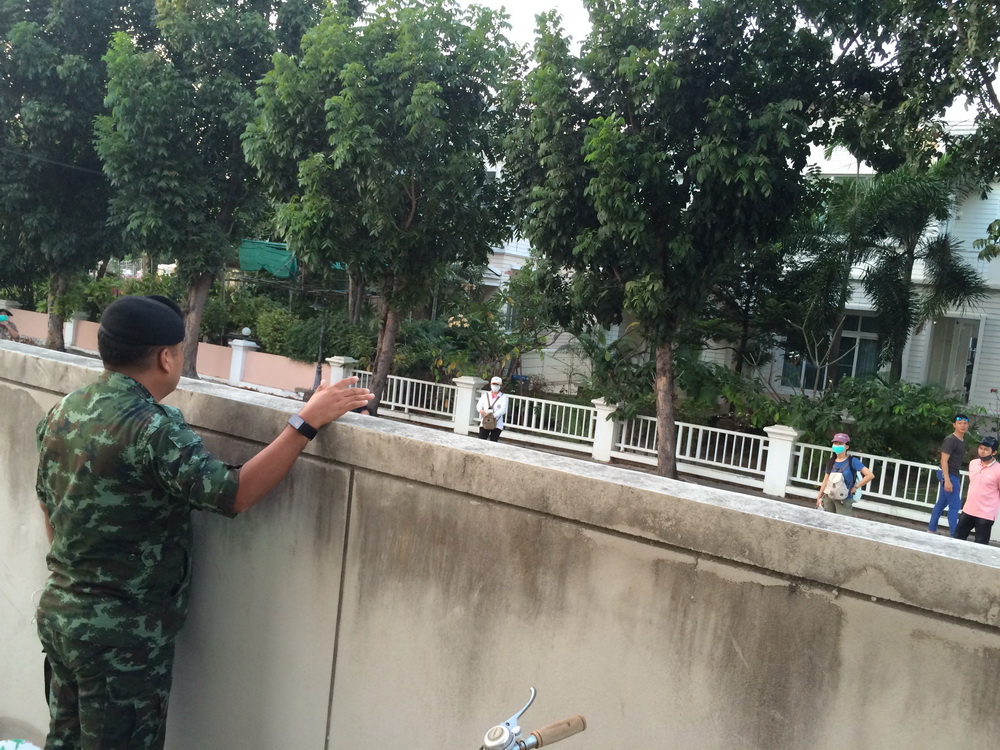
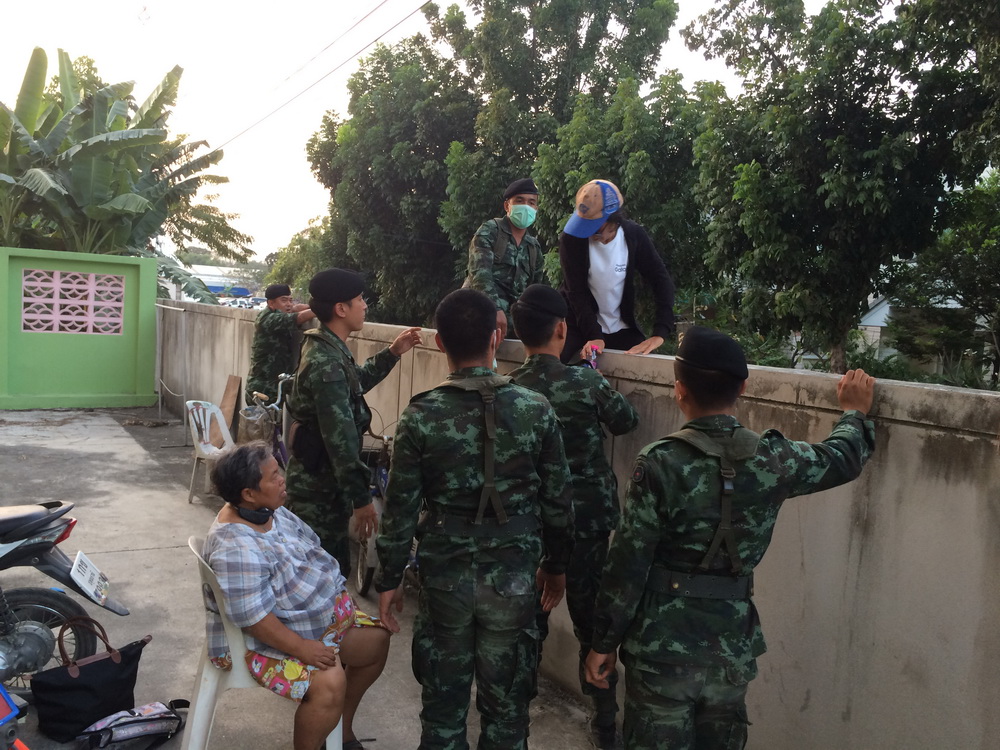
Lt. Col. Kowit Sangkanakara talks over a wall to Dhammakaya supporters standing outside a temple residence on Monday.
“They were having a parade right beside my position. I couldn’t just sit and watch,” Kowit said. After a pause he couldn’t help but admire their physical and mental strength.
“They put us soldiers to shame. You see that wall? I saw a grandmother jumping and climbing it on her own,” he said.
So Kowit led his troops on patrol to deter temple reinforcements. Under an order issued by the junta on Thursday, Dhammakaya Temple was designated a restricted area people can leave but not enter while the search for the elusive Dhammachayo continues. A reporter saw at least three worshipers, clad in distinctive white, stopped and turned away by the patrol.
Apart from people trying to enter, Kowit also noticed those trying to leave. He said some worshipers talked to him over Muang Kaewmanee’s wall and told him they’d rather leave under guard from soldiers because they didn’t trust the police or DSI.
Soldiers guard a dirt lane south of Wat Dhammakaya on Monday.
“We had to talk to them for a big while before they believed us,” the lieutenant colonel said. “They wanted to go home, but they were afraid they would be arrested or photographed, or have their details taken down [by DSI]. But we don’t do that here. If we do that, it’s only going to make things worse.”
‘I Chose to Stand on the Side of Luang Por’
People streamed through Kowit’s small point of egress all Monday afternoon. Most were women. A majority declined to speak, citing either their fear of the authorities or need to leave as quickly as possible. Some gave brief answers before continuing on their way, bags and camping equipment in hand.
“Everything is okay. Everything is calm. We’re not afraid,” one elderly woman said as she made her way to the main road.
Most were nonchalant.
“Things are normal inside,” said a young man who was leaving alongside what might have been his parents. “I’m just leaving to do some business, and we will be back again.”
Another woman had this to say: “I have just one sentence for you: We’re upholding Buddhism. We are not afraid. Luang Por has only done good things for us.”
Supporters of Wat Dhammakaya make their way along the back of a gas station guarded by soldiers to Khlong Luang Road on Monday.
Those who agreed to answer questions offered a passionate defense of both the temple and their charismatic leader, Dhammachayo.
“To put it simply, I’m willing to die for Luang Por. I believe he’s still here,” said a woman who did not give her name for fear of repercussions. “He told us he would fight and die at the temple. He’s a man of his word.”
Another woman, Ruchiraporn Nilaphan, said she was first brought to the temple as a child by her mother.
“I was here when a prayer hall was still thatched with reed, and the great chedi was still just a pile of earth on the ground,” she said. “Back then I wasn’t a devotee like my mother. Because I had heard negative news, I used to be anti-Dhammakaya, too. Until I discovered myself how the temple brought so many good things to my life.”
She said she’s convinced Dhammachayo is innocent, and she believes he wouldn’t receive a fair trial if he turns himself in.
“Whatever he does, he’s never treated fairly,” Ruchiraporn said. “The entire country never treats him fair. And let me tell you, even if he’s arrested, my faith in him would still be the same … I choose to stand on the side of Luang Por.”
Dhammakaya supporters, at left, talk to police officers during a standoff Monday just outside Wat Dhammakaya in Pathum Thani province.
Many mainstream Buddhists view Dhammakaya and its leaders as heretical, largely due to their focus on material wealth. Dhammakaya also boasts strong support among urbanites, businesspeople, politicians and bureaucrats, a network of influence that may have alarmed the authorities.
Two men who declined to give their names questioned the authorities’ use of force in besieging the temple.
“A temple is a place for meditating and praying. Why are they violating our basic rights? It’s strange. Why do they have to do this to us?” one of them said. “I fear there will be a crackdown. I’m afraid there would be loss of lives.”
Thai authorities don’t have a good track record when it comes to dispersing crowds. Deadly force has been used to clear out dissidents repeatedly in the modern era. Many in the temple said the situation reminds them of the October 1976 massacre, when police commandos and paramilitary groups stormed Thammasat University to clear out alleged “communists” and ended up killing scores of students. More recently in 2010, more than 90 people died in a military operation to disperse Redshirt protesters in Bangkok.
Soldiers help pull a Dhammakaya supporter over a wall Monday.
A woman who would not identify herself beyond saying she works as a reporter for a newspaper said she suspects the authorities want to put an end to Dhammakaya for good.
“They spent three days searching already. They couldn’t find him, but they still don’t give up,” the woman said. “They want to overthrow Dhammakaya.”
She said they want to steal the eight statues of Dhammakaya founder Luang Pu Sodh Candasaro, each of which is said to be made from a ton of pure gold.
Asked if she’s concerned the DSI will succeed in driving them out, she said it’s the DSI who should be worried, predicting that temple followers will keep arriving until they encircle the security forces.
“Do you know the principle of ‘jungle surrounding city?’ We have millions of disciples,” she said. “We know what we’re doing. You will see the vijja [teachings] of Dhammakaya are real stuff.”
Everyone interviewed said the monks and worshipers inside are unarmed and only praying for peace.
Fear Factor
Nearly everyone said they had wanted to leave earlier – some said they hadn’t showered for days and that supplies were running low – but they felt too intimidated by the police and DSI to leave through the main gates. They said they feared security forces would photograph them and have their records taken for later prosecution.
A Khaosod English reporter on Thursday witnessed two women being forced to fill out a form with their personal details if they wanted to leave. Officers would not say what the information was for. One question asked the signer what weapons they possessed.
Lt. Col. Kowit, the officer in charge of helping people leave over the wall, criticized the police and DSI for relying on a show of force instead of finding ways for people to leave without repercussions.
Soldiers help pull a Dhammakaya supporter over a wall Monday.
“I think sometimes we focus on strategy and forget other things,” said Kowit, who commanded a battalion from the 2nd Infantry Division.
Speaking via telephone Monday night, police spokesman Krissana Pattanacharoen said he’s not aware of such practices being enforced on the siege line, but acknowledged the DSI might have different procedures.
Nevertheless, he said anyone asked to give up their details would not face any charges or arrests.
Temple monk-spokesman Dantamano Bhikkhu said the DSI initially agreed to let people leave without issue, but they reneged on their agreement.
“When they left, the police took their names and photos. Some of them were harassed verbally. As a result, they’re scared to leave,” the monk wrote in reply to questions. “We negotiated with the DSI about this before. They said they would let people leave but never mentioned taking their names.”
But many temple followers leaving the compound Monday had heard a rumor inside the temple that they would be arrested and fined, even if they left through the exit point guarded by soldiers.
One man cautiously walked along the path to the main road, as guided by soldiers, and called a friend to tell him to follow when he was sure they would not be arrested.
A group of women in their 50s thanked the soldiers for pulling them over the wall and were surprised hear the rumor was untrue.
As the sun began to set, a crowd of worshipers gathered on the Muang Kaewmanee side of the wall. Some called to the soldiers, saying they were told they would be taken into custody if they left.
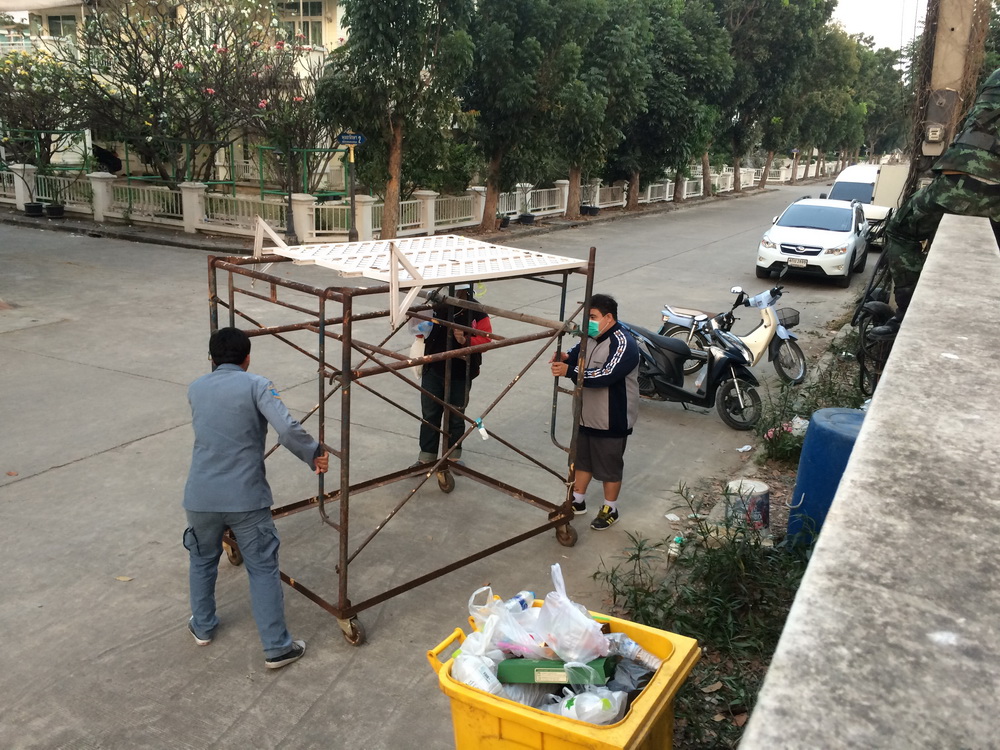
A group of men who identified themselves as Muang Kaewmanee staff remove a makeshift ladder from a wall near housing for followers on Monday inside Wat Dhammakaya.
“They said that someone’s already been fined 10,000 baht,” one woman said. “They said there’s a hidden camera over there, and that [the police] will track us.”
Eventually a group of men, who said they were staff at Muang Kaewmanee, arrived to remove the makeshift ladder set up by the soldiers. They said their administrators “fear trouble” if the evacuation continued.
After several more women crossed the wall, the steps were taken away, and Lt. Col. Kowit pulled back his force. “Our mission here is over!” he called out one last time. “It’s not up to me!”
Kowit said he’s concerned that Dhammakaya leaders might be spreading rumors to keep worshipers inside as “human shields.”
“They are afraid of losing the masses inside the temple. They are using every psychological method to keep the masses inside as much as possible,” Kowit said, adding that he believes more than 1,000 people left through his exit point. “I have to admit, their psy-ops are very, very good.”
Dantamano Bhikkhu, the Dhammakaya spokesman, said everyone is free to leave.
“On the temple side, people are free to come and go as they want. The temple has never stopped anyone from leaving,” he wrote.
Retail products bearing the Healthier Choice Nutrition Symbol.
BANGKOK — Since early this year, a person with leafy arms has begun appearing on food packaging to signify the difference between shameful midnight snacks and healthier fare.
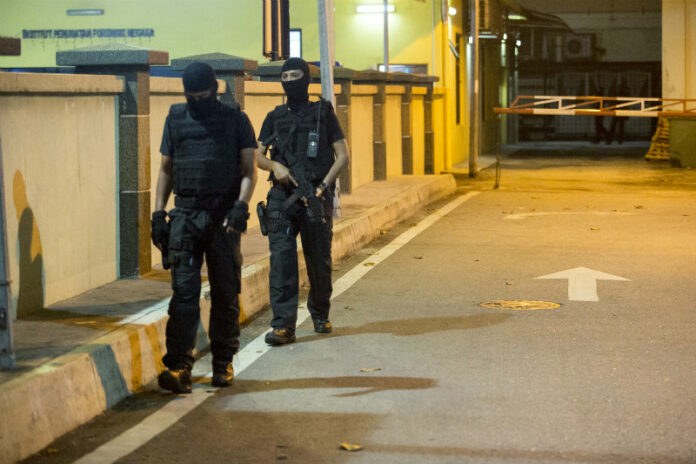
Special Task Force On Organised Crime (STAFOC) police patrol at the National Forensic Institute at Kuala Lumpur Hospital in Kuala Lumpur, Malaysia, Tuesday. Photo: Alexandra Radu / AP
KUALA LUMPUR, Malaysia — The cause of death has not yet been determined for the exiled member of North Korea’s ruling family who died last week after apparently being poisoned in a Kuala Lumpur airport, officials said Tuesday.
The autopsy showed no evidence of a heart attack in Kim Jong Nam’s death, or sign of puncture wounds on his body, Noor Hisham Abdullah, the director general of health, told reporters.
Asked if there was any indication that he had been poisoned, Noor Hisham said medical specimens had been forwarded to experts who can determine the cause of death.
“We have to confirm with the lab report before we can make any conclusive remark,” he said.
No family members have come forward to claim the body, he said. The older half brother of North Korea’s ruler, Kim had spent most of the past 15 years living in China and Southeast Asia.
The attack spiraled into diplomatic fury when Malaysia refused to hand over Kim’s corpse to North Korean diplomats and proceeded with at least one autopsy over the diplomats’ objections. The two nations have made a series of increasingly angry statements since then, with Malaysia saying it was following its legal protocols, and North Korea insisting Malaysia is working in collusion with its enemy South Korea.
Police have so far arrested four people carrying identity documents from North Korea, Malaysia, Indonesia and Vietnam. Those arrested include two women who were allegedly seen approaching Kim on Feb. 13 as he stood at a ticketing kiosk at the budget terminal of the Kuala Lumpur airport.
Surveillance video, obtained by Japan’s Fuji TV and often grainy and blurred, seems to show the two women approaching Kim Jong Nam from different directions that morning. One comes up behind him and appears to hold something over his mouth for a few seconds.
Then the women turn and calmly walk off in different directions. More video shows Kim, a long-estranged half brother of North Korea’s ruler, walking up to airport workers and security officials, gesturing at his eyes and seemingly asking for help. He then walks alongside as they lead him to the airport clinic.
Fuji TV has not revealed how it acquired the video, which was taken by a series of security cameras as Kim arrived for a flight to Macau, where he had a home.
Kim, who was in his mid-40s, died shortly after the attack, en route to a hospital after suffering a seizure, Malaysian officials say.
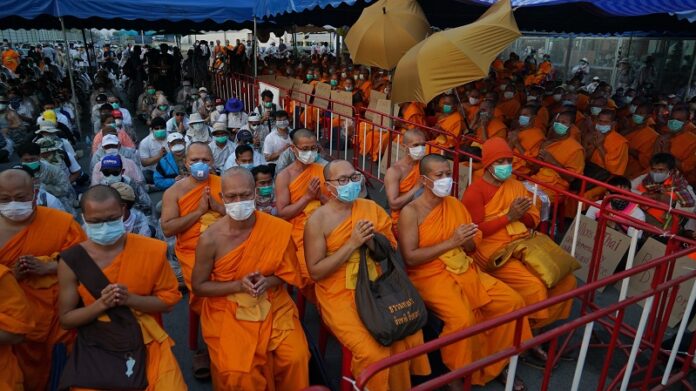
Buddhist monks of the Dhammakaya sect sit anticipating a police raid outside the Dhammakaya sect temple Sunday in Pathum Thani. Photo: Dake Kan / Associated Press
BANGKOK — A day after brief skirmishes broke out between police and monks and devotees of Wat Dhammakaya, the temple Tuesday banned journalists from three television stations from its property.
Accusing the stations of “very biased” reporting, the temple announced it would not grant access to Nation TV, T News and Amarin TV to cover the ongoing conflict over attempts to arrest its former abbot, Phra Dhammachayo.
Dhammachayo is wanted on money laundering and about 300 other charges. Citing illness, he refused to turn himself in last year and has been a fugitive since then. The temple, located in northern metro Bangkok, says the charges are politically motivated.
“Yes, they are banned as they showed very biased news and rumors of third party [agent provocateurs],” said a temple spokesman who asked not to be named. “We’re afraid the third parties might try to make a scene and frame devotees.”
Last Friday a temple source said they worried someone might bring illegal material such as pornography into the compound to damage their image.
The source said journalists from the three stations would no longer be allowed inside the sprawling temple compound, even if the Department of Special Investigation, which is in charge of the operation, opened a gate to allow reporters inside. “All three [stations] showed many incorrect and biased news,” said the source, adding that while the ban was indefinite, all other press were welcome.
As of Tuesday afternoon, Nation TV President Adisak Limparungpata did not respond to a message sent via social media asking whether the temple’s ban infringes on press freedom.
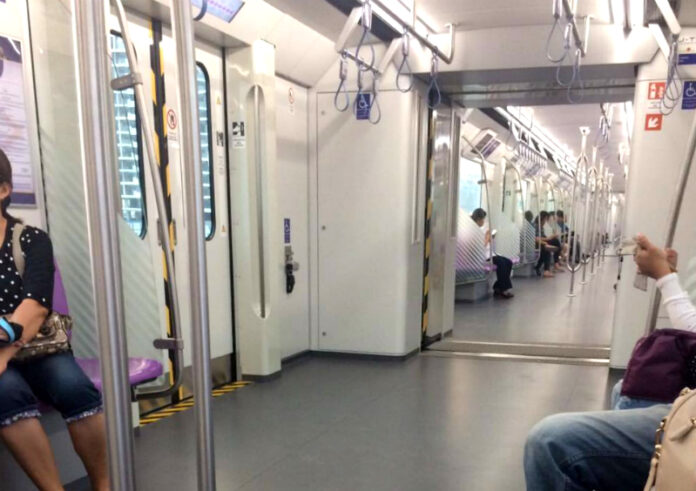
Few passengers seen Sunday on a nearly empty MRT Purple Line train.
BANGKOK — Until the missing link between the new Purple Line and MRT Bang Sue is completed, passengers will pay a flat rate to travel between any of its 16 stations on weekends and holidays.
To boost the 7-month-old line’s low ridership, passengers will pay flat fares of 15 baht starting March 4 for all destinations on weekends and national holidays. The flat rate for students will be 14 baht and 8 baht for senior citizens.
Transit authority head Peerayuth Singpattanakul said the policy is aimed to increase use of the Purple Line, which is seeing just over 10 percent of its expected use. Where 200,000 daily passengers were expected, roughly 23,000 board daily.
The extension runs from MRT Tao Poon, about one kilometer west of MRT BTS Bang Sue, northwest through Nonthaburi province.
It will be in effect until the rail link between those two stations is operational, which should result in increased use. Although the primary construction is complete, the link isn’t running yet due to disagreement over contracting an operator for the train.
It finally saw some progress last week as the same company who runs the original MRT Blue Line, Bangkok Expressway and Metro PCL., was contracted to implement the system and run the link for two years in exchange for 918 million baht.
The Transport Ministry said it would be ready in August.
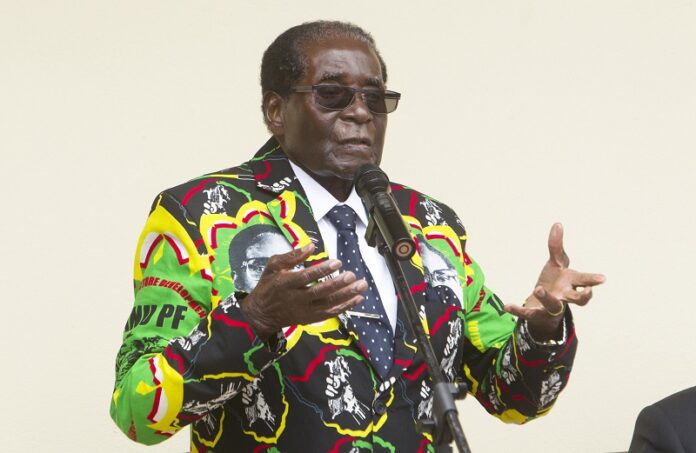
Zimbabwean President Robert Mugabe addresses party supporters at a conference last December in Masvingo, Zimbabwe. Photo: Tsvangirayi Mukwazhi / Associated Press
HARARE, Zimbabwe — As the world’s oldest head of state approaches his 93rd birthday on Tuesday, Zimbabwe has been planning a party for thousands of people in honor of President Robert Mugabe. For weeks, state television has led its broadcasts with tributes.
But those closest to Mugabe, who has led this southern African nation for nearly four decades, appear to be finally looking ahead to a future without him, amid uncertainty.
The ruling ZANU-PF party has already endorsed Mugabe as its candidate in next year’s election, and the president has declared that he would like to live until he’s 100 and rule for life.
In an interview published Sunday ahead of his birthday, Mugabe said he wasn’t ready to step down, adding that he would not groom a successor either.
“A successor is groomed by the people. The majority of the people feel that there is no replacement; a successor who to them is acceptable, as acceptable as I am,” he was quoted as saying by the state-run Sunday Mail newspaper.
Analysts say recent statements by his wife, however, might be more telling as Mugabe shows signs of slowing down.
Headlining her first political rally in months on Friday, First Lady Grace Mugabe spoke to a crowd of thousands not about the birthday celebrations but about the possibility of her husband’s death.
“If God decides to take him, then we would rather field him as a corpse” in the upcoming election, she said. “We will put his name on the ballot paper just to show that people love their president.”
The first lady has previously said she would get her husband a wheelchair if necessary and push it for him so that he can continue to rule.
Attention, however, is on a post-Mugabe scenario, said political analyst Alexander Rusero.
In the event of the president’s death, resignation or incapacity, the first vice-president takes over for the remainder of the term, according to the constitution.
The catch is that Zimbabwe has two vice presidents. Both belong to bitterly opposing factions and neither is designated as the official first vice president.
This could mean a messy succession, say legal experts.
“But then, that is how Mugabe has played it all along, ensuring that his succession remains a mystery by playing one faction against the other,” said Gabriel Shumba, a human rights lawyer and chairman of the South Africa-based Zimbabwe Exiles Forum. “It may have served him well, but the downside is that Zimbabwe will be plunged into horrible uncertainty once he is gone.”
Mugabe has led the ZANU-PF party since 1975 and has been the country’s leader since 1980, when Zimbabwe attained independence from white minority rule.
Admired as a statesman during the early years of independence for reconciling with the country’s former colonizers, Mugabe later became an international pariah following alleged human rights abuses and electoral irregularities.
The country’s once-prosperous economy is imploding, bringing more pressure from the opposition and frustration from a restless population.
The government has failed to pay salaries on time since June, public hospital doctors are on strike and cash shortages are driving the economy to the edge. Nationwide protests broke out last year, rallied via social media.
Amid these troubles, it is the political uncertainty that has caused the most concern. Even the president has grumbled. “Some are busy plotting succession in the party, they say: ‘When will this old man die? He is refusing to die,” he said in November.
A key figure in the succession talk is Vice President Emmerson Mnangagwa, who is also justice minister and an associate of Mugabe dating to the guerrilla war against minority rule in what was then Rhodesia.
Then there is “G40,” short for Generation 40, a group of younger ruling party members that is associated with Mugabe’s 51-year-old wife.
Grace Mugabe has said she has no plans to be president. But recent statements by the party’s youth leader, who is closely associated to her, that Mugabe should only be replaced by a Mugabe has fueled speculation that she could be positioning herself to take power.
Grace Mugabe has been raising her political profile, headlining rallies where she donates tons of clothing, rice and cooking oil.
“When you are cooking, always remember this delicious food came from mother,” she said on Friday.
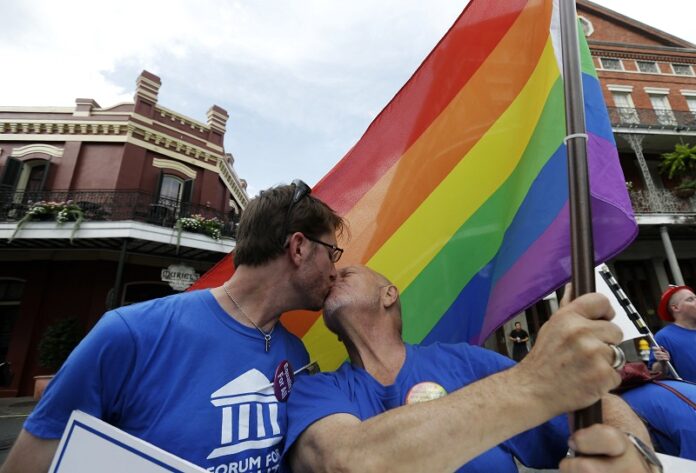
John Hill, chairman of the Forum For Equality in Louisiana, right, kisses his partner, John Weimer, Jr., at a celebration rally IN 2013 in Jackson Square in New Orleans. Photo: Gerald Herbert / Associated Press
CHICAGO — Teen suicide attempts in the U.S. declined after same-sex marriage became legal and the biggest impact was among gay, lesbian and bisexual kids, a study found.
The research found declines in states that passed laws allowing gays to marry before the Supreme Court made it legal nationwide. The results don’t prove there’s a connection, but researchers said policymakers should be aware of the measures’ potential benefits for youth mental health.
Suicide is the second-leading cause of death for all U.S. teens. Suicidal behavior is much more common among gay, lesbian and bisexual kids and adults; about 29 percent of these teens in the study reported attempting suicide, compared with just 6 percent of straight teens.
Laws that have the greatest impact on gay adults may make gay kids feel “more hopeful for the future,” said lead author Julia Raifman, a researcher at Johns Hopkins’ Bloomberg School of Public Health.
The measures also could create more tolerance and less bullying, making these teens feel less stigmatized. Those effects could also benefit straight teens but more research is needed to determine how the laws might influence teen behavior, Raifman said.
The researchers analyzed data on more than 700,000 public high school students who participated in government surveys on risky youth behavior from 1999 through 2015, the year the Supreme Court legalized same-sex marriage.
About 230,000 students reported being gay, lesbian or bisexual. The surveys didn’t ask about transgender status. They included questions about suicide attempts, smoking and alcohol or drug use.
In 32 states that enacted same-sex marriage laws during the study, suicide attempts dropped 7 percent among all students and 14 percent among gay kids after the laws were passed. There was no change in suicide attempts in states without those laws.
The study only included suicide attempts, not deaths.
The new work makes an important contribution to identifying how laws limiting gay rights may affect psychological and physical health, said Columbia University public health researcher Mark Hatzenbuehler.
But more research is needed to determine which teens are most vulnerable to policies that limit gay rights, he wrote in an accompanying editorial.
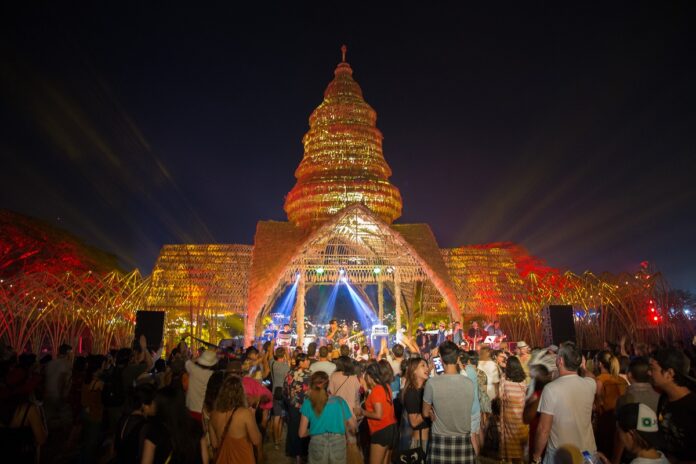
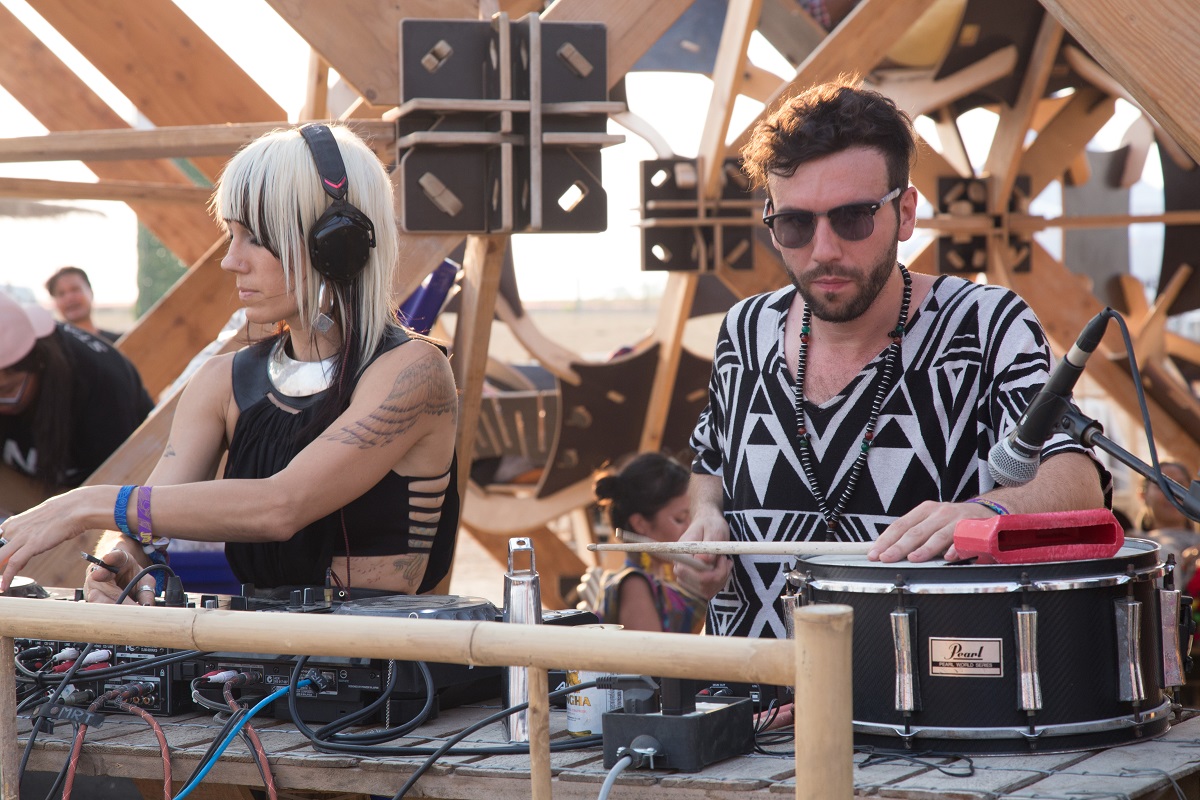
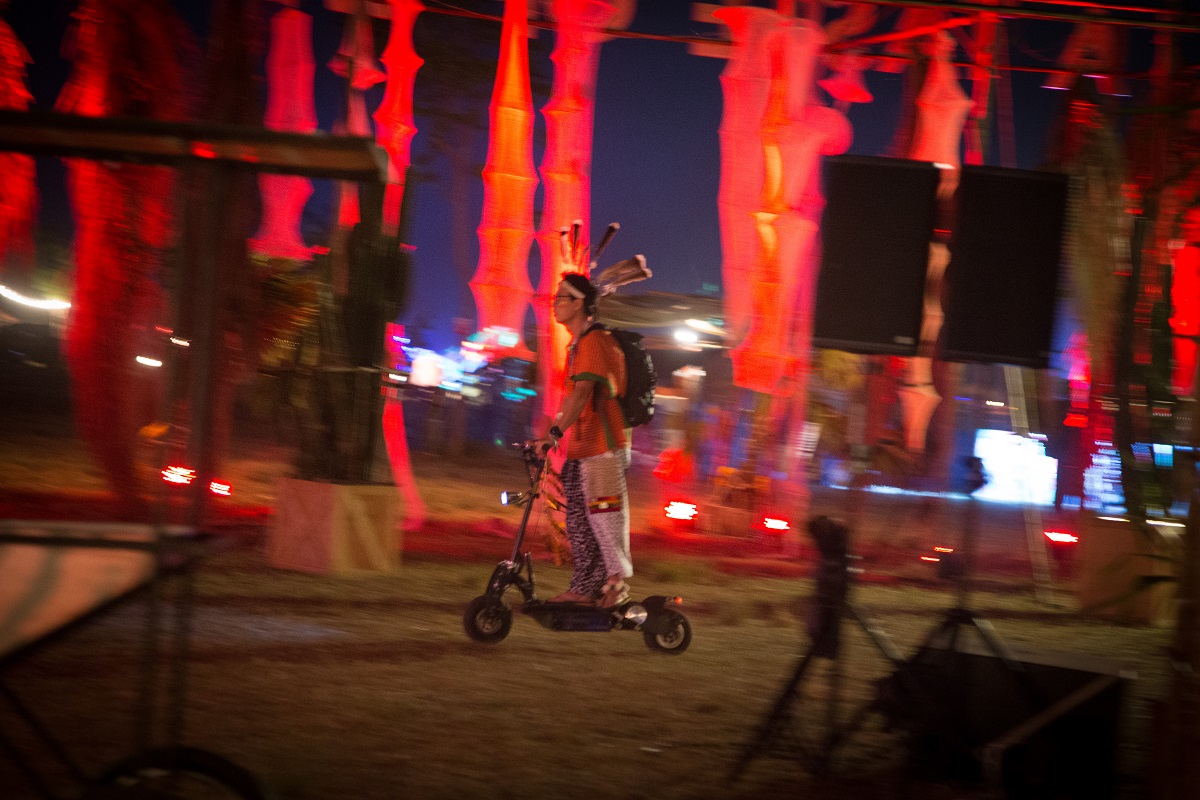
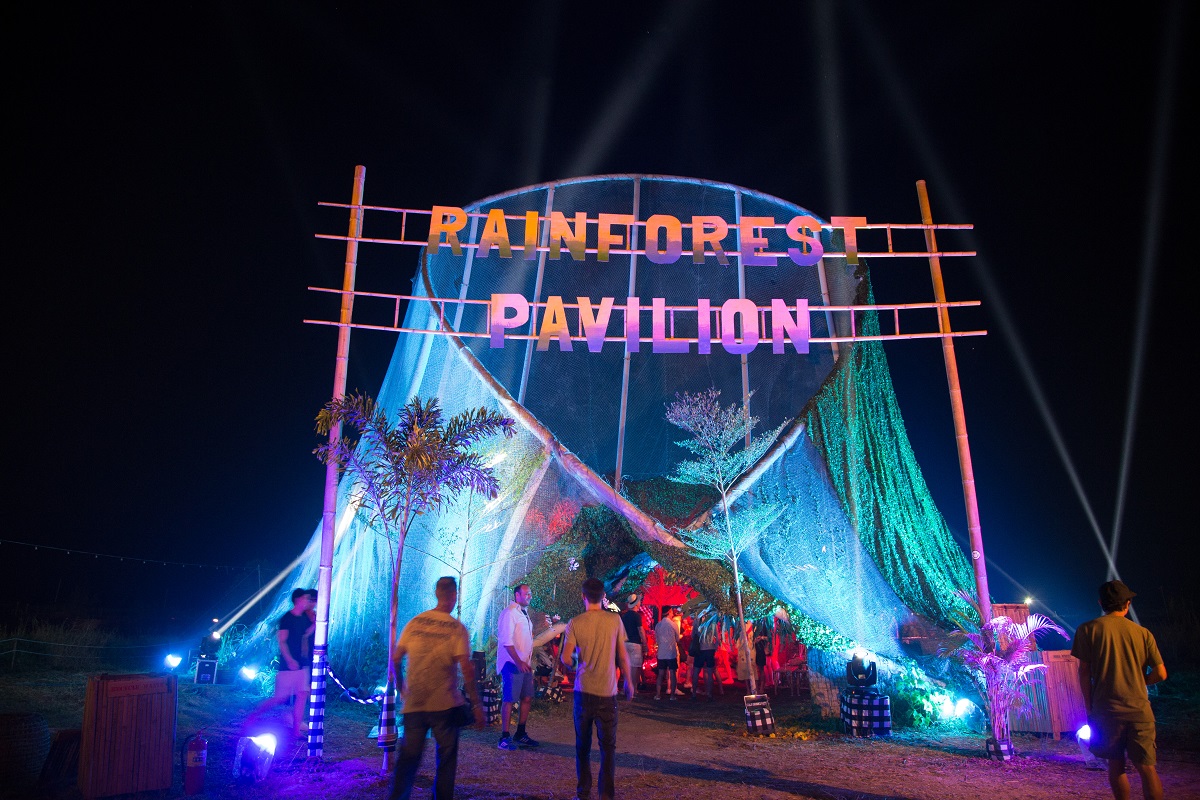
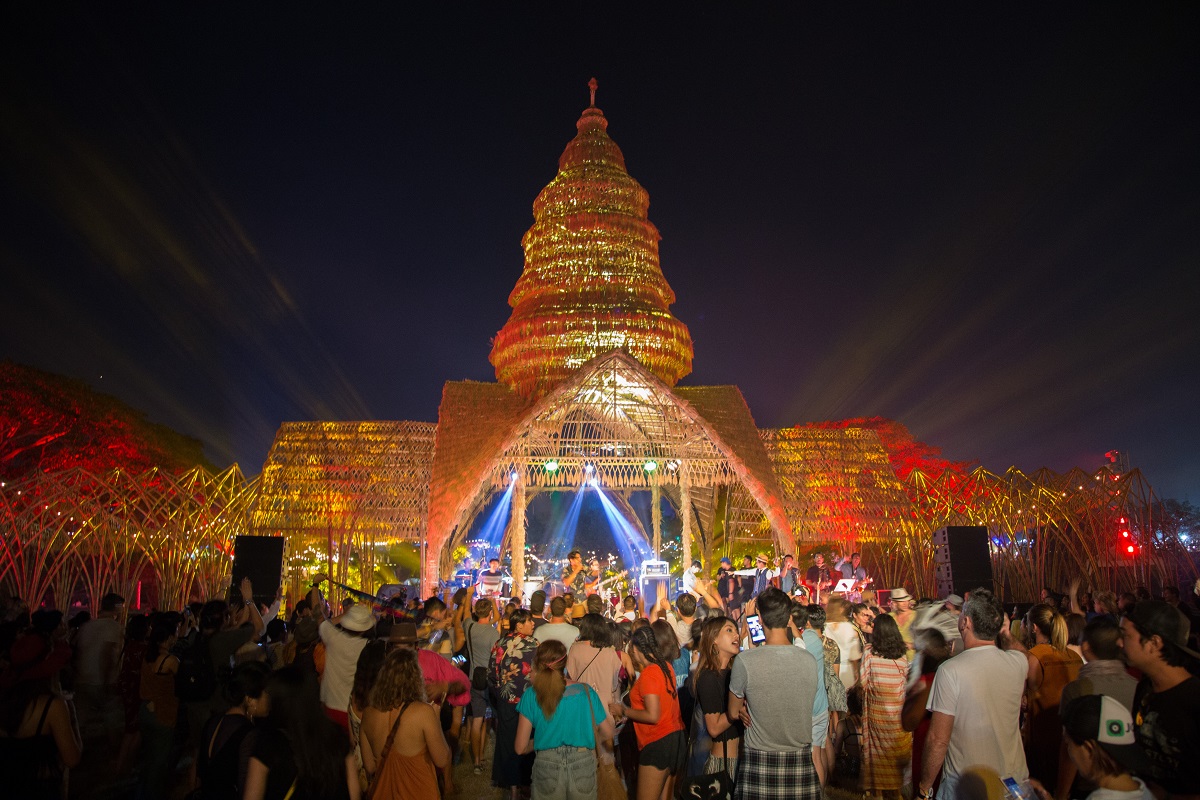
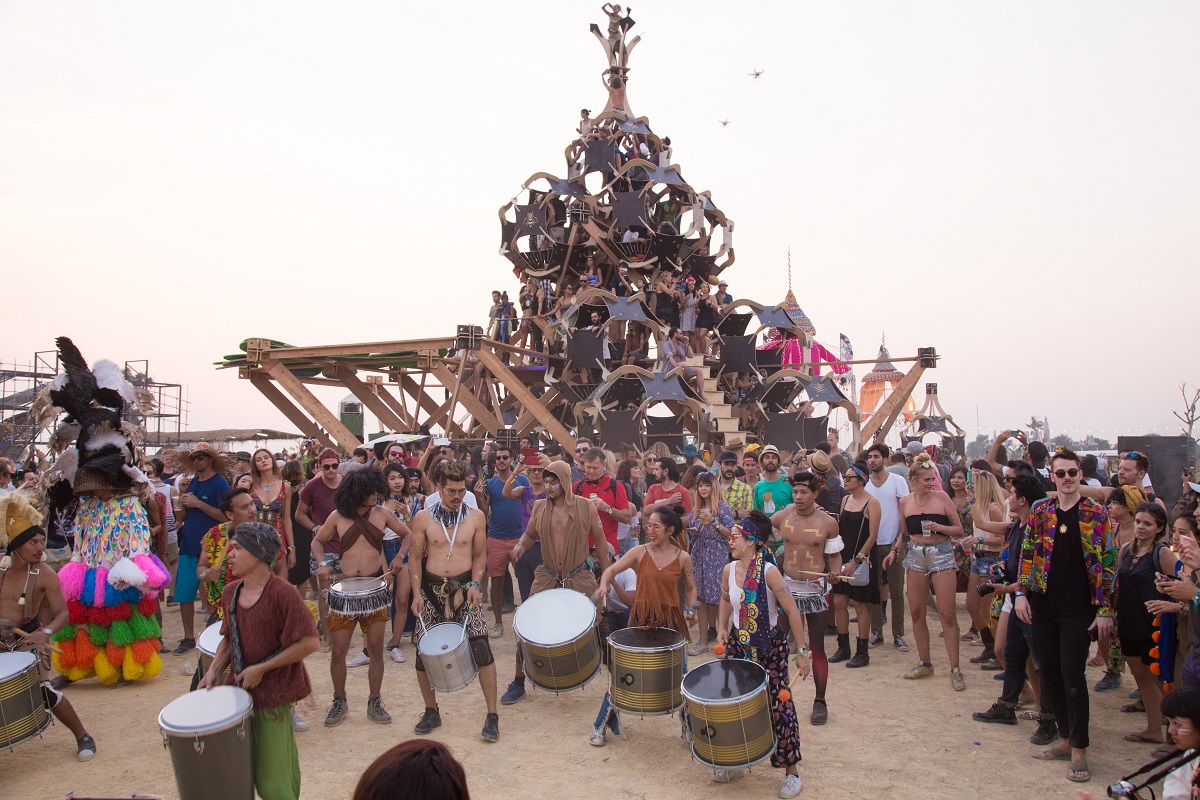
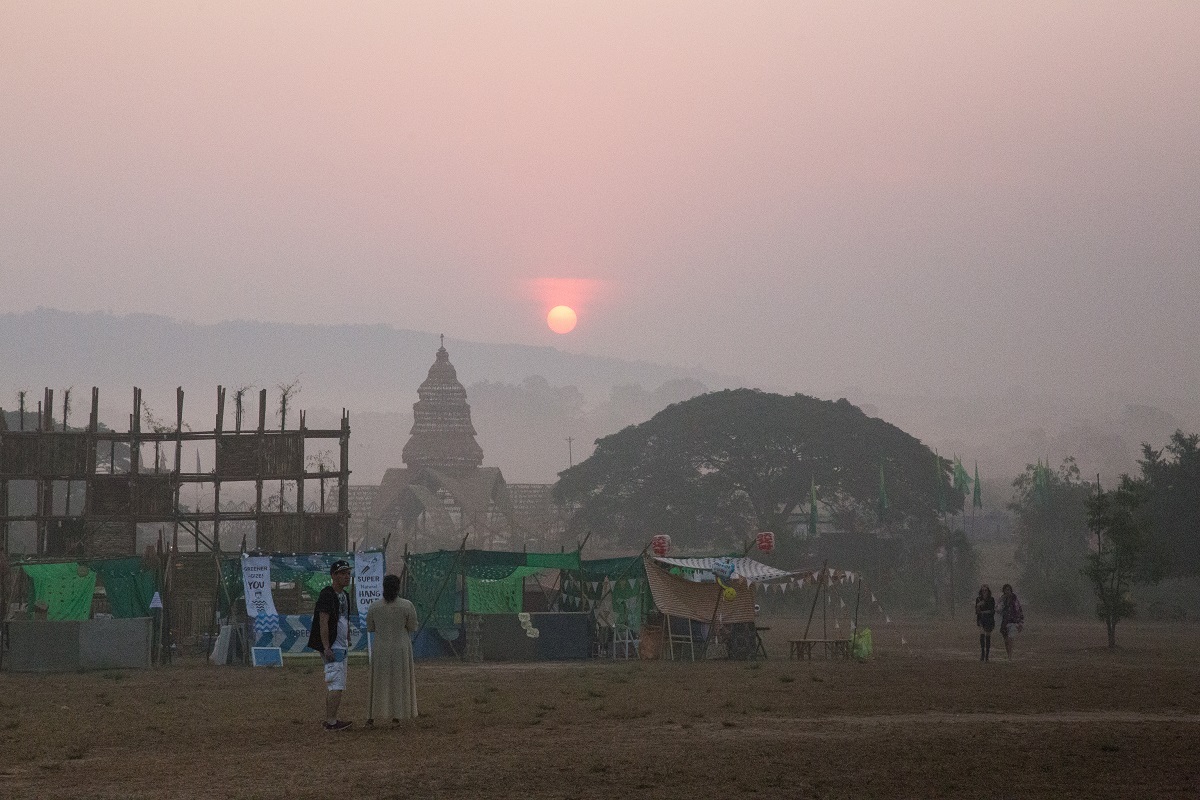
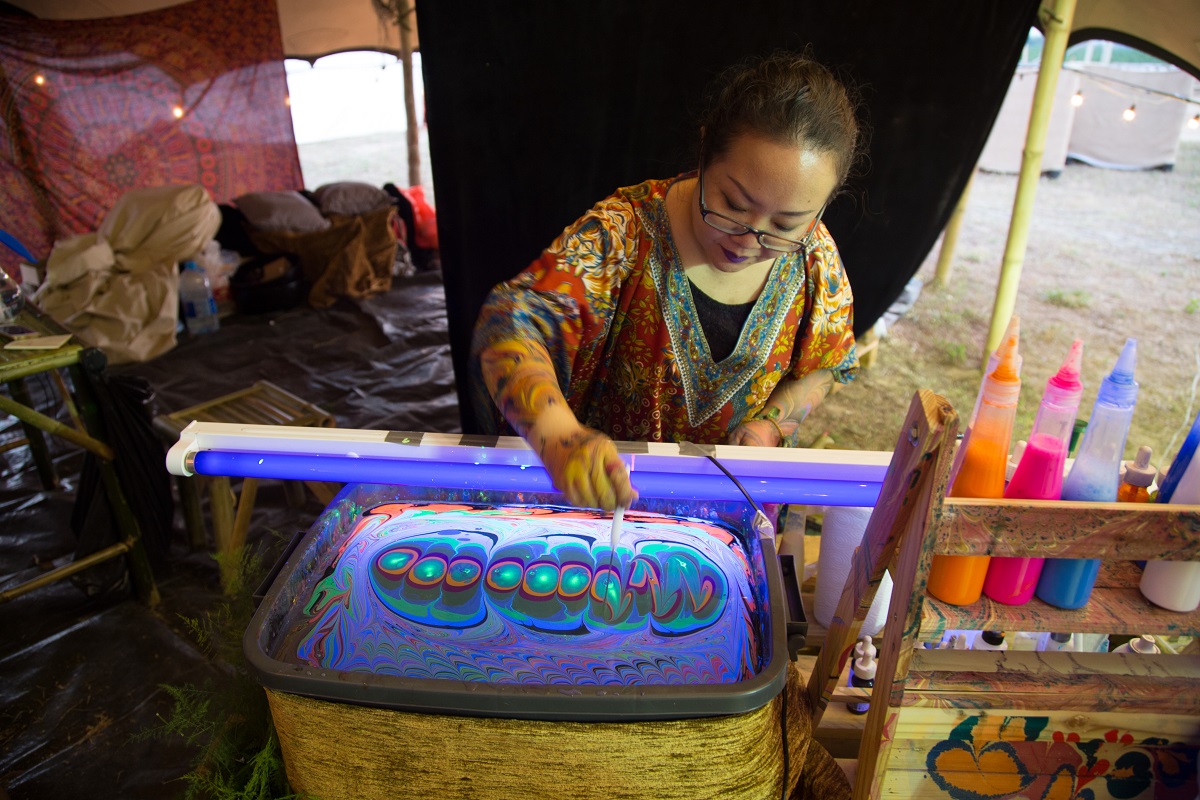
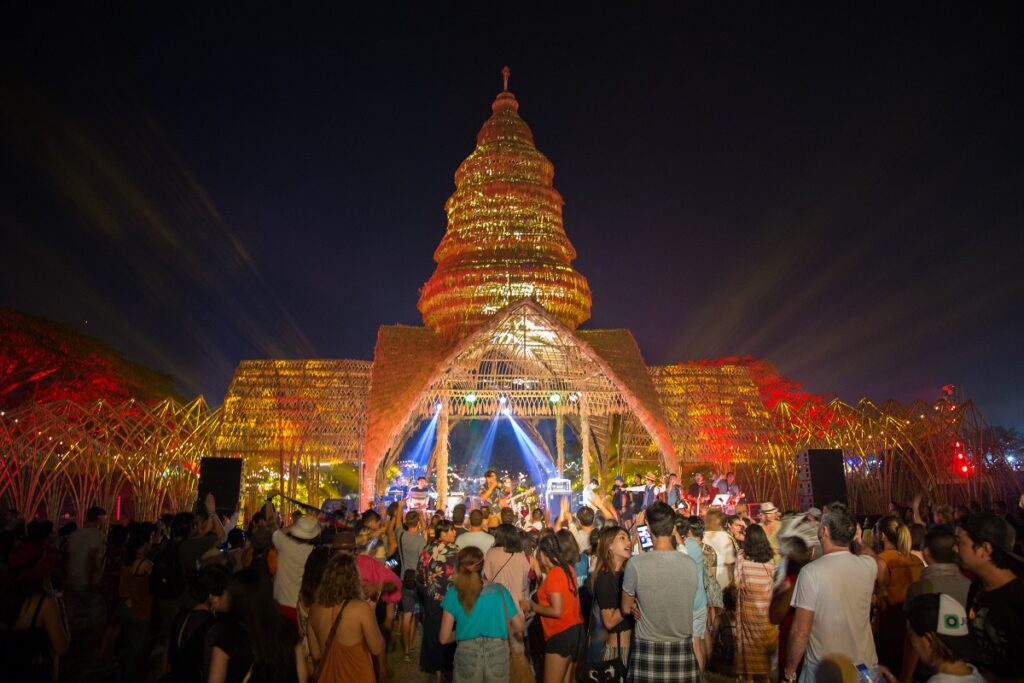
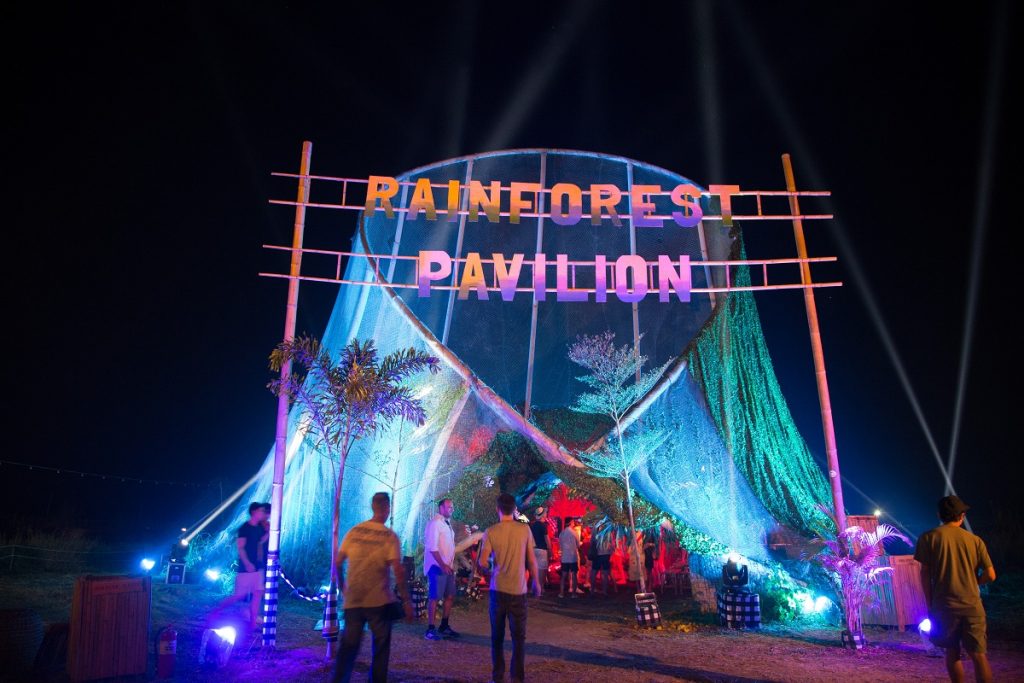
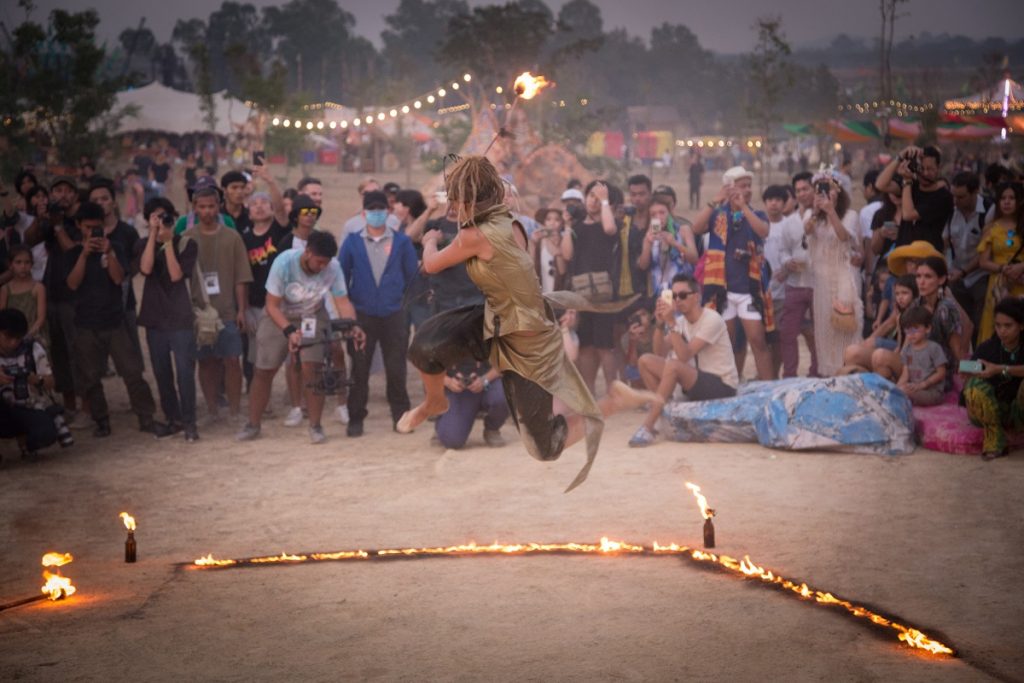
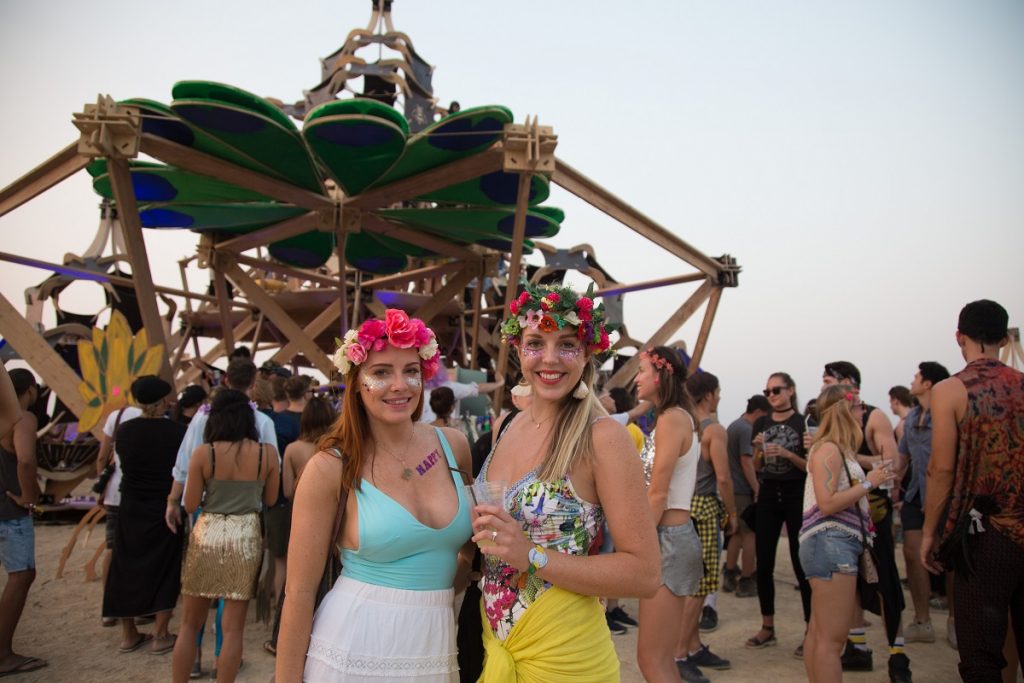
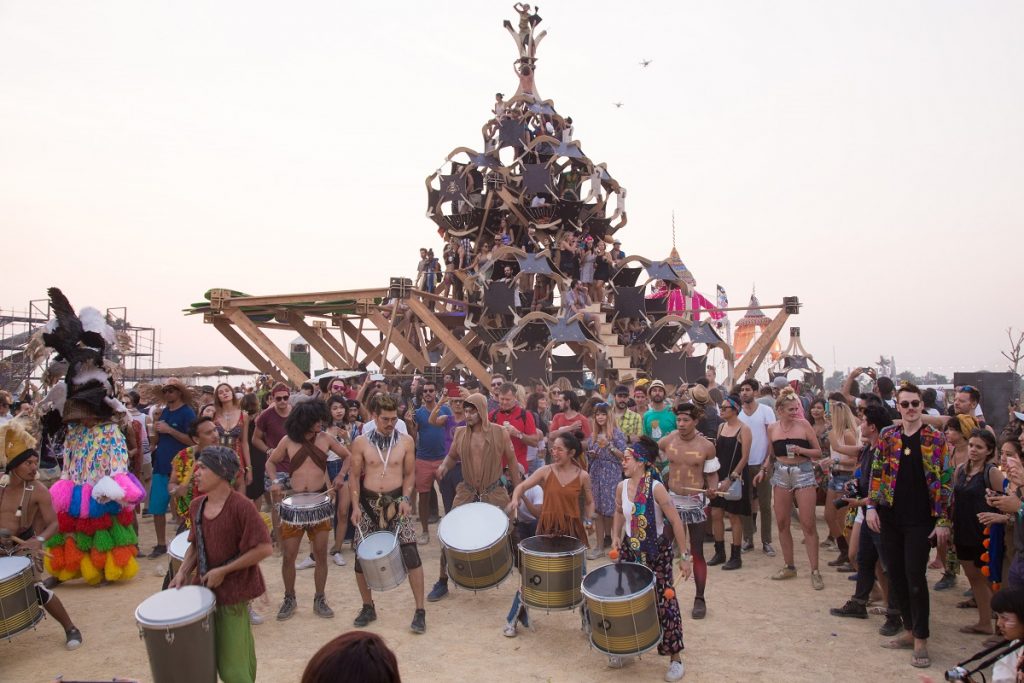
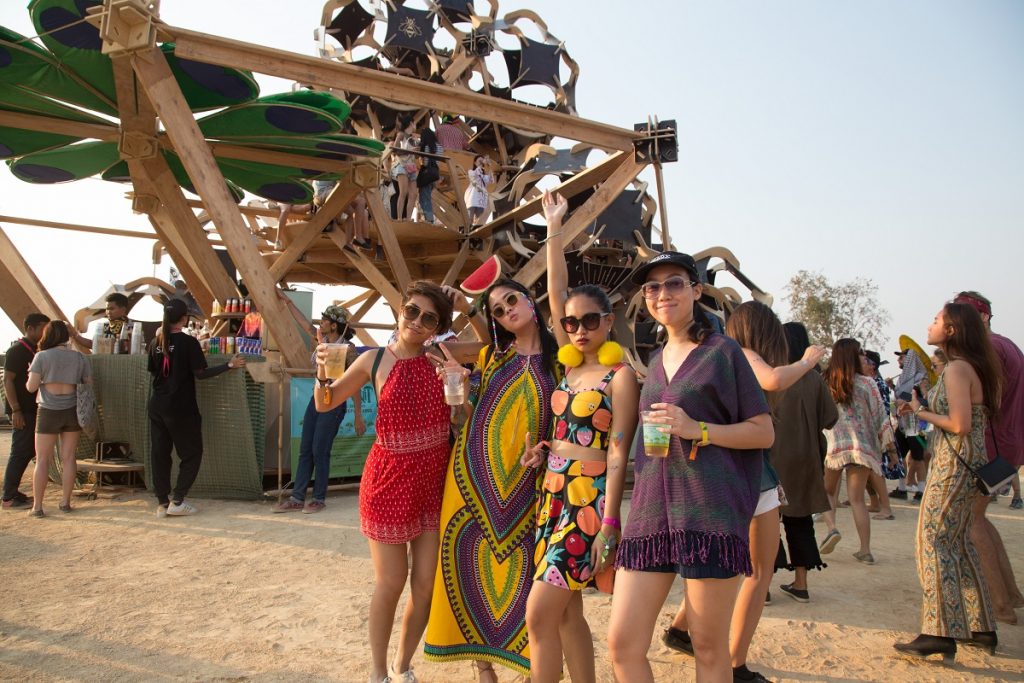
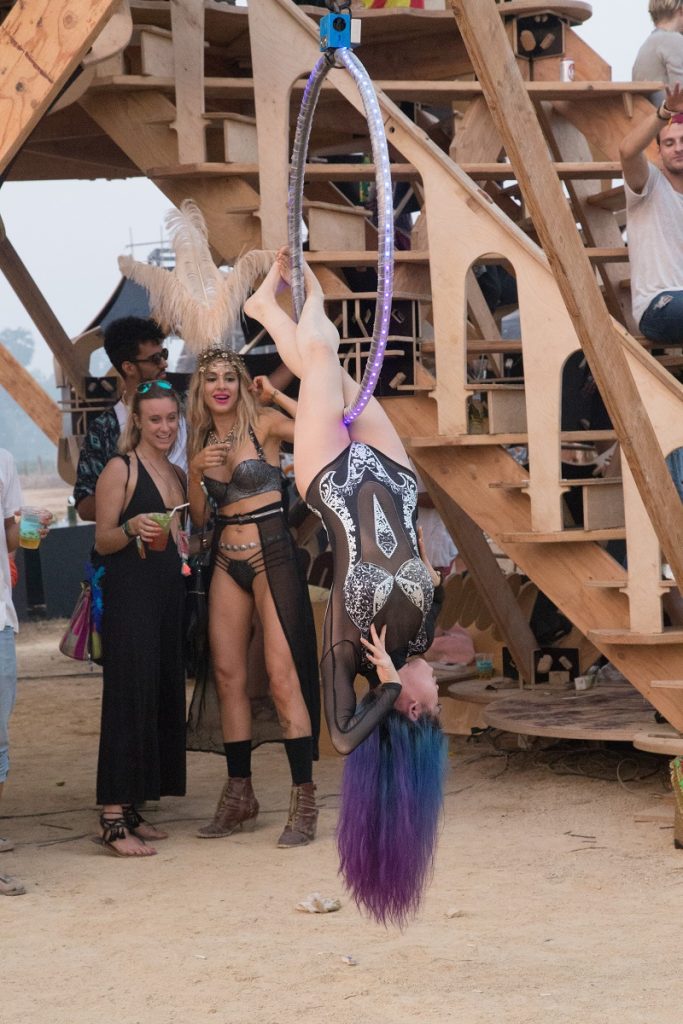
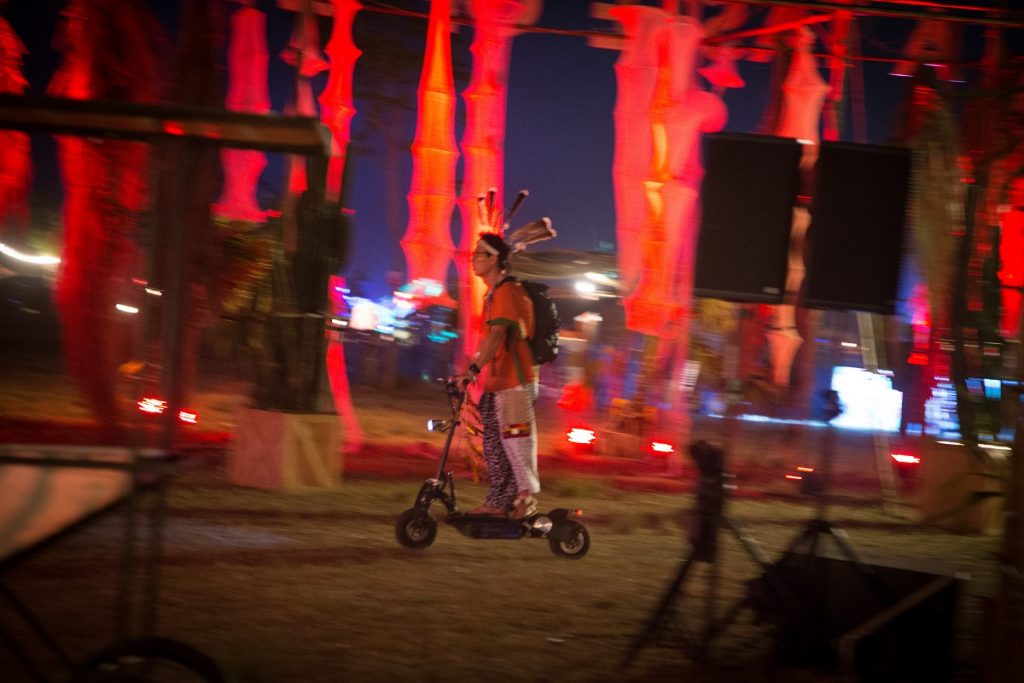
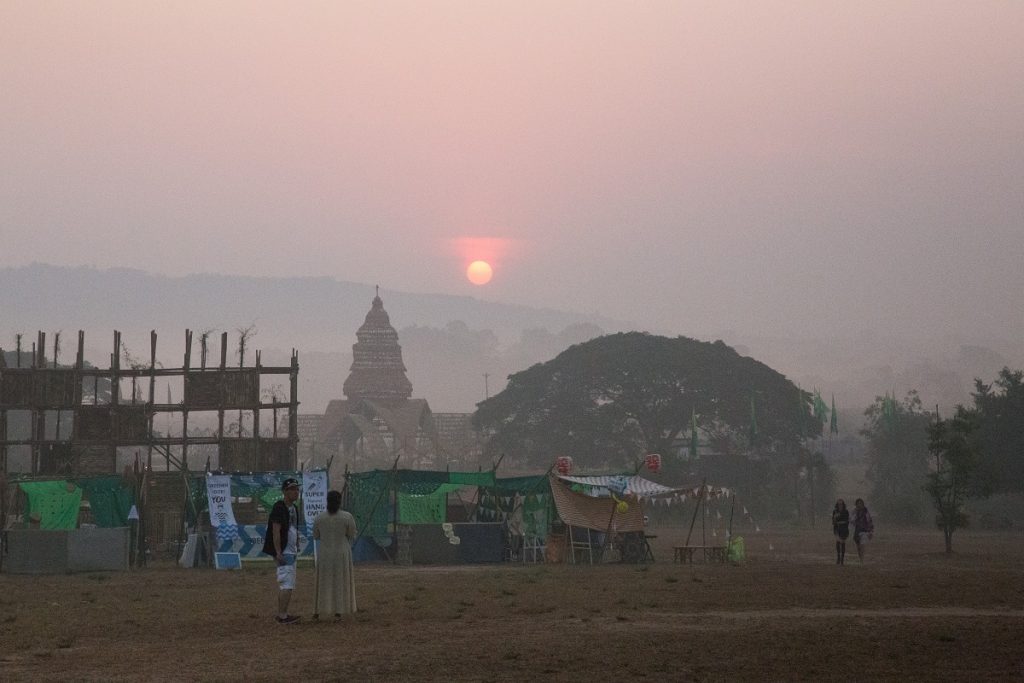
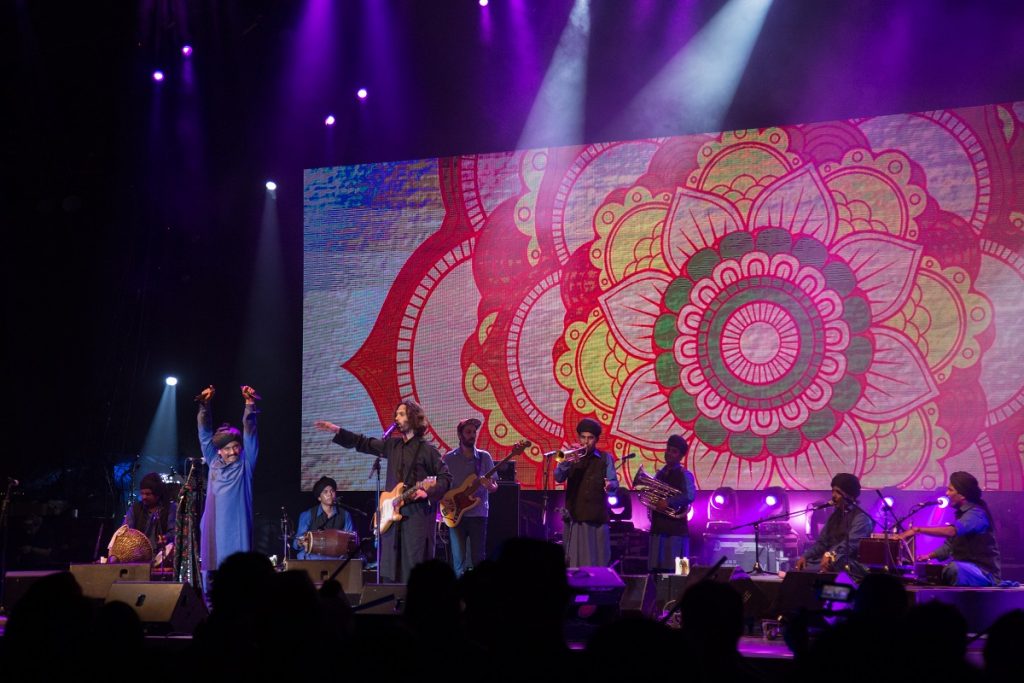
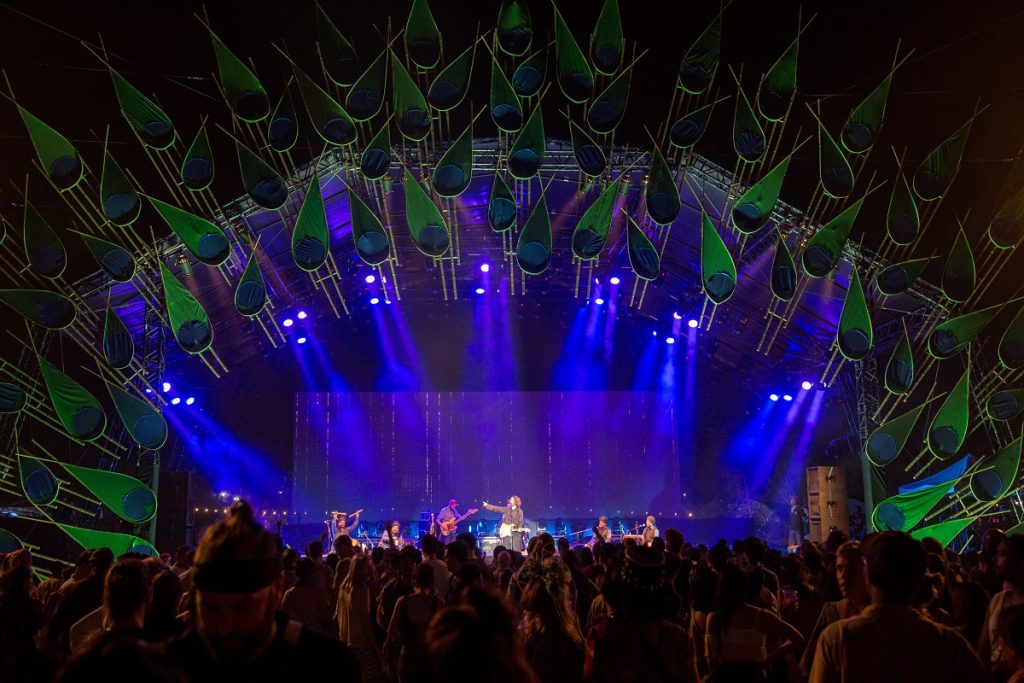
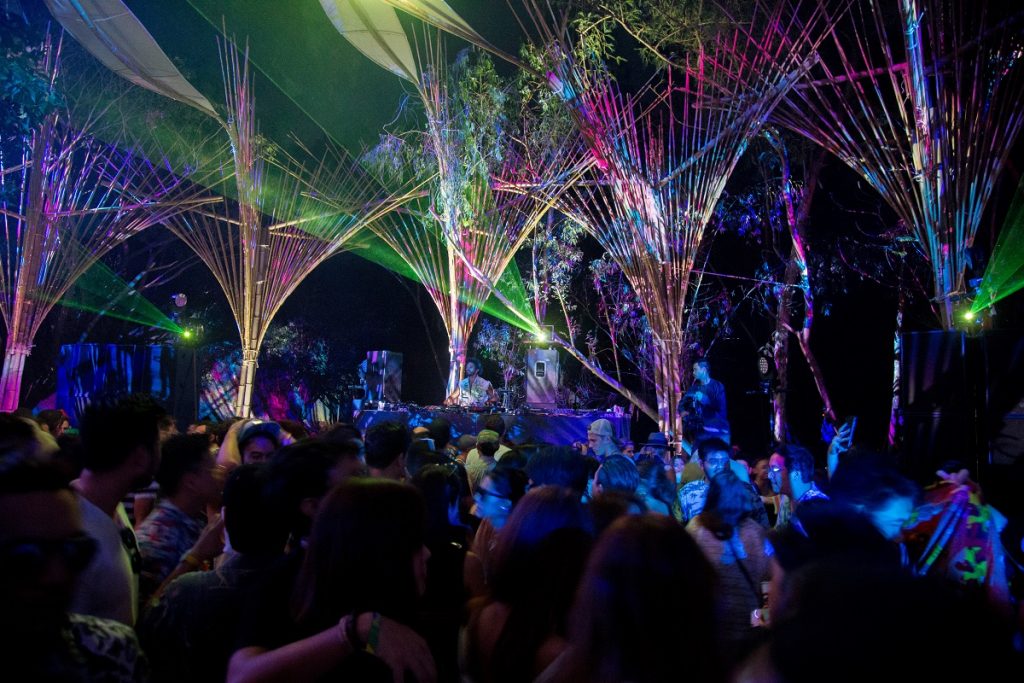
Despite a postponement that meant cancellations and ticket prices more exclusive than inclusive, Wonderfruit returned for a third year in strong form to remind Thailand that it delivers a festive spectacle unlike anything else.
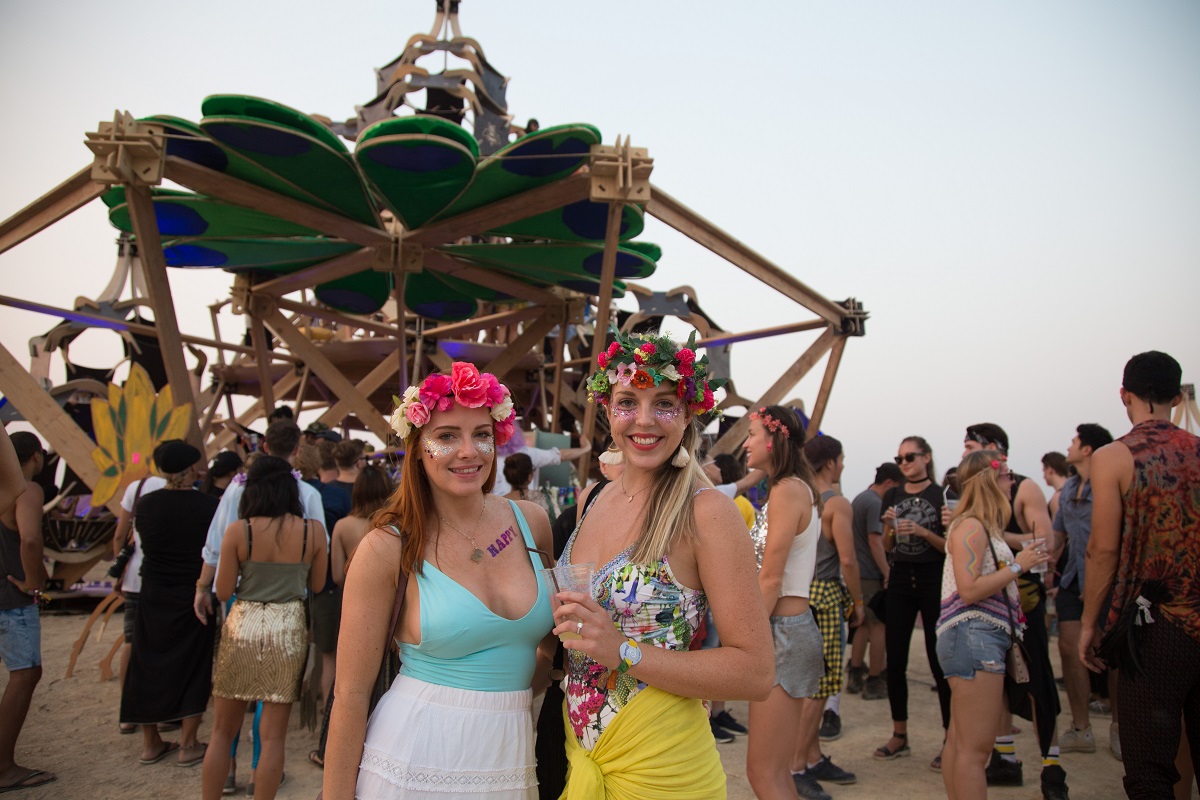
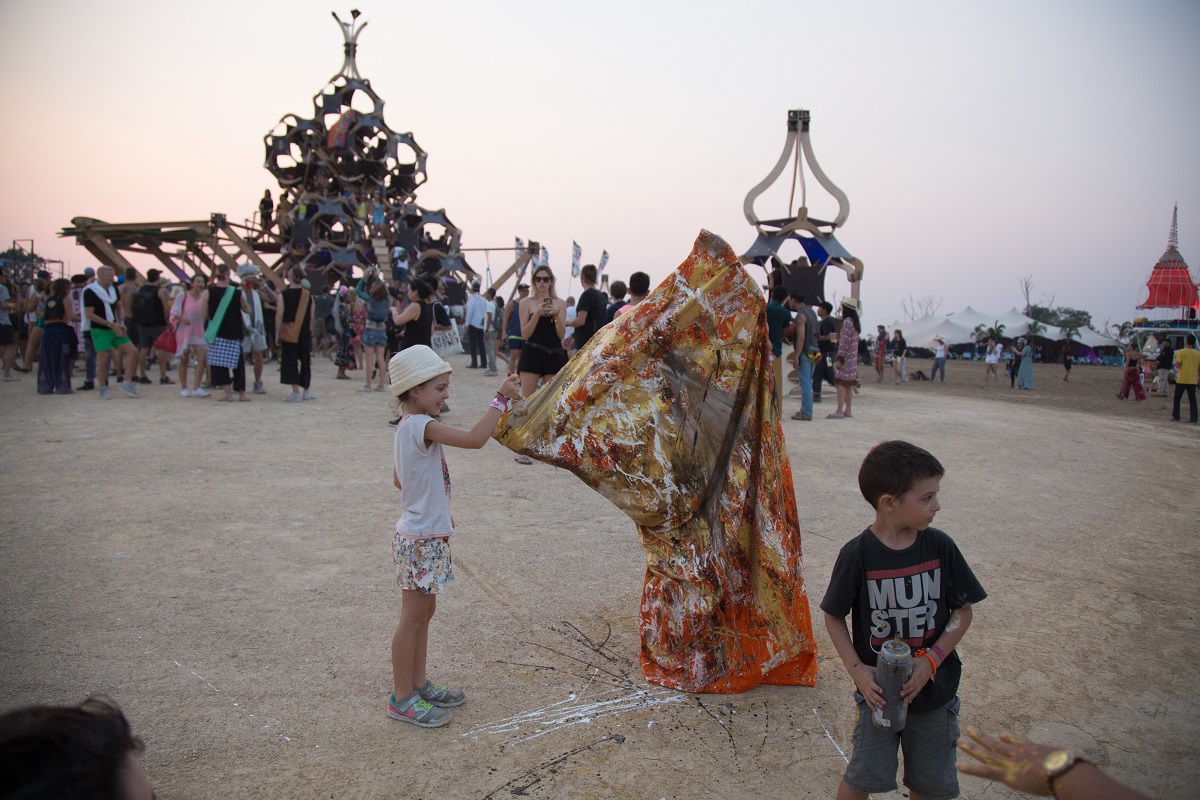
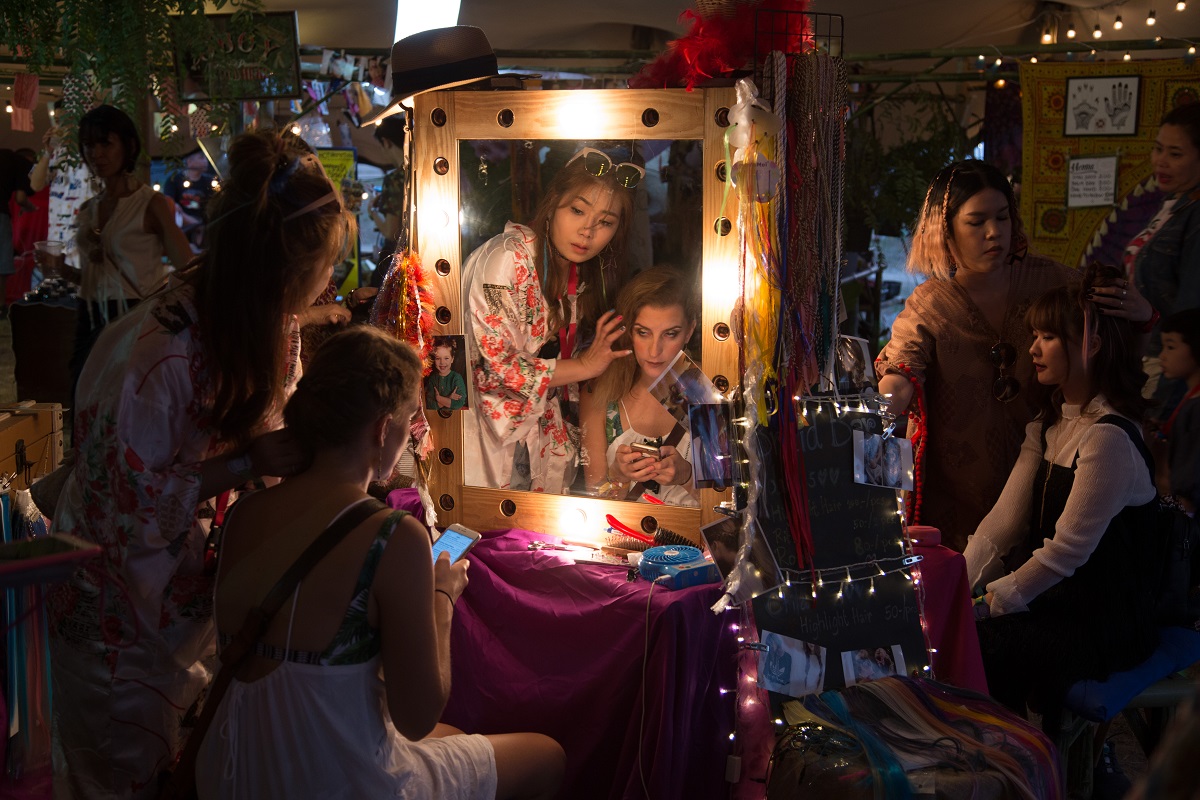
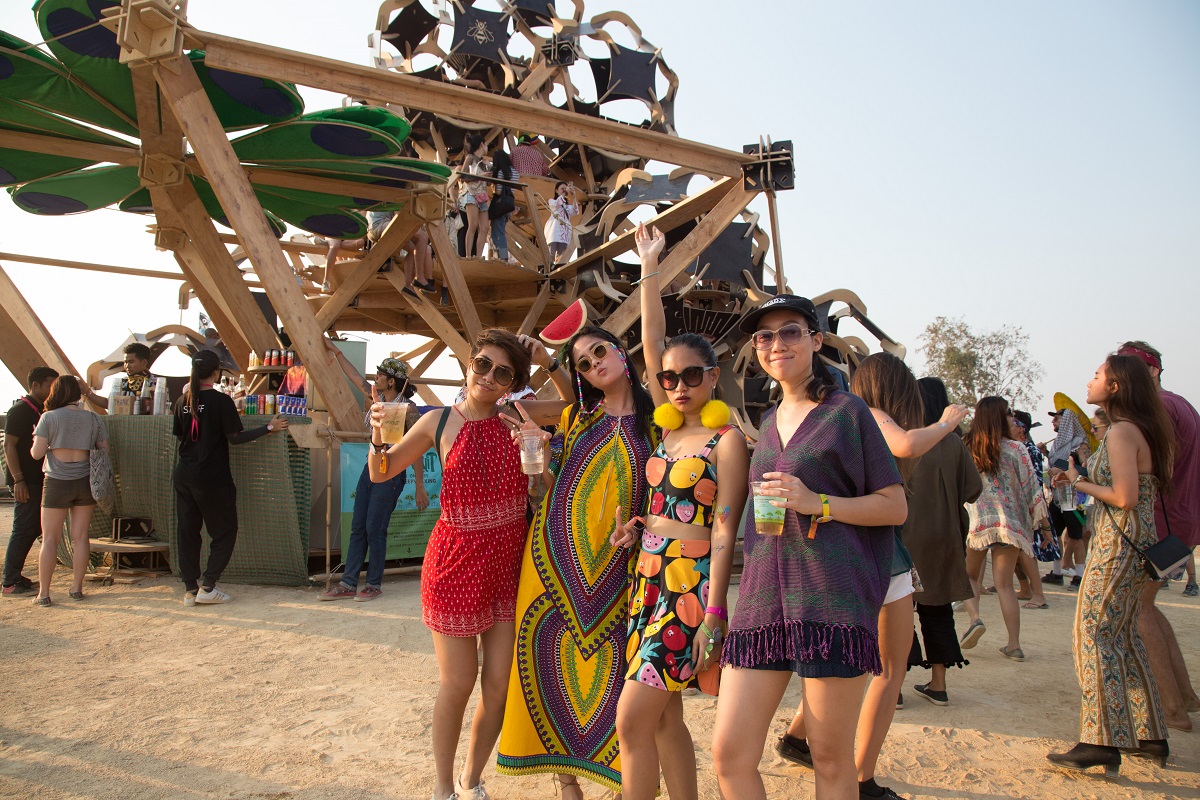
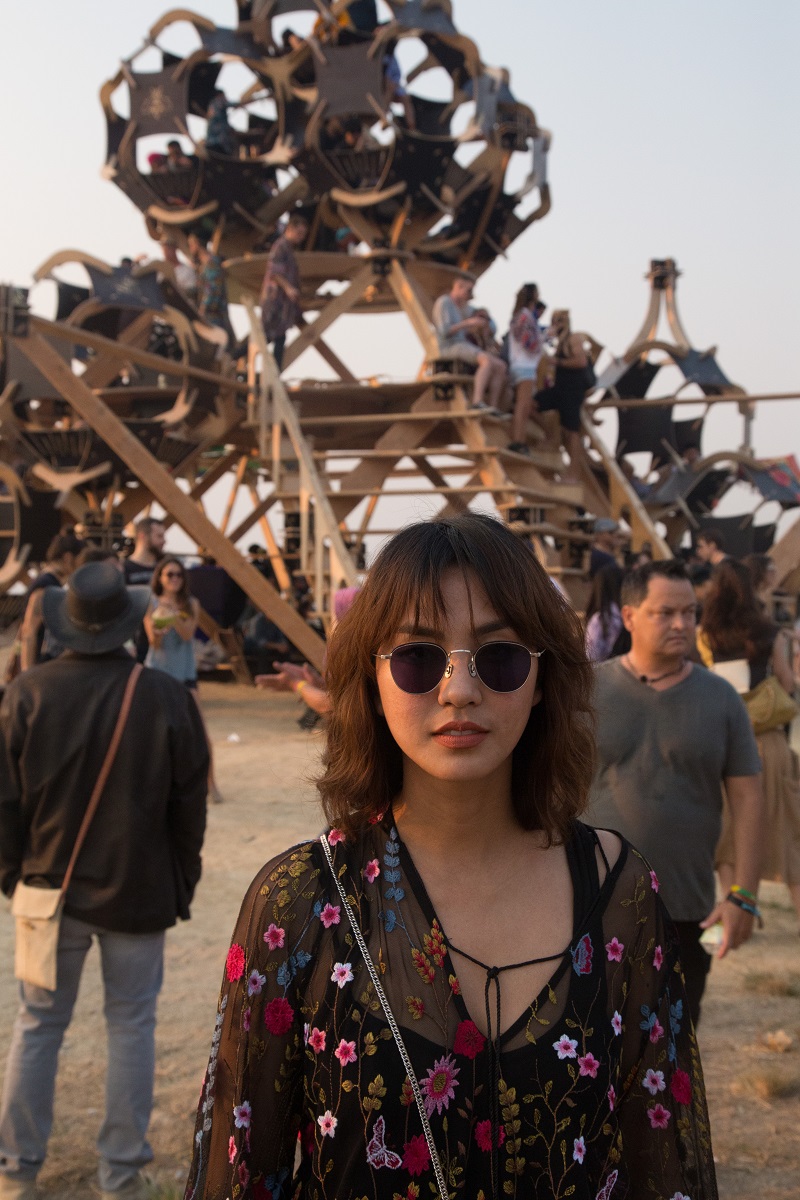
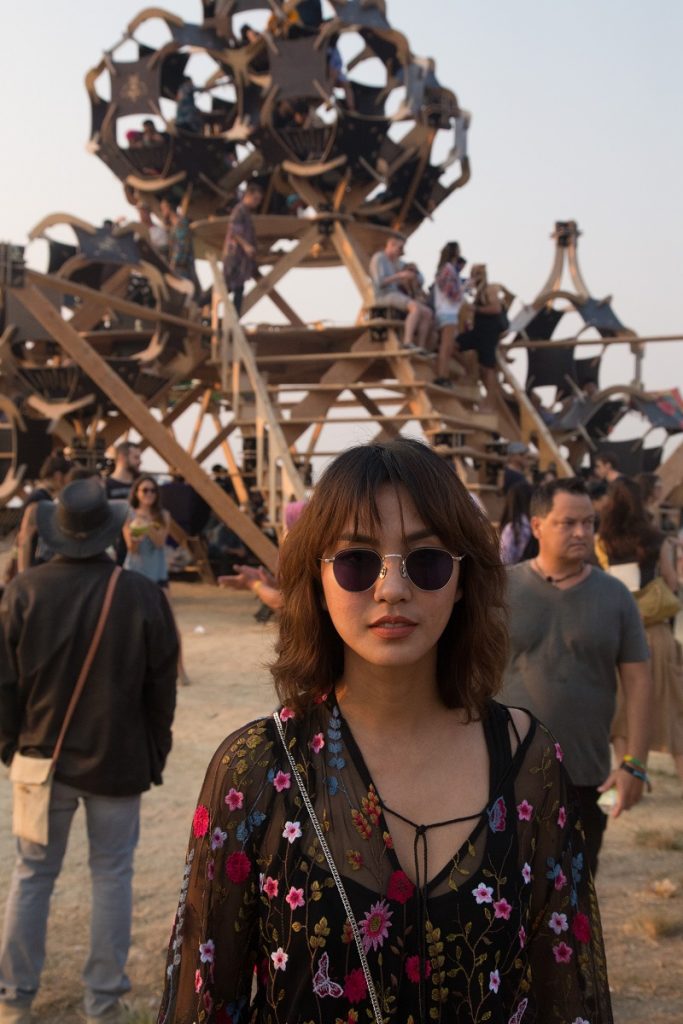
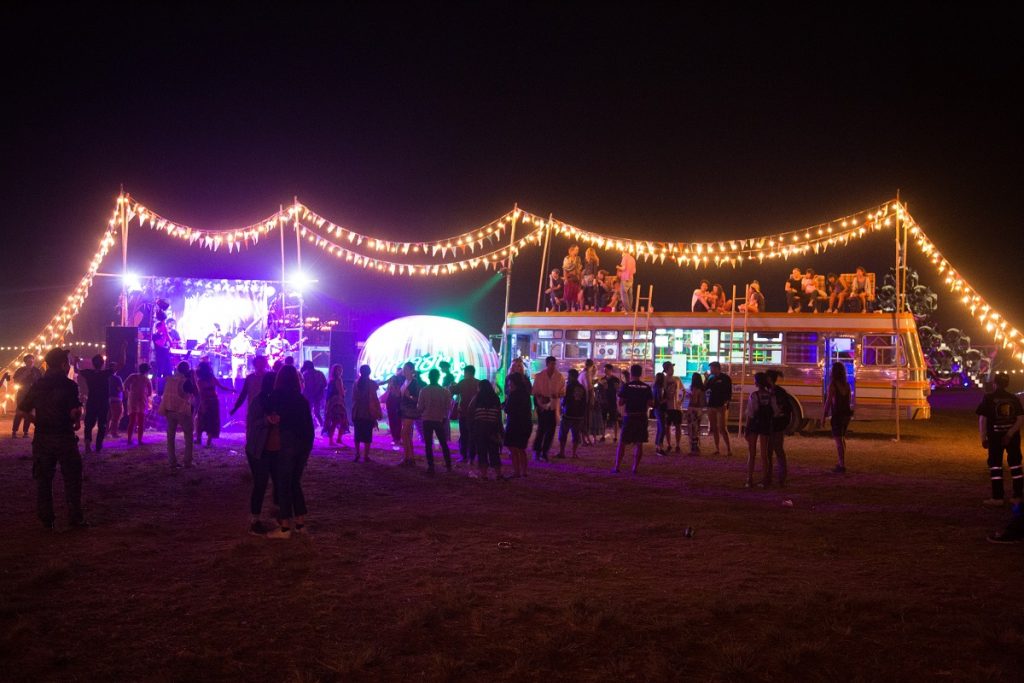
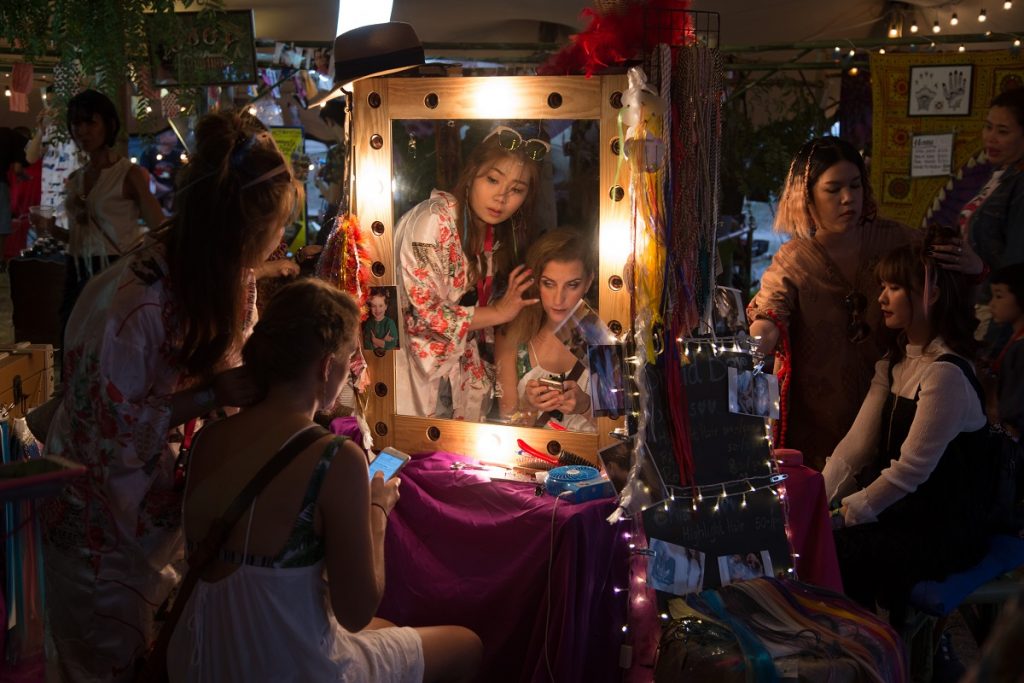
Possibly its best-organized outing yet, Wonderfruit drew feather-festooned city girls, toddler-toting families, pan-Asian adventurers, Euroguest expats, some grandmas, a few pregnant women – and their little pugs too.
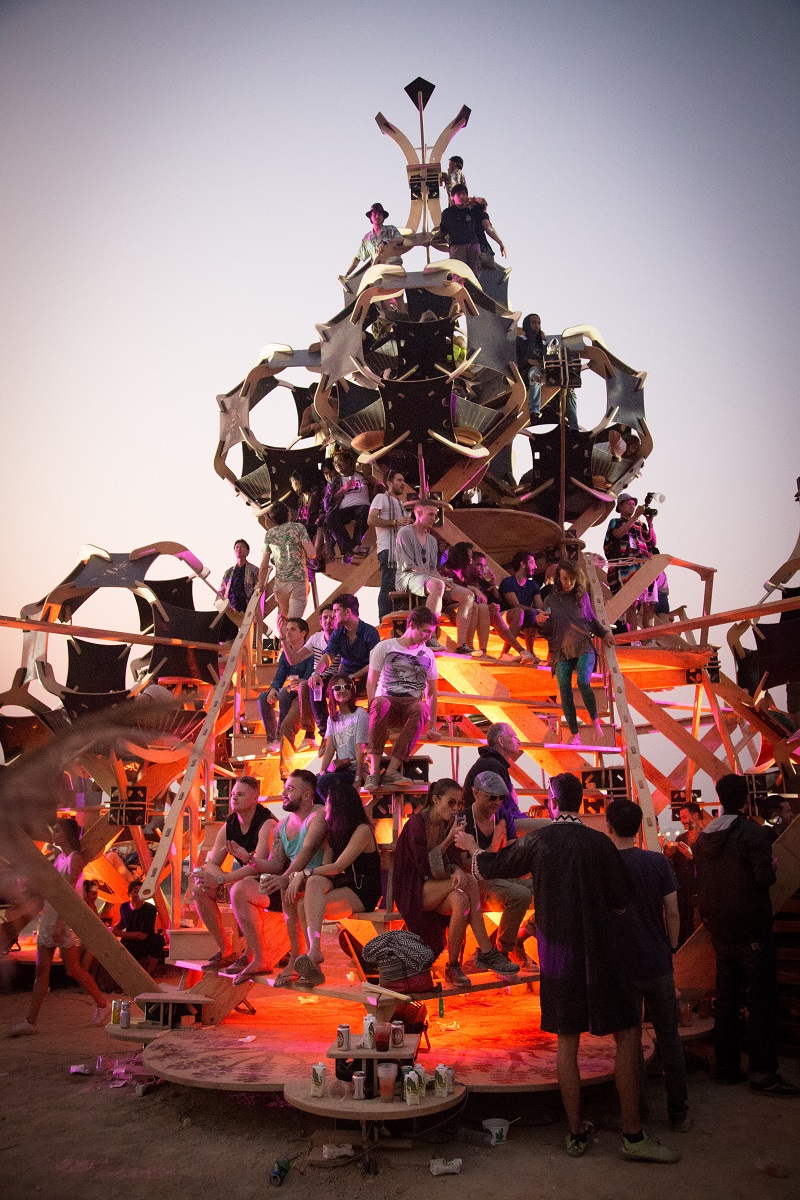
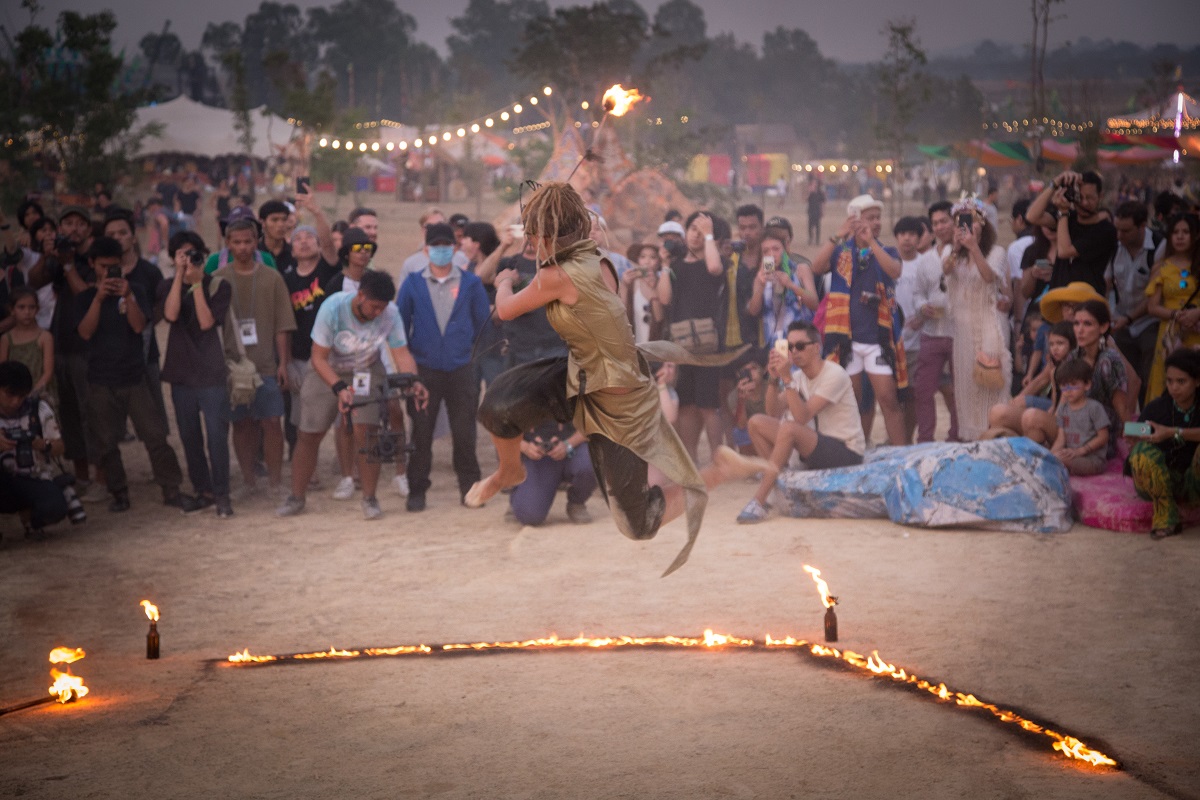
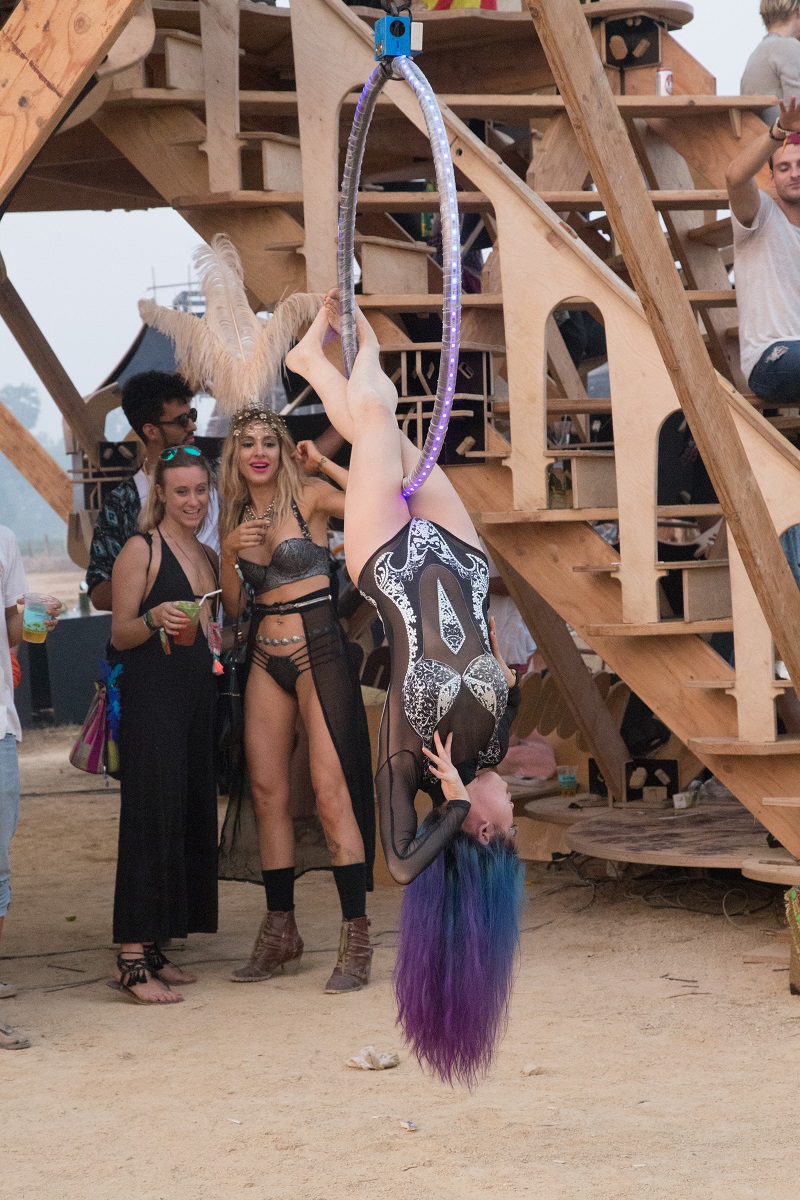
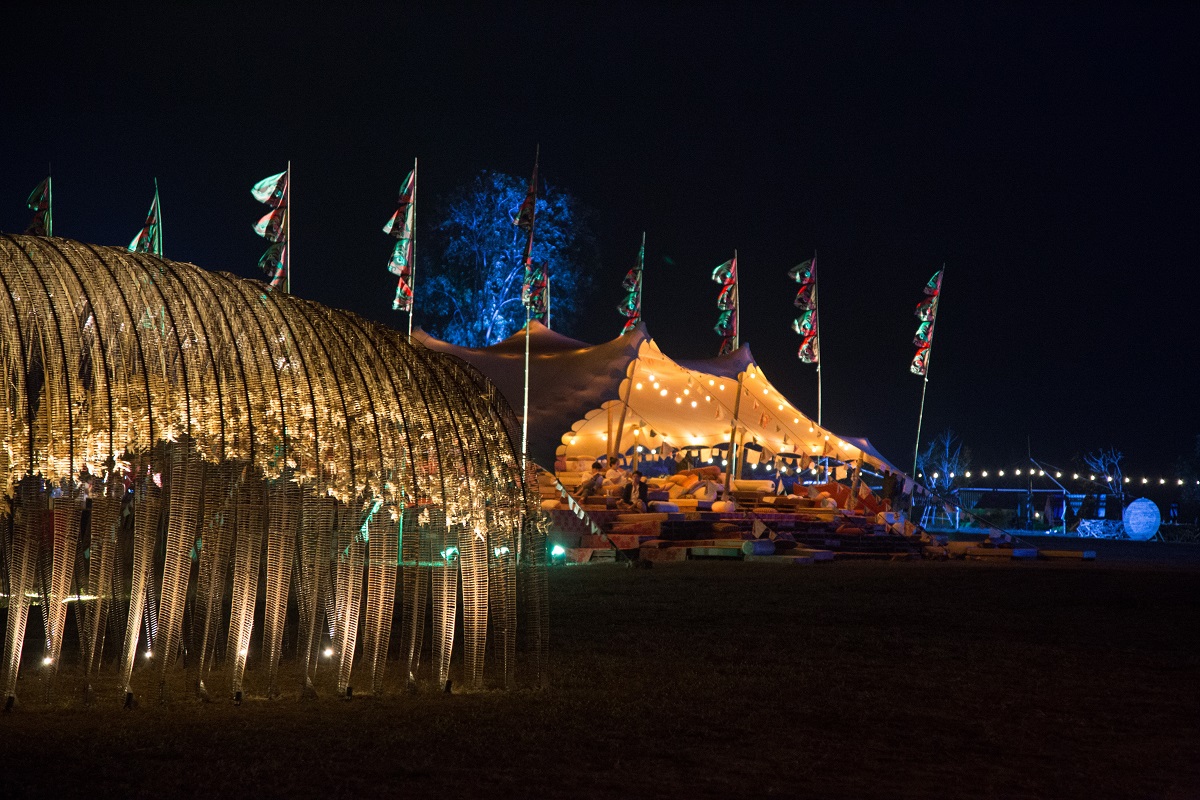
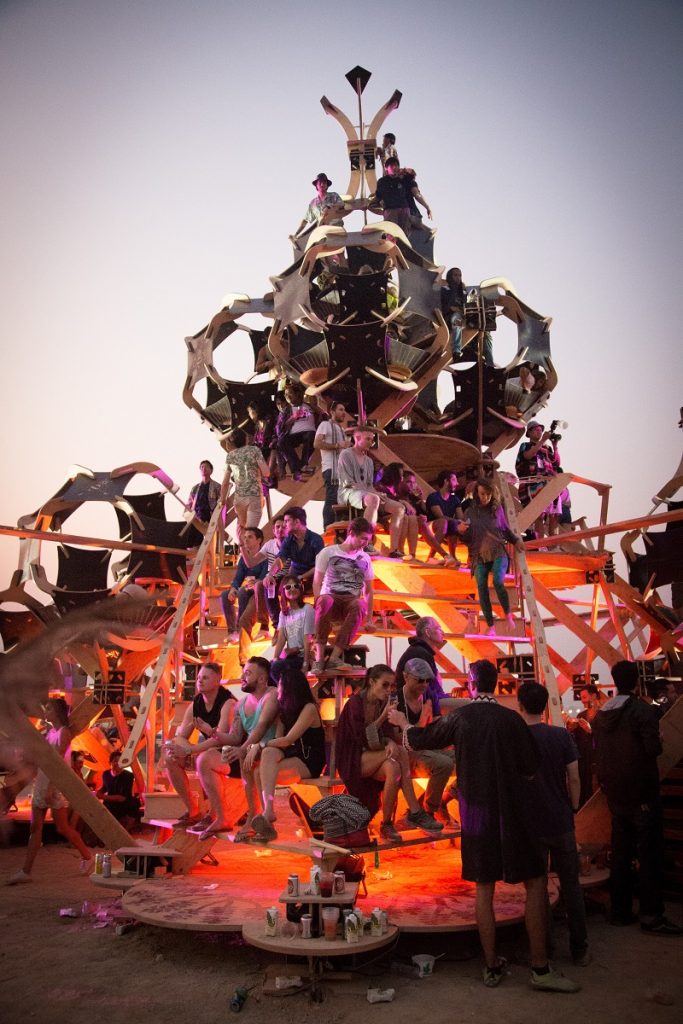
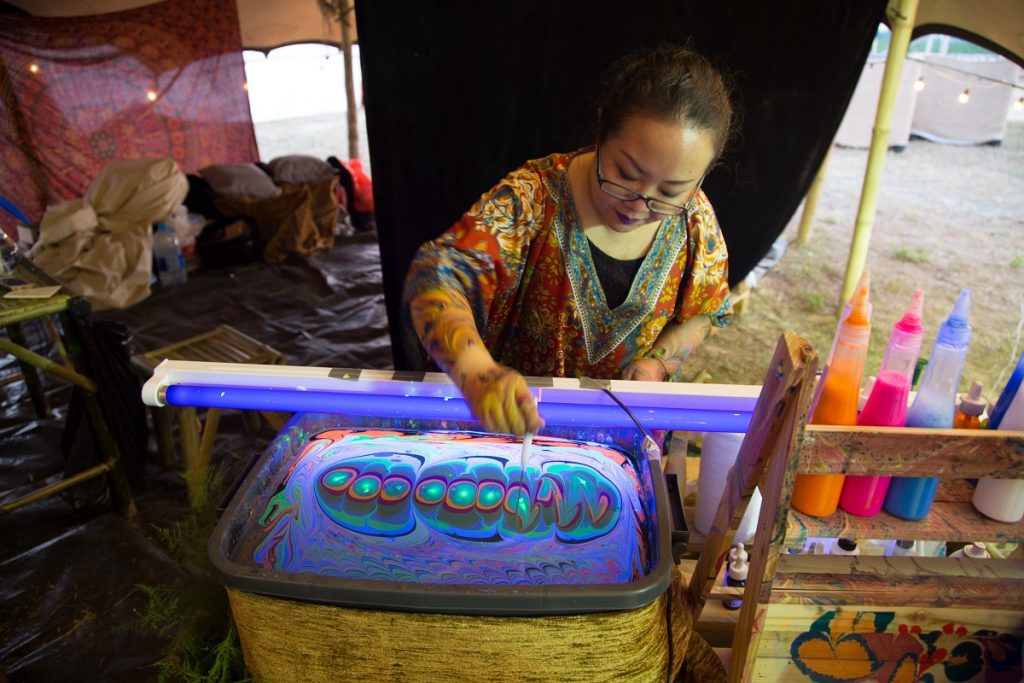
Amid all the spent plastic cups* and food trays were strong messages about reducing consumption and planetary impact along with capoeira for kids, karma-repair sessions, Buakaw beat-down lessons, cryptofinance discussions, tasty eats and impressive displays of structural creativity.
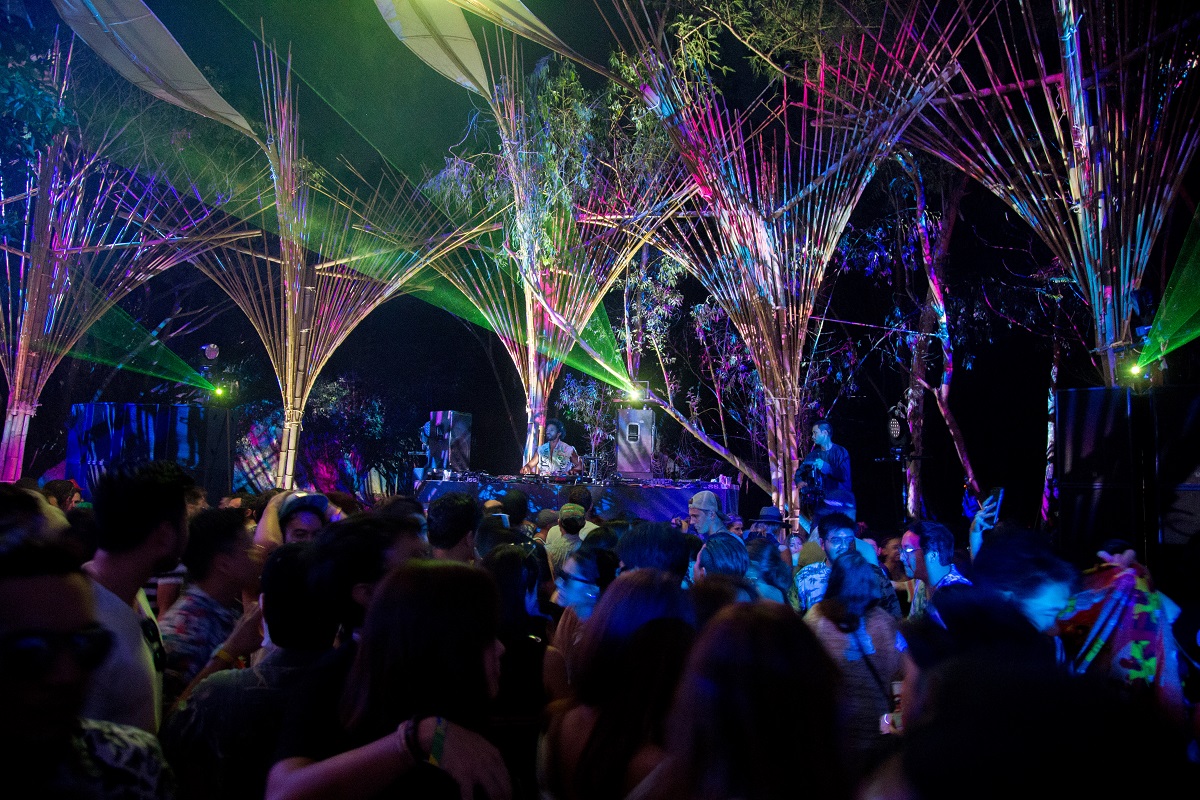
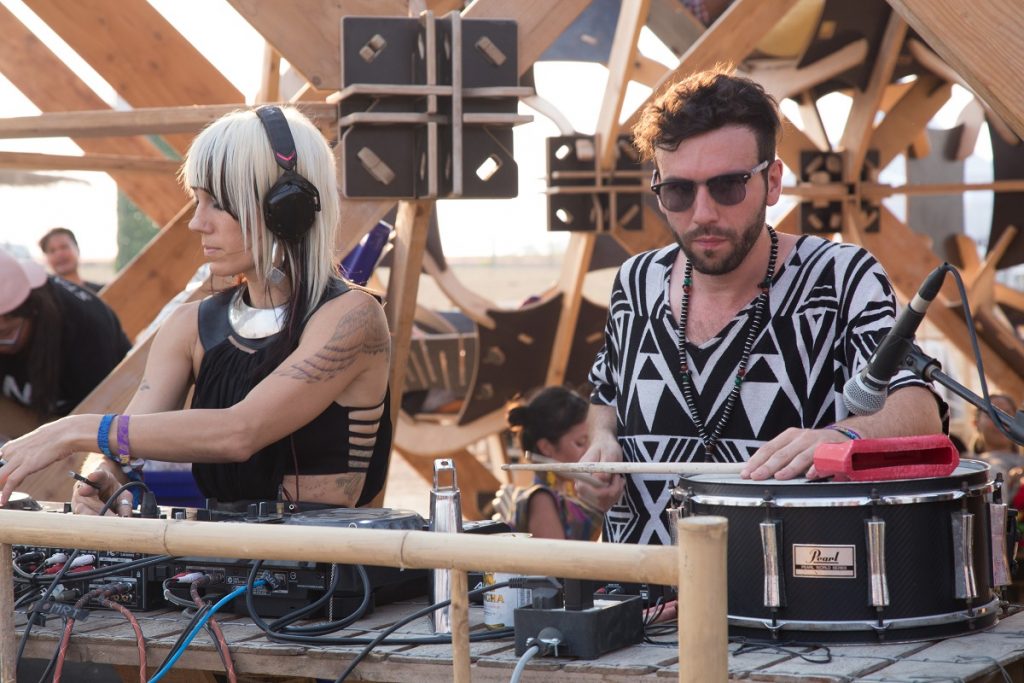
Of course there’s music too, but it isn’t Wonderfruit’s strongest appeal. By midnight, about half the crowd departs, while the other half go to express their spirituality to pounding techno until sunrise.
We asked the Wonderfolks if there would be a Wonderfruit 2017 proper, but they are a cagey lot and said they were not ready to talk about it. That said, expect at least two more years of the festival as the original commitment to sponsors was for five years. — TR
Click the images below to expand to full size or scroll down to see them inline.
Wonderfruit Festival 2017
1 of 21
Solar Stage
The Quarry
Farm Stage
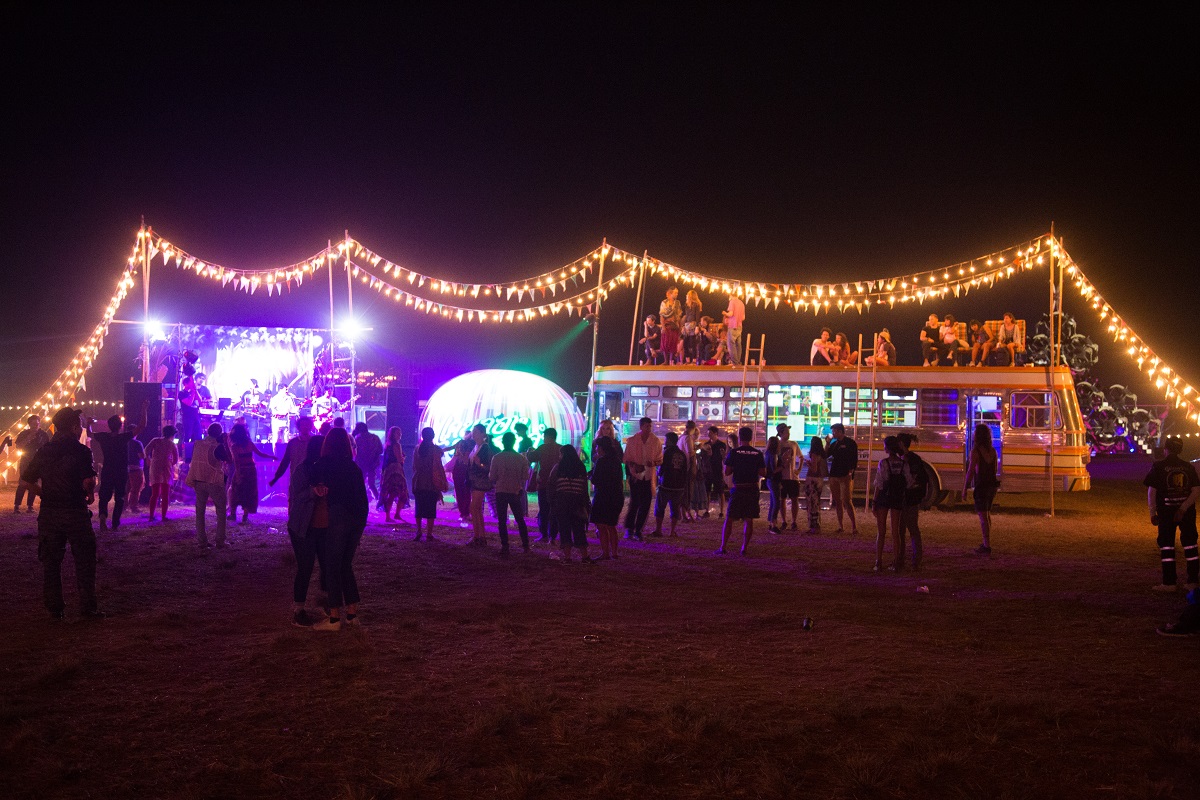
Always bouncing at the Molam Bus.
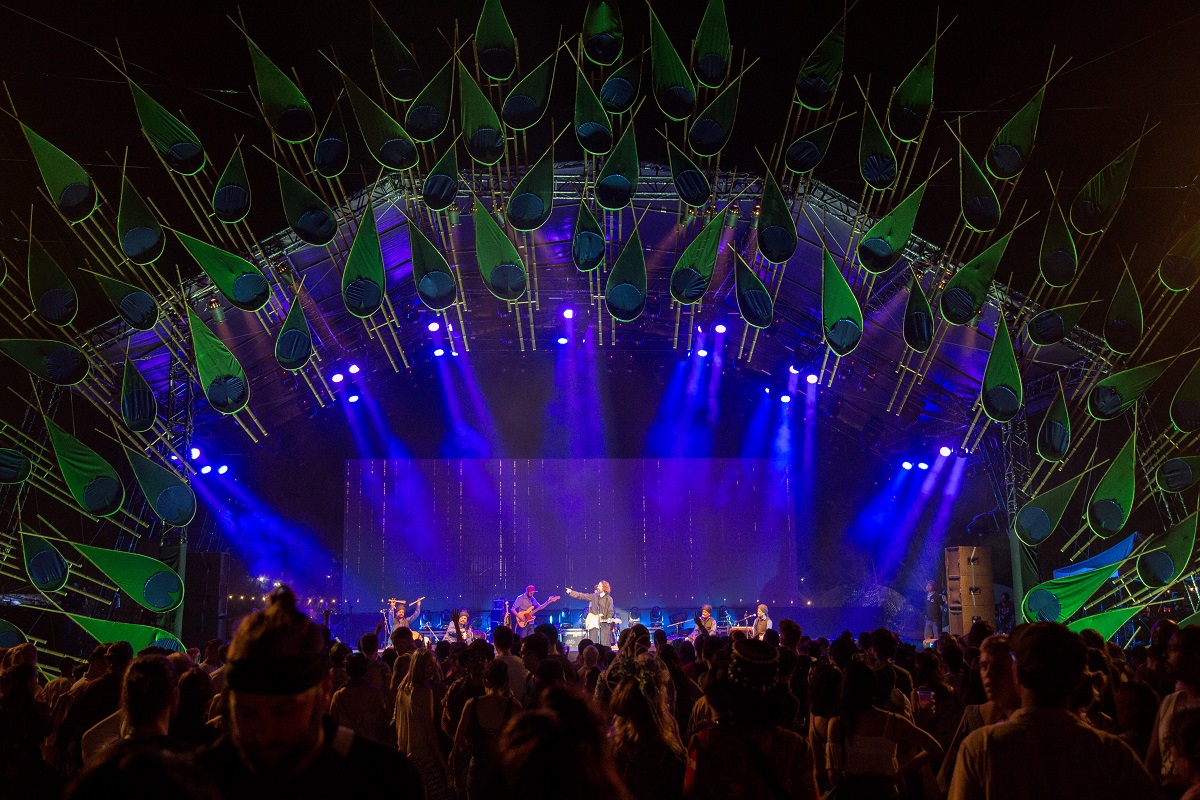
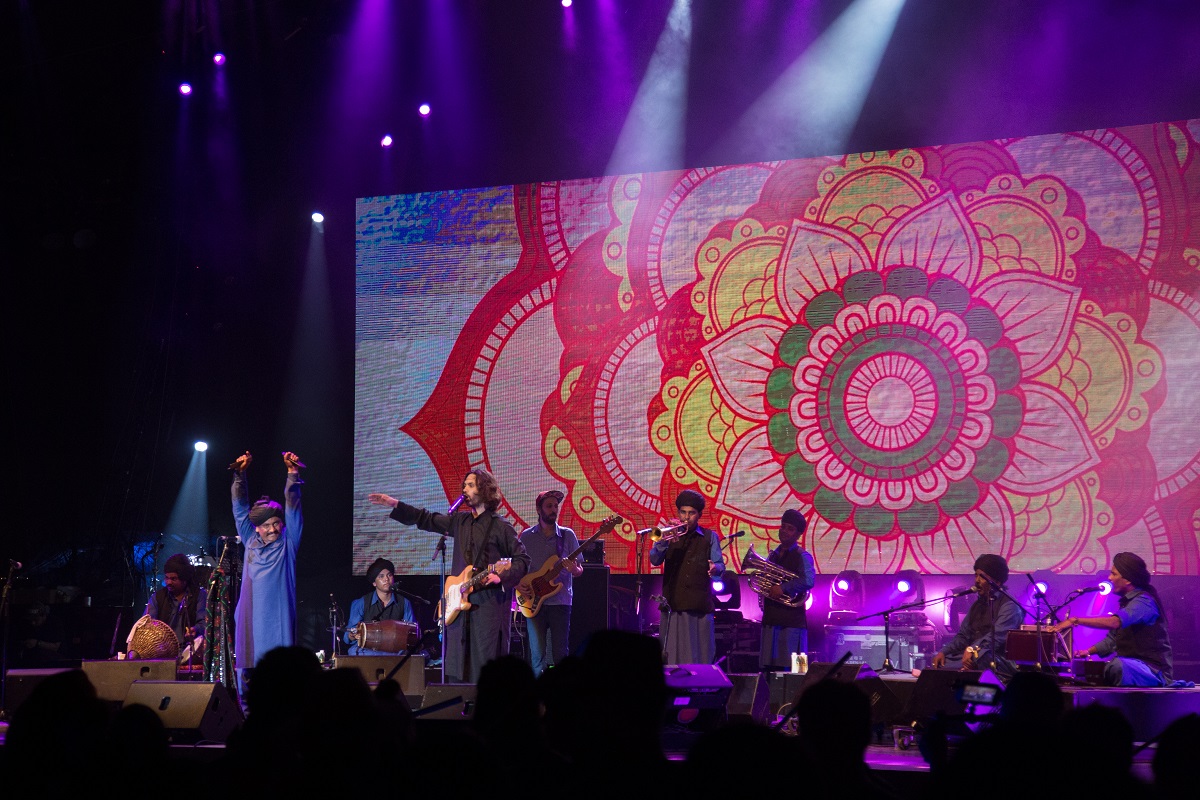
Junun featuring Shye Ben Tzur & The Rajasthan Express at the main stage on Saturday night.
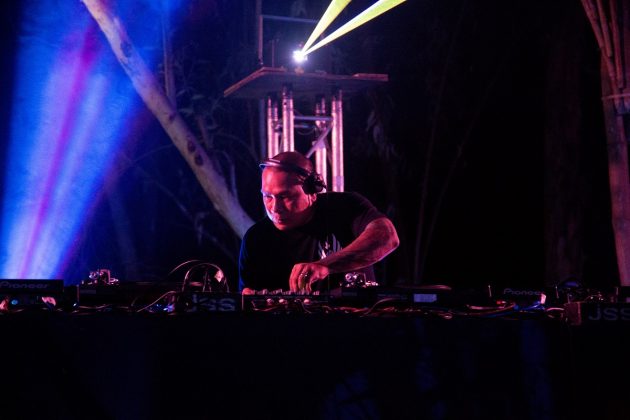
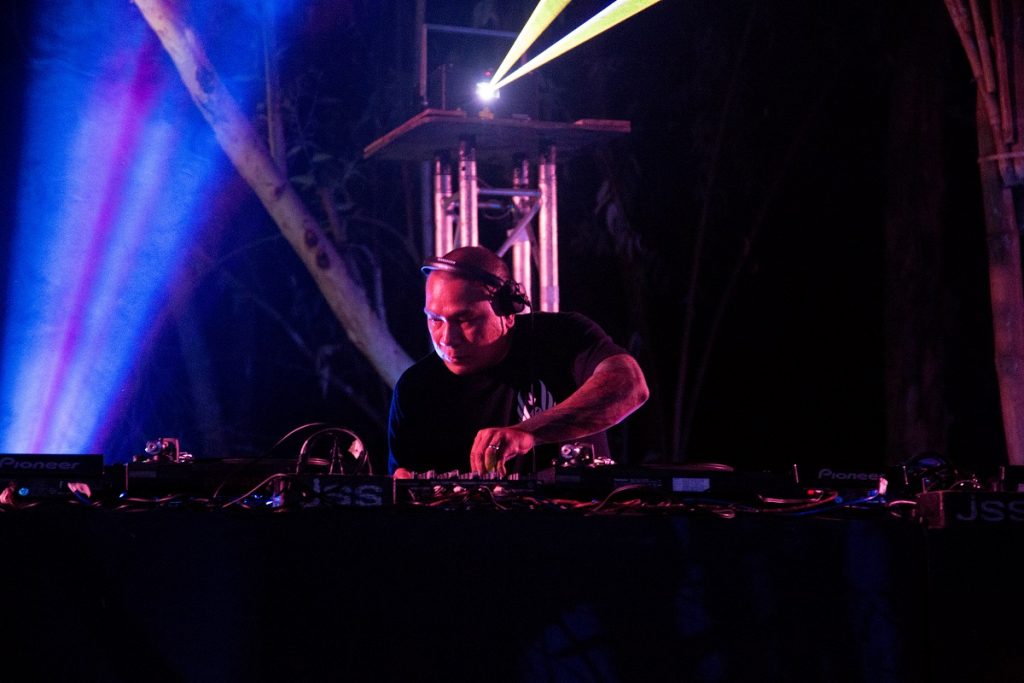
columnist Mongkorn Timkul, aka DJ Dragon, early Sunday morning at the Quarry stage." data-caption="Khaosod English <a href="https://www.khaosodenglish.com/tag/notes-from-the-underground/">columnist Mongkorn Timkul</a>, aka DJ Dragon, early Sunday morning at the Quarry stage." data-description="">
Khaosod English columnist Mongkorn Timkul, aka DJ Dragon, early Sunday morning at the Quarry stage.Junun featuring Shye Ben Tzur & The Rajasthan Express at the main stage on Saturday night.Main StageSolar StageSolar StageThe QuarryAlways bouncing at the Molam Bus.
Monk talks to police outside Wat Dhammakaya on Thursday.
BANGKOK — While police blockaded thousands of monks and followers in Wat Dhammakaya under the harsh, early summer sun for a fifth day, the online war of words was equally heated.
Those against the temple and Dhammachayo, the former abbott accused of money laundering and more, argue that the fugitive monk is brainwashing his followers and should turn himself in to the authorities to fight the charges. Across the deepening fault line that is the temple saga are its supporters, who see villainy and tyranny of a power-hungry state.
On Twitter, @Tigeryellowlive wrote Sunday that for a monk to attack women showed symptoms of “a group of people being brainwashed.” The user was referring to a photo of a monk appearing to physically thwart a female officer from the Department of Special Investigation, or DSI, from taking photos on Sunday.
Regarding the longtime abbot who was recently refashioned as “honorary abbot,” one opponent had this to say:
“If [he’s] not truly selfish he would have turned himself over to fight charges. Those disciples who claimed he’s afraid to die or to be framed didn’t truly study Buddhism. A true man wouldn’t be fearful like this,” @Actions34 tweeted.
Apparently upset with the temple’s refusal to cooperate with the authorities, @Wispybaby tweeted: “Dhammakaya is based in Thailand. If it’s in Thailand it must respect the laws of this land. If they want to do whatever they like and not be guilty, they should form a new country.”
Others preferred name-calling.
“Followers of Tammy are stupid. Let me say just that,”@Monkolei tweeted, referring to Dammachayo by a derisive monicker.
Meanwhile, defenders of the temple denounced as excessive the tactics used by the DSI and police under the absolute junta power of Article 44. Chiang Mai University anthropologist Pinkaew Luangaramsrifocused on the thirst of the temple’s opponents in wanting to see more draconian measures employed by the “mafia state.”
“We not only see the power of mafia state expanding its wings into even the religious domain but witness mafia consciousness among Thais spreading. … This is the result of the coup at the level of consciousness and is very depressing,” Pinkaew wrote on Monday.
Facebook user Attachai Anantamaek speculated on the “real” reason for evicting people from the temple to search for the ex-abbot.
“It’s so they could plant whatever [false evidence] they want [to framed the temple]… Same old habit… Only evil is afraid of light,” Attachai wrote.
Both sides cast the issue in moral absolutes.
Twitter user @Sansani23 claimed Dhammakaya followers automatically brand nonbelievers such has her un-Buddhist. “To what religion do I profess then?” she asked.
The list of what some people find unacceptable ranges from the discovery that the 2,300-rai temple property contains a gym and comfortable monk accommodations to the infamous perception that Dhammakaya’s main interest is extracting more and more donations from its followers.
“Dhammakaya is obsessed with good merit and sin. Donate a lot and you get a lot of good merit. … But they don’t say anything about appropriateness or what’s right at all,” tweeted @Nutyoyo.
Old Wounds Fester
The temple’s orange robes have become the latest proxy war between Thailand’s Red and Yellow political divide, due in no small part to Dhammakaya’s perceived links to ousted Prime Minister Thaksin Shinawatra.
Ning SandSmile wroteon Facebook that the crackdown on Dhammakaya shows national reconciliation is impossible because a major temple is being treated unfairly, with no major Buddhist organizations lending help.
Airing similar sentiment on the fault line between perceived backing for the temple by Redshirt supporters of Thaksin was Facebook user Veera Siriprasert. Veerasaid a number of mass media outlets are mounting anti-Dhammakaya campaigns hand in hand with those on social media similar to those mounted against Thaksin before his 2006 ouster.
Opponents cast their criticism of the temple in familiar terms about corruption and graft by those who exploit their followers.
“How much tea money do you need to pay to become a monk at this temple?” tweeted@Rasa_sina with pictures of what appeared to be a nice living compound for monks.
User @Irichmillion questionedwhether social media mobilization for temple followers “to sacrifice their lives” for the temple came from people not taking any risks themselves.