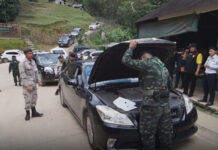
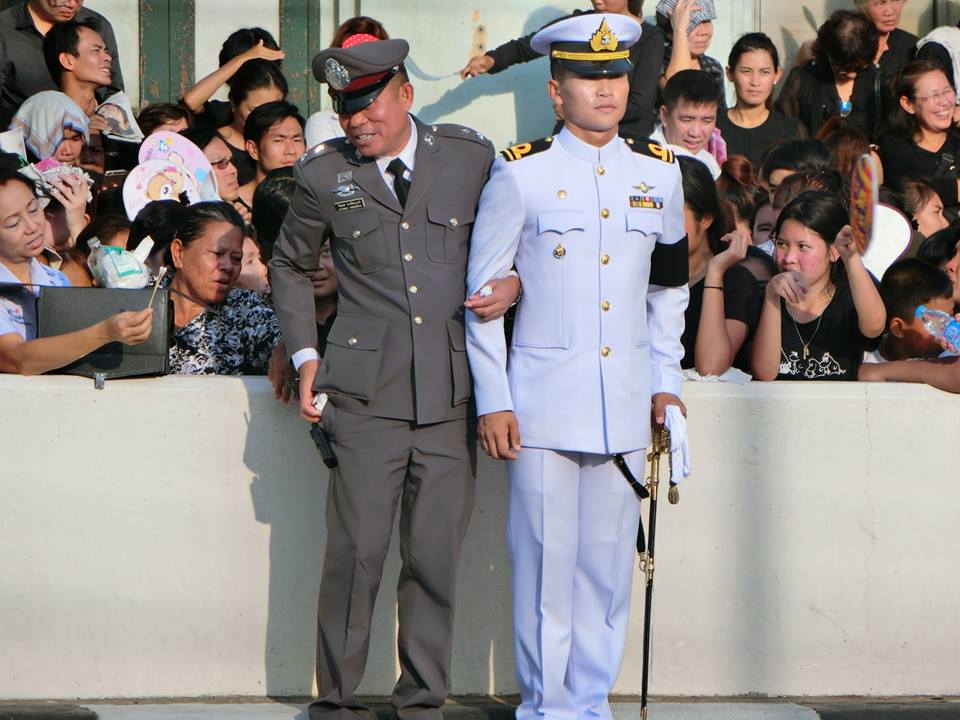
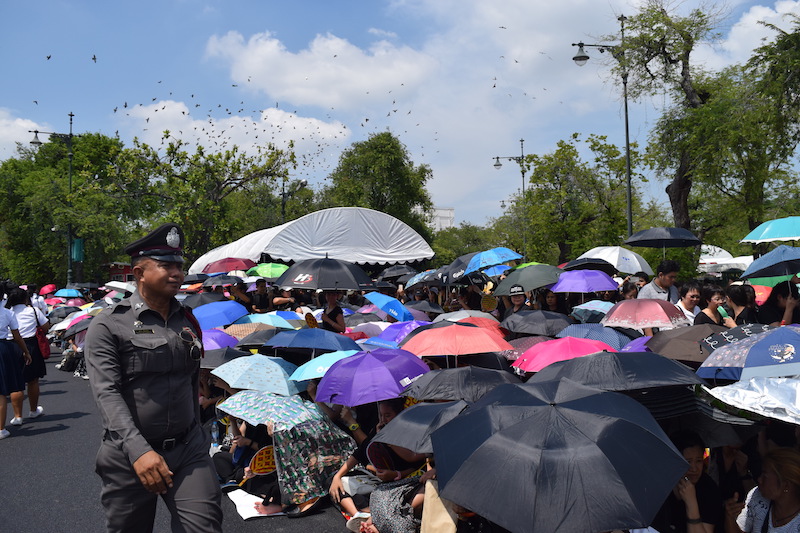
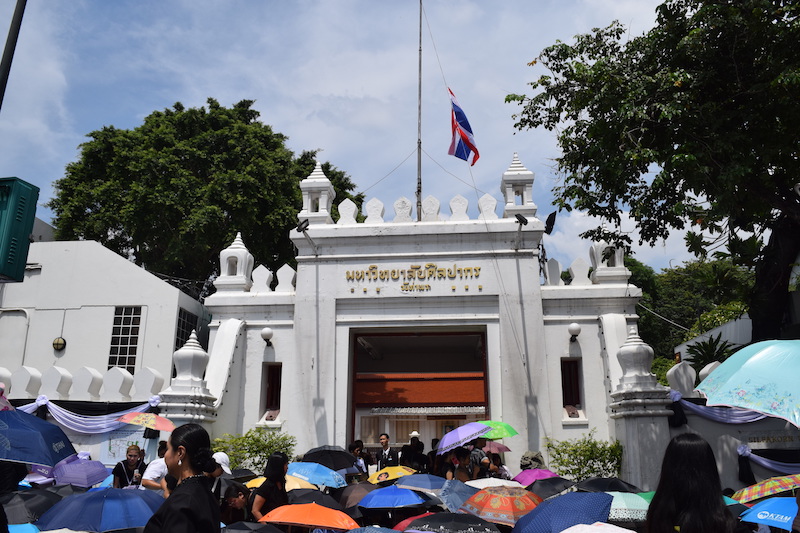
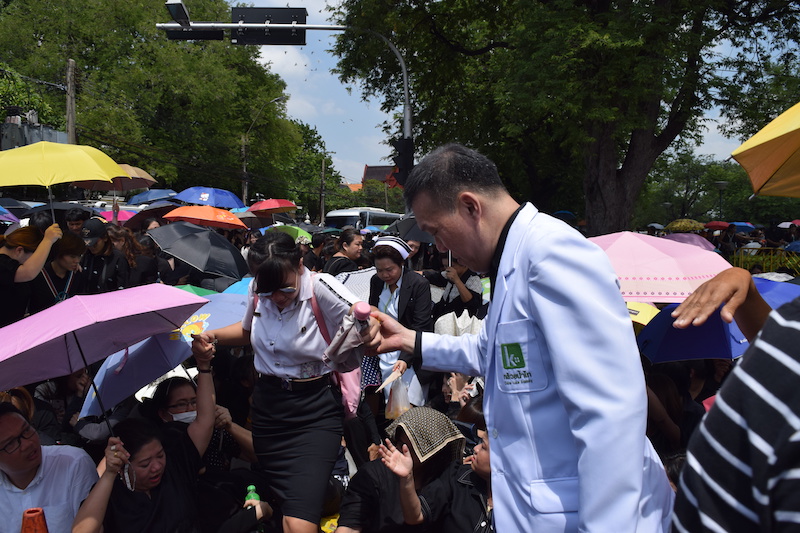
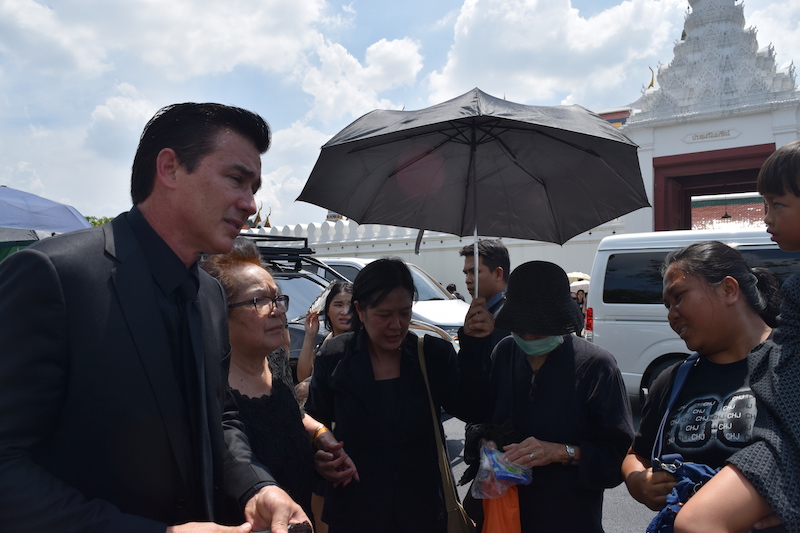
A policeman waves smelling salts before a naval officer who nearly fainted Friday as he stood guard for the royal funerary procession in Bangkok. Photo: Prueksachat Cherdchai / Facebook
BANGKOK — Photos of a naval officer nearly fainting as he stood guard near the motorcade carrying His Majesty the Late King’s body Friday evening have gone viral on social media, drawing praise for his perseverance.
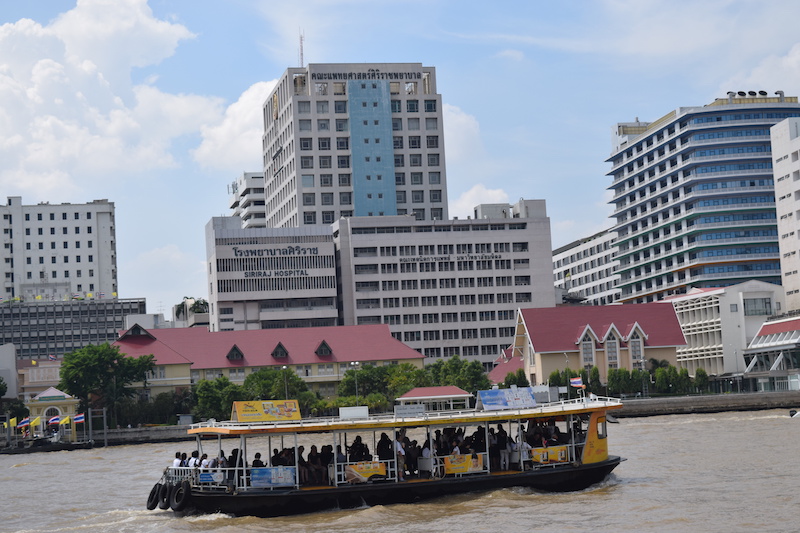
The story was first posted online by one of the tens of thousands of mourners who lined the roads from Siriraj Hospital to the Grand Palace for a glimpse of the van carrying King Bhumibol’s body, which will undergo a series of funerary rites for months to come.
“His spirit is amazing. Even though he stood under the sun for a long time to the point of almost fainting, he wouldn’t abandon his duty,” wrote Prueksachat Cherdchai. “Other officers volunteered to take his place, but he wouldn’t give up. A policeman offered him water, he wouldn’t drink. He would only do his duty for our Royal Father.”
The post was soon widely shared on social media. It had received more than 129,000 likes and reactions on Facebook by Saturday afternoon.
The officer was later identified as Lt. j.g. Charnrawee Daengyai of the Royal Thai Naval Academy. He told reporters Friday night he was about to pass out because he didn’t have enough sleep the night before.
Charnrawee added that he declined to be relieved by his fellow officers because his duty was to honor the late King’s body as it went past him.
“It was a great mission in which I must succeed, no matter what condition I’m in,” Charnrawee said.
King Bhumibol died at Siriraj Hospital at 88 on Thursday, a momentous day for Thailand where most have no memory of a king other than Bhumibol.
His funeral is expected to last for months. On Saturday the royal household set up a guestbook at the Grand Palace for mourners to sign their condolences.
Thailand's men's national football team shows here in 2014 after winning the first leg of the AFC Suzuki Cup at Bangkok's Rajamangala Stadium. Photo: Pitisak Chotpiboonsap / Flickr
SYDNEY — Football Australia says it is awaiting formal notification on whether the World Cup qualifier against Thailand next month will be moved due to the mourning period for Thailand’s King Bhumibol Adulyadej, who died on Thursday.
The Football Association of Thailand has suspended all domestic fixtures in line with a government directive to limit entertainment and festivities for a 30-day period.
While the Nov.16 match, originally scheduled in Bangkok, will fall just outside that 30-day limit, the restrictions could limit the ability to prepare for the game.
If Thailand cannot host the game, it is likely to be played in a neutral country, with Singapore or Malaysia the most likely venue.
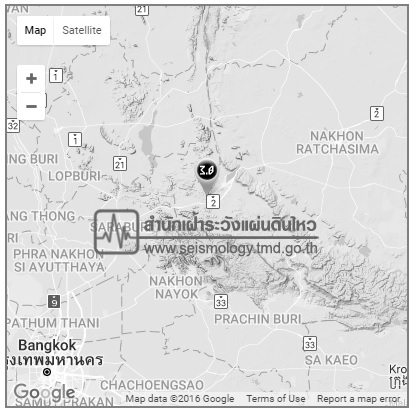
KORAT — A magnitude-3 earthquake shook the northeastern province of Nakhon Ratchasima but did not affect a large dam there, officials said Saturday.
The quake which struck at 11pm on Friday night had an epicenter in the Pak Chong district, according to the Meteorological Department. It was felt by many in the region, who quickly took to social media to express surprise.
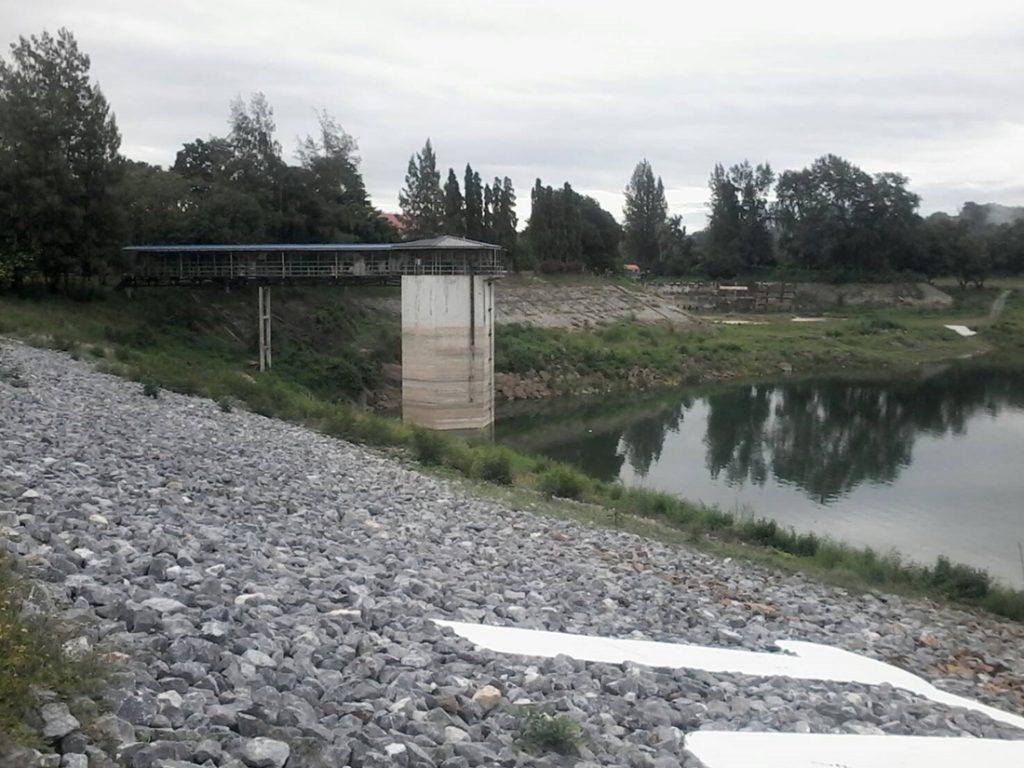
The 47-year-old Lam Thakong Dam, a reservoir close to the quake’s epicenter, was found to be safe following an inspection the next morning, said Sutthiroj Kongkaew, head of the provincial irrigation agency.
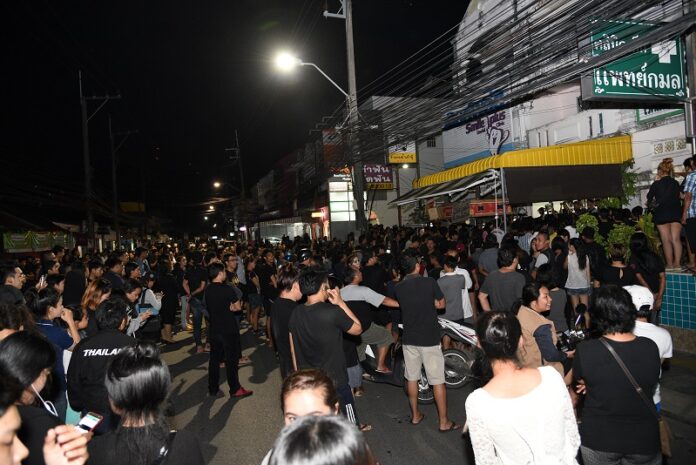
A large crowd gathers outside a soy milk store on Friday night in Phuket City
PHUKET — Roads were closed for hours Friday night after an angry mob gathered in front of a soy milk store in Phuket city demanding the shop owner’s son be arrested for allegedly insulting the royal family.
At about 11pm on Friday, more than 100 people gathered outside the shop of a man who they believe posted comments on Facebook that breached the country’s lese majeste law. The incident was livestreamed online in a video which has been shared nearly 11,000 times since last night.
Netizens were angry after they saw messages Sutee Arammetapongsa allegedly wrote on Facebook in August 2015 they interpreted as unfavorable toward the royal family.
The widely shared video of the incident showed footage of a large crowd shouting at security forces outside the locked-up shop. They cheered as more vehicles of protesters arrived to demand action.
It took over 30 policemen four hours to negotiate with the mob and restore peace. Protesters reportedly went back home at about 3am on Saturday without any episodes of violence taking place, Maj. Gen. Theerapol Thipcharoen, commander of Phuket police said.
“I pointed out that the country is in grief. We’re living through a transition of the King, and we want peace,” Theerapol said by phone Saturday morning. “I told them that we don’t want the situation to grow more intense. They listened and went back home.”
A man in the shop, whose identity was not disclosed by authorities, was taken into custody and charged with royal defamation under Section 112 of the penal code and violating the Computer Crime Act.
He was later released, Theerapol said, due to a lack of evidence to hold him.
The leader of the mob, Suratin Lian-udom, vowed to collect evidence to justify re-arresting the man.
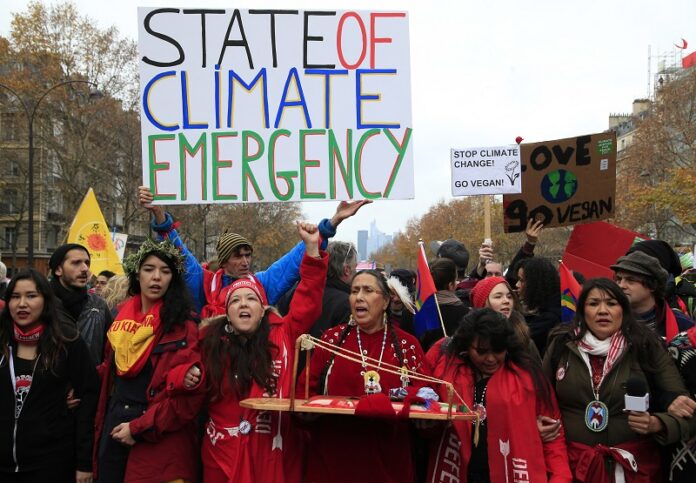
Climate activists demonstrate in 2015 during COP21, the United Nations Climate Change Conference, in Paris, France. Photo: Thibault Camus / Associated Press
KIGALI, Rwanda — Nations have reached a deal to limit the use of greenhouse gases far more powerful than carbon dioxide in a major effort to fight climate change.
The talks on hydrofluorocarbons, or HFCs, have been called the first test of global will since the historic Paris Agreement to cut carbon emissions was reached last year. HFCs are described as the world’s fastest-growing climate pollutant and are used in air conditioners and refrigerators.
The agreement announced Saturday morning, after all-night negotiations, caps and reduces the use of HFCs in a gradual process beginning in 2019 with action by developed countries including the United States, the world’s second worst polluter. More than 100 developing countries, including China, the world’s top carbon emitter, will start taking action in 2024.
A small group of countries including India, Pakistan and some Gulf states pushed for and secured a later start in 2029, saying their economies need more time to grow. That’s two years earlier than India, the world’s third worst polluter, had first proposed.
Environmental groups had hoped that the deal could reduce global warming by a half-degree Celsius by the end of this century. This agreement gets about 90 percent of the way there, said Durwood Zaelke, president of the Institute for Governance and Sustainable Development.
Zaelke’s group said this is the “largest temperature reduction ever achieved by a single agreement.”
The new agreement is “equal to stopping the entire world’s fossil-fuel CO2 emissions for more than two years,” David Doniger, climate and clean air program director with the Natural Resources Defense Council, said in a statement.
Experts said they hope that market forces will help speed up the limits agreed to in the deal.
“Compromises had to be made, but 85 percent of developing countries have committed to the early schedule starting 2024, which is a very significant achievement,” Clare Perry, UK Climate Campaign Leader with the Environmental Investigation Agency, said in a statement.
HFCs were introduced in the 1980s as a substitute for ozone-depleting gases. But their danger has grown as air conditioner and refrigerator sales have soared in emerging economies like China and India. HFCs are also found in inhalers and insulating foams.
Major economies have debated how fast to phase out HFCs. The United States, whose delegation was led by Secretary of State John Kerry, and Western countries want quick action. Nations such as India want to give their industries more time to adjust.
Small island states and many African countries had pushed for quick action, saying they face the biggest threat from climate change.
“It may not be entirely what the islands wanted, but it is a good deal,” the minister-in-assistance to the president of the Marshall Islands, Mattlan Zackhras, said in a statement. “We all know we must go further, and we will go further.”
HFCs are less plentiful than carbon dioxide, but Kerry said last month that they currently emit as much pollution as 300 coal-fired power plants each year. That amount will rise significantly over the coming decades as air conditioning units and refrigerators reach hundreds of millions of new people.
HFCs don’t harm the ozone layer like chlorofluorocarbons and similar gases that were eliminated under the 1987 Montreal Protocol. The entire world ratified that agreement, helping to repair holes in the ozone that helps shield the planet from the harmful rays of the sun. The aim of this meeting was to attach an amendment to that treaty dealing specifically with HFCs.
BANGKOK —The 14th World Film Festival of Bangkok set for November has been postponed to next year to mourn the passing of King Bhumibol.
Kriengsak “Victor” Silakong, festival director of Thailand’s longest-running film festival, announced the postponement online, saying it would be moved to January.
“The Kingdom of Thailand has lost its beloved monarch, King Bhumibol Adulyadej and is now in mourning,” he wrote.
The World Film Festival of Bangkok has selected more than 70 international films to screen with a focus on exploring the world’s cultures from filmmakers’ perspectives.
Selections include French psychological thriller “Elle,” Davy Chou’s “Diamond Island” from Cambodia, LGBT-oriented “Present Perfect” from Thailand, Taiwanese action movie “Dragon Inn” and acclaimed animation “The Red Turtle.”
The festival’s Lotus Award is to be given to American director Oliver Stone for his contribution to the film industry.
Ticket prices for all films will be 120 baht with discounts for buying five. The festival has been rescheduled for Jan. 23 through Feb. 1 at SF World Cinema CentralWorld.
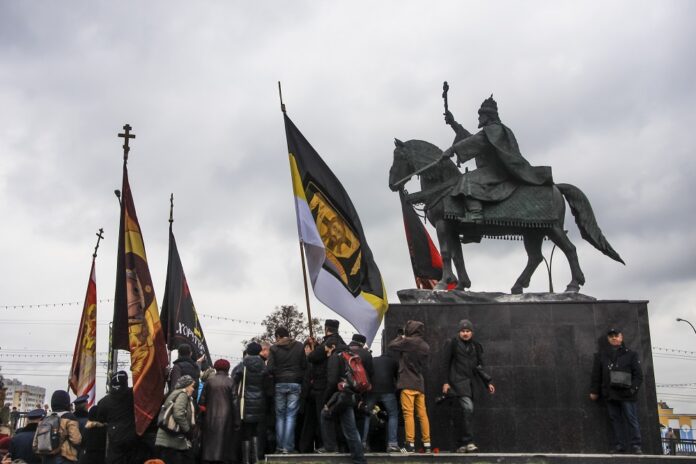
People hold various flags of Russian patriotic and Orthodox movements at the unveiling ceremony for a monument to Czar Ivan the Terrible in the city of Orel, 350 kilometers south of Moscow, on Friday. Photo: Howard Amos / Associated Press
OREL, Russia – Despite protests and court battles, the Russian city of Orel has unveiled the country’s first monument to Ivan the Terrible, the bloody 16th-century czar who massacred his subjects by the thousands and even reportedly killed his own son.
At a ceremony Friday, officials inaugurated the statue of Ivan on horseback, wielding both a sword and a cross, in the city (pronounced ahr-YOL) 350 kilometers (225 miles) south of Moscow. The region’s governor likened the brutal czar – favorably – to current Russian President Vladimir Putin.
“We have a great, powerful president who has forced the whole world to respect and defer to Russia – just like Ivan the Terrible did in his time,” Vadim Potomsky said at the ceremony.
Ivan, who reigned from 1547 to 1584, was responsible for violence including the Novgorod Massacre, which killed thousands. But he is also respected as both key to Russia’s establishing itself as an empire and as a patron of the arts, including commissioning the landmark St. Basil’s Cathedral, which dominates Red Square in Moscow.
The czar’s moniker reflects his mixed reputation – in Russian, it can mean not only “terrible” but also “formidable.”
The erection of the statue comes as Russia, encouraged by Putin, is undergoing a broad reassessment of its history. The current Russian narrative justifies violence and repression if it’s seen as having been necessary to strengthen the Russian state, including atrocities ordered by Soviet dictator Josef Stalin.
Among the crowd of 1,000 who witnessed the monument’s inauguration in Orel was Alexander Zaldostanov, the burly leader of the pro-Putin biker group Night Wolves.
On the other side of the political spectrum, some activists in Orel had held protests against the statue and launched an unsuccessful court attempt to block it. One of them, Natalia Golenkova, told The Associated Press she had been assaulted walking home one night and warned to stop her opposition to the statute.
“Who was a fan of Ivan the Terrible? Stalin,” she said. “Tyrants love tyrants.”
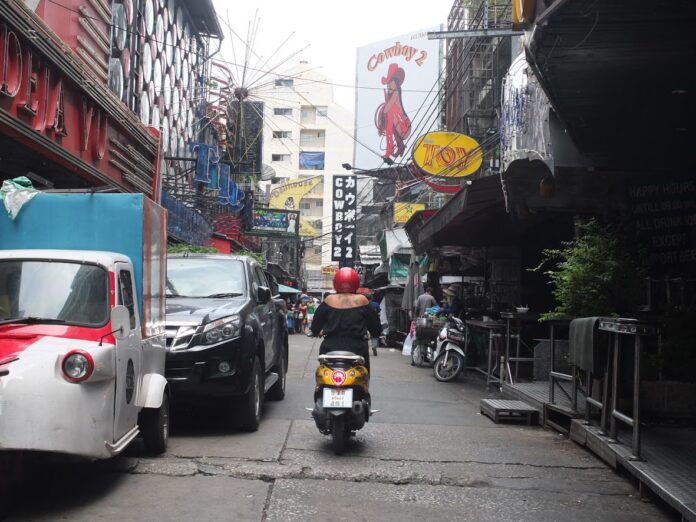
Go go bars in Soi Cowboy were ordered closed indefinitely starting at 8pm on Thursday.
BANGKOK — In Bangkok’s red light district Soi Cowboy, 7pm is usually the beginning of a long, neon night of music and enticement. But on Thursday’s historical night of Oct. 13, it was the end.
On Friday, Paithoon Khumkhaeng, who works at famous go go bar Suzie Wong, described how the whole garish scene there suddenly became paralyzed with light banter replaced by echoes of crying after the broadcast announcement King Bhumibol had passed away.
“Some really can’t take it, they can’t even listen to the news,” the 49-year-old Friday said as he began crying anew. “The owner said to close our place immediately. No one could continue working.”
All places in Soi Cowboy eventually closed by 8pm, an hour after the news shook the country, Paithoon said.
When all the workers, from bartenders to bikini-clad dancers burst into tears, Paithoon said tourists seem to understand, as they also saw the news hit the internet at the same time.
“Though some of them might not really have understood how big it is for us,” he said.
Patchara Sotnirunchai directs people to a free shuttle bus to the Grand Palace on Friday where the funeral bathing ceremony for HM the King was to take place.
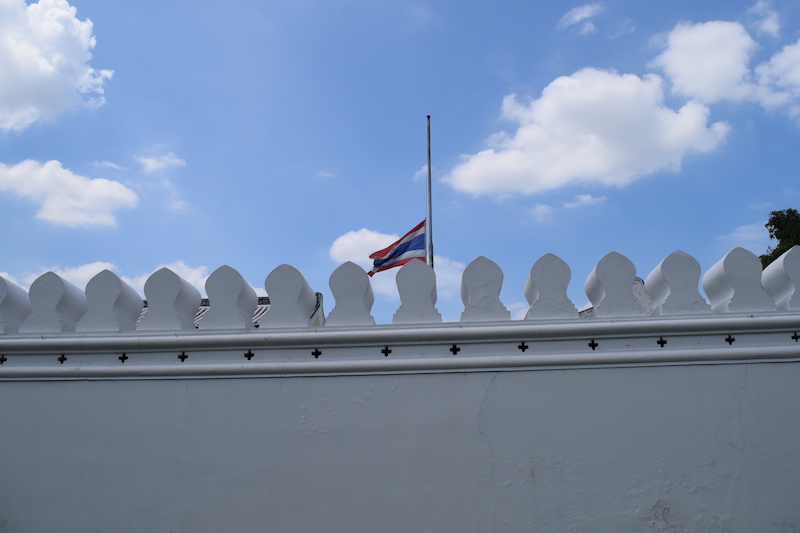
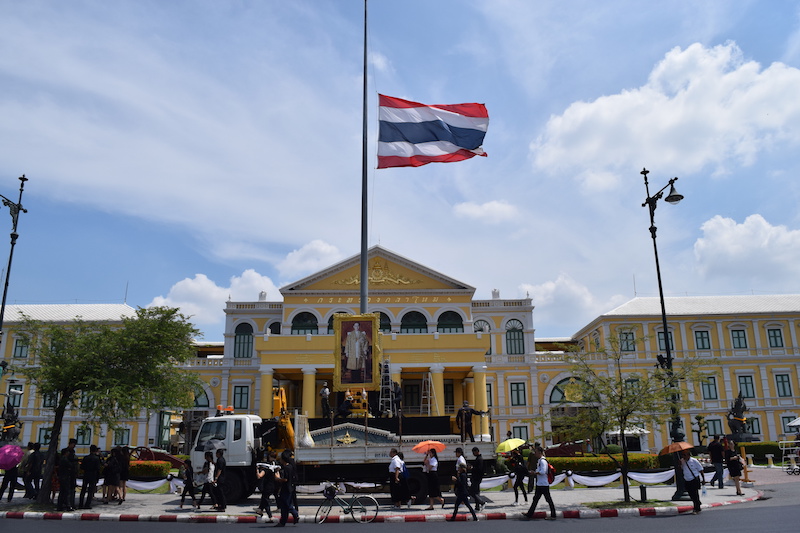
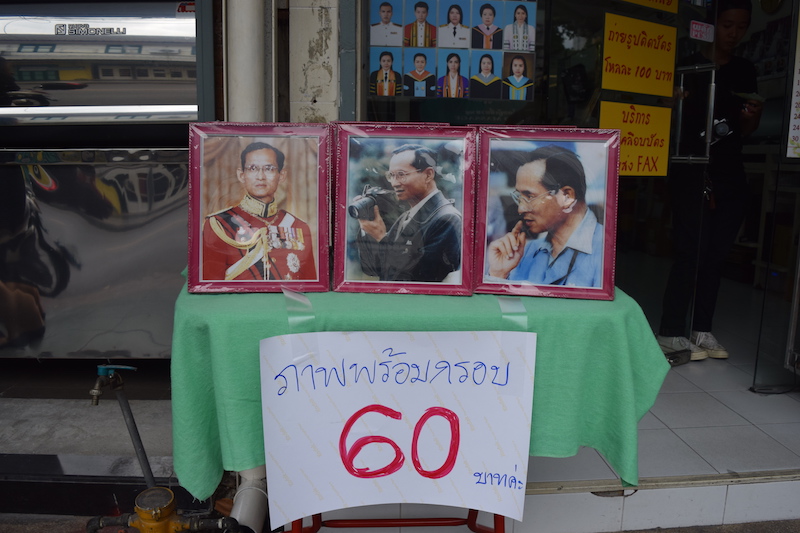
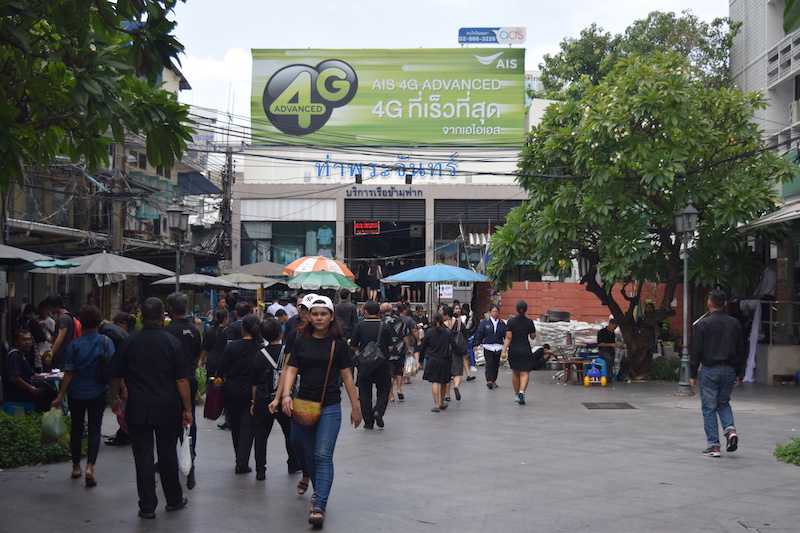
Waking up for the first day in their lives without the king treated as a spiritual leader for 70 years, Bangkok on Friday appeared to be living without its soul. Most people walked quietly in black clothes, and all significant activities were halted. Public transportation such as the BTS Skytrain was silent, the advertising pulled.
The military government announced Friday would be a national holiday. Many people were grieving and finding it difficult to do their jobs.
Patchara Sotnirunchai was one of them. The 40-year-old from the Bangkok Mass Transit Authority on Friday was tasked to stand at the Victory Monument bus station and give information to people about free shuttles to join the royal procession from Siriraj Hospital to the Grand Palace.
As she was directing the buses on the street and shouting information to the public, tears were still running from her eyes.
“I can’t control it,” she said before continuing to shout and hide her wet eyes behind her glasses.
A customer shops for black shirts Friday at Victory Monument in Bangkok.
Having no chance to join the thousands of people thronging along the route of the procession, Patchara said she was proud of her contribution to her beloved king, even from far away.
For some industry, the sudden national demand signaled opportunity.
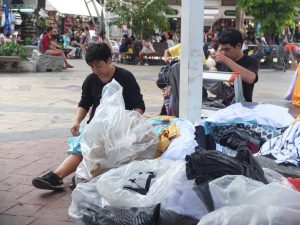
Kamonthanat Kaewbudda has a small line of factories to make shirts she sells from a shop in Victory Monument. With many citizens expected to wear black for a year in mourning, she said she will need a new plan.
“I think I will have to increase the ratio of black shirts from 10 percent to 50, or perhaps 80 to 90 percent,” she said while packing hundreds of colored shirts into bags and replaced most with black ones.
The 30-year-old said she heard the price of black shirts at the wholesale Bo Bae market has doubled from 60 baht to 120 baht.
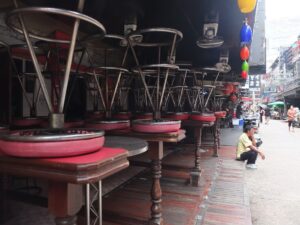
Go go bars in Soi Cowboy were closed indefinitely starting at 8pm on Thursday.
Like many other vendors, Kamonthanat said she did not prepare ahead for the situation, as she never imagined it would really happen.
Yet for the people who toil for their livelihood in the engine of entertainment, the future holds other concerns.
Although some of venues in Soi Cowboy briefly tried to resume business Friday evening without playing music, Suzie Wong remain closed.
Working in Soi Cowboy for many decades, Paithoon said he has witnessed many incidents that forced all the go go bars to close down, including three days closure after the 1995 death of Princess Srinagarindra, King Bhumibol’s mother. The longest closure period was five days after the junta seized power in 2014.
Government spokesman Col. Sansern Kaewkamnerd on Thursday asked to postpone all public entertainment for 30 days. For activities organized in private places, he urged people to be careful and considerate.
A vendor packs colored clothes into bags and pull out black shirts to display instead Friday at Victory Monument in Bangkok.
“We still don’t know how long we will be closed this time,” Paithoon said. “We will wait for the notice from local police.”
Despite his acute grief and despair, Paithoon was concerned that should the order for entertainment venues to stay closed continue for a long period, it will be difficult for most workers, who get paid only for days worked and receive no other benefits. Even people who have monthly salaries there, Paithoon said, still usually depend on tips from tourists.
Weeping tears away, he said, “We can’t live like this for long. We have to move forward.”
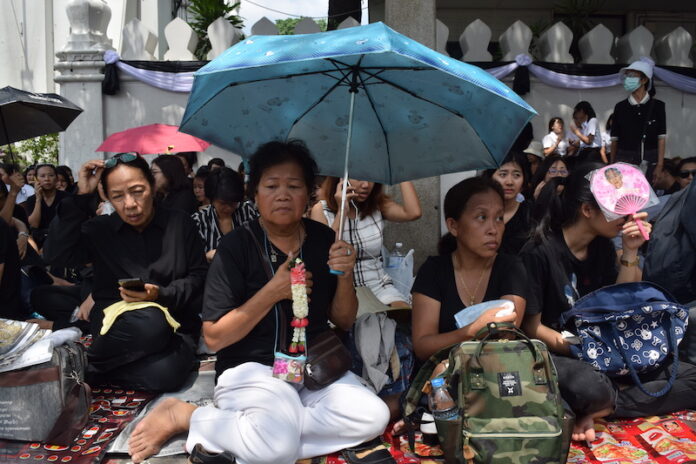
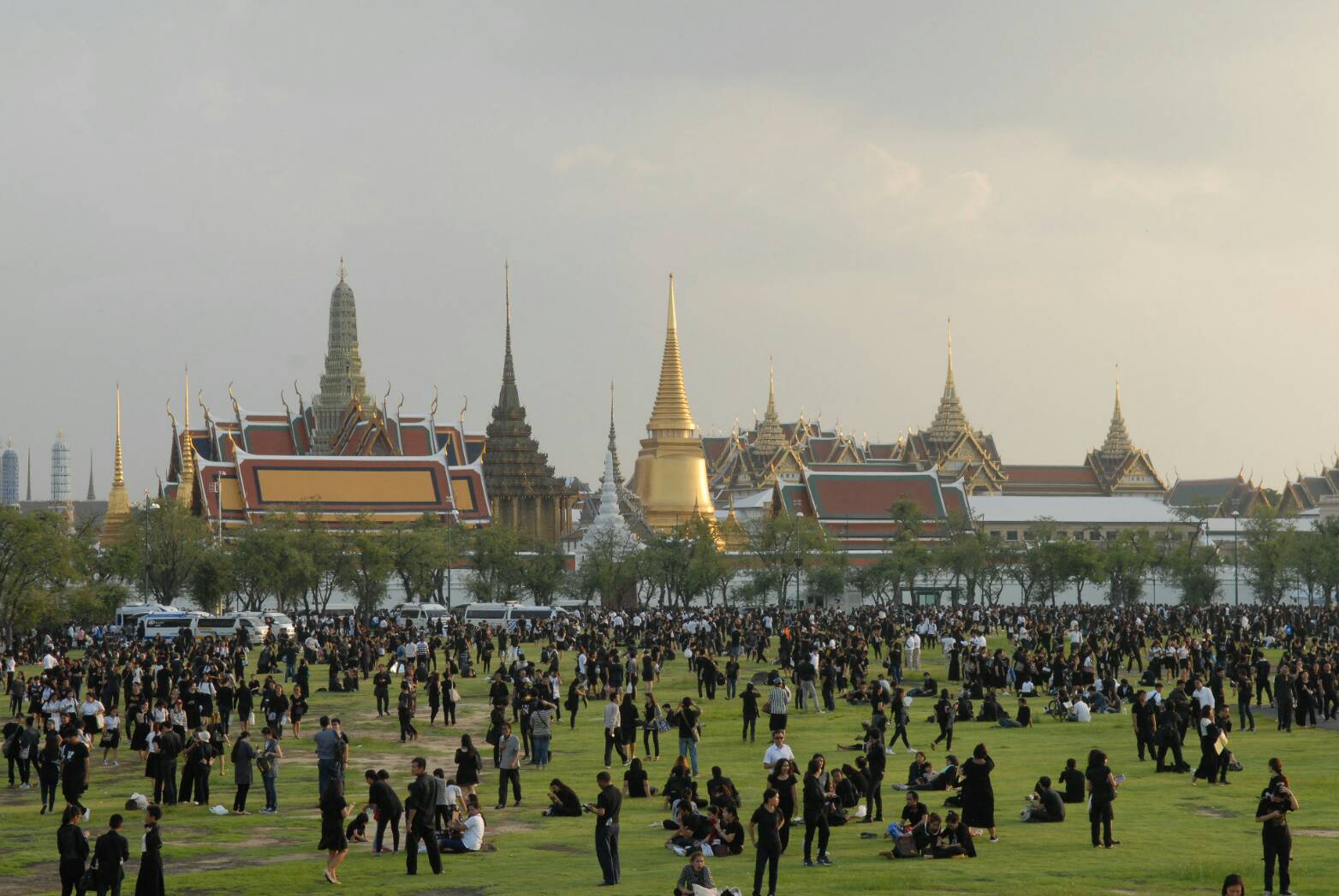
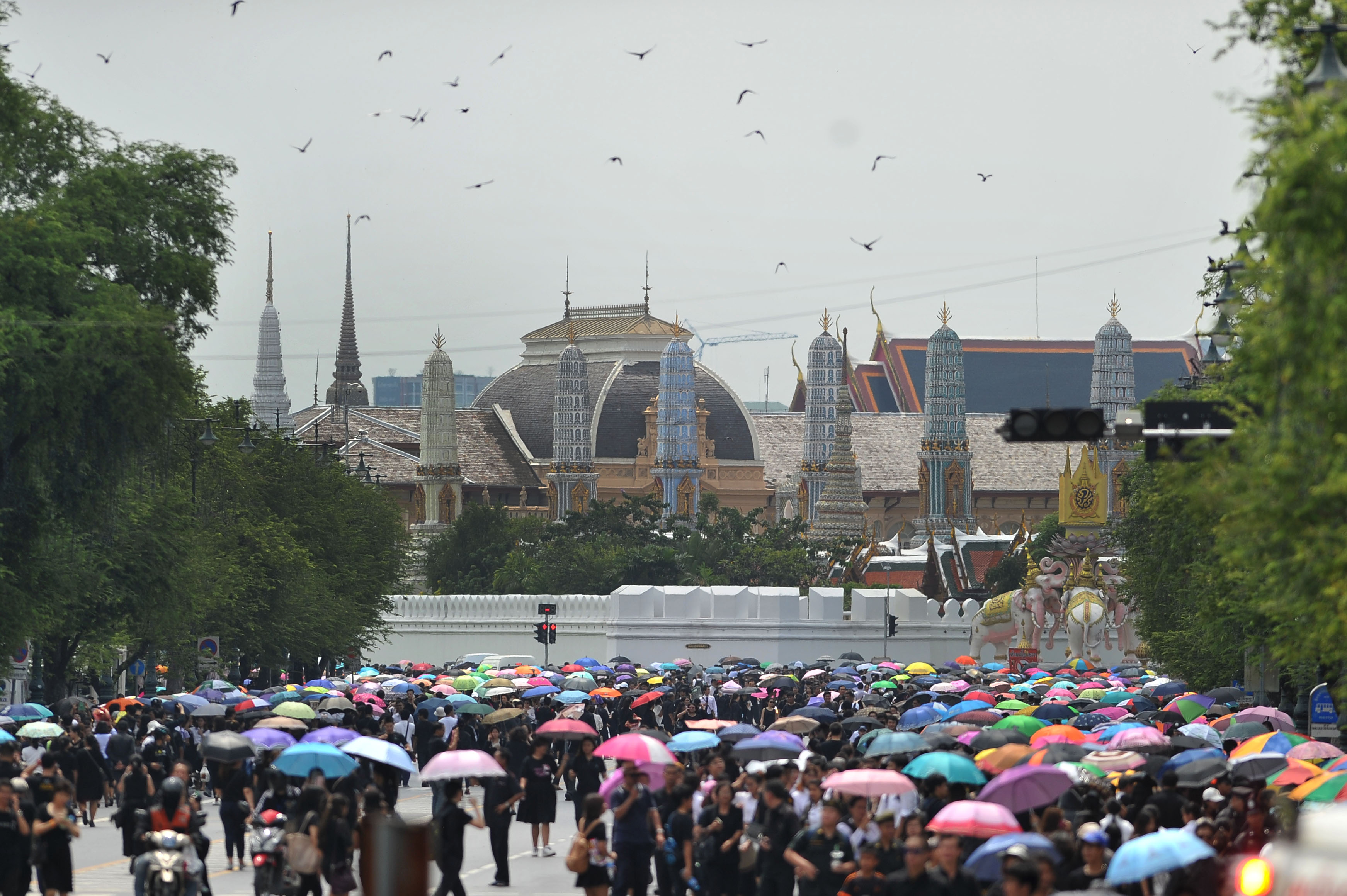
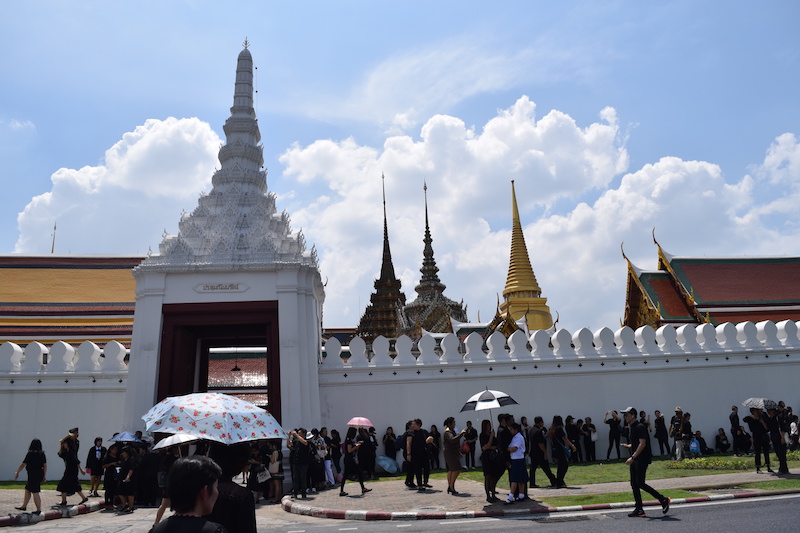
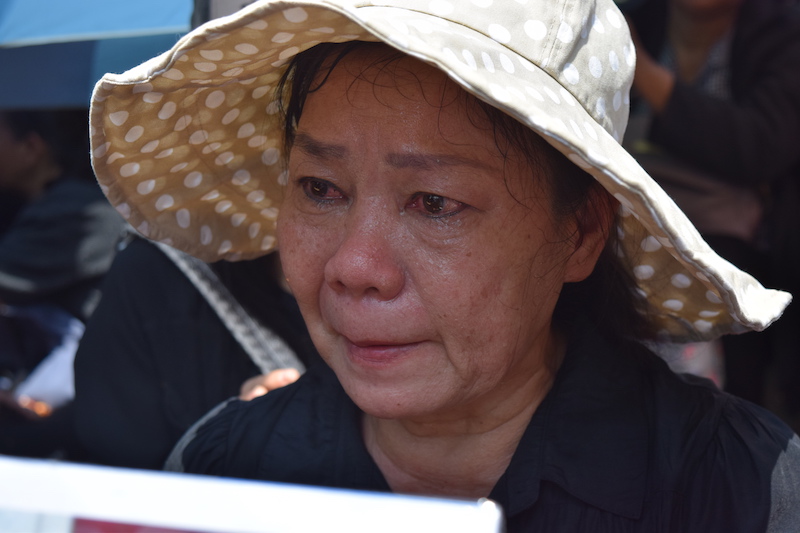
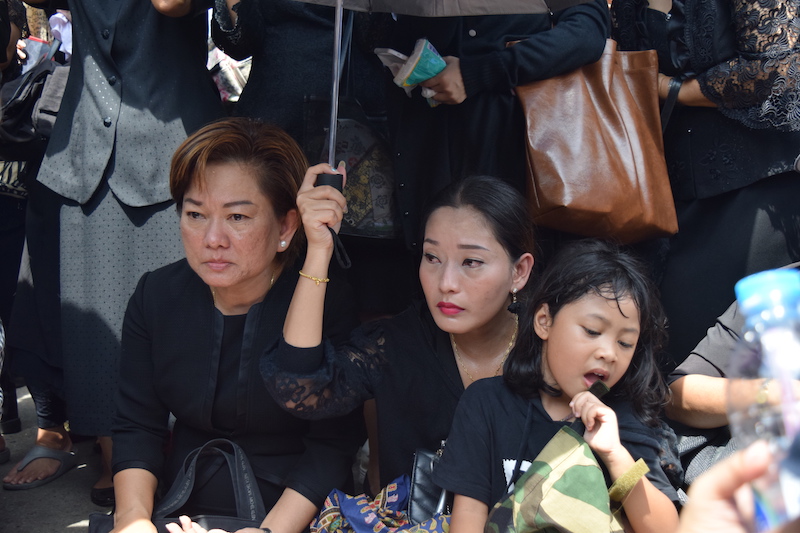
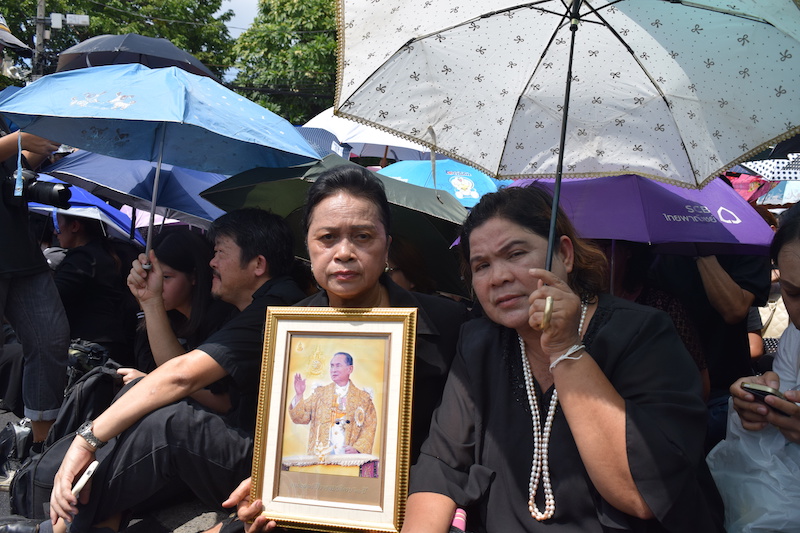
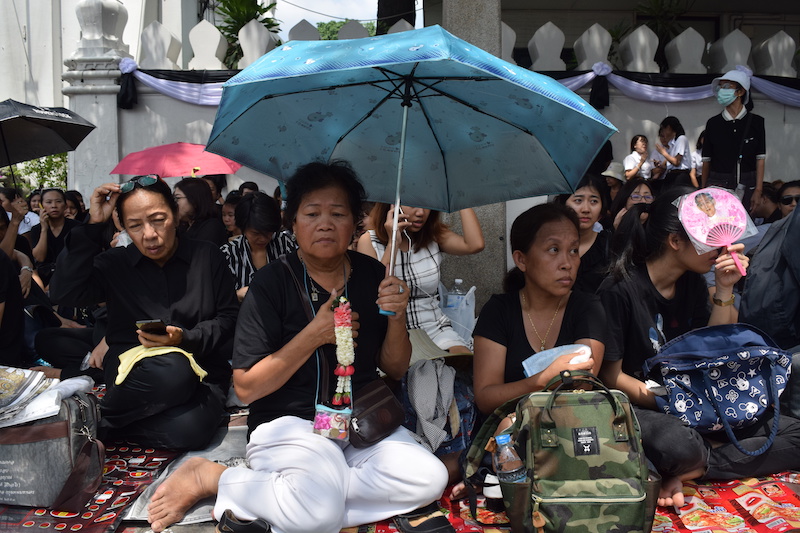
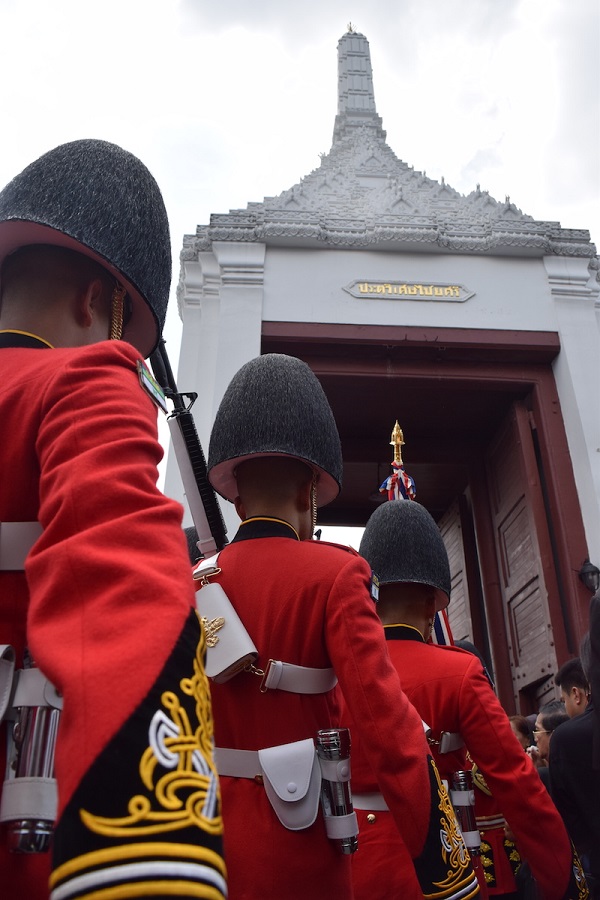
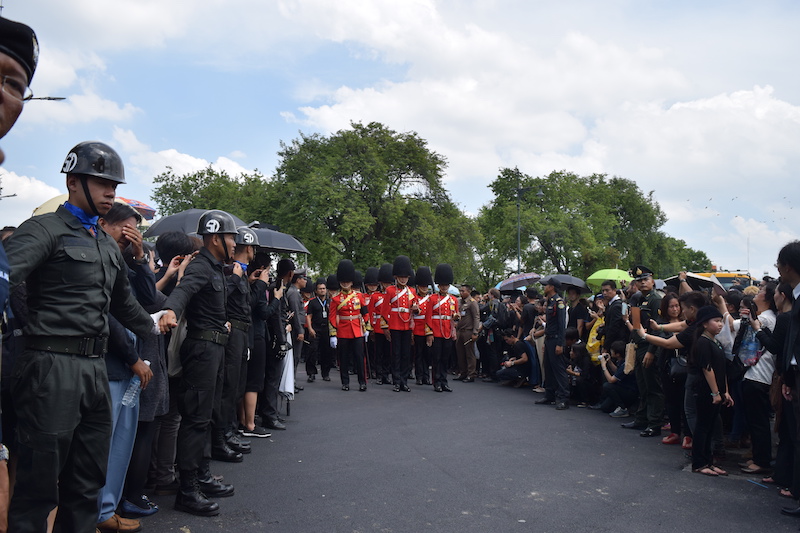
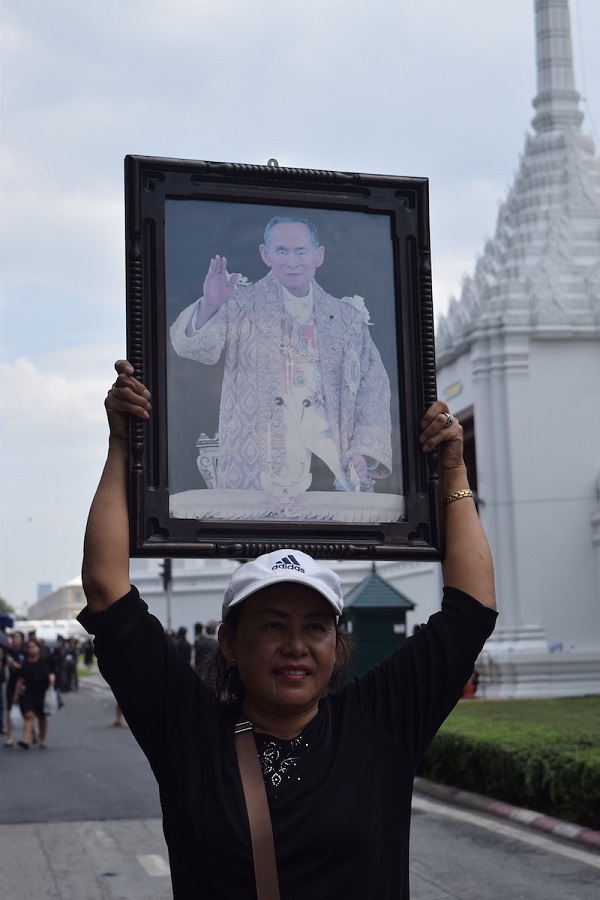
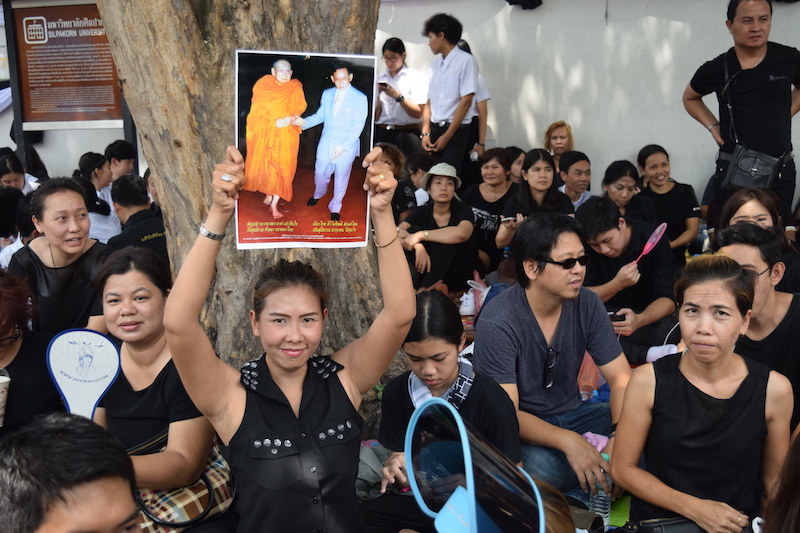
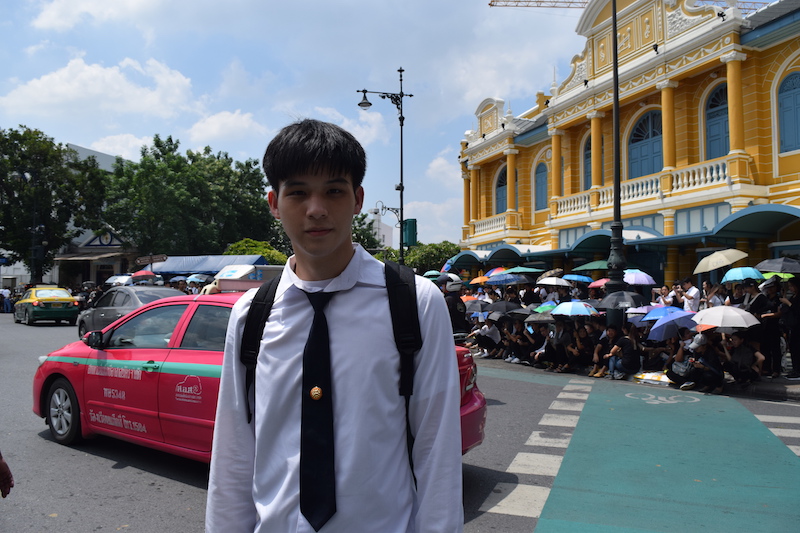
BANGKOK —Thais from the city and the provinces gathered Friday morning around the Grand Palace and to see-off their beloved King. For many, a dawn without King Bhumibol Adulyadej would never be the same.
The procession left Siriraj Hospital in the afternoon and reached the Grand Palace at about 3pm. People were advised to remain quiet and calm and were asked not to take photos, wear sunglasses or use umbrellas during the ceremony.
Actor Ruengrit “Willy” McIntosh and his motherFamous teen actor Wongravee “Sky” Nateetorn
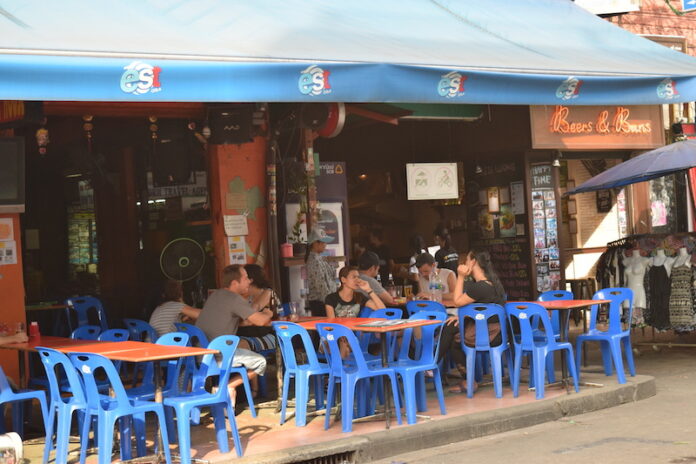
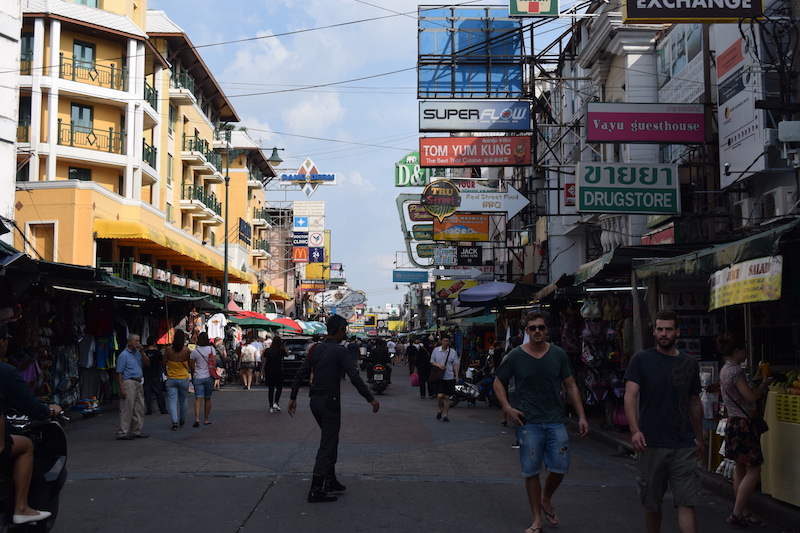
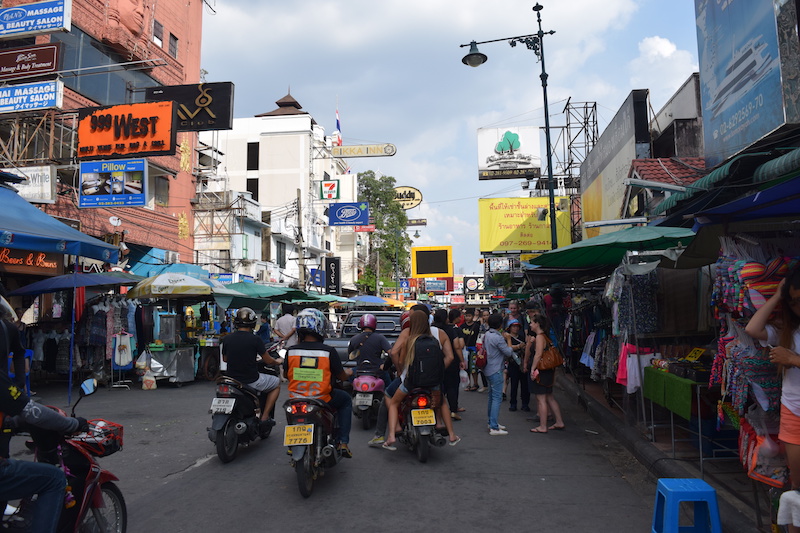
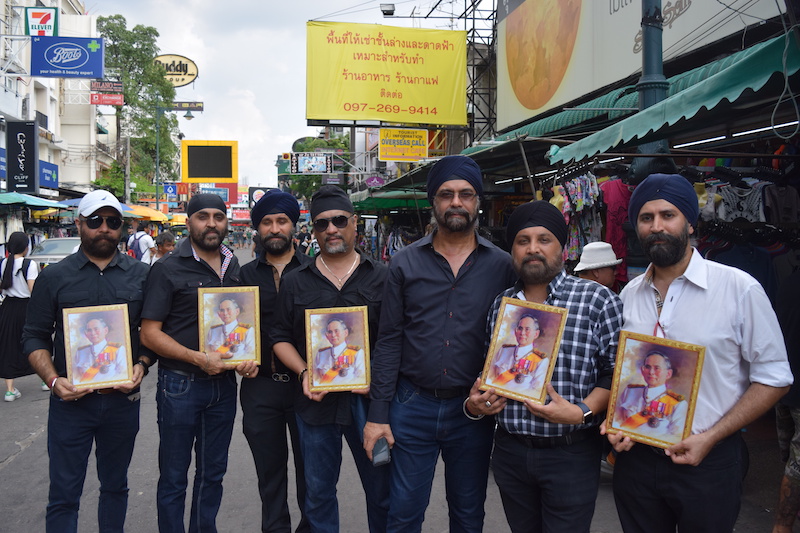
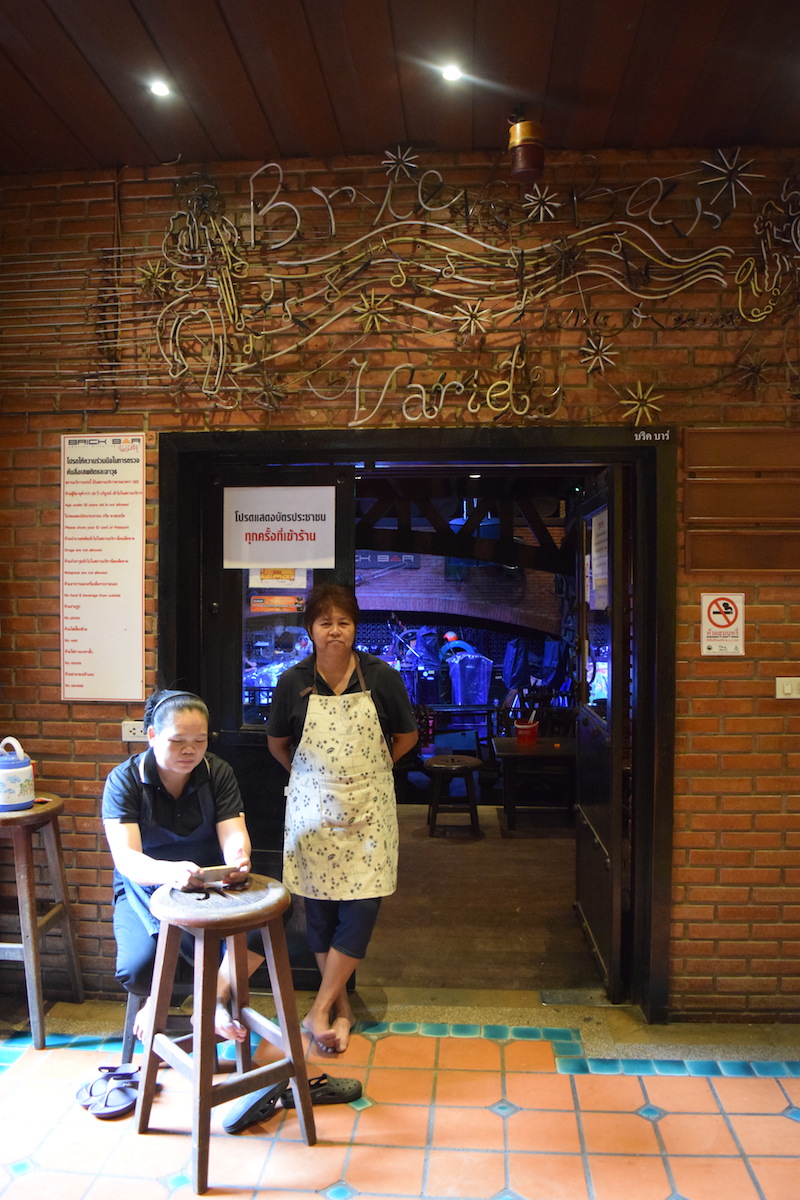
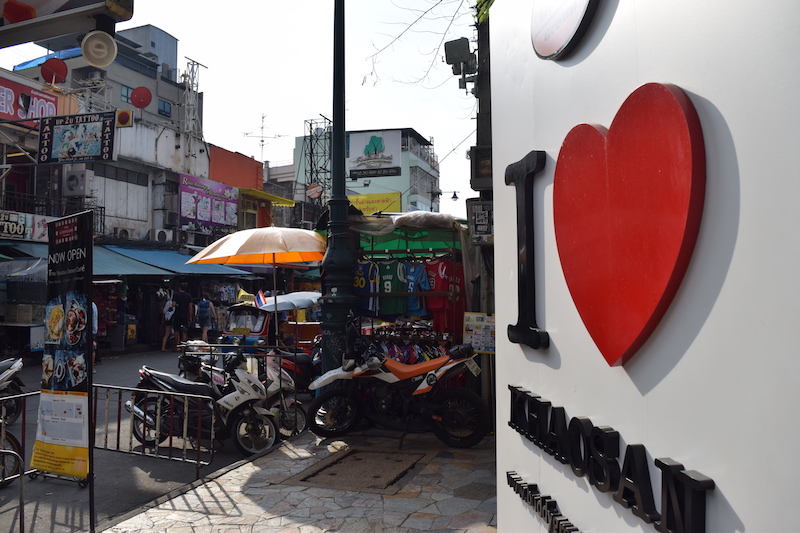
BANGKOK — In the aftermath of HM King’s death Thursday, tourist hub Khaosan Road has become a much more subdued version of itself.
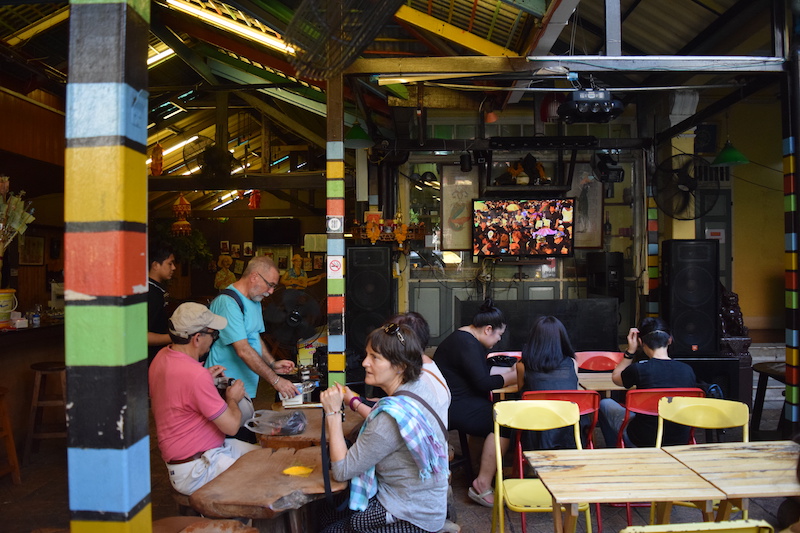
Some restaurants will be open for business, while others have decided to temporarily shut down to observe a period of mourning. Police on Thursday night approached entertainment venues and restaurants to ask for their cooperation in turning off music on the street known for being loud.
“Khaosan has been as quiet as a graveyard,” said Kanchorn Ruchiwatthakorn, 42. “While there were some people still around yesterday, it’s been super quiet today.”
However the owner of the popular food cart Jojo Pad Thai said it’s happened before and been even quieter on previous occasions, such as the 2013-2014 and 2010 protests. Despite this, Kanchorn predicted his regulars, especially the Korean tourists, would continue to visit.
Bars that have to shut down temporarily though will likely have to send home their promotional beer babes.
“Yesterday I saw a bunch of them show up to work and then immediately go home,” Kanchorn said.
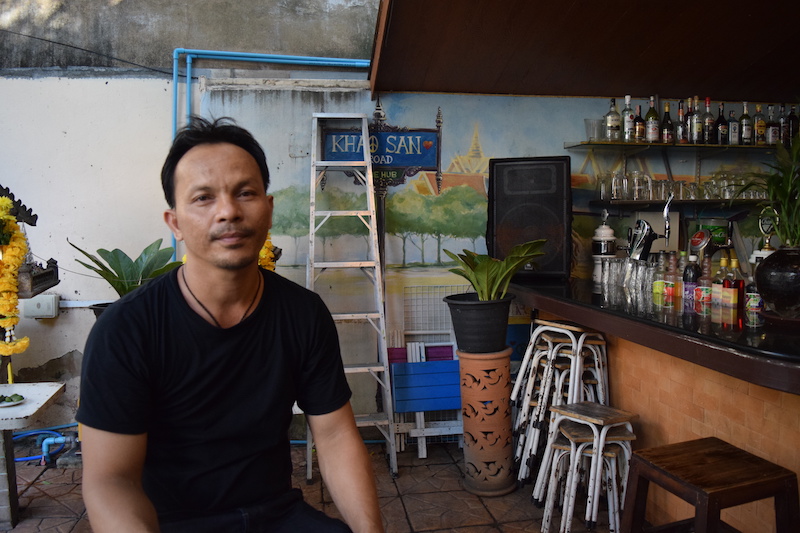
Samart Sateansut, staff manager at The Hub Khaosan pub, said that the most striking difference for him was the silence. The pub will continue to operate, he said, but without music and will close at midnight instead of the usual 2am.
Khaosan tourists seemed to be aware of the HM the King’s death, too. Valerie Jones, 35, an American visiting Thailand for the first time said that she and her friends were aware that the King had passed. However, their vacation would continue as planned, she said.
Photos and additional reporting by Kaewta Ketbungkan