Mt. Everest is seen from the way to Kalapatthar in 2015 in Nepal. Photo: Tashi Sherpa / Associated Press
KATHMANDU, Nepal — The body of an Indian climber was spotted on Mount Everest on Monday, the fourth fatality on the mountain during a busy and tragic weekend on the world’s highest peak.
Sherpa rescuers spotted the body of Indian climber Ravi Kumar, but it was impossible to retrieve the body, said Thupden Sherpa of Arun Treks and Expedition. It appeared that Kumar had fallen some 200 meters (650 feet) below the route, he said.
Climbers from the United States, Slovakia and Australia also died on the mountain over the weekend.
Kumar fell sick on his way down from the summit on Saturday and did not make it to the nearest camp, though his accompanying Nepalese Sherpa guide did reach camp. The guide was sick but had managed to drag himself to the camp at South Col, located at 8,000 meters (26,247 feet).
Kumar and his guide reached the 8,850-meter-high (29,035-foot-high) summit at about 1:30 p.m. Saturday, which is considered late, and not many climbers were around when they were returning back.
Tourism Department official Kamal Prasad Adhikari confirmed that American climber Roland Yearwood, 50, from Georgiana, Alabama, died Sunday, but it was not clear if and when his body would be brought down.
A Slovak climber, Vladimir Strba, 50, also died on Everest on Sunday, Tourism Ministry official Gyanendra Shrestha said. His body was brought the South Col camp.
Australian climber Francesco Enrico Marchetti, 54, from Queensland, died on the Chinese side of Everest, according to the Himalayan Times newspaper. Other details were not available.
The number of climbers who have died on Everest during the current spring climbing season, which began in March and runs through the end of this month, has now reached six. A typical spring season sees around six deaths on Everest, according to mountaineering officials.
Because of bad weather conditions, climbing to the summit had been delayed this year, leading to a rush in the last few days to get to the summit.
The Nepalese Tourism Department issued a record 371 permits this year to people to scale the mountain. The increased number of climbers this year is likely because many people were unable to climb in 2014 and 2015, when deadly avalanches disrupted the climbing seasons.
Climbers who had permits for the 2014 season were allowed to receive a free replacement permit until 2019, while climbers with 2015 permits were given only until this year. The permits normally cost USD $11,000.
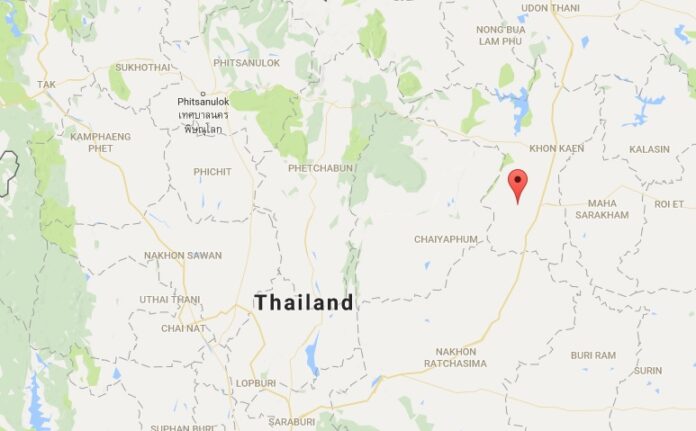
KHON KAEN — Seven people, including a 14-year-old boy, are in military custody on suspicion of setting fire to a roadside portrait of His Majesty the Late King in northeastern Thailand, a police officer said Monday.
No charges have been filed against the seven over the incident, which reportedly took place one week ago on May 15 in Khon Kaen province, and it was unclear when they were arrested.
“I believe seven people are being held by the army for questioning,” Lt. Col. Jatemanoon Saphapairot, a deputy local police chief said by telephone.
He added that none has been handed over to police.
Jatemanoon did not give any names, but an internal memo circulated by the Ministry of Interior Affairs identified four of them as Chirayu Sinpho, 19; Ratrthathammanoon Srihabutr, 20; Akkharapong Aryukong, 19; and a 14-year minor.
The lieutenant colonel said police are seeking arrest warrants for several other suspects.
Large portraits of members of the Royal Family are a common sight on roads and at intersections, and they are treated as objects of respect.
The detentions come during an intensifying crackdown on actions deemed critical of the monarchy. Six people were charged with lese majeste earlier this month, and the military government publicly threatened to file criminal charges against Facebook over blocking content from the kingdom.
Thai Lawyer for Human Rights said the military was detaining the seven at a special prison it built for national security cases on a Bangkok military base.
“Thai Lawyers for Human Rights … is concerned about the military detention of the individuals and that they are not entitled to the right to fair trial, particularly the detention of a 14-year-male minor who should in fact be entitled to a different treatment from an adult,” the English-language statement read.
Although any public sign of disrespect against the monarchy has been considered taboo, the authorities have taken a tougher stance toward offenders since a royalist regime seized power on May 22, 2014.
Just two weeks ago, on May 3, security officers charged six people with insulting the monarchy, or lese majeste. Their offenses are said to include sharing Facebook posts of a fugitive historian wanted in Thailand for lese majeste.
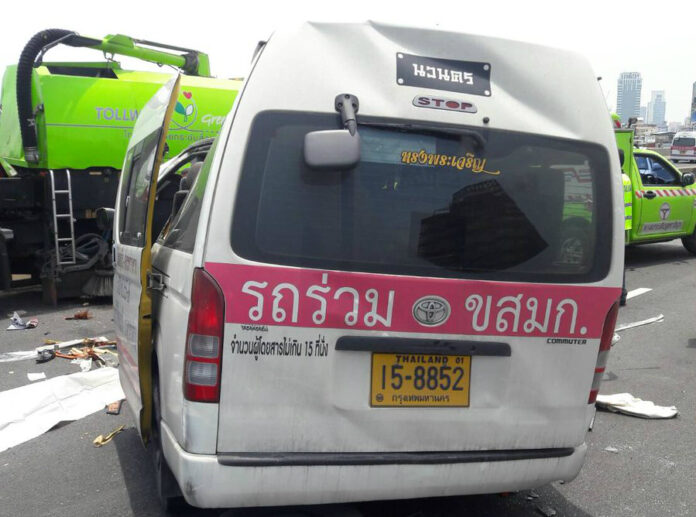
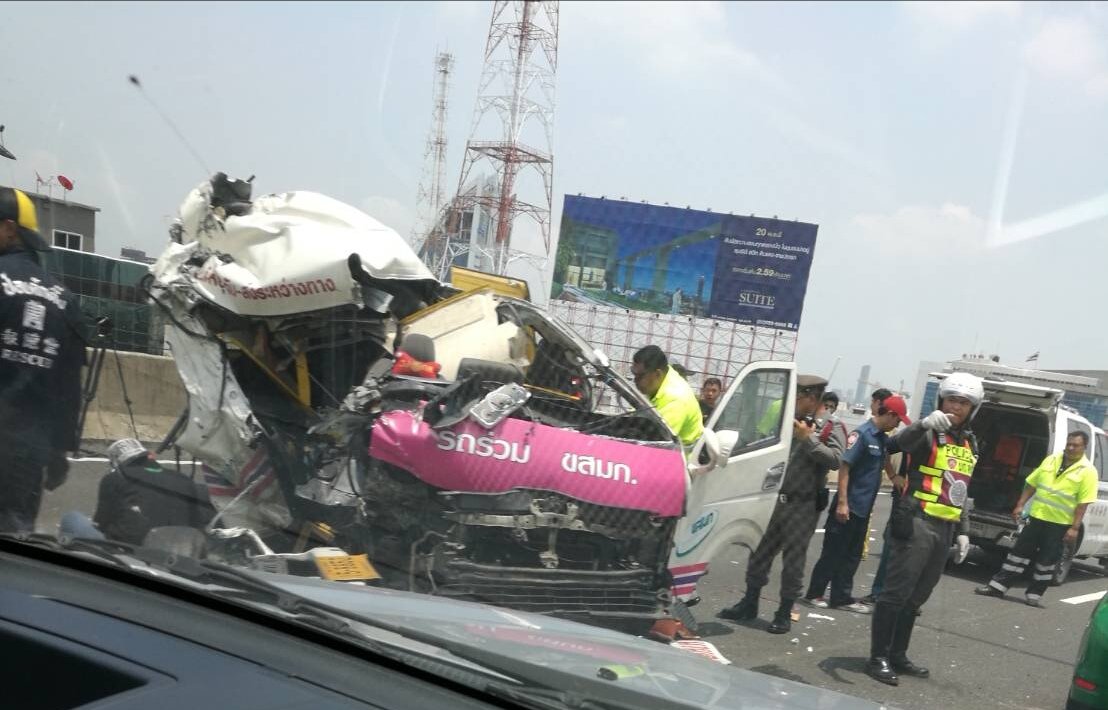
BANGKOK — At least two died at about noon on Monday when a public transportation van crashed into a street sweeper on a Bangkok tollway.
The van was en route from the Navanakorn Industrial Estate in northern metro Bangkok to the Victory Monument when it struck the street sweeper on the Don Mueang Tollway near the Din Daeng exit. At least two people in the van were killed in the crash, and several were injured.
The crash caused traffic congestion near Sutthisan Junction and surrounding areas. Motorists are advised to use other routes.
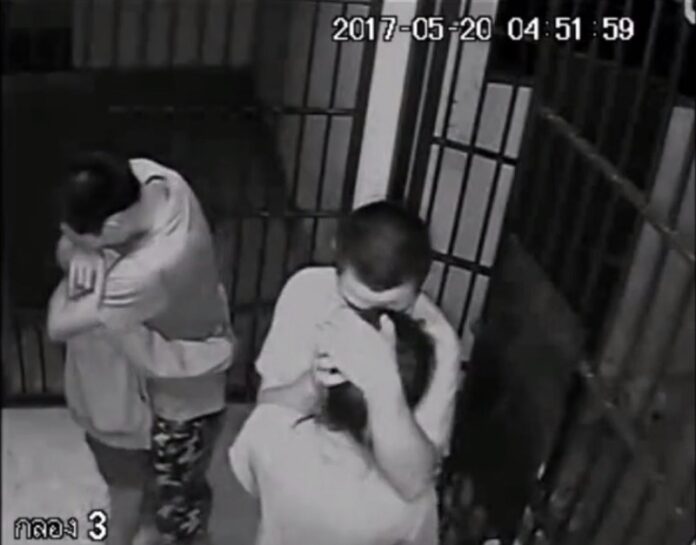
Two prisoners are seen hugging with their girlfriends in the security camera footage after a policeman unlocks the jail cell at the police station early Sunday morning in Roi Et province.
ROI ET — A policeman was fired Sunday for opening a jail cell and allowing two prisoners to escape to their waiting girlfriends.
Security camera footage would later show Senior Sgt. Maj. Chalat Nan-udon unlocked a cell door just before 5am for a pair of prisoners to meet the women waiting outside for them. The couples embraced warmly before just walking away. They remained at large as of Monday morning.
The footage contrasted with what the policeman originally said. Chalat insisted he’d done nothing wrong, as the prisoners had escaped after he opened the door to empty the trash can inside the cell.
“I open the cell door and and walked inside to take out the bin, and then they just suddenly all went out to hug,” he said.
Chalat had also claimed that he tried to block them from leaving but was attacked. The video does not show any such attempt.
After they left, he said he gave chase on a motorcycle he took from a woman passing by the station, but Toyota Vios overtook him and rescued the four.
The two escaped prisoners were Surachai Phumiphak, 27 and Surasak Kantamat, 23. Both were arrested on drug-related charges.
The two women, Saowaluck Samoejai and Irada Pholyiam, are wanted for aiding their escape.
Chalat was expelled but is eligible to return to his job if the investigation finds him innocent.
Police Senior Sgt. Maj. Chalat Nan-udon is seen unlocking the door for prisoners from the security camera footage early Sunday morning at Phon Thong Police Station.
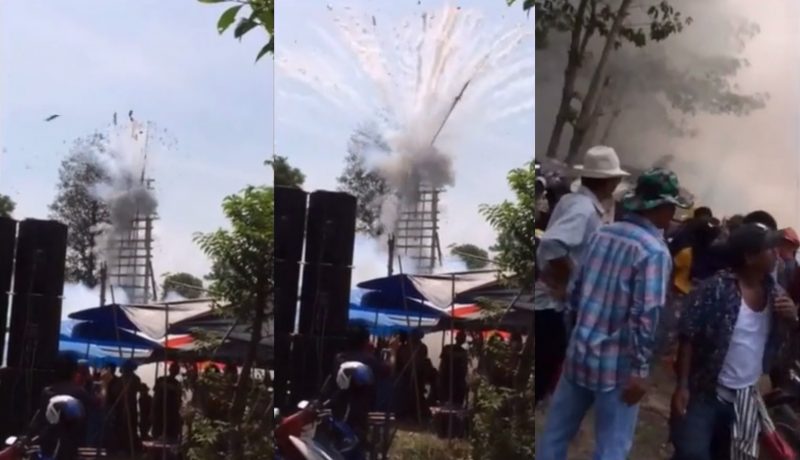
YASOTHON — A rocket exploded Sunday at the annual Rocket Festival in the northeastern province of Yasothon, injuring 10.
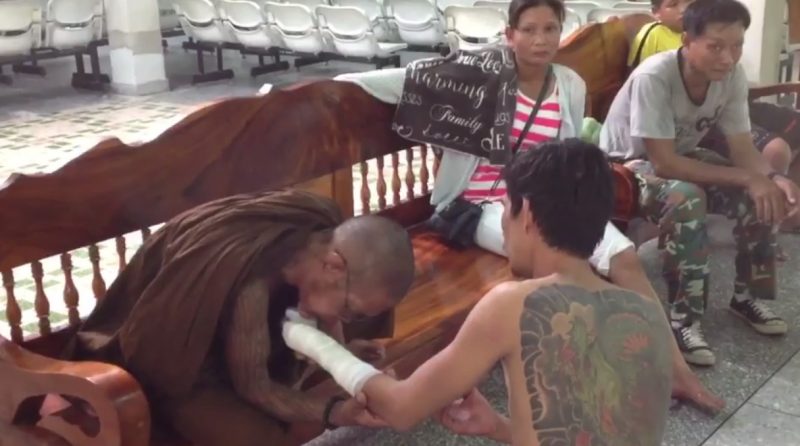
A homemade rocket exploded just after ignition as it left the tower at about 2pm, burning 10 onlookers. The three-meter rocket exploded about 10 meters from the ground, raining down plastic shrapnel and burning gunpowder. The injured, including three members of the team which set up the rocket, were taken for treatment at Sai Mun Hospital for minor burns.
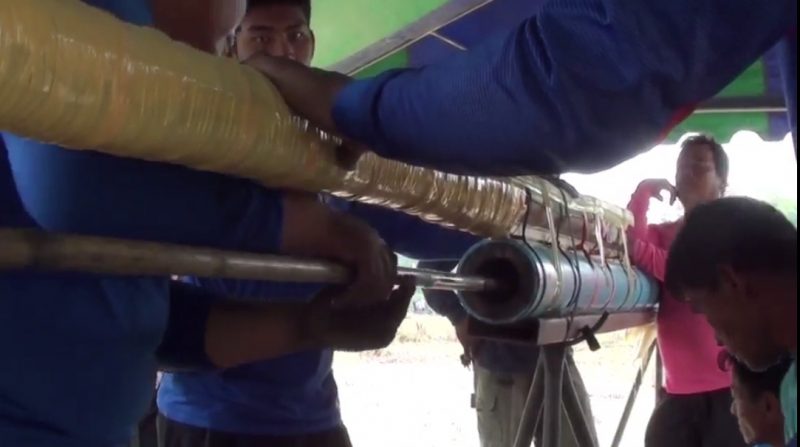
“Before this rocket exploded, another caught on fire, so one of the mechanics was poking this rocket with a metal rod in its nozzle to try and clean it,” said Nuanong Boonkum of the explosion which hurt three members of her family. “The rocket caught on fire, and three mechanics got burns on their hands.”
According to residents, the rocket most likely exploded due to substandard packing of the gunpowder or premature ignition.
The Rocket Festival – derived from Lao fertility rites – is celebrated annually throughout Isaan.
A rocket explodes at Yasothon Rocket Festival on Sunday.A team works on their rocket Sunday in Yasothon province.A monk blows on the bandaged wound of one those burned at Sai Mun Hospital.
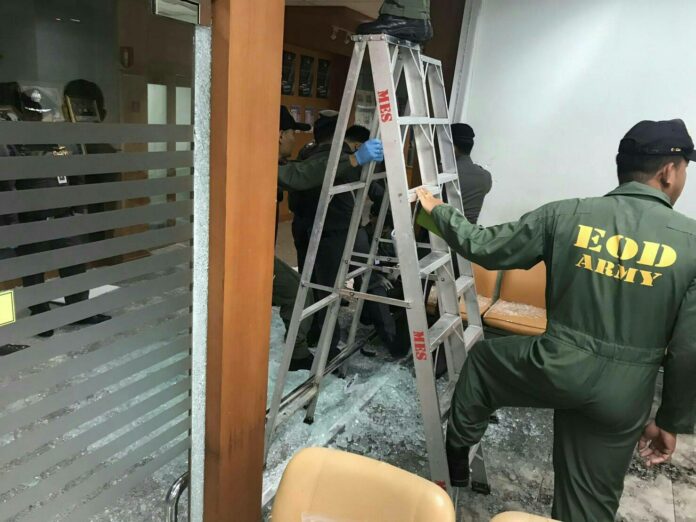
Army bomb squad officers inspect the scene Monday morning.
BANGKOK — A bomb attack at a military-owned hospital in Bangkok injured at least 42 people and is linked with two similar bombings in the past two months, the army chief announced Monday afternoon.
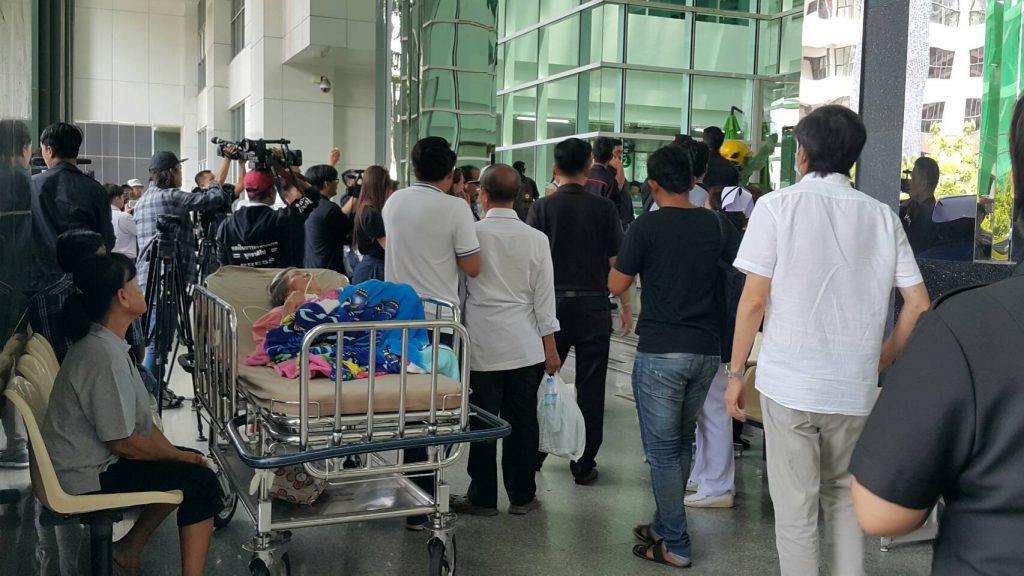
Gen. Chalermchai Sitthisart said 18 people were hospitalized after the explosion struck a reception room for retired civil servants at the Phramongkutklao Hospital at about 11am on Monday, the same day Thailand marked the third anniversary of the coup d’etat that brought the current military regime to power.
The attack is believed to be connected to two recent pipe bomb explosions on Ratchadamnoen Avenue, each of which injured two people, the general said.
“All three incidents happened in public spaces, and we believe they all were done by the same perpetrators,” he said.
However Monday’s bombing was an escalation, Chalermchai added, as it seemed intended to inflict mass casualties.
No suspects have been identified yet but investigators are reviewing security cameras at this time, he said.
Suspects have not been publicly identified in either the April 5 bombing or last week’s explosion outside the National Theatre, but police sources said they were similar to those used by insurgents in the Deep South.
Deputy police commissioner Srivara Ransibrahmanakul said earlier today that evidence of a bomb device was found at the scene.
“It’s confirmed to be a bomb,” Gen. Srivara told reporters. “We must convene a meeting before saying anything further, but at this time, I can confirm it was a bomb.”
Traces of a batteries and electric wiring were found, the deputy police chief said. It was also the first of the three such bombs packed with shrapnel to increase casualties, he said.
The hospital is located on Ratchawithi Road near the Victory Monument. The reception room is named after the Wongsuwan family, which counts several high-ranking military officials including current Defense Minister and junta deputy leader Prawit Wongsuwan.
The army has taken control of the investigation. Col. Preecha Saomuang of Phaya Thai police said soldiers have sealed off the crime scene, and police officers are not being allowed into the area.
Additional reporting Teeranai Charuvastra
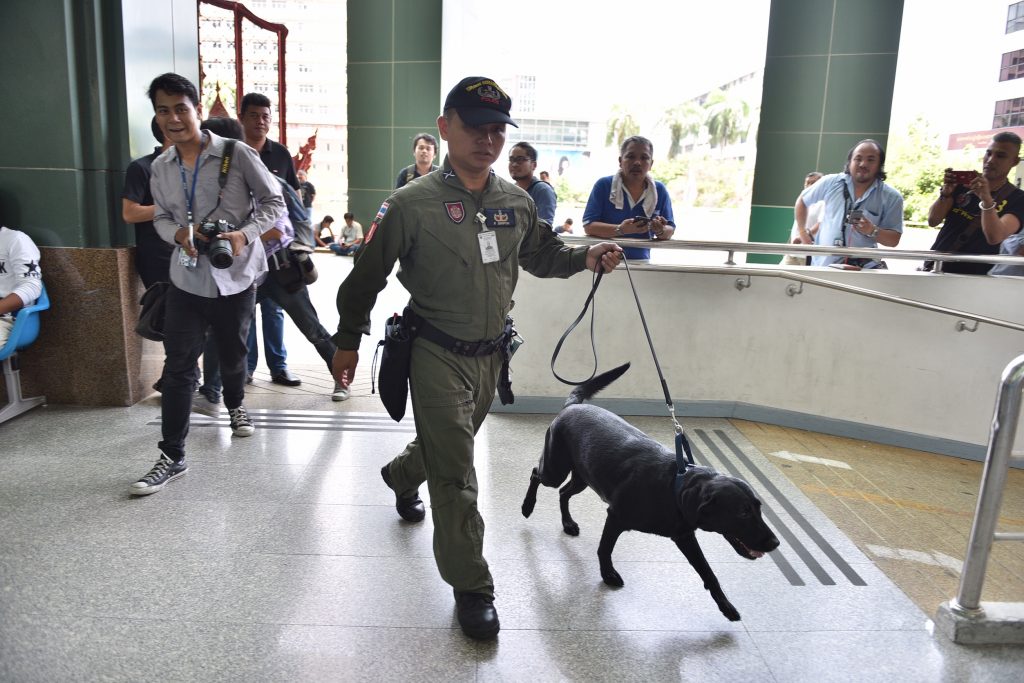
An army bomb squad officer arrives at Phramongkutklao Hospital Monday morning.
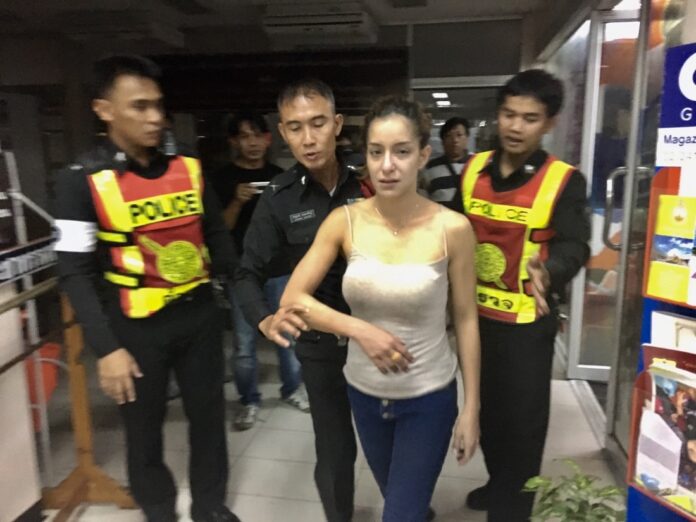
Police escort Anna Hambawaris, aka Anna Reese, to Huai Khwang Police Station after the crash Sunday night.
BANGKOK — A former British-Thai actress who avoided jail time for killing a policeman in a car crash two years ago was arrested Sunday night for drunk driving.
Anna Hamblaouris, known by her stage name Anna Reese, was apprehended after she got into an argument with a bar owner and crashed into another vehicle at a parking lot near Ratchadapisek Road. Police said Anna – who blamed her erratic behavior on family problems – was being tested for other substances Monday morning.
“At this moment, we have charged her with DUI,” said Col. Arkom Chantanalat, chief of Huai Khwang police. “We have also sent her to the police hospital for narcotics testing.”
Police will take her to court after the results are available, Arkom said.
Officers were called to the scene after Anna, 30, reportedly became intoxicated and began throwing objects inside the bar at about midnight. She tried to flee the scene but ended up crashing her BMW into another car in the parking lot. Police later arrested her and gave her a breathalyzer test, which indicated a blood alcohol level over the legal limit.
When reporters arrived at the police station to film her, Anna screamed incoherently at them and the officers.
“You can stay here! I don’t have power, but today I rely on my truth,” Anna shouted. “Ake, your name is Ake, have you thought that your actions might have affected anyone in a higher position?”
She was held overnight at the station’s cell room. When she was questioned by police in the morning, Anna wept in front of cameras and said she was stressed by family problems. She was later granted a bail on a 20,000 baht bond.
“Many issues. I have to take care of my family, and my sibling, well, it’s, my sibling is a special kid,” Anna said between sobs. “I tried to adjust my emotions.”
Col. Arkom said Anna confessed to driving under the influence.
Anna, who was known as a B-movie actress at the time, rose to infamy in June 2015 when she crashed her BMW into the back of a police car, killing Lt. Col. Naphadol Wongbundit as he was sleeping inside.
She created a dramatic scene, crying and clinging to the dead officer’s body. When officers attempted to speak to her, she screamed at them and ultimately was allowed to go home without a sobriety test. Police never filed a DUI charge against her. In an interview that drew outrage from social media, Anna said at the policeman’s funeral that she believed her victim’s ghost had forgiven her.
The court later convicted her of fatal reckless driving and gave her a suspended jail sentence and community service.
JAKARTA — Indonesian police say they detained dozens of men in a raid on a gay sauna in the capital Jakarta.
Jakarta police spokesman Argo Yuwono said 141 men were detained for questioning in the raid Sunday evening on the gym and sauna in north Jakarta.
Homosexuality is not illegal in Indonesia but police said Monday that those detained had violated Indonesia’s pornography laws.
Indonesia’s low-profile LGBT community has been increasingly under siege in the past year, with prejudice fanned by stridently anti-gay comments from cabinet ministers and other high-profile Indonesians.
How do people take stock of three years under military rule? What have they learned? Is the future more optimistic or less? There’s no conclusive answer. Junta leader Gen. Prayuth Chan-ocha, who staged the May 22, 2014, coup three years ago today, claimed just last week that he’s putting “200 percent” into his work.
Whether people support the coup or not, they are in one way or the other affected by it. For some it’s meant economic difficulties. Others have fled the kingdom to seek political. A few benefited by being appointed by junta leader Gen. Prayuth Chan-ocha to help the regime. Most are concerned about how much longer the junta will cling to power.
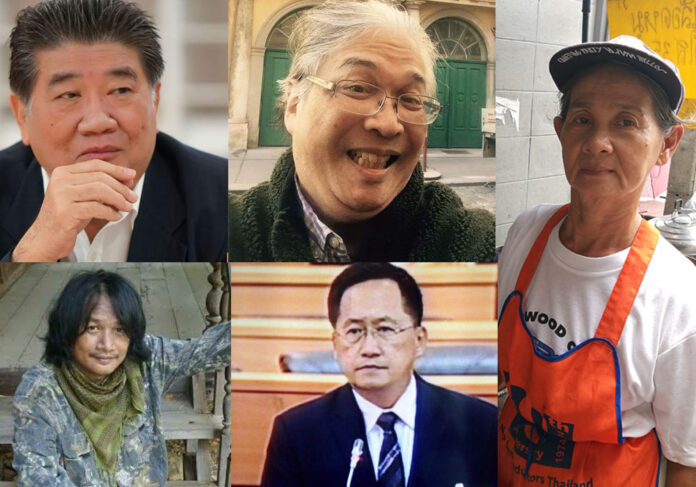
We asked seven people including a street vendor, fugitive, conductor and junta appointee to assess three years of junta rule. Here’s what they made of it.
The Activist’s’ Confessions
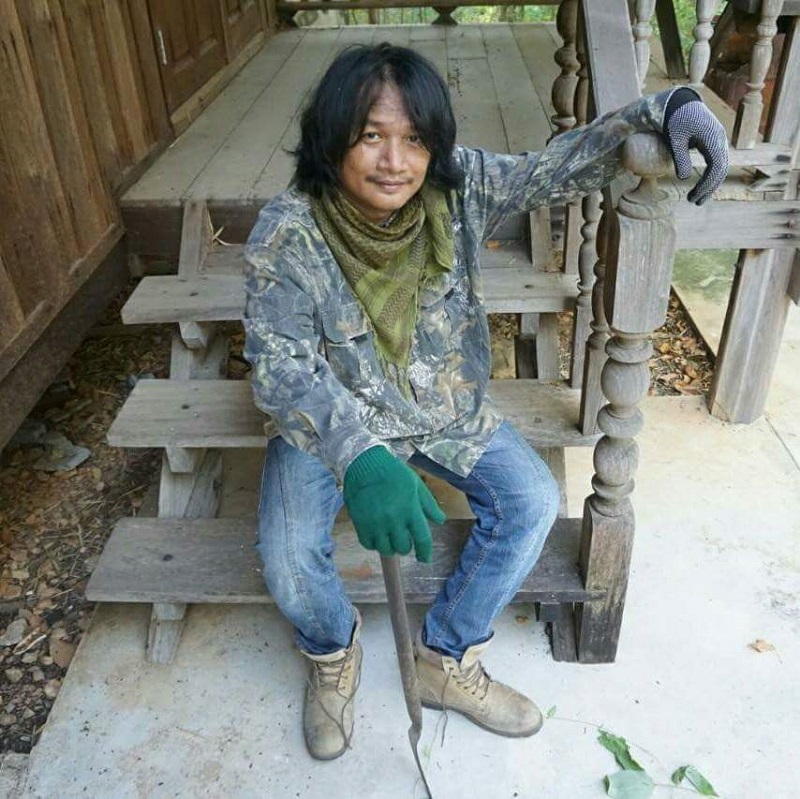
Activist Nitirat Sapsomboon, 44, is probably best known among political junkies as a key Yellowshirt figure who led a group of 40 people on a raid of state broadcasting services in August 2008 in a bid to oust the Samak Sundaravej government which was regarded as a proxy for former fugitive Prime Minister Thaksin Shinawatra. The dawn operation failed and they were subsequently arrested, some found in possession of weapons and kratom leaves, an illegal stimulant. Still fighting charges of trespassing on government property, Nitirat said that though he opposed the later Yingluck Shinawatra administration, he never called for the coup in 2014.
Nitirat Sapsomboon / Facebook
In retrospect, Nitirat admits to unintentionally playing a role in making it happen.
“I was never for the coup, but I must admit that what I did help powers outside the system grow. I merely wanted to take the elected government to task for the sake of justice, but things got out of control. Our operations led to the creation of an outside system power,” said Nitirat, who these days has become a critic of the military regime and an activist working for the social security of workers.
“I think the key lesson is that that military coups are definitely not the answer for Thai society. The NCPO [National Council for Peace and Order] came to power saying they will push for two main goals, reforms and reconciliation. I think they failed at both. What’s most urgently in need of reforms are the armed forces, the bureaucracy and the justice system.”
Three years on, Nitirat said he’s not hoping for anything from the military regime but noted that the repression has led to a number of people becoming increasingly agitated against the junta.
“Hope is not coming from the NCPO but from people learning lessons [under military control],” he said.
His fear is that Prayuth and his men are planning to hold on to power for 20 years by relying on the bureaucracy.
“This old mechanism has proven to be a failure in the past. This bureaucratic mechanism is not Thailand 4.0, but Thailand 0.4,” he said, referring to Prayuth’s “Thailand 4.0” modernization policy campaign. Nitirat sees programs introduced by the regime, such as the registration of the poor, not as liberating, but patronizing.
“It seems that the NCPO leaders have become addicted to power. This is bad,” he said.
The activist doesn’t see elections as a salvation, either. He said the junta-sponsored constitution has been written in such a way that the senate, which will virtually be all selected by the NCPO will play a role in electing the next two prime ministers because they will be around for five years while a prime minister’s term is four years.
“What we will get is a return of elections with controlled mechanisms. People should come together and compile lessons. Perhaps a people’s own party is needed,” Nitirat said.
The Junta-Appointee’s Happiness
Wanchai Sornsiri / Facebook
Life for Wanchai Sornsiri, 64, has been peaceful since the coup. Wanchai earns a very decent salary as one of the 200 members of the junta-appointed National Reform Steering Assembly, a body which advises and proposes legislation to achieve the regime’s stated aims. He and his peers are in charge of drafting reforms and legislative proposals, and Wanchai is a spokesman for political reform.
“The lesson I’ve learned over the past three years is that [the coup occurred] because politics failed, and did not put people at their heart. Political corruption led to dictatorship stepping in to solve failed politics, although in fact it’s people who ought to be carrying out the task,” said Wanchai, a trained lawyer.
Three years on, Wanchai said he is more hopeful about Thailand.
“I hope that under the new charter, we won’t be seeing a return to the same old politics or a return to dictatorship. I don’t think the NCPO wants to be back again. Hopefully they will lay things down over the transitional period,” he said.
Wanchai believes there’s no way the junta won’t make good on its roadmap to elections.
“There’s no reason to cling onto power. It would be counterproductive to them, unless there’s some violence again,” he said. Once elections are held – perhaps late next year or early 2019 – Wanchai sees the military exercising some control for at least five years under the new charter.
“Only part of the power will be returned [to the people],” he said.
Life under the military regime over the past three years has been bliss for Wanchai, with no violent street protests as political gatherings of five or more people were banned by the junta right after the coup.
“My emotional well-being has been so good over the past three years. I am happy and not troubled by the country’s situations. Whether people have money or not is another matter. Over the past three years, I consider myself most happy,” he added.
The Street Vendor’s Debt
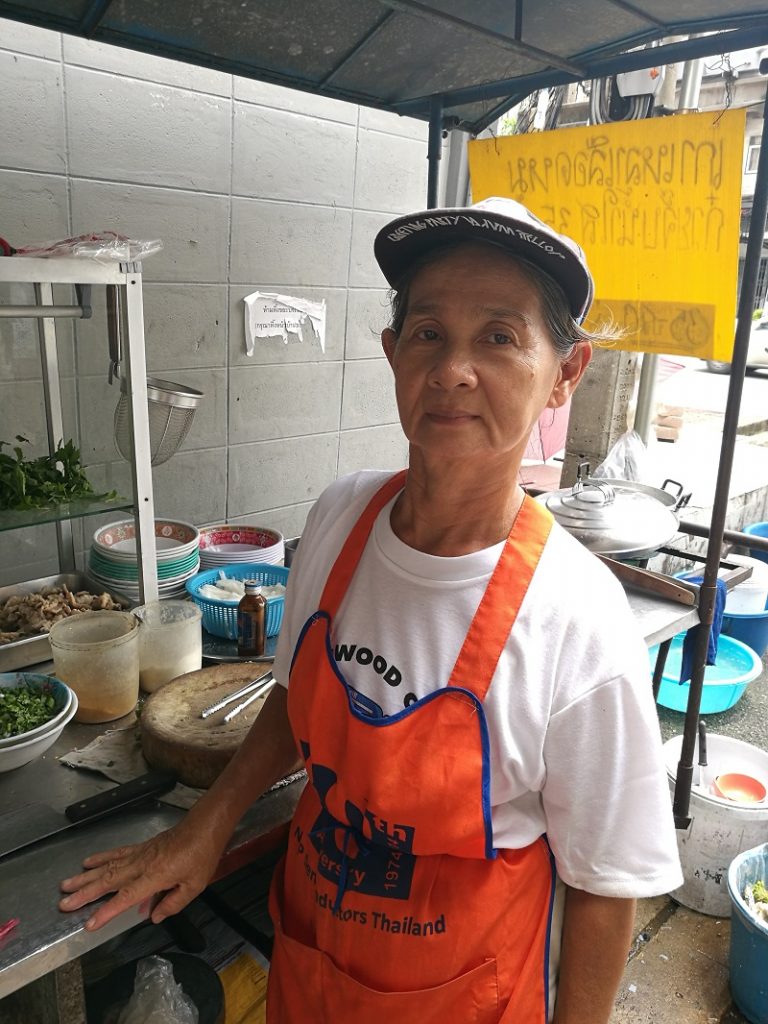
Driven from the street into a small alley by the junta-initiated Bangkok clean-up program months ago, street food vendor Kamol Utsaha, 60, is finding it more difficult to make ends meet. Kamol said she owes a loan shark 30,000 baht and selling boiled pork blood and innards with rice for 40 baht a serving has become more difficult with fewer diners. Most recently, 14 million of the poorest Thais registered for a junta welfare program, but Kamol wasn’t among them.
Kamol Utsaha
“The economy isn’t good,” said Kamol, who migrated from Trang province and has been making a living for the past four decades in Bangkok. She currently sells food at a small alley somewhere just off Charoen Nakhon Road.
“I wish the economy would get better,” she said.
She said it’s become more difficult to make a living during the past three years.
“It’s difficult. It used to be good. Now I owe a loan shark 30,000 baht,” she said.
Kamol said she has nothing to say about the junta because she doesn’t know much about them, though she doesn’t support them. She believes however that holding elections will improve the economy and her livelihood.
“I want to see elections. Then there’s a chance that things will improve,” she said.
The Famed Conductor’s Caveats
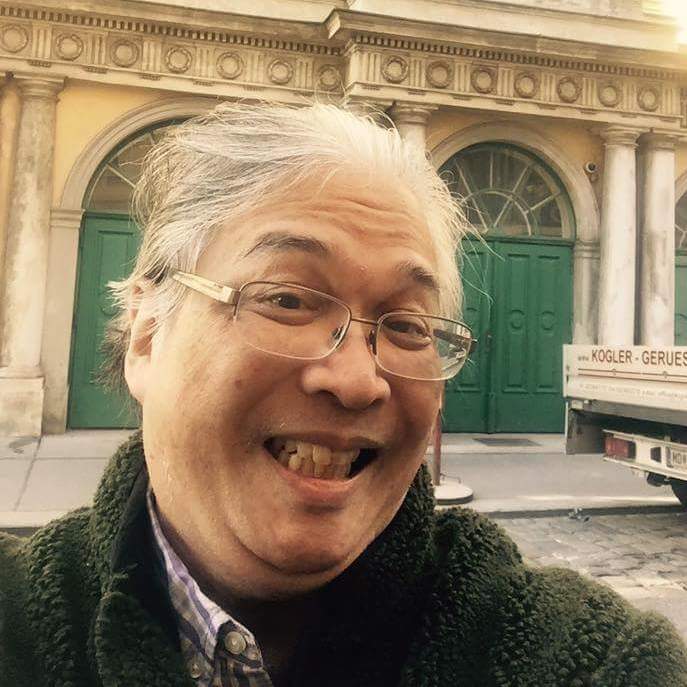
The name Somtow Sucharitkul is synonymous with loyalty to the throne. Last year, after the passing of the Late King Bhumibol, the maestro even conducted a controversial in-flight performance of the royal anthem while on a Nok Air flight. While many royalists and ultra-royalists are unabashed supporters of the military regime, the Cambridge-educated maestro insists he’s simply non-adversarial to its rule.
So what has he learned?
“Frankly, I don’t think this has taught me anything I didn’t know already. In a sense, this is the most disheartening thing about the whole exercise. Those with power will always try to get more. This is hardly a new lesson. Any page of any history book will teach you that. If we are to survive, those history books need to stay open and truthful.”
Somtow Sucharitkul / Facebook
Three years ago, when the coup took place, Somtow admitted being optimistic. Since then, his optimism has faded.
“The greatest dose of optimism comes at the onset of a major shift. At the beginning of the Thaksin era, I thought: Wow, new ideas, a breath of fresh air. At the onset of the coup, I thought, ‘Wow, peace and quiet, we can all regroup and have a real dialogue.’ In both cases, the optimism faded after a while.”
Hailing from a prominent family – one of his ancestors was a consort of King Rama VI – Somtow’s father an Oxford-educated former diplomat, the conductor was sent to Eton College in England and certainly was born to a different destiny than that of street food seller Kamol. Money isn’t a survival issue.
“On the whole, my personal existence hasn’t been much affected yet. An apocalyptic wind is blowing all over the world, not just in Thailand,” he said.
Asked whether he thinks the junta will keep its promise and return power to the people, he said he’s no astrologer but ventured a prediction.
“I do believe that power will be returned. I even believe that there’s a decent chance it will be returned voluntarily. It’s the time-frame that makes me nervous. The only possible justification for today’s situation, and one which I hear from all people of all political stripes, is contained in two words: ‘necessary evil.’ If you take away either one of those two words, all justification crumbles,” he said.
“Two thousand years ago, Augustus, while keeping all the external forms of democracy, parlayed his ‘temporary’ stewardship into a thousand years of imperial rule. I’m pretty sure that power will be returned a lot earlier in the case of Thailand. Why? Because history is moving in that direction, and history is bigger than any individual,” Somtow added.
The Fugitive’s Long Sojourn
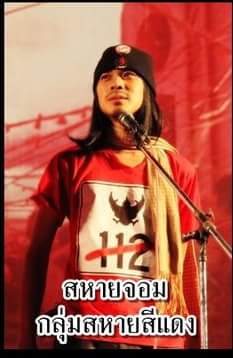
Nithiwat Wannasiri / Facebook
Similar to dozens others, Redshirt political activist Nithiwat Wannasiri fled Thailand in the immediate aftermath of the May 22 coup three years ago to avoid persecution. Now 30 and wanted on counts of allegedly defaming the monarchy and failing to report to the military, Nithiwat has come out to declare himself for a Thai republic. He is active on Facebook, reaching out to like-minded people both in and out of the kingdom.
Today Nithiwat makes a living selling noodles. He doesn’t know how long he will have to stay in exile.
“I miss people around me in the society I left behind. I miss places where I staged activities. I don’t contemplate on how long I will have to stay away, but I still hope that one day I will find my way back and liberate lese majeste convicts.”
Life has been a struggle adapting to a new country as a fugitive and undocumented political exile.
“I have prepared my heart for this, and I chose to fight this way. It was never meant to be a comfortable path from the beginning,” he said.
Nithiwat holds some hope because he believes those in power are causing more damage and ruining the economy, which he says will eventually provoke reactions.
“They won’t definitely return power [voluntarily]. The situation has gotten bigger,” he said, adding that Thailand is regressing many decades as a result.
Under the constraints of the lese majeste law, portions of Nithiwat’s comments could not be printed.
The Citizen Journalist’s Contempt
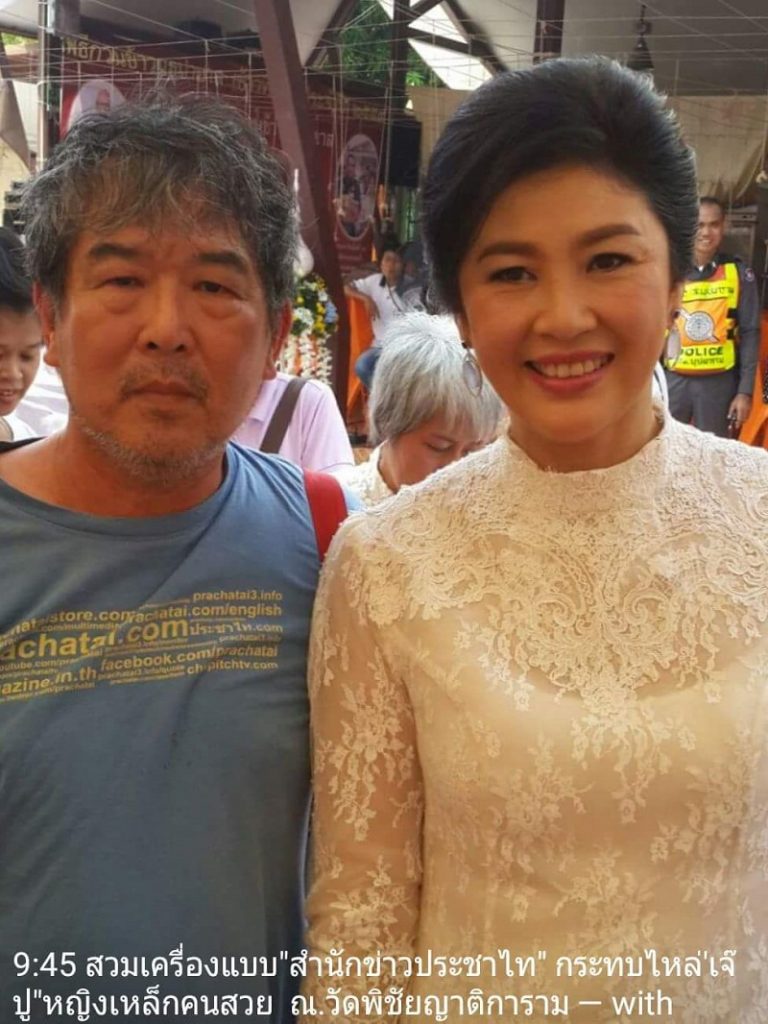
Sa-nguan Khumrungroj is a fairly well-known, anti-junta citizen journalist with a following of nearly 17,500 people on Facebook. Sa-nguan makes no pretense of being an unabashed fan of former premier Yingluck Shinawatra, and his views on the junta are shared by many Redshirts opposed to the regime.
Sa-nguan Khumrungroj, at left, with former Prime Minister Yingluck Shinawatra. Photo: Sa-nguan Khumrungroj / Facebook
Three years of military rule have resulted in unprecedented human rights violations, Sa-nguan said, adding that the media – mainstream or otherwise – have felt the regime’s wrath. At the time of this interview, the regime is pushing through a media “reform” bill that would grant it a great degree of control over the press.
“Myanmar has become hopeful because it fears international sanctions, while the [Thai] regime is finding ways to create a situation where they can prolong their hold on power. This, despite the fact that they have caused so much damage already,” Sa-nguan said.
The Pheu Thai Politico’s Anxiety
Phumtham Wechayachai is anxious. The powerful secretary general of the Pheu Thai Party which ran the government ousted during the 2014 coup says the political future is unpredictable.
“The society is in a state of unpredictability. It’s up to those in power,” said 64-year-old Phumtham, adding that it’s a little better now since there’s a constitution and roadmap to elections. “I think they want to stay in power longer, but I don’t think they will succeed, because people’s expectations will force them. There exist many factors that lead to unpredictability.”
Phumtham Khumrungroj / Facebook
Phumtham is betting on society’s dynamism that would resist the military junta from dragging the kingdom further back.
“There are dynamics in society that will not follow the junta,” he said without elaborating. “Society needs freedom.”
The Pheu Thai bigwig has been lying low and avoiding persecution by the junta for the past three years. Phumtham even managed to see a positive aspect of three years under military rule as he had time to be away from politics and care for his own health and family.
“But if I think of politics, it’s depressing. The junta never respects other people’s rights,” he said. “I didn’t think Thailand could end up being this autocratic. I think the mentality of using power to force people is wrong. It’s important that we have to try to accept differing views. This is posing problems for reconciliation.”
Despite all the odds, Phumtham has managed to maintain some optimism after three years.
“I don’t lose hope easily. Coercion cannot succeed for a long time because society is ever-changing.”
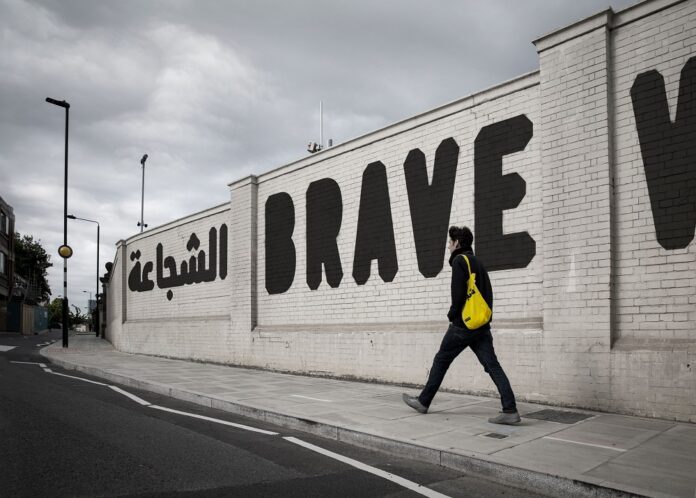
Promotional poster for Braveviti. Photo: Amnesty International Thailand / Courtesy
BANGKOK — A Bangkok lawyer, Khmer activist, Egyptian feminist and more will converge at the Bangkok Art and Culture Centre this week as artists and human rights activists will come down in Bangkok for art, music and talks.
Following Amnesty International’s global campaign Brave launched earlier this week, Bravevitiwill be held in Bangkok this week featuring graffiti, music and presence of human rights defenders from in and out Thailand.
The opening event on Tuesday features those people who stand up for their rights who will sit down for panel discussion on Tuesday. They include the Finnish transgender activist Sakris Kupila, Phnom Penh’s land rights activist Tep Vanny, Egyptian feminist Azza Soliman and Bangkok attorney Sirikan “June” Charoensiri.
Other highlight includes the local graffiti artists Chun “CSM” Smith and Jecks who will paint their art on the walls and the works will be on showcase from Tuesday through May 28.
Amnesty International launched its Brave campaign worldwide on Tuesday calling for human rights defenders to be recognized and protected under a safer environment as the situation has worsened: 281 people killed last year for defending human rights, up from 156 in 2015.
The event will start at 4pm at the Bangkok Art and Culture Centre. The city’s contemporary art venue is best reached by skywalk from BTS National Stadium.