Gen. Prawit Wongsuwan speaks at a January 2016 news conference. Image: Matichon
BANGKOK — Ekachai Hongkangwan may have no love for the junta deputy junta chairman currently besieged by a scandal involving his collection of luxury watches, but the activist said Thursday that he sympathized with the general as a fellow watch lover.
That was the rationale Ekachai gave for attempting to block a junta motorcade Wednesday morning: to present Gen. Prawit Wongsuwan with a new watch as a New Year’s gift. For his latest stunt, Ekachai was detained by police, though the activist said he was told no charges would be filed.
“Right now Prawit is facing a big backlash. He likes wearing watches, I understand his feeling,” Ekachai said by phone from the Thewet Intersection police box, where he was being held. “Now that his watches have become big news, he has stopped wearing them. It feels like something is missing.”
He continued, “If he wears [the expensive watches], it would be big news. I sympathize with him, so I wanted to give him a cheap watch. If he wears my cheap watch, no one would care.”
His would-be late Christmas present? A Seiko wristwatch worth less than 3,000 baht.
Ekachai, a former lese majeste convict who’s had numerous run-ins with law enforcement for his political stunts, said he learned that Prawit and his boss, junta chairman Prayuth Chan-ocha, were to visit former premier and influential military elder Gen. Prem Tinsulanonda at his residence today, so he went there to await their entourage.
Once he spotted the motorcade he believed carrying Prawit and Prayuth, Ekachai said he jumped in front of the oncoming cars, drawing an immediate police response. He was being held at the police box near Gen. Prem’s residence as of press time.
”They carried me away right there and then,” Ekachai said. “They dragged me away, basically.”
Samsen Police Station chief Preecha Kongkaew denied any knowledge of Ekachai’s arrest.
He served nearly three years on a lese majeste conviction and has previously been arrested for petitioning the government to look for the missing 1932 revolution plaque, attempting to restore the plaque and other activities. In October, he was whisked out of Bangkok by security forces after publicly vowing to wear red on the day King Rama IX was cremated.
Prawit, the 72-year-old junta strongman, has been under pressure to explain how he acquired a great number of multi-million baht watches and why he did not declare them among his mandatory asset disclosures as required by anti-graft law.
Since his first watch was spotted during a Cabinet photoshoot on Dec. 4, a review of photos crowd-sourced online has revealed what appear to be at least nine other ultra-luxury watches worn by Prawit.
As late as Tuesday, Gen. Prawit has steadfastly refused to answer questions about the collection.
“Oy!” he grunted to reporters who shot questions at the Defense Ministry and walked away.
Ekachai, the activist, said he was willing to give up his own Seiko for Prawit. Ekachai said he bought it 10 years ago for under 3,000 baht – qualifying it as a gift under a law that bans political office holders from receiving presents valued at over 3,000 baht.
He said police told him they would not charge him with any crime.
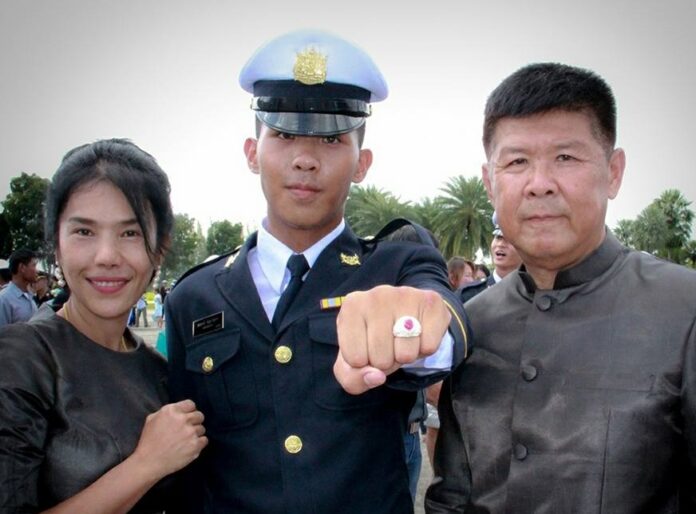
Pakapong Tanyakan poses in a photo on Aug. 16 with his parents at the Armed Forces Academies Preparatory School in Nakhon Nayok province. Image: Sukanya Tanyakan / Facebook
BANGKOK — Over two months have passed since military cadet Pakapong Tanyakan died at his academy, but police said Wednesday they have yet to identify the cause of death or hold anyone responsible.
Police launched a criminal investigation into Pakapong’s death after his family, which suspects foul play, filed a complaint on Dec. 19. As of today, police still had not completed the most basic inquiry – a detailed autopsy – a fact they blamed on bureaucratic red tape.
“We are waiting for a case file from Baan Na station. We don’t have that yet,” Col. Kosit Boonthawee, chief of Nakhon Nayok City Police Station, said over the phone.
But Baan Na police station deputy head Kitti Tansiang said it Kosit’s unit is responsible for the case file.
“They haven’t sent it from [Nayok] city station. We have to wait for it,” Lt. Col. Kitti said. “I think they will send it soon.”
Asked why he wouldn’t just simply phone Kosit and settle the issue, Kitti said it would be rude.
“We don’t dare hurry them up. They’re already working on it,” he said.
Nakhon Nayok provincial police commander Wattana Yeejin said the complication stems from two police stations having to coordinate. The city station is in charge of compiling the autopsy report, while Baan Na is responsible for the criminal investigation and establishing whether there is a culprit in Pakapong’s death.
Neither station has completed its work so far.
Case files from both stations must be combined before investigators can pursue any possible charges with the prosecutor, Wattana said, adding that police were working as fast as they could.
“They are almost done,” Maj. Gen. Wattana said.
Pakapong’s sister, Supicha Tanyakan, who frequently speaks to the media, could not be reached for comment Wednesday.
Pakapong died in October at 19 from what the military described as “sudden heart failure” one day after returning to the Armed Forces Preparatory School from a break.
Pakapong’s family lashed out during the weekend after an internal army investigation ruled it blameless in Pakapong’s death. Investigators said he died of a heart condition and that abuse – which the family suspected – had not been a factor.
They said a broken rib found in the teen was caused when the cadet fell down eight flights of stairs.
The family first raised its suspicions last month after discovering Pakapong’s body had been returned to them with a number of vital organs missing, including his brain and heart.
The military blocked a civilian investigation and the results of an independent autopsy completed earlier this month were kept secret.
BANGKOK — Expert expats with high salaries can apply for four-year professional visas starting in mid-January.
That’s when a long-awaited program offering visas that can be extended by four years at a time will be made available to foreigners earning 200,000 baht per month and up.
“More than any other type of visa, the Smart Visa will give the most benefits and privileges,” said Lt. Col. Thanarak Boonyaratkarin of the Immigration Bureau Police. “You will be able to stay for a long time and bring your family over.”
Starting in January, foreigners who meet the Smart Visa’s requirements can apply for them at Thai Embassies in their respective countries or the One-Stop Service Center for Visas and Work Permits at Chamchuri Square in Bangkok.
To be eligible for the Smart Visa, a foreigner must earn more than 200,000 baht a month in specialized industries such as tech, robotics, health care and more. The goal, Thanarak said, is to attract entrepreneurs and experts with technical know-how to stay in Thailand longer.
Instead of checking in with immigration every 90 days, Smart Visa holders only need to check in annually. They also are not required to obtain a work permit, according to a government website.
Smart Visa holders can be investors or entrepreneurs in said specialized industries to qualify for visas of two to four years, depending on their field.
Investors must have their investments approved by the Thailand Board of Investment.
The specialized fields are 10 fields identified by the government in its technology push under the so-called Thailand 4.0 initiative. Five are existing industries: automotives, electronics, medical tourism, agritech and food technology.
Looking toward the future, the other five industries are robotics, aviation and logistics, biochem, digital technology and medical services, equipment and pharmaceuticals.
The Smart Visa plan was first proposed in March 2016 by an umbrella federation of trade groups to attract investment and foreign talent.
Instead of one-year extensions, Smart Visa holders will be eligible for four-year periods. Spouses and children of the visa holder also automatically get four-year extensions. There is no age restriction for the Smart Visa.
There are plans to allow online application for the visa later in 2018, according to a report in state media citing government spokesman Sansern Keawkamnerd.
But nothing’s set in stone, Thanarak said, because they would need to find a way for applicants to submit proof of eligibility.
Update: This article has been updated with additional information.
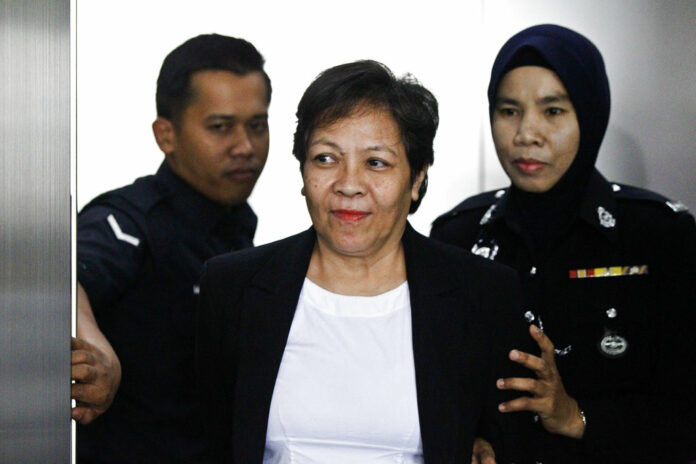
Australian Maria Elvira Pinto Exposto, at center, is escorted by a police officer at a court hearing Wednesday at Shah Alam High Court in Shah Alam, Malaysia. Photo: Sadiq Asyraf / Associated Press
KUALA LUMPUR — An Australian woman was found not guilty Wednesday of trafficking 1.5 kilograms of crystal meth at Kuala Lumpur’s airport three years ago, avoiding a possible death sentence.
Maria Elvira Pinto Exposto, 54, was exonerated after Judge Ghazali Cha of the Shah Alam High Court said he was satisfied that she did not know there were drugs in her bag.
Malaysia has a mandatory death sentence for anyone found guilty of carrying more than 50 grams of a prohibited drug.Pinto Exposto, a mother of three from Sydney, was arrested at the Kuala Lumpur International Airport in on Dec. 7, 2014, when the bag she was carrying was found to contain the drugs.
She had arrived from Shanghai and was to catch a connecting flight to Melbourne. The drugs were discovered when she put two bags through the security scanner when exiting the airport.
Pinto Exposto had claimed that she went to Shanghai to meet a U.S. serviceman with whom she had an online romance, and had been asked to carry a bag full of clothes. She said she was unaware that the bag also contained drugs.
Three Australians have been hanged for drug offenses in Malaysia since 1986.
ORLANDO, Florida — The shooter rapidly fires through the front doors of an elementary school with an assault rifle and blasts his way down the hallway. Screaming children are running for their lives or frozen in fear. Teachers quickly try to decide: barricade the doors, or make a run for it with their students?
Police officers arrive with guns drawn, working their way through the school. Finally they confront the shooter and end the threat.
Using cutting-edge video game technology and animation, the U.S. Army and Homeland Security Department have developed a computer-based simulator that can train everyone from teachers to first responders how to react to a so-called active shooter scenario. The training center is housed at the University of Central Florida in Orlando and offers numerous role-playing opportunities that can be used to train anyone in the world with a computer.
“With teachers, they did not self-select into a role where they expect to have bullets flying near them. Unfortunately, it’s becoming a reality,” said Tamara Griffith, a chief engineer for the project. “We want to teach teachers how to respond as first responders.”
The $5.6 million program – known as the Enhanced Dynamic Geo-Social Environment, or EDGE – is similar to those used by the Army to train soldiers in combat tactics and scenarios using a virtual environment.
Originally designed for police and fire agencies, the civilian version is now being expanded to schools to allow teachers and other school personnel to train for active shooters alongside first responders. Homeland Security officials say the schools version should be ready for launch by spring.
Each character has numerous options, including someone playing the bad guy, said project manager Bob Walker. For example, each teacher has seven options on how to keep students safe, and some of the students in the program might not respond or be too afraid to react. So that becomes another problem to be solved.
“Once you hear the children, the screaming, it makes it very, very real,” Walker said.
The program can have the shooter be either an adult or a child.
“We have to worry about both children and adults being suspects,” he said.
The program’s designers listened to real dispatch tapes to understand the confusion and chaos that goes along with such frightening situations, Griffith said. They also talked to the mother of a child killed in the 2012 mass shooting at Sandy Hook Elementary School in Newtown, Connecticut, who walked them through everything that happened that tragic day.
“It gives you chills when you think about what’s happening on those tapes,” Griffith said. “It tore us apart to listen to her and what she went through.”
But it all serves one main goal: to train educators to save lives when an armed attacker bursts through a school door.
Another EDGE program, which was launched in June, has an active-shooter scenario involving a 26-story hotel that includes numerous possible environments for first responder training: a conference center, a restaurant, or office spaces. As many as 60 people can train on the program at once and can be located anywhere.
“It’s important that this provides agencies like fire and law enforcement an opportunity to train together,” said Milt Nenneman, Homeland Security Science and Technology First Responder Group program manager in a recent Justice Department article. “Very seldom do they have the opportunity to train together in real-life, and it is hard to get those agencies time away from their regular duties.”
School safety advocates say safety training gets pushed to the back burner until a tragedy happens. Amanda Klinger, director of operations for nonprofit Educators School Safety Network, said this new program could help change that.
“I hope that people will sort of see this simulation as a really cool and engaging way,” she said, “to think about school safety.”
Reuters journalist Thet Oo Maung Maung, aka Wa Lone, exits a police van while his wife Pan Ei Mon waves upon his arrival at the township court for an appearance Wednesday outside Yangon. Photo: Thein Zaw / Associated Press
BANGKOK — A court in Myanmar extended the detention of two Reuters journalists on Wednesday and set their trial for Jan. 10 on charges of violating state secrets.
Wa Lone and Kyaw Soe Oo were arrested Dec. 12 for acquiring “important secret papers” from two policemen. The police officers had worked in Rakhine state, where abuses widely blamed on the military have driven more than 630,000 Rohingya Muslims to flee into neighboring Bangladesh. The charges are are punishable by up to 14 years in prison.
“We are just working as journalists. … We never violate journalism ethics,” Wa Lone told reporters as he and his colleague were led out of a police van into the courtroom in Mingalardon, on the outskirts of Yangon.
Their families wept as they got a chance to see them for the first time since their arrests.
“I want my husband to be free soon. And I trust him that he would never violate the law,” said Wa Lone’s wife, Pan Ei Mon.
U.S., U.N. and European Union officials are among others calling for their release.
Dozens of Myanmar journalists appeared at the court wearing black shirts as part of a protest against the journalists’ arrests.
“We are facing the same kind of harassment under the civilian government as we did under the military government,” said Thar Lun Zaung Htet, head of a local pressure group for press freedom. “It is not fair for the two journalists to be charged under the official secrets act because they were doing their job as journalists who tried to get information.”
On Tuesday, authorities said they would drop charges against two reporters from Singapore and Malaysia and their local staff working for the Turkish state broadcaster TRT. They were arrested on Oct. 27 for allegedly flying a drone over the parliament building without permission.
Their lawyer said a decision will be made Thursday.
Airport official Kanaruj Artt Pornspolt poses in 2017 with a Christmas present for a child identified as Mashia who had been living with her family for three months inside Suvarnabhumi Airport. Photo: Kanaruj Artt Pornspolt / Facebook
SAMUT PRAKAN — A Zimbabwean family of four are spending the holidays in the departure lounge of Suvarnabhumi International Airport, where they have been living for the past three months.
The family’s plight has been winning sympathy online since an airport employee posted a photo with a young girl identified as “Mashia.” The image of the employee giving the girl a Christmas present drew an outpouring of appreciation – and concern – since it was posted Tuesday night.
“The little girl Mashia from Zimbabwe has been stuck at the airport with her older brother and family for almost three months now because of instability in their home country,” Kanaruj “Artt” Pornspolt wrote in Thai in his post. “They’re staying strong. Sometimes they’re playful like children are, but they’re not naughty or crybabies. I promised to bring her a Christmas present today.”
Details of how the family ended up stuck in the airport were not immediately available.
Maj. Gen. Pruettipong Prayoonsiri of the immigration police confirmed the family had been residing at the airport for three months.
“It’s just a normal family, they didn’t do anything,” Pruettipong said Wednesday.
Suvarnabhumi Airport Director Srirote Duangrat could not immediately be reached for comment. Messages sent to Kanaruj went unanswered as of Wednesday.
“Merry Christmas to Mashia, Milan, Eton and Tanaka. To hope all of you back to your sweet home as soon [sic]. Nice to meet all of you guys,” Kanaruj wrote in English.
In comments under the viral post, Kanaruj explained that airport staff give snacks, food and other items to the family. He wrote that the family is unable to leave the airport and sleeps on sofas in the departure lounge.
Many comments compared the situation to 2004 film “The Terminal,” in which Tom Hanks plays an eastern European man stuck inside New York’s John F. Kennedy International Airport.
Most expressed empathy for the unknown circumstances of their situation.
“If they entered Thailand, they would be illegal immigrants, and Thailand would have to deport them back to Zimbabwe. But staying in the airport like this, they can’t go back home because of instability. Oh! It feels like torture! And how do they pay for things? Airport prices are really high,” Facebooker user Somyod Mall wrote.
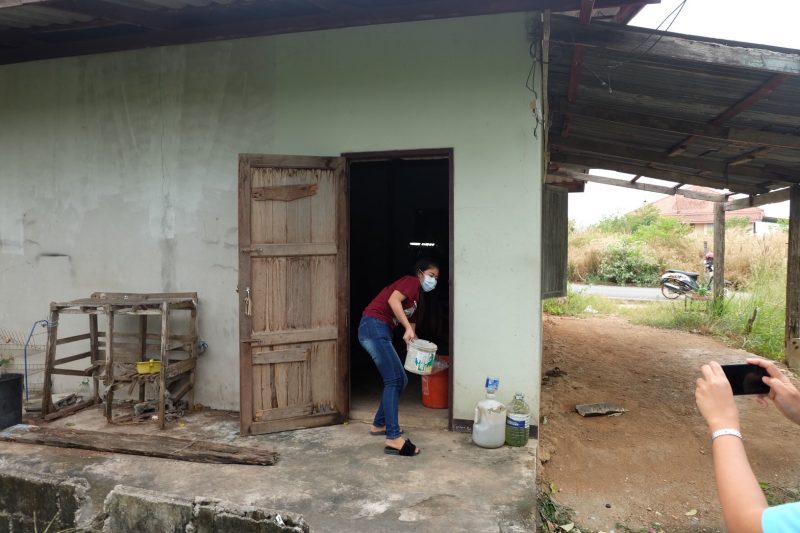
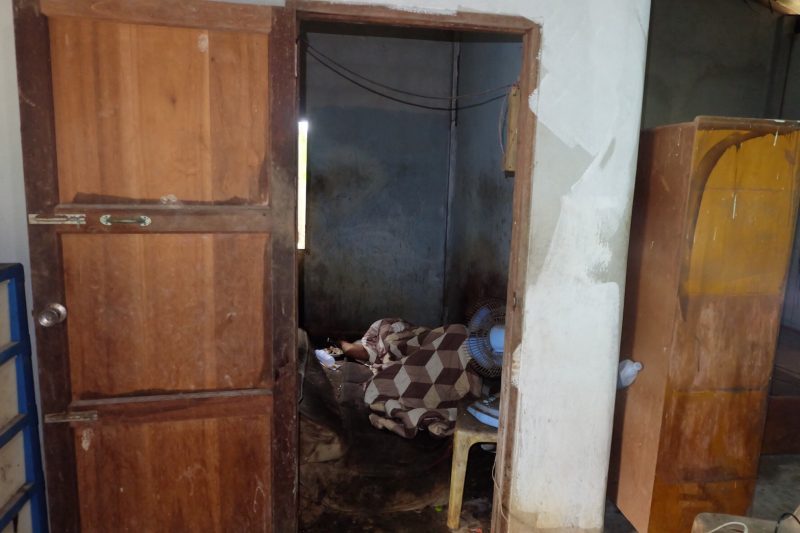
RAYONG — For 15 years, Paitun Kamwiratch saw no one other than his sister and their landlord. Since 2002, Paitun was locked in a filthy room where he stared at the walls and sometimes listened to music.
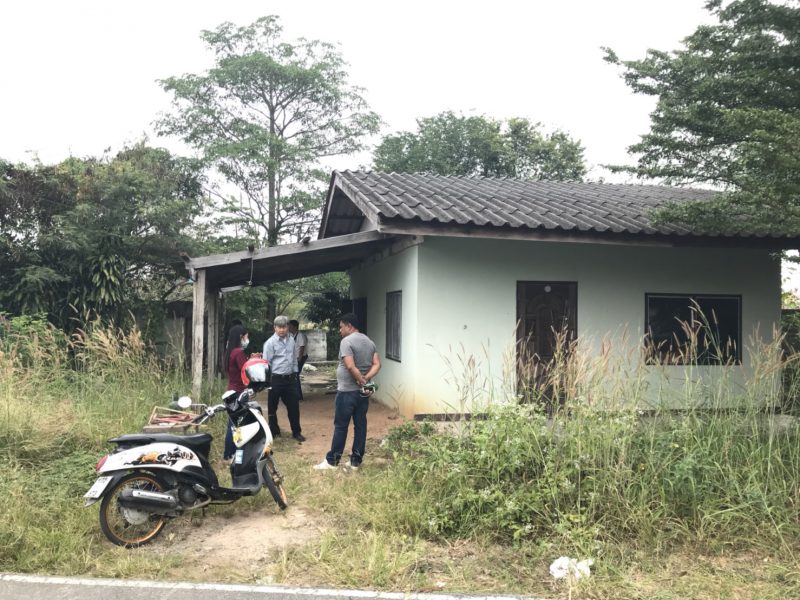
Ever since Thaksin Shinawatra was prime minister, Paitun lived in what most neighbors thought was an abandoned house southeast of Bangkok in a seaside district of Rayong province. Once a day, his sister would unlock his room to give him food and water.
Tuesday was the first time he saw other people when rescue workers, acting on a tip, arrived to find the stunning sight of the unwashed man.
Prior to that, people in the community thought no one lived in the home in the Sam Nak Thon subdistrict house where the 30-year-old man had been held captive half his life.
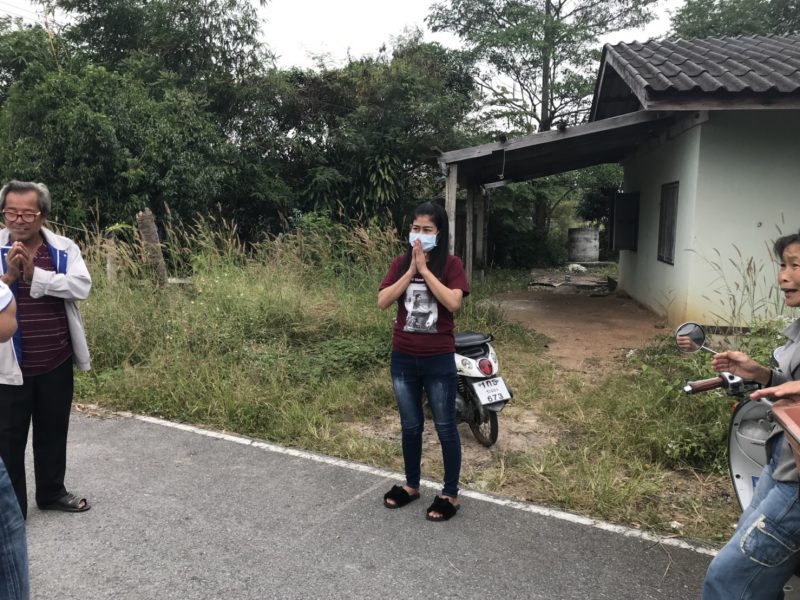
Only his sister, 33-year-old Supasiri Kamwiratch, and landowner Wilai Tantithammapakul knew otherwise.
“Nobody in the village saw the sick man before. Everyone thought this was an abandoned house,” Boonlert Paoin, the Ban Chang district headman, said outside Paitun’s home Tuesday afternoon.
Action was taken after a Khaosod report blew the whistle on Paitun’s captivity after a friend of Supasiri went to the press. Donations poured in from readers, and health officials dropped by to search the residence, bringing the man’s plight to light.
Preecha Phuphan, director of the Disabilities Service Center of Rayong, said officials were planning to take Paitun for psychological evaluation at Rayong Hospital.
However, as of Wednesday morning, health officials said they could still not move the man because he shied from human contact and refused to cooperate. They expected to be able to send him for rehabilitation in the next few days.
Police said on Wednesday that Supasiri was unlikely to face charges for locking up her brother.
“His sister didn’t act maliciously when she locked him up,” Col. Chakkarin Tuasuparp of Ban Chang Police said Wednesday. “No one in the village knew about this. Even the village headman, who lived nearby, didn’t know.”
Wilai, 57, said she let the brother and sister live rent-free in the house for a decade out of pity.
“I was going to give them two more years because I need to use the land too. I’m happy he’s getting help because I wanted to help, but I didn’t know how. We were too scared to approach the house,” she said.
Supasiri, 33, said she locked her brother in the home after his mental health deteriorated in the wake of their father’s death 15 years ago. She said that she feared him running outside – usually naked because he refused to put on clothes – he would hurt himself or others.
Supasiri said her mother abandoned the family after mortgaging their family land to get money for Paitun’s treatment. Supasiri said she was left as Paitun’s sole caretaker. She earns 300 baht a day working at a coffee shop.
“There’s no one to turn to. If I suddenly died, I don’t know how he would live,” Supasiri said Tuesday morning. “Please, can someone take him for treatment? I can’t pay for his medical fees. I don’t even make enough to feed him.”
Before his condition deteriorated, Supasiri said her brother was a strong man who liked to hunt.
“I remember his last kill was a large black squirrel,” she said. Doctors only told her that he had a “brain disease,” which she attributed to “karma.”
Supasiri said her mother contacts her periodically.
“I understand why she had to run away,” she said. “I’m not mad at her.”
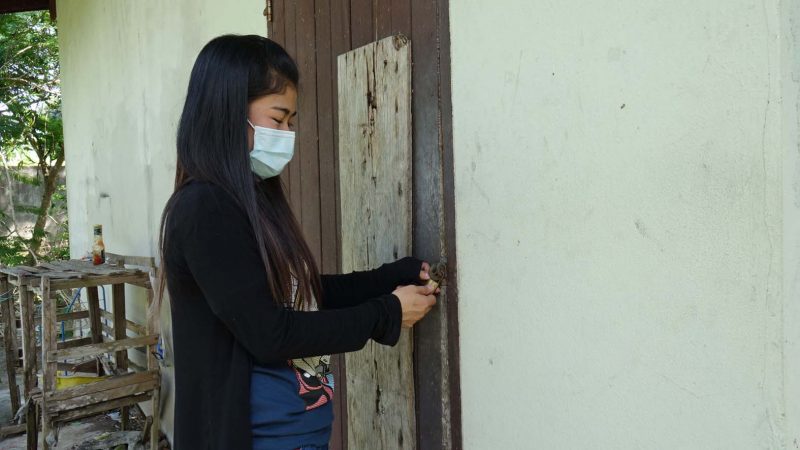
Supasiri Kamwiratch unlocks the door Tuesday to the small home where she kept her mentally ill brother locked inside for 15 years.
Health officials at Paitun Kamwiratch’s house Tuesday afternoon.Supasiri Kamwiratch, 33, wais to health officials Tuesday.
Romance, sex, nightlife and anything to do with visas were the topics you cared most about this past year, according to the numbers. We won’t judge you.
Rejoin us after the list to see those stories we hoped would get more attention. But first, here are the 13 most popular Khaosod English stories of 2017 by the acclaim of you, our discerning readers!
Surin net idol Supawadee Lailani Bouteleux and her French husband, Dimitri Bouteleux. Photo: Jessica Difford / Facebook
Who knew a write-up about an academic look at farangs, the women who love them and the men spurned by those women would draw so much interest and debate? That’s one of those rhetorical questions.
If there’s one common thread uniting residents of the capital city, it’s their affection for fun after dark. So when the rug was suddenly pulled out from under the free-wheeling scene and it became difficult to find a drink after midnight, readers responded to this explainer of what was going on.
Baitoey R Siam, second from left, on a set for Carabao’s music video ‘Nang Ngam Tuu Krajok’ which depicts a brothel.
From the Only in Bangkok file came what was essentially an environmental and resource issue that took a signature twist when it turned out a rapacious appetite for water at Bangkok’s sex joints was to blame.
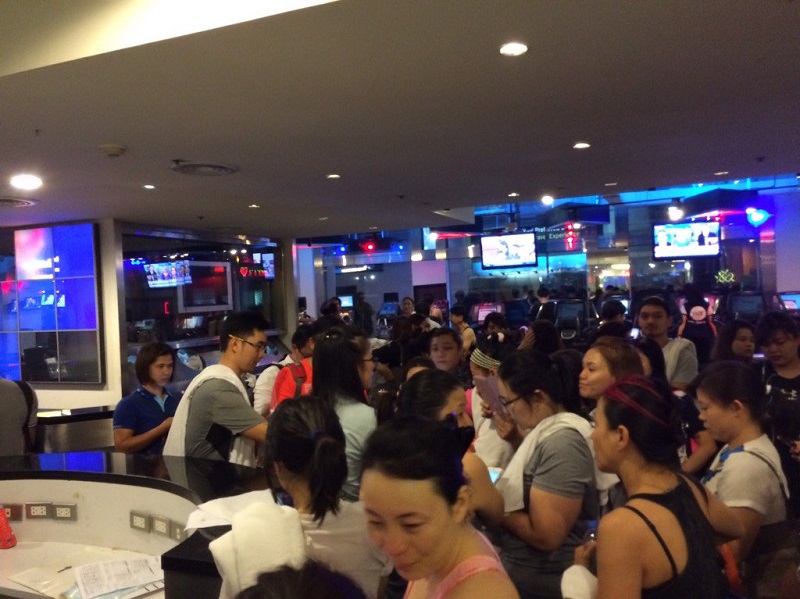
Gym members gather at a True Fitness branch Thursday in Exchange Tower near Asok intersection. Photo: @Meawzilaz / Twitter
Perhaps it was memories of the California Wow implosion several years ago or just the number of people affected that drove interest in this story of another major fitness chain going belly up. Or maybe it was the rhyming headline.
Thailand’s schizophrenic and ever-shifting immigration policies are often faulted as problematic and inconsistent by its foreign residents. Stories about visas therefore are heavy on “reader impact” and therefore reads.
There is no group out there as beautiful or erudite as Khaosod English readers. When we put out the call for you to share your moments of festival fun, you delivered – to our great delight. Thank you.
Policemen and rescue workers on the scene of a Jan. 2 crash in Chonburi where 25 died when a van collided with a truck. Photo: Matichon
“Bus plunge” stories are a trope of daily news perhaps nowhere more than in Thailand. But this entirely avoidable disaster pulled together threads of poor road safety, lack of accountability and sheer human tragedy right at the outset of the year.
A screenshot from video shows the moment an Australian man fell to his death from a parasail on Phuket’s Kata Beach.
Also on the topic of safety – or lack thereof – are the regular stories out of tourist deaths in the waters off Phuket and Pattaya. The bodies pile up, yet nothing seems to change.
This head-bobbing pigeon from Syd Weiler’s Trash Doves Facebook sticker set has gone viral in Thailand since its Feb. 1 release.
Sheer delight. In a year the internet has faked news, poisoned democracies, spread hate and divided societies, along comes a reminder that we can easily be united by something joyful.
A photo file of New in November 2016, after the election news, at San Francisco General Hospital. Photo: Jirayut Latthivongskorn / Courtesy
A little bit of the 2017 Trump Effect probably rubbed off on this story about a Thai-American overachiever suddenly confronted with politics becoming very personal – through no fault of his own.
A cover is taken off the royal urn Thursday at Sanam Luang.
We were particularly proud of our live coverage of the funeral rites in October for King Bhumibol. Along the way, one reporter’s account of a secret rite that changed how many saw what was happening was deemed worthy of a standalone report.
Worshipers pray at the Bangkok city pillar shrine. Decades after the first city pillar was laid there, the royal court had to place a new one because the former is believed to have been marred by a curse.
It’s rare for the stories that we as news nerds get most excited about to match those which win a mass audience. We were deeply gratified to see that happen with this beautifully crafted report tying together political realities old and new with a thread of the mysticism that is so captivating, both literally and figuratively.
Conversely, there are the features and enterprising stories we poured our hearts and time into, hoping they would set the world on fire. They may not get the most clicks and shares – but don’t worry, we’ll keep doing them.
SEXUAL VIOLENCE STALKS ACTIVIST COMMUNITY
Human rights defenders shaken by assaults and cover-ups
READ ARTICLE
AN UGLY OPEN SECRET THAT GOES BACK YEARS
Revered activists implicated in a history of sexual assaults
READ ARTICLE
This was a difficult story to tackle. As journalists committed to truth and justice, we often write about the pro-democracy community. But we’re also committed to following stories wherever they lead and holding people accountable without fear or favor. So when whispers spread that the activist community can be a hostile place for women, we spared no effort in investigating and deeply reporting accounts of sexual violence – and attempts to cover it up. A month after we reported this, the Harvey Weinstein scandal broke and powerful figures began to be held accountable worldwide as #MeToo came to define 2017.
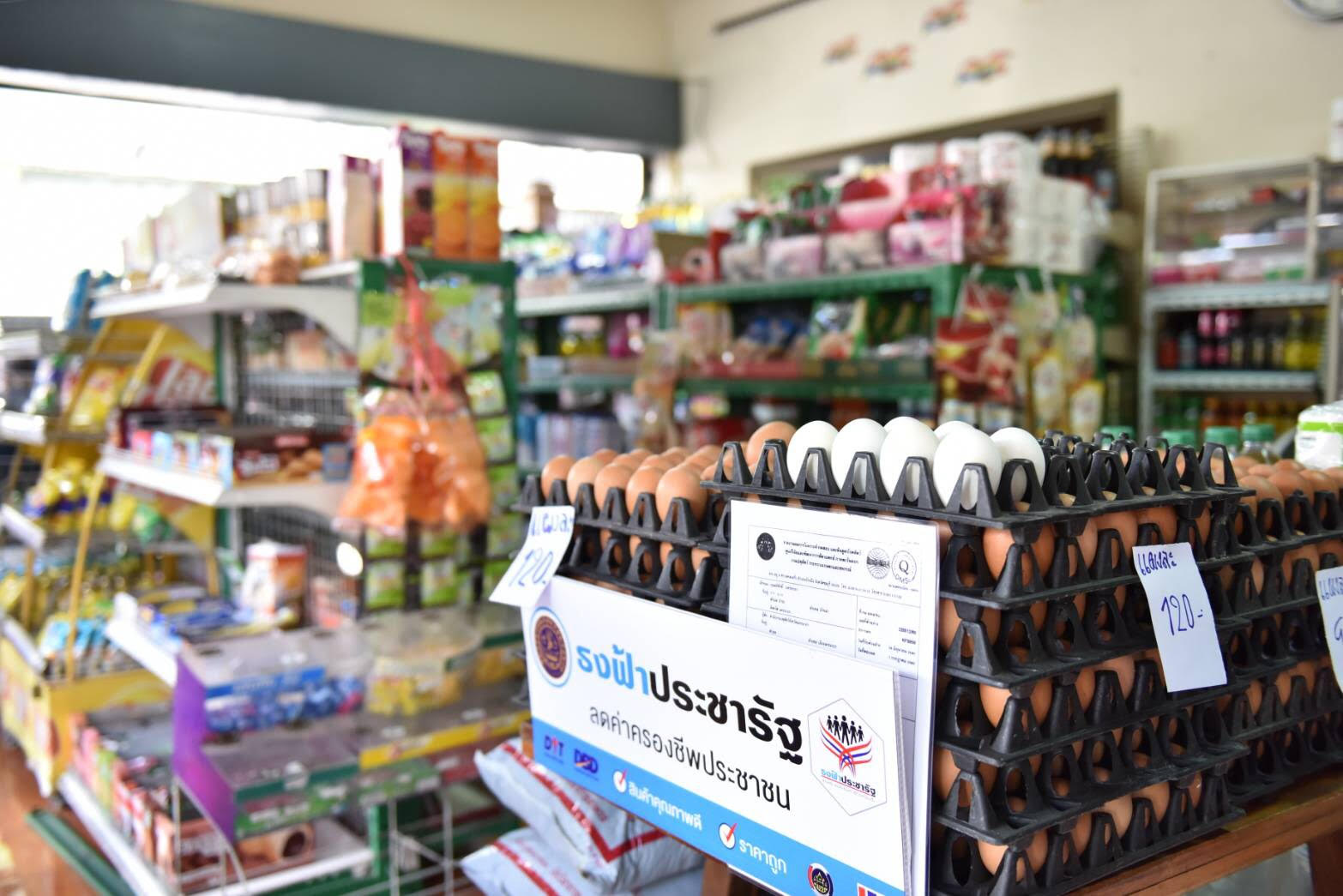
Few are as vulnerable to Thailand’s shifting political winds as its most vulnerable citizens. The junta’s attempts to replace the populism of previous governments with its own brand of the same seemed well-intended but poorly conceived. We tried to unpack the issue with deep, explanatory and ongoing reporting culminating in this feature report that attempted to explain it all and examine the issues.
We like the internet. As much as we love print media, we’d rather be pushing online frontiers than proofing plates before they go out to the press. Our most ambitious multimedia reporting experience of the year went into distilling government policy into this highly clickable, interactive explainer of the issue.
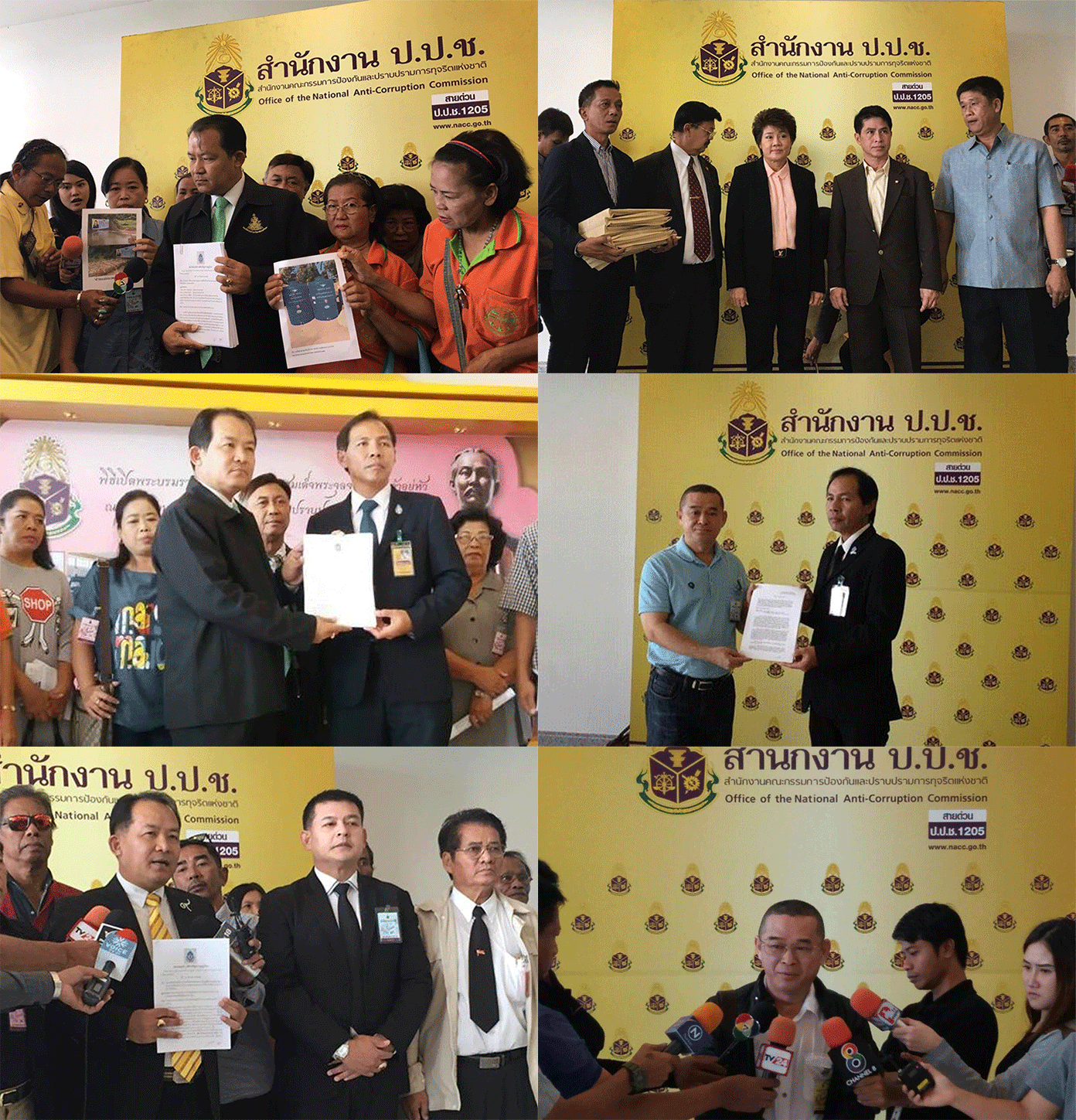
Time and again, petitioners make a splash and garner public attention holding news conferences to file complaints with the National Anti-Corruption Commission. Most languish or get dropped.
Like many of you, we see stories of mendacity and injustice follow the same time-worn and predictable arcs, and wonder why larger questions aren’t asked. Then we ask them, and do our best to tell you what we found out. So when the national anti-corruption agency’s vows to thoroughly investigate powerful figures were dutifully reported by the media, we took a critical look at its track record in holding anyone accountable. What we found was an agency with a massive budget – and little to show for it.
Smoke lingers in the air above the crematorium Thursday in Sanam Luang.
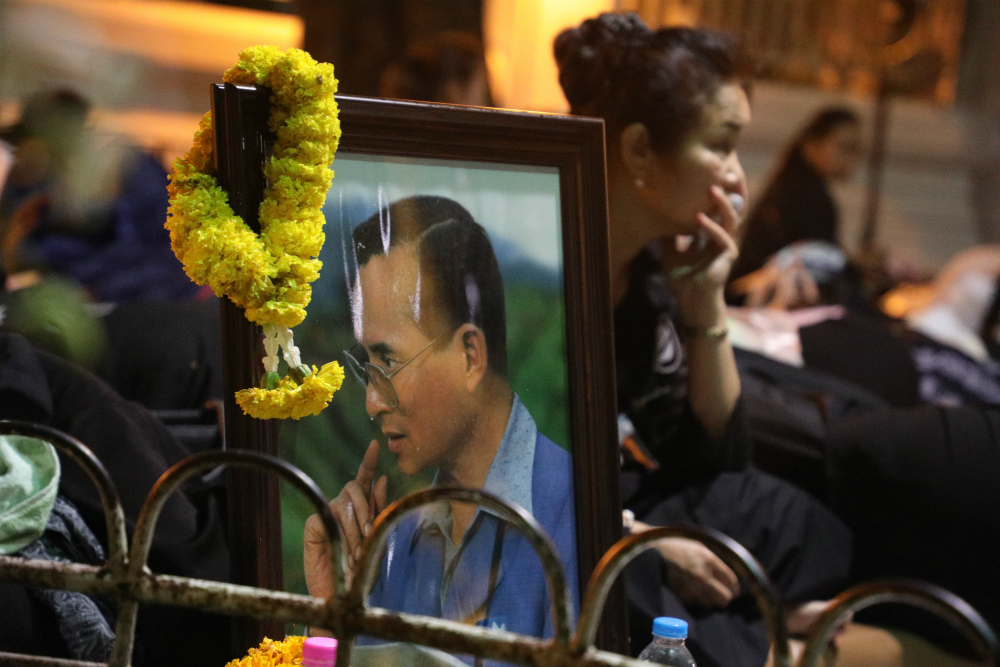
Part of our editorial mission is to tell stories from the ground-up rather than the top-down by putting the humans affected above the outsized personalities. When it came time to cover the culmination of a year’s mourning.
Covering the funeral would not have been complete without acknowledging its surprise conclusion which left many mourners confused about what had happened.
A narrow range of “culturally acceptable” body types combined with stigmas against seeking psychological help make for a dangerous mix when it comes to women’s health. We were fortunate to find one brave young woman with a poignant story and fearlessness in sharing it.
The dominant political narrative of the year has been the junta’s pivot toward electoral politics with an eye on maintaining power. It’s been a transparent exercise, if unintentionally, despite the unconvincing denials.
Anything we missed? Anything you’d like to see more of in 2018? Contact us or leave a comment.
BANGKOK — For the first time, the shelves of the realm’s top convenience stores will be stocked with cans of Thai craft beer.
Starting Thursday, Bannok Beer will be sold at 7-Eleven stores in Bangkok and a number of other provinces. It’s billed as the convenience chain’s first Thai craft beer for sale.
Beers will sell in two low-alcohol content varieties: a wheat beer called Kiss Me Deadly and IPA Honey Bomb. Each is 4 percent alcohol by volume and costs 99 baht.
Followthis map to find which 7-Eleven branches would be selling the beer. The admin of Bannok Beer’s Facebook page encouraged customers to ask 7-Eleven staff about the beer to speed its arrival onto shelves.
Bannok Beer was founded by Panitan Tongsiri, a Sakon Nakhon native who also founded Thai craft beer brands Stone Head and Lamzing.
The new beer offering comes a few months after 7-Eleven stores aborted an October roll-out of beer taps following complaints by anti-alcohol campaigners.