26.1 C
Bangkok
Saturday, June 20, 2026
Home Blog Page 2576

WikiLeaks: Assange’s Internet Link ‘Severed’ by Ecuador

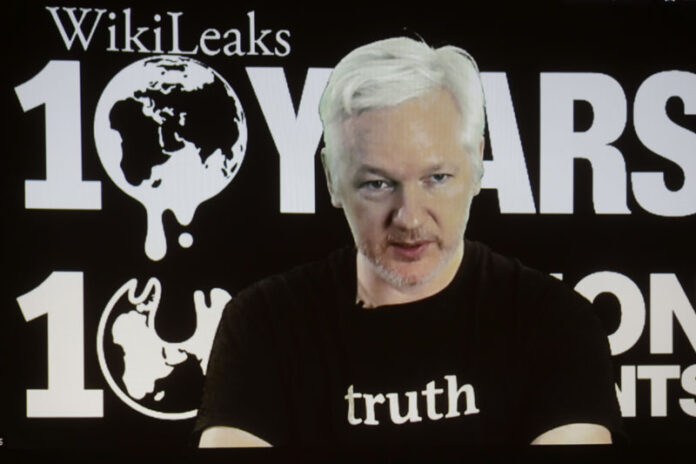
WikiLeaks founder Julian Assange participates via video link at a news conference marking the 10th anniversary of the secrecy-spilling group on Oct. 4 in Berlin. Photo: Markus Schreiber / Associated Press

PARIS — WikiLeaks says that founder Julian Assange’s Internet access has been cut by Ecuador, which has been granting him exile in an embassy. Few other details were immediately available.

Assange has been up holed up at the Ecuadorean Embassy in London for more than four years after skipping bail to avoid being extradited over sex crimes allegations.

The cramped quarters haven’t prevented the Australian transparency activist from working and WikiLeaks continues to deliver scoops, including revelations that have rattled Hillary Clinton’s campaign for president as the U.S. election enters its final stretch.

Calls, texts and emails left with WikiLeaks weren’t immediately returned Monday. A woman who picked up the phone at the embassy said: “I cannot disclose any information.”

The group later Tweeted that Ecuador had cut off his access and blamed it on recent revelations about Clinton.

Ecuador’s Foreign Ministry released a brief statement that didn’t mention the Internet cut off, but reaffirmed its decision to grant Assange asylum.

“Faced with the speculation of the last few hours, the Government of Ecuador ratifies the validity of the asylum granted to Julian Assange four years ago,” the Foreign Ministry said. “We reaffirm that his protection by the Ecuadorean state will continue while the circumstances that led to the granting of asylum remain.”

London’s Metropolitan Police declined comment.

Story: Associated Press / Khaosod English

Advertisement

As Advertising Goes Dark, Industry’s Bad Year Turns Worse

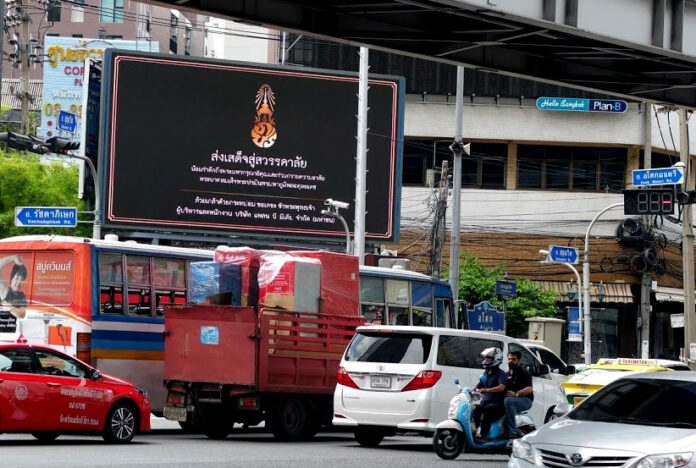
A billboard at Asok junction was seen replaced with tribute to His Majesty the Late King Friday.

BANGKOK — On the BTS Skytrain, normally loud advertisements have gone silent ever since the death of His Majesty the King, replaced on all screens with a poem dedicated to mourning his death.

While that may be good news to commuters, advertising agencies said Monday they foresee a fall in revenue as Thailand embarks on a year of mourning. Though there is no official ban, parties from advertising agencies to brands have agreed it is inappropriate to promote commercial interests.

“We are now estimating the situation day by day,” said Triluj Navamarat, chairman of the Media Agency Association.

Triluj said their most optimistic assessment was that advertising spending on all platforms would shrink by 7 percent; with October revenues down by a third of estimates.

National advertising for the first half of 2016 was 55 billion baht, which was already down nearly 8 percent over the previous year, according to Nielsen data cited in July by Positioning Magazine, a trade publication.

By Friday, most of the billboards in town were replaced by tributes to the late King. Campaigns were quickly dropped from radio, television and newspapers.

The marketing pause also hit the ostensibly borderless internet.

Facebook and YouTube have temporarily halted all advertising in the Thai market to show sensitivity. Like others, they are taking a wait-and-see approach and not saying when it will resume.

“Today some businesses started to advertise in newspaper, but their ads were still about expressing condolences for the late King,” Triluj said.

Ritthisak Wongpan-ngam, a social media planner from the CJ Worx agency, said he began working Wednesday on updated profiles, cover photos and other content for clients’ Facebook pages in preparation for Thursday’s bad news.

He also advised his clients to halt every activity and let their fanpages go dark for at least a month, as it is difficult to predict when the public will be ready return to normalcy.

“We’ll decide again based on people’s moods at that time,” he said. “We think it’s safe to say that the safest time to launch anything is after Dec. 15.”

However Ritthisak said most activities were not scrapped but put on hold. Some were being reworked to be flexible and launchable at any time under these circumstances.

“Some clients pushed their plans back until January because they feared that launching something before Nov. 15 would still be somewhat insensitive,” he said. “And also there’s Father’s Day coming up too.”

His Majesty the Late King’s 89th birthday would have been Dec. 5.

Triluj said his association was now monitoring all media channels to keep its members updated on what opportunities exist for marketing. He said the decision to put some commercials out was up to the brands and media to weigh the appropriateness.

As for long-term prospects, the chairman said it was too soon to tell.

As the whole industry has struggled with revenue shortfalls this year, Ritthisak said everyone is philosophical about it.

“The bright side is that everyone is on the same page and very understanding toward each other, as this is a very difficult time for all of us,” he said.

Related stories:

Entertainment Behind Closed Doors Okay, Gov’t Clarifies

Govt Deplores Foreign Media Coverage, BBC Coverage Blocked

Hotels Reconsider Lavish NYE Party Plans

Ultra-royalists Guilt-Shame People Who Don’t Wear Mourning Black

Bangkok, Famed Capital of Free-Wheeling Fun, Goes Dark Indefinitely (Photos)

Celebrities Mourn Death of King Bhumibol

Crown Prince Leads King Bhumibol’s Funeral Procession

Black Friday: Crowds Throng Palace For Final Glimpse of King (Photos)

Crown Prince Not Ready to Take Throne Yet, Prayuth Says

Prayuth Calls for Year of Mourning for King

Grief Pours Out Home and Abroad for Death of King Bhumibol

King Bhumibol, Monarch and Father to Millions, 88

Advertisement

Calls For Calm Over ‘Witch Hunt’ Concerns After HM King’s Death

Photos of Saran Chuichai after reportedly being taken to a shooting range and tweeted Monday. Image: Rang70 / Twitter

BANGKOK — Calls for tolerance have gone out as the national mourning for His Majesty the King sees outbursts of anger toward those deemed disrespectful.

Anecdotes of strangers being berated for not wearing black are spreading along with news stories of mobs forming outside homes of people accused of writing something insulting on Facebook.

On social media, people have complained about photos of government officials smiling or looking at their smartphones during ceremonies at the Grand Palace. Sunday on Koh Samui, a woman was dragged out to prostrate before a portrait of His Majesty the Late King to placate an enraged mob of more than 500 people.

Outside Thailand, an anti-monarchist living in exile Paris is the subject of a string of petitions on Change.org demanding she be forcibly returned to Thailand for prosecution for defaming the King in harsh terms in videos posted to Facebook since Thursday, the day of his death.

While Saran Chuichai, aka Aum Neko, could not be reached for comment, exiled Redshirt leader Jaran Ditapichai, also in Paris, said late Monday afternoon that Saran was heading to the airport to “lie low” in a third country after Thai royalists in Paris began searching for her whereabouts.
Concerned that the escalation of vigilantism could get out of hand, a prominent royalist leader called for calm among ultra-royalists, royalists, non-royalists and even anti-monarchists.

“Those who express themselves in contrary to ordinary people in society should exercise caution, while those against [royalists or monarchy] should consider what’s appropriate,” Tul Sittisomwong said Monday.

Tul said he’s been attacked by his peers and called “pretentious” for having said as much on Facebook.

“The feelings toward His Majesty certainly differ, and we can’t force them,” he said. “However expressing anything publicly or to wear a dress publicly should be done with caution and consideration for society.”

If someone thinks someone is dressed inappropriately, they should just say so, he said, and if someone posts something defamatory – just inform the police.

However he said Saran, the provocateur who fled Thailand after the military seized power in 2014, deserves to be hunted down.

Thammasat University political scientist Kasian Tejapira said this issue gets at the lessons society must learn about tolerance.

“The only kind of love and loyalty that is genuinely valuable and meaningful is voluntary, not the kind that is coerced out of fear, which has no value and is meaningless,” Kasian said.

Learning “to tolerate, trust and live with one another” is the only practical solution in a modern, diverse society, he said.

“We should think of it as an educational, mutual learning process,” Kasian said. “That’s how a modern, pluralistic society learns to feel, to sympathize with one another, and to grieve.”

Advertisement

Car Bomb Plot: Junta Confirms 5 Held for Questioning

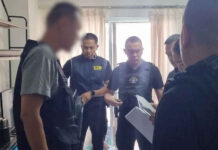
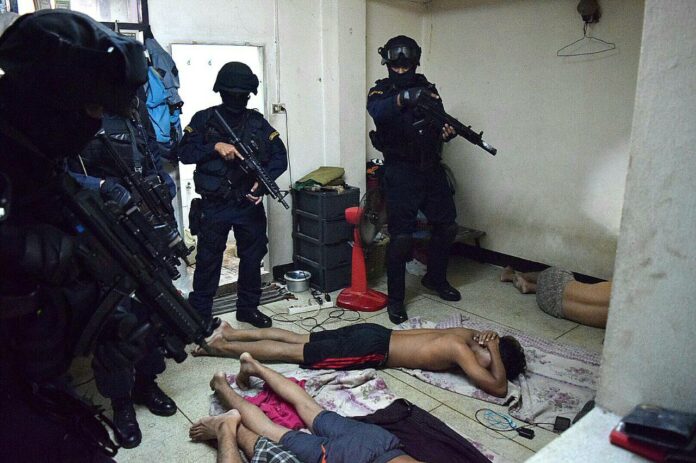
Police commandos raid a building Oct. 10 in Bangkok as part of a counterterrorism operation.

BANGKOK — Five men arrested along the course of last week were still under military custody Monday for their suspected involvement in an alleged plot to bomb Suvarnabhumi Airport and other targets, a junta spokesman said.

Up to 40 people were initially arrested in sweeping raids that lasted several days, raising concerns about arbitrary arrests and secret detentions. The operation was launched after it emerged on Oct. 10 that an unspecified militant group was preparing to stage car bomb attacks at major landmarks in Bangkok’s southeastern suburb, including one of the city’s international airports.

Read: Six More Arrests in Bangkok Terror Raid

“They have not been charged. They are under process of being questioned,” junta spokesman Winthai Suvaree said by telephone. “Some of them have given us useful information.”

Col. Winthai said all five hailed from the three southern border provinces where a network of separatist groups has been battling for independence for over a decade.

In a news conference Monday the spokesman named the five men as Talmisi Tohtayong, Muftadeen Salae, Amreeya Ha, Nurman Abu and Usman Kadenghaji.

They are being detained at the headquarters of the 11th Army Circle in Bangkok and will be released within seven days if they are found to be innocent, Winthai said. Someone answering the telephone on behalf of Base Commander Sanitchanok Sangkhachan said he is unavailable for comments.

The rest of the suspects arrested in the raids have been released from custody, Winthai added.

Under special authority granted by the junta, the military can detain individuals for interrogation at army bases up to seven days at a time without a warrant.

Related stories:

Sweeping Bangkok Terror Raids Prompt Fears of Secret Detentions

Advertisement

End to US Sanctions to Boost Myanmar Economy, But Woes Remain

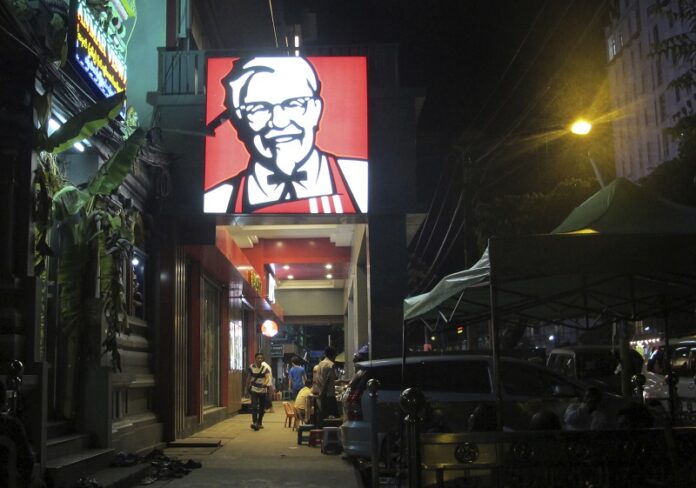
A sign of KFC’s grinning Colonel Sanders and his goatee is lit outside its outlet Oct. 7 in Yangon, Myanmar. Photo: Elaine Kurtenbach / Associated Press

YANGON — KFC’s grinning Colonel Sanders and his goatee are among the few prominent signs of U.S. brands or business in Myanmar’s biggest city, Yangon.

That will likely change after President Barack Obama ended most remaining U.S. sanctions against this fledgling democracy on Oct. 7. But much hinges on how the government led by former political prisoner Aung San Suu Kyi revamps the country’s outdated laws and other policies.

The U.S. had earlier broad prohibitions on investment and trade imposed on this Southeast Asian country of about 60 million over the past two decades. The more targeted restrictions that ended earlier this month were mostly on dealings with army-owned companies and officials and associates of the former ruling junta. A ban on imports of jadeite and rubies fromMyanmar also ended.

Up to now, the rush to invest in Myanmar has been dominated by Asian countries, especially China, its main investor and trading partner during its years of isolation. Most U.S. businesses and many other Western ones stayed away, mindful of fines potentially in the millions of dollars and jail terms of up to 20 years.

Foreign investment slowed earlier this year, as companies awaited changes in the investment law, company law and other regulations.

“Genuinely a lot of American business was extraordinarily wary of the sanctions, especially for financial services because of the massive fines,” said Sean Turnell, a Myanmar expert and adviser to Suu Kyi’s government.

For many Western, not just U.S. firms, restrictions on financial transactions in U.S. dollars, which are processed by banks doing business in the U.S., were the biggest constraint.

“It was too hard, the market is too small and profits were pretty small beer compared to the fines they could get,” said Turnell. “You had great difficulty just moving money in and out of the country.”

The garment industry could be one of the biggest beneficiaries of the end to sanctions. The United States stopped givingMyanmar special market access under the Generalized System of Preferences in 1989 due to worker rights concerns. When those benefits are restored on Nov. 13 it will regain the right to export about 5,000 products to the United States duty-free.

Nay Aung, whose travel services company, Oway, has launched a car-booking app that is providing about 500-600 rides a day in Yangon, is hoping that will help drive an export boom.

“If multinationals come in, we will benefit,” he said. “For us, if the country grows, we are the beneficiary of those investments.”

Myanmar was governed by a military junta for more than a half-century. Nearly five years since it began its shift toward a civilian government and a year since Suu Kyi’s National League for Democracy party won a landslide election, the country is still just beginning to develop a modern financial sector and rebuild its crumbling roads, ports and buildings, many of which date to Britain’s colonial rule.

The new leadership is grappling with extreme poverty, civil war with several ethnic minorities, rampant corruption and narcotics and human trafficking. Massive illegal trade in goods like jade and timber continues.

The sanctions were just part of the problems laid out in a report by the American Chamber of Commerce in July. Chief complaints included a decision by the city government in Yangon, the country’s commercial capital, to stop issuing the licenses for new parking spaces that are required to buy new vehicles. That was a blow to big foreign automakers like Chevy and Toyota that want to sell new cars there, but a boon for the already thriving trade in used vehicles from Japan, left-hand cars and trucks widely used on Myanmar’s right-hand drive roads.

Still, the country’s young, inexpensive workforce and low living standards offer huge potential for growth. GE, on its website, describes Myanmar as a “new sweet spot” for growth in Southeast Asia.

Japanese and other Asian investors have been piling in.

Aeon, Japan’s equivalent of Walmart, opened an office in Yangon in 2014 and has a thriving microfinance business. Its first supermarket in Myanmar, a joint venture with a local retailer, opened in the city’s Okalapa township in late September, offering thousands of products, most of them imported from Thailand.

Even the KFC, which opened across the street from Yangon’s Bogyoke Market in 2015, is a franchise set up by Singapore-listed Myanmar conglomerate Yoma Strategic Holdings.

Some other major U.S. brands got a head start, including Coca-Cola, which has a factory producing for the local market. Ball Corp. has a factory in Yangon’s Thilawa Special Economic Zone making cans for Coca-Cola. MasterCard is expanding in the area of ATM cards.

GE is active in energy and other sectors and leases Boeing 737-800s to the country’s national airlines. ConocoPhillips and Chevron have stakes in oil and gas exploration and development. Some U.S. businesses, like Caterpillar, have distribution tie-ups in Myanmar with local or other foreign companies.

But the total $248 million U.S. companies have committed since 1988 amounts to less than 1 percent of total foreign investment of about $60 billion. China has invested more than $25 billion, according to Chinese figures.

Trade with the U.S. has also been modest.

Myanmar’s imports from the U.S. totaled $227 million in 2015, while exports from Myanmar to the U.S. amounted to $142 million, mostly dried peas, rattan and wood products and travel goods like backpacks, according to the U.S. Trade Representatives website.

The lifting of sanctions is bound to benefit big players no longer on the sanctions lists, like the ex-junta chief, Than Shwe, and Stephen Law, founder of one of the nation’s largest conglomerates, whose late father was once described by Treasury as one of the world’s key heroin traffickers.

But at the other end of the spectrum, there likely will be little immediate impact, said Jes Kaliebe Petersen of Phandeeyar, a local non-profit devoted to helping start-ups and entrepreneurship.

Ending sanctions has a “signal value,” suggesting lower risks of doing business in Myanmar, says Petersen, who is Danish. What remains, though, are problems typical of a frontier economy, such as a dysfunctional financial system, bad roads, and a legal system that has yet to catch up with the country’s political evolution.

“It took three months to get money wired into Yangon just to pay my rent,” Petersen said when asked about the challenges of doing business in Myanmar. “But on a micro-level, I’ve never had a single conversation about the sanctions.”

Story: Elaine Kurtenbach

Advertisement

Singers, Artists Post Tributes to Late King

Photo: Bruce Szalwinski / Flickr

BANGKOK — Singers and artists have gotten busy lamenting the death of His Majesty the Late King Bhumibol and sharing it online.

On Saturday, Sek Loso was one of the first commercial artists to share his sorrow in song.

“This song is a song for father. I wish you could hear it. Although tears flood the land, I just want to sing so that father can hear that I love him,” the 42-year-old badboy sings in “I was born in the Reign of King Rama IX of Thailand.” The song has been shared nearly 180,000 times.

A number of other singers and artists have published works dedicated to mourning the late King.

https://www.youtube.com/watch?v=kkWzouWbOaY

Tears pour down the face of vocalist Kanyapat ‘Parn’ Srinarong of VieTrio in ‘Sansoen Phra Barami,’ a song released Friday glorifying the King’s prestige, in a clip viewed more than 400,000 times.


‘Dear Dad’ by Pativate ‘Fong Beer’ Utaichalurm was posted online Thursday. ‘It was like I was writing a letter so father can hear what I think and how I feel.’ In the song, he sings about his gratitude for making him who is is today and in lives to come.


Other YouTubers and netizens composed their own original works.

In ‘From Your Child’s Heart,’ Rattanaporn ‘Ploy’ Nanthasri sings that despite being heartbroken at learning the news, she won’t be discouraged and will make His Majesty proud by following his teachings.


https://www.youtube.com/watch?v=IWzx7IjSQ8U

‘You’ll Forever Be in Thai People’s Heart (I Was Born In the Reign of King Rama IX of Thailand),’ by Night Tingle. The singers echoes the popular sentiment to be a servant underneath HM’s feet in all future lives.


At least one international artist has also taken to mourn the late King. A Korean artist known as Drawholic posted a video of him drawing King Bhumibol with the caption ‘Rest in Peace.’

Correction: An earlier version of this story misidentified the name of the singer of Vie Trio. It is Kanyapat “Parn” Srinarong, not Pintusorn “Pui” Srinarong.


Advertisement

Iraqi Forces Launch Military Push Against IS in Mosul

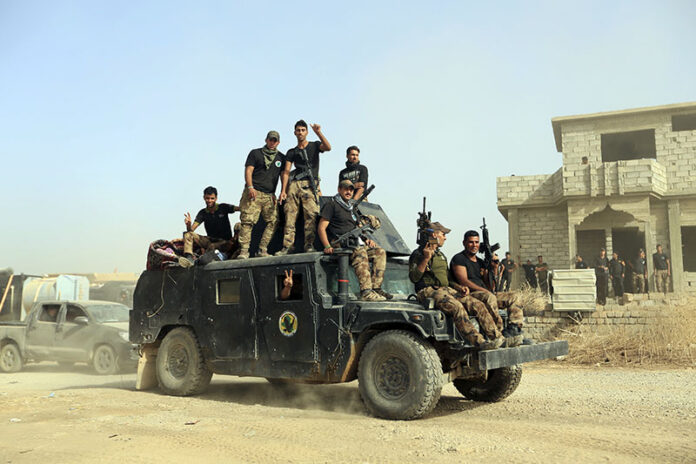
Iraq's elite counterterrorism forces gather Saturday ahead of an operation to retake the Islamic State-held City of Mosul, outside Irbil, Iraq. Photo: Khalid Mohammed / Associated Press

KHAZER, Iraq — Iraqi government and Kurdish forces, backed by U.S.-led coalition air and ground support, launched coordinated military operations early on Monday as the long-awaited fight to wrest the northern city of Mosul from Islamic State fighters got underway.

Convoys of Iraqi, Kurdish and U.S. forces moved east of Mosul along the front line as U.S.-led coalition airstrikes sent plumes of smokes into the air and heavy artillery rounds could be heard.

Iraqi Prime Minister Haider al-Abadi announced the start of the operations on state television, launching the country on its toughest battle since American troops left nearly five years ago.

Mosul, Iraq’s second largest city, has been under IS rule for more than two years and is still home to more than a million civilians according to U.N. estimates.

“These forces that are liberating you today, they have one goal in Mosul which is to get rid of Daesh and to secure your dignity. They are there for your sake,” al-Abadi said, addressing the city’s residents and using the Arabic language acronym for the Islamic State group.


“God willing, we shall win,” he added, flanked by military commanders.

The push to retake Mosul will be the largest military operation in Iraq since American troops left in 2011 and, if successful, the biggest blow yet to the Islamic State. Al-Abadi pledged the fight for the city would lead to the liberation of all Iraqi territory from the militants this year.

In Washington, Defense Secretary Ash Carter called the launch of the Mosul operation “a decisive moment in the campaign” to deliver a lasting defeat to ISIS.

Iraqi forces have been massing around the city in recent days, including elite special forces that are expected to lead the charge into the city, as well as Kurdish forces, Sunni tribal fighters, federal police and Shiite militia forces.

South of Mosul, Iraqi military units are based at the sprawling Qayara air base, but to the city’s east, men are camped out in abandoned homes as the tens of thousands of troops massed around the city have overwhelmed the few military bases in the area.

Kurdish forces are stationed to the north and east of Mosul, a mostly Sunni city that has long been a center of insurgent activity and anti-central government sentiment after the U.S.-led invasion of Iraq in 2003. Iraqi officials have warned that the Mosul operation has been rushed before a political agreement has been set for how the city will be governed after IS.

Lt. Col. Amozhgar Taher with Iraq’s Kurdish forces, also known as the peshmerga, said his men would only move to retake a cluster of mostly Christian and Shabak villages east of Mosul and would not enter the city itself due to their concern for “sectarian sensitivities.”

“To eliminate the threat we must eliminate (IS) from Mosul,” Taher said at a makeshift base in an abandoned house along the front line, some 30 kilometers (19 miles) east of Mosul.

Iraqi special forces Lt. Col. Ali Hussein said the Kurdish forces are leading the first push on Mosul’s eastern front. His men were also anxious to move out to the front line, though he said he expects they will wait near the town of Khazer for another day or two.

Mosul fell to IS fighters during the militants’ June 2014 blitz that left nearly a third of Iraq in the extremists’ hands and plunged the country into its most severe crisis since the U.S.-led invasion. After seizing Mosul, IS leader Abu Bakr al-Baghdadi visited the city to declare an Islamic caliphate that at one point covered nearly a third of Iraq and Syria.

But since late last year, the militants have suffered battlefield losses in Iraq and their power in the country has largely shrunk to Mosul and small towns in the country’s north and west. Mosul is about 360 kilometers northwest of the capital, Baghdad.

The operation to retake Mosul is expected to be the most complex yet for Iraq’s military, which has been rebuilding from its humiliating 2014 defeat.

Lt. Gen. Stephen Townsend, commander of Combined Joint Task Force Operation Inherent Resolve, said in a statement that the operation to regain control of Mosul could take “weeks, possibly longer.”

Earlier, Iraqi Brig. Gen Haider Fadhil told The Associated Press in an interview that more than 25,000 troops, including paramilitary forces made up of Sunni tribal fighters and Shiite militias, will take part in the offensive that will be launched from five directions around the city.

The role of the Shiite militias has been particularly sensitive, as Nineveh, where Mosul is located, is a majority Sunni province and Shiite militia forces have been accused of carrying out abuses against civilians in other operations in majority Sunni parts of Iraq.

Fadhil voiced concern about potential action from Turkish troops based in the region of Bashiqa, northeast of Mosul. Turkey sent troops to the area late last year to train anti-IS fighters there. But Baghdad has seen the Turkish presence as a “blatant violation” of Iraqi sovereignty and has demanded the Turkish troops withdraw, a call Ankara has ignored.

Military operations are also predicted to displace 200,000 to a million people, according to the United Nations. Just a few kilometers from the eastern front line, rows of empty camps for displaced civilians line the road, but aid groups say they only have enough space for some 100,000 people.

In Geneva, a senior U.N. official said he’s “extremely concerned” for the safety of civilians in Mosul. Stephen O’Brien, the under-secretary-general for humanitarian affairs and emergency relief coordinator, said that as many as “1 million people may be forced to flee their homes in a worst-case scenario.”

He warned that families are at “extreme risk” of being caught in crossfire, and that tens of thousands may end up besieged or held as human shields and thousands could be forcibly expelled.

Aleksandar Milutinovic, the Iraq country director for the International Rescue Committee, said the population of Mosul is not all supporters of IS, “they’re just people who had no other opportunity or a place to go” and urged Iraqi forces to “show will and a very serious commitment to protecting civilians and ensuring their wellbeing.”

In the midst of a deep financial crisis, the Iraqi government says it lacks the funds to adequately prepare for the humanitarian fallout of the Mosul fight. In some cases commanders say they are encouraging civilians to stay in their homes rather than flee.

“While we may be celebrating a military victory (after the Mosul operation is complete),” said Falah Mustafa, the foreign minister for Iraq’s Kurdish region, “we don’t want to have also created a humanitarian catastrophe.”

Story: Adam Schreck; additional reporting Ahmed Sami, Qassim Abdul-Zahra, Geir Moulson and Vivian Salama


Advertisement

Volunteers Give Boost to Others in Time of Grief (Photos)

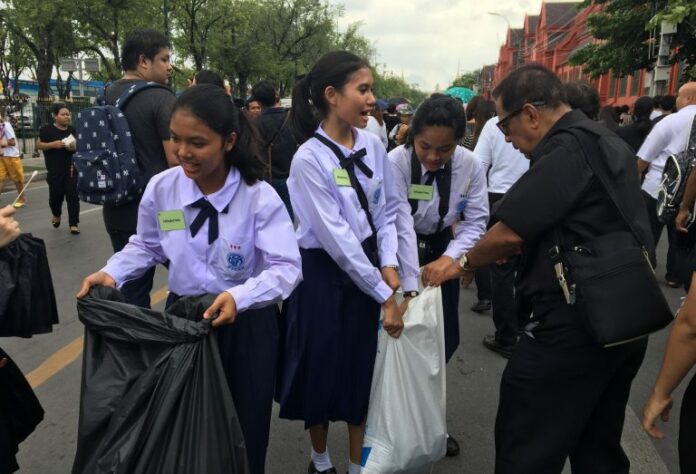
Student volunteers pick up trash Sunday at Sanam Luang.

BANGKOK — As the kingdom mourns its King, many are turning their grief into generosity to help each other out.
Mourners heading to Sanam Luang on Monday can expect to find free bus rides, food and other amenities offered by volunteers.

Students were handing out black ribbons and collecting trash around the royal park Sunday afternoon, while several private organizations set up tents giving away food and medicine.

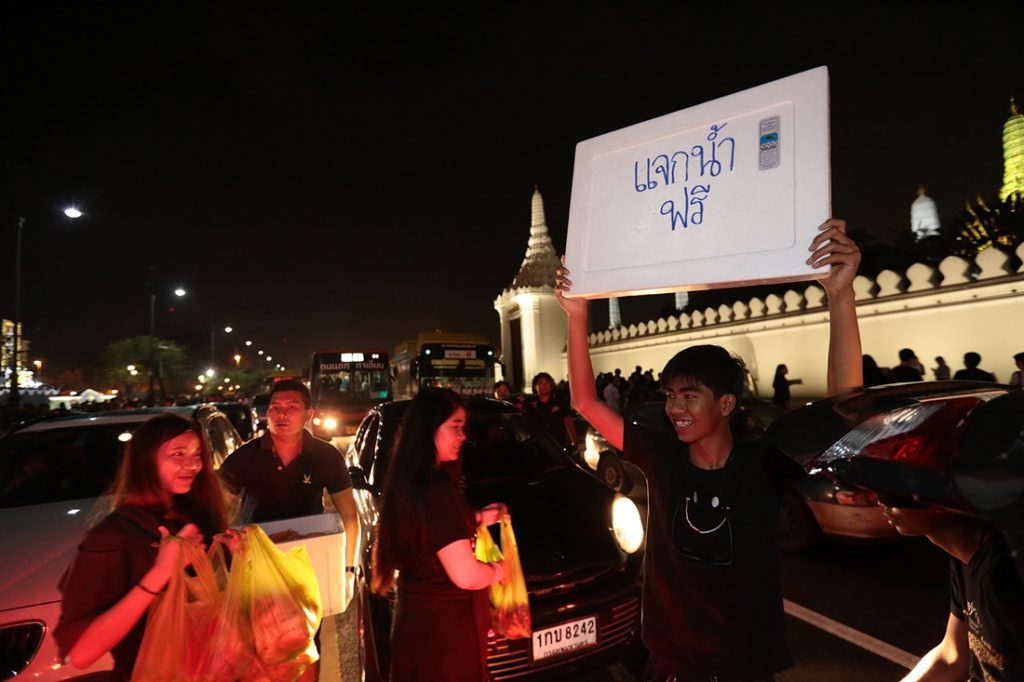
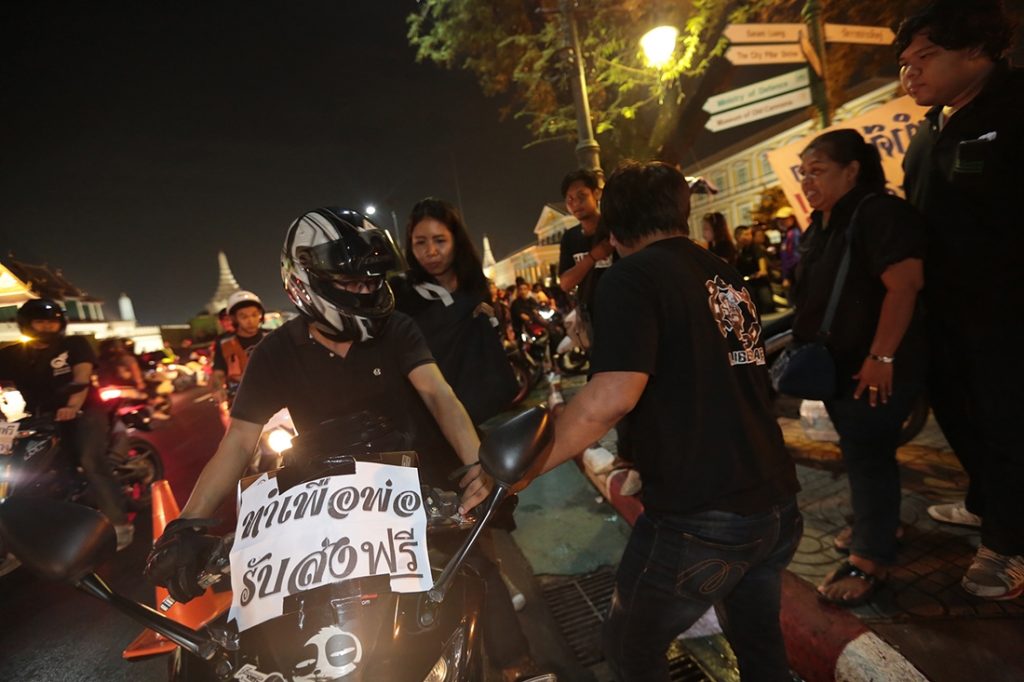
Some motorcyclists and van drivers were offering free rides throughout the capital to mourners trying to reach the Grand Palace to pay their respects, where a number of vendors had been reported giving food away.
The military has brought its resources to bear as well to provide transportation, food and security.

Gen. Jorm Rungsawang of the Royal Thai Air Force said the Air Force will provide free transportation from 6am to 6pm now through Oct. 24 between Phahon Yothin Road and the Sanam Luang, next to the Grand Palace.

The Health Ministry and air force’s medical services are setting up first aid stations in the area.

“I actually don’t want to command [my troops] to do this, I want them to do it out of their own volition,” Jorm said. “The King told us to be good people and good civil servants for the nation. Taking care of citizens is part of what he told us to do,”

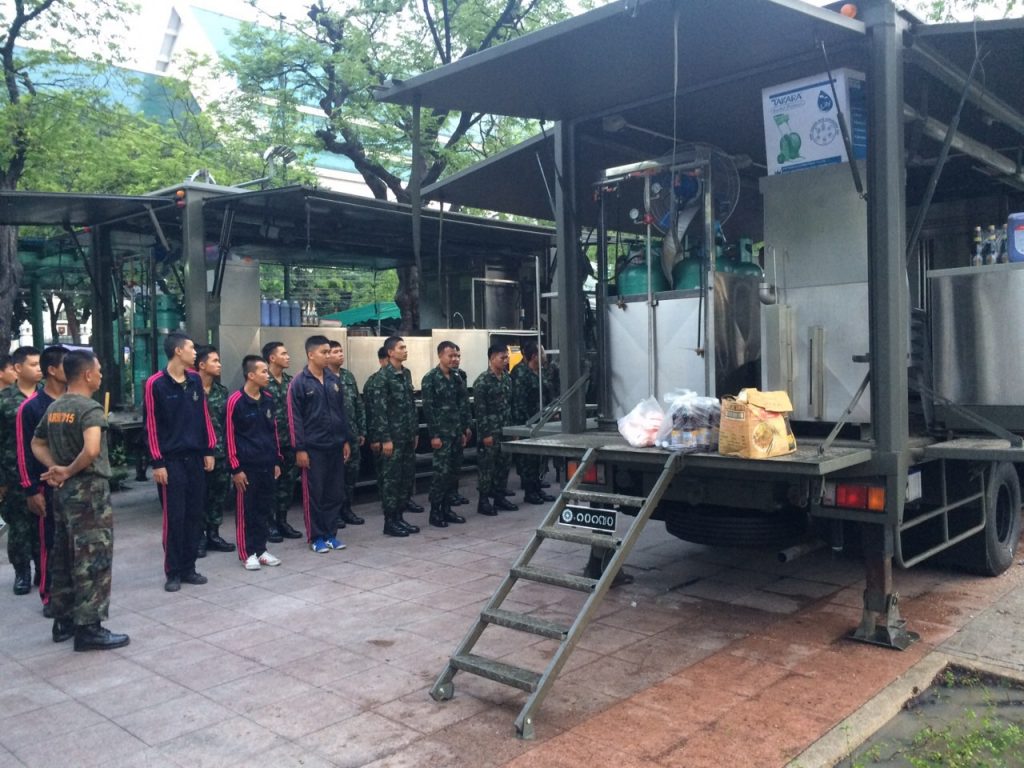
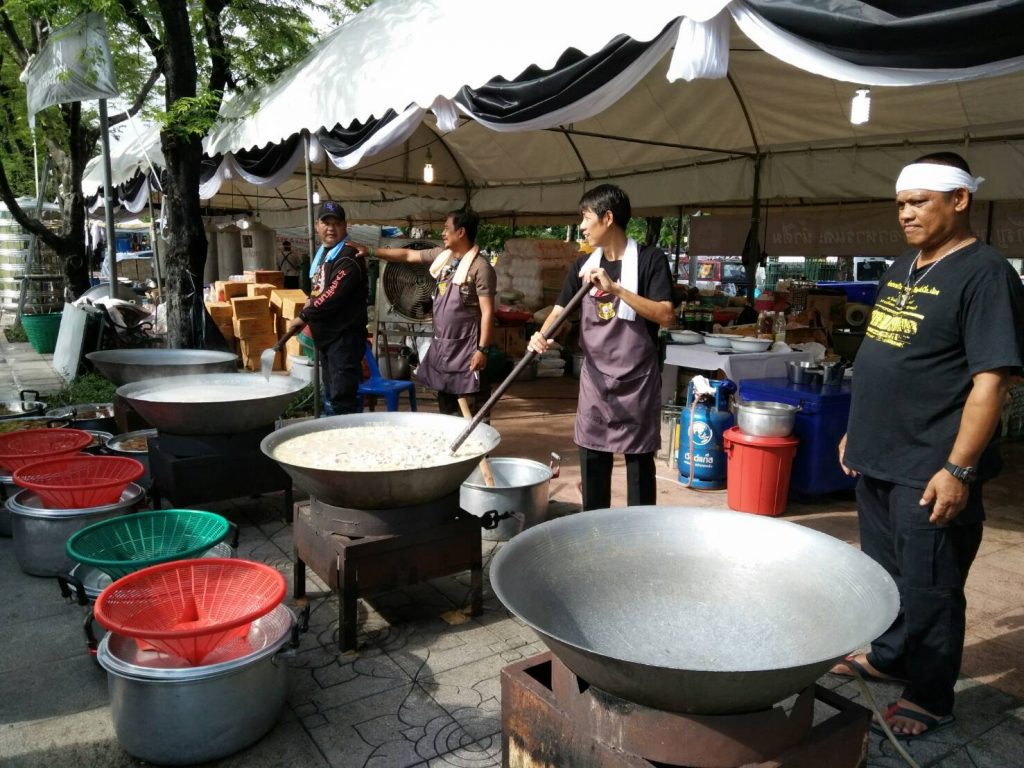
The Royal Thai Army has also been providing free water and thousands of meals. Food trucks can be found at the King’s Guard, 1st Division Tent on the Thammasat University side of the royal field.

The Royal Thai Army provides free meals Monday at Sanam Luang in Bangkok.
Volunteers on Sunday give out free drinking water to mourners in Bangkok.
A man offers free motorcycles rides Sunday at Sanam Luang . On his motorcycle a sign reading: “For dad, free transport.”
A man offers free motorcycles rides Sunday at Sanam Luang. On his motorcycle is a sign reading: “For dad, free transport.”
Municipal authorities on Monday provide food at Sanam Luang.
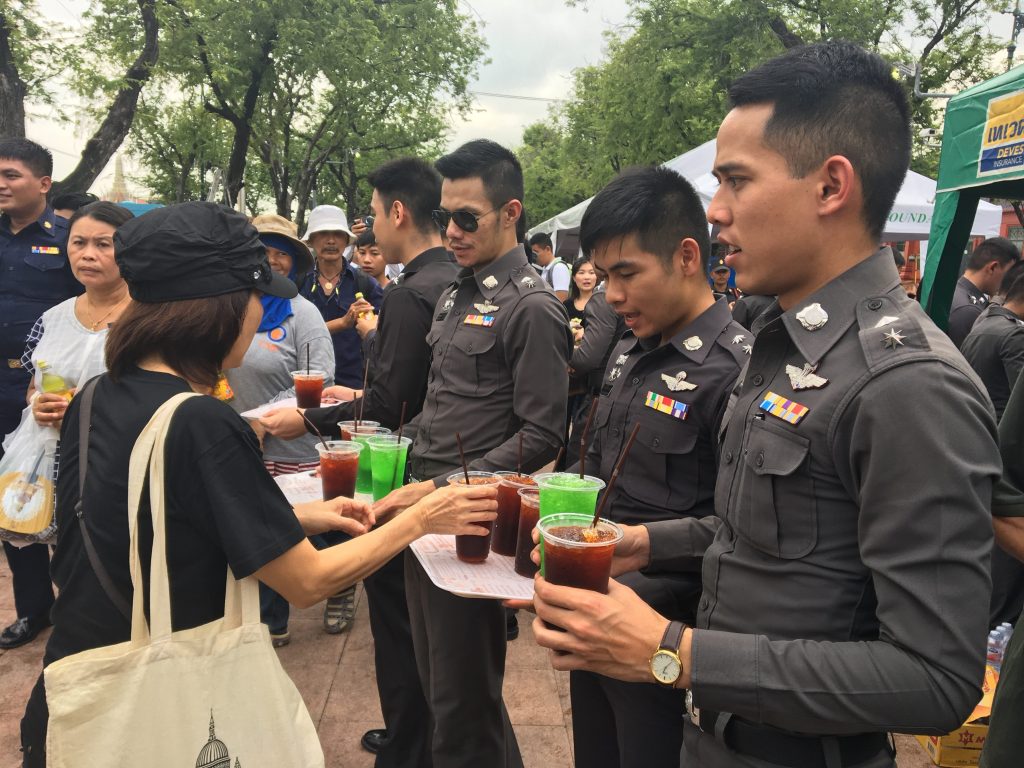
Cadets from the Royal Police Cadet Academy hand out free drinks for mourners Monday at Sanam Luang.

Related stories:

Morning of Mourning (Photos)

Black Friday: Crowds Throng Palace For Final Glimpse of King (Photos)

Advertisement

Developments Surrounding the South China Sea

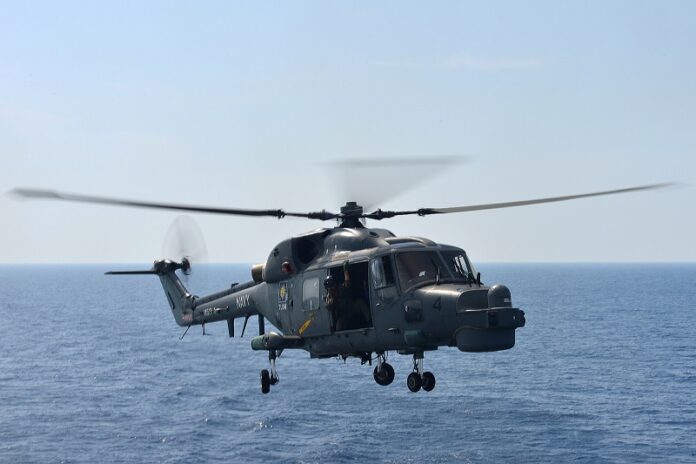
A Royal Malaysian Navy Super Lynx prepares to land on the flight deck of USS Freedom during deck landing qualifications in 2013 in the South China Sea. Photo: Cooperation Afloat Readiness and Training (CARAT) / Flickr

BEIJING — A look at recent developments in the South China Sea, where China is pitted against smaller neighbors in multiple disputes over islands, coral reefs and lagoons in waters crucial for global commerce and rich in fish and potential oil and gas reserves.


Philippine President Says No Bargaining With Territorial Claims on Visit To China

Ahead of a visit to China, the Philippine president acknowledged that he can be impeached if he concedes his country’s territorial claims in the South China Sea in talks with President Xi Jinping and other leaders.

President Rodrigo Duterte said in a speech before leaving for Brunei and China that while he will not bargain over the Philippines’ territorial claims, “there will be no hard impositions” as he tries to improve his nation’s strained friendship with China and boost trade and investment.

Supreme Court Senior Associate Justice Antonio Carpio, who has done extensive studies of the territorial conflict, warned earlier this month that conceding the Philippines’ sovereign rights in the disputed waters is a ground for the president’s impeachment.

Carpio said that China may ask the Duterte administration to acknowledge Chinese sovereignty in contested South China Sea territories before agreeing to any business deals or joint exploration of potential sea resources.

Asked to react to Carpio’s warning, Duterte said he agreed with him.

“He is correct. I would be impeached,” the president said at a news conference at the airport in the southern city of Davao before embarking on his two-nation trip.


Malaysia’s Prime Minister Says No Compromising on South China Sea Claims

Malaysia’s prime minister said the country will not compromise on its South China Sea claims but wants them to be hashed out through dialogue and peaceful negotiations.

Najib Razak was quoted by Malaysian media as telling the Southeast Asian nation’s parliament that countries in the region should avoid provocative acts that could create tension, anxiety and suspicion. He said peace and stability were of primary importance.

Razak also stressed the importance of the 2002 Declaration on the Conduct of Parties in the South China Sea between China and the 10-country Association of Southeast Asian Nations that seeks to moderate behavior by committing all parties to “exploring ways for building trust and confidence” on the basis of equality and mutual respect. He said that cause would be furthered by the adoption of a code of conduct that is now being negotiated.

However, Razak stressed that neither document is a basis for resolving sovereignty disputes.

Malaysia claims a swath of the South China Sea north of Borneo, along with islands and reefs, but has been relatively understated amid the feuding among fellow claimants China, Vietnam and the Philippines.


Sigapore’s Prime Minister Talks Trade, Military Training on Visit to Australia

Singapore’s prime minister visited Australia to upgrade a free-trade agreement and finalize a deal that will double the capacity of Singaporean military training facilities in the Australian tropics.

Prime Minister Lee Hsien Loong told the Australian Parliament that China was the biggest trading partner of both nations, which were also allies of the United States.

Australian Prime Minister Malcolm Turnbull said the countries share a common strategic outlook. He made an apparent criticism of China’s increasingly assertive territorial claims in the South China Sea and its refusal to abide by international law to resolve competing claims.

“Singapore and Australia are at one in defending the rule of law and rejecting the proposition that might is right,” Turnbull told Parliament.

Singapore isn’t a party to the South China Sea dispute, but is heavily invested in ensuring the crucial waterbody remain stable and open to trade. China considers that to be meddling and has told the city state to remain neutral.

Australia announced in May that Singapore will spend up to 2.25 billion Australian dollars ($1.7 billion) to double the capacity of its facilities in military training areas in Queensland state. That would allow up to 14,000 Singaporean troops to train in Australia for up to 18 weeks a year.

“Our decision to grant Singapore the special level of access underlies the enormous trust and respect that exists between our respective armed forces,” Turnbull said. “It also reflects our commitment to do more as security partners, especially as our strategic circumstances change.”

Australia and the United States struck a cost-sharing deal last week to pay for more than $1.5 billion in infrastructure needed to be built near the northern city of Darwin to accommodate up to 2,500 U.S. Marines.

The number of Marines rotating through the Darwin training hub has grown since the first contingent of 200 visited for six months in 2012.

Editor’s note: This is a weekly look at the latest key developments in the South China Sea, home to several territorial conflicts that have raised tensions in the region.

Story: Christopher Bodeen

Advertisement

Another Man Arrested for Lese Majeste in Phuket

Police and community members Sunday in front of the home of a man accused of defaming the monarchy.

PHUKET — A man was arrested Sunday on Phuket after he was reported for allegedly insulting the Royal Family online, another in a crackdown on those deemed to have violated the law.

Police rushed to arrest Manorusdeen Samutbal at his home in the island’s Thalang district after identifying him as Facebook user “PayakRai Haengnakorn KorEnd” who they had received complaints about for allegedly defaming the monarchy in recent days.

“The suspect posted a malicious message on Facebook against His Majesty the Late King,” Wacharin Jiratthitikarlwiwat, deputy commander of Tha Chatchai station said on the phone. “He denied the allegations, so we’re continuing to gather evidence.”

The screen capture of Manorusdeen Samutbal’s Facebook profile.

Police said they found amphetamines in Manorusdeen’s home, so they arrested him on a count of possessing drugs. A charge of insulting the monarchy, a crime known as lese majeste, will be further investigated, Lt. Col. Wacharin said.

Friday night, an angry mob gathered in front of a soy milk store in Phuket city after Sutee Arammetapongsa, the shop owner’s son, allegedly posted online content insulting the Royal Family. Sutee recently posted Sunday evening that his intention was simply to reflect Buddhism and swore he didn’t intend anything defamatory.

“If I have wicked intentions against anyone, may I die,” he wrote. The post later disappeared, together with his entire Facebook profile.


Related stories:

Phuket Mob Demands Arrest of Man For Alleged Royal Defamation

Phang Nga Mob Enraged by Alleged Royal Defamation Post

Mob Demands Woman Accused of Royal Defamation Kneel Before Portrait

Advertisement

Hot News

LATEST NEWS

Bangkok
overcast clouds
26.1 ° C
26.1 °
26.1 °
93 %
1.8kmh
100 %
Sat
33 °
Sun
35 °
Mon
37 °
Tue
37 °
Wed
36 °