





















29.7 C
Bangkok
Monday, June 8, 2026
Home Blog Page 2479

Venezuela Military Trafficking Food as Country Goes Hungry

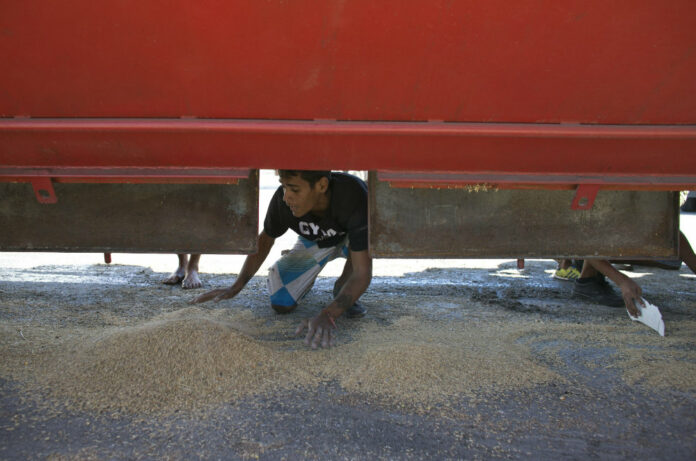
A young man collects rice that fell from a cargo truck waiting to enter the port and refill in Puerto Cabello, Venezuela on Nov. 14. Photo: Ariana Cubillos / AP.

PUERTO CABELLO, Venezuela — When hunger drew tens of thousands of Venezuelans to the streets in protest last summer, President Nicolas Maduro turned to the military to manage the country’s diminished food supply, putting generals in charge of everything from butter to rice.

But instead of fighting hunger, the military is making money from it, an Associated Press investigation shows. That’s what grocer Jose Campos found when he ran out of pantry staples this year. In the middle of the night, he would travel to an illegal market run by the military to buy pallets of corn flour — at 100 times the government-set price.

“The military would be watching over whole bags of money,” Campos said. “They always had what I needed.”

With much of the country on the verge of starvation and billions of dollars at stake, food trafficking has become one of the biggest businesses in Venezuela, the AP found. And from generals to foot soldiers, the military is at the heart of the graft, according to documents and interviews with more than 60 officials, business owners and workers, including five former generals.

As a result, food is not reaching those who most need it.

The U.S. government has taken notice. Prosecutors have opened investigations against senior Venezuelan officials, including members of the military, for laundering riches from food contracts through the U.S. financial system, according to four people with direct knowledge of the probes. No charges have been brought.

“Lately, food is a better business than drugs,” said retired Gen. Cliver Alcala, who helped oversee Venezuela’s border security. “The military is in charge of food management now, and they’re not going to just take that on without getting their cut.”

“WHAT’S THE PROBLEM?”

After opposition attempts to overthrow him, the late President Hugo Chavez began handing the military control over the food industry, creating a Food Ministry in 2004. His socialist-run government nationalized farms and food processing plants, then neglected them, and domestic production dried up. Oil-exporting Venezuela became dependent on food imports, but when the price of oil collapsed in 2014, the government no longer could afford all the country needed.

Food rationing grew so severe that Venezuelans spent all day waiting in lines. Pediatric wards filled up with underweight children, and formerly middle class adults began picking through trash bins for scraps. When people responded with violent street protests, Maduro handed the generals control over the rest of food distribution, and the country’s ports.

The government now imports nearly all of Venezuela’s food, according to Werner Gutierrez, the former dean of the agronomy school at the University of Zulia, and corruption is rampant, jacking up prices and leading to shortages.

“If Venezuela paid market prices, we’d be able to double our imports and easily satisfy the country’s food needs,” Gutierrez said. “Instead, people are starving.”

One South American businessman said he paid millions in kickbacks to Venezuelan officials as the hunger crisis worsened, including $8 million to people who work for the current food minister, Gen. Rodolfo Marco Torres. The businessman insisted on speaking anonymously because he did not want to acknowledge participating in corruption.

Last July, he struggled to get Marco Torres’s attention as a ship full of yellow corn waited to dock.

“This boat has been waiting for 20 days,” he wrote in text messages seen by AP.

“What’s the problem?” responded Marco Torres.

Although money was not mentioned, the businessman understood that he needed to give more in kickbacks. In the end, he told the general, the boat had to pull out because costs caused by the delay were mounting.

Bank documents from the businessman’s country show that he was a big supplier, receiving at least $131 million in contracts from Venezuelan food ministers between 2012 and 2015. He explained that vendors like him can afford to pay off military officials because they build huge profit margins into what they bill the state.

For example, his $52 million contract for the yellow corn was drawn up to be charged at more than double the market rate at the time, suggesting a potential overpayment of more than $20 million for that deal alone.

The Food Ministry’s annual report shows significant overpayments across the board, compared to market prices. And the prices the government pays for imported foods have been increasing in recent years, while global food prices remain stable.

This spring, the opposition-controlled congress voted to censure Marco Torres for graft. Maduro vetoed it as an attempt to hurt the Food Ministry, and Marco Torres stayed on as minister.

Internal budgets from the ministry obtained by AP show the overpayment continues. For example, the government budgeted for $118 million of yellow corn in July at $357 a ton, which would amount to an overpayment of more than $50 million relative to prices that month.

“What’s amazing about this is it’s like a clean form of corruption,” said Carabobo state lawmaker Neidy Rosal, who has denounced food-related government theft worth hundreds of millions of dollars. “It’s like drug trafficking you can carry out in broad daylight.”

Marco Torres did not respond to several requests for comment by phone, email and hand-delivered letter. In the past, he has said that he will not be trapped in fights with a bourgeoisie opposition.

“SCRAPING THE POT”

By putting the military in charge of food, Maduro is trying to prevent soldiers from going hungry and being tempted to participate in an uprising against an increasingly unpopular government, said retired Gen. Antonio Rivero. Venezuela’s military has a long history of coups against governments, and Maduro has arrested several officials for allegedly conspiring against him from within.

“They gave absolute control to the military,” Rivero said from exile in Miami. “That drained the feeling of rebellion from the armed forces, and allowed them to feed their families.”

However, it also opened the door to widespread graft and further squeezed the food supply. In large part due to concerns of corruption following the government’s takeover of the food industry, the three largest global food traders — U.S.-based Archer Daniels Midland Co., Bunge Ltd. and Cargill — have stopped selling to the Venezuelan government.

One major scam involves the strict currency controls that have been a hallmark of the administration. The government gives out a limited amount of coveted U.S. currency at a rate of 10 bolivars to the dollar. Almost everyone else has to buy dollars on the ever more expensive black market, currently at 3,000 bolivars to the dollar.

The holders of licenses to import food are among the select few who get to buy dollars at the vastly cheaper rate. Alcala, the retired general, said some officials distribute these much-desired licenses to friends. The friends then use only a fraction of the dollars to import food, and share the rest with the officials.

“We call it ‘scraping the pot,’ and it’s the biggest scam going in Venezuela,” Alcala said.

In 2014, one general presented Maduro with a list of 300 companies suspected of simply pocketing the cheap dollars they obtained with their licenses and not importing anything. No action was ever taken and the general was forced into exile, accused of corruption himself.

Some contracts go to companies that have no experience dealing in food or seem to exist only on paper. Financial documents obtained by AP show that Marco Torres gave Panama-registered company Atlas Systems International a $4.6 million contract to import pasta. Atlas has all the hallmarks of a shell company, including no known assets and the use of secretive shares to hide the identity of the company’s true owners. Another government food supplier, J.A. Comercio de Generos Alimenticios, lists on its website a non-existent address on a narrow, partially paved street in an industrial city near Sao Paulo, Brazil.

The two companies transferred more than $5.5 million in U.S. dollars in 2012 and 2013 to a Geneva account controlled by two young Venezuelans, according to bank and internal company documents seen by AP. The Venezuelans were Jesus Marquina Parra and Nestor Marquina Parra, brothers-in-law of the then-food minister, Gen. Carlos Osorio. Efforts to reach the brothers were unsuccessful.

Osorio is no longer food minister, but has an even more important role in overseeing food. He was promoted in September to inspector general of the armed forces, with the mission of ensuring transparency in the military’s management of the nation’s food supply.

Arturo Sanchez, a former supply chain manager at a multinational dairy company, recounted unpleasant encounters with Osorio. In one case, officers forced the company to buy fructose it didn’t need because they wanted to unload merchandise he suspected was ill-gotten. Another time, he said, national guardsmen took four trucks of goods without paying. Sanchez fled to Florida in 2014.

“I spent a year living in the U.S. not being able to sleep remembering all the risky situations I lived through,” he said.

Osorio did not respond to requests for comment. But in the past he threatened to sue opposition lawmakers for staining his honor with false accusations of corruption. He blamed an economic war for the food shortages.

The Defense Ministry and presidential press office refused to answer repeated calls, emails and hand-delivered letters requesting comment. In the past, officials have accused the opposition of exaggerating the problem of corruption for political gain. They have said that the military’s hierarchical structure makes it ideally suited to combat the real culprits: Right-wing businessmen trying to bring down the economy.

From time to time, the government carries out raids of warehouses holding smuggled goods and arrests lower-ranking military officers accused of graft. For example, the night market in Carabobo state where Campos bought his corn flour was eventually shut down and 57 tons of smuggled food seized. Now Campos buys staples from intermediaries he suspects are working with the same military officials.

In January, the government quietly arrested 40 state employees for stealing large quantities of food from open-air markets. One of those still in jail is a colonel who had been named by Osorio to serve as president of a state agency that imported food.

“We have the moral fortitude and the discipline to take on this task of protecting what belongs to the people,” the defense minister, Gen. Vladimir Padrino Lopez, said in September. “The state has an obligation to root out corruption in all levels of public administration.”

“IT’S THE CUSTOMER WHO PAYS”

And yet the corruption persists from the port to the markets, according to dozens of people working in Puerto Cabello, the town that handles the majority of Venezuela’s food imports.

Sometimes the officials who control access to the docks keep ships waiting until they are paid off, said a stevedore at the port, who spoke anonymously because he feared losing his job.

The stevedore said clients give him envelopes of dollars to pass on to officials. He described visiting the sergeant in charge and making small talk while placing an envelope in the wastebasket. Then he slides the basket under the table and leaves. That night, his client’s ships are allowed in, he said.

After ships unload their cargo, customs officials take their share, according to four customs workers. They said that without a payment equivalent to a month’s minimum wage, officials will not start the process of nationalizing goods.

Bribes are also required for any missing paperwork, and can exceed $10,000 for a single shipping container, customs worker Aldemar Diaz said.

“Sometimes you actually want to do it legally, but the officials will say, ‘Don’t bother,'” he said.

Luis Pena, operations director at the Caracas-based import business Premier Foods, said he pays off a long roster of military officials for each shipment of food he brings in from small-scale companies in the U.S.

“You have to pay for them to even look at your cargo now,” he said. “It’s an unbroken chain of bribery from when your ship comes in until the food is driven out in trucks.”

Worst of all, he added, is that he is forced to pay to skip a health inspection. Officials make him buy a health certificate and don’t even open the containers to test a sample, he said.

A version of this process also takes place on the border, said Alcala, the retired general who was once in charge of border control. He said officers allowed smugglers to pay bribes to bring in food without proper health and safety checks. This year, Venezuelans began posting photos and videos showing magnets pulling tiny iron shavings out of freshly opened bags of sugar smuggled in from Brazil.

Pena said his contacts at the port have offered to illegally sell him government-imported staples like sugar and rice, complete with falsified papers and a military escort.

“The military was supposed to step in and make sure the food got to the people, but it’s been the exact opposite,” said Pena, sitting in his warehouse. “They’ve made it into a business, and there’s no one to appeal to. In the end, it’s the customer who pays.”

If he tries to get through the process without bribes, he said, the food sits and spoils.

Rotting food is a problem even as 90 percent of Venezuelans say they can’t afford enough to eat. In some cases, partners buy food that is about to expire at a steep discount, then bill the government for the full price. The government has sometimes acknowledged that food it imported arrived already expired.

The problem of rotting food got so bad at Puerto Cabello that it drew rebuke in the most recent state comptroller’s report, which expressed particular dismay that thousands of tons of state-imported beans had been allowed to spoil.

When the food is no longer usable, the military tries to get rid of it quietly. Puerto Cabello crane operator Daniel Arteaga watched one night last winter as workers at a state-run warehouse buried hundreds of containers of spoiled chicken and meat imported by the government.

“All these refrigerated containers, and meanwhile people are waiting in food lines each week just to buy a single chicken,” he said.

Photos taken at the Puerto Cabello dump last year show men in green military fatigues helping bury beef and chicken. Residents at a slum down the hill said after the military visits the dump, they dig up animal feed, potatoes, even ham to give their children.

The docks are hidden behind high concrete walls, and guards watch every entrance. AP gained rare access in November. The low-ranking military members assigned to guard the port can be seen collaborating with thieves to steal what little food comes in, according to eight people who work behind the walls.

“You see people making off with whole sacks of flour or corn on their shoulders, and paying the guards on their way out,” logistics coordinator Nicole Mendoza said. “You see the money changing hands, and you just lower your eyes and don’t say anything.”

Lt. Miletsy Rodriguez, who is in charge of a group of national guardsmen running security at the port, said people are just looking to scapegoat the military. If her unit wasn’t around, looting would be even more widespread, she said.

“The majority of us are doing our best. And sooner or later we’ll catch people who are not doing the job right,” she said.

BRIBES ON THE ROAD

Just as bribes are needed to get food into the port, they are also required to move food out, truckers said.

The roads near the port are lined with trucks waiting to be let in. Drivers sling hammocks in their wheel wells and sometimes wait several days in the thick tropical heat. Trucking bosses recently banded together to stop paying bribes to port officials, and the officials are now punishing them by delaying the movement of cargo onto vehicles, said Jose Petit, president of the Puerto Cabello trucking association.

When the food is finally loaded onto the trucks, soldiers come by to take a cut. Photos and videos taken by truckers show officials taking sacks of sugar and coffee. As the trucks rattle off down the highway, hungry women in clothes that no longer fit chase after them to pick up anything that falls out.

Billboards lining the highway feature a drawing of an enormous ant beside a nonworking phone number to denounce corruption, and the warning, “No to bachaqueros.” That’s what Venezuelans call people who make a living illegally reselling food, after the leafcutter ants that haul many times their weight through the jungles.

On the roads, truck drivers face an obstacle course of military checkpoints, ostensibly set up to stop bachaqueros. Truckers say soldiers at about half the checkpoints demand bribes. Some invent infractions such as an insufficiently filled tire, and take cash along with sacks of pantry items, produce and even live chickens, the drivers said.

“It used to be you’d go your whole route and not have to pay any anything. Now at every checkpoint, they ask for 10,000 bolivars,” said trucker Henderson Rodriguez, who was waiting for a third day to get into the port to pick up a load of sugar.

The surest way to move food through the network of checkpoints is to transport it under military guard. For a percentage of the product’s value, military officers on the take will assign a moonlighting soldier to ride along in the truck, according to five store and restaurant owners.

Sugar and flour are among the items most in demand because they have become virtually impossible to find legally, and some businesses, like bakeries, cannot function without them. A half dozen bakery owners across the country said in interviews that military officials regularly approach them with offers to sell supplies in exchange for a bribe.

In the city of Valencia, bakery owner Jose Ferreira cuts two checks for each purchase of sugar: one for the official price of 2 cents a pound and one for the kickback of 60 cents of pound. He keeps copies of both checks in his books, seen by AP, in case the authorities ever come asking.

“You make the legal payment, and then you pay the kickback,” he said. “We have no other option; there’s no substitute for sugar.”

The theft extends to the very end of the food supply chain, vendors said. At one market in Valencia, the military members who were appointed in August to stop contraband confiscated vendors’ produce. They said the vendors did not have the right permits. The food was piled in an olive green cargo truck.

In Puerto Cabello, hungry residents said it feels like corrupt soldiers are taking food off their children’s plates. Pedro Contreras, 74, watched more than 100 trucks carrying corn rattle onto the highway, and walked stiffly into traffic to sweep up the kernels that had sifted out. He planned to pound them into corn flour that night to feed his family.

“The military is getting fat while my grandchildren get skinny,” he said. “All of Venezuela’s food comes through here, but so little of it goes to us.”


Story: Joshua Goodman 
Advertisement

Vietnam Says Economy Expected to Have Grown 6.2 Pct in 2016

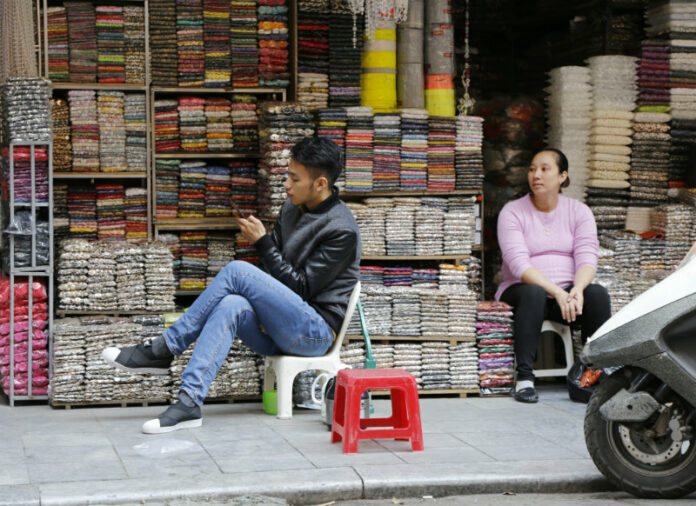
A man and a woman waiting waiting for customers at their tailor accessories shops in Hanoi, Vietnam, Dec. 1. Photo: Tran Van Minh / AP.

HANOI, Vietnam — Vietnam’s gross domestic product was expected to have grown 6.2 percent this year, driven mostly by industrial expansion and growth in construction and services.

The General Statistics Office said Wednesday on its website that even though the growth rate is lower than the increase of 6.68 percent in 2015 and the target of 6.7 percent, it was still considered a success given unfavorable global economic conditions, and natural and environmental disasters.

The southern Mekong Delta, the country’s main rice growing region, earlier this year suffered the worst draught and salt water intrusion in nearly a century, while toxic chemicals dumped into the sea in April by a steel complex in central Ha Tinh province, owned by a unit of Taiwan’s Formosa Plastics Group, devastated the fishing and tourism industries in the region.

The statistics office said the services sector expanded 6.98 percent, contributing 2.67 percentage points to GDP growth while industrial production and construction grew 7.57 percent, contributing 2.59 percentage points.

The government normally issues the GDP growth rate before the end of the year based on estimates.

In 2016, the country of 93 million people exported goods valued at $175.9 billion, posting an increase of 8.6 percent, while imports totaled $173.3 billion, it said.

The World Bank in a report earlier this month said Vietnam’s economy remains resilient, thanks to robust domestic demand and export-oriented manufacturing. It said Vietnam’s medium-term outlook remains favorable, with GDP expected to expand by 6 percent this year.

The statistics office said natural disasters caused damages worth 18.3 trillion dong ($813 million).

Advertisement

Carrie Fisher, Princess Leia in ‘Star Wars,’ 60

LOS ANGELES — Actress Carrie Fisher, who played Princess Leia in ‘Star Wars,’ has died at age 60, daughter’s publicist says.

Fisher experienced medical trouble during a flight from London and was treated by paramedics immediately after the plane landed in Los Angeles on Friday Dec. 23, according to reports citing unnamed sources.

Advertisement

‘Fake News’ Prompts Facebook Bangkok Bomb Scare

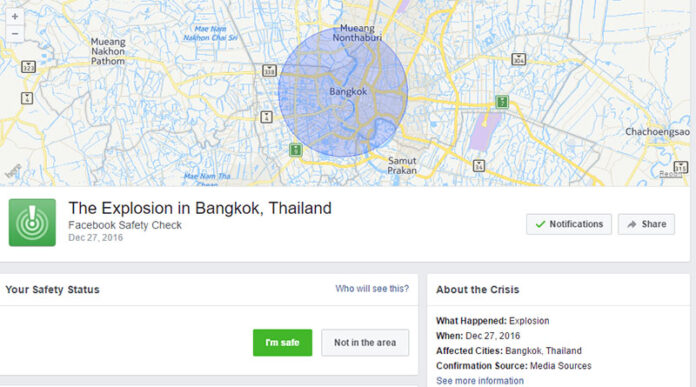
Image: Facebook

BANGKOK — No, there was not a massive explosion Bangkok on Tuesday night.

Facebook's 'media reports' confirming the 'large explosion in Bangkok.'
Facebook’s ‘media reports’ confirming the ‘large explosion in Bangkok.’

At about 9pm, Facebook activated its safety check-in system for a reported explosion in the Thai capital. Facebook said the crisis was “confirmed” by media reports, and users began marking themselves “safe.”

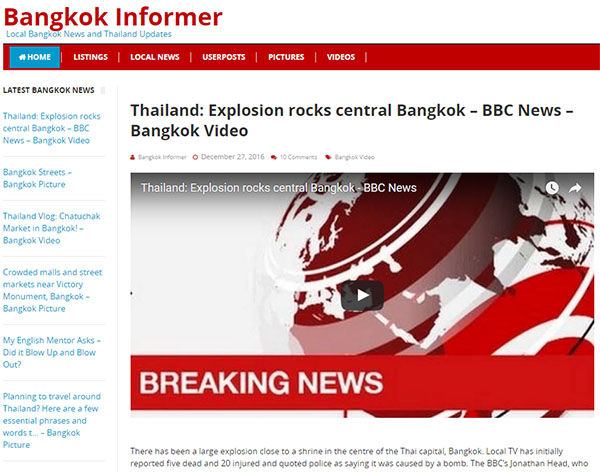
The only problem is the media report it referenced was a BBC article posted to the website of Bangkok Informer. That article appeared to have been posted more than a year ago before it was republished today and was eventually picked up by an MSN.news bot at about 8pm.

Update: Facebook Says Panic-Inducing Bangkok Explosion Actually Happened

The original BBC report was about the Aug. 17, 2015, bombing of the Erawan Shrine, which killed 20 people, mostly tourists.

As of 10:15pm, the Facebook alert had been deactivated.

Image of story at Bangkok Informer

Facebook launched its Safety Check Feature in October 2014 for its users to notify their loved ones they were safe in event of disaster. The first major crisis that saw it used was the Nepal earthquake of April 2015.

In March of this year, the social media giant apologized after it erroneously sent safety check notifications worldwide after a suicide bomber attacked Lahore, Pakistan.

Khaosod English says goodbye to 2016:

2016’s Most WTF and Very Prayuth Stories
Our Most/Least Read Stories of 2016
Calls for Justice Answered by Social Media in 2016
Of Pokemon and Creepy Dolls: The Trendiest Trends of 2016
From Trafficked Tigers to Charred Children, 2016 Delivered on Awful


Advertisement

Later Hours for Airport Rail Link, MRT This Weekend

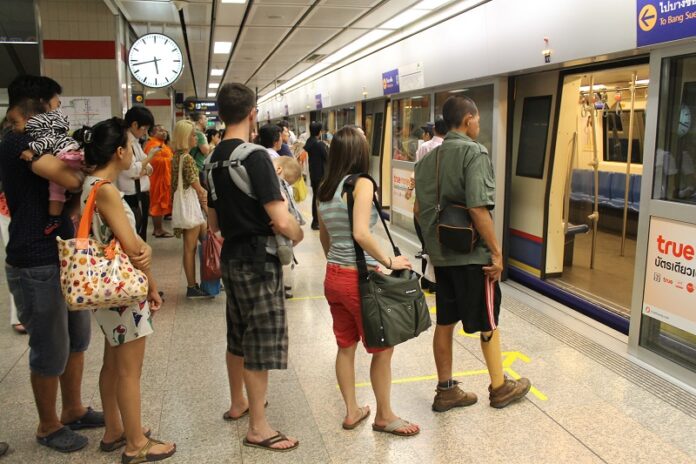
Photo: Connie Ma / Flickr

BANGKOK — More New Year’s revelers can skip driving drunk or facing bad taxis as two public transportation systems will run for an extra two hours.

The Airport Rail Link and MRT trains will serve commuters until 2am on Sunday morning, they both announced today.

Moreover, the Airport Rail Link will operate every 12 minutes Saturday through Tuesday to accommodate expected crowds during the New Year holidays.

Photo: BEM Metro Business / Facebook
Photo: @AirportRailLink / Twitter
Advertisement

Thailand 2017: Elections? Bigger Protests? And More

Image: Magic 8 Ball Fortune Generator

Will there be general elections by the end of 2017 as promised? Will the anti-cyber law movement escalate to become a threat to the junta? Will the economy further deteriorate and undo the military regime? These are some of the political possibilities raised by some when they gazed into the Magic 8 Ball for what’s to come next year.


12017 Elections or No Elections?

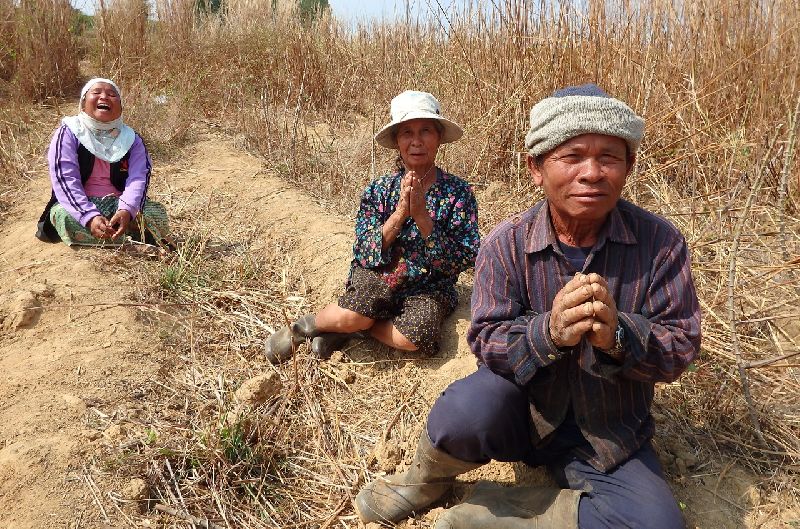
Three hill tribe women vote Aug. 7, 2016, in Mae Hong Son province.

The junta, formally known as the National Council for Peace and Order (NCPO) and its leader Gen. Prayuth Chan-ocha, have promised time and again for two years that there will be general elections, last revised for 2017. If they went ahead according to plan, that would be three years after they staged the May 2014 coup. Some are now concerned that promise won’t be kept, and even some Thai media have speculated about it in recent months.

“I don’t think there will be elections [in 2017],” said well-known student activist Netiwit Chotiphatphaisal of Chulalongkorn University. “I don’t really have confidence in the promises of this government.”

Netiwit and others like Suranand Vejjajiva, former secretary general to Prime Minister Yingluck Shinawatra, also cited the need to complete the funerary rites for King Bhumibol as a reason why elections may be forestalled. Labor activist Wasana Lamdee said it’s difficult to know despite the junta’s roadmap, as political parties are in disarray and must adjust to new election rules as well as rules regulating political parties and politicians. None has been finalised yet.

“I have no confidence,” said Wasana, coordinator of an activist network dedicated to raising awareness of labor issues.

Not everyone rules it out. Democrat Party deputy leader Nipit Intarasombat believed next year would see general elections. He reckoned any deferment will require amending the constitution which would not be easy, as the charter was adopted in August in a public referendum.

“Amending it isn’t easy. It’s in fact difficult,” Nipit said.

Thammasat University anthropologist Yukti Mukdavijitra also thinks there will be elections but for a different reason.

“The government is really shaky now. Faith in the regime is diminishing. I think it’s time they allow for elections, ” said Yukti, adding that sticking to a firm plan will ensure stability for the junta.

Return to top for next item.


2Computer Crime Act, Economic Hardships and More Anti-junta Resistance?

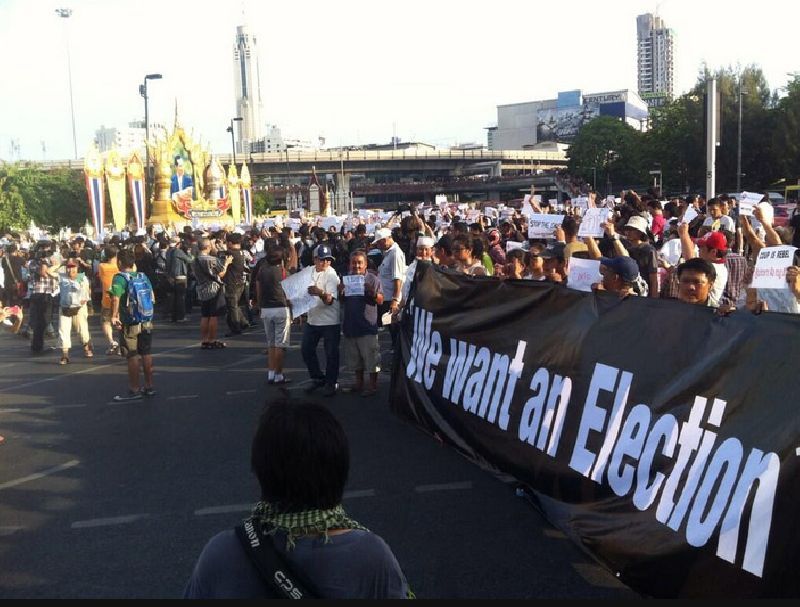
Anti-coup protesters on May 24, 2014 at Victory Monument. Photo: Matichon

Student activist Netiwit participated and organized activities critical of the military junta in 2016. The highest-profiled one saw him invite Hong Kong activist Joshua Wong in October to come and speak about democracy, only for Wong to be detained upon arrival and deported hours later.

“Next year will see more open protests [against the NCPO] by students and citizens,” Netiwit said. “Those against [the junta] must have learned many lessons by now, and they should be on the offensive, but I don’t know whether it will be successful.”

The student activist even committed himself and some of his student peers to upping the ante against the junta next year. “There will be a more politically active group next year and they will be in the news,” Netiwit said.

Another key factor, Netiwit said, is growing displeasure over the junta-sponsored National Legislative Assembly’s passage of a revised Computer Crime Act on Dec. 16. Critics say it will lead to greater censorship, self-censorship and breaching of citizen’s private information by the state. “The law affects many people,” Netiwit said, adding that the distributed and anonymous protest movement will likely spread anti-junta resistance to a new level.

While acknowledging the Computer Crime Act and its negative repercussions will be a big issue for 2017, Wasana the labor activist believes the economy, if it continues to decline, will ignite political resentment against the junta. She added that big business may even turn against the regime if it fails to deliver on the economic front. What’s more, many workers could be laid off and this could lead to unrest, she predicted.

Former official Suranand thinks a bad economy would only force the government to switch up its economic team again. But he agrees that protests will expand as the government continues to be heavy handed in its authoritarian rule.

3Yingluck Verdict

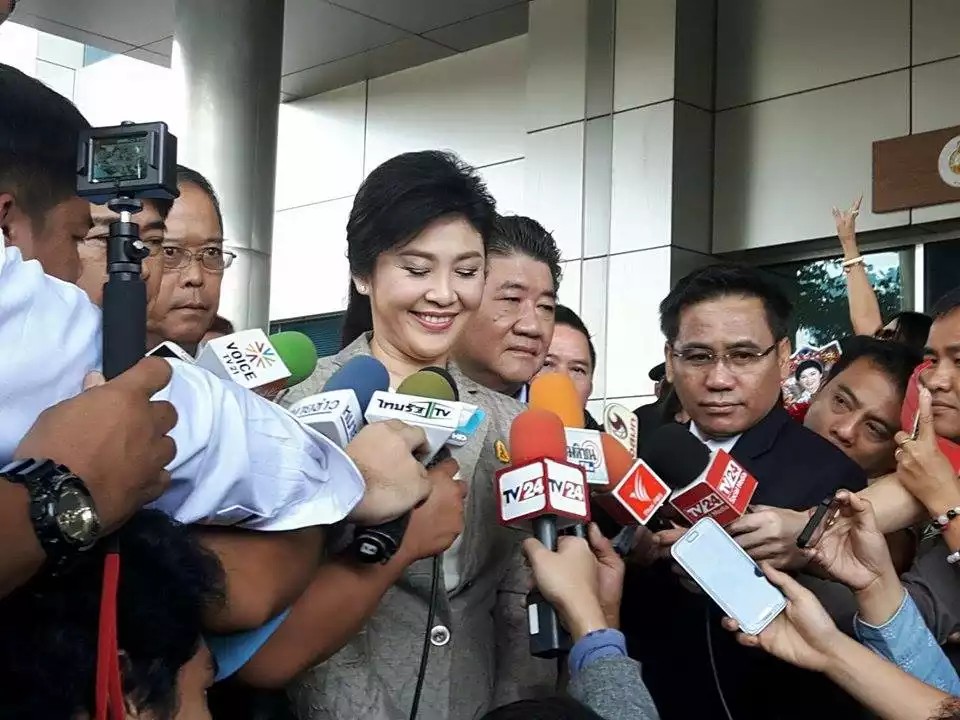
Former PM Yingluck Shinawatra speaks to reporters on Sept. 9 outside the Supreme Court. Photo: Matichon

Nipit of the Democrat Party pointed out another major political factor likely to figure prominently is the possible court sentencing of former premier Yingluck over her handling of a rice subsidy program during her tenure.

“There will be a lot of pressure as a result,” Nipit said.

2016’s Most WTF and Very Prayuth Stories

Would Thailand be as colorful without magic banana trees and the boisterous ‘Uncle Tuu?’ We think not.


Amazing Thailand

Some use the phrase “Land of Smiles” as an ironic verbal shrug every time they stub their toe. But we think it’s time to reclaim it for all the delightful wonders that keep us smiling. ProTip: Most magic plants and naga-sighting stories appear in the media just before the middle and end of the month because lottery.

1. Locals Pray for Second Miracle from Wrecked Plane

Locals pray for lottery fortune at the site of a crashed plane Thursday in Nakhon Phanom province.


2. Thai Sharks Predict Outcome of Euro 2016


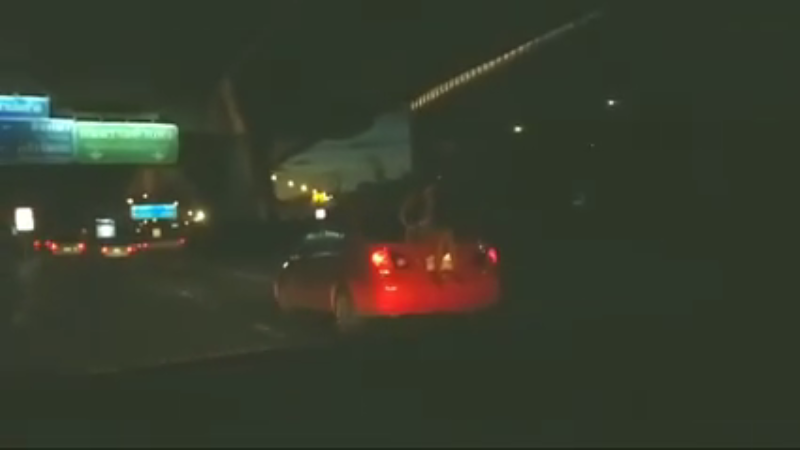
3. Truth Stranger Than Fiction! ‘Ghost Rider’ Mystery Solved

A woman rides on the back of a taxi Sunday night near Suvarnabhumi Airport in a still image taken from a video. Image: Orrawan Phuakthaisong / Facebook

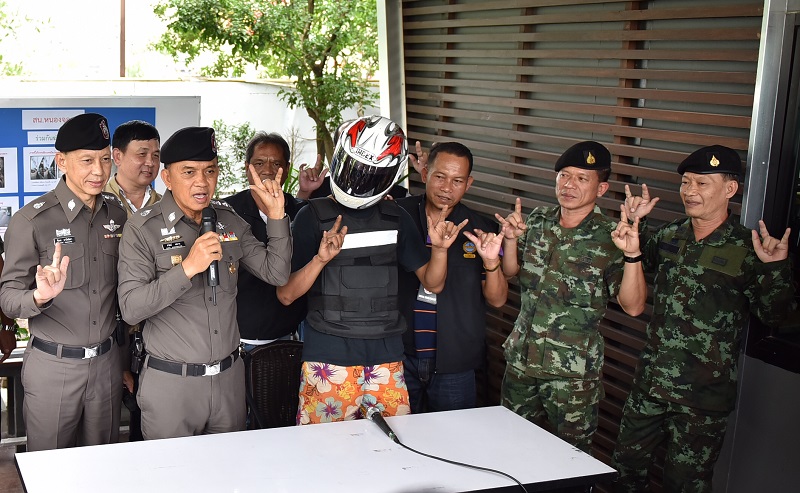
4. Learn 3 K-Pop Gestures From Bangkok’s Top Cop And Make Love, Not War

Bangkok Police Chief Sanit Mahatavorn demonstrates the ‘ILY’ sign along with police, military officers and the 18-year-old vocational student who was a murder suspect in Bangkok Wednesday.


5. Hoax News: How This One Weird Trick Leaves Media Fuming

Don't believe everything you read. From fake obits to 'Songkran canceled,' these real-looking stories were all fakes.
Don’t believe everything you read. From fake obits to ‘Songkran canceled,’ these real-looking stories were all fakes.


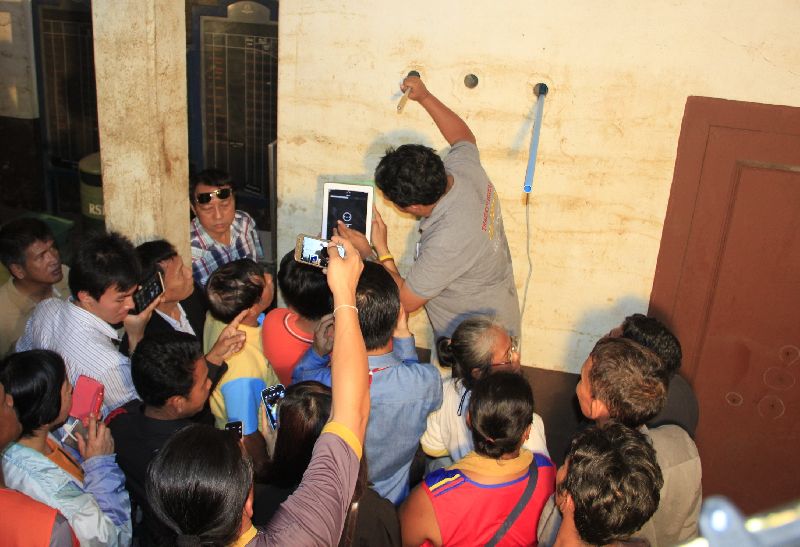
6. #VaultWatch Is Over: Camera Shows What’s Inside

Large crowd gathers to find out what's inside the vault.
Large crowd gathers to find out what’s inside the vault.


7. General’s Proposal Pits Prostitutes, Coyotes Against Monk Mob

Hundreds of monks scuffle with soldiers and try to forcibly remove vehicles blocking their way Feb.15 at a Buddhism park west of Bangkok.  
Hundreds of monks scuffle with soldiers and try to forcibly remove vehicles blocking their way Feb.15 at a Buddhism park west of Bangkok.


8. CultureMin Slams ‘Golden Pagoda’ Costume

Kanthicha ‘Yui’ Chimsiri presents her ‘Golden Pagoda’ costume


9. Crocodile Feeding Frenzy Tourist Attraction Shut Down

Source: Apicha Phet Sawetwuttibarami / Facebook


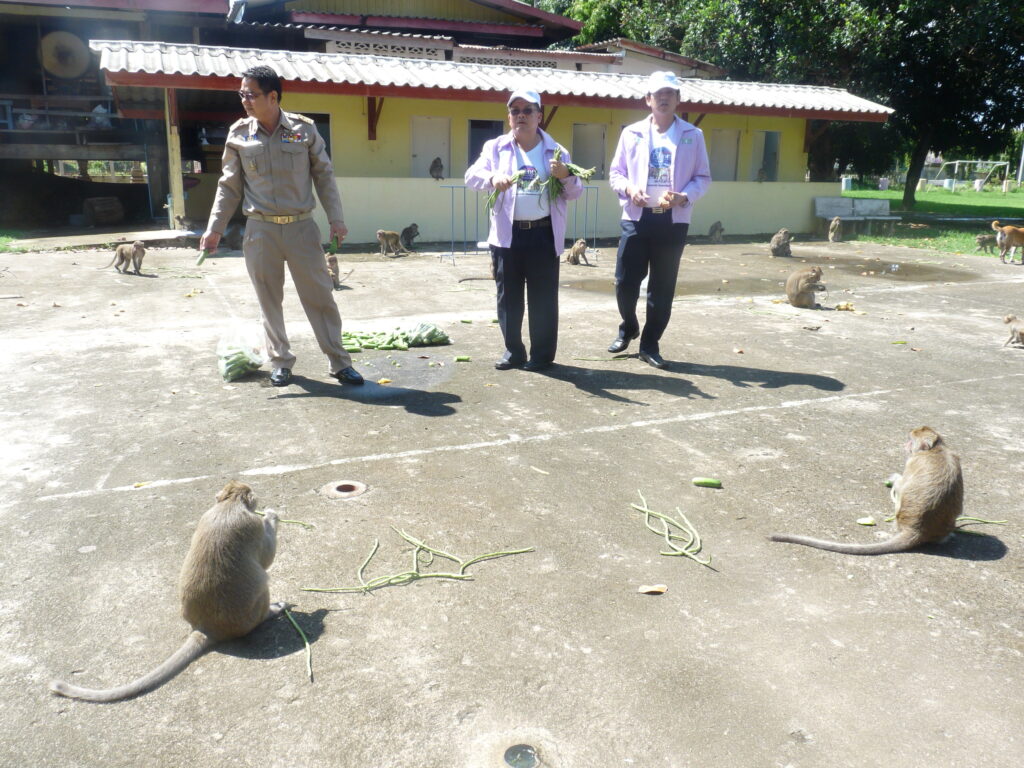
10. Referendum Voter List Now Monkey-Resistant

Election officials on Monday treat monkeys to a free meal of fruit and vegetables at Wat Hat Mun Krabua in Pichit


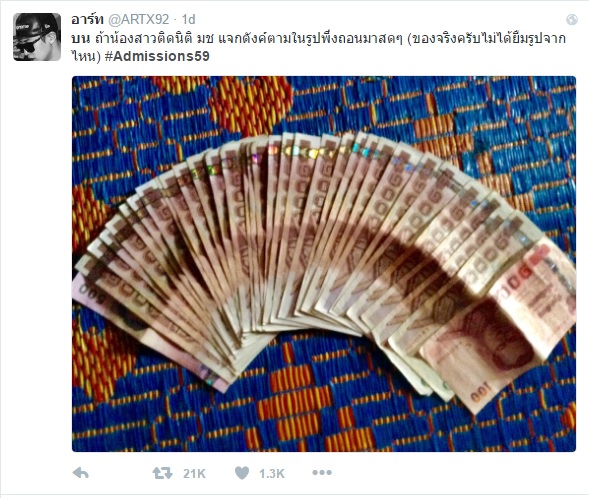
11. On University Judgment Day, Students Seek Divine Help in 140 Characters or Fewer

A photo posted by Twitter user @ARTX92 Sunday promising to give all the money in the photo if his sister gets into the university she wants.


Read: Calls for Justice Answered by Social Media in 2016 


Top Prayuth Moments of 2016

Sometimes he gets mad. Sometimes his head is in the clouds. Other times he’s inventing solutions for problems that don’t exist. The general who vowed to return happiness to the people but ever seems in short supply of it began his third year as prime minister and returns as a year-end feature for the second time.

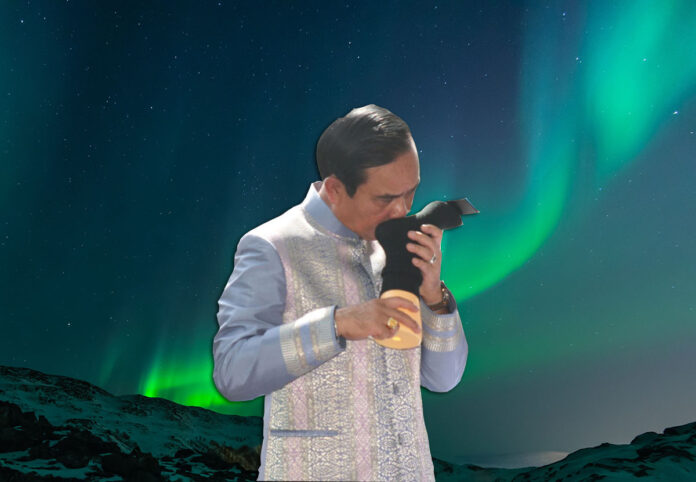
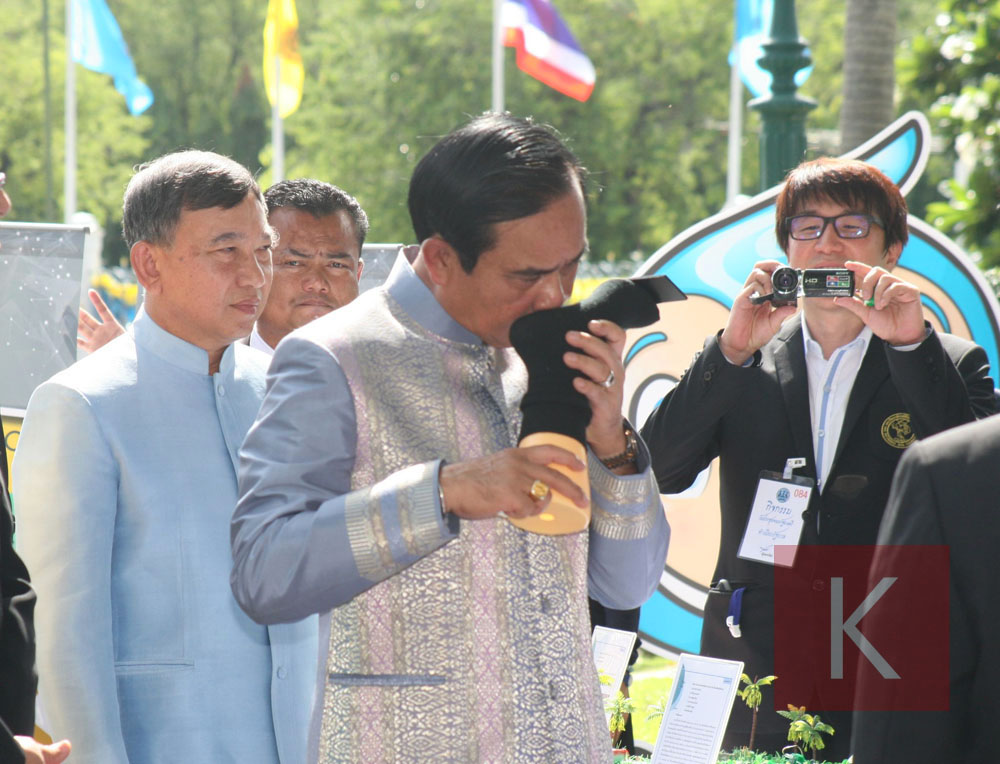
1. Here’s the Story Behind Photo of Prayuth Smelling a Sock

Junta chairman Prayuth Chan-ocha smells a sock at an exhibition Tuesday at Government House in Bangkok.


2. ‘Watch Yourself,’ Prayuth Tells Reporter on World Press Freedom Day

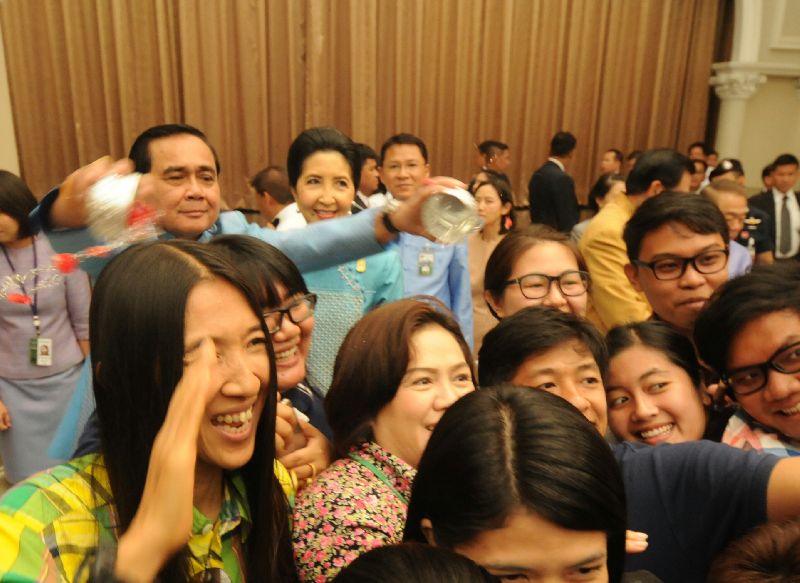
Gen. Prayuth Chan-ocha splashes water on the media to mark Thai New Year at Government House


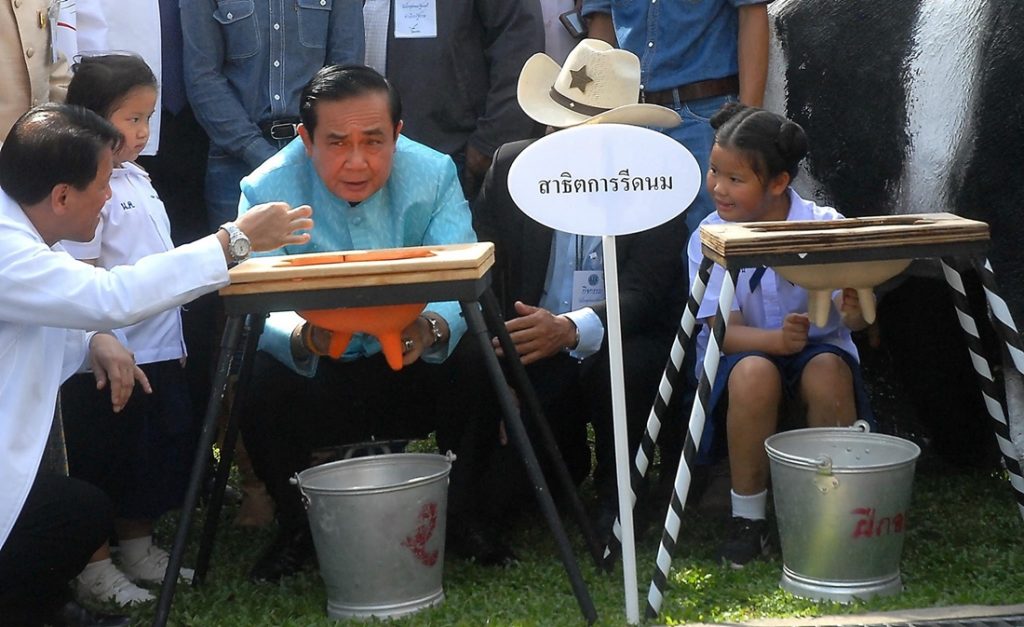
3. Prayuth Says Women in Skimpy Dress Are Like Unwrapped Candy

PM Prayuth Chan-ocha this morning demonstrating how to milk before World Milk Day, which is observed on June 1, at Government House.


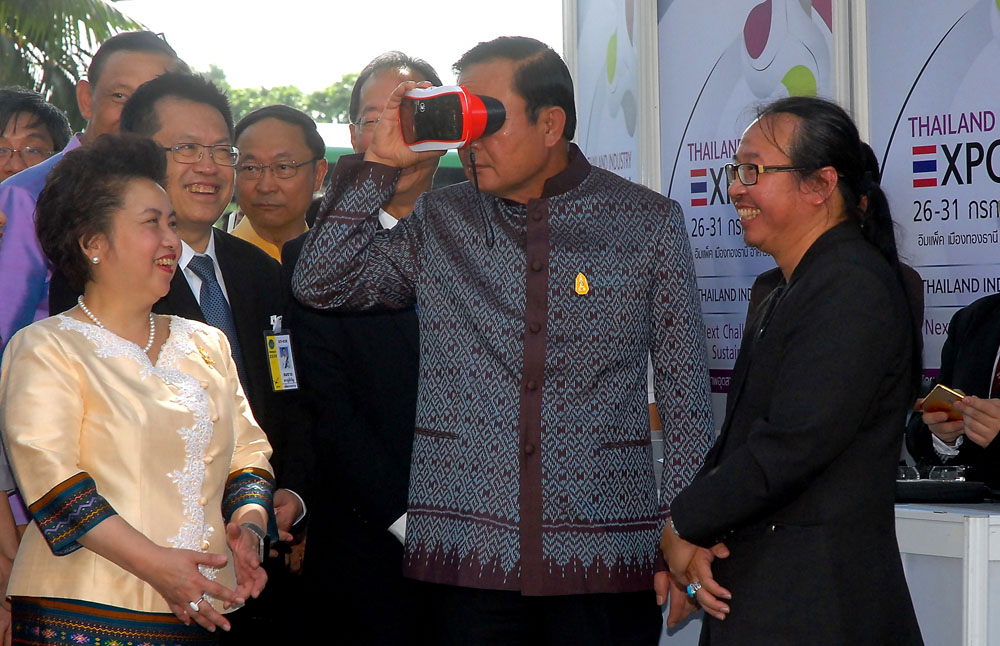
4. Prayuth Names Thaksin as Plotter Behind Protests

Junta chief Prayuth Chan-ocha demos 'Magic Eyes' industrial goggles at Industry Expo in Bangkok.
Junta chief Prayuth Chan-ocha demos ‘Magic Eyes’ industrial goggles at Industry Expo in Bangkok.


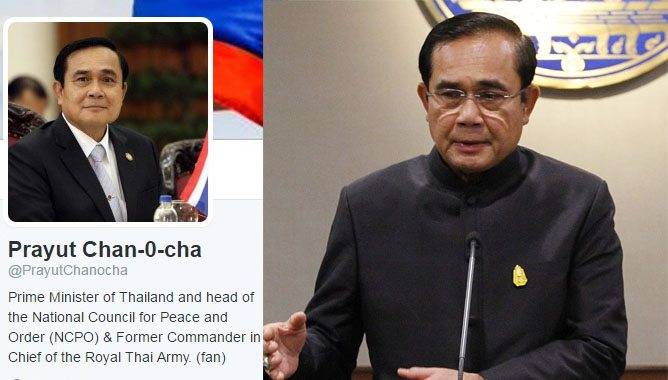
5. Ignore Fake Prayuths on Social Media, Real Prayuth Urges

Twitter profile of fake Prayuth Chan-ocha account at left, the real deal at right.


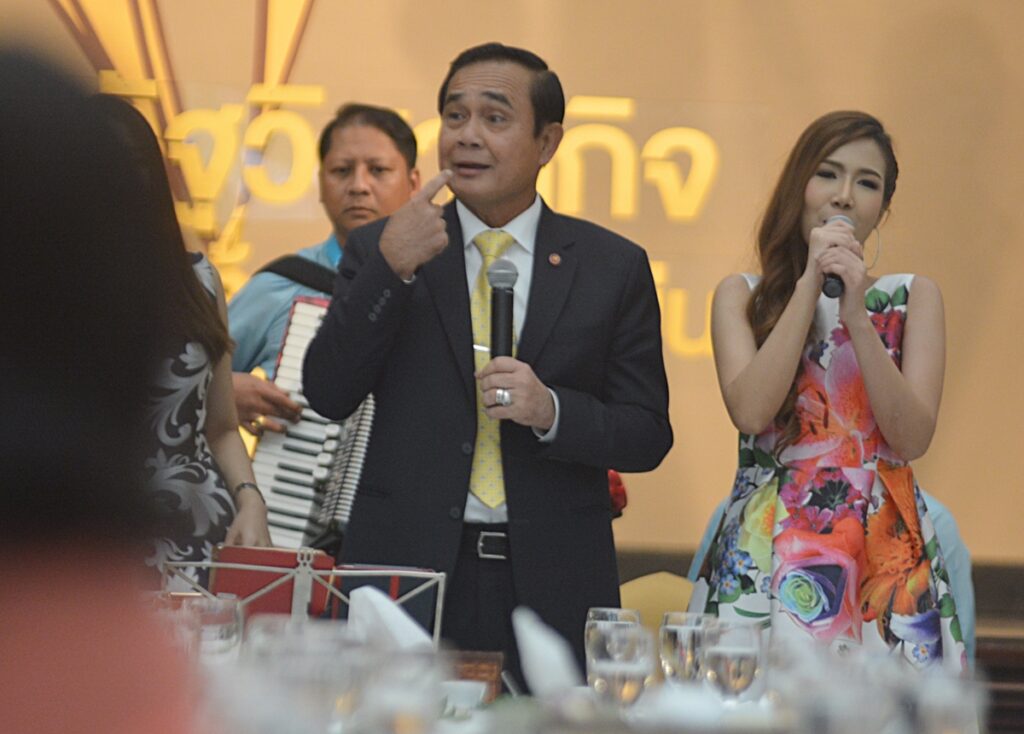
6. Confident Prayuth Gives Florid Account of Nation on Cusp of Greatness

'Such a foul mouth,' PM Prayuth Chan-ocha says while jokingly pointing to his mouth as he sang the verse from a pop song with reporters at Government House.
‘Such a foul mouth,’ PM Prayuth Chan-ocha says while jokingly pointing to his mouth as he sang the verse from a pop song with reporters at Government House.


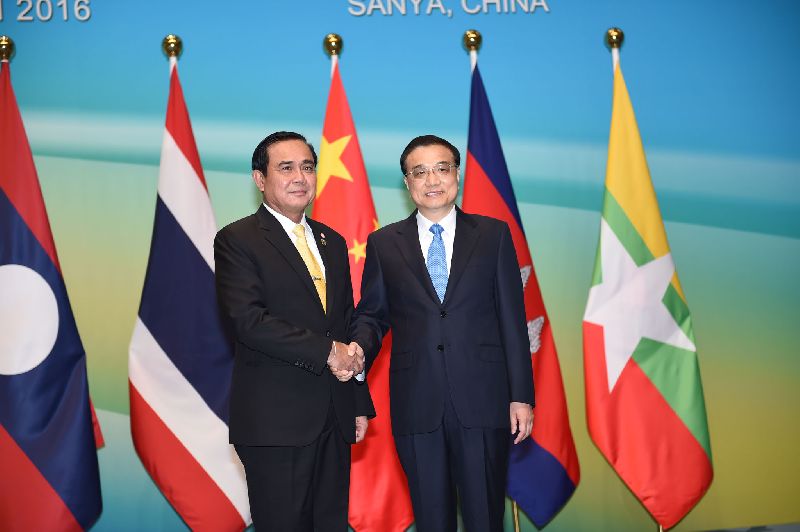
7. Prayuth: Read Chinese Governance Book Because It Suits Thailand

Junta chairman Prayuth Chan-ocha, left, shakes hands with Chinese Premier Li Keqiang, Wednesday, March 23, 2016, at the inaugural Lancang-Mekong Cooperation meeting in Sanya, China.


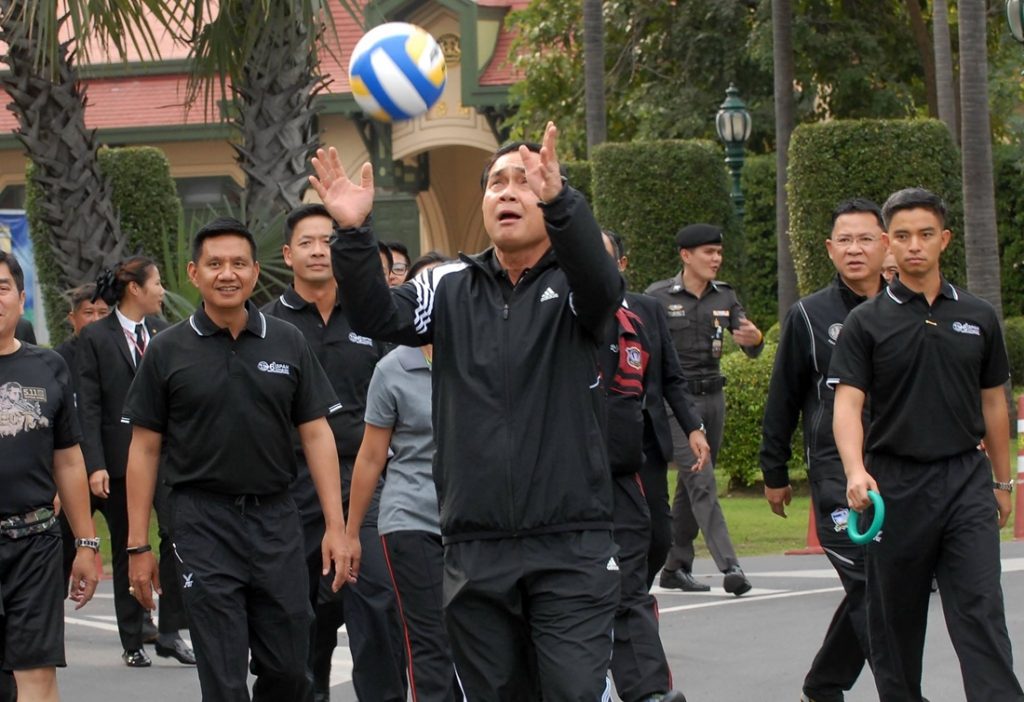
8. Prayuth Orders ‘Workout Wednesdays’ for Officials

15194566_1327572953928300_8586896917410578254_o

9. Gen. Prayuth Plays Down Trump Comparisons

Junta chairman and Prime Minister Prayuth Chan-ocha waves at reporters in Bangkok on 26 August, 2015.


Read: Of Pokemon and Creepy Dolls: The Trendiest Trends of 2016

Advertisement

Army Denies Buying Web Security Cracking Devices

The director of Army Cyber Center, Maj. Gen. Rittee Intravudh in an undated file photo. Photo : Matichon

BANGKOK — Hacktivists posted online Tuesday documents they say contradict army denials it has purchased decryption devices that would allow access to encrypted computer traffic.

As cyber battles sparked by the passage of the new Computer Crime Act continue, online activist group Citizens Against Single Gateway on Monday posted screenshots purportedly obtained from an army procurement database. Listed among purchases were items used to crack the standard security protocols people use to access web servers securely.

“I can assure that there is no such equipment in the army’s procurement plan,”  the director of Army Cyber Center, Maj. Gen. Rittee Intravudh, said in response Monday. “This issue can be looked into. Because no organization under the army has any reason to use such a device.”

SSL or Secure Sockets Layer is the standard protocol widely used to encrypt data between a user’s browser and web server to ensure privacy. In 2013 it came to light that the U.S. NSA had developed a means to defeat SSL.

Rittee said the information was distorted by the opposition in order to attack the army. He said he had no idea where the images came from.

Online activists have been bringing government, police and military sites down in protest of the new Computer Crime Act since it was approved unanimously on Dec.16. They also posted some pictures they claimed prove they are able to penetrate government systems.

On Monday Deputy Prime Minister Prawit Wongsuwan said nine people were detained for hacking government websites, but only a 19-year-old man was handed over to police. No details were given about the other eight detainees.

Responding to the Rittee’s dismissive response, the group posted on Tuesday another document showing the Ministry of Information and Communication Technology formed a committee in 2014 to monitor online media. It was also tasked to test decryption systems to find the best one for use.

In 2015 the Thai army and police were found to be customers of a surveillance malware and intrusion system designed by a vendor called Hacking Team in order to get into private mobile phone and computer systems, according to the document obtained by WikiLeaks.

The military regime says it has no intention of trampling rights and needs better tools to fight cyber crimes, most significantly, cases of royal defamation. It was also used these powers to prosecute its persistent critics.

Advertisement

Our Most/Least Read Stories of 2016

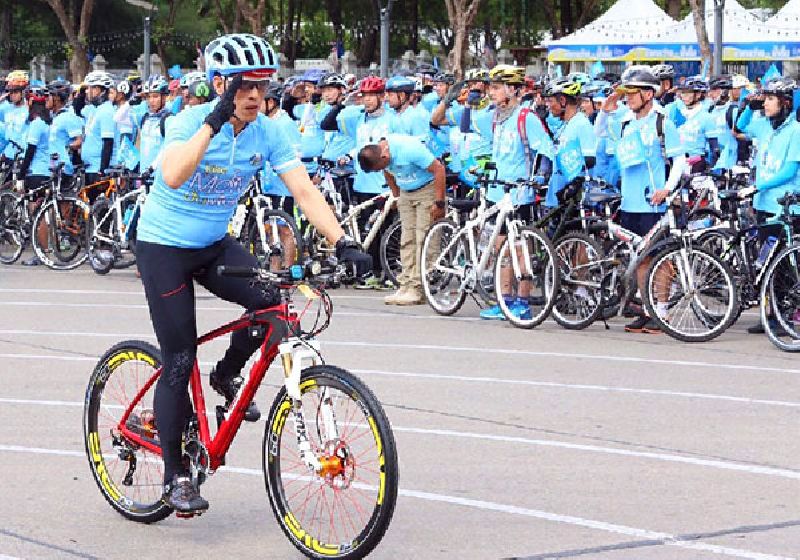
Crown Prince Vajiralongkorn rides a bicycle on Aug. 16, 2015, during a cycling event in Bangkok dedicated to his mother Queen Sirikit.

No one wants to read internet Top 10 lists anymore, so here’s an innovative look back at 2016’s biggest moments with lists of varying lengths.

People’s Choice: 11 Most-Read Stories

Real-world democracy had another rough year, but it thrived online with all the things to click. For better or worse, here are the stories you wanted to read the most.

1. What’s Canceled, Closed and Open in Bangkok During Mourning Period

Photo: John_DL / Flickr


2. Man Wins Desperate Struggle to Free Penis From Toilet Python

Photo: Karunakar Rayker / Flickr


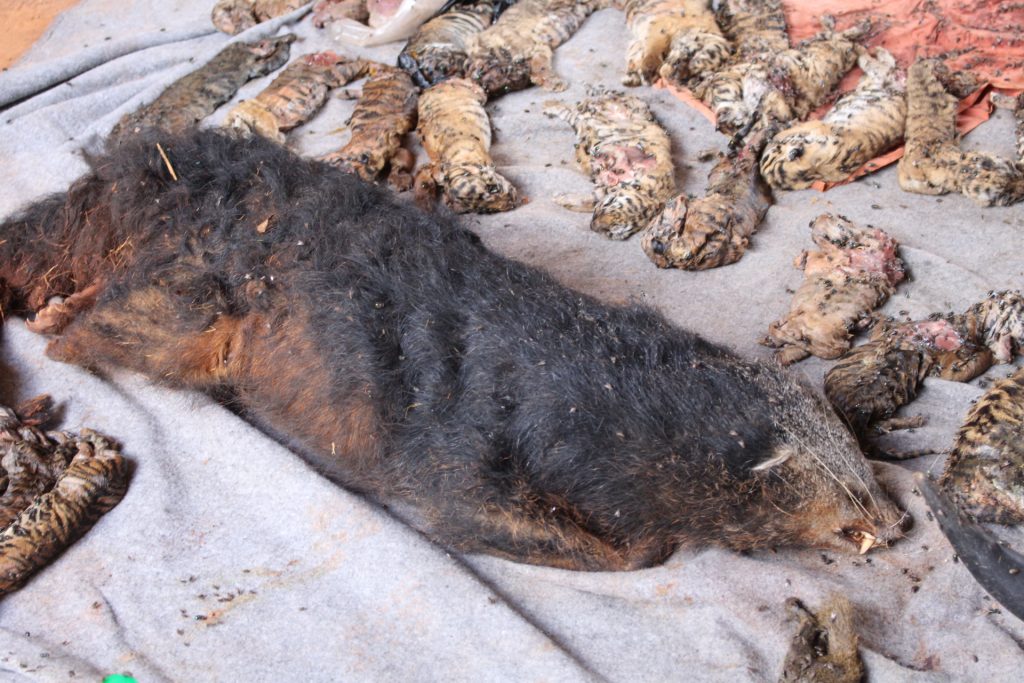
3. Horrible Discovery in Tiger Temple: Dozens of Dead Tiger Kittens

alt-text
Wildlife officials display dead tiger cubs recovered Thursday from the Tiger Temple.


4.  Crown Prince Vajiralongkorn Proclaimed King Rama X

Crown Prince Vajiralongkorn, who holds a rank in the Royal Thai Air Force, returns salutes from officials at the outset of Bike for Mom on 16 Aug.


5. Memes Take Flight Attendant’s Online Deception to New Heights

An image posted to Instagram by @ticha_ek, at left. At right, a parody created by the maker of popular web cartoon Jay the Rabbit.


6. Gov’t Approves 10-Year Visas for Foreigners Over 50 

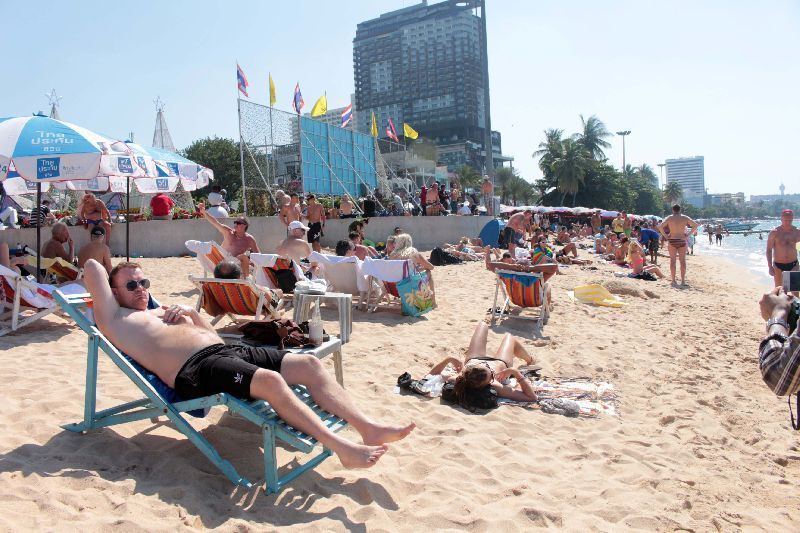
Foreign tourists relax on Pattaya Beach in a December 2014 file photo.


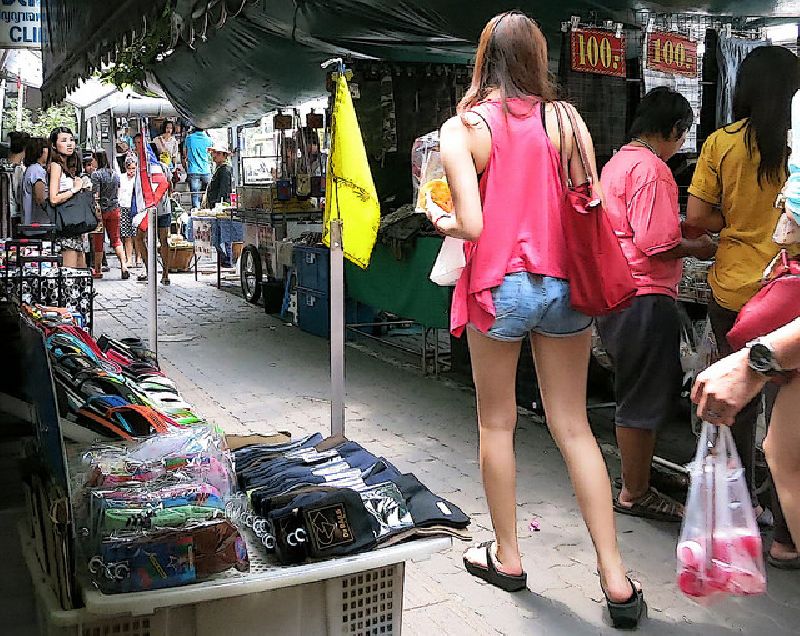
7. Pratunam’s Flashy, Trashy Fashion to be Swept Away

A pedestrian walks through stalls specializing in apparel and fashion items in Bangkok’s Pratunam area. Photo: Jef1947 / Flickr


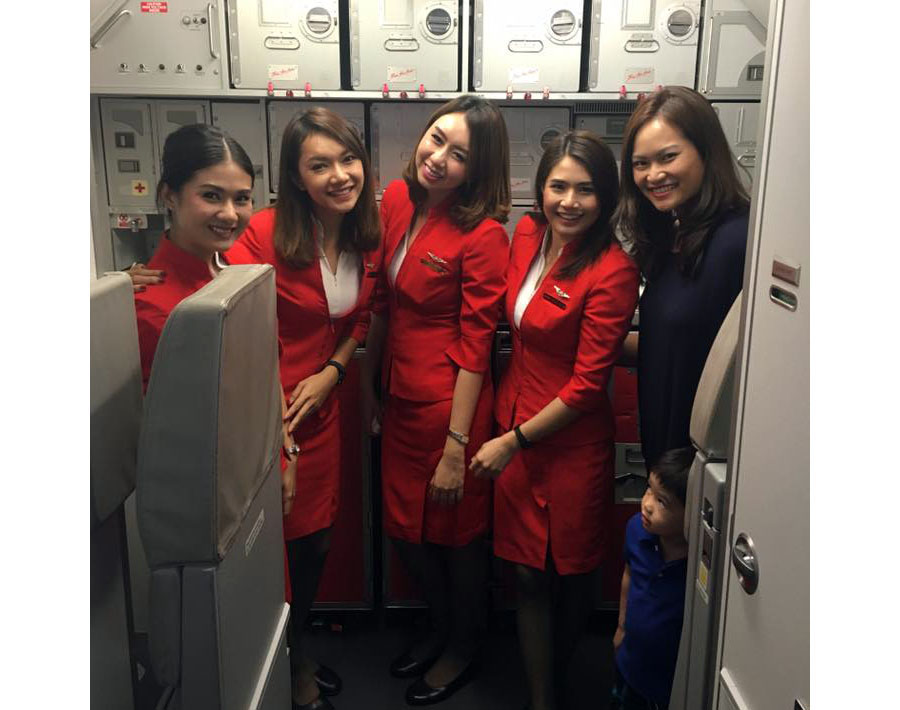
8. Flight Attendant Kowtows on Floor to Irate Passenger

Flight attendants in an image posted by training school Skycoach Maam. Photo: Skycoach Mam / Facebook


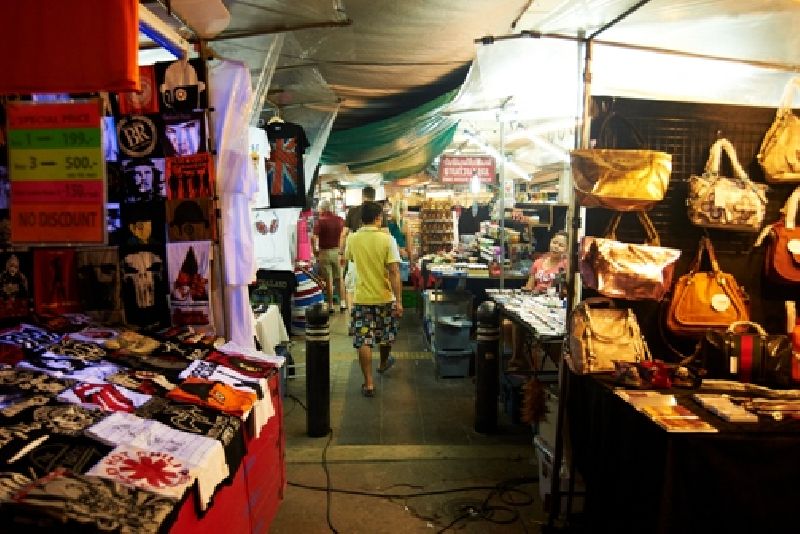
9. Siam, Silom, Sukhumvit Street Markets Shut Down

Street stalls at Silom night market. Photo: Tourism Authority of Thailand

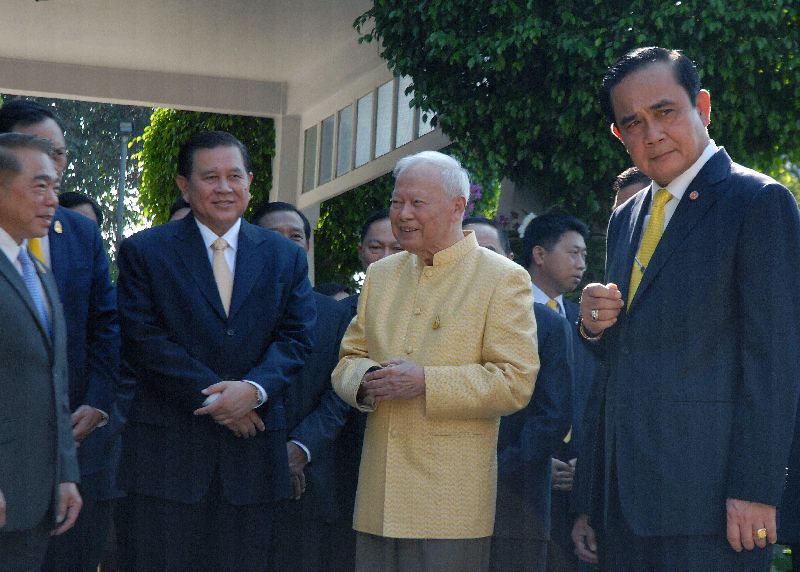
10. Prem Assumes Regency Over Thailand’s Empty Throne

Leaders of the junta meet Gen. Prem Tinsulanonda at his residence yesterday


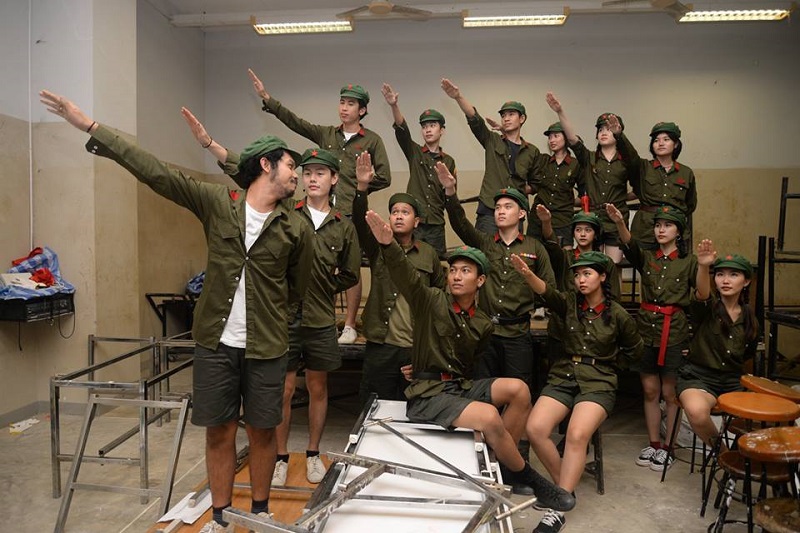
11. Thai University Students Cosplay as Red Guards and Nazis, Again

Silpakorn University students in Bangkok dress recently as Mao Zedong’s Red Guards from the bloody Cultural Revolution in the 1960s. Photo: Washirawit Santipiboon / Facebook

Read: Of Pokemon and Creepy Dolls: The Trendiest Trends of 2016


Least-Read Stories

Were the internet less democratic, it would be less clogged with kitten videos and one weird tricks. Here are a few of the stories we knew wouldn’t win the most clicks but still needed to be told.

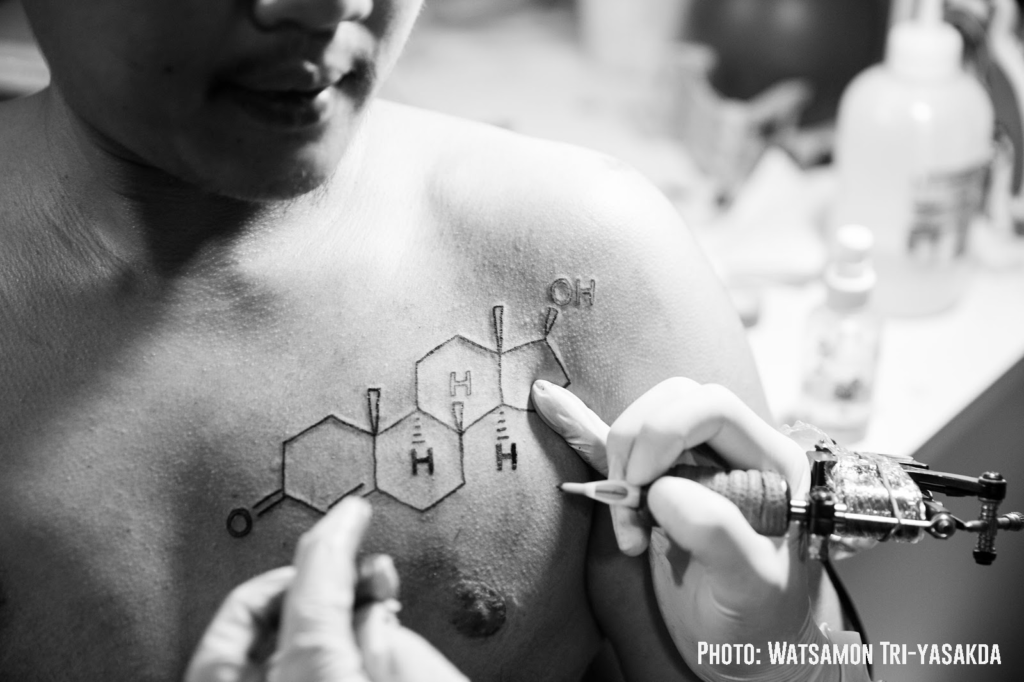
1. At Last, Medical Care for Trans Men at First Clinic in Asia

Kanattsanan 'Mukk' Dokput receives a tattoo in February representing the testosterone molecule to signify his transition to a male identity. Photo: Watsamon Tri-yasakda
Kanattsanan ‘Mukk’ Dokput receives a tattoo in February representing the testosterone molecule to signify his transition to a male identity. Photo: Watsamon Tri-yasakda


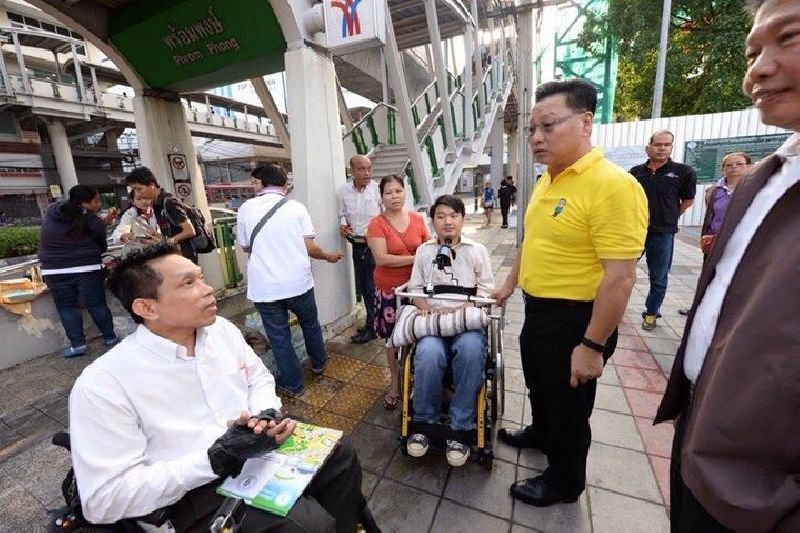
2. Broken Promises: BTS Still Off Limits to Disabled

Disabled rights activist Manit Inpim, who spearheaded efforts to make the rail system accessible with Transportation for All, talks to Deputy Bangkok Gov. Amorn Kijchawengkul on Jan. 21 at BTS Phrom Phong in Bangkok.


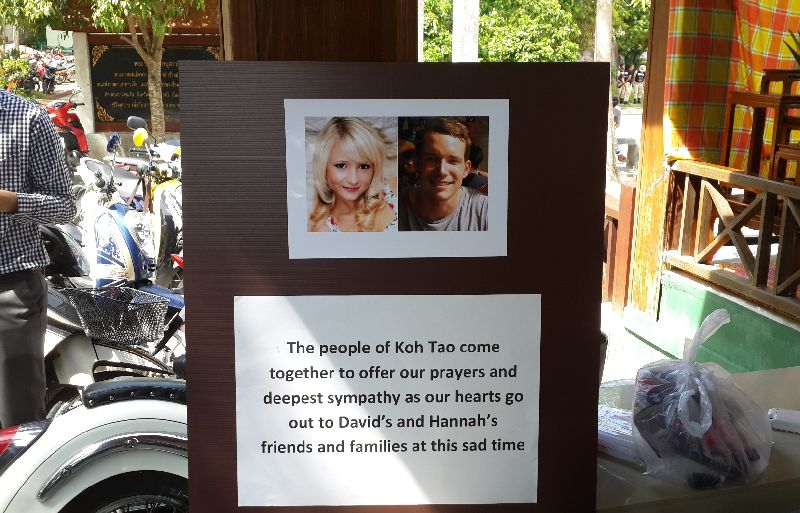
3. Injustice Echos From All Sides Two Years After Koh Tao Murders

A memorial for David Miller, 24, and Hannah Witheridge, 23, as seen on Koh Tao on Sept.18, 2014.


4. Angry Victims and Families of Erawan Shrine Bombing Still Wait for Justice 1 Year Later

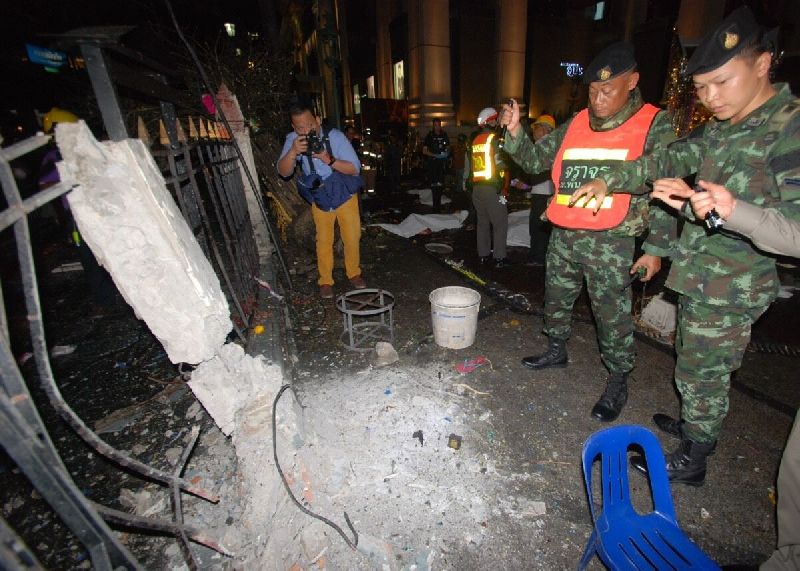
Security officers inspect the blast site at Erawan Shrine on Aug. 17, 2015, in Bangkok.


5. Watchdogs ‘Too Late’ to Stop Media Spellbound by Slow-Motion Suicide

Wanchai Danaitamonut points a gun to his head during police investigation.  
Wanchai Danaitamonut points a gun to his head during police investigation.


6. Vanishing Bangkok: What is the Capital Being Remade Into, And For Whom?

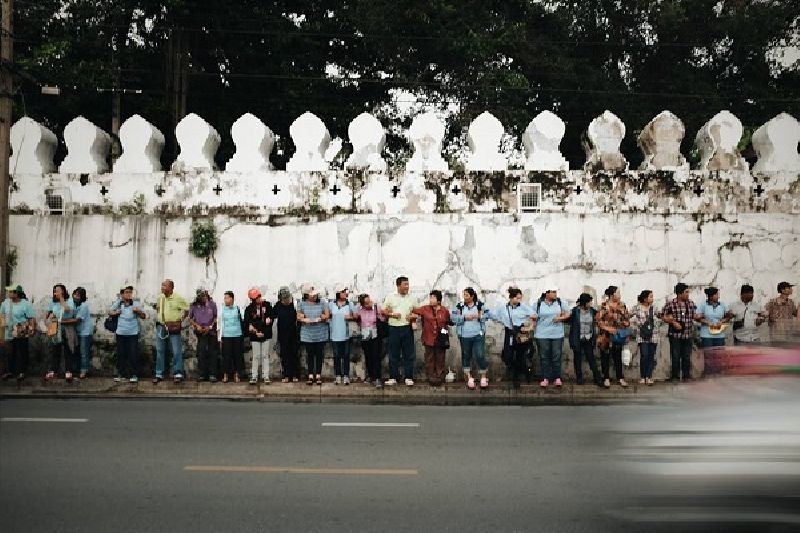
Members of the Pom Mahakan community and their supporters lock arms together Sunday in a symbolic show of opposition to eviction by the city. Photo: Matichon


7. Monopolyland: Can Thailand’s Markets Ever be Fair?

monopolyland


8. Thammasat Massacre Relived in 40 Years of Arts & Culture 

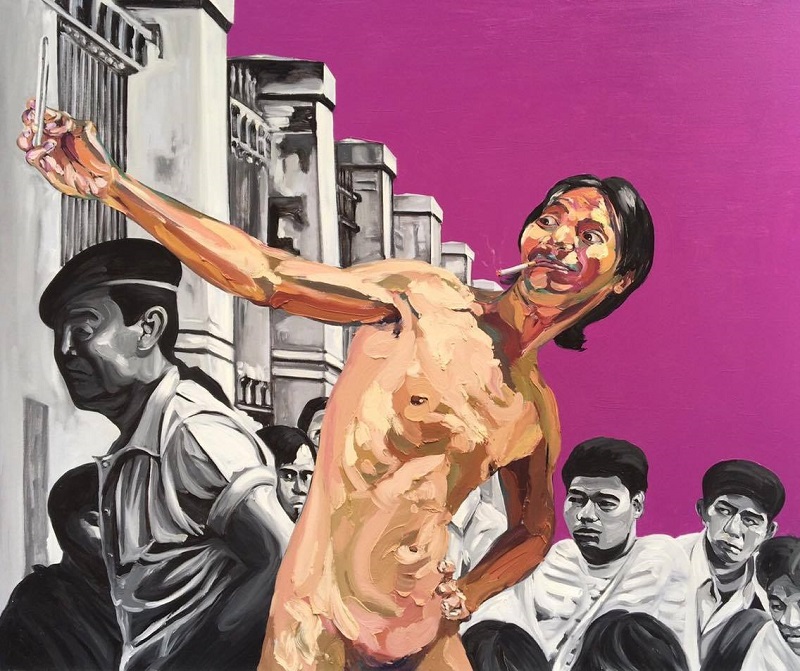
Photo: Chumpol Kamwanna / Courtesy


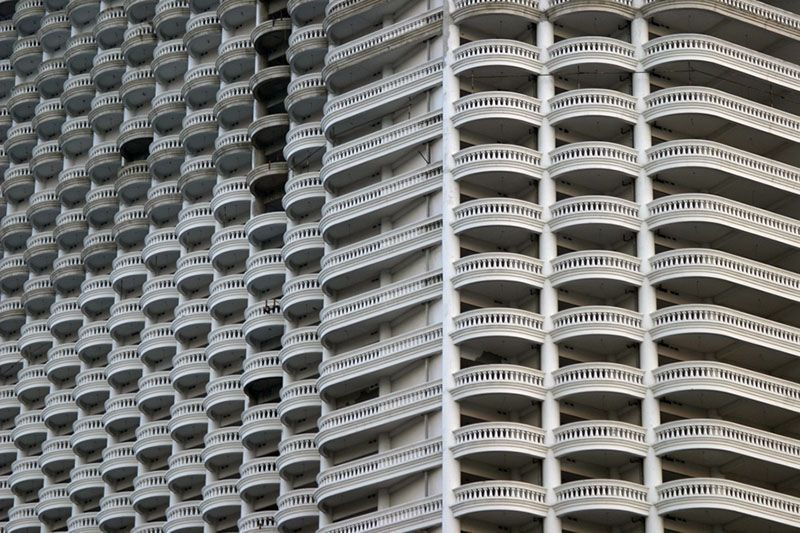
9. The Balcony Did It? Why Thailand’s Falling Deaths Raise Eyebrows

Bangkok's Sathorn Unique Tower, aka the Ghost Tower. Photo: Side Guacamole / Flickr
Bangkok’s Sathorn Unique Tower, aka the Ghost Tower. Photo: Side Guacamole / Flickr

Read: From Trafficked Tigers to Charred Children, 2016 Delivered on Awful


Advertisement

Crashed Russian Plane’s Black Box Recovered

This photo taken in 2015 shows the Tu-154 plane with registration number RA-85572 at Chkalovsky military airport near Moscow, Russia. Photo: Dmitry Petrochenko / Associated Press

MOSCOW — Russia’s defense ministry says rescue teams have found a flight recorder from the plane that crashed into the Black Sea over the weekend.

The ministry said in a statement that the flight recorder was found a mile from the shore early Tuesday morning. State television showed footage of rescue workers on an inflatable boat carrying a container with a bright orange object covered in water.

All 92 people aboard the Russian military’s Tu-154 plane are believed to have died Sunday morning when it crashed two minutes after taking off from the southern Russian city of Sochi.

The 84 passengers included dozens of singers from Russia’s world-famous military choir who were going to Russia’s base in Syria to perform at a New Year’s concert.

Advertisement

Hot News

LATEST NEWS

Bangkok
overcast clouds
29.7 ° C
31.6 °
28.8 °
81 %
3.7kmh
100 %
Mon
35 °
Tue
36 °
Wed
34 °
Thu
33 °
Fri
32 °